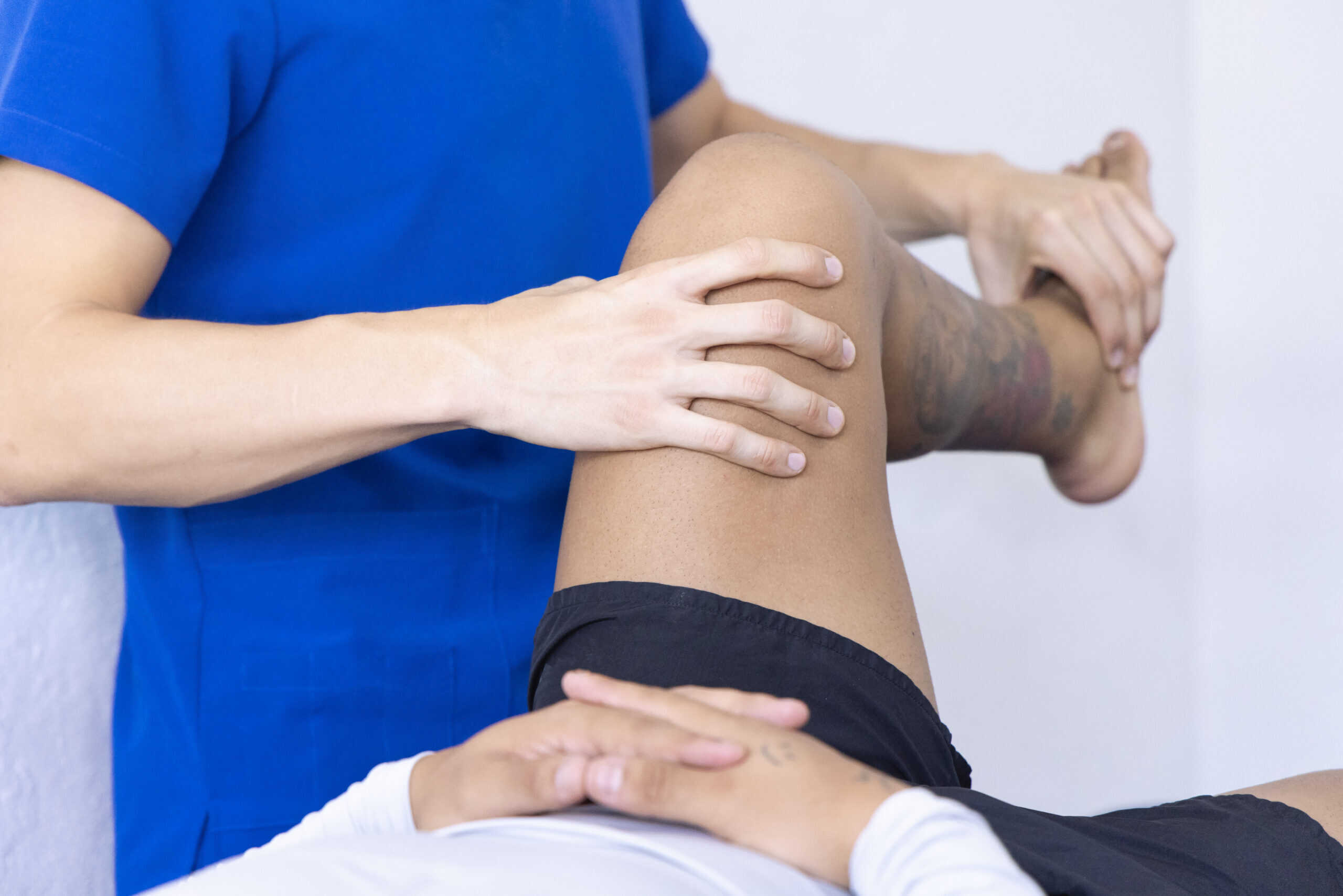
Knee Pain Treatment in Wayne, NJ: One-on-One Physical Therapy That Restores Function
Wayne is a community of 55,000 people with a lot going on physically. Wayne Hills Patriots and Wayne Valley Indians compete in some of the most competitive athletic programs in Passaic County. Wayne PAL runs youth baseball, soccer, football, and lacrosse for hundreds of kids through middle school. The Ice Vault Arena draws hockey families from across the region. High Mountain Park Reserve offers 1,153 acres of wooded trails twenty minutes from downtown. And then there’s the occupational side: St. Joseph’s Wayne Medical Center, Kering Americas, Willowbrook Mall, and the distribution and retail operations that employ a large portion of the working population.
Knee pain in Wayne means something different depending on who you are. For the Wayne Hills football player, it’s the ACL that changes a season. For the nurse at St. Joseph’s, it’s the daily ache that builds after eight hours on a hospital floor. For the weekend runner on the High Mountain trails, it’s the patellofemoral pain that keeps escalating until something has to change. At Trinity Rehab in Wayne, we treat the full range — with one-on-one care that addresses what’s actually causing your pain.
Who’s Getting Knee Pain in Wayne — and What’s Driving It
Wayne Hills and Wayne Valley Athletes
Wayne Hills has been one of New Jersey’s most successful high school football programs for decades, with multiple state championships in the 2000s and 2010s. Wayne Valley fields competitive soccer, volleyball, lacrosse, and basketball programs. The Wayne PAL system brings youth athletes into organized sport from elementary school onward.
These programs share a common injury profile: ACL tears, meniscus injuries, and patellofemoral syndrome. High-speed cutting in soccer and lacrosse, the blocking and tackling contact in football, the landing mechanics in volleyball and basketball — all generate the forces that lead to ligament sprains, cartilage damage, and kneecap tracking problems. Many Wayne athletes we treat have been managing pain for months before seeking care, which allows minor problems to become significant structural issues.
Hockey Players at Ice Vault Arena
Ice skating places a unique set of demands on the knee — edge loading, crossovers, sudden stops, and the deep knee flexion of a skating stride. Acute MCL sprains from falls or contact are common, as are chronic complaints from accumulated skating hours. Wayne’s active hockey community, from youth learn-to-skate through adult leagues at the Ice Vault, makes this a regular presentation in our clinic.
Workers at St. Joseph’s Wayne Medical Center and Area Employers
Healthcare workers — nurses, patient care technicians, physical therapy aides — stand and walk on hard hospital floors for 8–12 hour shifts. That sustained loading, combined with patient transfer demands and irregular movement patterns, is a recipe for bursitis, patellar tendonitis, and early knee osteoarthritis. Employees at Willowbrook Mall and Kering Americas’ operations center face comparable demands from retail floor work and warehouse-adjacent logistics activity.
Trail Runners and Hikers at High Mountain Park Reserve
High Mountain Park Reserve — 1,153 wooded acres of trails ranging from gentle loops to challenging ridge routes — is one of Wayne’s most prized outdoor assets. Regular trail runners and hikers who push mileage through the park’s varied terrain are susceptible to IT band syndrome, patellofemoral pain, and meniscus irritation. The Pompton Valley Rail Trail and Wayne Walks routes add to the options for outdoor recreation but compound the accumulated loading on the knee over a fitness season.
Active Adults and the “Weekend Warrior” Population
Wayne’s median household income of $153,000 and its family-oriented suburban culture support a highly active adult population — gym memberships, travel soccer for kids, adult basketball leagues, and racquet sports. For adults in their 40s and 50s who maintain high activity levels, the gap between how hard they push and how well their tissues recover tends to narrow. Knee pain in this group often signals the onset of osteoarthritis, a meniscus that’s reached a tipping point, or a long-standing movement pattern compensation that has finally caught up.
Symptoms Worth Taking Seriously
- Knee pain that comes on predictably during specific activities and no longer resolves with rest
- Swelling or puffiness around the joint following athletic activity
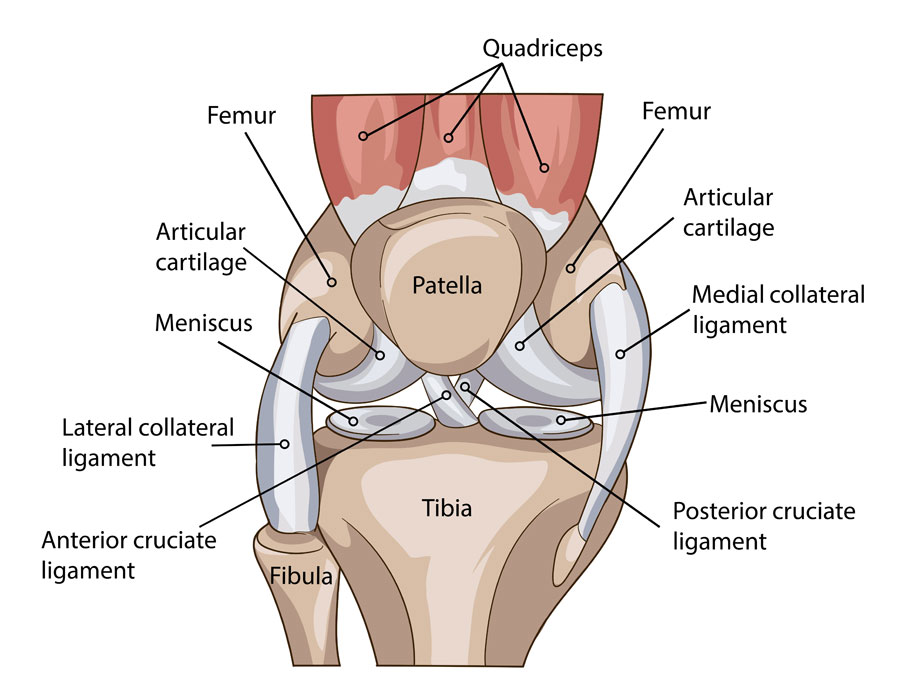
- A clicking, grinding, or catching sensation when bending or straightening the knee
- Stiffness first thing in the morning or after prolonged sitting
- Pain on the outer side of the knee after longer runs — a classic IT band sign
- Instability or the sensation that the knee might give way
- Pain that has gradually limited how much you do — shorter runs, skipped gym sessions, fewer stairs
How Trinity Rehab Treats Knee Pain in Wayne
Manual Therapy
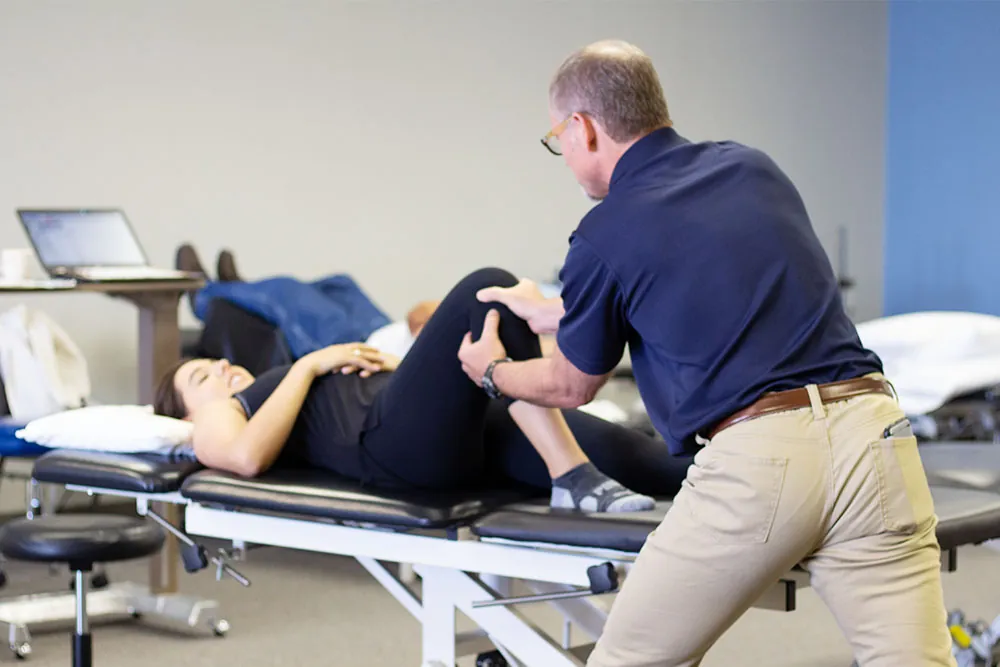
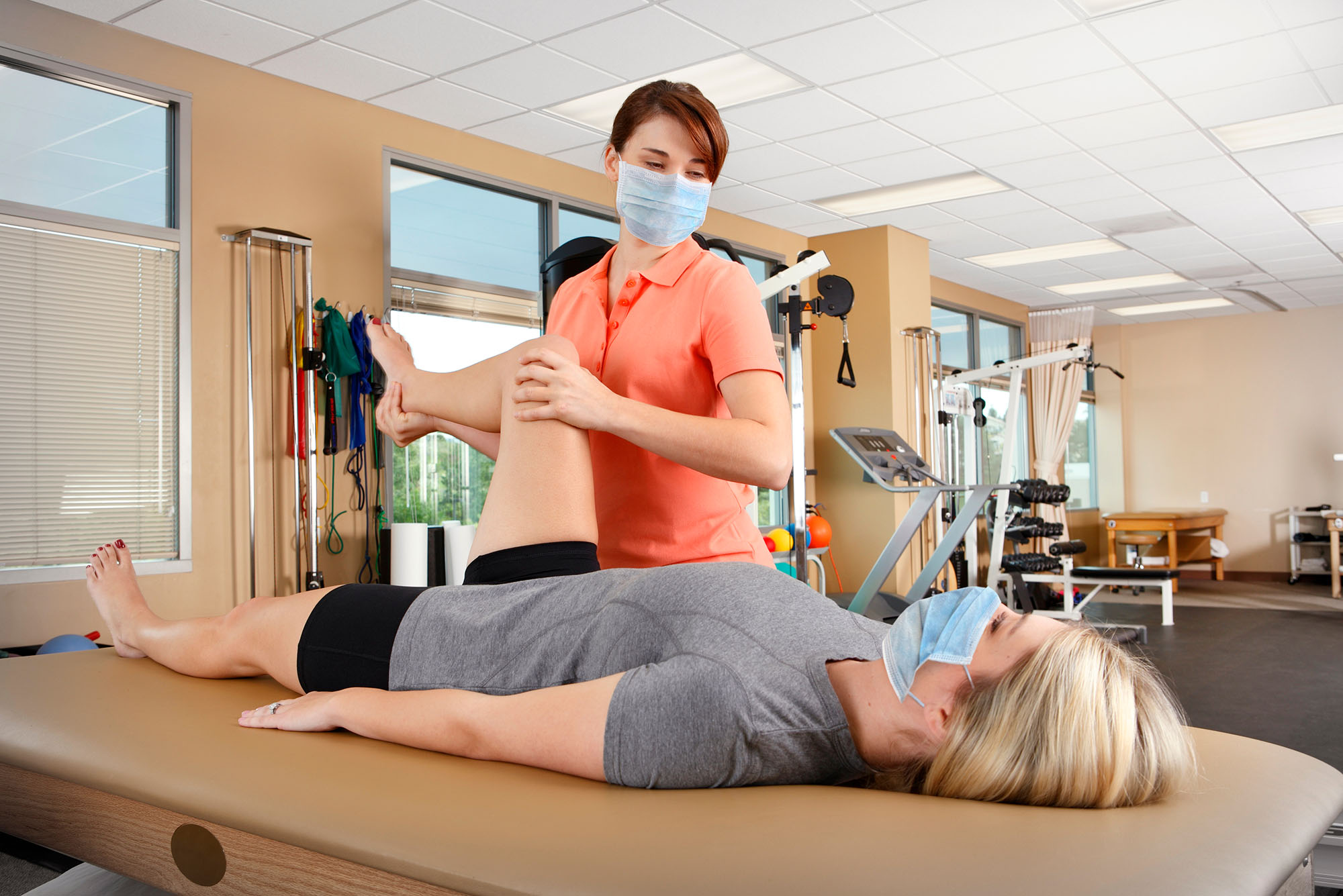
Your therapist begins with manual therapy — hands-on joint mobilization, soft tissue work, and patellar tracking correction that reduces pain and restores mobility quickly. For Wayne athletes recovering from acute injuries, early manual therapy prevents the stiffness and compensation patterns that complicate recovery. For patients with chronic osteoarthritis or post-surgical stiffness, it maintains the range of motion that exercise alone struggles to recover.
Targeted Strengthening: Quadriceps, Hips, and Beyond
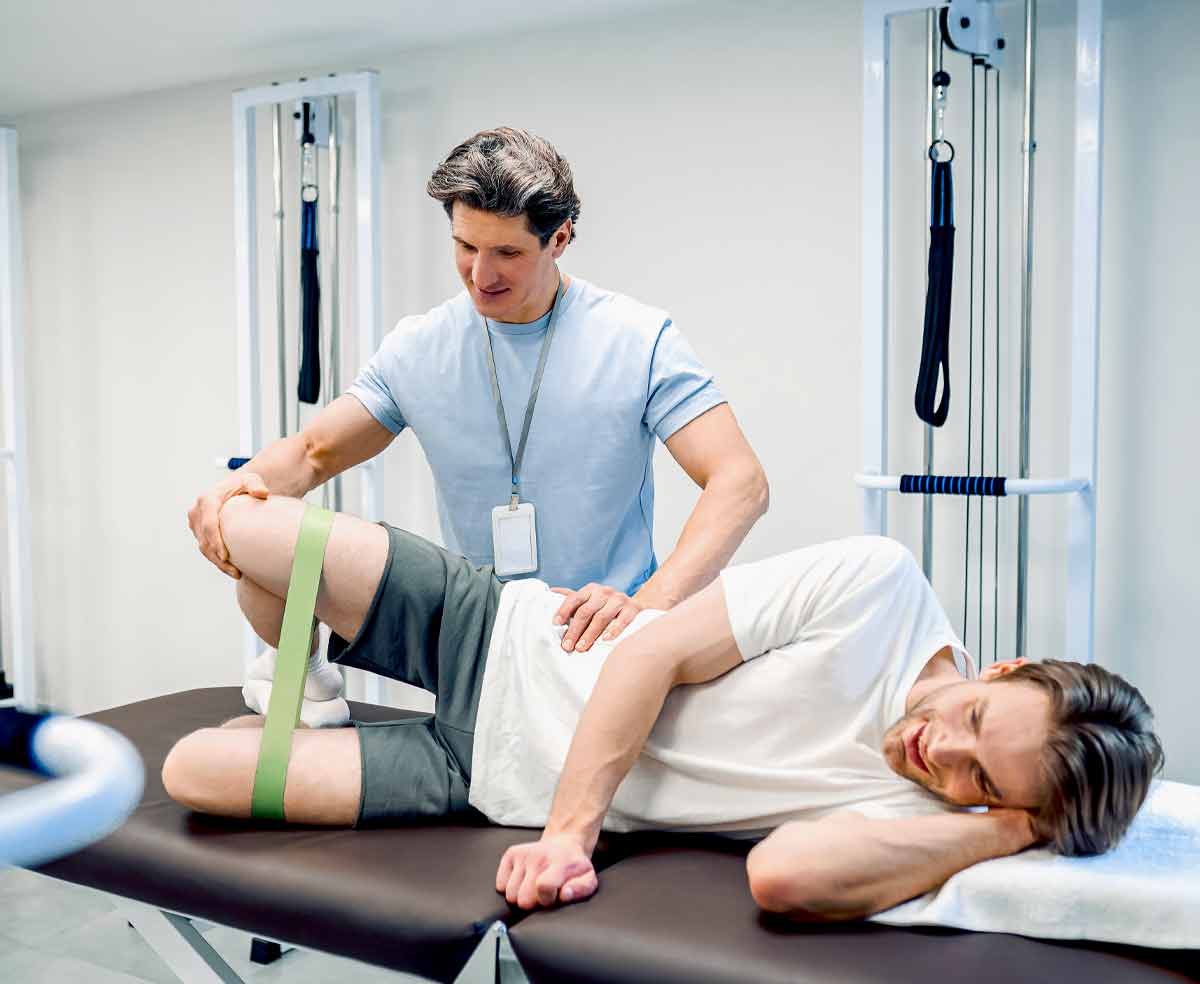
Quadriceps weakness — particularly the VMO (vastus medialis oblique), the inner quad muscle that controls patellar tracking — is the single most consistent finding in patients with patellofemoral syndrome, osteoarthritis, and post-surgical knee pain. Hip abductor and external rotator weakness allows the knee to collapse inward during activity, placing abnormal stress on the medial structures and accelerating cartilage wear.
Your therapist designs a strengthening program calibrated to your current level and your specific activity demands — different for a Wayne Hills hockey player returning to skating than for a St. Joseph’s nurse managing bilateral knee arthritis. The program advances as you respond, and your therapist monitors technique throughout to ensure you’re building strength in patterns that protect rather than stress the joint.
AlterG Anti-Gravity Treadmill
For patients recovering from knee replacement, ACL reconstruction, or pain severe enough to limit weight-bearing activity, the AlterG treadmill makes rehabilitation possible at stages where full loading isn’t yet appropriate. By partially offsetting body weight, it lets you walk and run with normal mechanics while the healing tissue is protected — rebuilding fitness and movement quality simultaneously.
EPAT Shockwave Therapy
EPAT is particularly valuable for the patellar tendonitis and IT band conditions that resist standard treatment. For Wayne’s hockey players, runners, and court sport athletes who’ve been dealing with the same chronic tendon pain through multiple seasons, EPAT provides a non-invasive path to healing at the tissue level that rest and stretching alone cannot achieve.
Dry Needling
Dry needling releases the trigger point tension in the quads, hip flexors, and posterior chain that limits range of motion, inhibits normal muscle activation, and contributes to the altered movement patterns behind many chronic knee conditions. It’s especially useful for Wayne’s physically demanding patient populations — hospital workers whose lower extremities carry significant accumulated tension and athletes who’ve been compensating around pain for months.
Conditions We Treat at Our Wayne Location
- ACL and MCL injuries — From Wayne Hills/Valley athletics, hockey, and adult sport; pre- and post-surgical rehabilitation
- Patellofemoral syndrome (runner’s knee) — Widespread in Wayne’s running, cycling, and court sports community
- IT band syndrome — A primary complaint from High Mountain trail runners
- Meniscus tears — Traumatic and degenerative; non-surgical management effective for many patients
- Knee osteoarthritis — Comprehensive treatment reducing pain and improving function at all stages
- Patellar tendonitis — Chronic jumper’s/runner’s knee; EPAT produces excellent outcomes
- Post-surgical recovery — Structured rehabilitation after knee replacement or ACL reconstruction
- Work-related knee conditions — Bursitis and tendinitis from healthcare and retail occupational demands
For related conditions: sports injuries | back pain | hip and knee pain
What Makes Trinity Rehab the Right Choice in Wayne
Wayne has no shortage of physical therapy options. What distinguishes Trinity Rehab is the model:
You see a licensed physical therapist for every minute of every session. Not an aide who has you do a set of exercises while the therapist works with someone else in a different part of the clinic. Your therapist is with you, watching how you move, progressing your program, and making decisions based on real-time assessment.
Advanced technology that most practices don’t offer. AlterG, EPAT, and dry needling — used where the evidence supports them, not as upsells.
No referral required in New Jersey. Call today. Most insurance accepted.
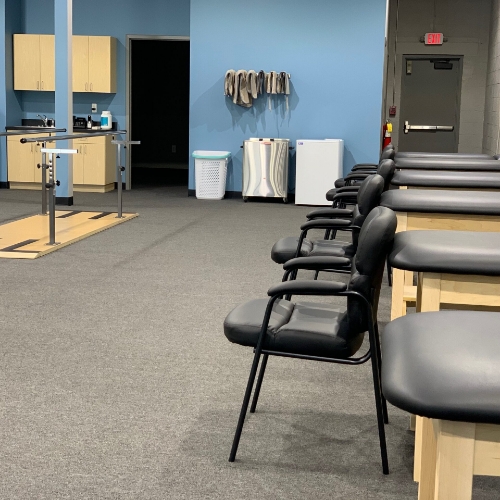
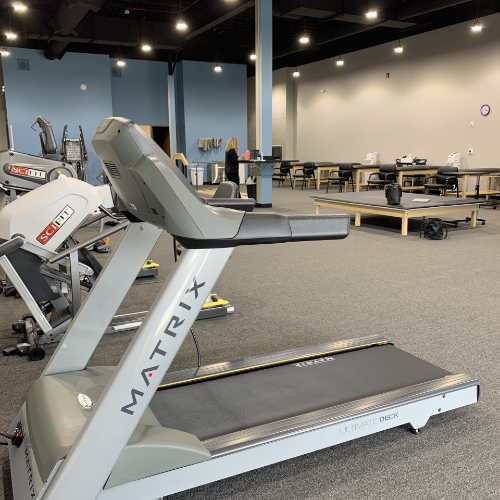
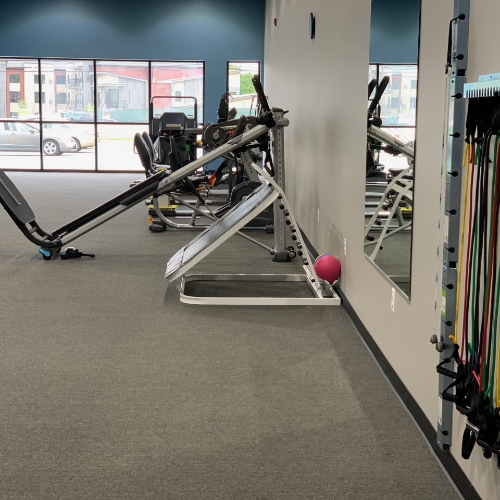
Inside Our Wayne Clinic
Related Conditions & Treatments
Knee pain is just one of the many conditions we treat at Trinity Rehab. Explore our full range of conditions we treat or learn more about specific treatment approaches:
Frequently Asked Questions About Knee Pain in Wayne
My son plays for Wayne Hills football and hurt his knee in practice. How soon should he be seen?
I skate at Ice Vault Arena and have had MCL pain for a few months. Can physical therapy help?
I work long shifts at a hospital and my knees ache every evening. What can be done?
Is surgery inevitable for knee osteoarthritis?
Do I need a referral to see a physical therapist in New Jersey?
Ready to Get Started?
Wayne is a town that doesn’t sit still — and you shouldn’t have to either. Whether it’s a sports injury, a work-related condition, or the gradual onset of knee arthritis, Trinity Rehab in Wayne provides the individualized care that gets you back to what you do.
Return to Trinity Rehab’s knee pain overview
Related resources: Knee Pain Treatment Hub | Hip & Knee Pain Relief | Sciatica Treatment | EPAT Therapy | Sports Injuries
What Our Patients Say



Sign up for free health tips and tricks