
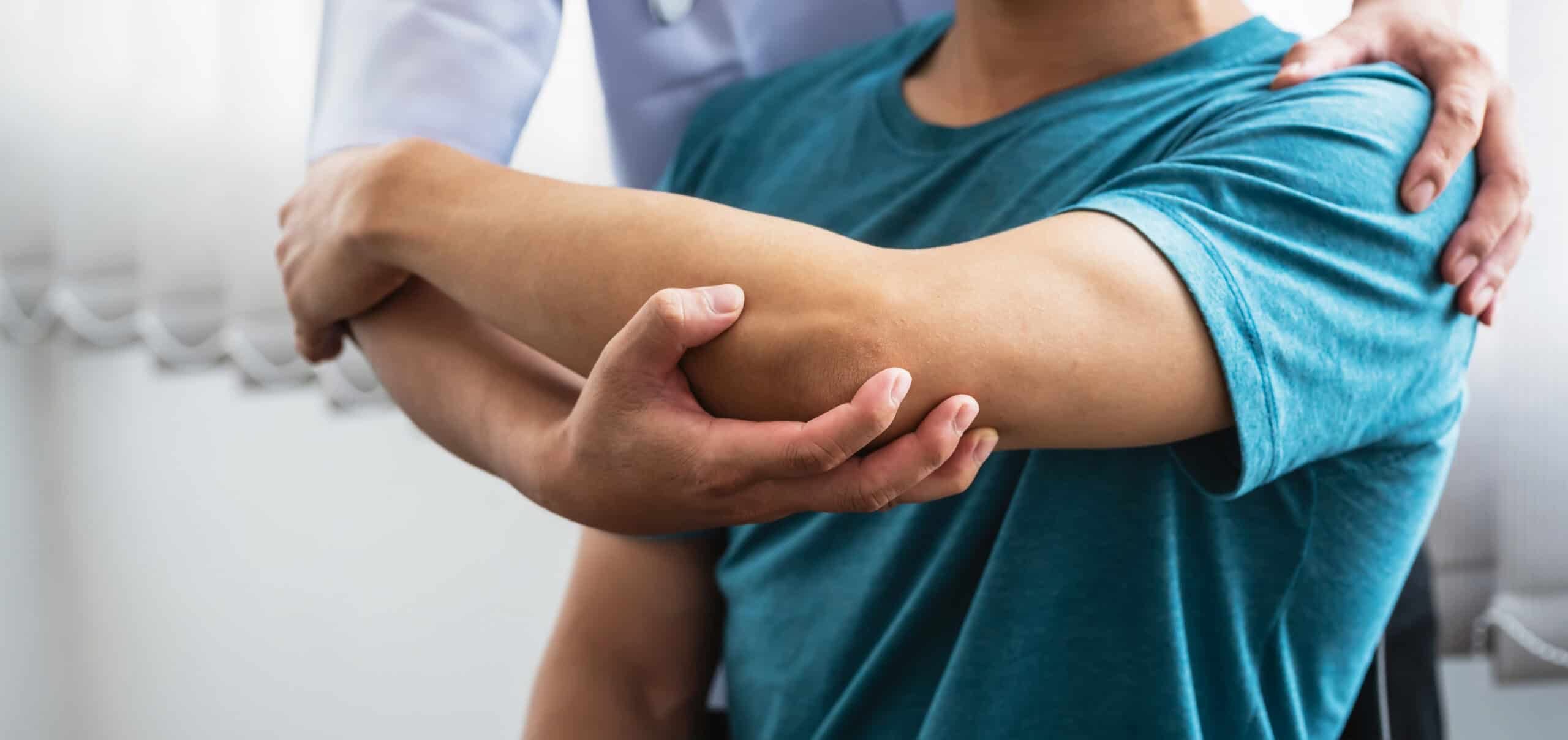
Golfer’s Elbow Treatment in Wayne, NJ | Trinity Rehab
Wayne: A Diverse Suburban Community Where Activity Defines Life—When Elbow Pain Strikes
Wayne is a large, diverse Passaic County community of roughly 55,000 residents—the kind of place where families build real lives together. From the historic Dey Mansion to the bustling Willowbrook Mall, from the Wayne Hills and Wayne Valley sports culture (Patriots and Indians), to the Valley Health System and the thriving Route 23 commercial corridor, Wayne is defined by activity, commerce, and community. Whether you’re a parent managing family activities, a healthcare worker at Valley Health System, a small business owner on Route 23, or someone with diverse recreational pursuits, Wayne’s environment demands physical capability.
Golfer’s elbow (medial epicondylitis) can arrive quietly, disrupting the balance of your Wayne life. That burning pain on the inside of your elbow—whether it started at the gym, through your work at Valley Health System, during home projects, or simply through the cumulative stress of daily life—doesn’t have to be permanent. Trinity Rehab has helped Wayne residents get back to their active lives.
Understanding Golfer’s Elbow: The Medical Truth About Medial Epicondylitis
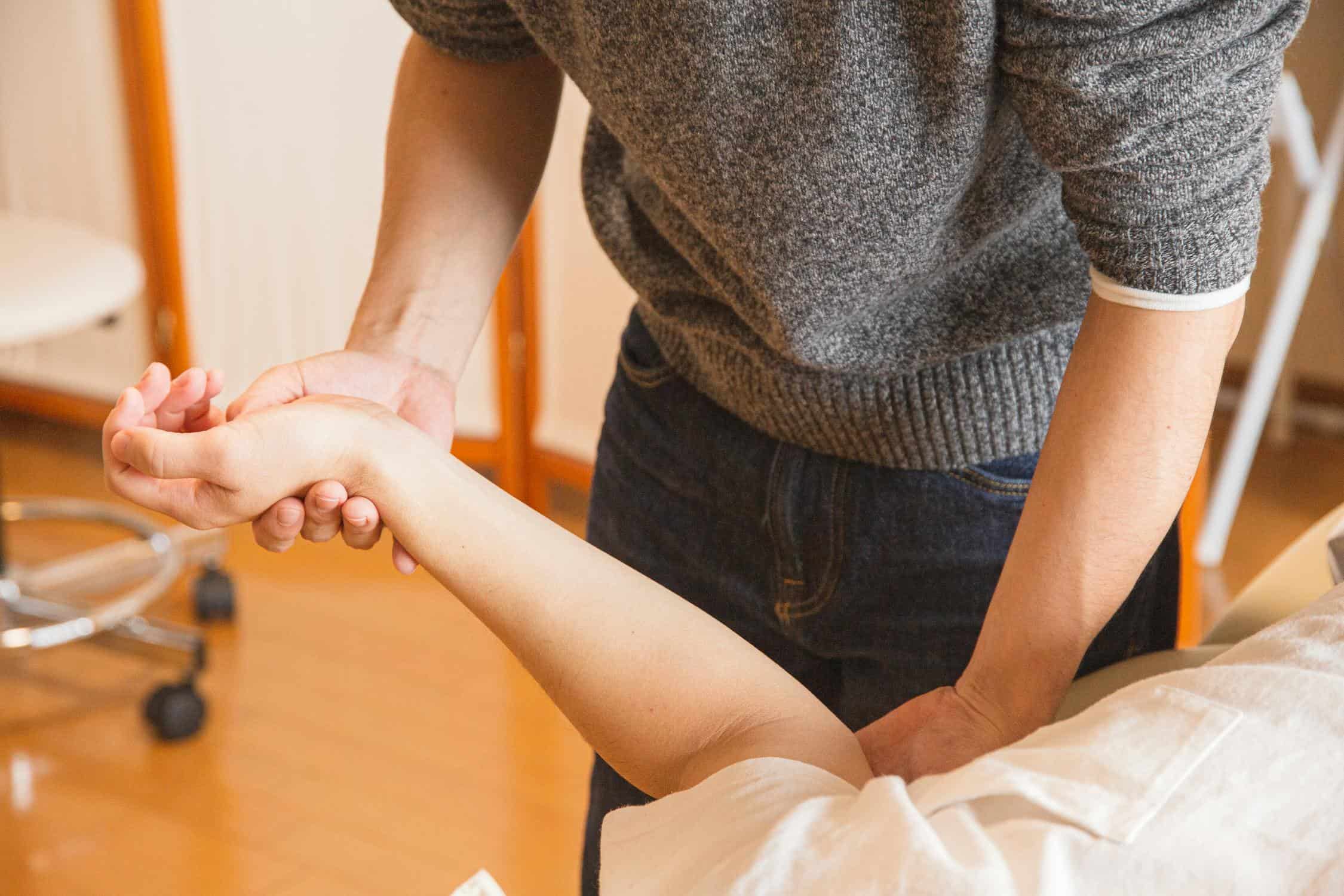
Golfer’s elbow is a condition of the flexor-pronator muscles and tendons that attach to the medial epicondyle—the bony bump on the inside of your elbow. These structures are responsible for gripping, flexing your wrist, and rotating your forearm. When you use these actions repeatedly without adequate recovery, microscopic tears develop in the tendons, leading to inflammation and pain.
Unlike acute injuries with a specific moment of onset, golfer’s elbow develops gradually through cumulative stress. Here’s how the typical progression works:
Stage 1 – Early Awareness: You notice mild discomfort after certain activities—work tasks, recreational activities, or exercise. It’s easy to dismiss. You rest a day or two and feel better, so you assume it will resolve on its own.
Stage 2 – Increasing Frequency: The discomfort becomes more regular. It might hurt in the morning, worsen as the day progresses, or appear predictably after specific activities. You start noticing that some things you enjoy are triggering pain, but you continue hoping it will improve.
Stage 3 – Functional Limitation: Pain becomes persistent and begins limiting what you can do. Your grip is weaker. Activities you’ve always done are now difficult or impossible. You’re modifying your life around the pain.
Stage 4 – Chronic Adaptation: If untreated, your body adapts to chronic pain through avoidance patterns and weakness. Your lifestyle becomes significantly constrained.
Common symptoms:
- Sharp, aching pain on the inside of the elbow
- Weakness in grip strength and forearm control
- Pain worsening with gripping, squeezing, or twisting motions
- Stiffness in the elbow and forearm
- Numbness or tingling radiating into the wrist and hand
- Pain that wakes you at night or is worst in the morning
The reality: Rest alone rarely resolves golfer’s elbow. Once inflammation is established, active rehabilitation is necessary to rebuild tissue quality and restore function.
Who Develops Golfer’s Elbow in Wayne: Diverse Risk Factors in Your Community
Wayne’s diversity and activity level create multiple populations at risk for medial epicondylitis:
Healthcare Workers at Valley Health System Valley Health System is a major Wayne employer. Nurses, therapists, technicians, and healthcare administrators work with their hands extensively—patient handling, precision work, equipment operation. The combination of sustained gripping, lifting, and repetitive motion creates high risk for golfer’s elbow.
Route 23 Commercial Corridor Workers The busy commercial corridor along Route 23 employs thousands in retail, service, and small business. Retail workers scan products, handle cash, and lift merchandise; service workers use tools and equipment; small business owners do varied manual and office work. All these activities create forearm strain.
Parent Population and Family Demands Wayne has a substantial parent population managing active children. Constant lifting, carrying, bathing, dressing, and playing with children creates cumulative forearm demand that compounds work and recreational stress.
Fitness Enthusiasts and Sports Participants Many Wayne residents maintain active fitness routines and participate in recreational sports. The gym work, sports participation, and activity-intensive lifestyle creates additional cumulative demand on the flexor tendons.
Dey Mansion and Historical Community While not primarily an occupational group, Wayne’s historical and cultural engaged residents participate in community work, volunteer activities, and historical preservation—all involving varied manual tasks.
Wayne Hills and Wayne Valley Athletes The sports culture, particularly through the high school sports programs, creates young people and their families engaged in athletic training and competition. Young athletes might develop golfer’s elbow from excessive throwing sports or gripping activities.
Office and Administrative Workers Many Wayne residents work in office settings—banks, insurance, administration, and professional services. Computer work, keyboard usage, and mouse strain create the perfect conditions for medial epicondylitis.
Age and Demographic Diversity Wayne’s population spans all ages and life stages. While golfer’s elbow can affect anyone, it’s more common as people age and tissue quality changes. Wayne’s established middle-aged population faces higher risk than younger residents.
Dual Demands Many Wayne residents balance work demands (whether healthcare, retail, office, or trades) with active personal lives. This cumulative demand—work plus commuting plus recreation plus family responsibilities—creates perfect conditions for overuse injury.
The profile of a Wayne resident at risk: someone living an active, engaged life, managing multiple responsibilities, and expecting their body to keep up. If that’s you, your risk for golfer’s elbow is higher than you might think.
How Trinity Rehab Wayne Treats Golfer’s Elbow
At Trinity Rehab, we understand Wayne’s diverse community. We treat golfer’s elbow with a personalized approach designed to restore complete function and get you back to your life.
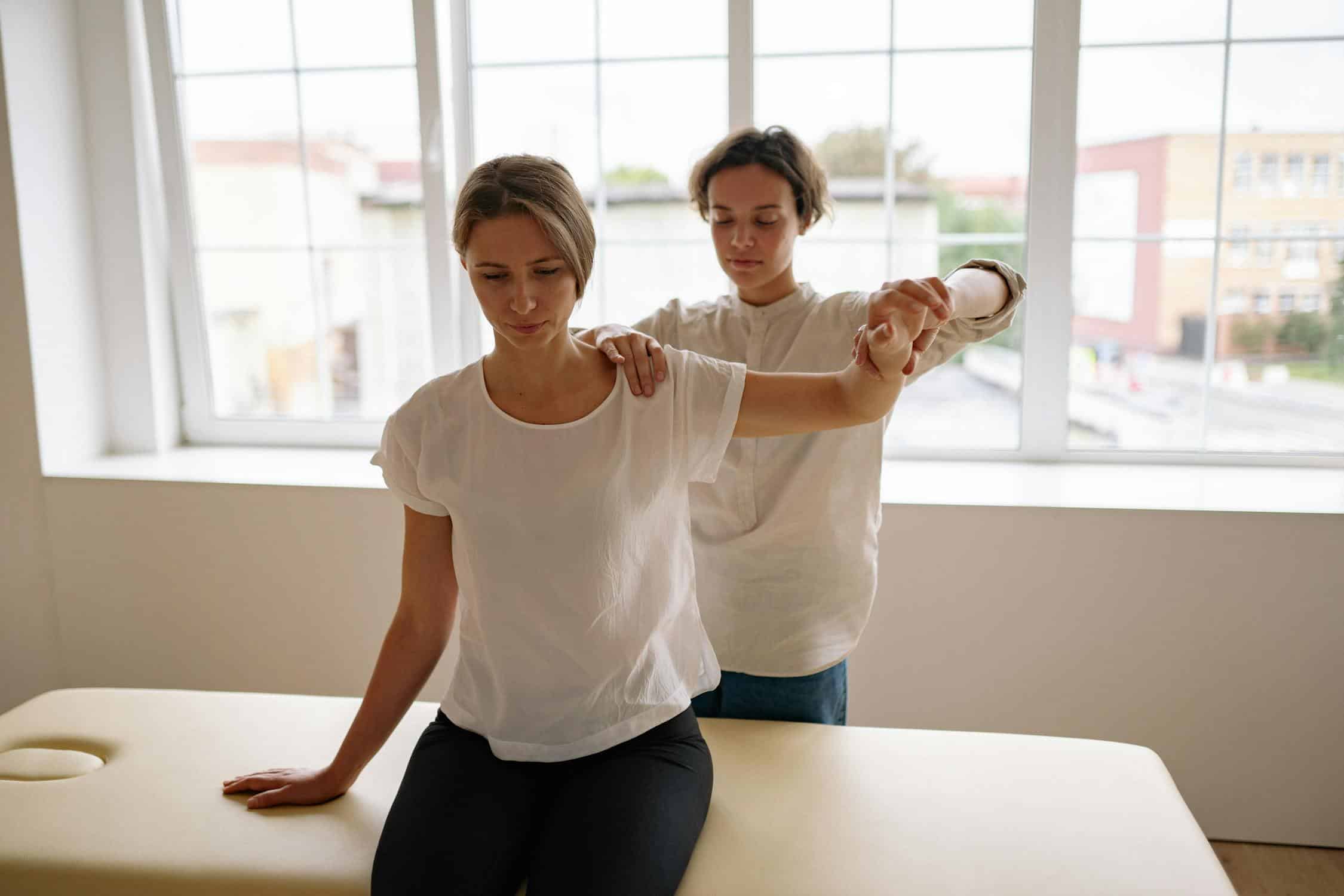
Comprehensive Initial Evaluation Your first appointment is thorough and detailed. We’ll examine your elbow, test strength and range of motion, assess your pain patterns, and ask detailed questions about your work, your activities, your goals. This comprehensive assessment shapes your entire treatment plan.
Three-Phase Treatment Approach
Phase 1: Pain Control and Inflammation Reduction Early treatment focuses on reducing inflammation and pain so you can function without fear of aggravation. We use:
- Manual therapy to address muscle tension and improve mobility
- Dry needling to release trigger points and stimulate healing
- Activity modification strategies so you can continue working and living while healing
- Patient education on protecting your elbow during daily activities
Phase 2: Strength Building and Tissue Resilience Once acute pain is controlled, we rebuild the strength of the damaged tendons. This is where most patients see dramatic progress:
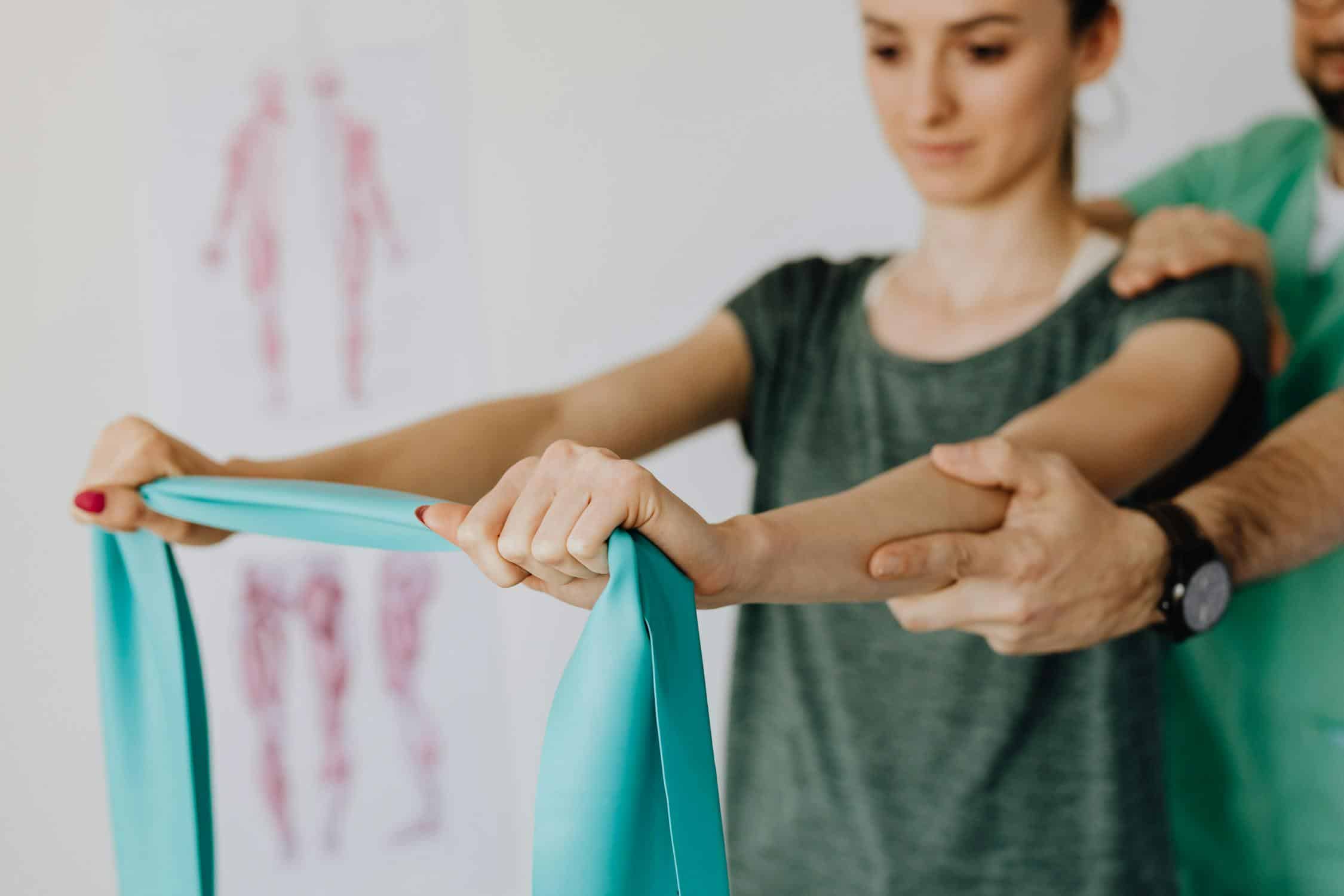
- Progressive grip strengthening exercises
- Eccentric exercises (particularly effective for tendon healing)
- Wrist and forearm mobility work
- Functional exercises that prepare you for returning to your specific activities
Phase 3: Return to Full Activity By this phase, your elbow is strong and ready. We’ll progress you back to work, recreation, fitness, or whatever matters most—with proper technique and continued prevention strategies.
Advanced Treatment Options For cases not responding adequately to conventional care, Trinity Rehab offers EPAT (Extracorporeal Pulse Activation Technology). This non-invasive treatment uses acoustic waves to stimulate healing in stubborn tendons—particularly valuable for chronic cases.
One-on-One, Personalized Care You work directly with your therapist. Your therapist knows your situation, adjusts your plan based on your specific progress, and ensures you’re getting results.
What to Expect During Treatment
Here’s the realistic timeline for recovering from golfer’s elbow:
Weeks 1-2: Initial Management Phase You’ll attend 2-3 sessions per week. Pain management begins immediately. You’ll learn activity modifications and understand what makes your pain worse. You might feel limited by initial restrictions, but this phase is crucial for preventing your injury from becoming chronic.
Weeks 3-6: Early Strengthening Progress Pain decreases noticeably. Light strengthening exercises begin. Grip strength improves. Activities that caused sharp pain become tolerable. You’re building confidence.
Weeks 7-12: Progressive Challenge and Functional Return Exercises increase in intensity. Activities expand. You feel noticeably stronger and more capable. Many people feel “almost back to normal” during this phase, but we’re building durability.
Weeks 13+: Full Return to Your Activities This phase is customized to your goals. If your work is the priority, we’ll restore full professional capacity. If recreation matters most, we’ll ensure you can pursue it without limitation. If fitness is your goal, we’ll restore athletic capability.
Overall Timeline: Most cases resolve in 8-14 weeks of consistent physical therapy, depending on how long you’ve had the injury and how closely you follow your home exercise program.
Prevention Tips for Wayne Residents
Once recovered, preventing golfer’s elbow recurrence is essential:
For Healthcare Workers
- Use proper body mechanics when handling patients
- Vary your tasks throughout the day rather than sustained repetitive motion
- Take frequent breaks from gripping and lifting
- Ensure equipment is ergonomically designed for your body
- Perform preventive stretching after work shifts
For Retail and Service Workers
- Be aware of grip tension when scanning products or handling merchandise
- Vary your tasks throughout the day
- Take breaks between heavy gripping activities
- Use proper lifting technique rather than relying on arm strength
- Stretch your forearms regularly, especially after shifts
For Office-Based Workers
- Optimize your workstation: monitor at eye level, keyboard at elbow height, mouse close to your body
- Take movement breaks every 60 minutes
- Be mindful of grip tension; keyboard and mouse don’t need excessive pressure
- Consider ergonomic equipment if your job demands extensive computer work
For Parents and Family Caregivers
- Use proper body mechanics when lifting and carrying children
- Don’t grip too tightly; a relaxed hold is always better
- Take breaks from sustained caregiving activities when possible
- Stretch your forearms regularly
For Active Individuals and Athletes
- Include forearm and wrist strengthening in your fitness routine
- Perform eccentric exercises regularly—they’re particularly effective for preventing tendon injury
- Warm up properly before all activities
- Progressive loading is essential; gradual intensity increases are safer than sudden jumps
- Don’t neglect flexibility work; tight muscles increase injury risk
General Prevention
- Stay aware of how you’re gripping things (steering wheel, tools, sports equipment)
- Stretch your forearm flexors daily, especially after activities that stress the tendons
- Maintain overall fitness and strength
- Address minor pain early through activity modification
- Get adequate sleep; tissue repair happens during recovery
Related Conditions & Treatments
Golfer’s elbow often accompanies or overlaps with other conditions. Trinity Rehab treats a wide range of musculoskeletal conditions:
Related Elbow Care At This Location
Elbow pain patterns can overlap depending on grip, lifting, racquet sports, work tasks, and tendon load. A related same-location page is:
Frequently Asked Questions About Golfer’s Elbow in Wayne
Can I continue working while being treated for golfer's elbow?
I've had this pain for several months. Is it too late for physical therapy?
What makes Trinity Rehab's approach different from just resting and stretching at home?
Is golfer's elbow different from tennis elbow?
Can I continue fitness activities while being treated?
Get Back to Your Wayne Life
Your golfer’s elbow doesn’t have to limit your work, your recreation, or your family activities. Whether you’re a healthcare worker, a retail professional, an office worker, a parent, or someone with diverse responsibilities, Trinity Rehab can help you recover.
Ready to start your recovery?
Contact Trinity Rehab’s Wayne location to schedule your evaluation. Our team will assess your condition, explain what’s happening in your elbow, and create a personalized treatment plan designed for your specific situation and goals.
You don’t have to live with this pain. Get back to your life. Book Your Appointment Today
Visit Trinity Rehab in Wayne
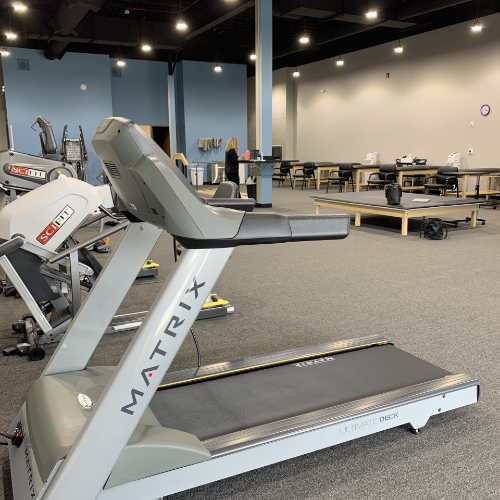
Our Wayne clinic is conveniently located at 1172 Hamburg Tpke, Wayne, NJ 07470. Call us at (862) 684-8380 to schedule your golfer’s elbow evaluation today.