
Osteoarthritis Treatment in Warren, NJ
Warren Township is the kind of community that takes its activity seriously. Tucked into the rolling hills and woodlands of the Watchung Mountains in Somerset County, Warren offers residents hiking and trail access through East County Park and the preserved Washington Valley corridors, golf at Warrenbrook Golf Course, tennis and pickleball at Warren Health & Racquet Club, and the kind of quiet, spacious living that draws professionals and families from across the New York metro region. With a median age of nearly 45 and 18% of residents over 65, Warren is also a community where osteoarthritis is increasingly common — and where its impact on quality of life is felt most acutely by people who are not ready to slow down.
Osteoarthritis is a degenerative joint disease affecting more than 32.5 million Americans and representing the most common cause of joint pain and disability in adults over 45. As the cartilage cushioning the ends of bones within a joint gradually breaks down — from years of use, previous injury, mechanical loading, or genetic predisposition — bone surfaces begin to contact each other more directly. Pain, stiffness, and progressive loss of range of motion follow. For a Warren resident who hikes East County Park, plays tennis at the Warren Health & Racquet Club, or commutes daily from AT&T’s Warren Corporate Center, osteoarthritis can quietly rewrite what is possible in daily life.
Physical therapy is the most strongly evidence-backed non-surgical intervention for osteoarthritis — recommended as a first-line treatment by the American College of Rheumatology, the Arthritis Foundation, and NICE. At Trinity Rehab, we bring individualized, expert care to Warren-area patients with one-on-one sessions, advanced treatment technology, and treatment plans tailored to your anatomy, history, and goals.
Risk Factors Relevant to Warren’s Community
Physical therapy is most effective when it accounts for the specific mechanical demands shaping a patient’s joint health history. In Warren, several patterns emerge consistently:
Corporate and technology workers: Warren Corporate Center is home to AT&T and other major employers whose workers spend significant portions of their day seated. Prolonged hip flexion from extended sitting creates chronic hip flexor tightening, changes the mechanics of lumbar and sacroiliac loading, and over years contributes to the hip joint degeneration that characterizes hip osteoarthritis. The Mindtree campus and surrounding Route 22 corridor add further office-worker population to this dynamic.
Recreational athletes and golfers: Warrenbrook Golf Course draws a regular contingent of Warren residents, many of whom walk the course. Golf’s combination of rotational trunk and hip forces, repetitive impact from club-ground contact, and the long walking distances of 18 holes creates cumulative loading on the lumbar spine, hips, and lead knee. Previous sports injuries — the ACL tear from high school, the meniscus from rec basketball — resurface as post-traumatic osteoarthritis later in life.
Tennis and pickleball players: The Warren Health & Racquet Club’s active membership includes many residents who have been playing tennis for decades. Knee osteoarthritis and hip osteoarthritis are particularly common in long-term racquet sport players due to the repetitive lateral loading and pivoting demands of the sport.
Hilly terrain and trail activity: East County Park’s trails traverse Warren’s characteristic rolling wooded landscape. Navigating hills, uneven ground, and inclines consistently demands more from the knee, hip, and ankle joints than flat surface walking — accumulating wear on cartilage and muscle over seasons of regular use.
Healthcare workers at RWJ Somerset nearby: Healthcare professionals commuting to RWJ University Hospital Somerset face long shifts on hard floors, a recognized occupational risk factor for hip and knee joint degeneration.
Symptoms That Indicate Osteoarthritis Is Affecting Your Quality of Life
Osteoarthritis is most frequently seen in the knees, hips, hands, and spine. Common presentations that should prompt a physical therapy evaluation include:
- Morning stiffness that takes 20–30 minutes to ease — the characteristic pattern of osteoarthritis, where movement gradually warms the joint
- Deep, aching pain at the affected joint that worsens with activity and settles during rest
- Crepitus — a grinding, popping, or crunching sensation during joint movement, often noticeable descending stairs or rising from a chair
- Swelling around the joint, typically flaring after active periods (a long trail walk, tennis, a day of yard work)
- Reduced range of motion: difficulty fully bending the knee, rotating the hip through a golf swing, or reaching overhead
- A sense of instability or giving-way during weight-bearing activity, particularly on Warren’s hilly terrain
- Difficulty with specific functional tasks: rising from deep chairs, getting in and out of a car, gripping tools or racquets
These symptoms indicate that your affected joint’s cartilage and surrounding structures need targeted support. The earlier you begin physical therapy, the more options remain available to you.
How Physical Therapy Addresses Osteoarthritis: Integrated Treatment at Trinity Rehab
Trinity Rehab’s approach to osteoarthritis treatment is built around three integrated elements — manual therapy to restore mobility, targeted exercise to rebuild protective muscle strength, and advanced treatment technology to address what conventional approaches cannot fully reach. These elements are not delivered in sequence: they are woven together based on your evaluation findings and adjusted throughout your care.
Manual Therapy for Joint Mobility and Pain Relief
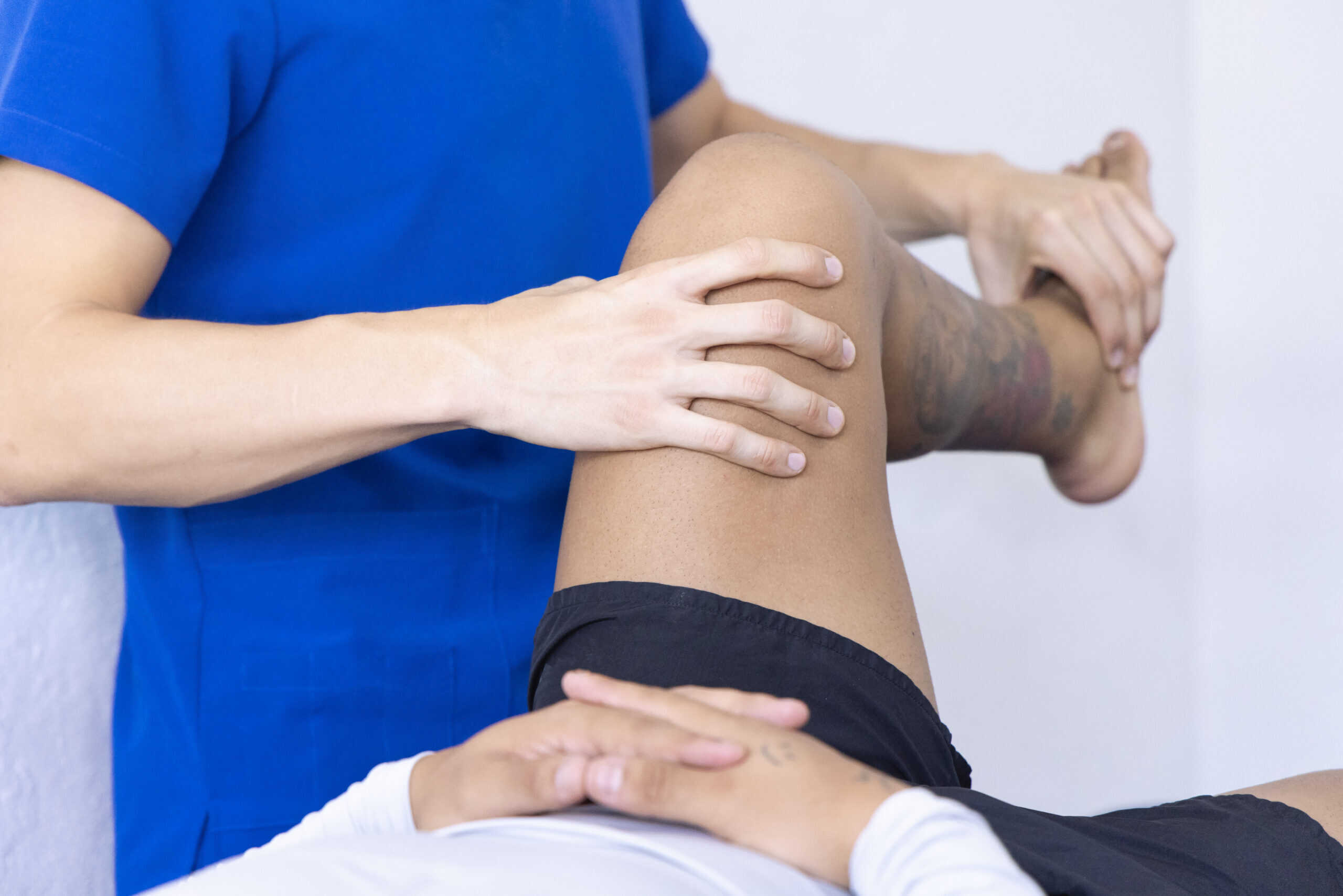
Manual therapy is a hands-on treatment approach that consistently outperforms passive modalities alone for osteoarthritis patients. Your physical therapist applies:
Joint mobilization: Graded, rhythmic passive movements directly to the arthritic joint surface. For knee osteoarthritis, mobilization restores the tibiofemoral and patellofemoral mechanics that stiffen as cartilage roughens. For hip osteoarthritis, mobilization recovers the hip flexion, rotation, and extension progressively lost to joint degeneration. Early-phase manual therapy often produces the most dramatic improvements Warren patients report — the morning stiffness starts to ease, the joint begins to move more freely, and the confidence that recovery is possible takes hold.
Soft tissue mobilization: Dense, adherent tissue builds around chronically painful joints. The iliotibial band of a Warren golfer who has been compensating for knee pain, the piriformis of someone guarding a painful hip, the calf of a tennis player whose ankle mechanics have been altered — all of this tissue restricts movement and perpetuates pain. Soft tissue mobilization addresses these layers systematically.
Neuromuscular re-education: Osteoarthritis changes how you move. Compensations that protect a painful joint in the short term — leaning away from the hip, shortening stride, avoiding full knee bend — create secondary joint and muscle problems over time. Neuromuscular re-education corrects these patterns before they generate new diagnoses.
Targeted Strengthening and Exercise Therapy
Muscle weakness is both a consequence of osteoarthritis and a driver of further cartilage breakdown. A personalized exercise program targeting the muscles most important for your affected joints is the most durable long-term intervention available:
Quadriceps strengthening for knee arthritis: Stronger quadriceps directly reduce bone-on-bone pressure at the knee during all weight-bearing activities. Research consistently shows that quad strengthening reduces knee pain, improves stair function, and delays the need for knee replacement surgery. Your program builds strength progressively with exercises appropriate for your joint’s current tolerance.
Hip abductor and core stabilization for hip osteoarthritis: Strong lateral hip muscles and a stable core reduce the compensatory patterns that concentrate load on the hip joint during walking, stair use, and golf. The whole movement chain — from foot to hip to trunk — contributes to how much stress the hip cartilage absorbs, and your program addresses all of it.
Aerobic exercise prescription: Low-impact aerobic exercise is one of the most important long-term interventions for osteoarthritis management. Walking, cycling, swimming, and anti-gravity treadmill training maintain joint health, cardiovascular fitness, and healthy weight without the impact forces that aggravate arthritic joints. Your therapist designs an aerobic program appropriate for your current level and goals.
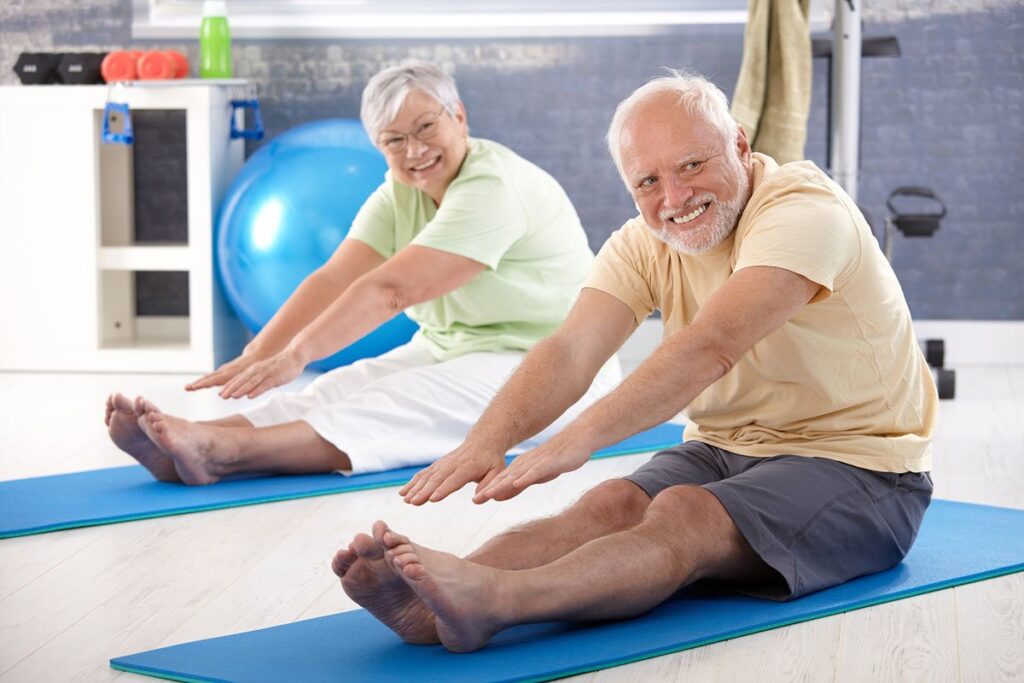
Joint flexibility and PNF stretching: Progressive stretching, including PNF (proprioceptive neuromuscular facilitation) techniques, counteracts the joint stiffening that accompanies osteoarthritis and is particularly effective at recovering meaningful range of motion that static stretching alone cannot achieve.
Neuromuscular and balance training: The proprioceptive nerve endings within an arthritic joint lose sensitivity over time, reducing balance and dynamic stability. Balance training restores this function — especially important for Warren residents navigating hilly trails and uneven terrain.
EPAT Shockwave Therapy
EPAT (Extracorporeal Pulse Activation Technology) delivers high-energy acoustic pressure waves into damaged soft tissues around arthritic joints. For Warren patients dealing with patellar tendinopathy, Achilles tendinopathy, lateral epicondylitis, or gluteal tendinopathy — conditions that frequently coexist with chronic knee and hip osteoarthritis — EPAT stimulates collagen production and natural tissue repair at the cellular level. Research demonstrates 60–80% pain relief for these soft tissue conditions. EPAT is particularly appropriate for patients who have plateaued in standard physical therapy and need additional stimulus for tissue healing.
Dry Needling
Dry needling targets myofascial trigger points in the muscles surrounding arthritic joints — taut bands that accumulate in the quadriceps, hamstrings, glutes, piriformis, and calf as these muscles chronically guard painful joints. Fine monofilament needles release these trigger points, immediately improving muscle flexibility and reducing both local and referred pain patterns. For Warren patients, dry needling in the hip abductors and iliotibial band often unlocks movement that months of stretching have not been able to restore.
AlterG Anti-Gravity Treadmill
For Warren patients whose hip or knee osteoarthritis has progressed to the point where full weight-bearing exercise is reliably painful, the AlterG provides an unmatched rehabilitation pathway. Reducing effective body weight by up to 80% via pressurized air, the AlterG allows walking and aerobic conditioning at whatever joint load the patient can tolerate. Clinical studies demonstrate 20–30% pain reduction and improved endurance for osteoarthritis patients using anti-gravity treadmill training. For a Warren golfer who wants to walk Warrenbrook’s fairways again, the AlterG provides the bridge between clinic exercises and the real-world demand.
Transcutaneous Electrical Nerve Stimulation (TENS) and Modalities
Transcutaneous electrical nerve stimulation delivers low-voltage electrical current through surface electrodes to interrupt pain signal transmission at the nerve level. It is a non-invasive pain management tool effective during osteoarthritis flares and usable alongside manual therapy and exercise during therapy sessions. Heat and cold application, ultrasound, and targeted electrical stimulation are additional pain management modalities your therapist may incorporate.
Long-Term Prevention and Joint Protection
Effective osteoarthritis management extends far beyond the clinic. Your Trinity Rehab physical therapist builds a comprehensive self-management plan including:
- A home exercise program maintained three to four times per week to sustain strength and joint flexibility gains
- Activity modification strategies: how to keep golfing at Warrenbrook, walking East County Park trails, and playing tennis — with smarter joint mechanics and appropriate pacing
- Weight management guidance: a 10% reduction in body weight reduces knee pain by up to 50%
- Joint protection strategies for daily tasks: lifting, bending, and navigating stairs without unnecessary joint stress
- Dietary supplements: glucosamine and chondroitin are sometimes used in osteoarthritis management; evidence remains limited, and your therapist will help you interpret current research
- No disease-modifying agents are proven for osteoarthritis; physical activity, weight management, and physical therapy remain the most effective tools
Why Warren Patients Choose Trinity Rehab
One-on-one care with a licensed physical therapist at every session is the standard at Trinity Rehab. You receive consistent, expert attention from the same therapist who knows your history and adjusts your program based on what they observe.
Our clinical expertise spans the full range of arthritis presentations — from early-stage knee arthritis and hip osteoarthritis managed conservatively through post-surgical rehabilitation after joint replacement. Geriatric physical therapy for Warren’s older adult population, and sports medicine-informed programming for the township’s active adults, are both within our scope. We accept most major insurance plans and verify coverage upfront.
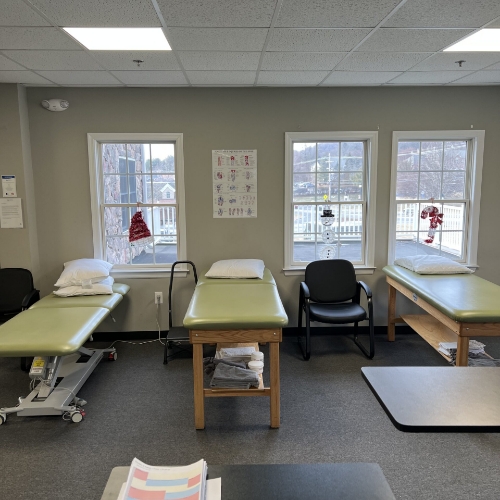
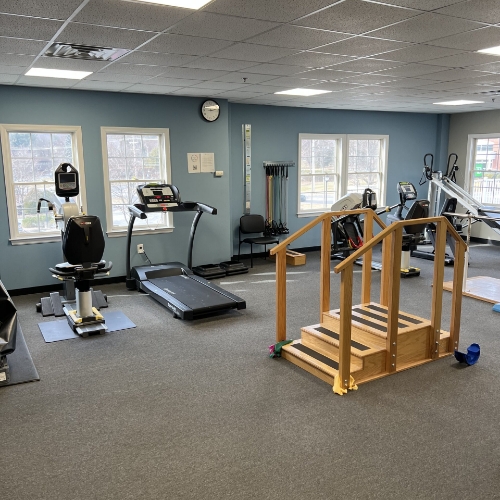
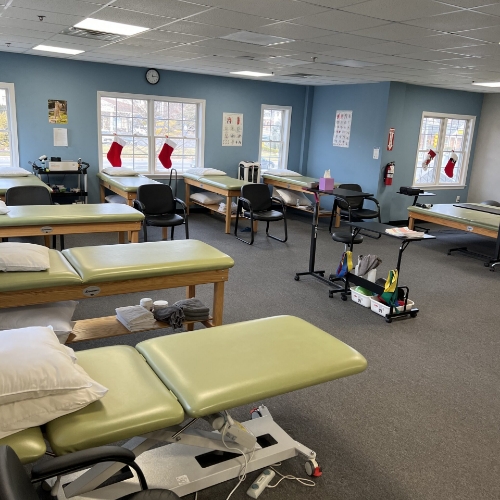
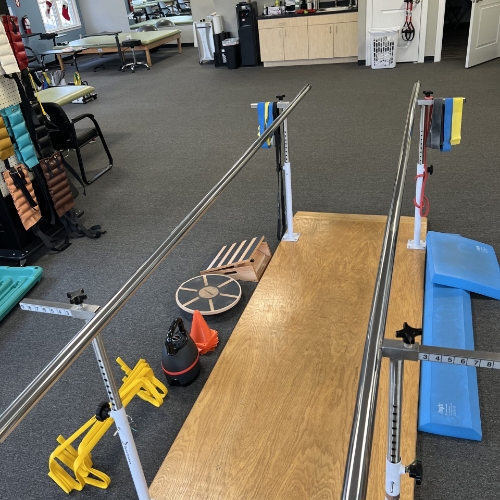
Inside Our Warren Clinic
Related Conditions & Treatments
Osteoarthritis is just one of the many conditions we treat at Trinity Rehab Warren. Explore our full range of conditions we treat or learn more about specific treatment approaches:
Frequently Asked Questions
Do I need a referral to start physical therapy for osteoarthritis in Warren, NJ?
Is osteoarthritis the same as ?wear and tear? arthritis?
How long does it take for physical therapy to help with osteoarthritis?
Can osteoarthritis be reversed?
What happens if I stop physical therapy?
Getting Back to What Warren Offers
The trails of East County Park, the fairways at Warrenbrook, the tennis courts at Warren Health & Racquet Club, the wooded neighborhood walks through the Watchung hills — these are not small things. They are what makes Warren the community it is. Osteoarthritis does not have to strip any of them from your life.
Physical therapy at Trinity Rehab gives you a proven, non-surgical path to better knee pain management, restored joint flexibility, and the physical confidence to remain fully engaged in everything Warren has to offer. Our specialists are ready to build your personalized plan today.
Your Next Steps
- Request an appointment online or call the Trinity Rehab location nearest Warren Township.
- Complete a brief intake form — minimal paperwork, maximum focus on getting you better.
- Meet your physical therapist for a comprehensive evaluation and start your personalized osteoarthritis treatment plan.
Same-week appointments are often available. New Jersey Direct Access — no referral, no wait.
Sources: Centers for Disease Control and Prevention. Osteoarthritis. https://www.cdc.gov/arthritis/osteoarthritis/ | Journal of Orthopaedic & Sports Physical Therapy. https://www.jospt.org/ | Frontiers in Physiology. Physical therapy as a promising treatment for osteoarthritis. https://pmc.ncbi.nlm.nih.gov/articles/PMC9614272/