LUMBAR DISC HERNIATION TREATMENT IN WARREN, NJ
It was a crisp Saturday at Warrenbrook Golf Course — the kind of fall morning that makes you grateful to live in the Watchung Mountains. On the seventh tee, your drive felt perfect until a sharp, searing pain shot from your lower back down to your ankle. Two hours later you were sitting in traffic on I-78, unable to find a comfortable position. For the residents of Warren Township, lumbar disc herniation often arrives at the intersection of an active lifestyle and a demanding commute — and understanding both is the key to effective treatment.
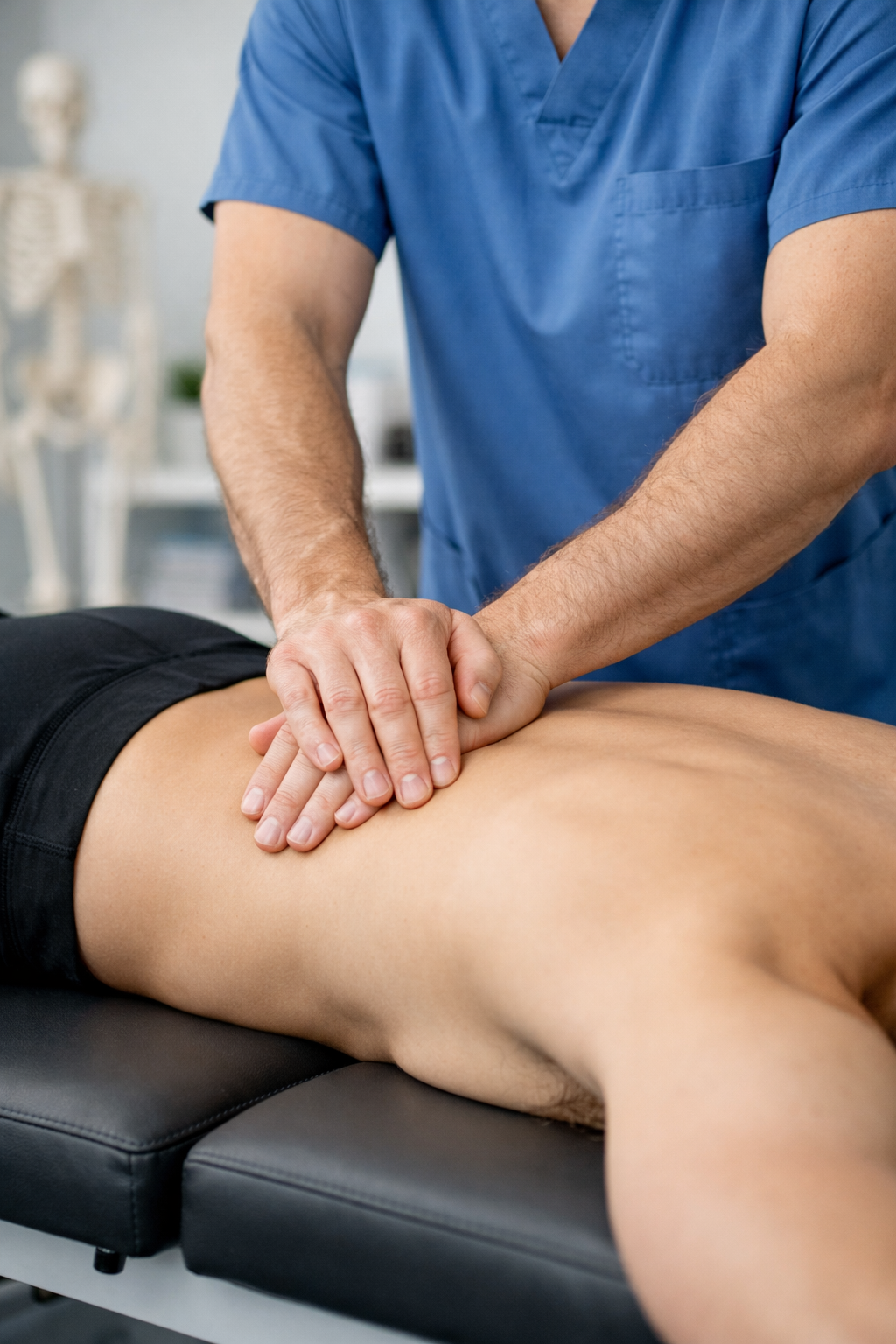
WHAT HAPPENS INSIDE A HERNIATED DISC
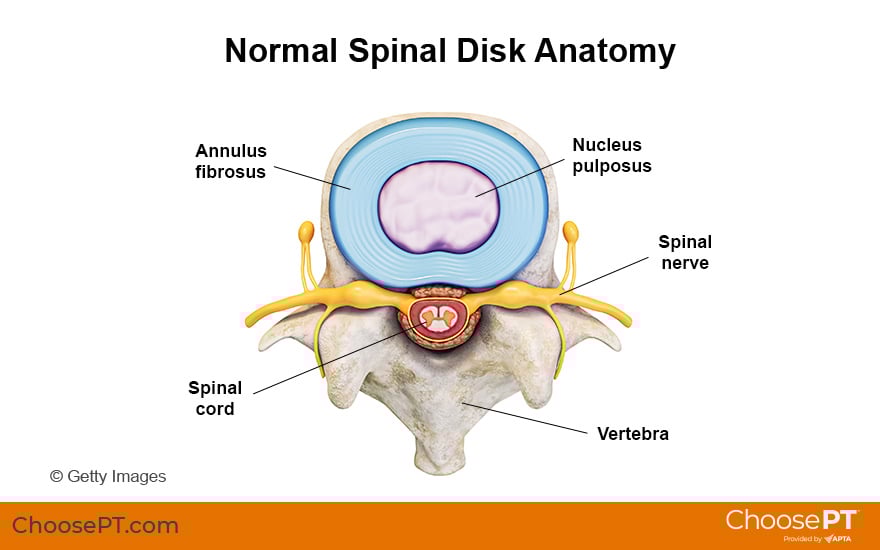
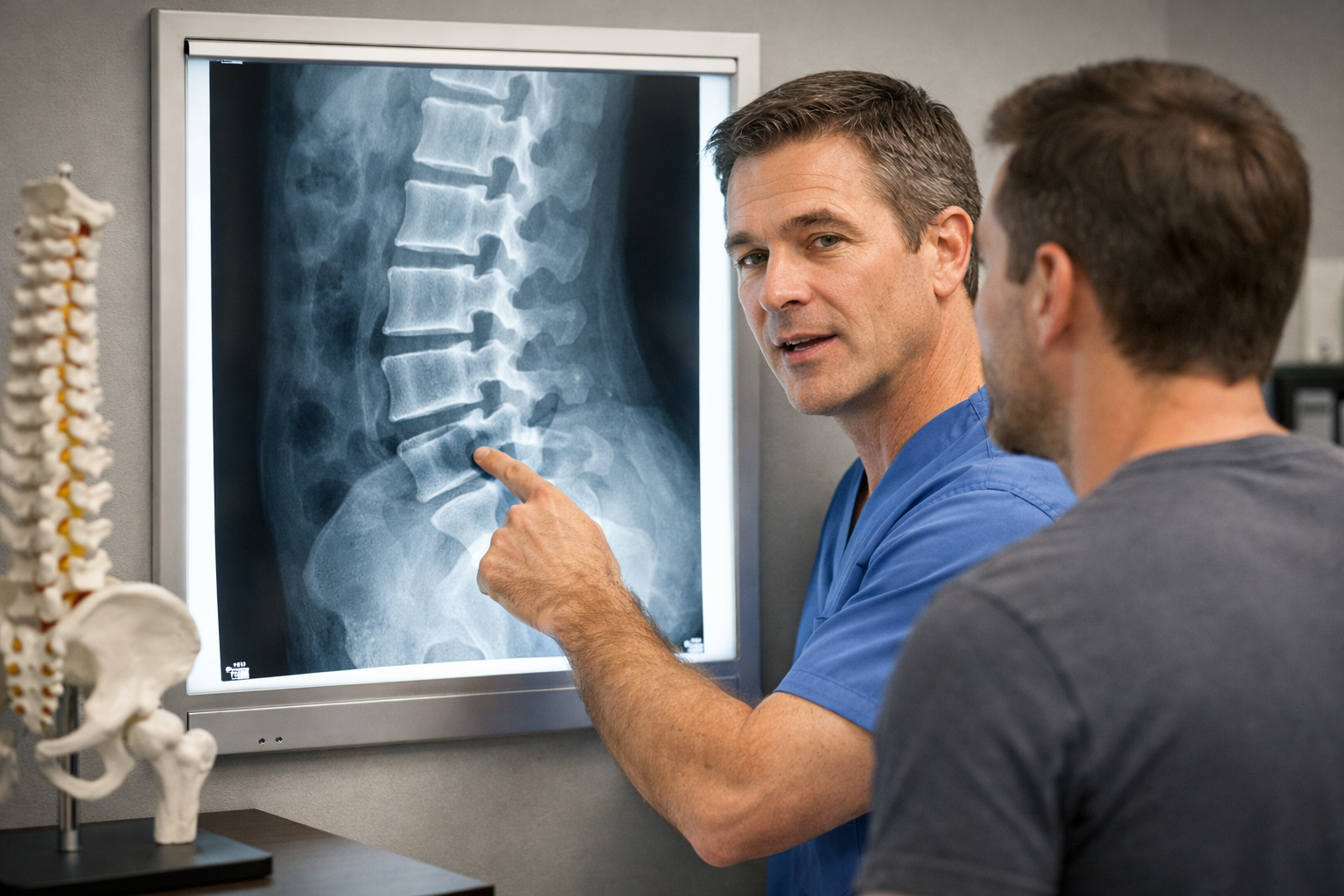
The lumbar spine relies on intervertebral discs to absorb shock and allow movement. Each disc has a layered outer wall, the annulus fibrosus, and a pressurized gel core, the nucleus pulposus. A herniated disc occurs when the nucleus escapes through a weakened area of the annulus and impinges on a nerve root. The L4-L5 and L5-S1 levels are most commonly affected because they bear the greatest compressive and rotational forces.
Nerve root compression produces radiculopathy — and when the sciatic nerve is involved, you experience sciatica: pain, numbness, or weakness traveling from the buttock through the leg and sometimes into the foot.
Evidence from StatPearls confirms that most disc herniations improve with conservative treatment (source). A 2024 review in Deutsches Ärzteblatt International supports structured rehabilitation as a first-line strategy (source).
LOCAL RISK FACTORS IN WARREN TOWNSHIP
THE I-78 CORRIDOR COMMUTE
Warren sits roughly 35 miles from midtown Manhattan, and the township’s affluent, professional workforce logs some of the longest commutes in Somerset County. Whether you drive I-78 or take the NJ Transit bus, extended sitting increases intradiscal pressure and compresses the lumbar nerve roots. The cumulative effect over years of commuting can weaken the annulus fibrosus well before a single incident causes a herniation.
HIGH-IMPACT PREP AND YOUTH SPORTS
Watchung Hills Regional High School fields competitive programs in wrestling, lacrosse, track, tennis, golf, soccer, and football. Wrestling involves extreme spinal flexion under load. Lacrosse combines running, cutting, and stick-checking impacts. Tennis and golf generate repeated rotation through the lumbar spine. Youth athletes in these sports are at risk for early disc injury, especially during growth spurts when the spine is most vulnerable.
PROPERTY MAINTENANCE AND WEEKEND PROJECTS
With a median household income exceeding $170,000 and large residential lots, Warren homeowners invest significant physical effort in landscaping, snow removal, and home improvement. Lifting bags of mulch, operating leaf blowers on hilly terrain, and shoveling heavy wet snow are classic mechanisms for disc herniation — particularly when fatigue sets in and body mechanics deteriorate.
WAREHOUSE AND DISTRIBUTION WORK
While Warren itself is residential, nearby warehouse and distribution facilities employ area residents in physically demanding roles. Repetitive bending, twisting, and heavy lifting without adequate recovery time place these workers among the highest-risk populations for lumbar disc injury.
RECOGNIZING THE SYMPTOMS
Disc herniation symptoms can mimic other conditions, which is why professional evaluation matters. Common signs include:
- Dull or sharp back pain centered in the lower lumbar area
- Sciatica — electric, shooting pain down one leg
- Numbness or tingling in the calf, foot, or toes
- Leg weakness affecting balance, stair climbing, or push-off during walking
- Symptom flare-ups triggered by prolonged sitting, forward bending, or sneezing
New Jersey permits direct access to physical therapy, meaning you can schedule an appointment at Trinity Rehab without a physician referral and begin treatment right away.
EVIDENCE-BASED TREATMENT AT TRINITY REHAB
Every visit at Trinity Rehab is one-on-one with a licensed physical therapist. No aides, no split attention. That model allows us to integrate multiple treatment approaches within a single session and adjust course based on how your body responds.
MANUAL THERAPY AND JOINT MOBILIZATION
Hands-on techniques are the foundation of our approach. Your therapist uses graded manual therapy — posterior-to-anterior vertebral mobilizations, side-glide mobilizations, and myofascial release — to restore segmental motion, decrease muscle guarding, and improve disc nutrition through the pumping effect of controlled movement. For Warren patients who arrive locked up after a long drive on I-78, the immediate relief from manual therapy often sets the tone for a successful rehabilitation.
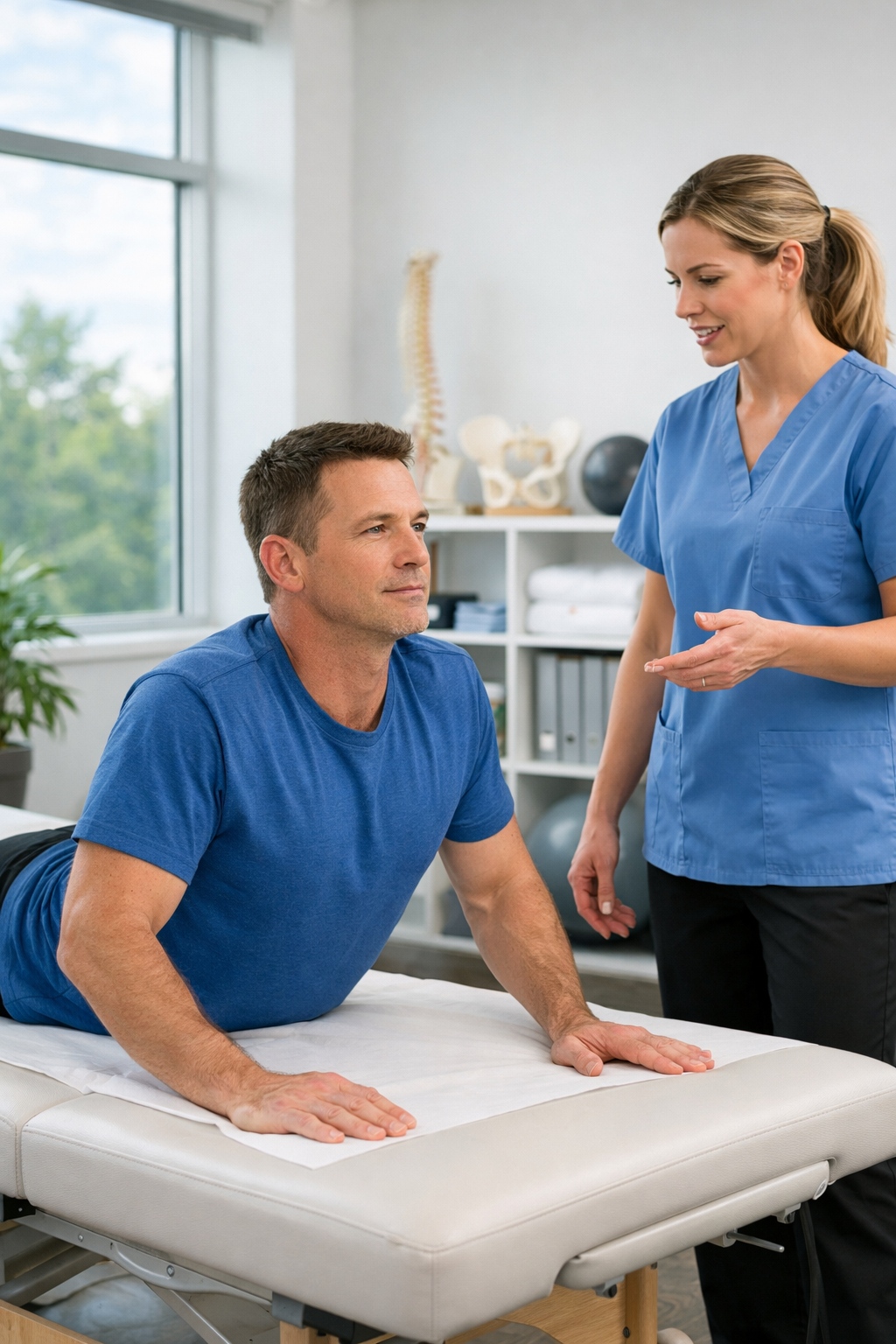
MCKENZIE METHOD AND DIRECTIONAL PREFERENCE
The McKenzie method classifies your disc herniation based on how your symptoms respond to specific movements. Through a systematic evaluation, your therapist identifies a directional preference — most often lumbar extension for posterior herniations — and prescribes a series of repeated movements in that direction. This approach can physically encourage the displaced nucleus pulposus back toward the center of the disc, centralizing and reducing pain. Many Warren patients are pleasantly surprised by how quickly leg symptoms begin to recede when the correct direction is found.
CORE STABILIZATION AND FUNCTIONAL STRENGTHENING
A herniated disc reveals a stability deficit. The deep spinal stabilizers — transversus abdominis, lumbar multifidus, internal obliques — must be retrained to activate reflexively before you bend, lift, or rotate. Your therapist builds a progressive program that includes:
- Neuromuscular re-education drills for deep core timing
- Anti-extension and anti-rotation exercises (dead bugs, Pallof presses, plank progressions)
- Gluteal and hip strengthening to reduce lumbar load
- Sport-specific movements: golf rotation patterns for Warrenbrook, lacrosse cutting mechanics, tennis serve loading, and wrestling bridge progressions for Watchung Hills athletes
The goal is not just pain relief — it is a lumbar spine that can handle everything Warren life throws at it.
NEURAL MOBILIZATION
When the sciatic nerve or its branches become mechanically sensitized by inflammation around the herniation, neural mobilization techniques gently restore the nerve’s ability to glide through the surrounding tissue planes. Nerve flossing and tensioning exercises are prescribed as part of your home program to maintain gains between sessions and reduce radiculopathy symptoms during long drives.
ADVANCED MODALITIES: DRY NEEDLING AND EPAT
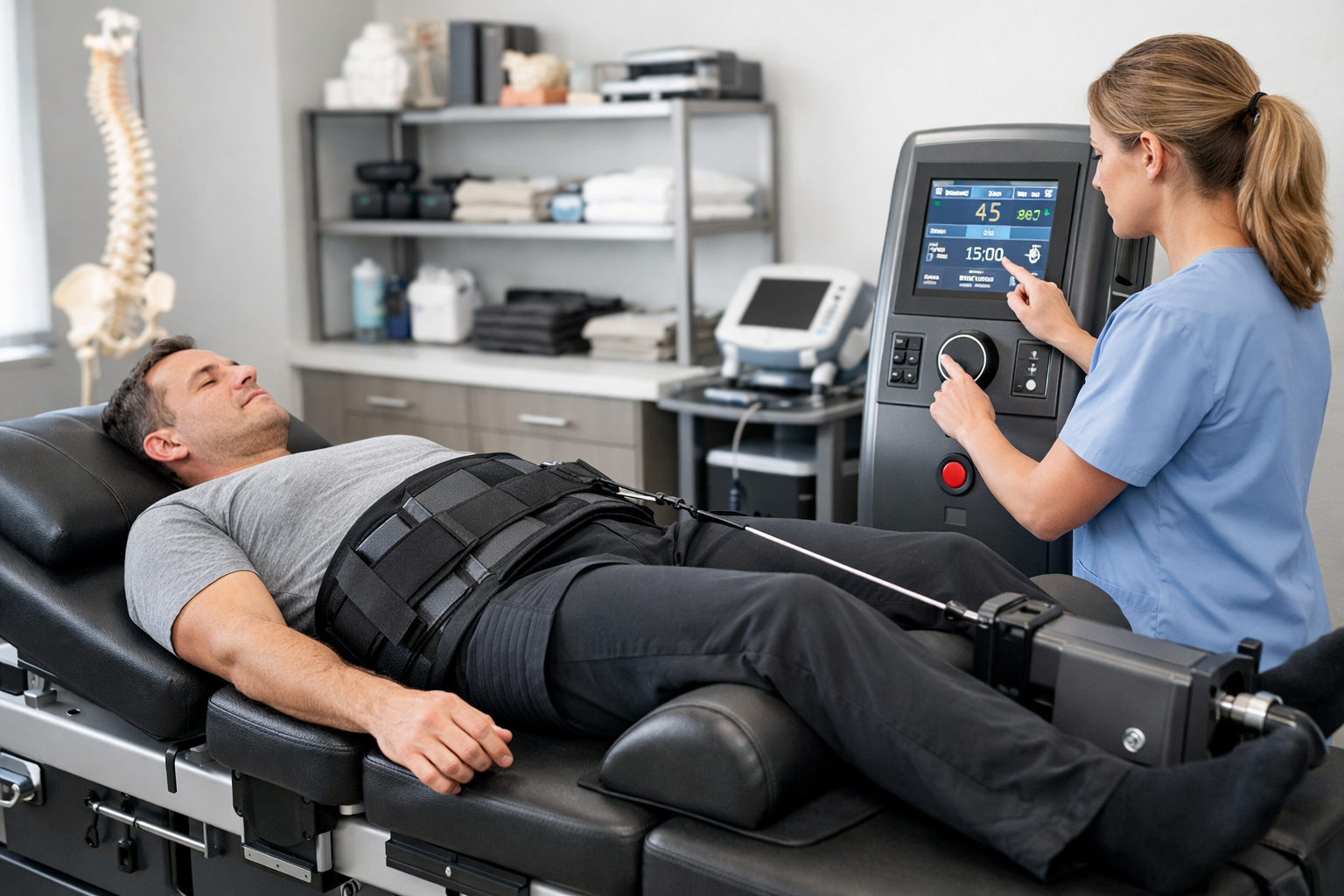
- Dry needling targets deep trigger points in the erector spinae, quadratus lumborum, piriformis, and gluteals that develop as the body compensates around the herniated segment. Releasing these trigger points reduces referred pain patterns and restores normal muscle function.
- EPAT (shockwave therapy) uses acoustic pressure waves to stimulate cellular repair in chronically inflamed tissue. It is particularly useful for patients whose symptoms have lingered for months before they begin treatment.
PREVENTING RECURRENCE IN WARREN
Long-term spinal health requires consistent effort, and Warren offers excellent resources:
- Hike the Codington Farm Trails or East County Park — Moderate terrain that challenges balance and endurance without excessive impact.
- Swim or strength train at Warren Health & Racquet Club — Indoor tennis, swimming, and gym facilities allow year-round spine-friendly exercise.
- Golf with intention — Return to Warrenbrook Golf Course using the rotational mobility and core control strategies your therapist teaches.
- Maintain a home exercise routine — Your individualized program from Trinity Rehab requires just 15 to 20 minutes a day and is the single most effective tool for preventing re-herniation.
WHY WARREN RESIDENTS CHOOSE TRINITY REHAB
- Uncompromised one-on-one care — Every session, every minute, one therapist and one patient.
- No referral needed — Direct access means faster treatment and faster results.
- Complete treatment spectrum — Manual therapy, McKenzie method, neural mobilization, dry needling, and EPAT.
- Watchung Mountains expertise — We understand the demands of Warren’s terrain, schools, and commuting culture.
- Scheduling flexibility — We offer early and late appointments so you never have to choose between treatment and your I-78 commute.
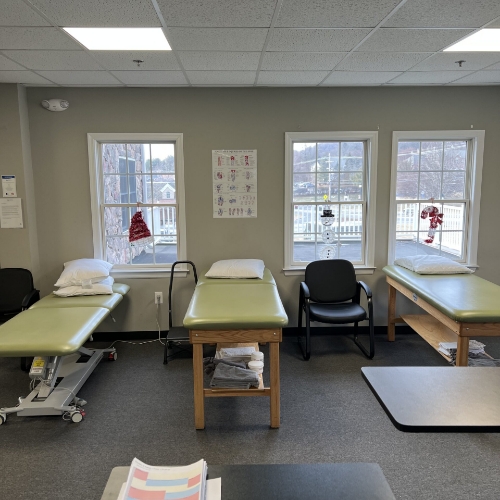
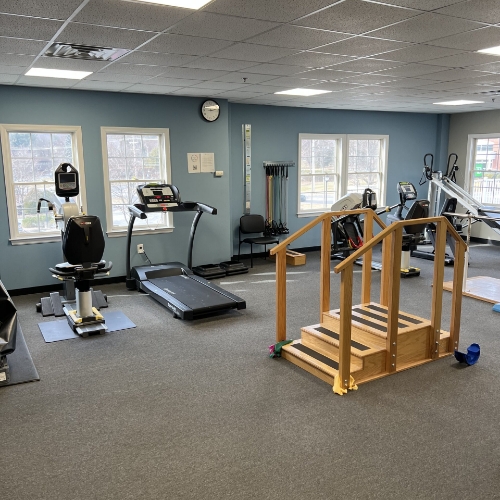
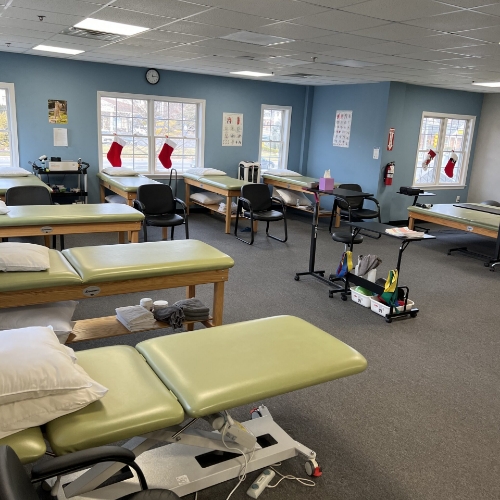
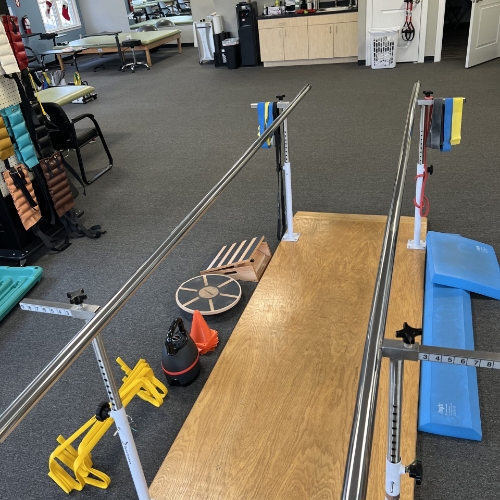
INSIDE OUR WARREN CLINIC
RELATED CONDITIONS & TREATMENTS
Lumbar disc herniation is just one of the many conditions we treat at Trinity Rehab Warren. Explore our full range of conditions we treat or learn more about specific treatment approaches:
Warren Disc Rehab For Back Pain, Leg Symptoms, And Daily Movement
Lumbar disc symptoms can interrupt sitting, driving, lifting, sleep, work, and exercise. Warren rehab should connect the diagnosis to the positions and movements that actually trigger your symptoms.
Your therapist may assess lumbar mobility, nerve-related symptoms, hip strength, gait, lifting mechanics, sitting tolerance, and warning signs that require medical care before therapy continues.
Patients with related symptoms may also need sciatica treatment, back pain physical therapy, or the Warren physical therapy clinic page.
FREQUENTLY ASKED QUESTIONS
Warren Disc Rehab For Back Pain, Leg Symptoms, And Daily Movement
Lumbar disc symptoms can interrupt sitting, driving, lifting, sleep, work, and exercise. Warren rehab should connect the diagnosis to the positions and movements that actually trigger your symptoms.
Your therapist may assess lumbar mobility, nerve-related symptoms, hip strength, gait, lifting mechanics, sitting tolerance, and warning signs that require medical care before therapy continues.
Patients with related symptoms may also need sciatica treatment, back pain physical therapy, or the Warren physical therapy clinic page.
How long will my recovery take?
My teenager plays wrestling at Watchung Hills — can PT help prevent a disc injury?
Is it worth trying physical therapy if my MRI shows a large herniation?
Can I keep playing tennis or golf during treatment?
RECLAIM YOUR ACTIVE WARREN LIFESTYLE
From the ridgelines of the Watchung Mountains to the fairways of Warrenbrook, Warren is a community built for active living. A lumbar disc herniation is a setback — not a sentence. Trinity Rehab’s one-on-one model ensures you receive focused, expert care tailored to your unique demands, whether those involve a corner office, a lacrosse stick, or a leaf blower.
Schedule your appointment today and start your recovery.
SOURCES
- StatPearls — Disc Herniation: https://www.ncbi.nlm.nih.gov/books/NBK560878/
- Deutsches Ärzteblatt International — Conservative Treatment of Lumbar Disc Herniation: https://pmc.ncbi.nlm.nih.gov/articles/PMC11465477/
What Our Patients Say



Sign up for free health tips and tricks