

Shoulder Pain Treatment in Upper Dublin, PA
Shoulder pain can make normal Upper Dublin routines frustrating: office-posture impingement, golf/tennis shoulder pain, youth sports, home stairs/carrying, rotator cuff pain, frozen shoulder stiffness. Trinity Rehab Upper Dublin helps patients identify what is driving the pain and rebuild the strength, motion, and confidence needed for daily life, work, recreation, and recovery.
Local Shoulder Pain Care in Upper Dublin
Trinity Rehab Upper Dublin is located at The Promenade at Upper Dublin, 2011 Welsh Rd, Upper Dublin, PA 19025. Patients commonly visit from Upper Dublin, Ambler, Fort Washington, Willow Grove, Horsham, Blue Bell, and nearby communities for shoulder pain, rotator cuff irritation, impingement, frozen shoulder, post-surgical shoulder rehab, and overhead activity pain.
The local pattern matters. Montgomery County commuters, Fort Washington office workers, suburban walkers, home stairs, active families, golf/tennis, and office posture. That means shoulder treatment should be built around the way people in and around Upper Dublin actually move, commute, work, exercise, lift, carry, and recover.
A generic sheet of shoulder stretches does not answer the real question: can you sleep, reach, drive, work, exercise, and return to your normal Pennsylvania routine without guessing what will flare the pain? A movement-based evaluation helps connect the diagnosis to the demands that make this page locally useful.
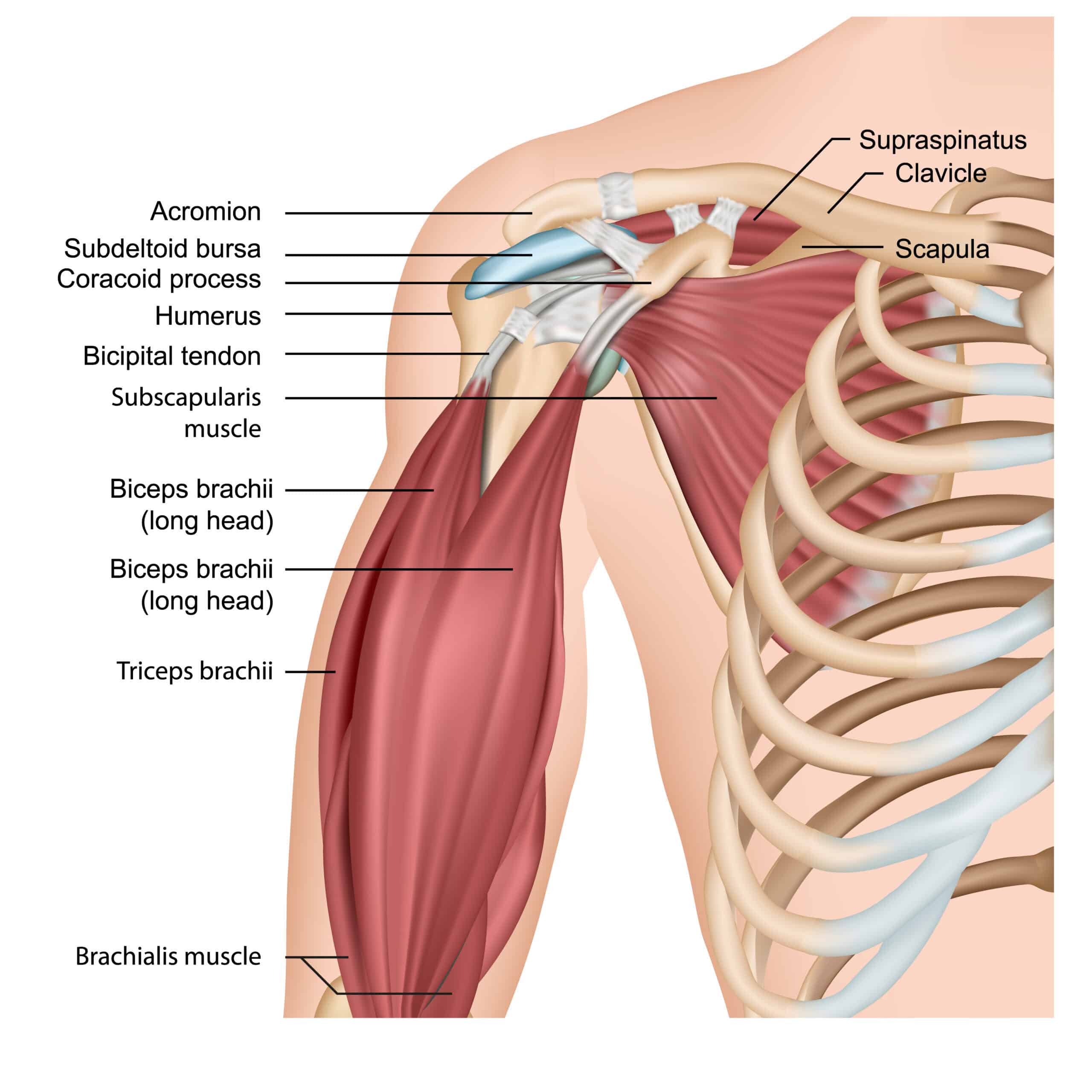
Common Shoulder Problems We See in Upper Dublin
Shoulder pain is not one diagnosis. Two people can both search for shoulder pain treatment in Upper Dublin and need very different plans. The useful question is what structure is irritated, what movement pattern is feeding it, and what level of load the shoulder needs to tolerate again.
Rotator Cuff Tendinopathy or Partial Tear
Rotator cuff pain often shows up with reaching overhead, lifting away from the body, lying on the sore side, carrying, throwing, or pushing through upper-body workouts. In Upper Dublin, it can affect active adults, workers, commuters, parents, older adults, and athletes whose shoulder has to handle repeated daily demand.
Shoulder Impingement and Bursitis
Impingement-type pain often feels like a pinch when the arm lifts overhead or out to the side. It may be tied to limited thoracic mobility, rounded-shoulder posture, weak scapular control, or a sudden increase in activity volume. This matters for Upper Dublin patients whose symptoms connect to office-posture impingement, golf/tennis shoulder pain, youth sports, home stairs/carrying, rotator cuff pain, frozen shoulder stiffness.
Frozen Shoulder and Stiffness
Frozen shoulder can make the joint feel stuck, especially with reaching behind the back, dressing, grooming, or sleeping. Physical therapy focuses on restoring motion safely, reducing irritability, and strengthening as mobility returns. The plan usually needs patience and careful progression, not aggressive stretching that keeps the shoulder angry.
AC Joint, Biceps Tendon, and Post-Surgical Shoulder Rehab
Pain on the top or front of the shoulder may involve the AC joint, biceps tendon, labrum, or post-surgical tissue. If you are recovering from rotator cuff repair, labral repair, shoulder replacement, or another orthopedic procedure, your Upper Dublin therapist will coordinate the plan around your protocol, healing stage, physician guidance, work demands, and functional goals.
Upper Dublin Activities That Shape The Treatment Plan
The reason this page is local is simple: Upper Dublin shoulder pain often has a specific activity, work, commute, or home routine behind it. Your care should account for the demands you are returning to, not just the diagnosis written on a referral.
Fort Washington Office Posture
Fort Washington office posture can change the way shoulder symptoms behave. Your therapist may look at posture, neck and upper-back mobility, rotator cuff strength, shoulder blade control, and how symptoms respond when the movement is repeated or loaded.
Montgomery County Commute
Montgomery County commute often requires a shoulder that can tolerate more than one clean clinic rep. Rehab should build capacity for the actual routine: reaching, lifting, carrying, driving, stairs, errands, sport, or a full workday depending on what matters most for the patient.
Golf Tennis
golf/tennis may require a staged return. Instead of stopping everything indefinitely, the plan can modify volume, reduce the most irritating motions for a short period, and rebuild strength so the shoulder earns its next level of activity.
Active Family Routines
active family routines should be measured by real-life progress. For some patients that means sleeping better; for others it means reaching overhead, returning to sport, carrying groceries, working without a flare, or getting through a longer local day with less guarding.

How Your First Shoulder Visit Works
Your first visit at Trinity Rehab Upper Dublin is designed to answer practical questions: what is likely causing the pain, what is safe to keep doing, what should be modified for now, and what needs to improve before you return to full activity.
- Review of your shoulder pain history, sleep limits, work demands, sport demands, commute demands, and goals.
- Screening for red flags such as major trauma, deformity, unexplained weakness, numbness, or symptoms that need physician follow-up.
- Shoulder range-of-motion testing for reaching overhead, behind the back, across the body, and into rotation.
- Rotator cuff, scapular stabilizer, neck, thoracic spine, and postural assessment.
- Functional testing for lifting, carrying, driving posture, gym activity, sport, home tasks, or job-specific demands when appropriate.
- A first home plan that matches your irritability level instead of overwhelming the shoulder on day one.
Many PA patients can begin physical therapy through direct access when appropriate. If your presentation suggests a medical concern or imaging need, your therapist can help coordinate the next step with a physician.
Treatment For Shoulder Pain at Trinity Rehab Upper Dublin
Shoulder rehab should be staged. Early treatment may focus on pain control, restoring comfortable motion, calming irritated tissue, and teaching you how to move without feeding the problem. As symptoms settle, the plan shifts toward progressive strength, endurance, and the specific tasks your shoulder has to handle.
Pain Control and Mobility
Manual therapy, soft-tissue work, joint mobilization, gentle range-of-motion exercise, posture changes, and activity modification can help reduce pain and restore usable motion. This phase is especially important for frozen shoulder, painful impingement, and patients who have been guarding the arm for weeks.
Rotator Cuff and Shoulder Blade Strength
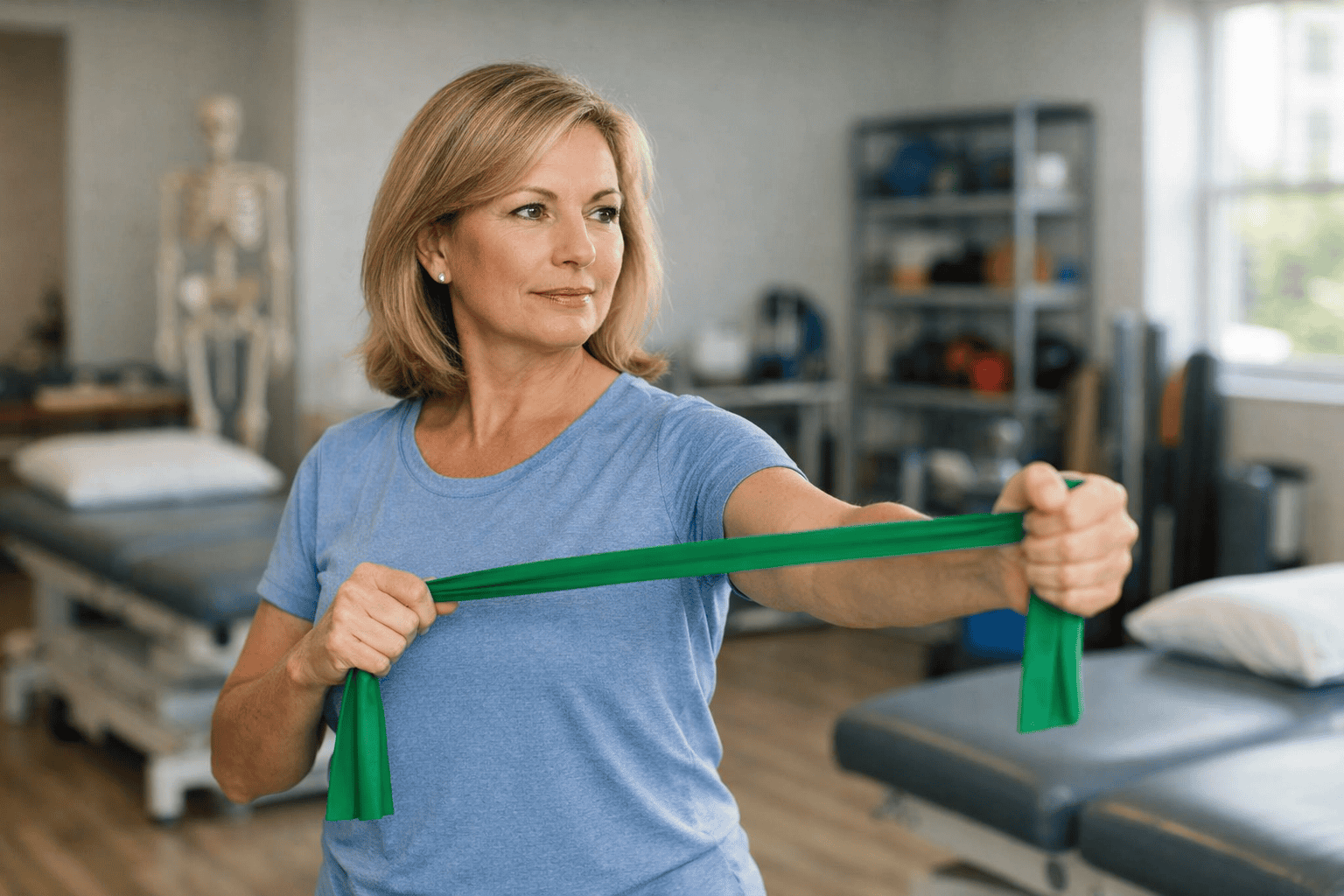
The shoulder needs a strong rotator cuff and a stable shoulder blade. Treatment may include band external rotation, rows, serratus and lower-trap strengthening, closed-chain stability work, progressive loading, and controlled overhead mechanics. Strength work is adjusted based on pain, diagnosis, tissue tolerance, and goals.
Return To Work, Sport, and Daily Life
The later phase should look like your life in Upper Dublin. The plan may include overhead reach, lift, push, pull, carry, driving tolerance, stair or walking tolerance, sport drills, gym progressions, or home-task practice based on what actually flares the shoulder and what you need to get back to doing.
When Shoulder Pain Needs More Than Rest
Rest can calm symptoms, but it rarely rebuilds the shoulder. Many patients feel better for a few days, then flare again when they return to the same reaching, lifting, driving, working, exercise, or computer posture that created the problem. Physical therapy is useful because it identifies the driver and rebuilds tolerance step by step.
Seek medical evaluation promptly if shoulder pain follows a major fall or trauma, you notice visible deformity, the arm feels profoundly weak, you cannot raise the arm, symptoms travel with numbness or tingling, or pain is worsening instead of improving. For most non-emergency shoulder pain, a physical therapy evaluation is a practical first step.
Advanced options such as dry needling or EPAT may be considered when clinically appropriate, but they should support a movement and strengthening plan rather than replace it.
Upper Dublin Shoulder Demand Map
A useful Upper Dublin shoulder plan should name the real demands that expose symptoms: Fort Washington office posture, Welsh Road commuting, golf or tennis return, and home stair carrying. Those details change the exam. A patient who hurts during Fort Washington office posture may need posture and shoulder blade endurance, while a patient limited by golf or tennis return may need rotator cuff loading, grip and carry strategy, and a different activity dose.
Patients from Upper Dublin, Ambler, Fort Washington, Willow Grove, and surrounding communities may also be trying to manage suburban walking, youth sports, frozen shoulder stiffness, or desk-to-workout transition. The home program should match those moments with clear tests: pain-free reach height, sleep tolerance, lift or carry distance, shoulder blade control, rotator cuff endurance, and a rule for when symptoms deserve medical follow-up.
Local Activity Checklist
- Fort Washington office posture: compare neck posture, shoulder blade position, arm elevation, and whether symptoms build later in the day.
- Welsh Road commuting: measure rotation, cross-body reach, carrying tolerance, and the difference between soreness and sharp joint pain.
- golf or tennis return: build a graded strength step before heavier lifting, throwing, racquet play, or overhead work returns.
- home stair carrying: check whether the shoulder needs mobility, cuff strength, scapular control, or a temporary activity modification.
- suburban walking: review sleeping position, driving posture, work setup, and the daily repetition that may keep irritation active.
- youth sports: choose a weekly activity target so progress is judged by function, not just a quick pain-score change.
This keeps the Upper Dublin page from being a city-swap. The therapist can connect the page language to clinical decisions: slow the overhead progression, add manual mobility work, strengthen the rotator cuff, improve shoulder blade timing, adjust lifting volume, or refer out if weakness, trauma, numbness, deformity, fever, chest pain, or rapidly worsening symptoms suggest a medical concern.
What Progress Should Look Like
Progress should show up outside the clinic. For one Upper Dublin patient, that may mean sleeping through the night without rolling off the sore shoulder. For another, it may mean office-posture impingement, golf/tennis shoulder pain, youth sports, home stairs/carrying, rotator cuff pain, frozen shoulder stiffness.
Your therapist should also help you understand what to do when symptoms fluctuate. Shoulder pain often improves in stages. A smart plan gives you a way to adjust exercise dose, work demands, and activity volume without giving up on recovery or pushing through every warning sign.

Local Clinic Proof
Trinity Rehab Upper Dublin
The Promenade at Upper Dublin, 2011 Welsh Rd, Upper Dublin, PA 19025
Phone: (267) 715-4450
Clinic page: https://trinity-rehab.com/physical-therapy-clinic/upper-dublin-pa/
Map and directions: https://maps.app.goo.gl/fQ6eBoSHEPz2Zrvz8
Nearby communities commonly include Ambler, Fort Washington, Willow Grove, Horsham, Blue Bell. This local proof helps the page serve real patients searching for shoulder pain care near Upper Dublin rather than reading like a generic national article.
Patient Reviews For Upper Dublin
Local review proof matters for shoulder pain patients who are deciding where to start care. The Upper Dublin review widget should remain location-specific so the page connects to the actual clinic experience.
Related Shoulder and Physical Therapy Care
Shoulder pain often overlaps with related conditions and treatments. These links help patients and search engines understand the relationship between the Upper Dublin spoke, the main Shoulder Pain hub, and related Trinity Rehab services.
Upper Dublin Shoulder Rehab For Reaching, Lifting, And Return To Activity
Shoulder pain can make reaching overhead, sleeping, lifting, dressing, and exercise frustrating. Upper Dublin rehab should identify whether mobility, strength, tendon irritation, posture, or activity load is driving the problem.
Your therapist may assess shoulder mobility, rotator cuff strength, shoulder blade control, neck contribution, and daily or sport-specific demands. The plan should progress from symptom control into stronger, more confident use of the arm.
Related care includes tennis elbow rehab, neck pain physical therapy, and the Upper Dublin physical therapy clinic page.
Frequently Asked Questions
Do you treat rotator cuff pain at Trinity Rehab Upper Dublin?
Can PT help shoulder pain with fort washington office posture?
What if my shoulder hurts during work, errands, or exercise in Upper Dublin?
When should shoulder pain be checked by a doctor first?
Do patients from nearby communities come to Upper Dublin?
Start Shoulder Pain Physical Therapy in Upper Dublin
If shoulder pain is limiting your sleep, work, sport, workouts, commute, errands, or daily routine in Upper Dublin, start with a clear evaluation. Trinity Rehab Upper Dublin can help you understand what is driving the pain and build a plan that fits your shoulder, your schedule, and your goals.