
ROTATOR CUFF INJURY TREATMENT IN TOMS RIVER, NJ
Living along the Jersey Shore means your shoulders rarely get a day off. Whether you are paddling a kayak through the tidal creeks around Cattus Island County Park, casting for striped bass where the Toms River meets Barnegat Bay, or working through the back nine at Bey Lea Golf Course, your rotator cuff is the engine behind every reach, pull, and overhead motion. When that engine breaks down, even the simplest parts of shore life — loading coolers for a barrier beach day, pushing a grandchild on the swings at Shelter Cove Park, or carrying seedlings out to your garden — become painful reminders that something is wrong.
At Trinity Rehab in Toms River, we understand how deeply shoulder pain can disrupt the routines that make Ocean County feel like home. Our approach is hands-on, one-on-one, and built around the specific demands of your life on the coast.
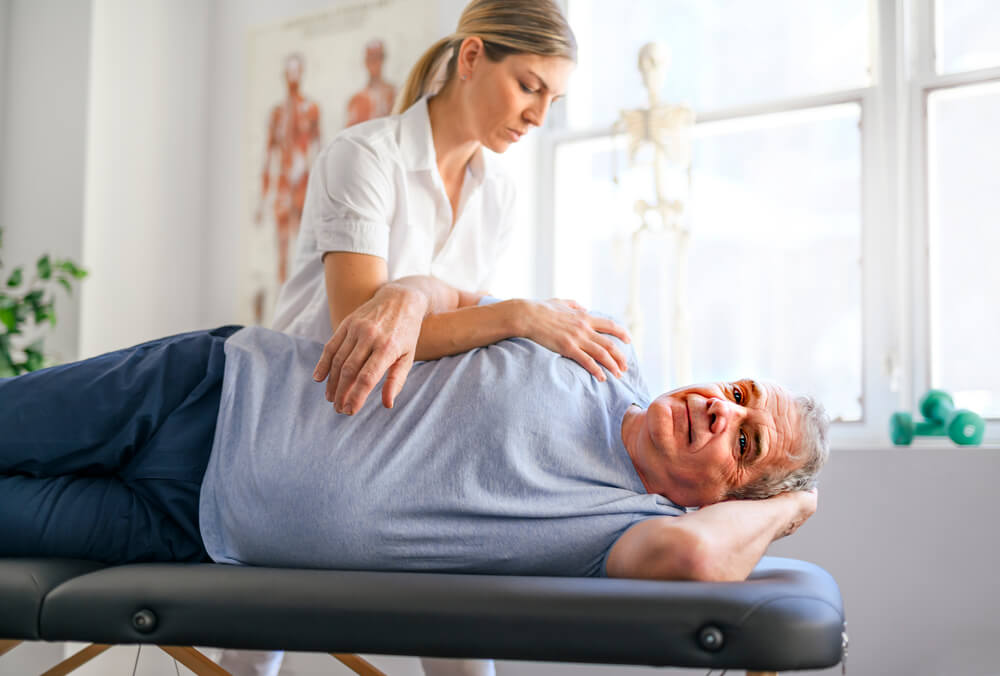
Understanding Your Rotator Cuff and Why Treatment Matters
The rotator cuff is a group of four muscles and their tendons — the supraspinatus, infraspinatus, teres minor, and subscapularis — that wrap around the head of the humerus and hold it securely in the shallow socket of the glenohumeral joint. Together, these muscles give your shoulder its remarkable range of motion while keeping the joint stable through overhead reaches, rotational movements, and heavy lifting.
Rotator cuff injuries exist on a spectrum. At one end is rotator cuff tendinopathy, where the tendons become irritated from repetitive stress. Further along are partial-thickness tears, where tendon fibers fray without completely separating. At the most severe end are full-thickness tears, where a tendon pulls entirely away from the bone. Regardless of severity, physical therapy is the established first-line treatment, and research consistently shows that a structured rehab program can restore function and reduce pain — often without surgery.
Do not wait. Untreated rotator cuff injuries worsen as compensatory movement patterns develop and surrounding muscles weaken. What started as a nagging ache during your morning swim can progress into chronic shoulder pain that limits everything from driving to sleeping.
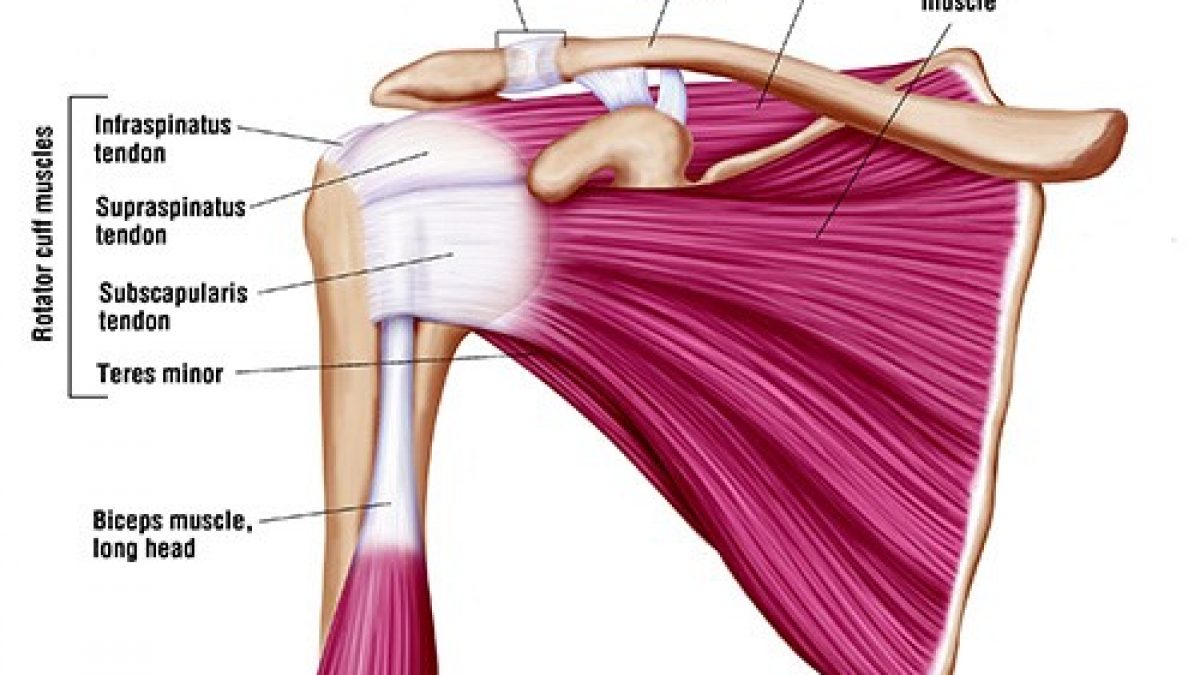
Why Rotator Cuff Injuries Are So Common in Toms River
Toms River’s combination of water access, open space, and a multigenerational active population creates specific risk factors for rotator cuff problems.
Shore and Bay Activities. Paddleboarding on Barnegat Bay, kayaking around Cattus Island, fishing from the jetties, and swimming at the barrier beach all demand sustained overhead and rotational shoulder work. Repetitive paddle strokes and casting motions place heavy loads on the supraspinatus tendon, the most commonly injured structure in the rotator cuff.
Golf and Racquet Sports. Bey Lea Golf Course and Toms River Country Club see steady play from spring through fall, and the Ocean Tennis Association keeps courts busy year-round. The golf swing generates enormous rotational force through the glenohumeral joint, while the overhead tennis serve puts the shoulder at the extreme end of its range of motion. These repeated high-velocity movements are a leading cause of rotator cuff tendinopathy among active adults here.
Retiree and Active-Adult Demographics. Toms River is home to a large population of retirees and adults over 55 in the township’s many senior communities. Age-related changes reduce blood supply to rotator cuff tendons and make them susceptible to fraying. Activities that were never a problem — gardening, reaching for high shelves, lifting grandchildren — can suddenly trigger an injury in tendons that have been quietly degenerating.
Physically Demanding Work. Community Medical Center, the largest hospital in Ocean County, employs hundreds of nurses, aides, and technicians who lift, transfer, and reposition patients throughout every shift. UPS and FedEx distribution center workers handle heavy packages overhead for hours at a time. These repetitive work-related demands are a major driver of rotator cuff injuries in our patient population.
Youth and Adult Athletics. Toms River High School North has a tradition of competitive athletics — back-to-back state baseball championships in 2008 and 2009, plus strong volleyball, swimming, tennis, and cross country programs. Young athletes who throw, serve, or swim at high volume risk overuse injuries, particularly during growth spurts. Adult leagues like the Dover Men’s Over 30 Soccer League bring their own challenges: weekend athletes whose bodies are less forgiving often experience sports injuries that target the shoulder.
Recognizing Rotator Cuff Injury Symptoms
You should seek evaluation if you notice any of the following:
- A dull ache deep in the shoulder, often worse at night when lying on the affected side
- Pain when reaching overhead — putting dishes away, hanging laundry, or painting a ceiling
- Weakness when lifting objects away from the body, such as carrying grocery bags or holding a paddle at arm’s length
- A catching or clicking sensation during shoulder movement
- Difficulty reaching behind your back to tuck in a shirt or fasten a seatbelt
- Sharp pain during athletic motions — throwing, swinging a golf club, or serving a tennis ball
- Progressive loss of range of motion that makes daily activities increasingly frustrating
- learn more about rotator cuff recovery
If these symptoms sound familiar, do not assume they will resolve on their own. New Jersey allows direct access to physical therapy, which means you can schedule an appointment at Trinity Rehab without waiting for a physician referral.
Hands-On Treatment That Starts on Day One
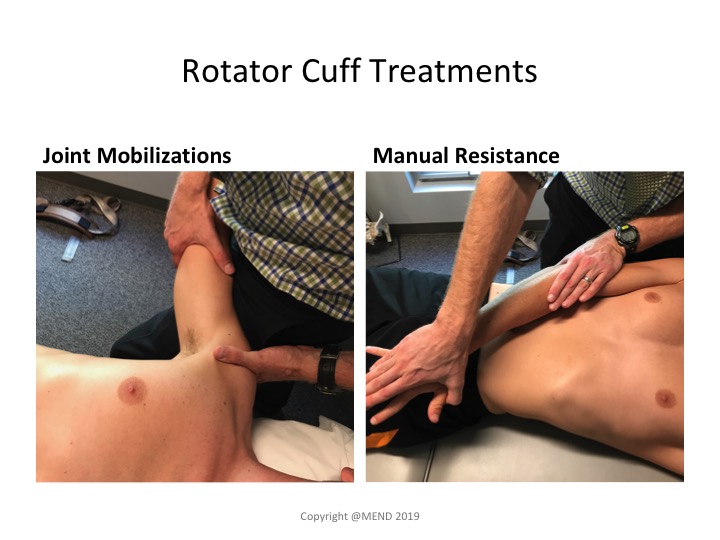
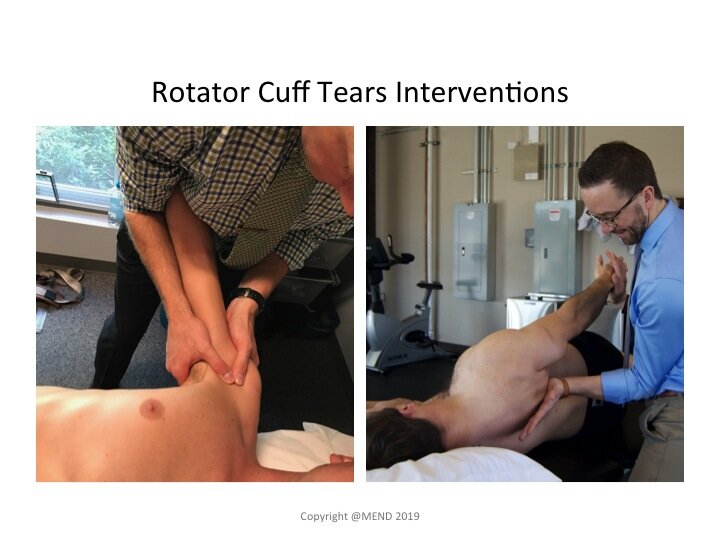
At Trinity Rehab in Toms River, every session begins with skilled, hands-on care. Our therapists use manual therapy techniques — including joint mobilization of the glenohumeral joint, soft tissue mobilization of the rotator cuff musculature, and myofascial release along the posterior shoulder — to reduce pain, restore mobility, and prepare the shoulder for active rehabilitation.
For many patients, the first visit is a turning point. You arrive guarded and stiff; you leave with noticeably improved range of motion and a clear understanding of what is causing your pain. You will never be handed off to an aide or left alone with generic exercises — every minute of your session is spent one-on-one with a licensed physical therapist.
Manual therapy is the foundation that makes everything else in your rehab program more effective. By restoring normal joint mechanics first, we create the conditions for your rotator cuff to heal and strengthen properly.
Building Shoulder Strength That Lasts
Once pain and mobility are under control, the focus shifts to progressive strengthening. This is where lasting recovery happens.
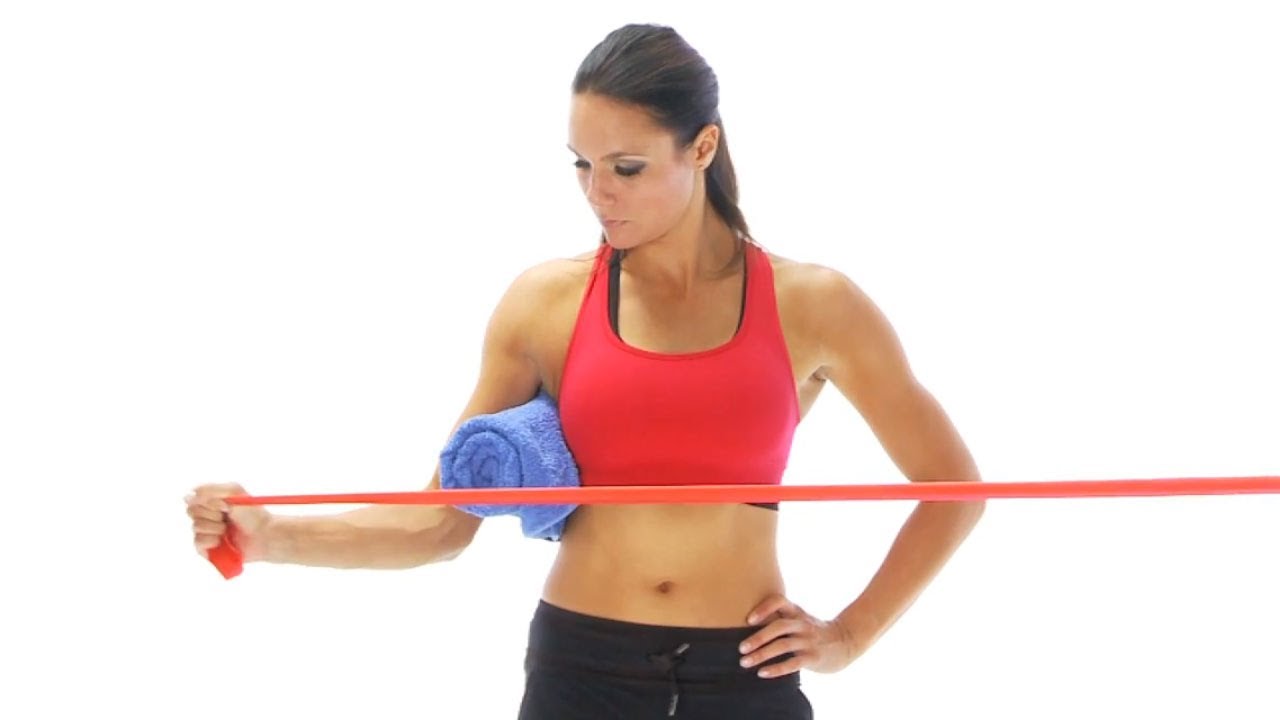
We use eccentric loading — controlled lengthening of the rotator cuff tendons under resistance — because research shows it stimulates tendon remodeling more effectively than concentric exercises alone. You start with resistance bands and bodyweight movements, then progress to free weights and functional patterns that mirror the demands of your life.
Scapular stabilization is equally critical. The scapula is the platform from which the rotator cuff operates, and if it moves poorly, the rotator cuff compensates. We train the serratus anterior, lower trapezius, and rhomboids to restore proper scapulohumeral rhythm, reducing stress on the injured tendons and lowering re-injury risk.
For the golfer heading back to Bey Lea, that means retraining the deceleration phase of the swing. For the nurse at Community Medical Center, it means building the endurance to safely transfer patients through a twelve-hour shift. For the retiree who wants to spend mornings walking the trails at Cattus Island and afternoons in the garden, it means restoring the overhead reach and rotational strength to do both without pain.
Most programs run six to twelve weeks, with sessions two to three times per week. We adjust your plan continuously and set measurable goals at every stage.
Advanced Therapies for Stubborn Shoulder Pain
When the tendon has been irritated for months or years, manual therapy and exercise alone may not break the pain cycle. That is where our advanced treatment options make a difference.
Dry Needling. Trigger points in the infraspinatus, upper trapezius, and surrounding musculature can refer pain throughout the shoulder and restrict movement. Dry needling uses thin, sterile filament needles to release these trigger points, reduce muscle guarding, and restore blood flow. Many patients report immediate improvement in pain and range of motion after a single session.
EPAT/Shockwave Therapy. Extracorporeal Pulse Activation Technology delivers focused pressure waves to the injured tendon, stimulating cellular repair and breaking down calcific deposits. EPAT is particularly effective for chronic rotator cuff tendinopathy that has not responded to exercise-based rehab. Sessions are quick, non-invasive, and require no downtime.
These therapies are integrated into your overall treatment plan at the points where they can accelerate progress, based on your specific diagnosis and recovery goals.
Getting Back to the Shore
Recovery is not just about eliminating pain — it is about returning you to the activities that define life in Toms River. We build return-to-activity programming into every treatment plan.
If you are a paddler, we incorporate sport-specific shoulder endurance work and simulate the stroke patterns you use on the bay. If you play in the Ocean Tennis Association, we progress your rehab to include overhead serving mechanics. If your goal is walking the trails at Cattus Island County Park without wincing, we build the functional capacity to do exactly that.
We also address factors unique to shore living. Cold, damp mornings along the estuary can increase shoulder stiffness, so we teach warm-up routines for those conditions. Coastal home maintenance — clearing gutters, staining decks, hauling boats — puts specific demands on the shoulder that we prepare you for during the final phase of rehab.
Your discharge plan includes a personalized home exercise program, return-to-activity guidelines, and benchmarks to self-monitor long after your last appointment.
Preventing Rotator Cuff Injuries Before They Start
Whether you have recovered from a rotator cuff injury or want to avoid one altogether, these strategies are especially relevant for life in Toms River:
- Warm up before water activities. Five minutes of shoulder circles, band pull-aparts, and scapular wall slides before launching the kayak or paddleboard can dramatically reduce tendon strain.
- Pace your yard work. Alternate overhead tasks (pruning, painting) with lower-body tasks (weeding, raking) to avoid prolonged rotator cuff stress.
- Strengthen year-round. A simple twice-weekly shoulder routine through the winter keeps tendons conditioned for spring and summer activity.
- Use proper mechanics at work. If you lift or transfer patients at Community Medical Center or handle packages at a distribution center, keep loads close to your body and limit repeated overhead reaching.
- Listen to early warning signs. A shoulder that aches after golf or feels stiff the morning after a fishing trip is telling you something. Early physical therapy can resolve minor irritation before it becomes a tear.
Why Toms River Patients Choose Trinity Rehab
Our therapists understand the physical demands of shore life — the recreational activities, the seasonal rhythms, the work environments — and we build treatment plans around those realities.
- True one-on-one care. You work with the same licensed physical therapist for your entire session, every visit. No aides, no group rotations, no divided attention.
- Direct access. New Jersey law allows you to start physical therapy without a physician referral, which means you can begin treatment as soon as you recognize a problem.
- Evidence-based approach. Every technique we use — from eccentric loading protocols to EPAT shockwave therapy — is grounded in current research and clinical evidence.
- Convenient Toms River location. We are accessible from Route 37, Route 166, and the Garden State Parkway, making it easy to get to your appointments whether you are coming from the mainland neighborhoods, the barrier peninsula, or neighboring townships.
- Flexible scheduling. We offer appointment times that work around shift schedules, commuter routines, and the realities of daily life in Ocean County.
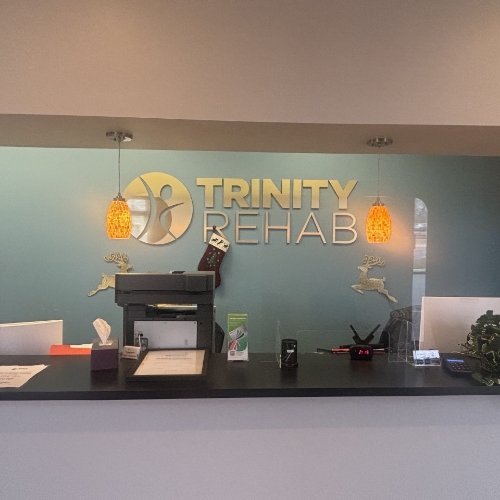
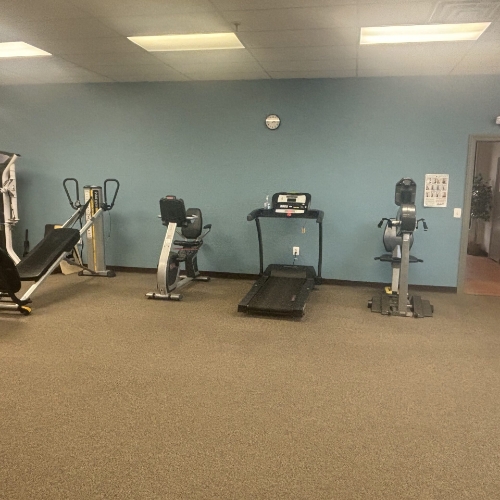
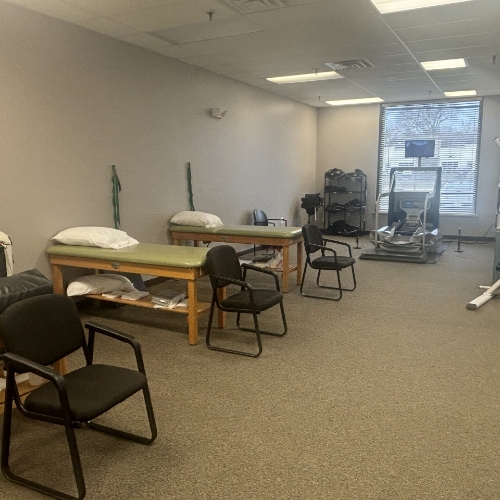
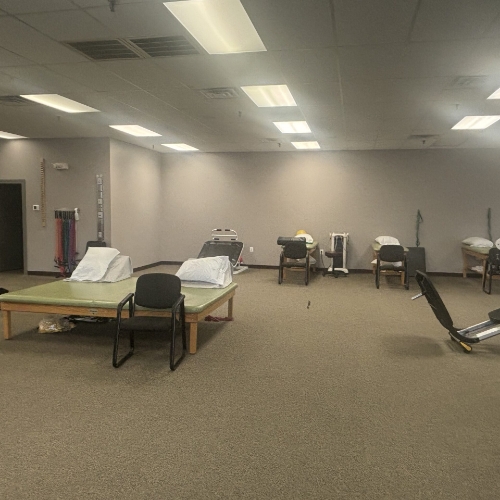
Inside Our Toms River Clinic
Frequently Asked Questions
Where can I get rotator cuff treatment near the Jersey Shore?
How long does rotator cuff recovery take with physical therapy?
Can I avoid surgery for a rotator cuff tear?
Do I need a doctor's referral to start treatment?
What should I expect at my first appointment?
Start Your Recovery Today
Shoulder pain should not keep you off the bay, out of the garden, or away from the activities that make Toms River home. At Trinity Rehab, we are ready to help you move past your rotator cuff injury with the skilled, personal care you deserve.
Request an appointment at our Toms River location today — no referral needed. Let us help you get back to the shore life you love.
Start Your Recovery in Toms River Today
Don’t let shoulder pain hold you back. Schedule your evaluation at Trinity Rehab in Toms River and take the first step toward a stronger, pain-free shoulder.
Related Conditions & Treatments
Rotator cuff injuries are just one of the many conditions we treat at Trinity Rehab Toms River. Explore our full range of conditions we treat or learn more about specific treatment approaches:
What Our Patients Say



Sign up for free health tips and tricks