
PLANTAR FASCIITIS TREATMENT IN TOMS RIVER, NJ
Life near the Jersey Shore has its rhythms — morning walks on Ortley Beach, weekend paddles on the Toms River estuary, fall runs through Cattus Island County Park, seasons of youth soccer and football at Veterans Recreational Complex. But if plantar fasciitis has taken root in your heel, even those quiet morning walks become a negotiation between what you want to do and what your foot will allow.
The signature symptom is unmistakable: that first step out of bed feels like landing on a nail. It eases as you move around, then returns with a vengeance after you’ve been sitting at your desk at the Ocean County complex, wrapping up a shift at Community Medical Center, or spending a long afternoon in the warehouse. By evening, your heel throbs through dinner.
This is not a condition you have to manage indefinitely. Trinity Rehab provides targeted, one-on-one plantar fasciitis treatment for Toms River residents — and the overwhelming majority of patients recover fully with the right physical therapy approach.
WHAT PLANTAR FASCIITIS ACTUALLY IS
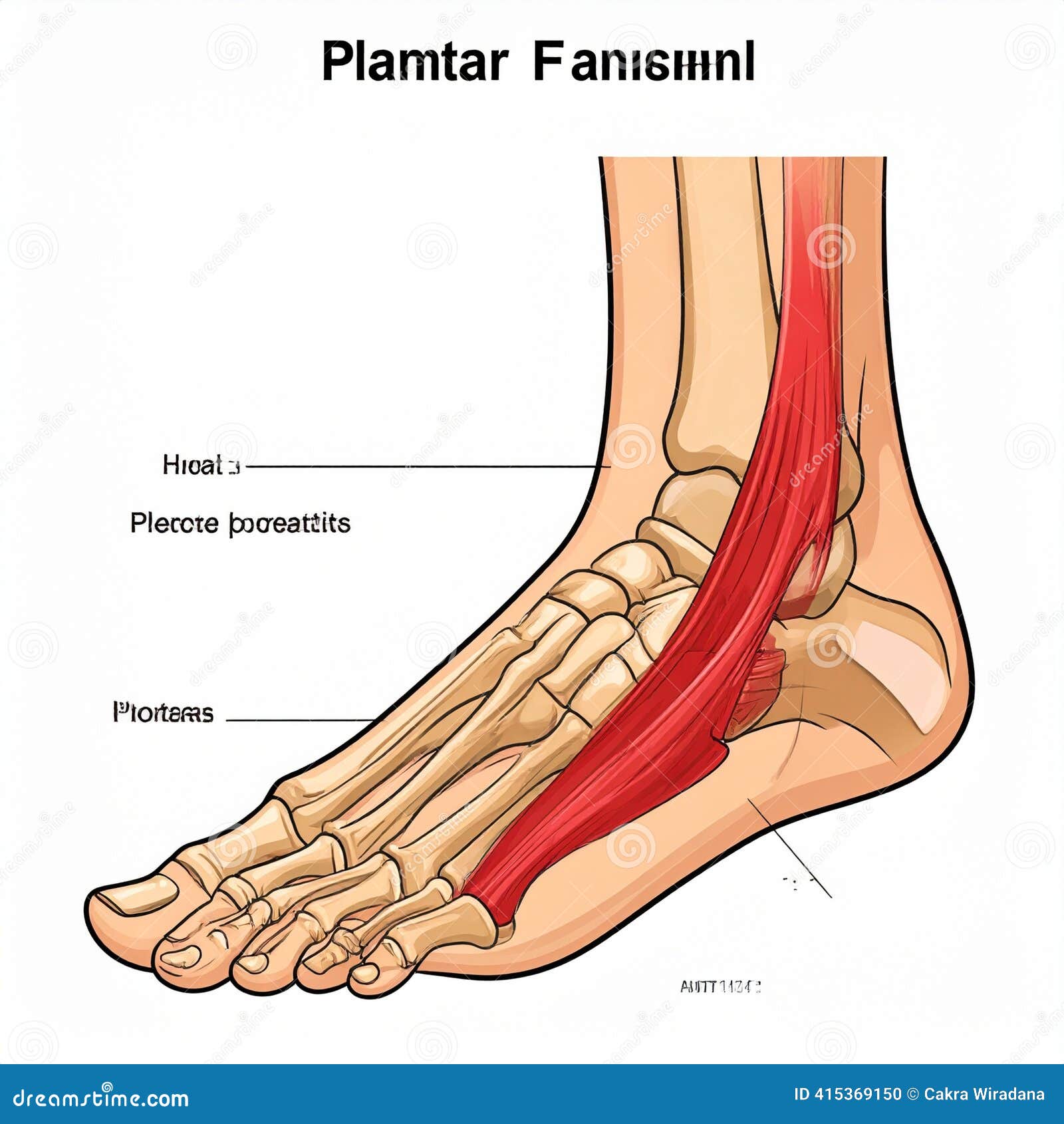
The plantar fascia is a thick, fibrous ligament running along the sole of your foot from the heel bone (calcaneus) to the base of your toes. It operates as a spring-loaded arch support, storing and releasing energy with every step through the windlass mechanism. When you walk or run, the plantar fascia absorbs ground reaction forces and transfers energy efficiently into forward propulsion.
Problems develop when the tissue is loaded beyond its capacity to repair. Micro-tears accumulate — particularly at the heel attachment — triggering inflammation and, over time, a degenerative thickening of the fascia itself. The result is a pain cycle that can persist for months or years if the underlying mechanical causes aren’t addressed.
According to the American Academy of Orthopaedic Surgeons, approximately 2 million people receive plantar fasciitis treatment annually in the United States. It accounts for 11 to 15 percent of all foot complaints requiring professional care. The good news: physical therapy has a strong evidence base and resolves most cases without the need for surgery or injections.
RELATED CONDITIONS & TREATMENTS
Plantar fasciitis is just one of the many conditions we treat at Trinity Rehab Toms River. Explore our full range of conditions we treat or learn more about specific treatment approaches:
WHAT PUTS TOMS RIVER RESIDENTS AT RISK
Toms River is a place of genuine activity, and many of the things people love about it create conditions that can overload the plantar fascia.
Beach and waterfront walking. Regular walkers at Ortley Beach and Shelter Cove face the biomechanical demands of soft, shifting sand — an unstable surface that recruits the intrinsic foot muscles and fascia much more intensely than firm pavement. Walking barefoot or in flat flip-flops on hard beach access paths between the parking areas and the shoreline adds a particularly abrupt unprotected load.
Cattus Island County Park hikers and runners. The 530-acre park features seven miles of trails, including stretches of compact dirt, roots, and boardwalk sections. Regular users of these trails — and participants in Ocean Running Club events — accumulate repetitive impact loads that can provoke fascial breakdown, especially when mileage increases quickly heading into race season.
Healthcare and retail workers at Community Medical Center — an RWJBarnabas Health hospital — along with staff at Ocean County government offices, Target, Walmart, and UPS and FedEx distribution centers along Route 9, spend hours on hard floors. Twelve-hour nursing shifts, retail floor shifts, and warehouse rotations create cumulative plantar fascia loading that exceeds what the tissue can sustain without adequate footwear and recovery protocols.
Youth sport families. Toms River has three high schools — North, East, and South — with robust programs in cross-country, track, football, soccer, and wrestling. The Toms River North Mariners’ football tradition alone involves hundreds of student athletes moving through demanding pre-season conditioning. Young athletes’ growth plates and biomechanics create their own risk profile, but overuse injuries in the plantar fascia are common across the age spectrum.
Boating and waterfront activity. Extended standing on boat decks, docks, and the banks of Barnegat Bay involves prolonged static loading on the same foot position — a different stress pattern than walking, but one that similarly taxes the fascia.
SYMPTOMS THAT POINT TO PLANTAR FASCIITIS
The symptom pattern is characteristic enough that an experienced physical therapist can identify it immediately — but it’s still important to get a proper assessment to rule out other causes of heel pain.
The classic presentation includes:
- Intense heel pain with the first steps of the morning — most patients describe it as stabbing, burning, or as though a nail is lodged under the heel. This reflects the overnight shortening of the fascia and the abrupt stretch of initial weight-bearing.
- Stiffness that eases after 10 to 20 minutes of walking — the tissue warms up and becomes less reactive, which is why many patients report that their pain seems better mid-morning, only to return by afternoon.
- Pain that returns after prolonged sitting or rest — a long drive up the Garden State Parkway, an afternoon at a desk, or a few hours watching a Mariners football game can all trigger the same stiffening.
- Aching along the arch — not always localized to the heel; sometimes the entire bottom of the foot feels tight and sore.
- Tenderness at the inner edge of the heel — pressing on the medial calcaneal tubercle (the origin point of the plantar fascia) typically reproduces the familiar pain.
- Limping or stride shortening — as the condition progresses, patients unconsciously alter their gait to protect the heel, creating compensatory stress in the ankle, knee, and hip.
An Ocean County resident who runs the Cattus Island trails twice a week described his pattern this way: “I felt great during the run, but by the time I finished cooking dinner that night, my heel was throbbing. Next morning stepping out of bed was the worst part of my day.” That delayed onset and morning stiffness is textbook plantar fasciitis, and it responds well to targeted intervention.
HOW PHYSICAL THERAPY RESTORES YOUR FUNCTION
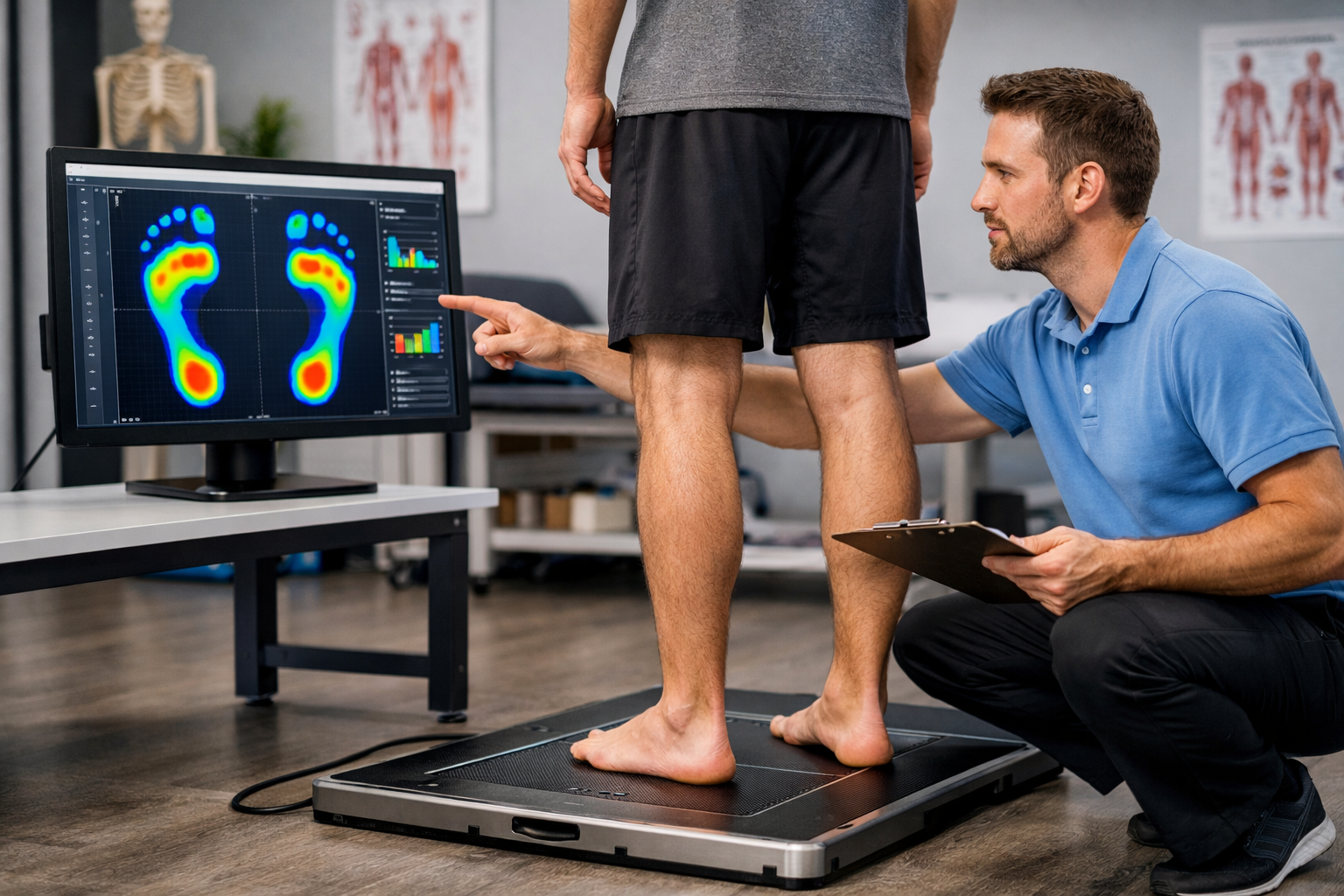
At Trinity Rehab, we don’t use a one-size-fits-all protocol. Treatment begins with a thorough evaluation of your foot mechanics, ankle mobility, calf flexibility, gait pattern, and the specific activities that are loading your fascia. From there, your therapist builds a plan that addresses your particular drivers — not just your symptoms.
REDUCING PAIN AND RESTORING MOBILITY
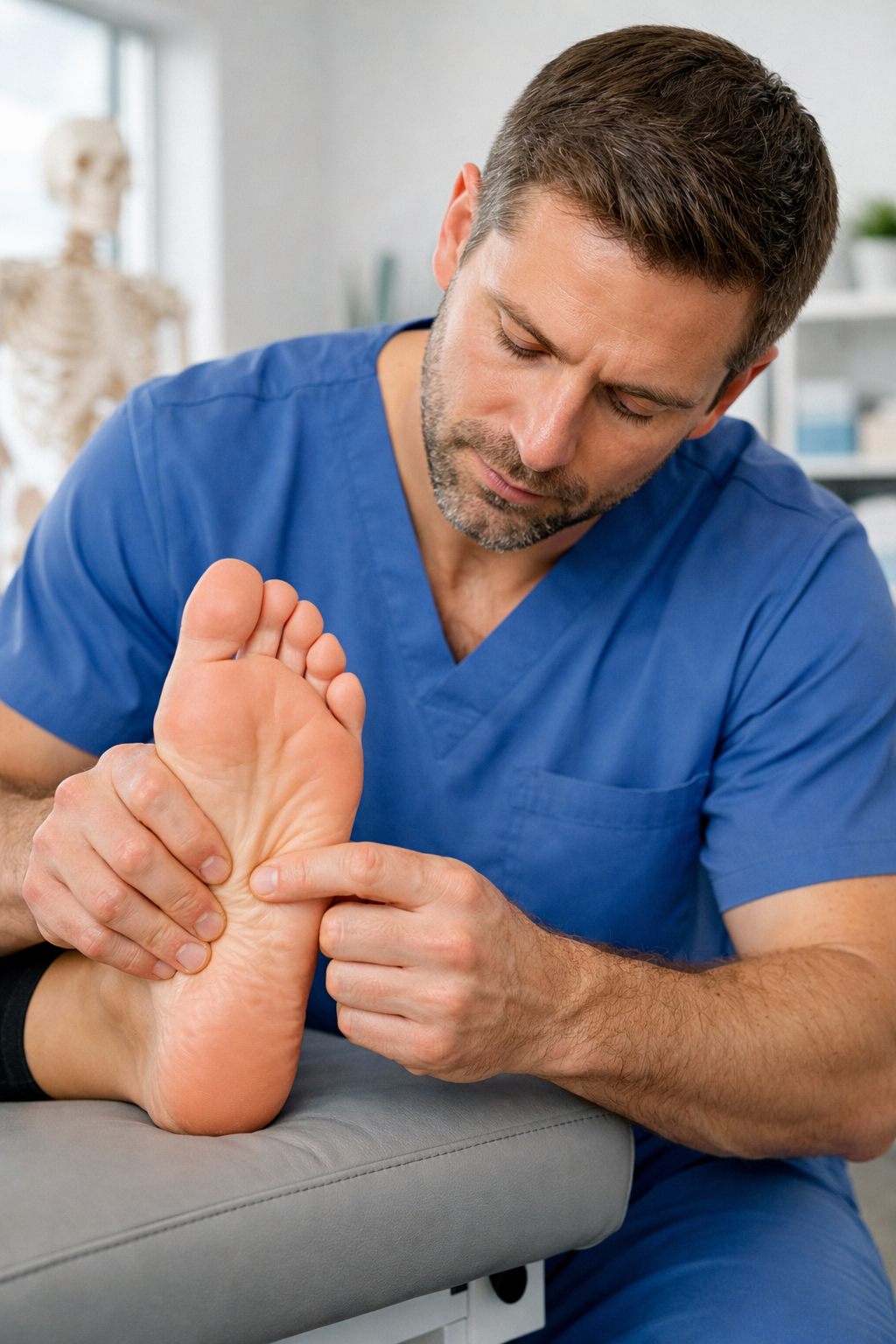
Manual therapy is central to early-phase treatment. Ankle and subtalar joint mobilization restores the dorsiflexion range of motion that tight structures have restricted. Without adequate dorsiflexion, every step you take creates compensatory plantar fascial strain. Research in the Journal of Orthopaedic & Sports Physical Therapy demonstrates that subtalar mobilization combined with stretching produces significantly better outcomes than stretching alone — making hands-on work a clinically essential component.
Instrument-assisted soft tissue mobilization (IASTM) breaks down the adhesions and scar tissue that accumulate in chronically irritated fascia. Myofascial release techniques address the trigger points in the calf, Achilles, and foot intrinsic muscles that maintain fascial tension even when you’re at rest.
Stretching begins immediately. The plantar fascia-specific stretch (pulling the toes back before the first step of the morning) and calf stretches targeting the gastrocnemius and soleus are among the highest-evidence interventions in the plantar fasciitis literature. When performed consistently, they significantly reduce morning pain and the post-rest stiffening cycle.
Therapeutic ultrasound and kinesiology taping may be incorporated during this phase to manage pain and support the tissue between sessions.

REBUILDING STRENGTH AND LOAD TOLERANCE
Once acute pain is controlled, the emphasis shifts to building the structural resilience that prevents recurrence. Eccentric calf raises — slowly lowering through the heel off a step — are the gold standard for progressive fascial loading, building tendon and fascial tensile strength while systematically increasing the tissue’s capacity to handle stress.
Intrinsic foot strengthening through towel scrunches, marble pickups, and the short-foot exercise activates the small muscles inside the foot that provide arch support independently of the plantar fascia. Balance and proprioception training using single-leg progressions corrects the neuromuscular imbalances that develop when pain has altered your gait pattern over time.
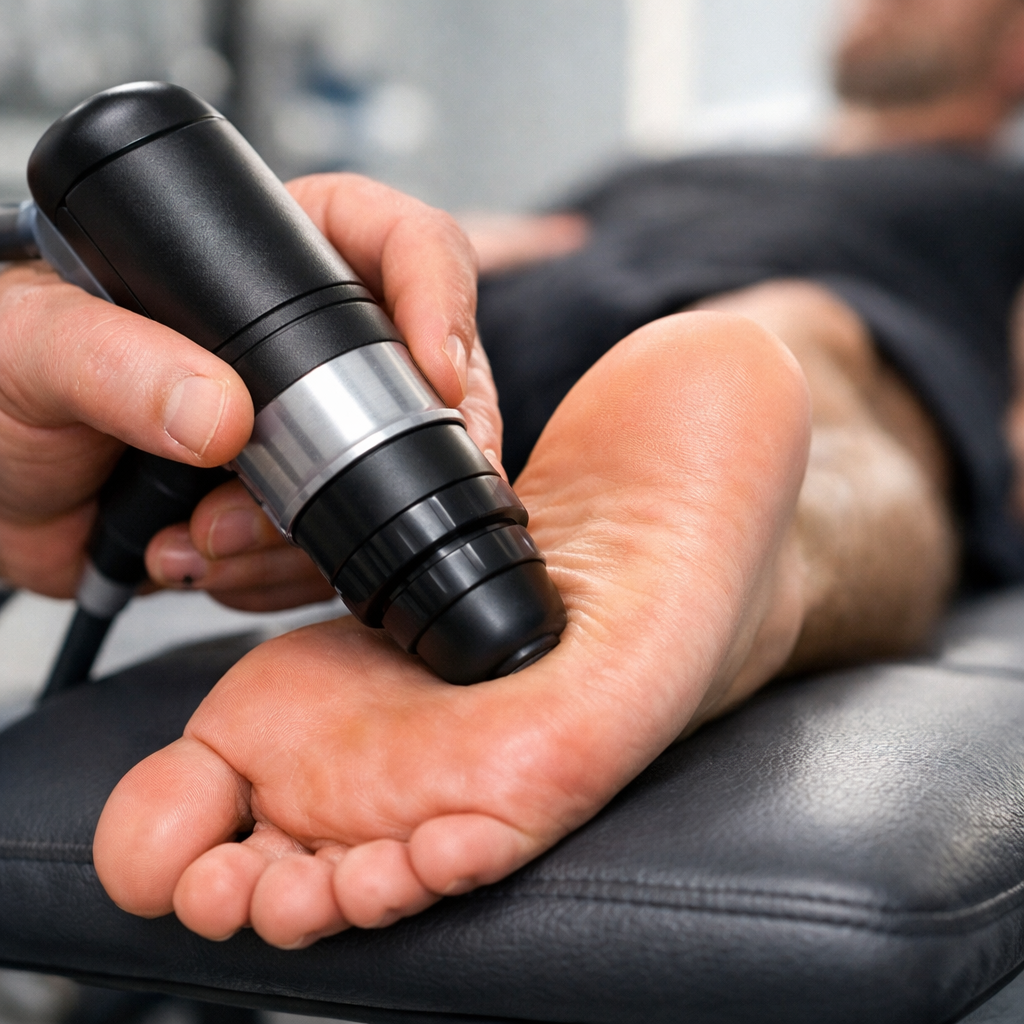
For patients with persistent or chronic plantar fasciitis — those who have had symptoms for six months or more without sufficient improvement — Trinity Rehab offers EPAT shockwave therapy. Acoustic pressure waves delivered to the damaged tissue stimulate blood flow and activate the body’s cellular repair mechanisms. The Mayo Clinic identifies EPAT as an effective intervention for chronic cases. Dry needling is also available for patients with significant trigger points in the calf musculature driving ongoing fascial tension.
RETURN TO ACTIVITY AND FOOTWEAR OPTIMIZATION
The final phase of treatment bridges the gap between clinical recovery and the demands of your real life. Your therapist will build a structured return-to-activity program matched to your goals — whether that means completing a fall 5K on the Cattus Island trails, getting back on a full nursing schedule at Community Medical Center, or returning to a full season of youth soccer coaching at Veterans Recreational Complex.
Footwear assessment is a critical component. Your therapist will evaluate your current shoes, identify any biomechanical issues like overpronation or flat arches, and make specific recommendations. Custom orthotics may be appropriate for some patients. Night splints, which hold the ankle in dorsiflexion overnight to prevent the fascial shortening that causes morning pain, are prescribed for patients with severe morning stiffness.
PREVENTING PLANTAR FASCIITIS IN TOMS RIVER
With the right habits, you can protect your plantar fascia against the specific demands of life on the Jersey Shore:
- Invest in proper beach footwear. When walking the Ortley Beach access paths or the Seaside Heights boardwalk, wear supportive sandals rather than flat flip-flops. The hard paved surfaces combined with zero arch support in typical flip-flops create significant fascial stress.
- Manage your trail running volume. If you run at Cattus Island or train with the Ocean Running Club, follow the 10% rule for weekly mileage increases. Most running-related plantar fasciitis cases involve a training error — jumping mileage too fast.
- Replace beach and athletic footwear regularly. Running shoes lose meaningful cushioning support well before they look worn, typically between 300 and 500 miles. Summer beach sandals used daily should be replaced each season.
- Invest in occupational footwear. Nursing staff at Community Medical Center and warehouse workers throughout Ocean County’s logistics corridor should choose work shoes with genuine arch support, not athletic sneakers with minimal structure.
- Stretch your calves after beach activities. Extended barefoot walking or time in unsupportive footwear stiffens the calf-Achilles complex — a brief stretching routine afterward reduces the cumulative tightening.
WHY TOMS RIVER PATIENTS CHOOSE TRINITY REHAB
Trinity Rehab’s approach is built on one-on-one care. Every session is conducted directly with your licensed physical therapist — you are not passed to an aide while your therapist manages multiple patients simultaneously. This means your plan is updated in real time based on how your tissue is responding, and you have direct access to clinical expertise at every visit.
Our treatment protocols reflect the current clinical guidelines from the American Physical Therapy Association. We work with most major insurance carriers and require no physician referral. We also address the full biomechanical picture — if plantar fasciitis has created compensatory patterns that are beginning to affect your lower back or generating sciatica symptoms, those are part of what we treat. Visit our foot and ankle pain page to learn more about the full range of conditions we address.
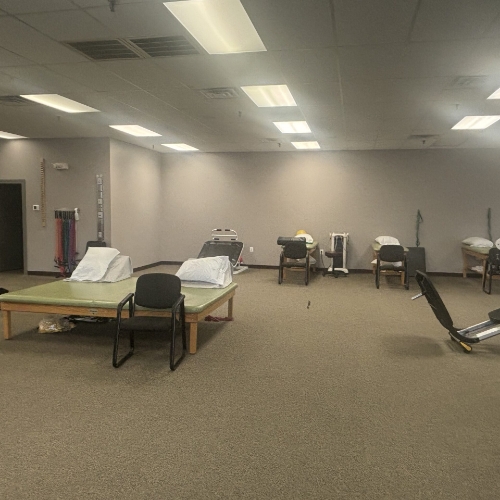
Inside Our Toms River Clinic
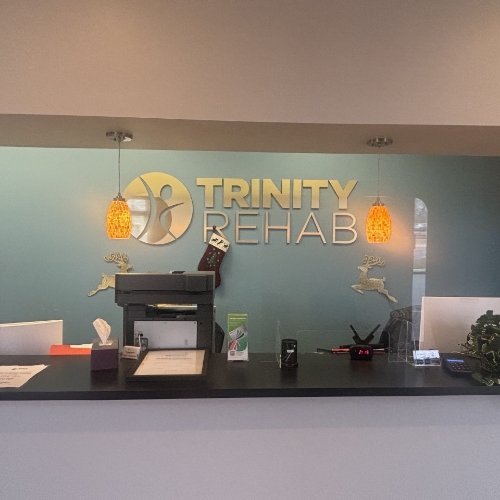
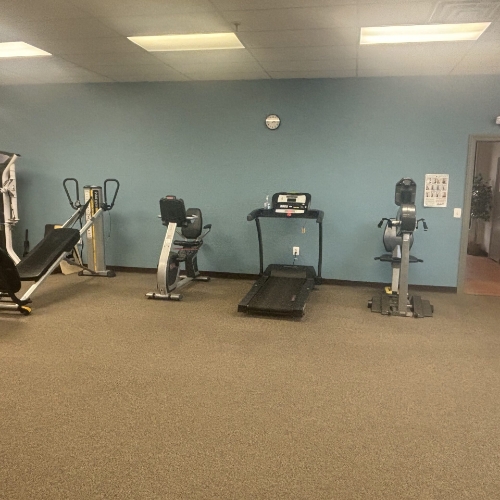
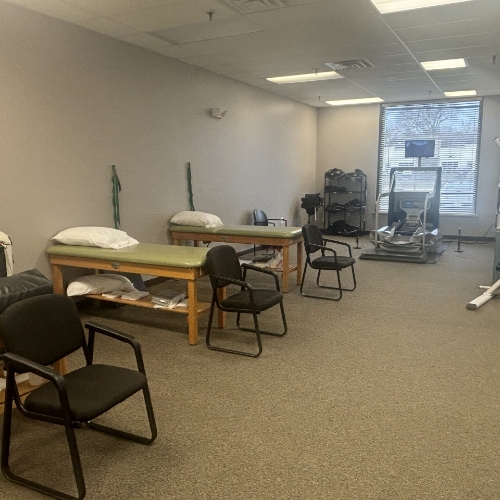
Our Toms River clinic is at 175 NJ-37 West, Toms River, NJ 08755. View Toms River clinic hours, photos and contact details, or get directions to Trinity Rehab Toms River.
FREQUENTLY ASKED QUESTIONS
Where can I get plantar fasciitis treatment in Toms River, NJ?
How long does recovery usually take?
Can I keep walking on the beach during treatment?
What makes plantar fasciitis come back after it seems to heal?
Is plantar fasciitis the same as a heel spur?
READY TO GET BACK TO THE SHORE LIFE
Your Saturday morning walk on Ortley Beach. Your run through Cattus Island. Your shifts at Community Medical Center. All of these are waiting for you on the other side of a comprehensive plantar fasciitis recovery.
Trinity Rehab is ready to help you get there. Request your appointment today — no physician referral needed, most insurance accepted.
Sources: JOSPT Clinical Practice Guidelines for Heel Pain/Plantar Fasciitis, 2023 | Mayo Clinic — Plantar Fasciitis | APTA Clinical Practice Guidelines | American Academy of Orthopaedic Surgeons