

Meniscus Tear Treatment in Toms River, NJ — Trinity Rehab
Treating Ocean County’s active families since 2019
Toms River punches well above its weight when it comes to youth athletics. The Little League World Series champions put our community on the national map, and that competitive spirit extends far beyond Little League fields. Local high school athletics at Toms River North and South, recreational sports leagues, Jersey Shore beach activities, and the general active lifestyle of our families create a community where knee injuries are inevitable. If you’ve torn your meniscus on the baseball diamond, during a recreational soccer game, through a beach volleyball mishap, or simply stepping awkwardly on the shore, you’re facing an injury that Trinity Rehab treats weekly.
The good news: Most meniscus tears don’t require surgery. With the right physical therapy approach, you can return to the sports and recreational activities that matter to your family without lengthy downtime or invasive procedures.
How Your Meniscus Works (And What Happens When It Tears)
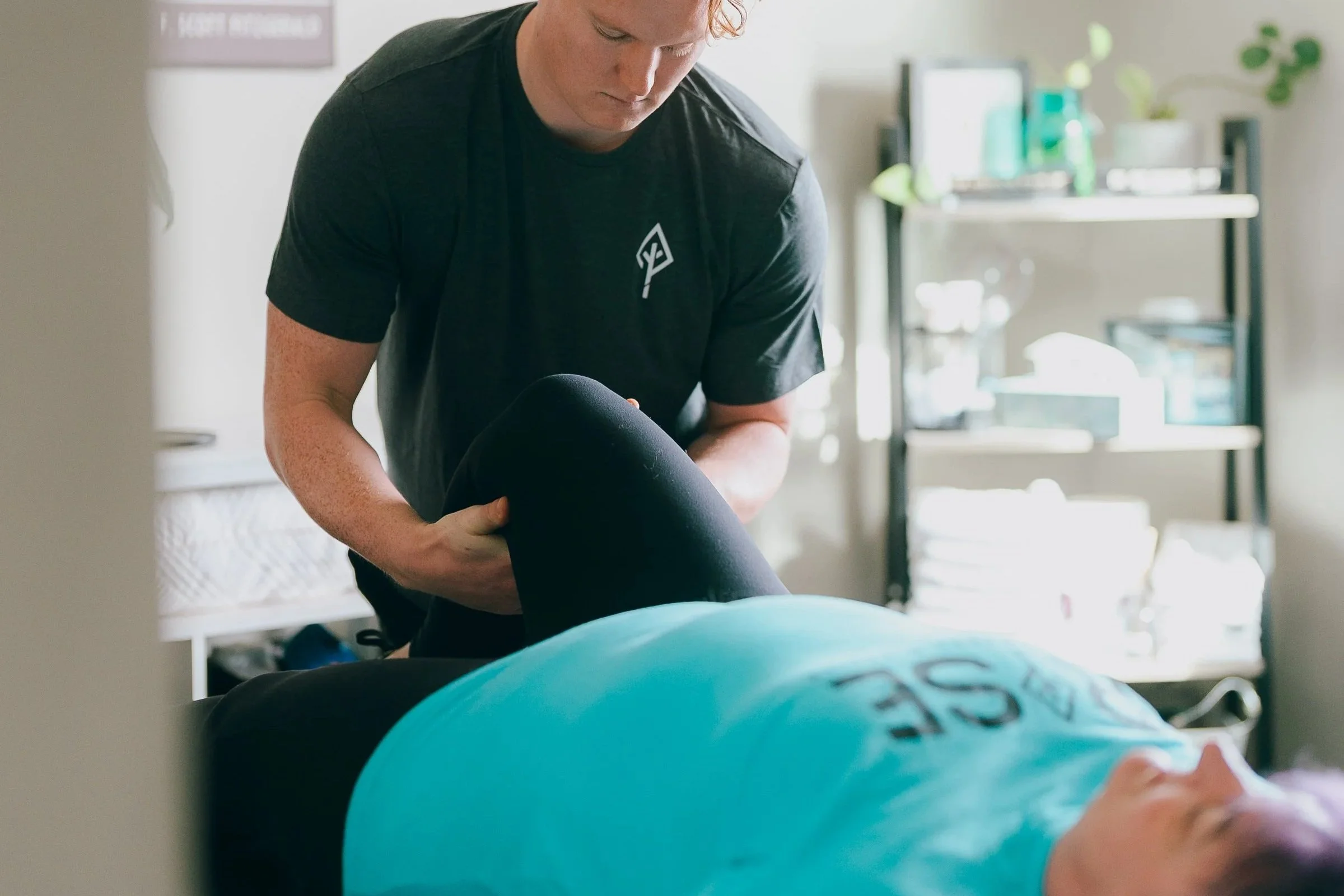
Your meniscus is a specialized piece of cartilage that performs several critical functions inside your knee. Think of it as a shock absorber, cushion, and stabilizer all combined. Your knee contains two menisci — the medial meniscus on the inner side and the lateral meniscus on the outer side. Together, they distribute weight evenly across the knee joint, prevent excessive friction during movement, and provide crucial stability.
When a meniscus tears, the knee’s shock-absorbing capacity decreases significantly. This means more stress reaches the knee joint itself, cartilage deteriorates faster, and chronic knee pain often develops. Without proper treatment, a torn meniscus can progress to osteoarthritis and other degenerative conditions.
Research from the New England Journal of Medicine demonstrates that structured physical therapy produces outcomes equivalent to surgery for most meniscus tears. This is particularly true for people over 40 and for degenerative tears. The benefit: You avoid surgery, recover faster, and return to activity sooner.
Meniscus Tear Causes Specific to Toms River and Ocean County
Toms River’s profile as a youth sports and recreation community creates distinct injury patterns:
Youth and High School Athletics:
- Baseball — Sudden acceleration/deceleration, rapid direction changes, and sliding into bases are classic meniscus tear scenarios
- Softball and recreational sports — Similar mechanisms to baseball, with additional risk during sudden cutting and pivoting
- Soccer (youth and recreational leagues) — High-intensity cutting movements, rapid direction changes, and uneven playing surfaces frequently cause meniscus injuries
- Basketball (recreational and competitive) — The stopping, starting, and lateral movements inherent to basketball create direct meniscus injury risk
Shore and Water Activities:
- Beach volleyball — Sudden direction changes on sand create unusual knee stresses that can tear the meniscus
- Running on sand — While strengthening, sand running places enormous stress on the meniscus due to the unstable surface
- Water sports accidents — Falls during water skiing, jet skiing, or boogie boarding can produce traumatic meniscus tears
Age-Related and Occupational Causes:
- Degenerative tears in older adults — Many Toms River residents over 55 develop meniscus tears during routine activities like yard work, carrying groceries, or climbing stairs
- Retail and hospitality work — Common in our Shore community, these jobs require prolonged standing and frequent squatting, stressing the meniscus
How a Meniscus Tear Feels
Meniscus tear symptoms typically appear suddenly (in traumatic tears) or gradually (in degenerative tears):
- A popping or “tearing” sensation you feel at the moment of injury
- Swelling that develops over hours or days, often worse the morning after injury
- Sharp, localized pain along the inner or outer knee joint line
- Difficulty fully bending or straightening your knee
- A catching or clicking sensation during certain movements
- Feeling like your knee might buckle or give way
- Pain that increases with squatting, climbing stairs, or prolonged walking
- Difficulty with activities involving twisting or rotation of your knee
- Morning stiffness that improves as you move
For many Toms River residents, the injury occurs during athletic activity and seems manageable initially. However, attempting to continue playing or ignoring worsening symptoms often leads to larger tears and more prolonged recovery.
Trinity Rehab’s Evidence-Based Treatment Approach
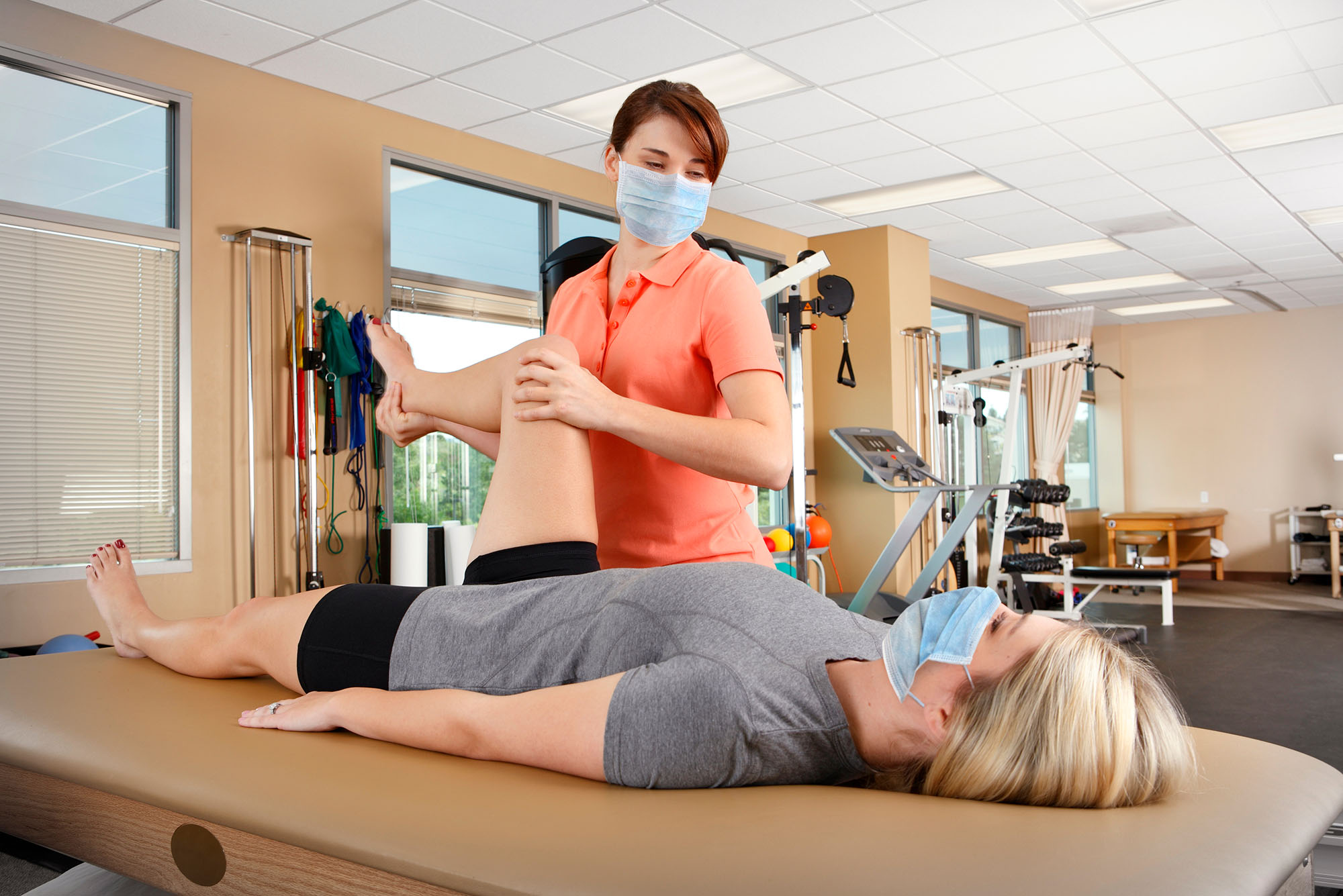
Physical therapy for meniscus tears is not a one-size-fits-all process. At Trinity Rehab Toms River, we design progressively sophisticated rehabilitation plans based on your specific injury and recovery trajectory.
The Initial Assessment
Your first visit includes a detailed evaluation where your physical therapist:
- Assesses your knee’s range of motion, strength, and stability
- Identifies which movements and activities trigger your symptoms
- Reviews any imaging you have (though physical therapy can begin without MRI results)
- Discusses your goals — whether that’s returning to competitive sports, playing recreational beach volleyball, or simply moving without pain
- Creates a baseline understanding of your injury so you understand your recovery plan
Phase 1: Control Inflammation and Protect the Tear (Weeks 1-3)
The initial phase focuses on stopping pain and swelling while protecting healing tissue:
- Modality-based pain relief — Ice, electrical stimulation, ultrasound, and other clinical tools to reduce inflammation
- Manual therapy — Gentle hands-on techniques including soft tissue mobilization and joint mobilization to reduce stiffness and improve circulation
- Protected movement — Careful range-of-motion exercises that maintain joint mobility without stressing your tear
- Gait training — Instruction on how to walk to minimize stress on your healing meniscus
- Activity modification guidance — Clear instruction on what to avoid and what’s safe during this early phase
During this phase, rest is critical. The RICE protocol (Rest, Ice, Compression, Elevation) supports your body’s natural healing response.
Phase 2: Rebuild Strength and Stability (Weeks 4-8)
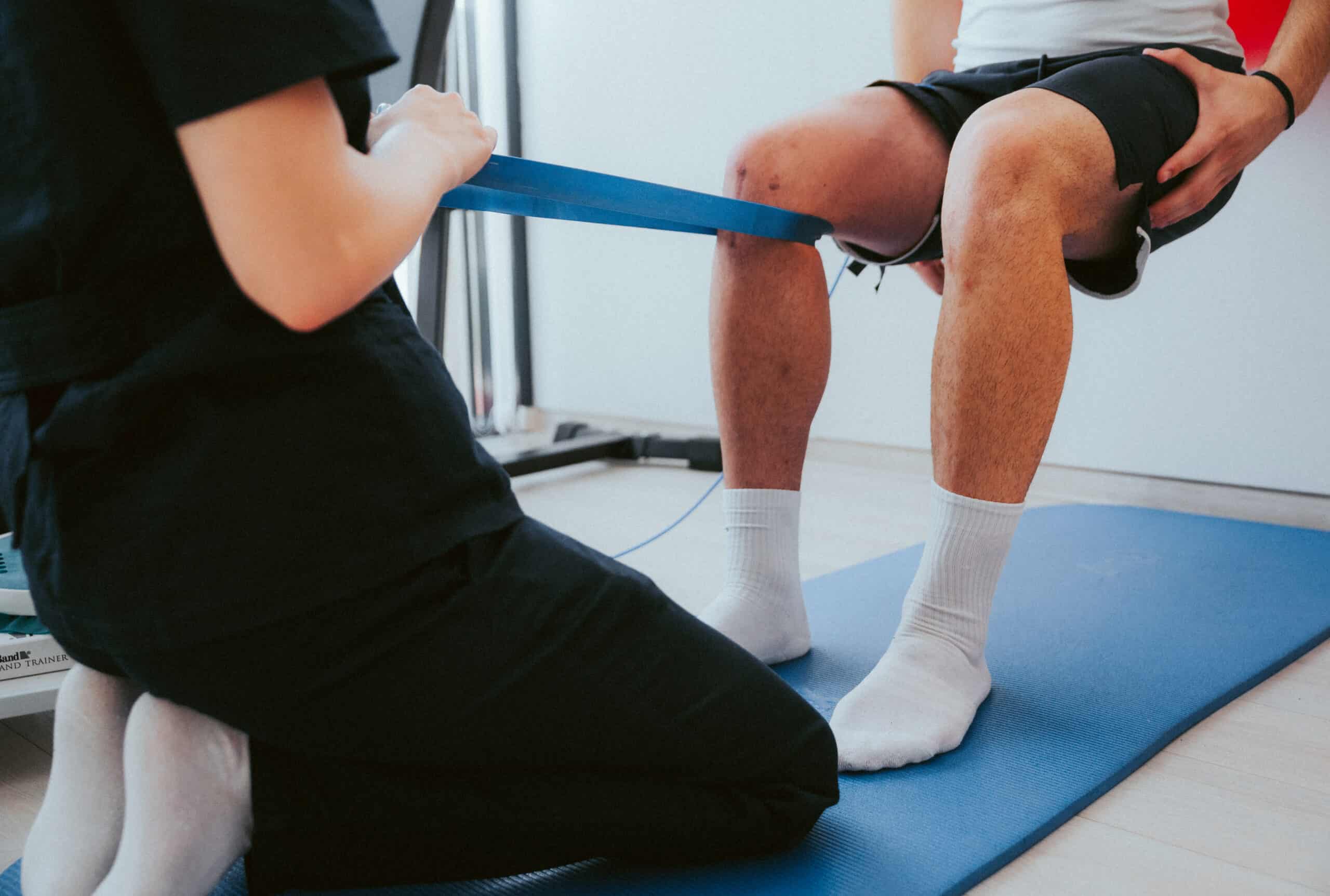
As inflammation decreases, the focus shifts to strengthening the muscles that support your knee:
- Quadriceps strengthening — Progressive exercises targeting your thigh muscles, which are essential for knee stability and shock absorption during any activity
- Hamstring and hip strengthening — Balanced lower extremity strength helps distribute forces evenly across your knee, reducing meniscus stress
- Core stabilization — A stable trunk improves overall movement quality and reduces compensatory stress on your knee
- Proprioception and balance work — Exercises on unstable surfaces to retrain your knee’s sense of position and movement
- Dry needling — Targeted trigger point therapy to release compensatory muscle tension that develops during recovery
Phase 3: Return to Sports and Activities (Weeks 8-14)
The final phase trains your knee for the specific demands of your activities:
- Sport-specific progression — If you’re a baseball player, we incorporate rotational power and explosive movements. For beach volleyball, we emphasize lateral movement and jumping. Your training reflects your specific sport
- Agility drills — Controlled exercises that prepare your knee for rapid direction changes
- Jumping and landing mechanics — Instruction on proper technique to prevent re-injury
- Progressive intensity increases — Gradual increases in exercise difficulty to ensure your knee adapts safely
- EPAT/Shockwave therapy — Regenerative treatment using acoustic waves to stimulate healing and accelerate recovery when appropriate
Understanding Your Specific Meniscus Tear
Different tear patterns carry different treatment implications:
- Radial tears — The most common type, extending across the meniscus. Small tears in the outer zone (which has blood supply) often heal well with physical therapy
- Horizontal tears — Running along the meniscus length, often associated with aging and degeneration. These typically respond well to conservative treatment
- Bucket-handle tears — A large vertical tear where a piece flips into the joint center, often causing mechanical locking. These may require surgical evaluation
- Flap tears — A section of meniscus folds over, creating a catching sensation. These can be degenerative or traumatic in origin
- Complex tears — Multiple tear patterns in the same meniscus, typically degenerative and frequently managed more effectively with physical therapy than surgery
Your therapist will explain your tear type and why it influences your recovery plan.
Long-Term Knee Health for Active Toms River Residents
Once you’ve recovered, maintaining meniscus health and preventing re-injury is essential:
- Continue strength training — The exercises your therapist taught you should become permanent parts of your routine, even after full recovery
- Dynamic warm-ups — Before sports or intense activity, spend 5-10 minutes on dynamic stretching and light cardio to prepare your knee
- Maintain proper mechanics — Proper form during running, cutting, jumping, and landing prevents re-injury
- Use appropriate equipment — Well-fitting athletic shoes, properly maintained sports equipment, and protective gear all reduce knee injury risk
- Balance your training — Avoid excessive high-impact activity without adequate recovery time. Cross-training (swimming, cycling) provides fitness without knee stress
- Know when to back off — Persistent pain or swelling after activity is a signal to modify intensity, not “push through it”
- Manage your weight — Every pound of body weight equals approximately four pounds of force across your knee during activity. For active people, weight management directly impacts knee longevity
- Stay flexible — Regular stretching of hamstrings, hip flexors, and calf muscles reduces compensatory stress on your knee
Why Trinity Rehab Toms River Is Your Best Choice
Our Toms River clinic offers several distinct advantages:
- Youth sports experience — Our therapists treat young athletes regularly and understand the demands of youth baseball, soccer, and other sports
- Convenient location — Centrally located in Ocean County, our clinic is accessible from anywhere in Toms River
- One-on-one care — Your physical therapist, not an aide or assistant, conducts every session
- No physician referral needed — In New Jersey, you can begin physical therapy directly without a doctor’s order
- Evidence-based approach — Our protocols reflect the latest meniscus tear research, ensuring you receive current best-practice care
- Personalized programming — Your treatment reflects your specific tear, your age, your sport, and your timeline
- Advanced treatment tools — Manual therapy, dry needling, EPAT/shockwave therapy, and other specialized options accelerate recovery
- Family-friendly approach — We understand that many of our patients are young athletes whose injuries affect entire families
Beginning Your Child’s (Or Your Own) Recovery
Starting meniscus tear treatment is simple:
- Schedule your evaluation — Call our Toms River clinic or book through our appointment page
- Bring any imaging — If you have MRI or X-ray results, bring them, but they’re not required
- Arrive 15 minutes early — This allows time for paperwork and getting your child comfortable
- Begin your assessment — Your first visit includes evaluation and the start of your personalized treatment plan
- Watch for quick improvements — Pain usually decreases and mobility improves within 2-3 weeks
Return to the Activities That Define Your Toms River Life
Whether you’re a young athlete dreaming of returning to competitive play, a parent wanting to enjoy recreational sports again, or someone simply hoping to play beach volleyball without pain, a meniscus tear doesn’t have to derail your plans. Understanding meniscus tear symptoms and causes can be crucial in identifying the injury early. Many people overlook the signs, mistaking them for regular knee discomfort, which can lead to worsening conditions. Knowing when to seek medical advice can make a significant difference in recovery and ensure a return to the activities you love. With various meniscus tear treatment options available, it’s essential to consult with a healthcare professional to find the best approach for your situation. Depending on the severity of the tear, treatments can range from physical therapy and strengthening exercises to surgical interventions. Making an informed choice can help you return to the activities you love with confidence and reduced discomfort. Understanding the common symptoms of meniscus tear can help you identify the injury early and seek appropriate treatment. Swelling, stiffness, and pain around the knee are signs that should not be ignored, as they can significantly impact your mobility. Timely intervention can aid in recovery and help you get back on the field or court much sooner than expected.
Trinity Rehab specializes in helping Toms River residents of all ages recover from knee injuries and return to full activity. We understand the competitive spirit and active lifestyle that characterize our community, and we’re committed to getting you or your family members back in the game.
Contact Trinity Rehab Toms River today to schedule your meniscus tear evaluation and start your recovery.
For more information on meniscus tear treatment, visit our complete meniscus tear resource.
—
Trinity Rehab brings specialized physical therapy to families throughout Ocean County and across New Jersey and Pennsylvania. We focus on helping young athletes, adults, and active families recover from injury and return to the sports and activities they love.