

ACL TREATMENT PHYSICAL THERAPY IN TOMS RIVER, NJ
In the summer of 1998, a group of kids from Toms River East Little League did something nobody expected — they won the Little League World Series. The entire township shut down to watch. Neighbors packed into living rooms and local restaurants, and when those kids brought the championship home, a parade stretched through downtown. That underdog spirit — the belief that grit and preparation can carry you further than anyone predicts — is woven into everything Toms River does. It shapes the way Toms River North’s Mariners built a football dynasty with back-to-back Group V state championships in 2022 and 2023. It fuels the athletes at Toms River East and Toms River South who compete with the same intensity every Friday night. And it defines how this Shore community approaches recovery when an anterior cruciate ligament injury threatens to take someone out of the life they love — whether that life revolves around championship football, sunrise hikes along the Cattus Island County Park boardwalks, or a Saturday morning co-ed soccer match at the Ocean County YMCA.
ACL treatment physical therapy is not a passive process. It demands the same discipline that built Toms River’s athletic legacy. At Trinity Rehab in Toms River, we guide patients through every phase of recovery with evidence-based protocols, advanced technology, and a deep understanding of what it means to live and move in this community.
UNDERSTANDING ACL INJURIES
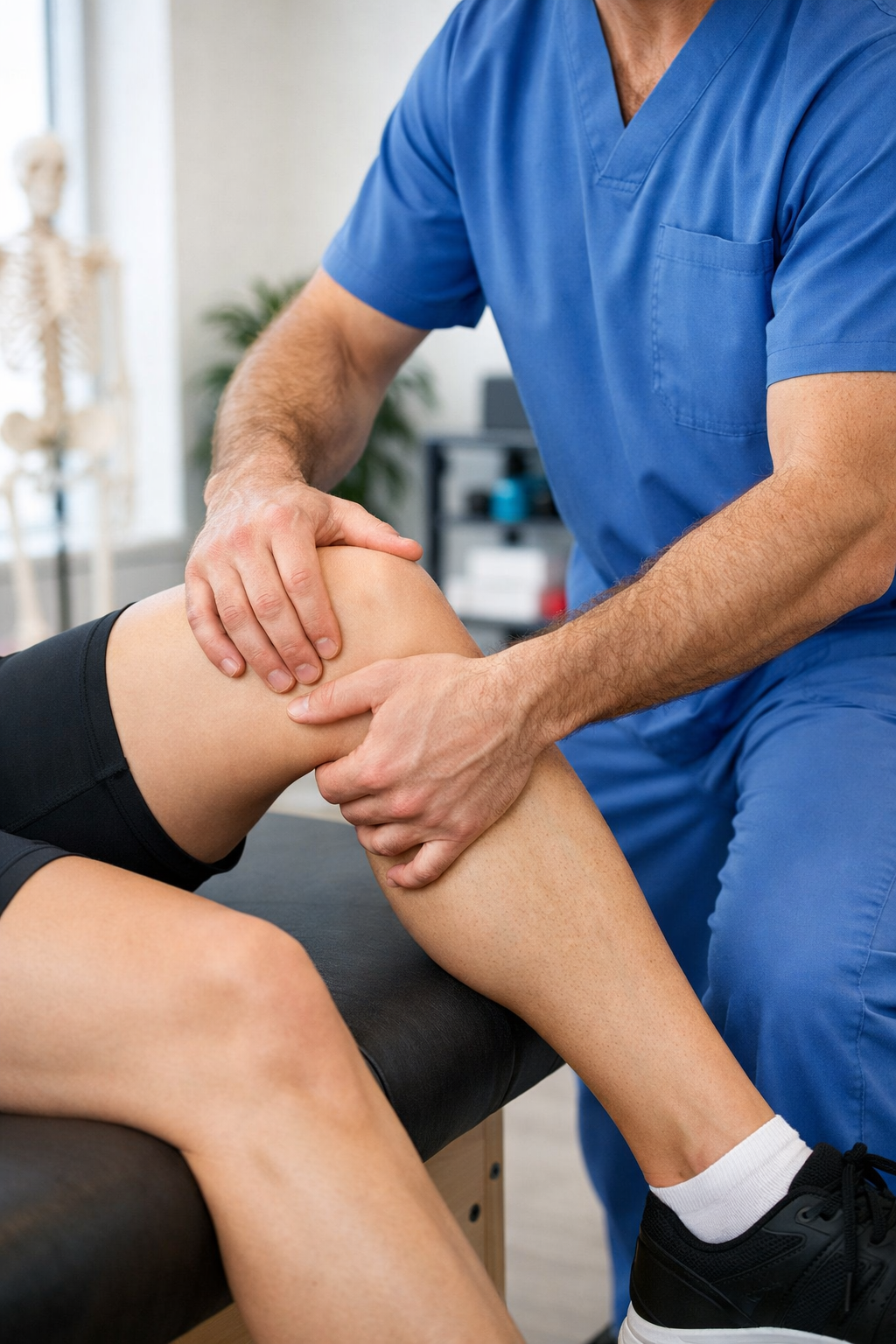
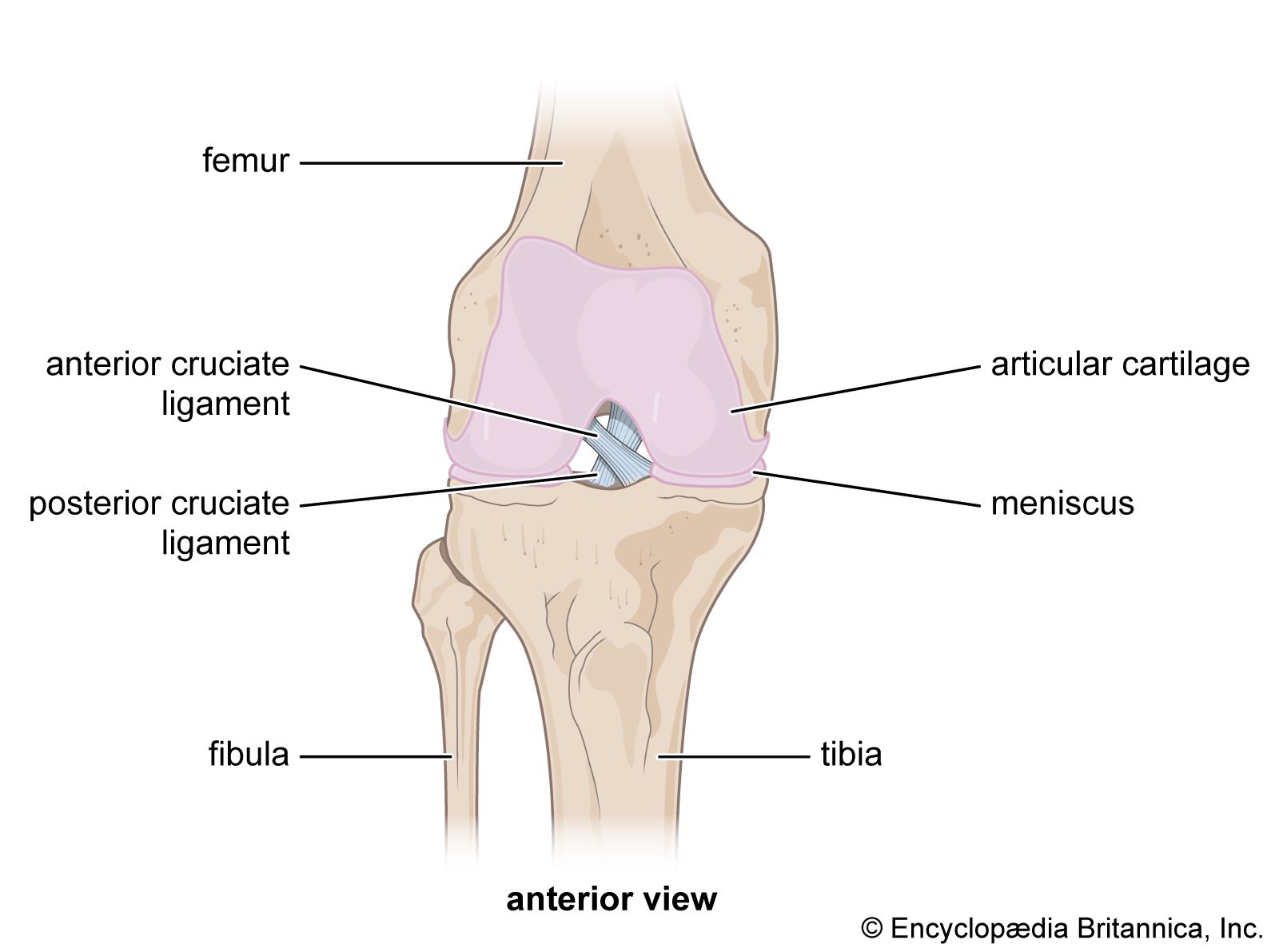
The anterior cruciate ligament is one of four primary ligaments stabilizing the knee joint. It connects the femur to the tibia diagonally through the center of the knee, preventing the shinbone from sliding forward while providing rotational stability during cutting, pivoting, and landing. When this ligament tears — partially or completely — the result is an ACL tear that can feel like the ground has been pulled out from under you.
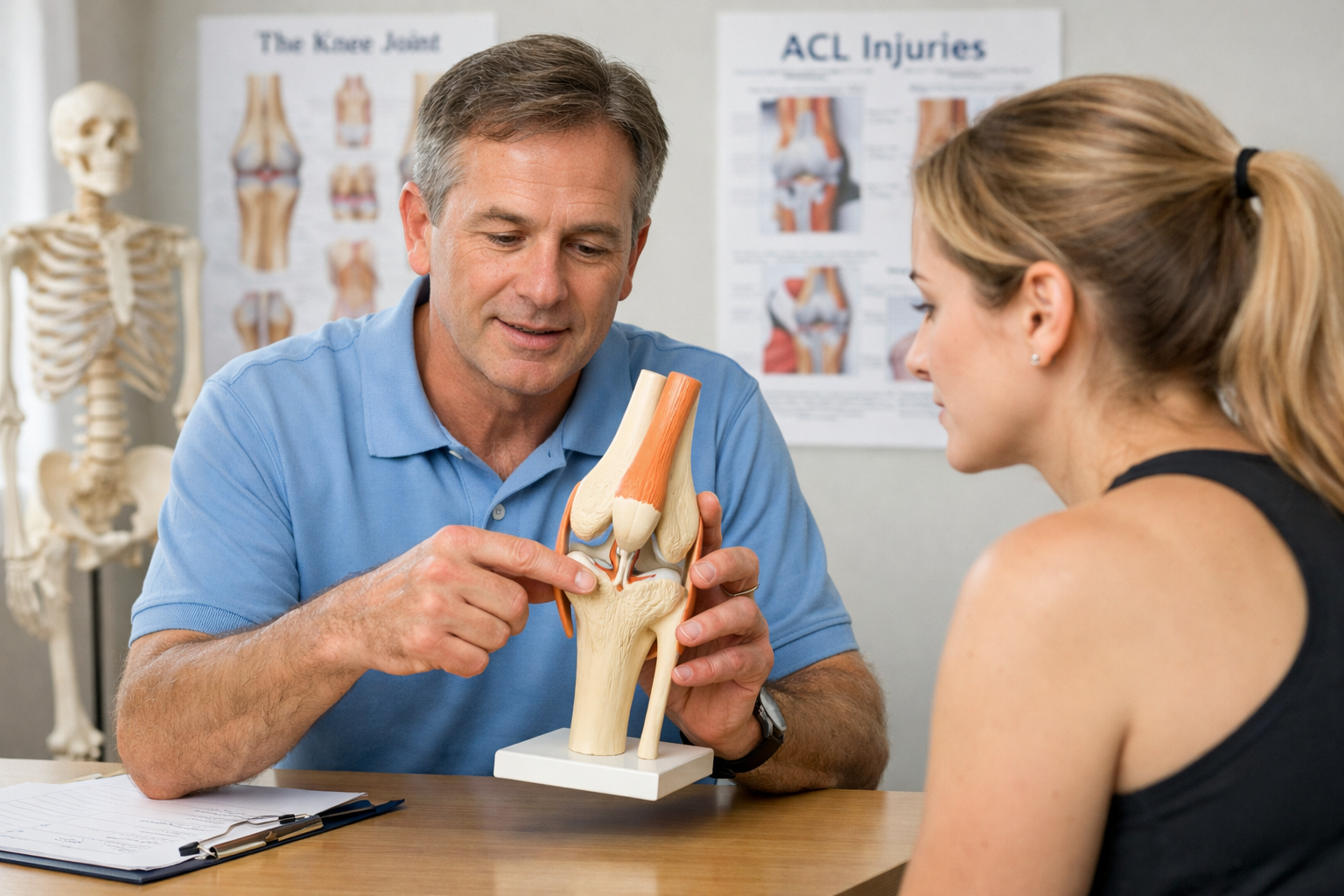
An ACL injury can range from a mild sprain to a complete rupture. Patients often hear or feel a distinct “pop” at the moment of injury, followed by rapid swelling and a sensation that the knee is buckling or giving way. The severity of the tear, along with damage to surrounding structures like the meniscus, determines the treatment pathway — but in every case, physical therapy is the foundation of recovery.
WHY ACL RECOVERY MATTERS
An untreated or poorly rehabilitated ACL injury does not simply “heal with time.” Without proper intervention, patients face chronic knee instability, accelerated cartilage breakdown, and elevated risk of early-onset arthritis. For the high school athlete in Toms River chasing a college scholarship, for the ER nurse at Community Medical Center who spends twelve-hour shifts on her feet, and for the retiree who looks forward to morning birdwatching walks on Cattus Island’s trails — the consequences of incomplete rehabilitation ripple through every part of daily life.
Proper ACL recovery restores knee stability, rebuilds muscle strength, and retrains the neuromuscular patterns that protect the joint during dynamic movement. It is the difference between returning to full function and spending years compensating for a knee that never feels trustworthy again.
COMMON CAUSES OF ACL INJURIES IN TOMS RIVER
Toms River’s athletic culture and Shore lifestyle create specific scenarios where ACL injuries occur with troubling regularity.
High school sports collisions and cuts. With three major programs — Toms River North (Mariners), Toms River East (Raiders), and Toms River South (Indians) — thousands of young athletes compete in football, soccer, basketball, and lacrosse each season. Consider a Mariners defensive end planting his foot to change direction during a Group V state championship game. The turf grips his cleat, his body rotates over a locked knee, and a season-defining moment becomes a season-ending ACL tear. These non-contact pivoting injuries account for the majority of ACL tears in adolescent athletes.
Workplace demands. Toms River is home to major employers like Community Medical Center (RWJBarnabas Health), OceanFirst Bank, and Toms River Regional Schools. An ER nurse pivoting quickly in the trauma bay during a chaotic Shore summer shift — dodging a gurney, turning to grab equipment — can load the knee in exactly the position that ruptures the ACL. These work injuries are more common than people realize.
Trail and boardwalk missteps. Cattus Island County Park draws hikers, birdwatchers, and families to its miles of trails and boardwalks overlooking Barnegat Bay. Stepping off an uneven plank during a dawn birdwatching walk — one awkward landing on a dew-slicked board — can produce the twisting force necessary for a significant ligament injury.
Recreational and adult league sports. The Toms River Basketball Association, independent soccer clubs, softball leagues, and Ocean Tennis Association keep adults active beyond their high school years. An Ocean County YMCA adult soccer player launching into a header during a co-ed evening league, then landing with a slightly turned knee — this is one of the most common mechanisms for ACL tears in recreational athletes over thirty.
SIGNS AND SYMPTOMS
Recognizing an ACL injury early leads to better outcomes. Key indicators include:
- A sudden “pop” sound or sensation at the moment of injury
- Rapid swelling within the first few hours
- Severe pain, especially when bearing weight
- Loss of full range of motion in the knee
- A feeling of instability or the knee “giving out” during movement
- Difficulty walking or an inability to continue activity
If you experience these symptoms — on a Toms River playing field, along the Ortley Beach shoreline, or at Veterans Recreational Complex — seek evaluation promptly. Early assessment by a physical therapist allows for faster intervention and better long-term knee function.
HOW PHYSICAL THERAPY HELPS: THE PHASE-BASED APPROACH
Effective ACL treatment follows a structured, progressive rehabilitation model. Whether a patient undergoes ACL surgery or pursues a non-surgical pathway, the phases below represent the gold standard in ACL recovery. Your physical therapist will tailor each phase to your specific injury, goals, and progress.
Prehabilitation (Before Surgery)
For patients scheduled for anterior cruciate ligament reconstruction, prehabilitation — or “prehab” — begins before the operating room. The goal is to reduce swelling, restore as much knee motion as possible, and strengthen the quadriceps and hamstrings so the knee enters surgery in optimal condition. Research consistently shows that patients who complete a prehabilitation program recover faster and achieve better outcomes after reconstruction. At Trinity Rehab, prehab protocols include gentle range of motion exercises, isometric strengthening, and targeted swelling management.
Phase 1: Protection and Early Motion (Weeks 0-2)
Immediately following ACL reconstruction or at the start of conservative treatment, the priority is protecting the healing graft while restoring basic knee motion. Treatment includes passive and active-assisted range of motion exercises, patellar mobilization through manual therapy techniques, quadriceps activation drills, and gait training. Swelling control through compression, elevation, and cryotherapy is critical during this window.
Phase 2: Progressive Strengthening (Weeks 2-6)
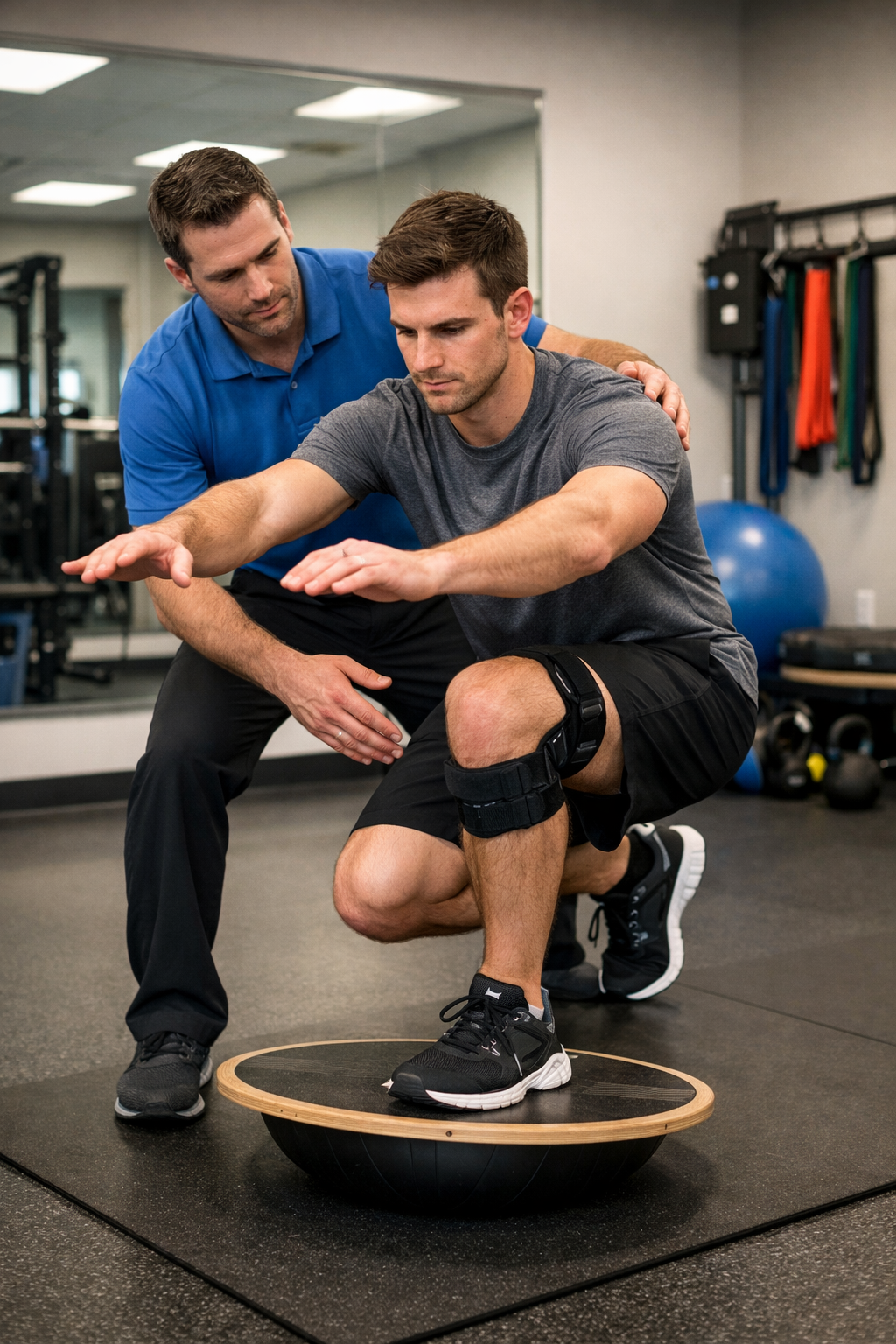
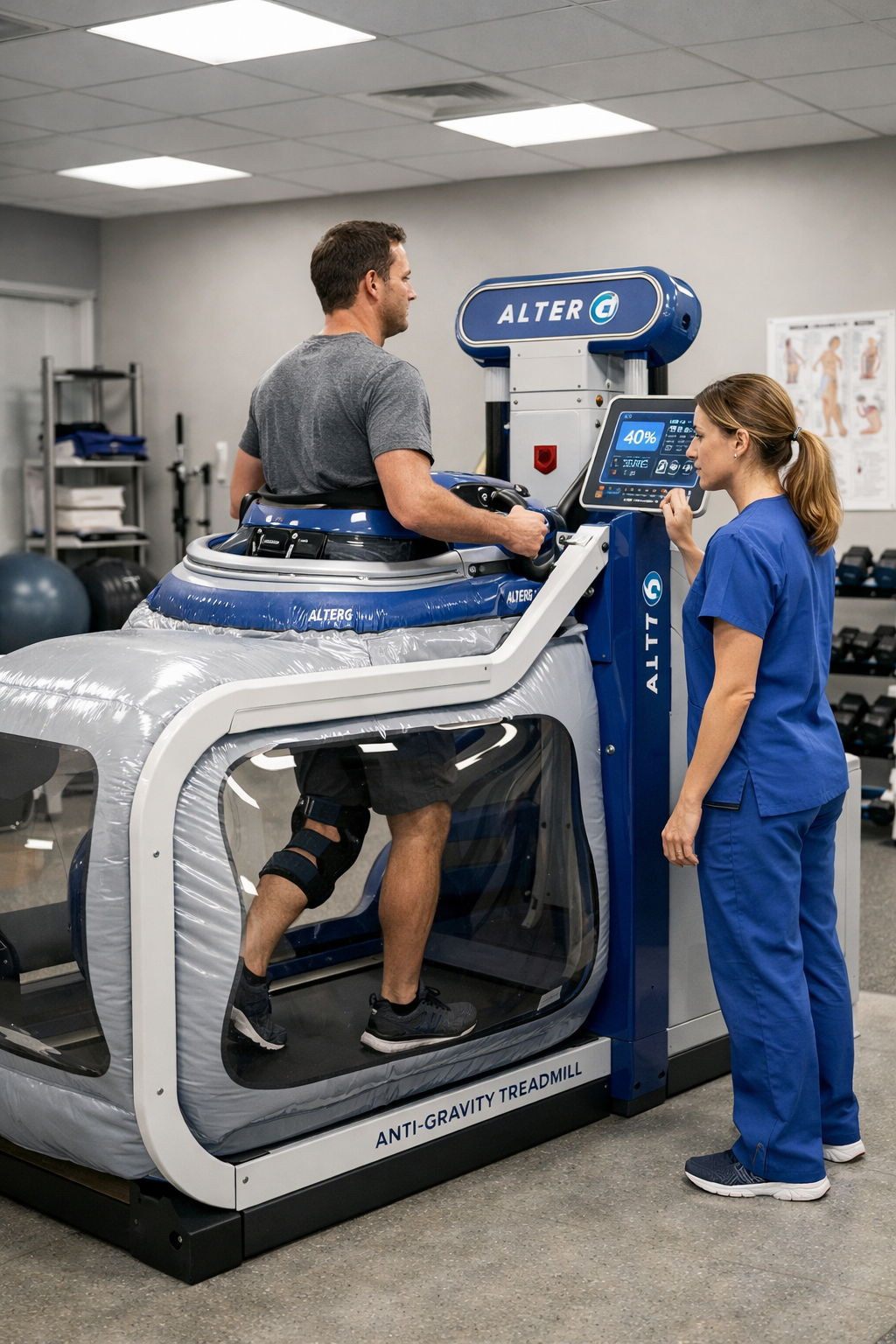
As the initial inflammation subsides, rehabilitation shifts toward rebuilding muscle strength around the knee joint. Patients progress to closed-chain strengthening exercises — squats, leg presses, and step-ups — that load the knee safely. Hamstring curls and targeted hamstring strength work begin in earnest, since the hamstrings serve as a dynamic stabilizer that protects the ACL. Balance exercises on unstable surfaces introduce early proprioception retraining, teaching the brain and knee to communicate effectively again.
Phase 3: Neuromuscular Control (Weeks 6-12)
This phase focuses on restoring the reflexive stability patterns that prevent re-injury. Proprioception drills become more challenging — single-leg balance on foam pads, perturbation training, and sport-specific movement patterns. Strengthening exercises increase in intensity, and neuromuscular electrical stimulation (NMES) may be introduced to enhance quadriceps recruitment in patients with persistent activation deficits. Dry needling can address muscle guarding and trigger points that limit progress during this phase.
Phase 4: Advanced Strengthening and Power (Weeks 12-20)
Patients begin dynamic, higher-load activities. Plyometric training — box jumps, lateral bounding, and depth drops — rebuilds explosive power and trains the knee to handle rapid force absorption. Blood flow restriction (BFR) training allows patients to achieve significant muscle hypertrophy using lighter loads, reducing stress on the healing graft while accelerating strength gains. This phase is where the Mariners football player starts to feel like an athlete again, and where the YMCA soccer player begins to trust the knee during lateral cuts.
Phase 5: Return to Sport and Life (Weeks 20-36+)
The final phase bridges the gap between clinical rehabilitation and full, unrestricted activity. Return to sport testing — including hop tests, strength symmetry measurements, and sport-specific movement screens — determines readiness. Only when objective criteria are met does a patient receive clearance. For the Toms River athlete, this means returning to practice with confidence. For the Community Medical Center nurse, it means navigating a twelve-hour shift without a second thought about the knee. For the Cattus Island hiker, it means stepping onto every boardwalk plank without hesitation.
THE NON-SURGICAL PATHWAY
Not every ACL tear requires ACL surgery. For patients with partial tears, lower activity demands, or specific medical considerations, conservative management through structured rehabilitation can restore functional knee stability without reconstruction. This pathway follows the same phase-based progression but emphasizes aggressive neuromuscular retraining and strengthening to compensate for the compromised ligament. Your physical therapist at Trinity Rehab will help determine whether a surgical or non-surgical approach best fits your injury and life.
ADVANCED TECHNIQUES AT TRINITY REHAB TOMS RIVER
Our Toms River clinic offers specialized treatment modalities that accelerate ACL recovery beyond traditional protocols.
Blood flow restriction (BFR) training. By partially restricting venous blood flow during low-load exercise, BFR triggers a robust muscle-building response. This is particularly valuable in early post-operative phases when heavy loading is not yet safe, allowing patients to build quadriceps and hamstring mass faster than conventional exercise alone.
Neuromuscular electrical stimulation (NMES). Electrical stimulation applied directly to the quadriceps enhances voluntary muscle activation, addressing the neural inhibition that commonly follows ACL reconstruction. NMES combined with voluntary contraction produces superior strength recovery compared to exercise alone.
EPAT / Shockwave therapy. Extracorporeal pulse activation technology delivers acoustic pressure waves to promote tissue healing, reduce pain, and improve blood flow. Shockwave therapy is particularly effective for patients with persistent patellar tendon pain following graft harvest.
Dry needling. Thin monofilament needles target myofascial trigger points in the quadriceps, hamstrings, calves, and hip musculature, releasing tension and restoring movement patterns that ACL injuries disrupt.
Manual therapy. Hands-on joint mobilization, soft tissue work, and scar tissue management ensure post-surgical adhesions do not limit knee motion or create compensatory dysfunction.
INJURY PREVENTION: PROTECTING THE ACL BEFORE IT TEARS
Toms River’s youth athletes face significant ACL risk, particularly female soccer and basketball players, who tear their ACLs at rates three to six times higher than male counterparts. Evidence-based injury prevention programs — incorporating neuromuscular warm-ups, plyometric training progressions, hamstring strengthening, and proprioception drills — reduce ACL injury rates by up to 50%. Trinity Rehab offers sports injury prevention screening and programming for teams and individuals across Toms River and Ocean County.
For adults in recreational leagues and those returning from previous knee injuries, targeted strengthening exercises and balance exercises performed consistently are the most effective tools for long-term knee health and injury prevention.
WHY CHOOSE TRINITY REHAB IN TOMS RIVER
Trinity Rehab’s Toms River clinic at 175 NJ-37 West, Toms River, NJ 08755 was built to serve this community — not as a franchise outpost, but as a local practice staffed by clinicians who understand the demands of life in Ocean County.
- One-on-one care. Every session is spent with a licensed physical therapist, not handed off to aides or technicians.
- Advanced technology. BFR, NMES, EPAT, dry needling, and manual therapy are available under one roof.
- Sport-specific programming. We work with athletes from all three Toms River high schools, adult league competitors, and weekend warriors who refuse to slow down.
- Flexible scheduling. We understand that Community Medical Center nurses, Toms River Regional Schools teachers, and Ocean County employees need appointment times that fit demanding work schedules.
- Direct access. In New Jersey, you can begin physical therapy without a physician referral. If you suspect an ACL injury, schedule an appointment and get evaluated immediately.
Explore our full range of treatment options to see how we can help.
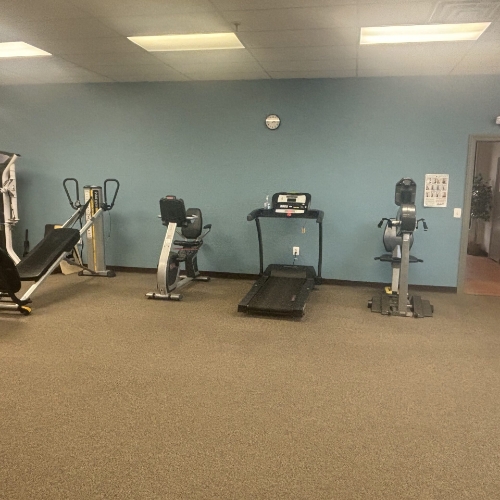
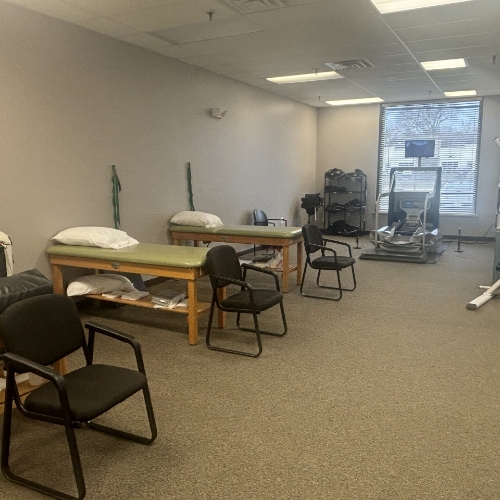
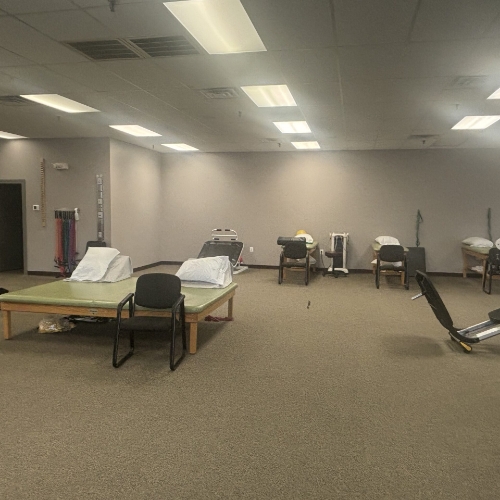
Inside Our Toms River Clinic
RELATED CONDITIONS & TREATMENTS
ACL injuries are just one of the many conditions we treat at Trinity Rehab Toms River. Explore our full range of conditions we treat or learn more about specific treatment approaches:
FREQUENTLY ASKED QUESTIONS
How long does ACL recovery take for Toms River high school athletes trying to return for the next season?
Can physical therapy alone treat an ACL tear without surgery?
What should I do immediately after an ACL injury on a Toms River field or trail?
What is blood flow restriction training, and is it safe?
Does Trinity Rehab in Toms River treat work-related ACL injuries?
An ACL injury does not have to define your next chapter. The same community that rallied behind a Little League team in 1998, that fills the bleachers for Mariners football every fall, and that walks the Cattus Island boardwalks at dawn — that community recovers with purpose.
Trinity Rehab at 175 NJ-37 West, Toms River, NJ 08755 is ready to guide you from injury through every phase of rehabilitation to full return to the life you love. Whether you are a high school athlete, a working professional, or someone who simply wants to walk Bey Lea Golf Course without knee pain, your recovery starts with one step.
Schedule your evaluation today and let Toms River’s recovery begin.
What Our Patients Say