

SCIATICA TREATMENT IN SPARTA, NJ
Sparta is not the kind of place where people sit still. Come winter, residents are out at Mountain Creek for skiing and snowtubing, or cutting trails along the Sparta Mountain Wildlife Management Area ridge. Spring and summer bring kayaking and show skiing on Lake Mohawk, hiking through the NJ Highlands, and long weekend mornings on the trails at Sparta Glen Park. The Spartans at Watchung Hills are competing hard in football, wrestling, and cross country — and their parents, coaches, and community members are often just as physically active. In this corner of Sussex County, an active outdoor life is not a hobby — it is a way of being. That is exactly why sciatica treatment in Sparta needs to be different from what works for a desk-bound commuter in a flat suburb. At Trinity Rehab, we understand the demands of Sparta’s hills, trails, and waterways — and we build recovery programs designed to return you to them.
Understanding Sciatica in an Active Community
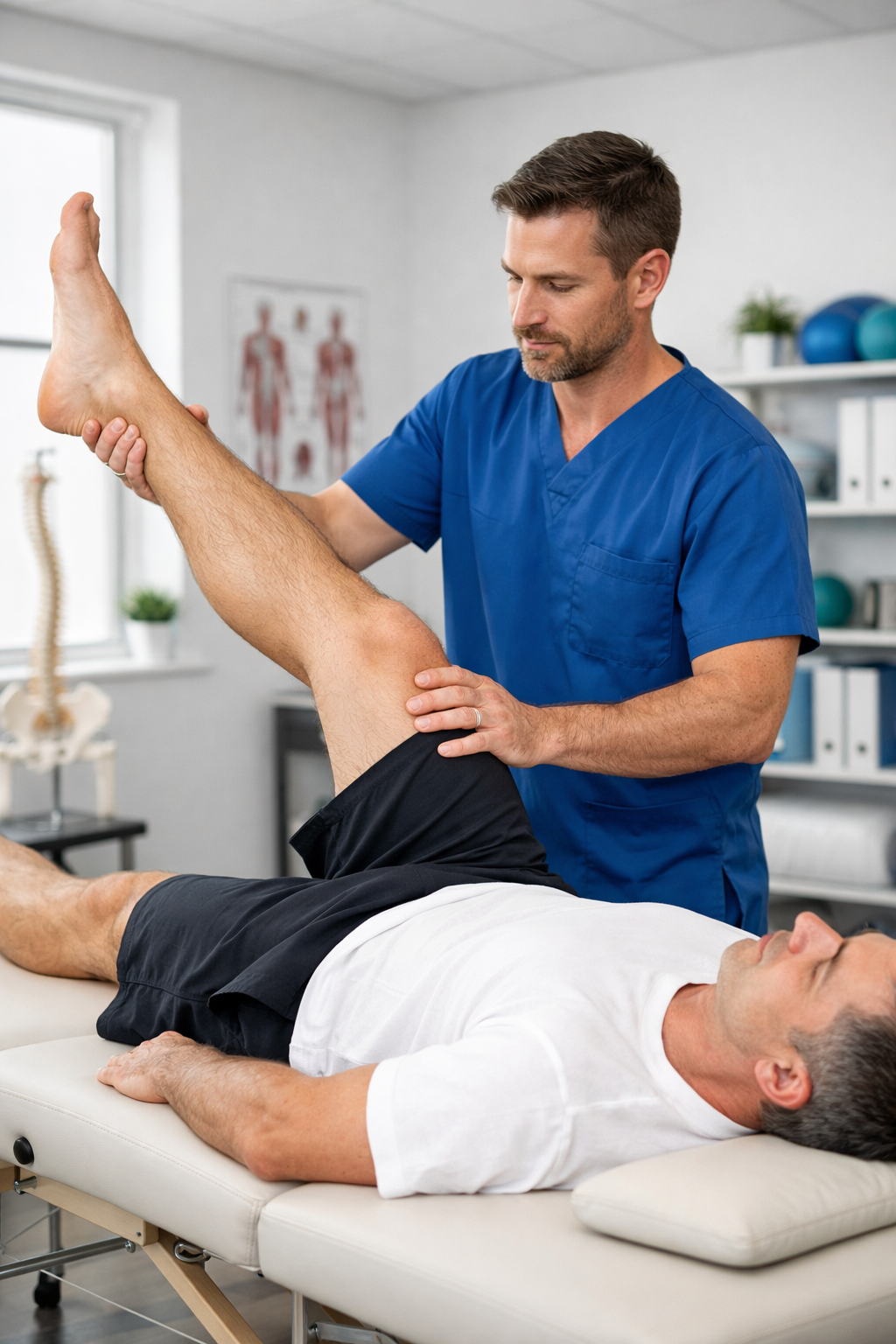
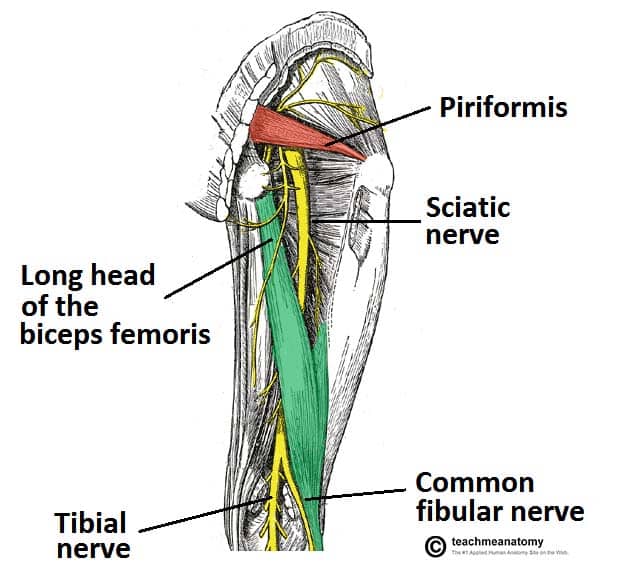
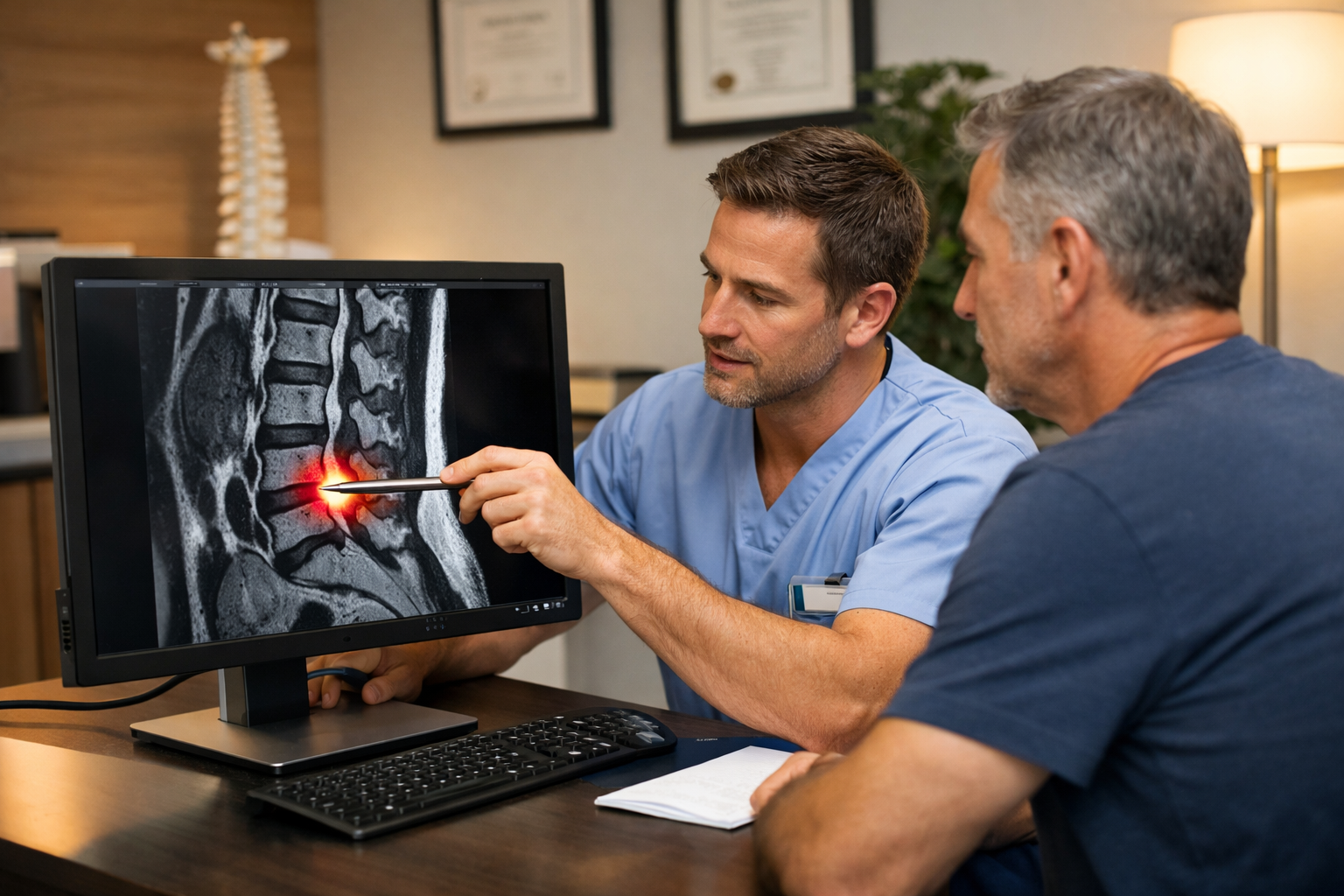
Sciatica refers to pain, numbness, or tingling that radiates from the lower back through the buttock and down one leg along the path of the sciatic nerve. It is not a diagnosis in itself but a symptom of lumbar radiculopathy — nerve root compression in the lumbar spine producing radiating effects throughout the nerve’s distribution. In physically active people, the underlying cause is often different from the sedentary office worker’s disc herniation. Piriformis syndrome — where the deep gluteal muscle compresses the sciatic nerve from outside the spine — is disproportionately common among hikers, cyclists, and paddle sports athletes. Spondylolisthesis, a vertebral slippage sometimes related to a stress fracture, is more common in high-impact sport participants. And degenerative disc disease can progress more rapidly in those who have spent decades loading their spines with outdoor recreation.
Understanding which structure is causing your specific symptoms is the essential foundation of effective treatment. That is why Trinity Rehab begins every sciatica case with a comprehensive physical therapy evaluation — not a generic protocol.
What Causes Sciatica in Sparta Residents
Sparta’s terrain, climate, and recreational culture create sciatica risk factors that are genuinely distinct from those of more urbanized NJ communities:
Skiing and snowboarding at Mountain Creek. Sussex County residents have one of New Jersey’s most accessible ski resorts just down the road. The mechanics of alpine skiing — forward-leaning hip flexion, sustained lumbar extension, lateral edge-setting that loads the piriformis heavily — make it a surprisingly common trigger for sciatic symptoms. A single hard fall or a season of accumulated tightening in the deep hip rotators can compress the sciatic nerve for months after ski season ends.
Lake Mohawk watersports and boating. Lake Mohawk’s private beach community draws residents to kayaking, paddleboarding, water skiing, and show skiing performances throughout the summer. The rotational forces of waterskiing and the trunk stabilization demands of paddling load the lumbar spine in ways that build up over a season. The awkward mechanics of launching and hauling boats and watercraft also involve the kind of asymmetric, loaded spinal flexion that can herniate a disc.
Hiking and trail sports in the NJ Highlands. Sparta Mountain Wildlife Management Area, the nearby Appalachian Trail sections, and Highland trail networks demand significant hip flexor engagement and repetitive impact on varied terrain. Trail runners and hikers with pre-existing hip weakness accumulate piriformis tightness over miles that can eventually compress the sciatic nerve. Ankle turns on rocky terrain also produce compensatory lumbar loading patterns that contribute to nerve root irritation.
Sparta Athletic Club and recreational fitness. The Sparta Athletic Club offers indoor tennis, pickleball, and turf-field sports year-round. Lateral-dominant sports like tennis and pickleball require explosive hip rotation and rapid changes of direction — patterns that stress the piriformis and sacroiliac joint. Athletes who do not adequately warm up or cool down for these sports, or who increase volume rapidly in spring when outdoor courts reopen, are particularly susceptible.
Year-round residential property demands. Sparta’s large, wooded residential lots require ongoing maintenance. Snow shoveling on steep driveways and long walkways through Sussex County winters is among the most common precipitating events for acute lumbar disc herniation — and therefore acute sciatica. Spring cleanup involves hours of raking, pruning, and hauling that load the lumbar spine in repetitive flexion.
Small business and professional service workers. With no large corporate campuses nearby, Sparta’s employment base leans toward small businesses, professional services, and the school district. Teachers, healthcare workers at Newton Medical Center, and tradespeople all face occupational spinal loading that, combined with active recreational lives, raises cumulative sciatica risk.
Recognizing Sciatica Versus Other Active-Person Injuries
In an athletic community like Sparta, sciatica is sometimes mistaken for hamstring strains, hip flexor injuries, or IT band syndrome. Key distinguishing features:
- The pain follows a specific pathway — from the lower back or deep in the buttock, down through the back or outer thigh, potentially into the calf or foot; it is not localized to one muscle
- Neurological symptoms are present — numbness, tingling, or “dead leg” sensation in the leg or foot that goes beyond simple muscle soreness
- Symptoms may worsen after sitting, not just after exercise — distinguishing it from a hamstring strain, which typically hurts with activity but not prolonged sitting
- One side only — classic sciatica is unilateral; bilateral leg symptoms with lower back pain suggest a more complex presentation
- Coughing, sneezing, or straining increases the pain — these momentarily raise spinal pressure and can spike nerve compression symptoms
A Sparta resident who hiked the Highlands last Saturday, then spent Sunday recovering on the couch watching the Spartans’ football game, and woke up Monday with a burning line from the left buttock down to the knee — that is a classic sciatica presentation following a combination of high-load activity and prolonged hip-flexed sitting.
How Trinity Rehab Treats Sciatica
The treatment structure at Trinity Rehab is adapted to your specific presentation — the cause of your sciatica, the demands of your life in Sparta, and the activities you want to return to. Here is what recovery typically involves:
Manual Therapy and Soft Tissue Work
Hands-on manual therapy is often the most effective first tool for sciatica. Your therapist uses specific joint mobilization techniques to decompress the lumbar nerve roots, restore movement to the sacroiliac joint, and address the piriformis and deep hip rotator tightness that is a dominant factor in active, outdoor-oriented patients. For skiers and hikers, the hip external rotators accumulate significant tension over a season — manual therapy reaches those tissues faster than stretching alone.
Neural Mobilization
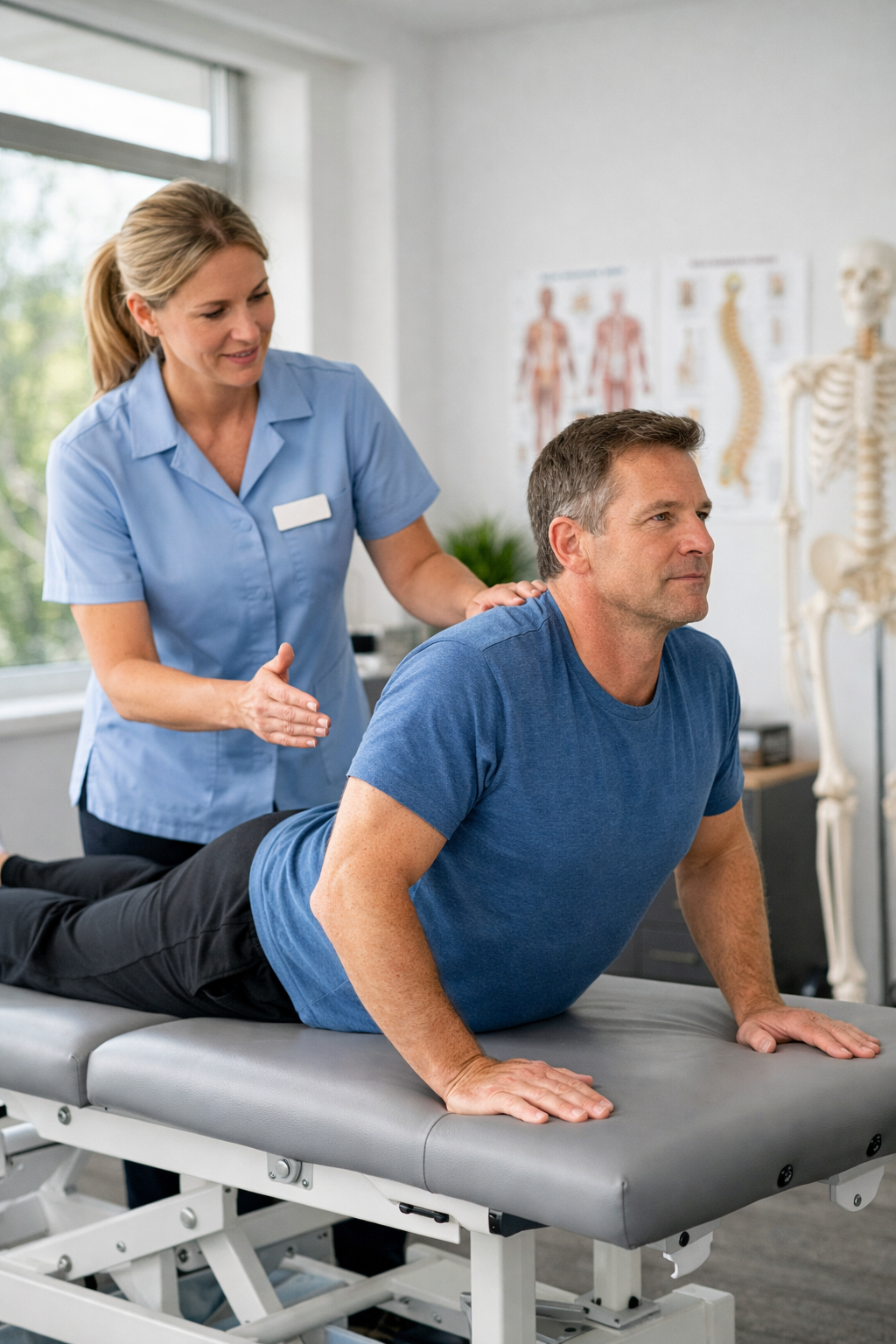
The sciatic nerve must glide freely through the surrounding soft tissue. When it is sensitized and adherent — producing that sharp, electric response with movement — nerve gliding techniques specifically designed to mobilize the nerve through its pathway reduce hypersensitivity and restore normal mechanics. Your therapist will teach you home nerve gliding exercises appropriate for your phase of recovery.
Targeted Core and Hip Strengthening
For Sparta’s active population, this is where recovery becomes sport-specific. Trinity Rehab builds a progressive strengthening program that:
- Activates deep spinal stabilizers — the multifidus and transversus abdominis that protect nerve roots during trail impact, ski turns, and boat launches
- Strengthens hip abductors and external rotators — directly addressing the piriformis overload pattern common in outdoor sport athletes; exercises include clamshells, lateral band walks, single-leg hip hinges, and loaded carries
- Develops functional lumbopelvic stability — movements that replicate the demands of skiing, kayaking, and hiking rather than generic gym exercises
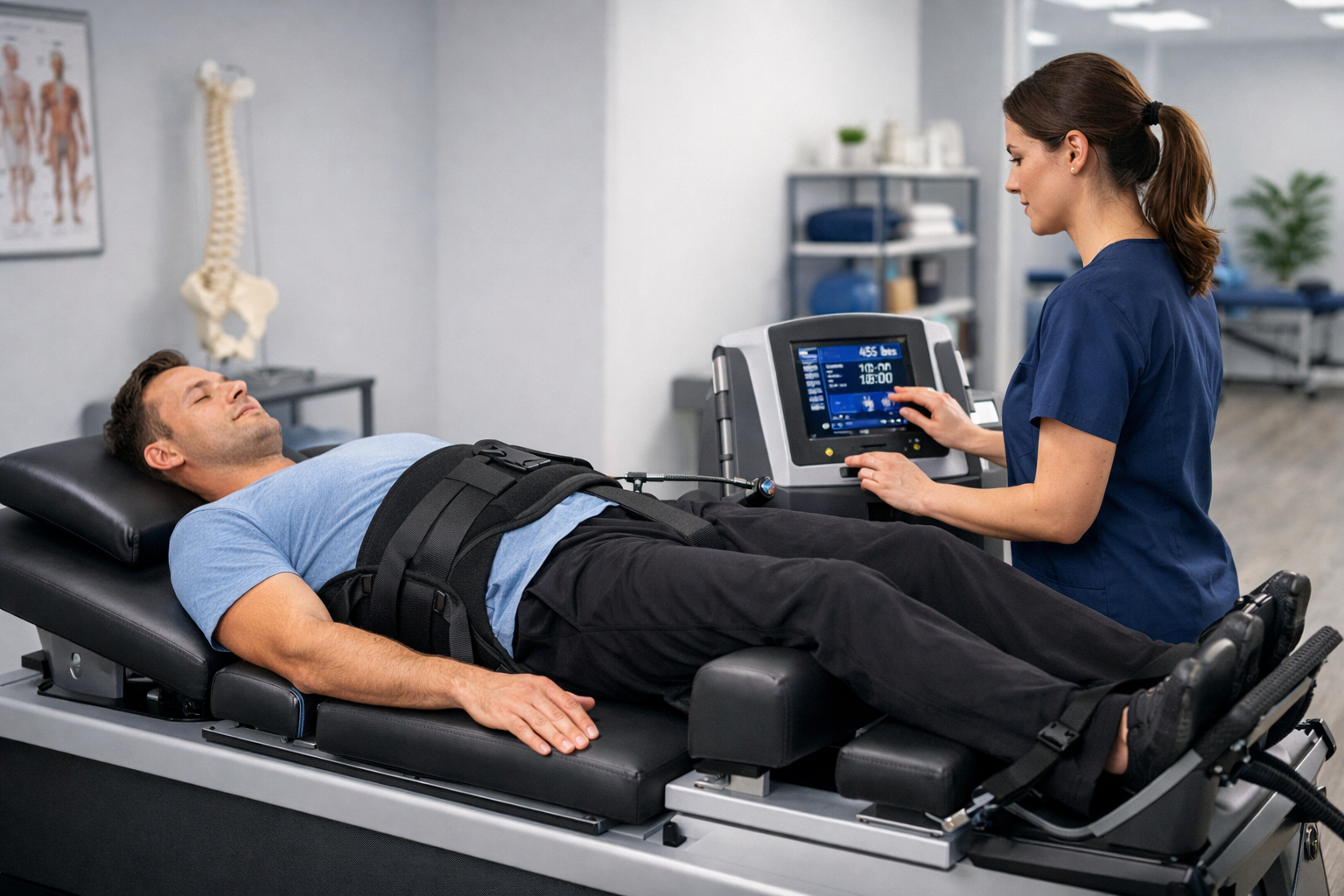
Dry Needling for Deep Release
When deep piriformis trigger points are maintaining sciatic nerve compression despite manual therapy and stretching, dry needling provides direct, targeted release. In athletes who have accumulated years of hip rotator tightness from skiing, trail running, and watersports, these trigger points can be stubborn — and dry needling reaches them in a way that no surface technique can replicate.
Sport-Specific Return-to-Activity Program
Before clearing you to return to Mountain Creek, the Lake Mohawk shore, or the Highlands trails, your Trinity Rehab therapist will design a sport-specific return program. This includes progressive loading of the relevant movements, guidance on appropriate intensity escalation, and clear criteria for when you are truly ready — not just pain-free at rest, but mechanically prepared for the demands of your sport.
Home Exercise and Long-Term Prevention
Sparta’s active lifestyle requires ongoing spine maintenance. Your home exercise program will be designed as a realistic daily practice — 10 to 15 minutes of targeted stabilization, mobility, and nerve health work that you can sustain through ski season, hiking season, and the off-season alike.
Why Trinity Rehab for Sparta
The Sparta community deserves physical therapy that matches its active character. Trinity Rehab’s one-on-one model — one licensed PT, one patient, every session — means the therapist who evaluates you is the therapist who designs your plan, teaches your exercises, tracks your progression, and makes the sport-specific decisions about your return to activity. Nothing gets lost in a handoff to an aide.
New Jersey’s Direct Access Law allows you to schedule your evaluation and begin treatment immediately — no referral from a physician required. That means you can respond to acute sciatica before it progresses from an occasional flare to a chronic limitation.
Flexible scheduling, including early morning and evening appointments, accommodates the outdoor-oriented schedule of Sparta residents — whether you are coaching a Spartans practice or catching an early trail before work.
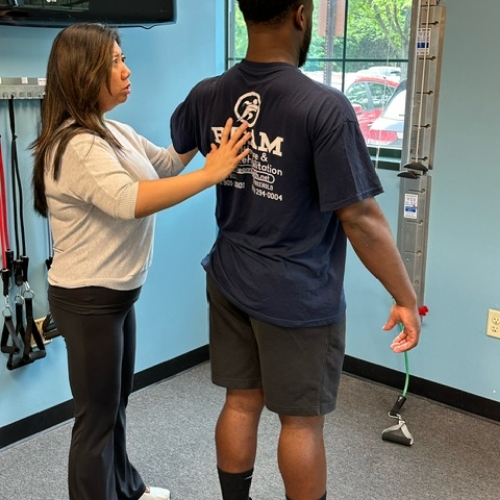
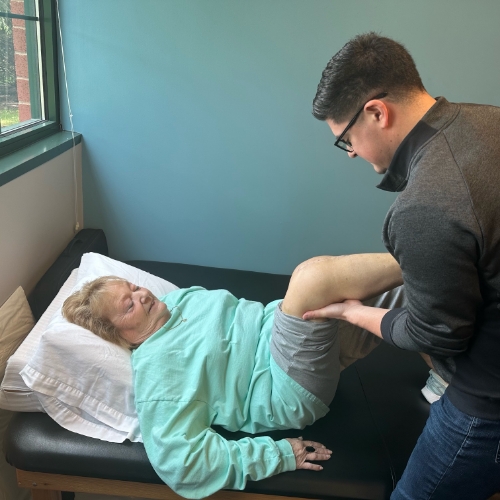
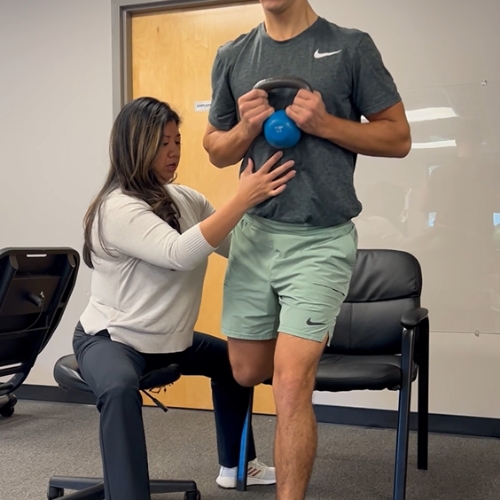
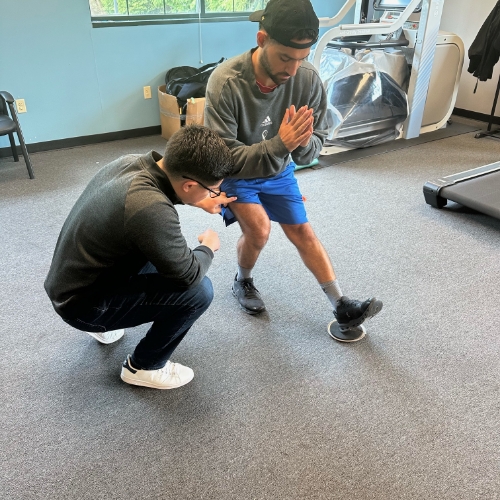
Inside Our Sparta Clinic
Related Conditions & Treatments
Sciatica is just one of the many conditions we treat at Trinity Rehab Sparta. Explore our full range of conditions we treat or learn more about specific treatment approaches:
- Sciatica Treatment Overview
- Back Pain Treatment
- Hip & Knee Pain Relief
- Manual Therapy
- Dry Needling
- EPAT / Shockwave Therapy
Sparta Sciatica Rehab For Leg Pain, Sitting Pain, And Walking Tolerance
Sciatica-like symptoms can make sitting, driving, bending, sleeping, and walking difficult. Sparta patients need a plan that separates nerve-related leg pain from back, hip, or muscle-driven symptoms.
Your therapist may assess symptom behavior, lumbar mobility, nerve tension, hip strength, walking tolerance, and positions that calm or worsen symptoms. Progressive weakness, numbness, or bowel/bladder changes should be medically reviewed urgently.
Related spine options include back pain physical therapy, lumbar disc herniation rehab, and the Sparta physical therapy clinic page.
Frequently Asked Questions
Sparta Sciatica Rehab For Leg Pain, Sitting Pain, And Walking Tolerance
Sciatica-like symptoms can make sitting, driving, bending, sleeping, and walking difficult. Sparta patients need a plan that separates nerve-related leg pain from back, hip, or muscle-driven symptoms.
Your therapist may assess symptom behavior, lumbar mobility, nerve tension, hip strength, walking tolerance, and positions that calm or worsen symptoms. Progressive weakness, numbness, or bowel/bladder changes should be medically reviewed urgently.
Related spine options include back pain physical therapy, lumbar disc herniation rehab, and the Sparta physical therapy clinic page.
Where can I get sciatica treatment in Sparta, NJ?
Will I need to stop skiing or hiking during treatment?
Is sciatica from skiing different from disc-related sciatica?
Does Trinity Rehab treat the hip conditions that can contribute to sciatica?
How do I know if it is sciatica or a hamstring injury?
Sparta’s hills, trails, and water are waiting for you. Sciatica is a treatable condition — not a life sentence, not a reason to stop doing what you love. Trinity Rehab is equipped to get you from the couch back to the mountain.
- Request your appointment — no referral needed, early and evening slots available
- Get evaluated precisely — understand whether it is a disc, the piriformis, the sacroiliac joint, or something else driving your symptoms
- Follow a plan built for Sparta — one that prepares you for ski turns, trail terrain, and lake launches, not just walking around a parking lot
Your trail — or your ski run — is worth fighting for. Book today.