

Meniscus Tear Treatment in Sparta, NJ — Trinity Rehab
Serving Sussex County’s outdoor-loving community
Sparta’s proximity to Lake Mohawk and Mountain Creek ski resort makes it the outdoor recreation hub of Sussex County. Hiking steep trails in the surrounding mountains, skiing down challenging runs, water sports on the lake, and exploring the scenic forests that surround our community are central to life here. For many Sparta residents, a meniscus tear represents far more than a medical issue — it’s a disruption to the lifestyle that defines our tight-knit, family-oriented community.
If you felt a sudden pop while navigating a rocky hiking trail, experienced sharp knee pain during a ski run at Mountain Creek, or simply twisted your knee stepping off a boat at Lake Mohawk, you’re facing a common injury that doesn’t have to end your outdoor activities. Many meniscus tears can be successfully treated through physical therapy without surgery, allowing you to return to the adventures that make living in Sparta so rewarding.
At Trinity Rehab Sparta, we understand how important outdoor recreation is to our community. Our physical therapists specialize in knee rehabilitation for active people, designing treatment plans that get you back to hiking, skiing, and water sports safely and confidently.
What a Meniscus Tear Means for Your Knee
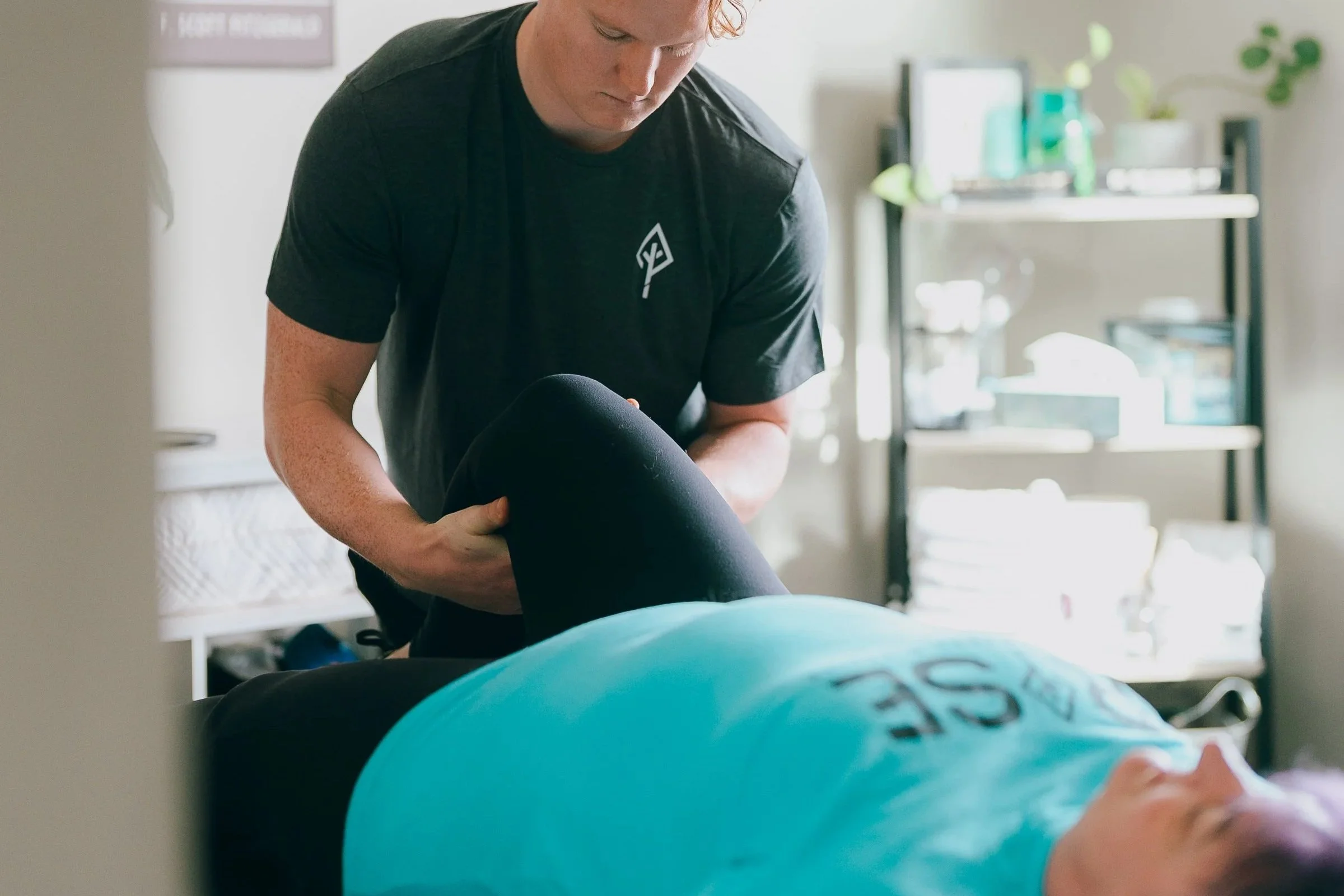
Inside each knee is a C-shaped piece of cartilage called the meniscus that functions as your knee’s internal shock absorber. Your meniscus cushions the joint, distributes weight evenly, prevents friction, and provides stability during movement — especially during the demanding activities that Sussex County residents enjoy.
When a meniscus tears, this protective cushioning system breaks down. Your knee loses its natural shock absorption, forcing the joint to work harder and placing excessive stress on the surrounding cartilage. Over time, an untreated meniscus tear can lead to chronic knee pain, progressive joint damage, and an increased risk of osteoarthritis. diagnosing a meniscus tear injury typically involves a thorough examination and imaging tests, such as an MRI, to confirm the presence of a tear. Prompt treatment is essential to minimize damage and pain, often involving physical therapy or surgical options. By addressing the injury early, one can significantly improve recovery outcomes and restore function to the knee. Effective meniscus tear recovery strategies focus on restoring strength and stability to the knee while minimizing pain. Rehabilitation may include physical therapy exercises designed to gradually improve range of motion and enhance muscle support around the joint. Adhering to a personalized recovery plan is crucial for a successful return to daily activities and sports. Common symptoms of meniscus tear injuries include swelling, stiffness, and difficulty in fully bending or straightening the knee. Patients often experience a popping sensation during the injury, followed by pain that may worsen with activity. Recognizing these symptoms early can lead to prompt treatment and a better outcome for knee health. meniscus tear treatment options available range from conservative approaches, such as physical therapy, to surgical interventions for more severe cases. It is essential to discuss these options with a healthcare professional to determine the most appropriate course of action tailored to individual needs. Early intervention can significantly improve outcomes and help prevent long-term complications associated with untreated injuries.
The encouraging news: Research published in the New England Journal of Medicine shows that physical therapy delivers results comparable to surgery for many meniscus tear types. This means you can recover without the downtime of surgery, return to activity faster, and avoid the long-term effects of surgical intervention.
Why Sparta Residents Tear Menisci
The outdoor lifestyle that makes Sparta special also creates specific injury patterns:
Mountain and Lake Activities:
- Hiking on challenging terrain — Rocky trails, steep elevation changes, and uneven ground create opportunities for sudden twisting injuries
- Skiing and snowboarding — High-speed descents at Mountain Creek combined with sudden stopping and direction changes put enormous stress on the meniscus
- Water sports — Jet skiing, kayaking, and water skiing involve rotational forces on the knee that can cause meniscus tears, especially if falls occur
- Rock scrambling and climbing — Popular activities in Sussex County’s rugged terrain frequently result in awkward knee positions that tear the meniscus
Age-Related Causes:
- Degenerative changes — As we age, the meniscus naturally weakens. For active Sparta residents in their 50s and 60s, even a hiking trip or yard work can trigger a tear that wouldn’t have happened in earlier years
- Cumulative wear — A lifetime of outdoor activities, particularly for locals who’ve grown up skiing and hiking, makes degenerative tears more likely
Work and Daily Life:
- Landscaping work common in Sussex County requires frequent squatting and kneeling
- Construction jobs and home maintenance projects can strain the meniscus unexpectedly
- Unusual movements while gardening or doing yard work often trigger tears
Symptoms That Shouldn’t Be Ignored
A meniscus tear typically announces itself clearly:
- A distinctive popping sensation at the moment of injury
- Swelling that typically develops over the next 24-48 hours
- Sharp, well-localized pain along the inner or outer knee joint line
- Difficulty fully bending or straightening your knee
- A catching or clicking sensation during movement
- A feeling that your knee might suddenly give way or buckle
- Increased pain when you climb stairs, which many Sparta residents encounter regularly
- Difficulty kneeling (problematic if you enjoy gardening or yard work)
- Pain that worsens during longer hikes or outdoor activities
Many people can still walk and bear weight on a torn meniscus, particularly early on. This often creates false confidence that “it’s not that serious.” However, continuing to stress a torn meniscus without proper treatment often allows the tear to enlarge, potentially making recovery slower and more complicated.
The Trinity Rehab Sparta Approach to Meniscus Healing
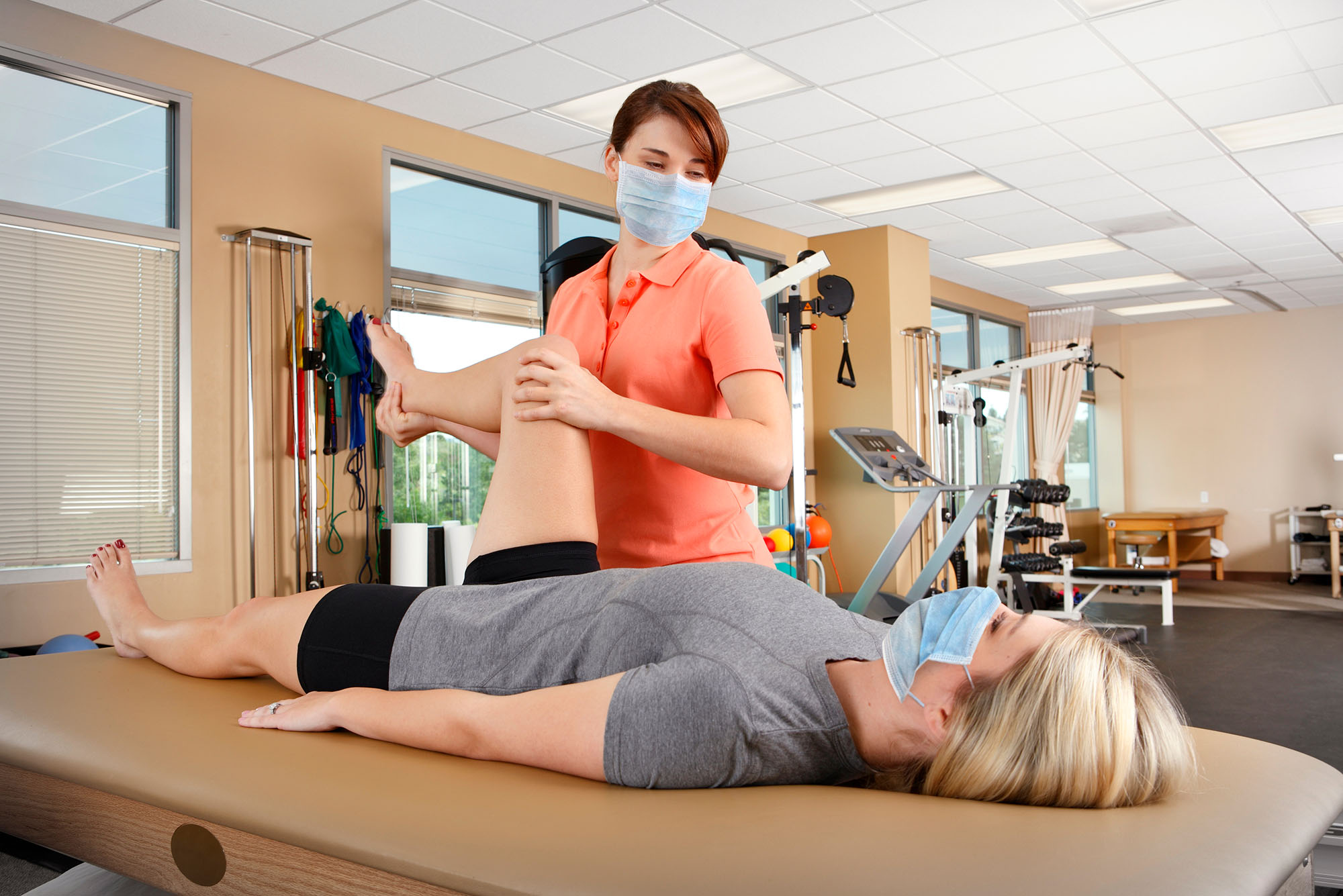
Our treatment approach is different from generic physical therapy. We’re not simply assigning you exercises and hoping they work — we’re designing a progressive rehabilitation program tailored to your specific tear, your goals, and your lifestyle in Sussex County.
Your Initial Assessment
Your first appointment involves a thorough evaluation where your Trinity Rehab therapist:
- Examines your knee movement patterns and identifies which activities provoke symptoms
- Assesses your strength, flexibility, and stability
- Listens to your goals — whether that means returning to competitive skiing, enjoying casual lake activities, or simply being pain-free during daily life
- Explains your specific injury and why your treatment plan will address your individual situation
Phase 1: Pain Relief and Protection (Weeks 1-3)
Your first priority is stopping the pain and swelling while protecting the healing tissue:
- Therapeutic modalities — Ice, electrical stimulation, and ultrasound to reduce inflammation and provide pain relief
- Manual therapy — Gentle hands-on techniques including soft tissue massage and joint mobilization to reduce stiffness and improve circulation
- Careful range-of-motion work — Protected movements that maintain joint mobility without aggravating your tear
- Gait training — Instruction on how to walk in ways that offload stress from your healing meniscus
Rest is crucial during this phase. The RICE protocol (Rest, Ice, Compression, Elevation) helps your body begin healing immediately.
Phase 2: Strength Building and Stability (Weeks 4-8)
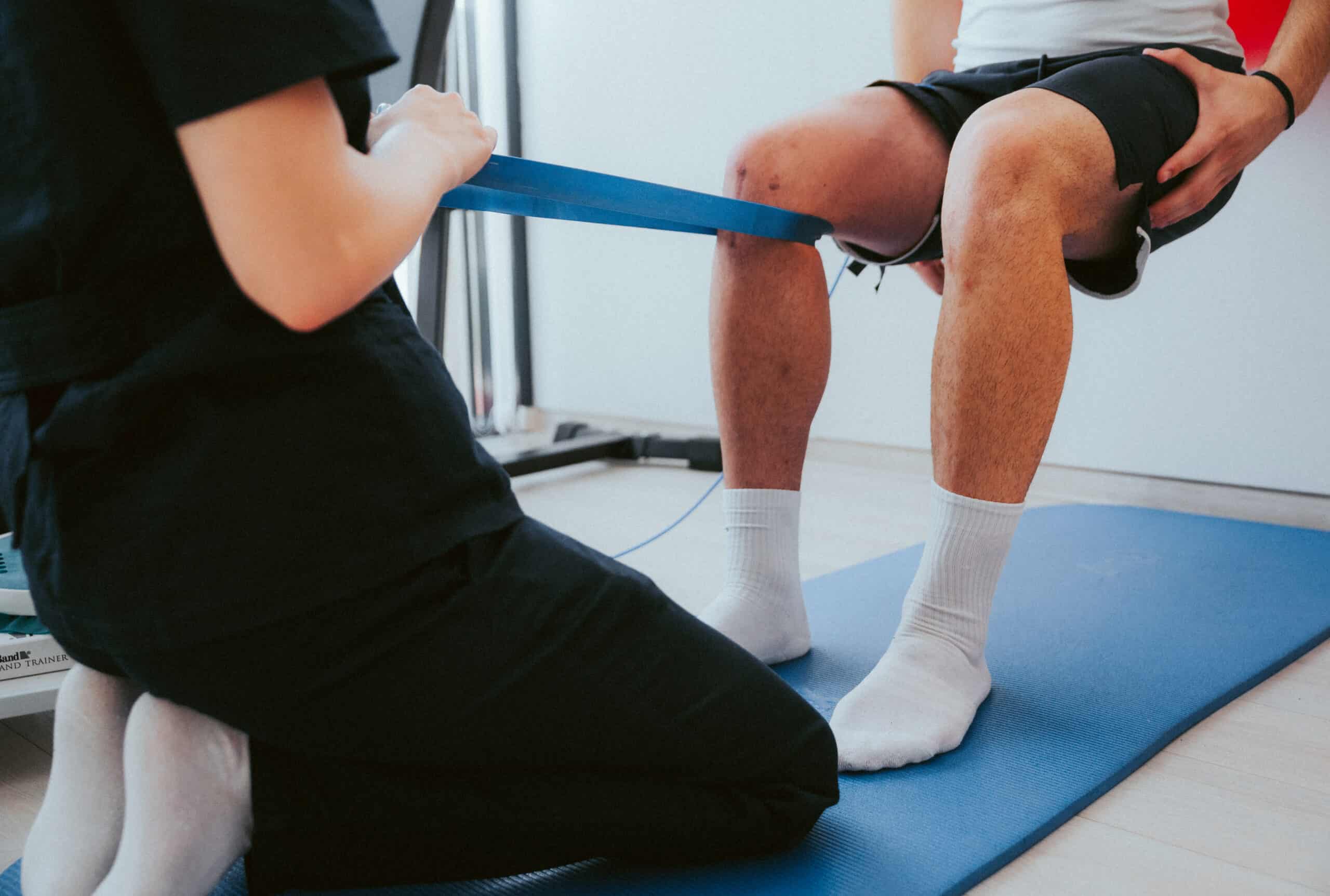
As pain subsides, the focus shifts to rebuilding the muscular support system around your knee:
- Quadriceps strengthening — Targeted exercises for your thigh muscles, which are absolutely critical for knee stability and shock absorption
- Hamstring and hip work — Balanced lower leg strength helps distribute forces evenly across your knee joint
- Core and trunk stability — A strong core improves overall movement quality and reduces aberrant stress on your knee
- Balance training — Exercises on unstable surfaces to retrain your knee’s position sense and confidence
- Dry needling — Trigger point release to address compensatory muscle tension that develops during early recovery
Phase 3: Return to Outdoor Activities (Weeks 9-14)
The final phase bridges your recovery from therapy to real-world function:
- Hiking progression — Gradual return to trails with increasing distance and terrain difficulty
- Sport-specific drills — If you’re a skier, we incorporate balance, agility, and lower body power work that prepares you for ski runs
- Water activity training — Sport-specific progression for kayaking, water skiing, or jet skiing
- Advanced strengthening — More demanding exercises that prepare your knee for the demands of outdoor recreation
- EPAT/Shockwave therapy — Regenerative treatment that stimulates tissue healing and accelerates recovery in appropriate cases
Meniscus Tear Types and Healing Potential
The type of meniscus tear you have influences your treatment timeline and prognosis:
- Radial tears — The most common type. Small radial tears in the outer (vascularized) zone often heal well with physical therapy
- Horizontal tears — Typically associated with age-related degeneration. These respond well to conservative treatment and activity modification
- Bucket-handle tears — Large tears where a piece of meniscus flips into the joint center. These may lock the knee completely and might require surgical assessment
- Flap or complex tears — Multiple tear patterns in the same meniscus. These are often degenerative and frequently respond better to physical therapy than surgery
Your physical therapist will explain which type you have and how it affects your recovery plan.
Protecting Your Knees for Life in Sparta
Long-term knee health requires ongoing maintenance:
- Maintain strength indefinitely — Continue performing strengthening exercises even after full recovery. This is the best insurance against re-injury
- Warm up before activities — Spend 5-10 minutes on dynamic stretching and light activity before hitting the trail or slope
- Perfect your movement mechanics — Proper form during hiking (especially on steep descents), skiing, and water sports prevents re-injury
- Choose appropriate equipment — Supportive hiking boots, proper ski equipment, and appropriate footwear for your activity reduce knee stress
- Know your limits — After a meniscus tear, your knee is more vulnerable. Pushing too hard too soon increases re-injury risk
- Stay flexible — Regular stretching of your hamstrings, calf, and hip muscles reduces compensatory stress on your knee
- Manage your weight — Every pound of body weight translates to approximately four pounds of force across your knee. For active people frequently climbing and descending trails, weight management matters significantly
- Cross-training variety — Swimming and cycling provide excellent fitness without the joint stress of high-impact activities
Why Trinity Rehab Sparta Stands Out
Our Sparta clinic brings several advantages to Sussex County patients:
- Therapist consistency — One dedicated physical therapist manages your entire recovery, not rotating staff
- Community understanding — Our therapists are familiar with the outdoor activities that define Sparta and can design return-to-activity progressions specific to hiking, skiing, and water sports
- Evidence-based protocols — We use the latest research on meniscus tear rehabilitation, ensuring your treatment reflects current best practices
- No referral requirement — In New Jersey, you can begin physical therapy without a doctor’s authorization
- Individualized treatment — No two meniscus tears are identical. Your plan reflects your specific injury, your activities, and your timeline
- Advanced options available — Manual therapy, dry needling, EPAT/shockwave therapy, and other specialized treatments accelerate healing
- Insurance-friendly — We coordinate with most major insurance plans
Starting Your Recovery at Trinity Rehab Sparta
Beginning your meniscus tear treatment is straightforward:
- Schedule your evaluation — Contact our Sparta clinic or visit our appointment page to book your initial assessment
- Prepare for your visit — Bring any imaging (MRI or X-ray) if you have it, but it’s not required to start therapy
- Begin your assessment — Your first appointment includes a complete examination and the start of your personalized plan
- Expect early improvements — Pain and mobility typically improve within 2-3 weeks of consistent therapy
Reclaim Your Sparta Lifestyle
A meniscus tear doesn’t define your future. With proper physical therapy, you’ll return to hiking Sussex County’s beautiful trails, skiing Mountain Creek’s varied terrain, enjoying water sports on Lake Mohawk, and living the active, outdoor-focused life that makes Sparta special.
Trinity Rehab specializes in helping active people recover from knee injuries. We understand what your outdoor lifestyle means to you, and we’re committed to getting you back to it safely and completely.
Contact Trinity Rehab Sparta today to schedule your meniscus tear evaluation.
For comprehensive information on meniscus tear treatment, visit our complete meniscus tear resource.
—
Trinity Rehab brings specialized physical therapy care to Sussex County and throughout New Jersey and Pennsylvania. Our therapists focus on returning active people to the sports, recreation, and activities that matter most to them.