
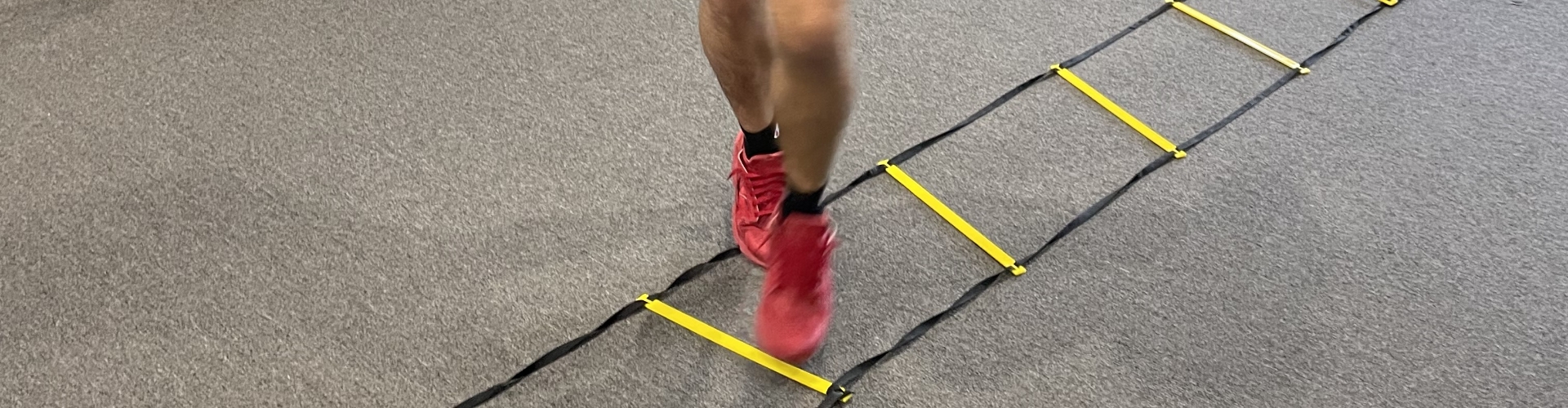
Sports Injuries Treatment in Somerville, NJ
Sports injury pain, swelling, weakness, stiffness, instability, or fear of re-injury can limit walking, stairs, running, lifting, throwing, work, and sport. Trinity Rehab Somerville helps patients rebuild strength and return to activity with a clear plan.
Local Sports Injury Care in Somerville
Trinity Rehab Somerville is located at 89 US-206, Somerville, NJ 08876. Patients commonly visit from Bridgewater, Raritan, Hillsborough, Bound Brook, Manville and nearby communities for sports injury recovery, sports-related pain, running injuries, shoulder and knee injuries, ankle sprains, post-surgical sport rehab, gait issues, and return-to-activity planning.
Local context matters. In Somerville, patients are often trying to manage Downtown Somerville and Somerset County patients needing sports injury comfort for walking, commuting, and work. For sports injuries, the day-to-day problem may involve sprains, strains, tendon irritation, and overuse pain after sport or training, knee, ankle, hip, shoulder, elbow, or back symptoms with activity, strength, balance, mobility, gait, running mechanics, and sport-specific control, graded return to running, sprinting, jumping, cutting, lifting, throwing, or work tasks, downtown walking, train-area routines, stairs, and active weekend plans. That means the plan should be more specific than a generic rest-and-stretch sheet.
If you are searching for sports injury physical therapy in Somerville, NJ, the useful first step is a movement-based evaluation that connects your symptoms to real tasks like sitting tolerance, car transfers, walking after a commute, and stairs after long periods of sitting; running, sprinting, cutting, jumping, warmups, strength work, and return-to-sport decisions; stairs at home, work, school, and community settings.
Somerville Sports Injury Patterns We Watch For
Somerville patients often need sports injury rehab for downtown walking, train-area routines, stairs, work demands, and active weekend plans.
A patient might notice pain after walking downtown, climbing stairs, getting back to running, or trying to lift, cut, throw, or train again.
The exam should include gait, step-down control, hip and ankle strength, mobility, balance, and a review of the sport, work, or activity that matters most.
- We compare the injured side with the other side for strength, balance, motion, and confidence during downtown walking, train-area routines, stairs, and active weekend plans.
- We check whether symptoms are driven by speed, fatigue, surface, load, sitting time, or repeated practice around Somerville.
- We keep urgent-care red flags separate from rehab goals, especially suspected fracture, dislocation, concussion symptoms, major swelling, numbness, or worsening neurological symptoms.
Rehab should turn that exam into a practical sequence: calm symptoms, restore movement, rebuild strength, and test the activity before full return.
What May Be Causing The Sports Injury Problem
Sports injury pain may follow a sudden sprint, quick cut, awkward landing, twist, fall, collision, heavy lift, overhead motion, or gradual increase in running or training. The symptoms may come from an acute sprain or strain, tendon irritation, joint irritation, recurrent overload, post-surgical recovery, or a related problem in the hip, back, shoulder, knee, ankle, nerve, or movement pattern.
Some patients can walk but cannot run. Some can jog but cannot sprint, cut, or jump. Some can lift lightly but cannot throw, swing, kneel, squat, or work a full shift. A physical therapy exam helps sort out what can be trained, what should be protected, and when physician follow-up or imaging may be needed.
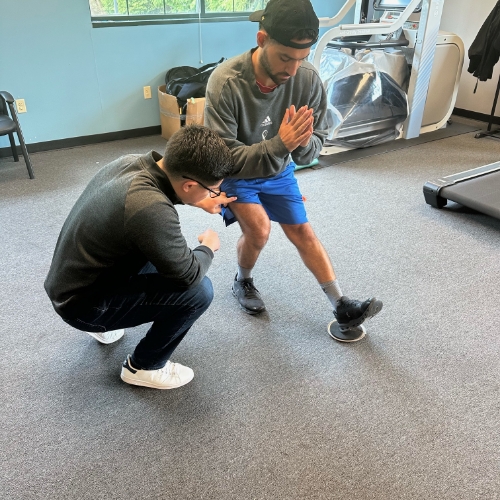
Symptoms Somerville Patients Commonly Report
At Trinity Rehab Somerville, sports injury patients often describe symptoms that change with speed, fatigue, load, surface, position, or sport demand. Easy walking may feel fine while stairs, hills, lunges, running, sprinting, jumping, cutting, throwing, lifting, or longer practices still feel limited.
- sharp sports-related pain during sprinting or sport
- bruising, swelling, tenderness, or weakness after injury
- pain near the injury site, joint, muscle, tendon, ligament, or surgical area
- difficulty with walking, stairs, bending, or standing from a chair
- fear of accelerating, cutting, jumping, or returning to sport
- tightness that returns when training volume increases
- altered gait, shorter stride, or reduced running confidence
- limits with downtown walking, train-area routines, stairs, and active weekend plans
Seek urgent medical care or physician evaluation for major trauma, suspected fracture or dislocation, inability to bear weight, visible deformity, severe or rapidly increasing swelling, fever or infection signs, head injury or concussion symptoms, sudden weakness or numbness, worsening neurological symptoms, calf swelling with warmth, chest pain, shortness of breath, or symptoms that are worsening instead of improving.
How Your First Visit Works
Your first visit at Trinity Rehab Somerville is designed to answer practical questions. Is this likely a sprain, strain, tendon problem, joint irritation, referred pain, post-surgical limitation, or broader movement issue? Is the injury safe for direct access physical therapy, or does it need medical evaluation first? What do you need the injured area and whole body to tolerate: walking, stairs, work, running, lifting, throwing, sprinting, cutting, or sport?
- review of the injury story, pain pattern, daily limits, sport or work demands, and goals
- red flag screening for fracture, dislocation, concussion, infection, neurological symptoms, or medical referral needs
- injured area, spine, hip, knee, ankle, shoulder, elbow, and nerve symptom review
- sport-specific strength, balance, coordination, and control checks
- walking, stairs, hinge, squat, lunge, running, landing, cutting, throwing, or sport review when appropriate
- home exercise, activity dose, and return-to-activity planning
Many New Jersey patients can start physical therapy through direct access when appropriate. If symptoms suggest a medical concern, your therapist will help coordinate physician evaluation.
Treatment For Somerville Sports Injuries
Treatment should be staged. Early care may focus on pain control, swelling control, protected movement, walking mechanics, and tolerable loading. As symptoms improve, the plan should build strength, mobility, balance, coordination, gait quality, and confidence with speed or load.
Mobility And Symptom Control
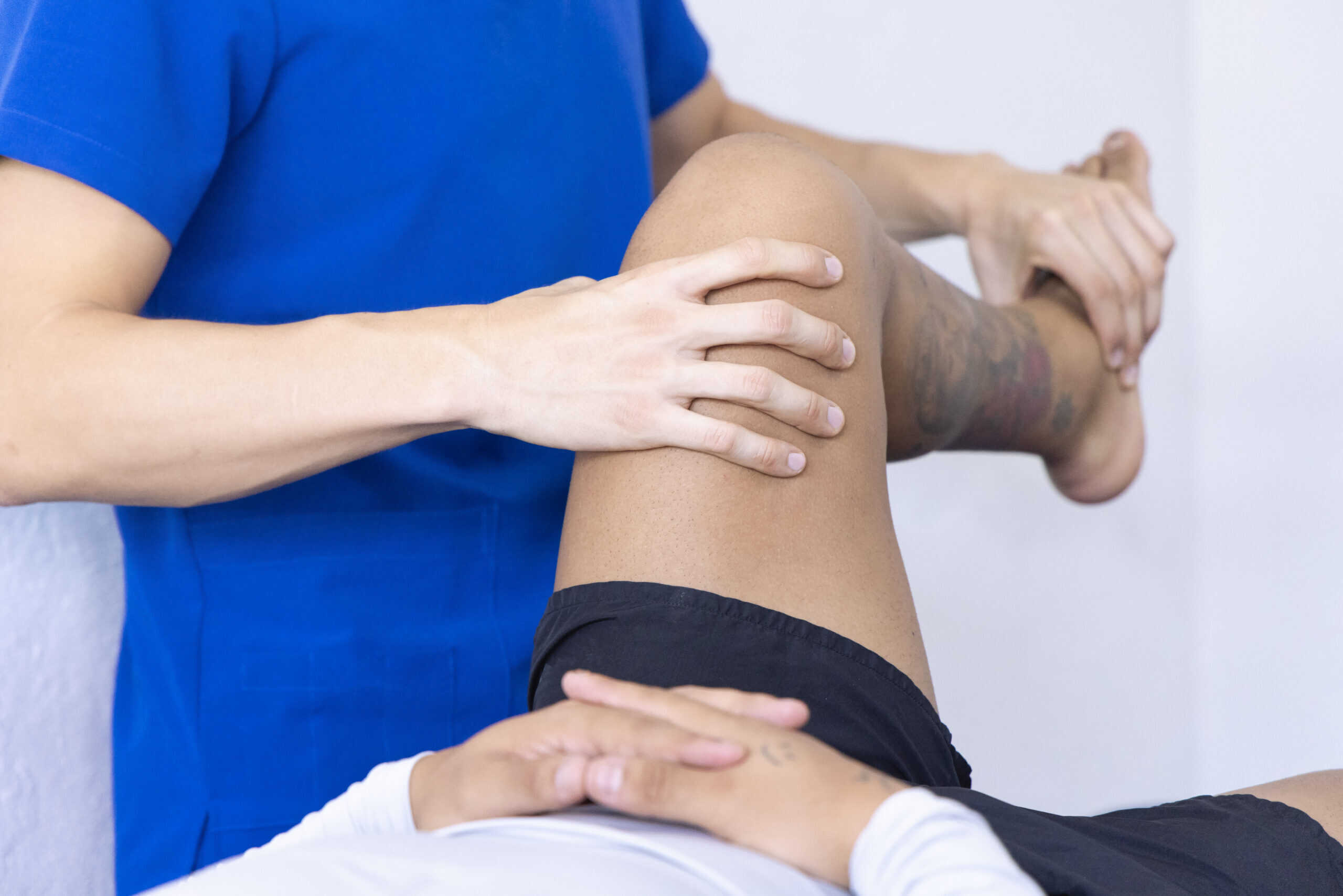
Early mobility should respect tissue irritability. Gentle motion, positioning, gait guidance, and low-level loading can help the injured area move without repeatedly flaring symptoms. Manual therapy can support comfort and mobility, but the long-term plan depends on progressive strengthening and movement retraining.
Strength And Eccentric Loading
Sports injuries need graded loading that matches the tissue and the activity. That may include eccentric strengthening, single-leg strength, calf and foot control, hip and core strength, rotator cuff or scapular work, balance, step patterns, and progressive loading when the tissue is ready.
Running And Return To Sport
The plan should include the activities that matter in Somerville: sitting tolerance, car transfers, walking after a commute, and stairs after long periods of sitting; running, sprinting, cutting, jumping, warmups, strength work, and return-to-sport decisions; stairs at home, work, school, and community settings. For some patients that means normal walking and stairs. For others it means return to running, soccer, baseball, tennis, pickleball, basketball, track, gym work, golf, or physically demanding work.

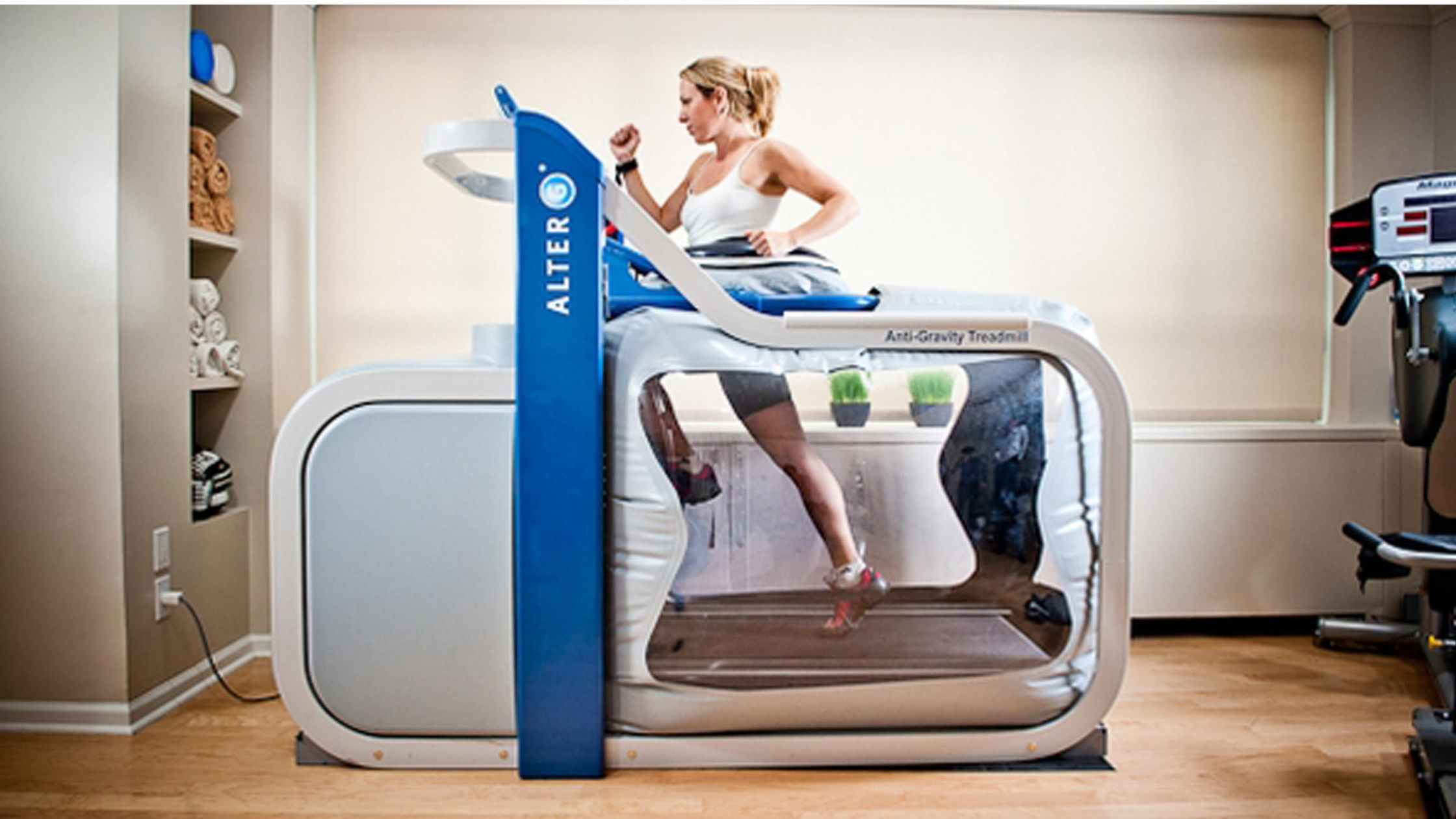
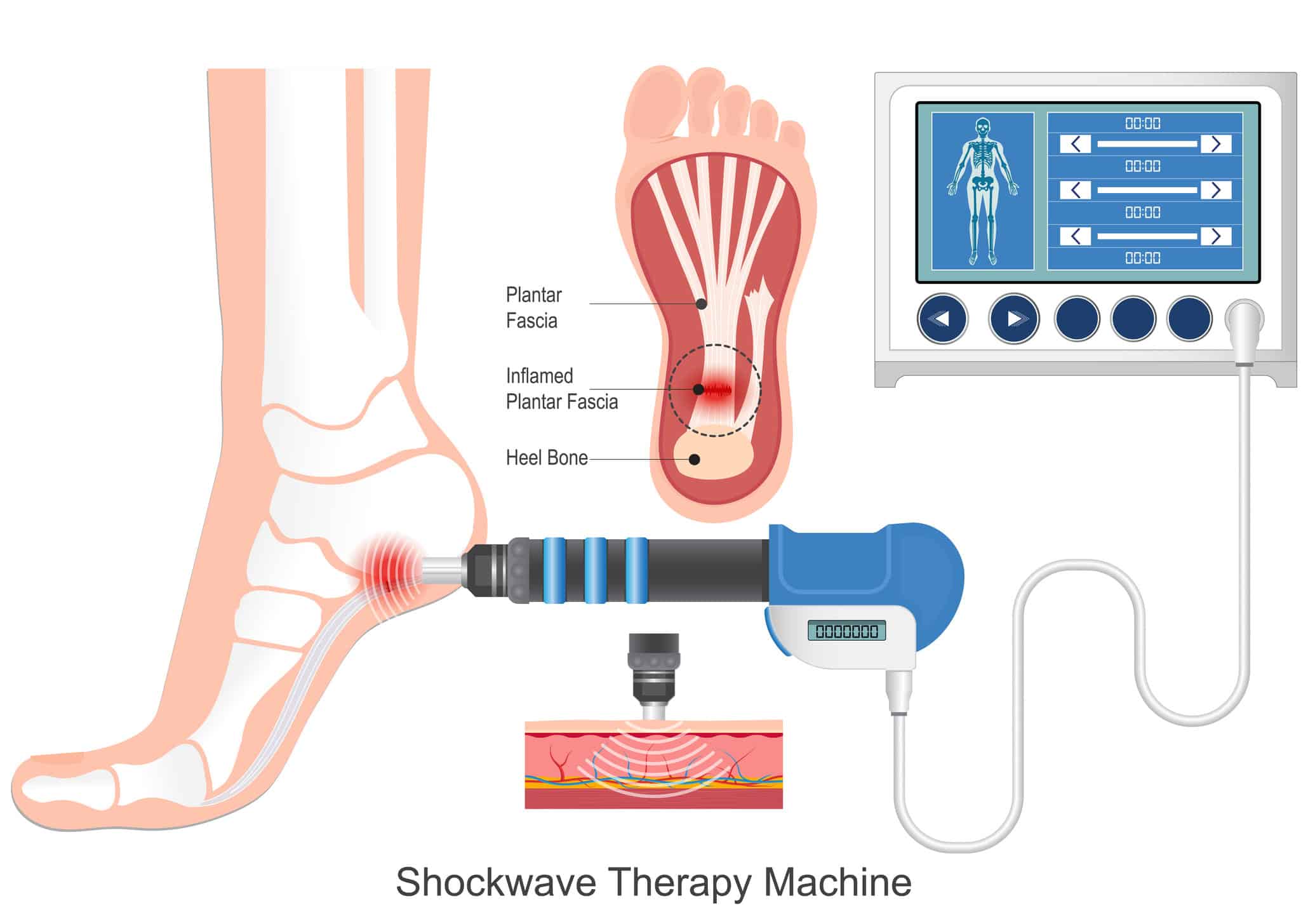
EPAT Shockwave Therapy In Somerville
EPAT or shockwave therapy may be considered at Trinity Rehab Somerville for selected sports injury presentations, especially chronic tendon-type sports-related pain that has not responded to basic rest and stretching alone. It is not the right message for every sports injury, and it should not replace a careful exam, red flag screening, progressive strengthening, or a return-to-activity plan.
If the evaluation suggests EPAT may fit, it can be paired with graded loading, strengthening, mobility, gait retraining, mechanics work, and activity progression. If the exam suggests fracture, dislocation, concussion symptoms, high-grade tear, nerve issue, or medical red flag, the next step should be physician coordination rather than simply adding a modality.
Somerville Routines We Plan Around
Every local spoke needs real local detail. Around Somerville, sports injury rehab may need to account for downtown walking, train-area routines, stairs, and active weekend plans.
Walking, Stairs, And Sitting
Patients from Somerville, Bridgewater, Raritan, Hillsborough, and nearby areas may notice sports-related pain with stairs, getting out of the car, walking longer distances, standing through work, lifting, throwing, or returning after a practice or workout. Therapy may include mobility, graded loading, strength work, balance, and pacing strategies so daily movement becomes more predictable.
Running, Fitness, And Sport
Running and sport require more than pain-free walking. Later rehab may need walk-jog progression, stride-length control, acceleration drills, deceleration, jumping, landing, cutting, throwing, lifting, or sport-specific exposure. The goal is to rebuild confidence without guessing when the body is ready.
Work And Family Activity
Lifting, kneeling, squatting, stairs, carrying groceries, coaching, chasing children, yard work, and weekend activities can all load the injured area. Your plan should practice the tasks that keep showing up in daily life rather than only treating table pain.
What Progress Should Look Like
A good sports injury plan at Trinity Rehab Somerville should show up in real life. Progress may mean walking without a limp, less swelling, climbing stairs with more confidence, stronger single-leg control, better lifting or throwing tolerance, and a clear return-to-running, return-to-work, or return-to-sport progression.
Progress also means knowing what to do on a bad day. Sports injury pain can flare when speed, stride length, lifting load, overhead volume, or training volume jumps too quickly. Your therapist can help you adjust the plan without abandoning movement altogether.
For local SEO, this detail matters because patients are not searching for an abstract article. They are looking for physical therapy near Somerville, NJ that can help with the specific ways sports injury recovery, sports-related pain, sitting discomfort, running limits, and return-to-activity goals affect their day.
Why A Local Plan Beats Generic Sports Injury Advice
Generic sports injury advice usually says to rest, stretch, and strengthen. That may be a starting point, but it does not tell a Somerville patient how to return to the activity that actually matters. A runner needs a different progression than a soccer player. A thrower needs different shoulder work than a pickleball player. A worker who climbs stairs all day needs different loading than someone whose main issue is cutting, landing, or lifting. An older adult trying to walk confidently through errands needs a different plan than an athlete returning to sprinting.
At Trinity Rehab Somerville, the plan can connect the clinic exam to local reality: downtown walking, train-area routines, stairs, and active weekend plans. That gives the page and the visit the same purpose. Identify the driver, rebuild the capacity, and make the next step specific enough that the patient knows what to do between visits.
Local Clinic Proof
Trinity Rehab Somerville
89 US-206, Somerville, NJ 08876
Phone: (908) 800-0500
Clinic page: https://trinity-rehab.com/physical-therapy-clinic/somerville-nj/
Map and directions: https://maps.app.goo.gl/E7hRjg8kH7wnmGpHA
Nearby communities commonly include Bridgewater, Raritan, Hillsborough, Bound Brook, Manville. This local proof helps the spoke compete for condition-plus-location searches without pretending to be a generic national sports injury article.
Somerville Return-To-Activity Checkpoints
Somerville patients rarely need a one-size-fits-all return plan. The evaluation should connect the painful body area to downtown Somerville walking, train-area routines, and stairs after errands, because those are the moments when a sports injury often reappears after the easy clinic movements look fine.
A useful Somerville plan should describe what happens before, during, and after activity. Someone coming from Bridgewater, Raritan, or Hillsborough may feel good at rest but still notice symptoms with work demands, weekend running plans, or lifting or cutting return.
The therapist should watch the details that predict recurrence: stride confidence, load tolerance, single-leg balance, step-down control, and walking speed. Those findings help decide whether the next step should be more mobility, more strength, better pacing, or a slower return to sport.
Progression should not jump straight from less pain to full play. A safer sequence is to calm the irritated tissue, restore comfortable motion, rebuild strength under control, rehearse real-world movement, test faster or heavier activity, and then confirm the next-day response before harder practice, running, lifting, throwing, or cutting.
For patients near Bound Brook and Manville, the plan also has to respect the rest of the week: driving, work shifts, stairs, errands, school events, family routines, and the surface where the injury actually gets tested.
- If downtown Somerville walking brings symptoms back, the plan may need more graded walking exposure before sprinting or court drills.
- If train-area routines is the trigger, we look for control problems that only appear with fatigue, rotation, braking, or faster direction changes.
- If stairs after errands feels fine during therapy but worse the next morning, the load may be too high even when the exercise looked clean.
- If work demands is the patient goal, the therapist can stage the return using distance, speed, surface, weight, volume, and recovery response.
- If weekend running plans or lifting or cutting return creates swelling, buckling, numbness, concussion symptoms, or major weakness, the plan changes toward medical coordination instead of harder rehab.
That is why Trinity Rehab Somerville treats sports injury rehab as a local return-to-activity problem, not only a diagnosis label. The visit should leave the patient with a clearer answer about what to protect, what to train, and what sign means the next step is ready.
Somerville Between-Visit Signals
Between visits, Somerville patients should watch the exact setting that changes symptoms: downtown walking, train-area routines, and errand stairs. Those details tell the therapist whether the next session should emphasize mobility, tendon loading, balance, gait, strength, or activity pacing.
A flare during work demands is different from hesitation with weekend running or fatigue during lifting return. The visit should translate those clues into a plan for distance, surface, speed, resistance, rest days, and the next safe sport exposure.
- Track whether downtown walking changes pain during the first ten minutes after sitting.
- Notice whether train-area routines causes swelling later that night or the next morning.
- Bring notes about errand stairs, work demands, and any moment that creates limping, guarding, weakness, numbness, or loss of confidence.
- Use those details to decide when weekend running and lifting return are ready for a harder phase.
Patient Reviews For Somerville
Local review proof matters. Patients searching for sports injury treatment in Somerville, NJ need to know there is a real Trinity Rehab clinic, local staff, and patient experience behind the page.
Related Care At This Location
Sports injuries often overlap with hip pain, knee pain, ACL rehab, meniscus injuries, ankle pain, shoulder pain, rotator cuff injuries, back pain, gait, and sports rehab. These same-location links help patients and search engines understand the relationship between the local pages.
Frequently Asked Questions
Do you treat sports injuries at Trinity Rehab Somerville?
Can I start physical therapy if I heard a pop?
What should I bring to the first visit?
When can I run again?
Do patients from nearby communities come to Somerville?
Start Sports Injury Physical Therapy In Somerville
If sports injury pain, swelling, stiffness, weakness, running pain, lifting limits, throwing pain, or fear of re-injury is affecting your daily life in Somerville, NJ, start with an evaluation. The goal is to understand what is driving symptoms and rebuild capacity for the activity you actually need.