
ROTATOR CUFF INJURY TREATMENT IN SOMERVILLE, NJ
Whether you are logging morning laps at the Somerset Valley YMCA pool, training for baseball season at Somerville High School, or walking the fitness parcourse along the D&R Canal at Colonial Park, shoulder pain can turn the activities that define your life in Somerville into daily frustrations. A rotator cuff injury does not have to sideline you. At Trinity Rehab in Somerville, we help residents across the Raritan Valley recover shoulder function, reduce pain, and get back to the routines they care about — all through one-on-one [physical therapy](https://trinity-rehab.com/physical-therapy-treatments/physical-therapy/) designed around your goals.
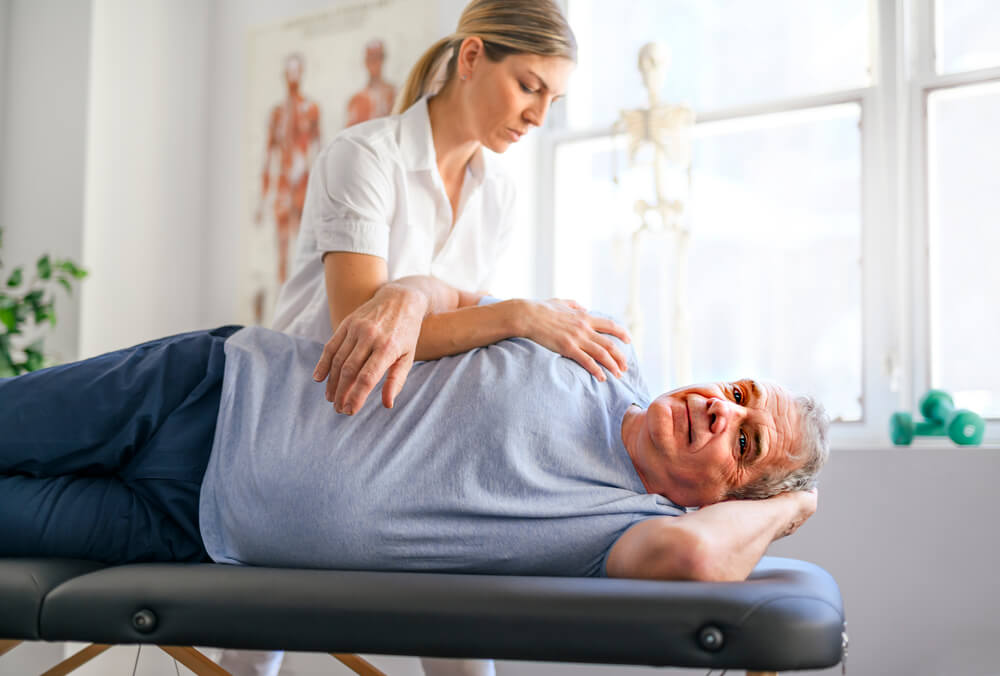
Understanding Your Rotator Cuff and Why Treatment Matters
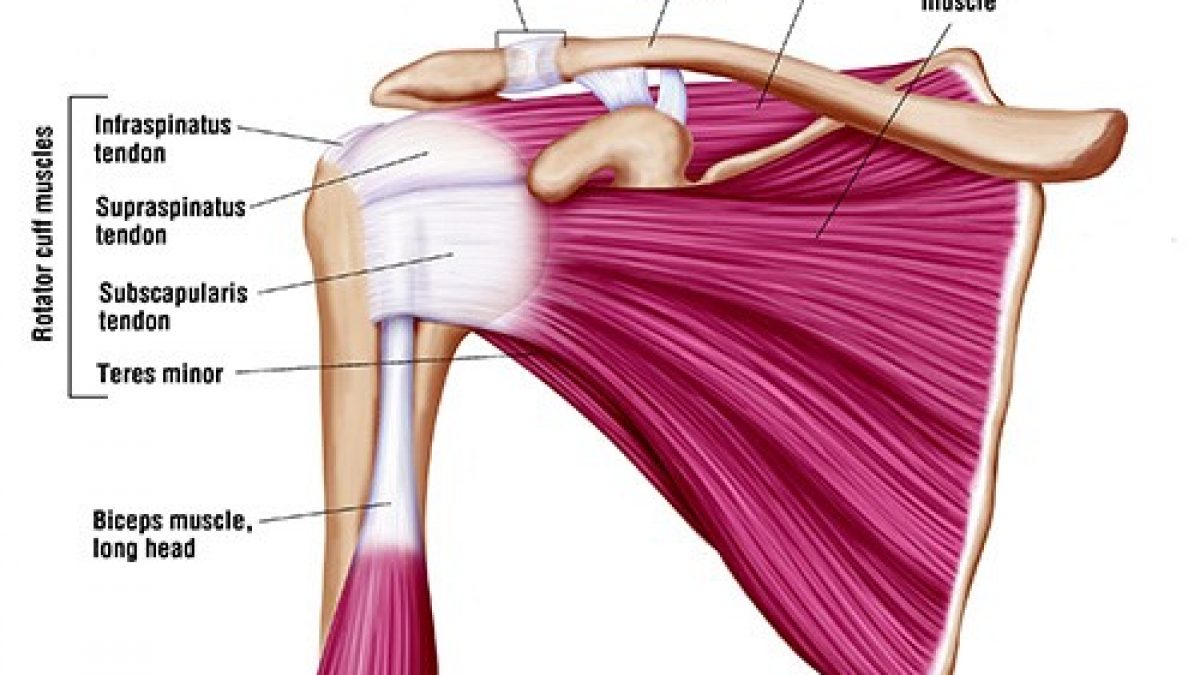
The rotator cuff is a group of four muscles and their tendons — the supraspinatus, infraspinatus, teres minor, and subscapularis — that work together to stabilize the glenohumeral joint and control nearly every movement of your shoulder. When one or more of these structures is irritated, strained, or torn, the result is pain, weakness, and a loss of range of motion that can affect everything from reaching overhead to sleeping comfortably at night.
Rotator cuff injuries exist on a spectrum. Rotator cuff tendinopathy involves chronic irritation or degeneration of the tendon, often from repetitive overhead activity. Partial-thickness tears affect only part of the tendon, while full-thickness tears extend all the way through. Physical therapy is the recommended first-line treatment for the majority of these injuries, and research consistently shows that a structured rehab program can produce outcomes equal to surgery for many patients — without the downtime or cost.
In New Jersey, direct access laws allow you to begin physical therapy treatment without a physician referral, so you can start recovery right away.
Common Causes of Rotator Cuff Injuries in Somerville
Somerville’s mix of commuter professionals, active families, and dedicated athletes creates a wide range of ways rotator cuff injuries develop. Here are the most common scenarios we treat.
Workplace and Commuter Strain
Somerville is home to major employers like Robert Wood Johnson University Hospital Somerset, Somerset County government offices, and dancker, the office furniture manufacturer headquartered in town. Healthcare workers at RWJUH Somerset frequently develop shoulder problems from repetitive patient lifting. County facilities staff perform overhead tasks that stress the supraspinatus tendon over time. Even desk-based professionals — and Somerville has plenty, given its role as a commuter hub near I-287 and I-78 — develop rotator cuff issues from poor posture that weakens the scapular stabilizers. If your work has caused a shoulder injury, early intervention makes a significant difference.
Sports and Recreation
Somerville High School’s athletics program is a source of real community pride — the Pioneers’ baseball team captured the 2018 Group III state championship, and the school fields competitive swimming, tennis, volleyball, lacrosse, basketball, soccer, and track programs. Overhead sports like baseball, swimming, and tennis place enormous repetitive demand on the rotator cuff, and young athletes are especially vulnerable during growth spurts.
Adult athletes face similar risks. Pickleball and soccer players at Iron Peak Sports & Events, tennis members at Warren Health & Racquet Club, golfers at Neshanic Valley Golf Course, and swimmers at the Somerset Valley YMCA all rely on healthy rotator cuffs. A sudden increase in training volume — such as jumping into a spring league after a sedentary winter — is one of the most common triggers we see for sports-related shoulder injuries.
Weekend and Outdoor Activities
Colonial Park’s 685 acres of trails, ponds, and open space draw Somerville residents year-round. Kayaking, trail running at Washington Valley Park, or even vigorous gardening can all contribute to rotator cuff irritation — especially when your shoulder has not been conditioned for the activity. We regularly treat patients who felt a twinge while playing catch with their kids at Old York Park and pushed through it, only to find the pain worsening over the following weeks.
Recognizing the Symptoms of a Rotator Cuff Injury
You should consider seeking evaluation for a possible rotator cuff injury if you experience:
- Dull, aching pain deep in the shoulder, often worse at night or when lying on the affected side
- Pain when reaching overhead — putting dishes away, washing your hair, or throwing a ball
- Weakness when lifting your arm away from your body or rotating it outward
- A catching or clicking sensation during shoulder movement
- Difficulty with behind-the-back motions like tucking in a shirt or fastening a seat belt
- Gradual loss of range of motion, making it harder to reach across your body or behind your head
- comprehensive rotator cuff treatment
If you are experiencing shoulder pain that has persisted for more than a week or two, professional evaluation is the most productive next step. The sooner treatment begins, the more effectively we can address the issue before compensatory patterns set in.
Our Treatment Approach: Topic-Based Care for Your Shoulder
At Trinity Rehab in Somerville, we build your treatment plan around the specific techniques your shoulder needs, adjusted at every session based on your progress. Most rotator cuff rehabilitation programs run 6 to 12 weeks with 2 to 3 visits per week, though your timeline depends on injury severity and activity goals.
Manual Therapy
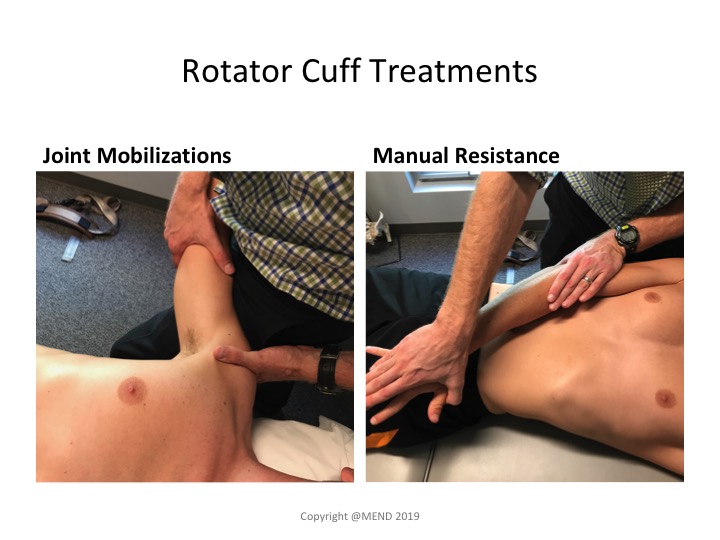
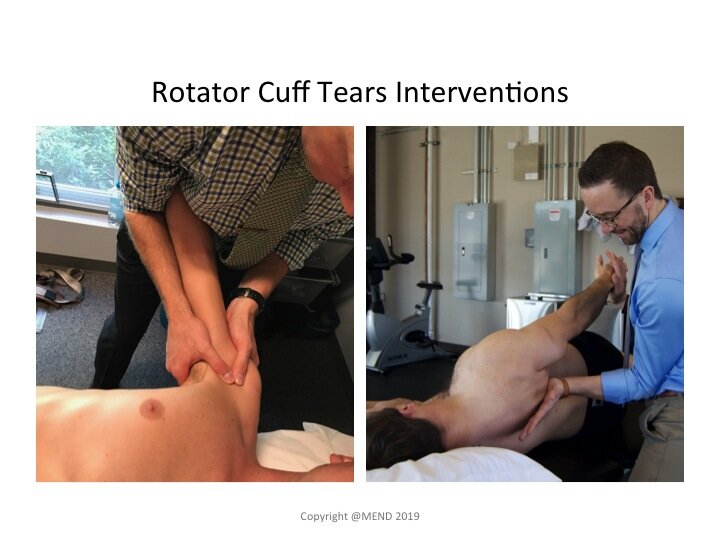
Manual therapy is typically where your treatment begins. Your therapist uses hands-on techniques — including joint mobilizations of the glenohumeral joint and thoracic spine, soft tissue mobilization, and myofascial release — to restore mobility, reduce pain, and improve the quality of movement in your shoulder complex.
For many of our Somerville patients, particularly those who sit at a desk during their commute into Manhattan or work long shifts at the hospital, thoracic stiffness and poor scapular positioning are significant contributing factors to rotator cuff pain. Manual therapy addresses these underlying restrictions so that the strengthening work we introduce later can actually be effective. You should feel a meaningful difference in your pain levels and mobility within the first few sessions.
Strengthening and Eccentric Loading
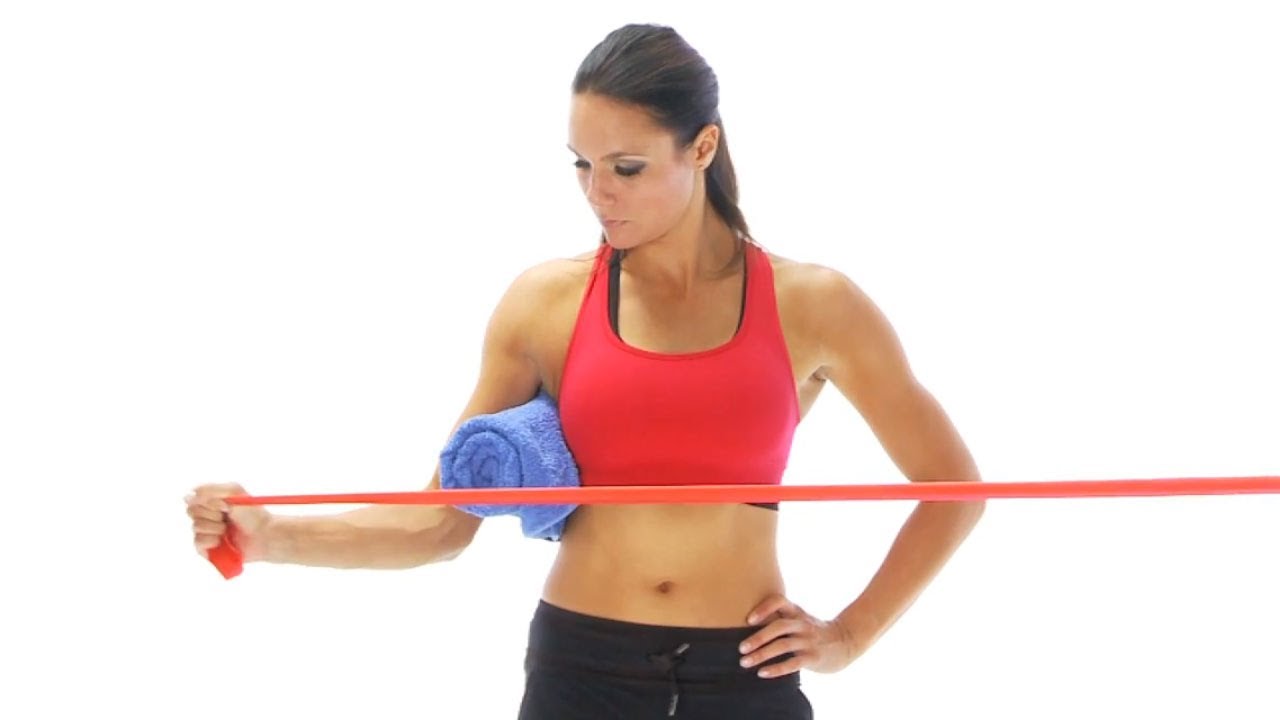
Progressive strengthening is the backbone of rotator cuff recovery. We emphasize eccentric loading — the controlled lowering phase of an exercise — because research shows it is especially effective at stimulating tendon healing and building the load tolerance your rotator cuff needs.
Your program will progress through a structured sequence:
- Isometric activation to engage the rotator cuff muscles without stressing the irritated tendon
- Scapular stabilization exercises to restore proper mechanics of the shoulder blade, which serves as the foundation for all shoulder movement
- Eccentric strengthening of the supraspinatus, infraspinatus, and other rotator cuff muscles using resistance bands, dumbbells, and cable systems
- Functional and sport-specific training tailored to your life — whether that means returning to overhead serves on the tennis court, swimming freestyle at the YMCA, throwing batting practice for a Pioneers travel team, or lifting patients safely at RWJUH Somerset
We design every exercise progression around your goals. A high school pitcher recovering from rotator cuff tendinopathy needs a different end-stage program than a Somerset County employee who needs to safely reach overhead filing systems, and we treat them accordingly.
Dry Needling
Dry needling is a highly effective technique for addressing the muscle tightness and trigger points that often accompany rotator cuff injuries. Your therapist inserts thin, sterile needles into specific trigger points — commonly in the infraspinatus, upper trapezius, and levator scapulae — to release tension, improve local blood flow, and reduce the referred pain patterns that can radiate from the shoulder into the neck and down the arm.
Many of our Somerville patients find dry needling particularly helpful when muscle guarding has become a barrier to progress. If your shoulder has been painful for weeks or months, your body naturally tightens the surrounding muscles as a protective response, restricting your range of motion and making strengthening exercises harder. Dry needling can break through that barrier, allowing you to participate more fully in active rehab. It pairs well with manual therapy and is incorporated into your regular treatment sessions.
EPAT / Shockwave Therapy
For rotator cuff tendinopathy that has not responded adequately to conventional therapy, Extracorporeal Pulse Activation Technology (EPAT) — also known as shockwave therapy — offers a non-invasive option. EPAT delivers acoustic pressure waves to the affected tendon, stimulating your body’s natural healing response by increasing blood flow and promoting cellular repair.
EPAT is especially useful for chronic tendon conditions where the tissue has entered a degenerative cycle. If you have been dealing with shoulder pain for several months — perhaps you first noticed it during summer kayaking on the Raritan and it never fully resolved — EPAT can restart the healing process. Sessions are brief (5 to 10 minutes), performed in our clinic with no downtime. Most patients complete 3 to 5 sessions spaced one week apart, alongside their ongoing therapy program.
Preventing Rotator Cuff Injuries: Practical Tips for Somerville Residents
These strategies will help protect your shoulders whether you are avoiding a first injury or preventing a recurrence:
- Warm up before activity. Before stepping onto the field at Old York Park, hitting the pool at the YMCA, or starting a round at Neshanic Valley, spend 5 to 10 minutes activating your rotator cuff and scapular muscles with band exercises.
- Strengthen year-round. Consistent rotator cuff and scapular stabilization exercises, even 10 minutes three times a week, dramatically reduce injury risk.
- Watch your posture at work. If you commute to Manhattan or sit at a desk in Somerville, set hourly reminders to retract your shoulder blades and stretch your chest. Prolonged forward-head posture overloads the supraspinatus tendon.
- Progress gradually. The most common pattern we see is a Somerville resident who jumps from winter inactivity into spring sports at full intensity. Increase training volume by no more than 10 to 15 percent per week.
- Address pain early. Shoulder discomfort lasting more than a few days needs attention. Early treatment is faster and more effective than waiting until the problem becomes chronic.
Why Somerville Residents Choose Trinity Rehab
When you come to Trinity Rehab in Somerville, you receive dedicated, one-on-one care from a licensed physical therapist at every visit. That consistency matters because your therapist gets to know your injury and your goals, adjusting your plan in real time rather than following a generic protocol.
- Direct access — Start treatment without waiting for a referral. New Jersey law allows you to see a physical therapist directly.
- One-on-one sessions — Your therapist is focused entirely on you for the duration of every visit.
- Evidence-based techniques — We combine manual therapy, progressive eccentric loading, dry needling, and EPAT/shockwave therapy based on what the current research supports.
- Locally focused care — We understand the demands of life in Somerville, from the physical requirements of working at the hospital to the recreational activities that keep this community active.
- Convenient location — Situated in the Raritan Valley corridor with easy access from Routes 202, 206, and US-22, our clinic fits into the schedules of busy Somerville families and commuters.
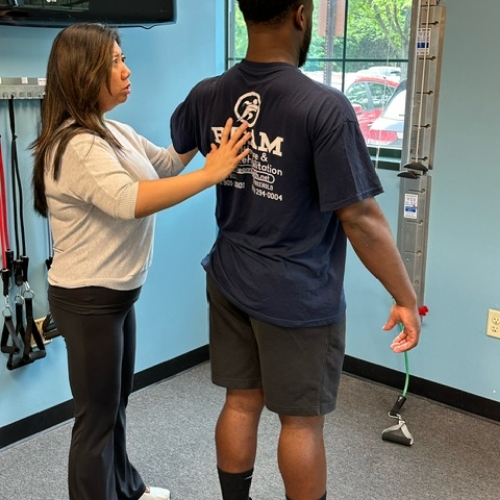
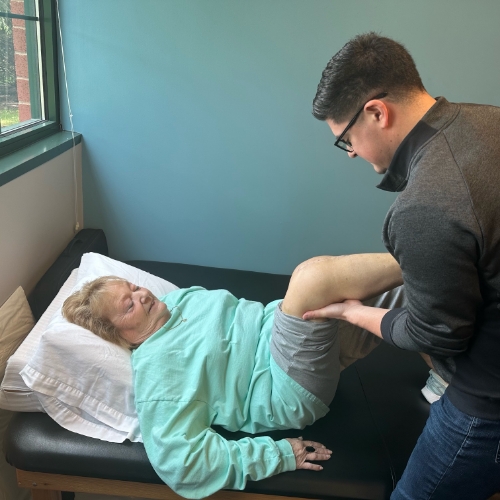
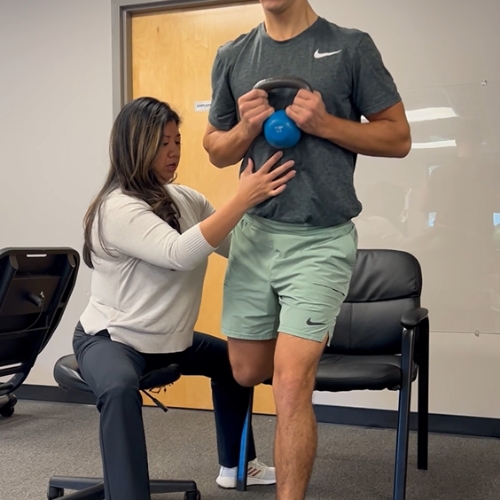
Inside Our Somerville Clinic
Frequently Asked Questions
Where can I get rotator cuff treatment in Somerville, NJ?
Do I need a doctor's referral for rotator cuff physical therapy in New Jersey?
How long does rotator cuff rehabilitation take?
Can physical therapy help me avoid rotator cuff surgery?
What should I expect at my first rotator cuff therapy appointment?
Take the First Step Toward Recovery
Shoulder pain does not improve by ignoring it — but it responds well to the right treatment. If a rotator cuff injury is limiting your ability to work at the hospital, enjoy Colonial Park’s trails, compete in the sports you love, or sleep through the night, Trinity Rehab in Somerville is here to help.
Schedule your appointment today and start your recovery with a team that knows this community and the demands it places on your shoulders. No referral needed — just a commitment to getting better.
Start Your Recovery in Somerville Today
Don’t let shoulder pain hold you back. Schedule your evaluation at Trinity Rehab in Somerville and take the first step toward a stronger, pain-free shoulder.
Related Conditions & Treatments
Rotator cuff injuries are just one of the many conditions we treat at Trinity Rehab Somerville. Explore our full range of conditions we treat or learn more about specific treatment approaches:
What Our Patients Say



Sign up for free health tips and tricks