

Golfer’s Elbow Treatment in Somerville, NJ | Trinity Rehab
The Somerset County Seat: Managing Elbow Pain in Somerville’s Active Community
Somerville sits at the heart of Somerset County, a revitalized downtown surrounded by beautiful open spaces like Duke Farms and charming recreational areas. Whether you’re a Somerville High School Pioneers supporter, someone who enjoys the accessible parks and trails, or a local professional working in county government or healthcare, Somerville combines small-town community with the amenities of a larger region.
Golfer’s elbow (medial epicondylitis) doesn’t discriminate—it affects Somerville residents from all walks of life. That sharp, burning pain on the inside of your elbow might appear when you’re gripping the steering wheel, working at your desk, enjoying a round at nearby Fiddler’s Elbow Country Club or Neshanic Valley Golf Club, or doing the countless daily activities that require grip and forearm control. For many Somerville residents, this injury surprises them—you might not even remember a specific moment of injury; it simply developed over time.
If inner elbow pain is limiting your activities, Trinity Rehab is here to help you recover and get back to the Somerville lifestyle you enjoy.
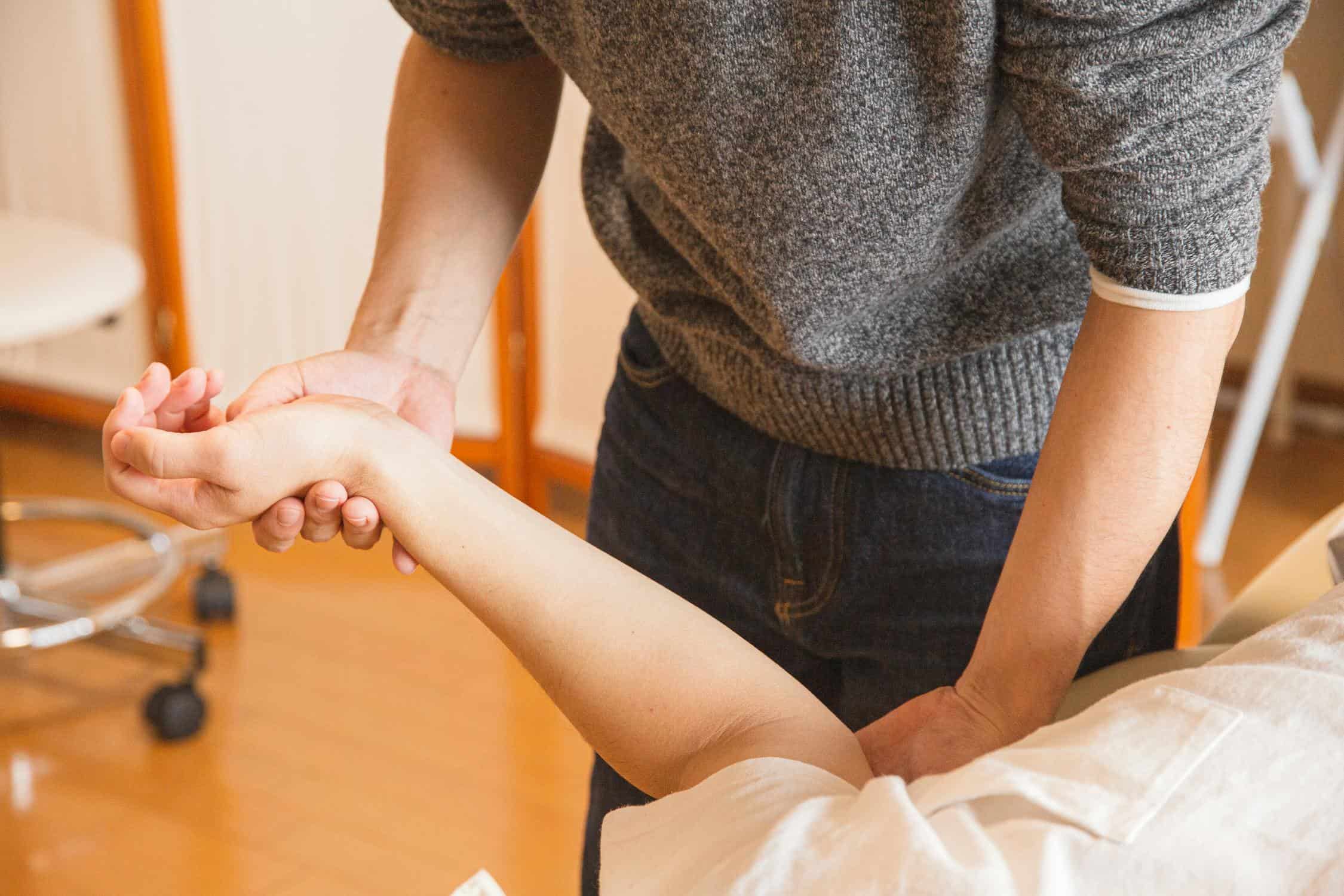
Understanding Golfer’s Elbow: What’s Happening in Your Elbow
Medial epicondylitis is a condition of the tendons that attach to the medial epicondyle—the bony prominence on the inside of your elbow. These tendons are part of the flexor-pronator muscle group, which allows you to grip, flex your wrist, and rotate your forearm. When you use these muscles repeatedly without adequate recovery, tiny tears develop in the tendon fibers.
Here’s the progression most people experience:
Initial Stage: You might notice mild discomfort after certain activities. It’s easy to dismiss—after all, everyone has a little soreness sometimes. You continue your normal routine.
Progression: Over days or weeks, the discomfort becomes pain. It might hurt in the morning, or worsen as the day progresses. You start noticing that certain movements (gripping, twisting, specific sports motions) trigger sharper pain.
Established Condition: By this point, inflammation is established. Your grip strength weakens. Pain might radiate down your forearm toward your wrist. You’re modifying activities to avoid pain—and that’s when you realize this isn’t going away on its own.
The medical reality: Once golfer’s elbow has developed, rest alone is usually insufficient. Your tendons need active rehabilitation to rebuild their strength and restore tissue quality.
Common symptoms include:
- Sharp, aching pain on the inside of the elbow
- Weakness in grip strength and forearm control
- Pain that worsens with gripping or twisting motions
- Stiffness in the elbow and forearm
- Numbness or tingling radiating into the wrist and hand
- Pain that wakes you at night or is most severe in the morning
Who Develops Golfer’s Elbow in Somerville: Risk Factors in Your Community
Despite its name, golfer’s elbow affects far more than golfers. Somerville’s demographics and lifestyle create several risk groups:
Golfers and Recreational Athletes With Fiddler’s Elbow Country Club and Neshanic Valley Golf Club nearby, many Somerville residents are regular golfers. The repetitive swing motion, combined with grip pressure and the force transfer through the forearm, makes golfers particularly vulnerable to medial epicondylitis.
Government and Healthcare Workers Somerville’s position as the Somerset County seat means many residents work in county government or healthcare facilities like Ethicon/J&J operations. Administrative work, repetitive data entry, precision work in healthcare settings—all create sustained demand on the flexor tendons.
Office Workers and Professionals Any professional working at a desk—whether in county offices, healthcare administration, or remote-based work—uses their forearms and hands repeatedly. Keyboard work, mouse usage, and the cumulative grip tension throughout the day creates ideal conditions for medial epicondylitis.
Manual Labor and Trades Though less visible, Somerville has residents in trades and manual occupations. Electricians, plumbers, carpenters, mechanics—anyone working with tools—face high risk for golfer’s elbow. The gripping, twisting, and repetitive forearm motion is the definition of what triggers this injury.
Age-Related Risk Many Somerville residents are established in their careers and lives—people in their 40s, 50s, and beyond. Tendinopathy becomes more common with age as tissue quality changes and cumulative stress from decades of activity manifests.
Dual Demands Perhaps uniquely Somerville is a community where people balance work demands with active personal lives. Someone might spend eight hours at a desk, then come home and work in the yard, or play golf on weekends. This cumulative demand throughout the week creates the perfect scenario for overuse injury.
The truth: If you grip things, rotate your forearm, or use your hands regularly—whether at work or in recreation—you’re at risk for golfer’s elbow.
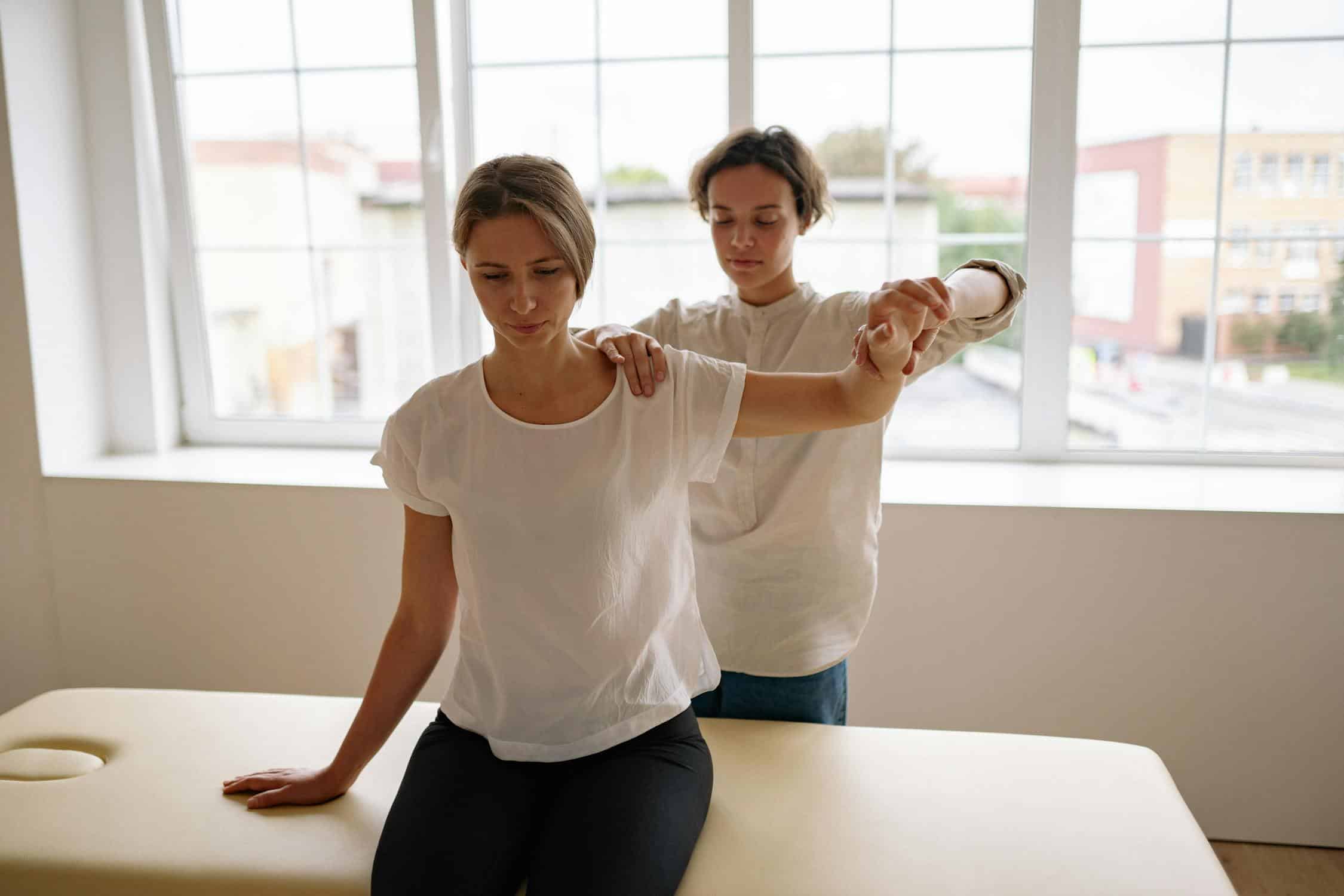
How Trinity Rehab Treats Golfer’s Elbow in Somerville
Your golfer’s elbow is unique to your situation, and your treatment should be too. At Trinity Rehab, we personalize care based on your condition, your goals, and your lifestyle.
Detailed Initial Assessment Your first appointment is comprehensive. We’ll examine your elbow, test your strength and range of motion, and ask detailed questions about your pain, your activities, and what you want to get back to doing. This information drives your entire treatment plan.
Three-Phase Treatment Approach
Phase 1: Pain Reduction and Inflammation Management We start by reducing inflammation and pain so you can function without fear of aggravating the injury. We use:
- Manual therapy to address tight muscles and improve mobility
- Dry needling to release trigger points and stimulate healing
- Activity modification strategies so you can continue working, recreating, and living while healing
- Patient education on protecting your elbow during daily activities
Phase 2: Strength and Resilience Building Once acute pain subsides, we rebuild the strength of the damaged tendons. This is where real healing happens. You’ll learn:
- Progressive grip and forearm strengthening exercises
- Eccentric exercises (particularly effective for tendon injuries)
- Mobility work to restore full range of motion
- Functional exercises that prepare you for returning to your specific activities
Phase 3: Return to Full Activity By phase 3, your elbow is strong and ready. We’ll progress you back to golf, work tasks, recreational activities, or whatever matters to you—carefully and with proper technique.
Advanced Options When Needed For cases not responding adequately to conservative care, we offer EPAT (Extracorporeal Pulse Activation Technology)—a non-invasive treatment using acoustic waves to stimulate healing in stubborn tendons.
Individualized, One-on-One Care You’re not a line item in a high-volume clinic. You work one-on-one with your therapist, who adjusts your plan based on your progress, advocates for your recovery, and ensures you understand why you’re doing each exercise.
What to Expect During Your Recovery
Here’s the typical timeline for golfer’s elbow treatment:
Weeks 1-2: Initial Phase You’ll attend 2-3 sessions weekly. Pain management begins immediately. You’ll learn activity modifications and begin understanding what makes your elbow worse. Initial improvement might be subtle—less sharp pain, easier nights—but it’s real improvement.
Weeks 3-6: Early Strengthening Pain should be noticeably decreasing. You’ll begin light strengthening exercises. Grip strength starts improving. Activities that caused sharp pain become more tolerable. You’re building confidence as your body responds to treatment.
Weeks 7-12: Progressive Loading Your exercises become more challenging. Your activities expand. You’ll feel noticeably stronger. Many people feel “almost back to normal” during this phase, but we’re not done yet.
Weeks 13+: Return to Sport and Full Activity This final phase is customized to your goals. If you golf, you’ll return to full play. If you need work capacity, we’ll restore your ability to perform your job tasks. Duration depends on your specific goals.
Timeline: Most cases resolve in 8-12 weeks of consistent physical therapy. Chronic cases (longer than 12 weeks before treatment) might take 14-16 weeks.
Prevention Tips for Somerville
Once you’ve recovered, keeping golfer’s elbow from returning is essential. Here’s how:
For Golfers
- Get a swing analysis to ensure your technique isn’t creating excessive strain
- Warm up properly before play—at least 10 minutes of light activity
- Strengthen your grip and forearm during off-season
- Don’t try to muscle the ball; let your technique create power
- Consider a lighter club or modified grip during recovery and initially after
For Office Workers
- Optimize your workstation: monitor at eye level, keyboard at elbow height, mouse close to your body
- Take movement breaks every 60 minutes—stand, stretch, walk
- Be mindful of grip tension; your keyboard and mouse don’t need a death grip
- Use ergonomic equipment if your job is particularly demanding
For Manual Workers and Trades
- Use proper technique rather than strength; let tools do the work
- Vary your activities throughout the day rather than sustained repetitive motion
- Take breaks between intense activities
- Ensure tools are properly sized for your hand
General Prevention
- Include forearm and wrist strengthening in your fitness routine
- Do eccentric exercises regularly—they’re particularly effective for preventing tendon injury
- Stay aware of how you’re gripping things (steering wheel, utensils, tools)
- Stretch your forearm flexors daily, especially after activity
- Address minor pain early; don’t wait until it’s severe
Age-Appropriate Wisdom
- As you age, recovery takes longer; respect your body’s changing timeline
- Gradual progression is safer than the “weekend warrior” approach
- Consistency trumps intensity; regular light activity is better than sporadic heavy activity

Related Conditions & Treatments
Golfer’s elbow often accompanies or overlaps with other conditions. Trinity Rehab treats a wide range of musculoskeletal conditions:
Related Elbow Care At This Location
Elbow pain patterns can overlap depending on grip, lifting, racquet sports, work tasks, and tendon load. A related same-location page is:
Frequently Asked Questions About Golfer’s Elbow in Somerville
I've had this pain for months. Is it too late for physical therapy to help?
Can I continue golfing while being treated for golfer's elbow?
What makes Trinity Rehab's approach different from just trying to manage the pain at home?
Is surgery the only option if physical therapy doesn't work?
How much time do I need to commit to recovery?
Starting Your Recovery in Somerville
Your golfer’s elbow doesn’t define your future. Whether you want to return to golf at Fiddler’s Elbow, continue your work in county government or healthcare, or simply get back to daily activities without pain, Trinity Rehab is here to support your recovery.
Take the next step.
Contact Trinity Rehab to schedule your evaluation. Our team will assess your condition, explain what’s happening in your elbow, and create a personalized treatment plan designed for your specific goals and lifestyle.
You don’t have to live with this pain. Book Your Appointment Today
Visit Trinity Rehab in Somerville
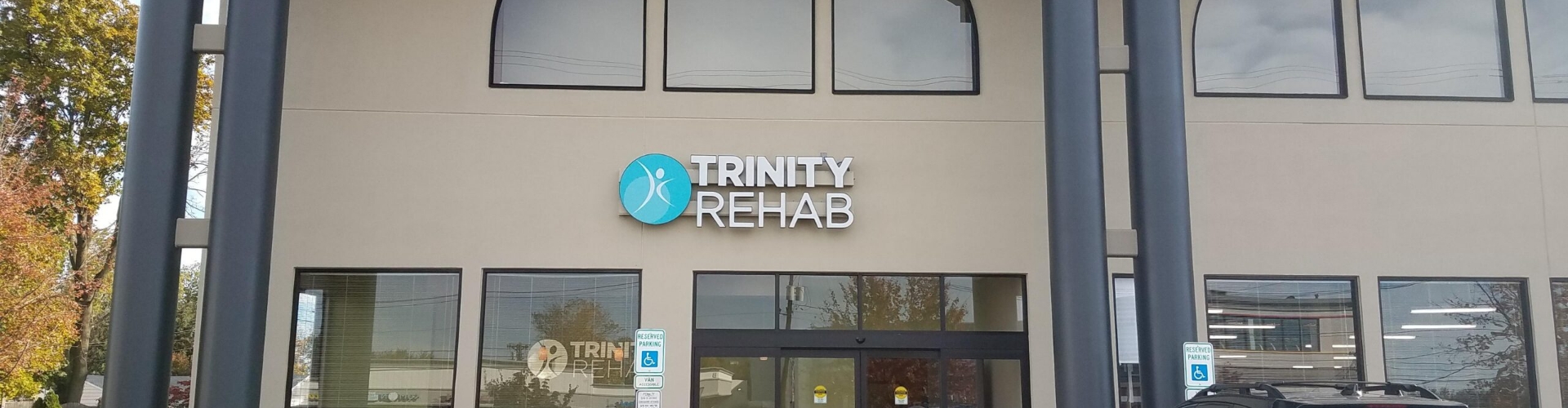
Our Somerville clinic is conveniently located at 89 US-206, Somerville, NJ 08876. Call us at (908) 800-0500 to schedule your golfer’s elbow evaluation today.