
ROTATOR CUFF INJURY TREATMENT IN SOMERSET, NJ
Whether you spend your mornings walking the Delaware and Raritan Canal towpath along the Millstone River, working on your short game at Spooky Brook Golf Course, competing in a Somerset Hills Tennis Association league at Green Knoll Tennis Center, or cheering on the Franklin Warriors at Franklin High School, shoulder pain can quietly take over your daily life. What starts as a dull ache after a round of golf or a long shift at work becomes the thing you think about every time you reach for a cabinet or try to find a comfortable sleeping position.
A rotator cuff injury does not have to sideline you. At Trinity Rehab in Somerset, we help residents throughout the Raritan Valley recover shoulder strength, restore mobility, and return to the activities that matter most — all through one-on-one [physical therapy](https://trinity-rehab.com/physical-therapy-treatments/physical-therapy/) built around your goals.
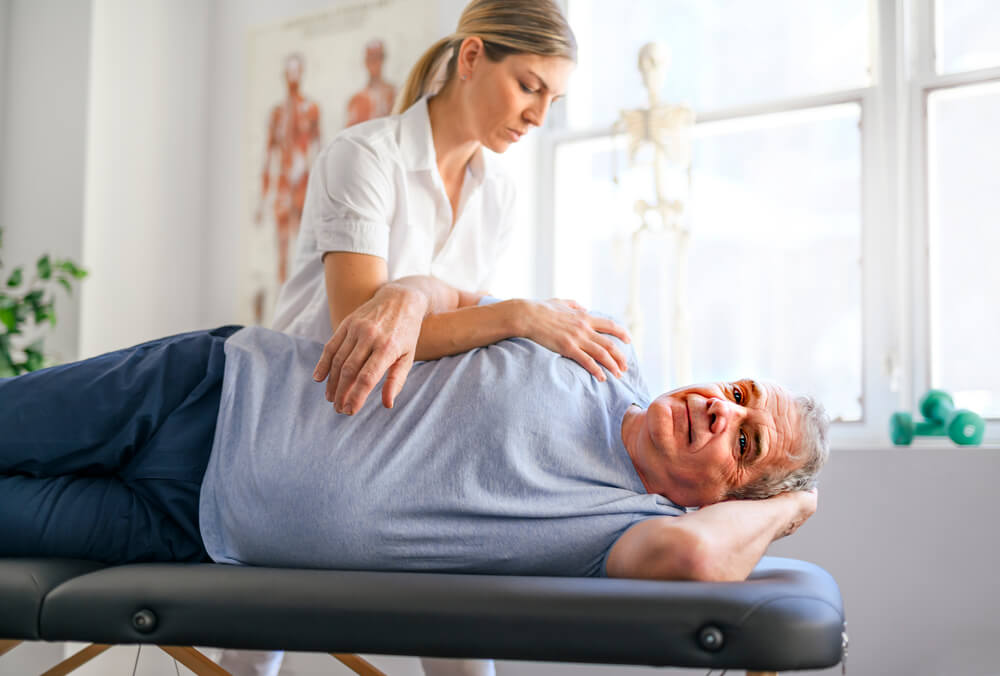
Understanding Your Rotator Cuff and Why Treatment Matters
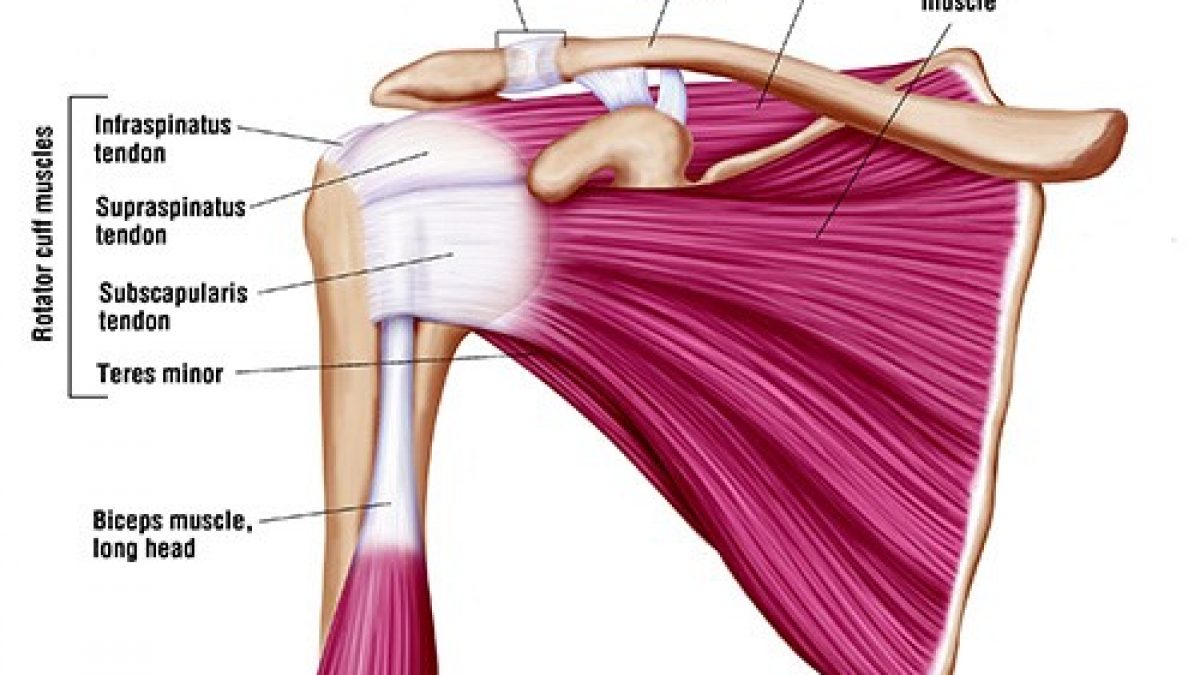
Your rotator cuff is a group of four muscles — the supraspinatus, infraspinatus, teres minor, and subscapularis — along with their tendons, that stabilize the glenohumeral joint and control shoulder movement. These muscles keep the head of your upper arm bone centered in the shallow socket of your shoulder blade.
When one or more of these tendons is strained, irritated, or torn, the system is compromised. Rotator cuff tendinopathy — chronic irritation and degeneration of the tendon — is the most common presentation we see, though partial and full-thickness tears are also frequent. Without treatment, compensatory patterns develop that lead to further dysfunction in the shoulder, neck, and upper back.
Physical therapy is the recommended first-line treatment for most rotator cuff injuries, with research showing outcomes comparable to surgery for many patients — without the risks, prolonged recovery, or cost. In New Jersey, direct access laws mean you can start physical therapy without a physician referral.
Common Causes of Rotator Cuff Injuries in Somerset
Somerset’s mix of suburban families, corporate professionals, healthcare workers, and athletes creates a wide range of rotator cuff injury causes.
Healthcare and Hospital Workers
Robert Wood Johnson University Hospital Somerset is one of the area’s largest employers. Nurses repeatedly lift and reposition patients, and radiology technicians maneuver equipment overhead. These demands strain the supraspinatus and infraspinatus tendons over time. If your work has caused a shoulder injury, early treatment prevents a manageable problem from becoming chronic.
Corporate and Desk-Based Professionals
Somerset Corporate Center and employers like Philips bring thousands of desk-based professionals to the area. Prolonged sitting with a forward-head, rounded-shoulder posture gradually weakens the scapular stabilizers and loads the supraspinatus tendon in ways it was never designed to handle. NYC commuters who add hours of sitting on NJ Transit face this problem even more acutely.
High School and Recreational Athletes
Franklin High School fields competitive Warriors teams in baseball, swimming, tennis, and volleyball — all sports that place repetitive demand on the rotator cuff. Young athletes are especially vulnerable during growth spurts when muscular development lags behind skeletal growth.
Adult athletes face their own risks. Golfers at Spooky Brook Golf Course and Neshanic Valley Golf Course rely on rotator cuff integrity through every phase of the swing. Tennis players in Somerset Hills Tennis Association leagues at Green Knoll and Colonial Park Tennis Centers load the shoulder forcefully with every serve. Cyclists riding the D&R Canal towpath absorb vibration through extended arms for miles. A sudden jump in activity — spring tennis after a sedentary winter — is one of the most common triggers for sports-related shoulder injuries.
Outdoor and Weekend Activities
Colonial Park’s 685 acres of trails and gardens are central to life in Somerset. Kayaking along the Millstone River, trail running at 6 Mile Run State Park, vigorous gardening near the Colonial Park rose and sensory gardens, or throwing a ball at Duke Island Park — all can irritate the rotator cuff, particularly when your shoulder is not conditioned for the activity.
Recognizing the Symptoms of a Rotator Cuff Injury
Consider seeking evaluation if you experience:
- Dull, aching pain deep in the shoulder, often worse at night or when lying on the affected side
- Pain when reaching overhead — putting dishes away, washing your hair, or serving a tennis ball
- Weakness when lifting your arm away from your body or rotating it outward
- A catching or clicking sensation during shoulder movement
- Difficulty with behind-the-back motions like reaching a back pocket or tucking in a shirt
- Gradual loss of range of motion that makes everyday tasks progressively harder
- comprehensive rotator cuff treatment
If you are experiencing shoulder pain that has persisted for more than a week or two, professional evaluation is the most productive next step. The earlier treatment begins, the more effectively we can resolve the issue before compensatory patterns become entrenched.
How We Treat Rotator Cuff Injuries: A Phase-Based Approach
At Trinity Rehab in Somerset, we use a structured, phase-based rehabilitation program that progresses with your healing. We advance you through each phase based on how your shoulder responds — ensuring you are challenged appropriately without being pushed too far, too fast. Most programs run 6 to 12 weeks with 2 to 3 visits per week.
Phase 1: Pain Reduction, Protection, and Early Mobility
Phase 1 focuses on reducing pain, calming inflammation, and beginning to restore the range of motion your shoulder has lost.
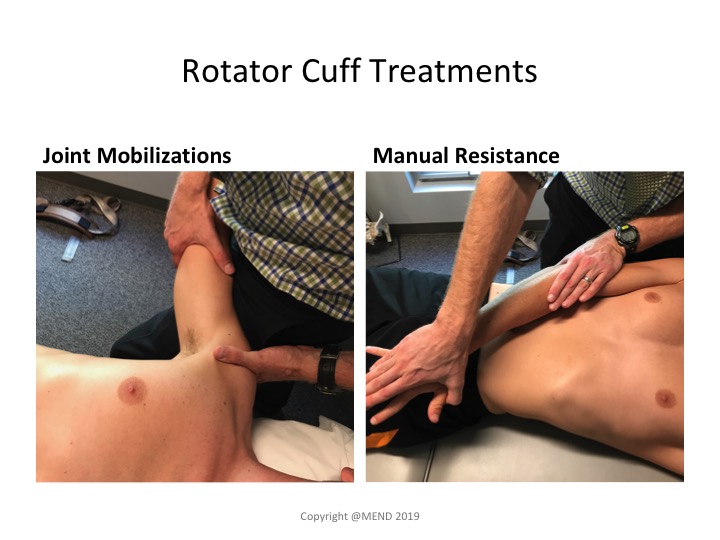
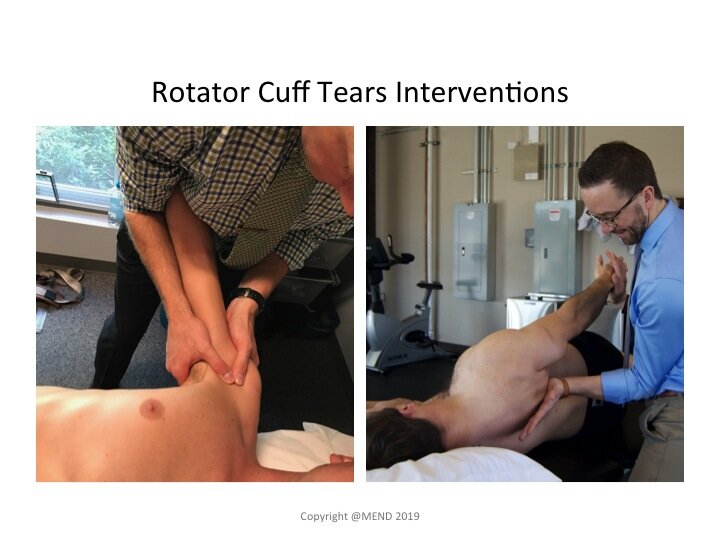
Manual therapy is the cornerstone. Your therapist uses hands-on techniques including joint mobilizations of the glenohumeral joint and thoracic spine, soft tissue mobilization around the supraspinatus and infraspinatus tendons, and myofascial release. For Somerset patients who sit at desks at Philips or the Corporate Center all day — or spend long commutes hunched forward — thoracic stiffness and restricted scapular mobility are significant contributing factors that manual therapy addresses directly.
Phase 1 also introduces postural education tailored to your daily life. Healthcare workers at RWJ Somerset learn improved body mechanics for patient handling. Desk workers learn positioning strategies to reduce shoulder load throughout the day.
Gentle passive and active-assisted range of motion exercises restore shoulder mobility within pain-free limits. Early scapular stabilization work activates the serratus anterior, lower trapezius, and rhomboids — reestablishing the foundation your rotator cuff depends on. You should feel meaningful pain relief within the first several sessions.
Phase 2: Progressive Strengthening and Neuromuscular Control
Once pain is managed and baseline mobility is restored, Phase 2 rebuilds the strength, endurance, and coordinated control your rotator cuff needs.
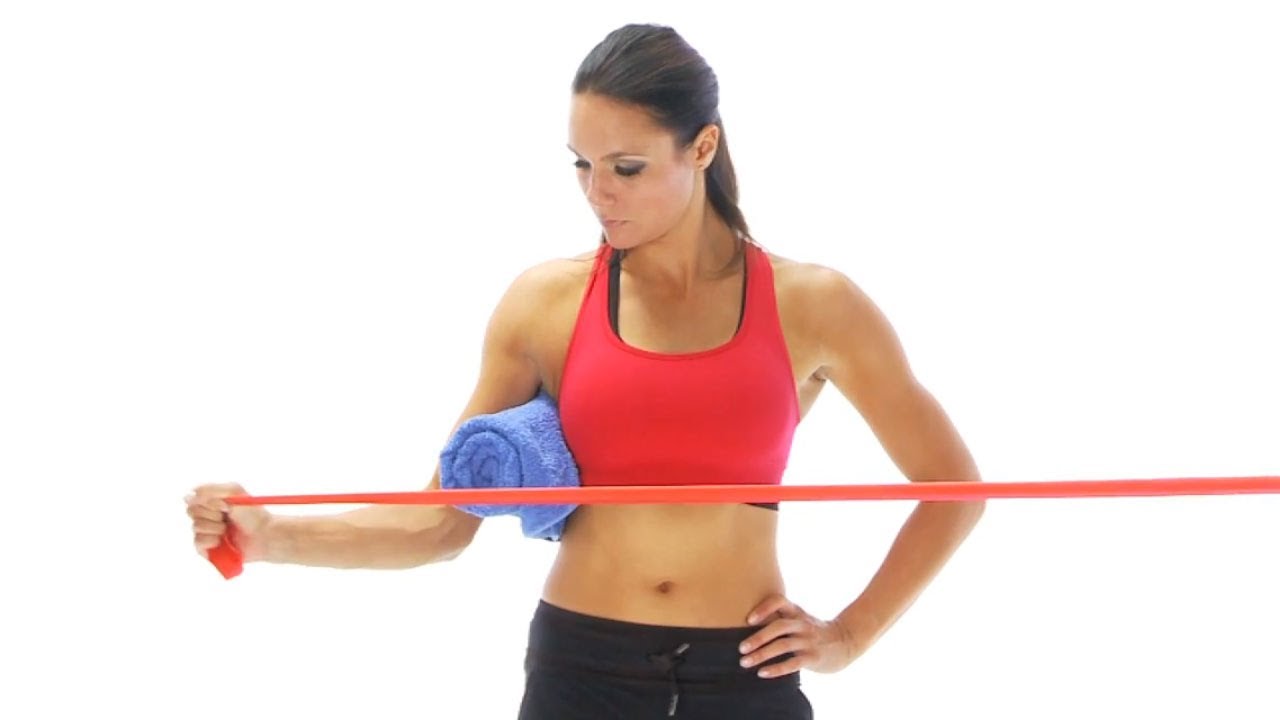
Isometric exercises come first to safely build tendon tolerance, then progress to resistance band exercises targeting the supraspinatus, infraspinatus, and scapular stabilizers.
Eccentric loading is the centerpiece of Phase 2. Research consistently shows that eccentric exercises — emphasizing the controlled lowering phase of a movement — are uniquely effective at stimulating tendon remodeling and increasing load tolerance in cases of rotator cuff tendinopathy. Your therapist designs a progressive eccentric program specific to the tendon involved, gradually increasing in load and complexity.
Proprioceptive training challenges your shoulder’s position awareness and reflexive stability. Posterior capsule stretching addresses tightness that commonly develops after rotator cuff injuries.
Phase 2 is where the program reflects your individual life. A Franklin High School swimmer needs different strength ratios than a Philips engineer who reaches overhead to adjust equipment.
Phase 3: Functional Restoration and Return to Activity
Phase 3 is about your life — the specific activities, sports, and work demands that matter to you.
Task-specific training might include rebuilding throwing mechanics for Franklin Warriors baseball, restoring serve speed for Somerset Hills Tennis Association league play, developing rotational control for pain-free rounds at Spooky Brook or Neshanic Valley, building stamina for patient-transfer shifts at RWJ Somerset, or regaining confidence to paddle the Millstone River or cycle the full D&R Canal towpath.
Dry needling is often incorporated here to address persistent trigger points — commonly in the infraspinatus, upper trapezius, and levator scapulae — releasing deep tension, improving blood flow, and breaking through the final barriers to full range of motion and function.
For chronic rotator cuff tendinopathy that has plateaued, EPAT (Extracorporeal Pulse Activation Technology) delivers acoustic pressure waves to the damaged tendon, stimulating your body’s natural healing cascade. Sessions are brief — 5 to 10 minutes — with no downtime. Most patients complete 3 to 5 sessions alongside their ongoing therapy.
Phase 3 concludes with a comprehensive home exercise program built around the equipment you have and the time you can realistically commit, making shoulder maintenance a sustainable part of your routine.
Preventing Rotator Cuff Injuries: Tips for Somerset Residents
- Warm up before activity. Before stepping onto the court at Green Knoll Tennis Center, teeing off at Spooky Brook, or starting a canal towpath ride, spend 5 to 10 minutes activating your rotator cuff and scapular muscles with band exercises.
- Strengthen consistently. Rotator cuff and scapular stabilization exercises — even 10 minutes three times a week — dramatically reduce injury risk.
- Address your posture at work. If you sit at a desk at the Somerset Corporate Center, Philips, or commute to NYC, set hourly reminders to retract your shoulder blades. Prolonged forward-shoulder posture stresses the supraspinatus tendon.
- Progress gradually. Increase training volume by no more than 10 to 15 percent per week. The most common trigger we see is a Somerset resident jumping from a sedentary winter straight into spring sports at full intensity.
- Use proper mechanics. Whether lifting patients at RWJ Somerset or swinging a golf club, technique matters. Keep loads close to your body and seek coaching on sport-specific form.
- Respond to early warning signs. Shoulder pain lasting more than a few days deserves professional attention. Early treatment is far more effective than waiting until the problem becomes chronic.
Why Somerset Residents Choose Trinity Rehab
At Trinity Rehab in Somerset, you receive one-on-one care from a licensed physical therapist at every visit, with your plan adjusted in real time based on your progress.
- Direct access — Start physical therapy without a referral under New Jersey law.
- One-on-one treatment — Your therapist is focused entirely on you at every session.
- Evidence-based, phase-based care — Manual therapy, progressive eccentric loading, dry needling, and EPAT in a structured progression supported by current research.
- Local expertise — We understand life in Somerset, from the physical toll of hospital work to the recreational habits that keep this Raritan Valley community active.
- Convenient location — Easily accessible for Somerset families and commuters, with flexible scheduling.
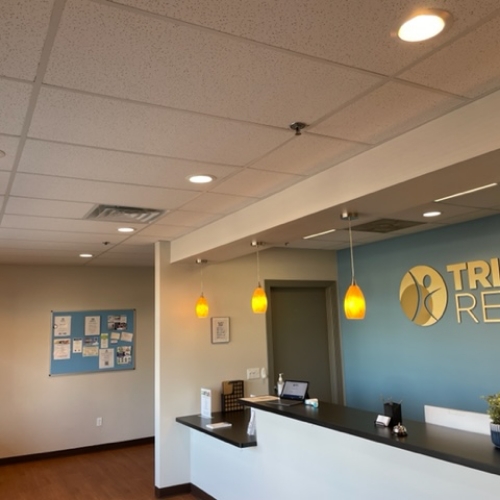
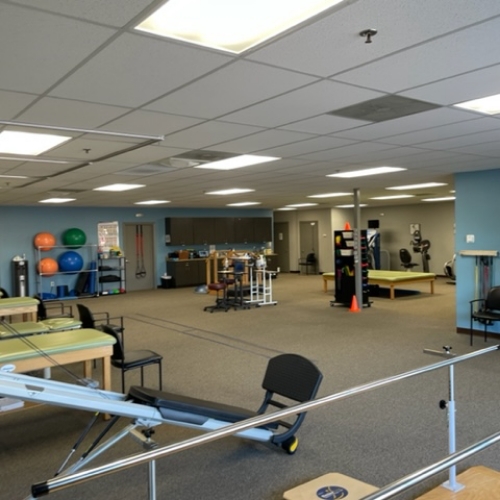
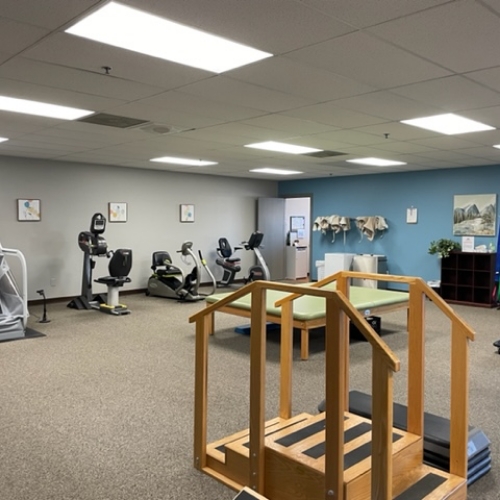
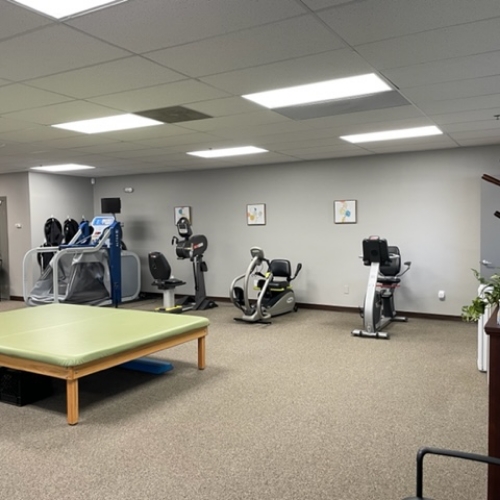
Inside Our Somerset Clinic
Frequently Asked Questions
Where can I get rotator cuff treatment in Somerset, NJ?
Do I need a doctor's referral for rotator cuff physical therapy in New Jersey?
How long does rotator cuff rehabilitation typically take?
Can physical therapy help me avoid rotator cuff surgery?
What should I expect at my first appointment in Somerset?
Take the First Step Toward Recovery
Shoulder pain does not improve by ignoring it — but it responds remarkably well to the right treatment at the right time. If a rotator cuff injury is keeping you from working comfortably at the hospital, enjoying Colonial Park’s trails, competing on the tennis court or golf course, cycling the D&R Canal towpath, or sleeping through the night, Trinity Rehab in Somerset is ready to help.
Schedule your appointment today and start your recovery with a team that knows this community. No referral needed — just a commitment to getting better. Learn more about our approach to shoulder pain relief or explore whether your injury may be related to a sports injury or work injury.
Start Your Recovery in Somerset Today
Don’t let shoulder pain hold you back. Schedule your evaluation at Trinity Rehab in Somerset and take the first step toward a stronger, pain-free shoulder.
Related Conditions & Treatments
Rotator cuff injuries are just one of the many conditions we treat at Trinity Rehab Somerset. Explore our full range of conditions we treat or learn more about specific treatment approaches:
What Our Patients Say



Sign up for free health tips and tricks