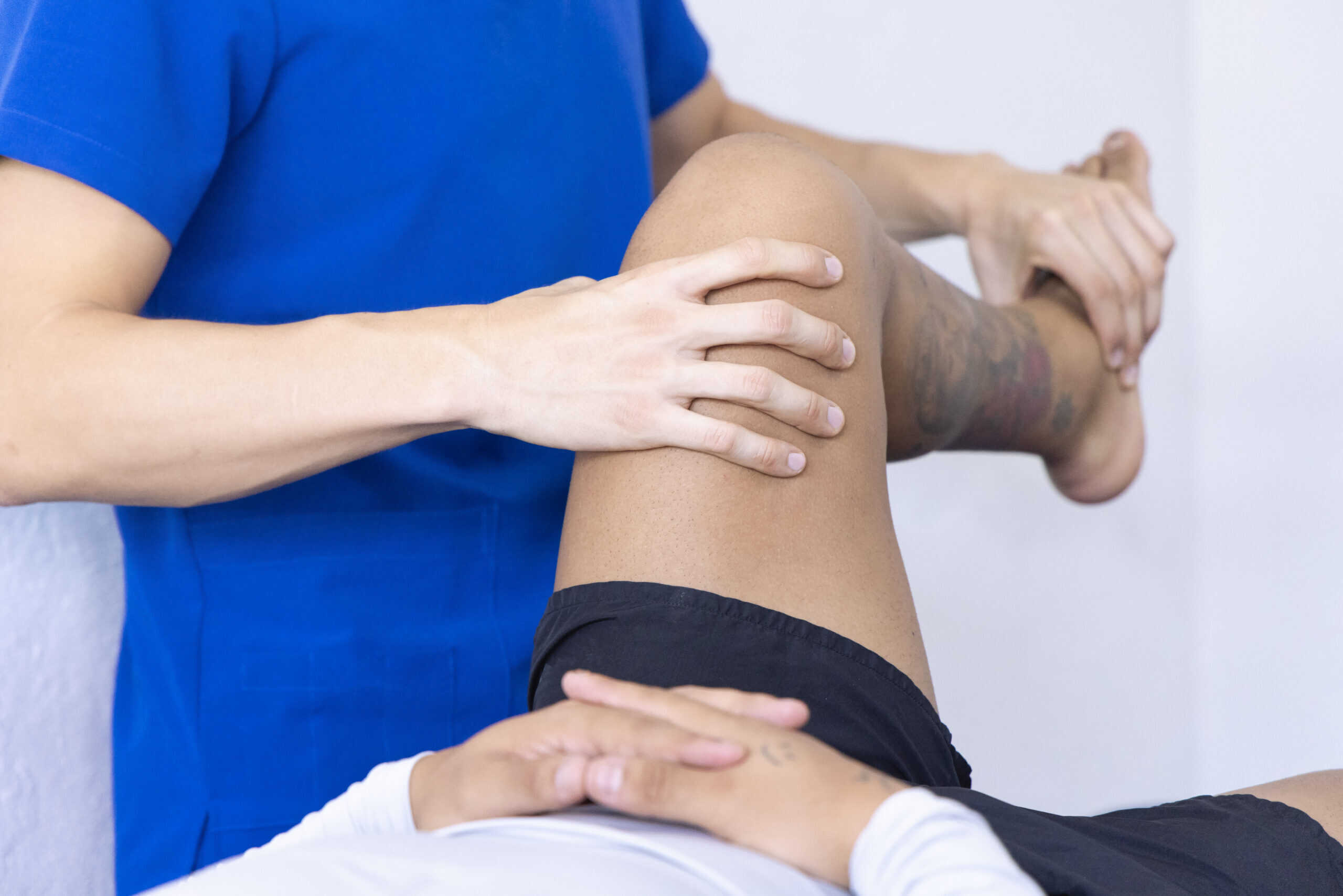
Knee Pain Treatment in Somerset, NJ: Physical Therapy for Central Jersey’s Diverse, Active Community
Somerset is a community built on movement — and on the people who keep showing up. Franklin Township’s Warriors have won multiple state championships in girls basketball and excel across track, football, and field hockey. Colonial Park’s 685 acres along the D&R Canal and Millstone River draws daily walkers, trail runners, cyclists, and anglers from across Somerset County. The Prologis warehouse and Catalent Pharma Solutions employ thousands in physical roles. The D&R Canal State Park extends for miles of running and cycling trails. And at the Fitness Factory and Crunch Gym, Somerset residents train seriously.
Knee pain cuts across all of it. For the Franklin High School point guard whose knee has been bothering her since preseason, the Colonial Park trail runner whose IT band has been screaming for weeks, the Prologis warehouse worker whose knee gives out on hard shifts, and the older Somerset resident managing arthritis that’s become harder to ignore — the path to relief runs through accurate diagnosis and targeted physical therapy.
At Trinity Rehab, we deliver that care one-on-one, with licensed therapists, advanced technology, and plans that are built for your knee and your life.
Who Gets Knee Pain in Somerset?
Franklin High School and youth league athletes. Franklin HS’s Warriors are no strangers to championships — multiple state titles in girls basketball, strong programs in track, football, and field hockey, and competitive rosters across the board. Franklin Township’s youth leagues add baseball, soccer, basketball, wrestling, and ball hockey to the athletic ecosystem. Basketball’s jump-landing and cutting demands, soccer’s pivoting and sprinting, and football’s collision forces are all leading contributors to adolescent knee injury: ACL and MCL tears, meniscus damage, patellar tendonitis, and patellofemoral syndrome.
Colonial Park trail runners and cyclists. Colonial Park offers one of Central Jersey’s best outdoor recreation settings: 685 acres encompassing the D&R Canal, Millstone River trails, fitness parcourse stations, soccer fields, and wooded paths. The nearby D&R Canal State Park extends the trail network further. Daily runners, cyclists, and walkers logging consistent mileage on these routes develop the full spectrum of repetitive-use injuries — IT band syndrome, runner’s knee, and stress-related cartilage wear. The flat canal towpath is kind to joints, but volume still accumulates.
Warehouse and logistics workers. Prologis Somerset is a major industrial presence in the area, and the broader Somerset Corporate Center and I-287 corridor represent significant logistics, manufacturing, and warehouse employment. Workers in these roles kneel, lift, carry, and stand on concrete surfaces for extended shifts. The accumulation of this physical demand over months and years produces bursitis, tendon irritation, and early osteoarthritis — injuries that compound if left untreated.
Life sciences and pharmaceutical professionals. Catalent Pharma Solutions, one of Somerset’s largest employers, employs professionals in manufacturing, quality, and laboratory roles that mix desk work with physical lab and production floor demands. The sit-stand-move patterns of pharmaceutical manufacturing create the same patellofemoral and IT band risks common across mixed sedentary-active work environments.
Fitness community. The Fitness Factory, Crunch Gym, Iron Peak’s pickleball and basketball programs, and Performance Sports Center all draw Somerset residents into structured exercise. Improper squatting mechanics, rapid increases in training load, and high-impact jump training are common setups for patellar tendonitis and patellofemoral syndrome in gym-going populations.
Somerset’s diverse adult population. With nearly equal representation across White, Black, and Asian residents, Somerset is one of Franklin Township’s most diverse communities. The community’s demographics — median age 40.9, with significant family and retiree populations — include a large and growing cohort managing knee osteoarthritis. Physical therapy is the most consistently effective conservative treatment for this condition across all demographic groups.
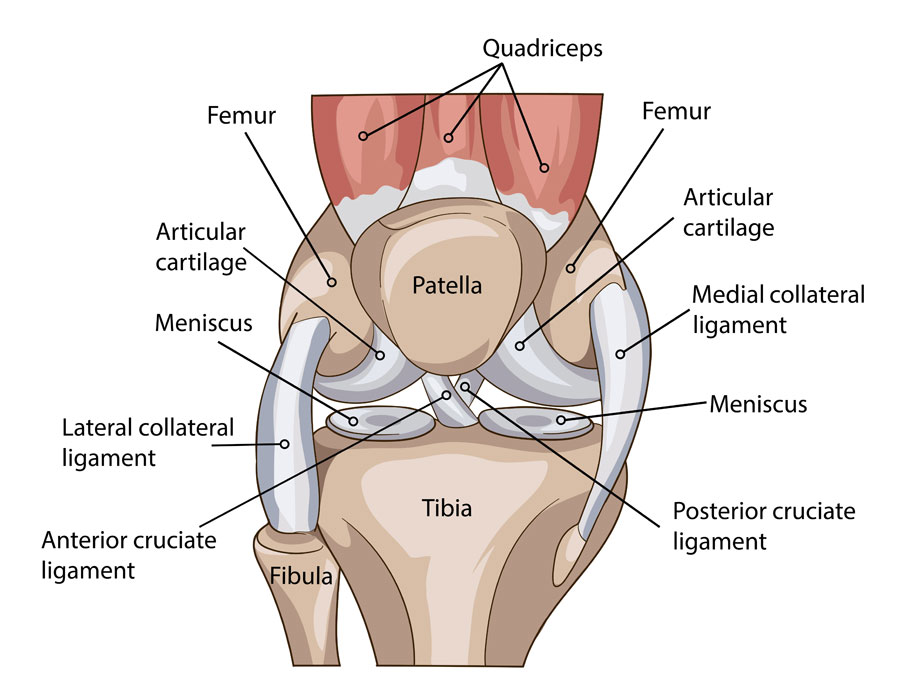
Knee Pain Conditions: From the Diagnosis to the Plan
At Trinity Rehab, every treatment begins with a one-on-one evaluation that identifies the specific structure driving your knee pain. Here’s what we most commonly find — and how we address it:
Osteoarthritis
Knee osteoarthritis (KOA) is the gradual breakdown of joint cartilage, most common in adults over 50 but increasingly seen in active adults in their 40s. While cartilage loss cannot be reversed, its effects can be meaningfully managed. Research in the European Journal of Medical Research confirms that exercise therapy and physical therapist-guided programs consistently improve pain and functional outcomes in KOA patients. Physical therapy strengthens the muscles that reduce joint load, improves movement mechanics that reduce wear patterns, and maintains the mobility needed for daily activity and recreation.
Many Somerset residents with advanced KOA — including those told they have “bone on bone” degeneration — find meaningful relief and delay or avoid knee replacement surgery through consistent physical therapy.
ACL and Ligament Injuries
ACL tears are among the most significant knee injuries in Franklin HS athletes and adult recreational players. Physical therapy is central to both non-operative management (for appropriate candidates) and post-surgical rehabilitation. A complete rehab program progresses through swelling management, strengthening, neuromuscular retraining, and sport-specific training — typically 9–12 months for surgical reconstruction in competitive athletes.
Meniscus Tears
Many meniscus tears — particularly degenerative tears in adults 40 and older — respond well to physical therapy without surgical intervention. Research increasingly supports non-operative management as a first-line approach for these tear types. Your Trinity Rehab therapist evaluates the tear pattern and symptom characteristics to give you an honest assessment of non-surgical success likelihood.
Runner’s Knee and Patellar Tendonitis
Patellofemoral syndrome (runner’s knee) produces anterior knee pain during running, stair climbing, and prolonged sitting — common among Colonial Park’s daily runners and Franklin HS cross country athletes. Patellar tendonitis (jumper’s knee) is frequent in basketball players and track athletes from repetitive explosive loading. Both conditions respond well to physical therapy focused on correcting hip mechanics, improving patellar tracking, and progressively loading the tendon.
Work-Related Knee Injuries
For Somerset’s warehouse workers and manufacturing employees, physical therapy addresses both the acute presentation and the underlying ergonomic contributors. Functional retraining — proper mechanics for kneeling, lifting, and sustained standing — is integrated into the treatment plan to support return-to-work and prevent recurrence.
Treatment Methods at Trinity Rehab
Manual Therapy
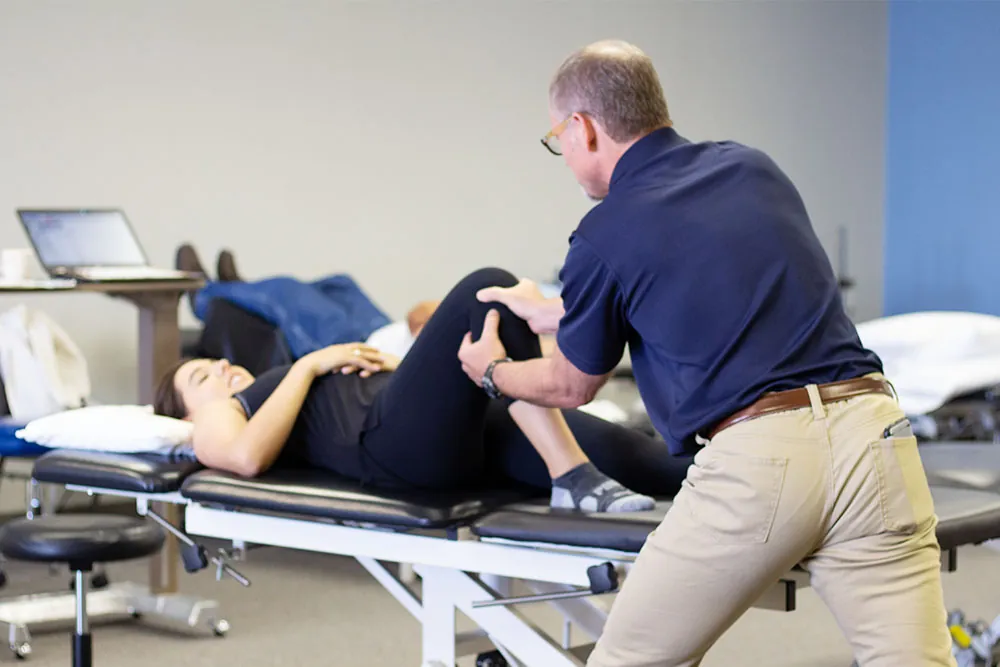
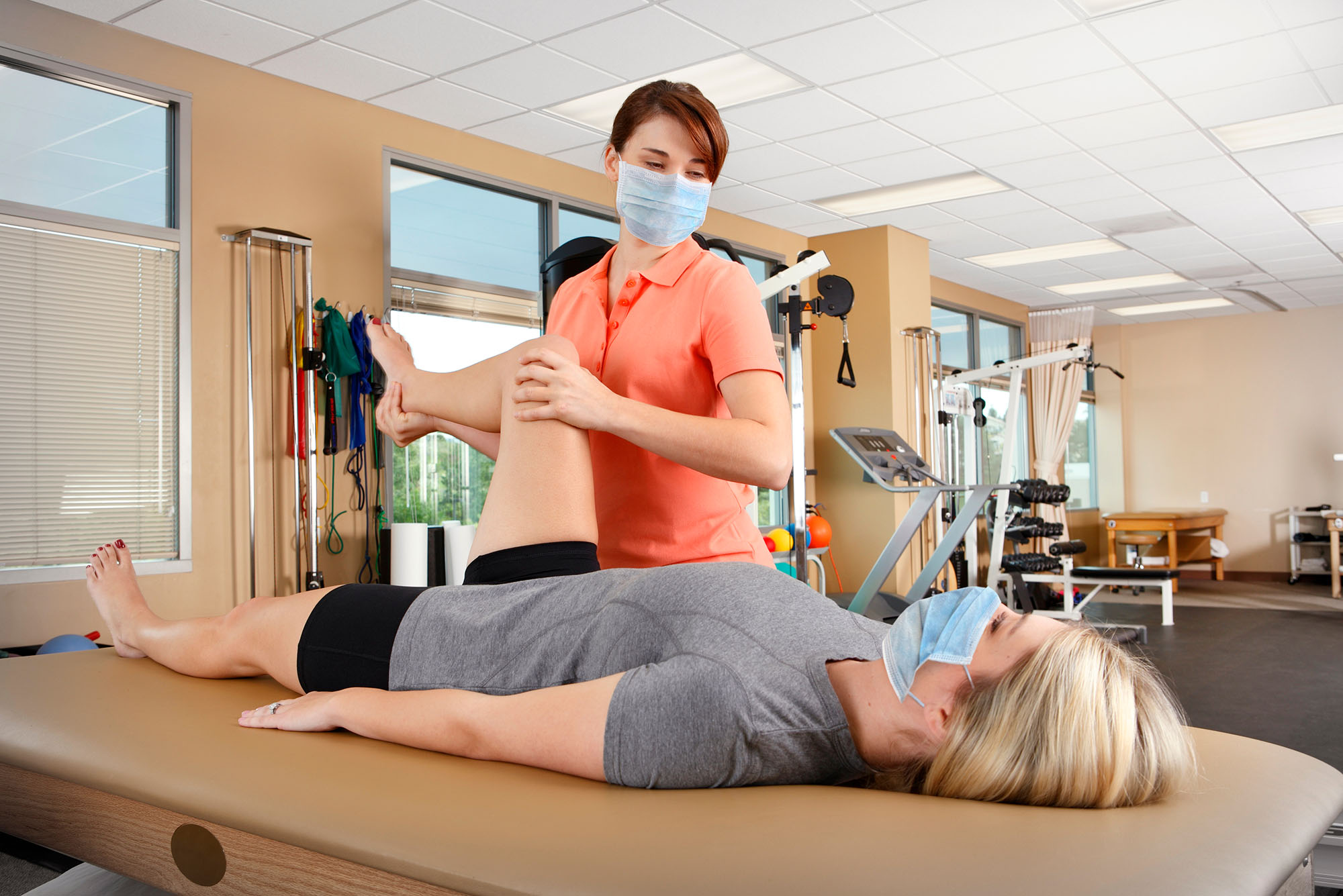
Your therapist applies hands-on joint mobilization, soft tissue release, and patellar mobilization directly to the knee and surrounding structures. Manual therapy reduces pain rapidly, restores joint mechanics, and prepares tissue for effective rehabilitation. It is the hands-on foundation of every treatment plan.
Progressive Strengthening
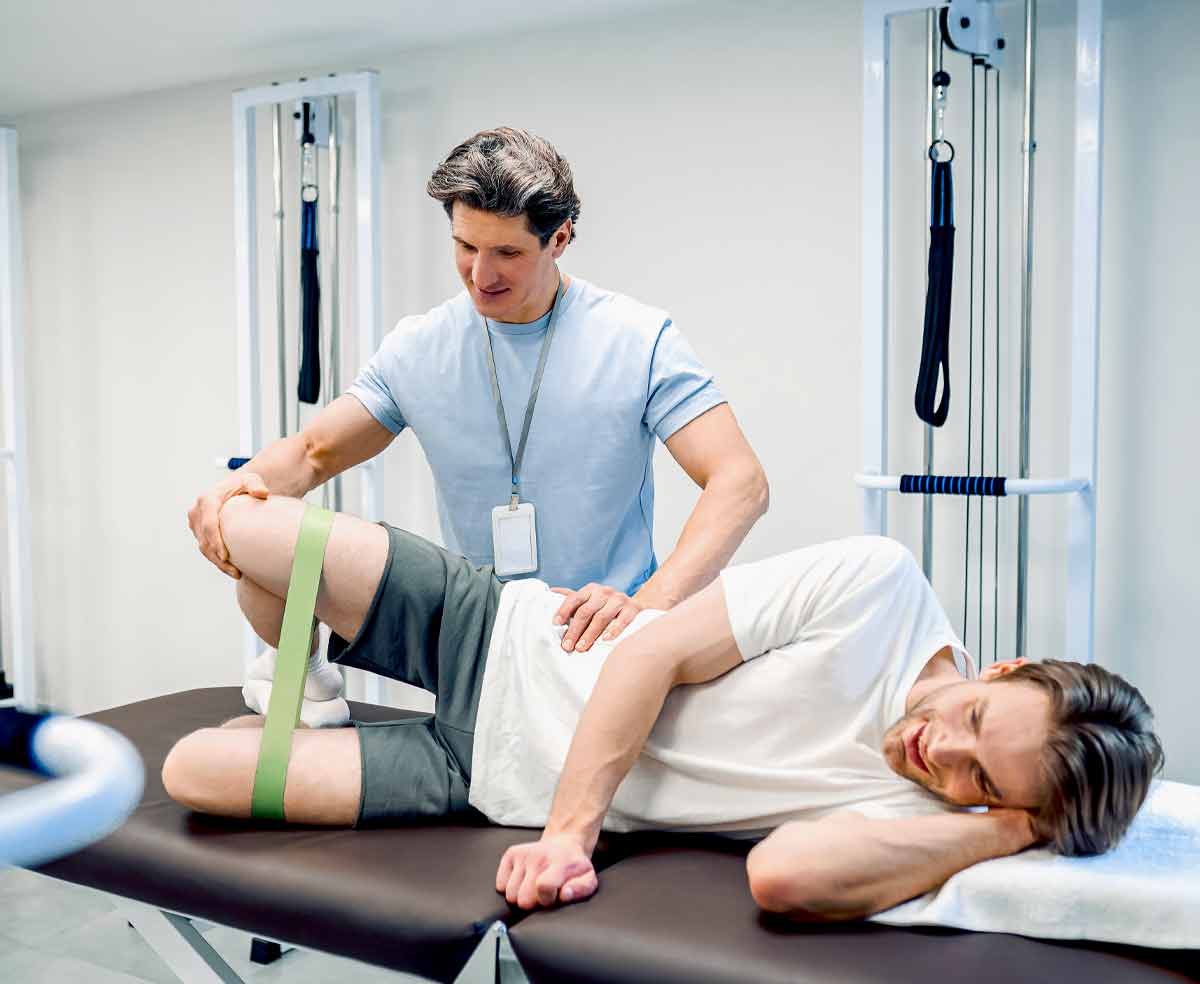
Quadriceps, hamstrings, glutes, and hip stabilizers are the muscles that absorb shock, protect cartilage, and stabilize the knee during every activity from trail running to warehouse lifting. Your therapist designs a progressive resistance program calibrated to your baseline — starting where you are and advancing as your capacity grows. NIH research confirms that combined hip and knee strengthening produces lasting pain reduction and functional improvement across knee diagnoses.
Neuromuscular Training
Balance drills, proprioception exercises, and functional movement retraining rebuild the reflex stabilization system that injury and chronic pain impair. For Franklin HS athletes returning from ACL reconstruction and for Somerset adults returning to recreational sports after time off, neuromuscular training is the phase that prevents re-injury.
EPAT Shockwave Therapy
Focused acoustic pulses stimulate blood flow, break down scar tissue, and accelerate healing in chronically irritated tendons. EPAT is especially effective for patellar tendonitis in Somerset’s basketball athletes and for IT band syndrome in Colonial Park’s distance runners — often resolving pain that has persisted despite rest and basic treatment.
Dry Needling
Trigger point release in the quadriceps, IT band, hip flexors, and posterior chain directly reduces the tension that loads the knee abnormally. Dry needling provides rapid pain relief and substantially improves movement quality — making subsequent strengthening exercises more effective and tolerated.
AlterG Anti-Gravity Treadmill
For post-surgical recovery, knee replacement rehabilitation, or return-to-running after significant injury, the AlterG enables walking and running mechanics training at a fraction of normal body weight. Somerset’s runners who’ve had to step back from Colonial Park mileage use the AlterG to maintain fitness and movement quality while the joint heals.
Why Somerset Residents Choose Trinity Rehab
One licensed therapist. Every session. Direct, individual care for every minute of every appointment — the standard that produces the best outcomes.
No referral needed. New Jersey’s direct access law allows you to schedule your evaluation today, without a physician’s order first.
All major insurance accepted. Benefits verified before your first appointment. No surprises.
Advanced technology. EPAT, dry needling, and the AlterG are available and integrated into care plans when clinically appropriate.
Conveniently located for Somerset and Franklin Township. Trinity Rehab serves the Somerset and Raritan Valley corridor. See all locations and request an appointment.
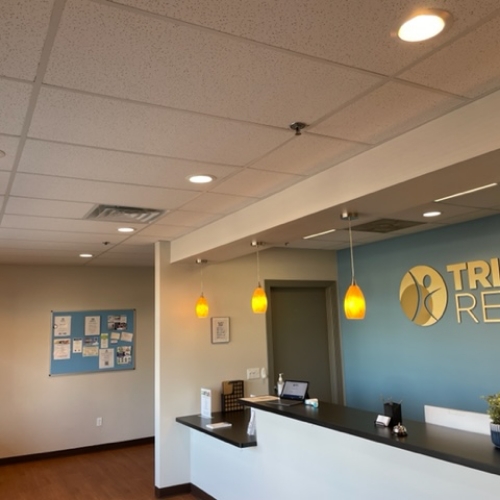
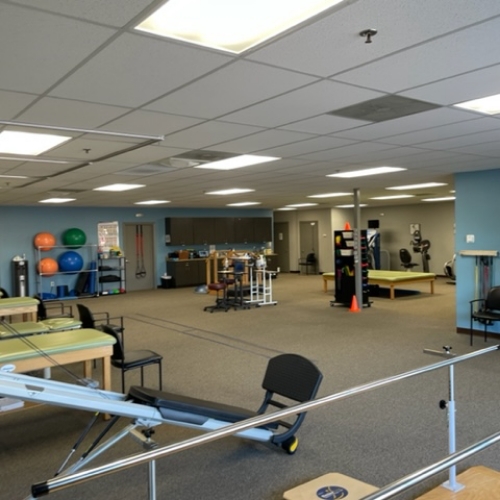
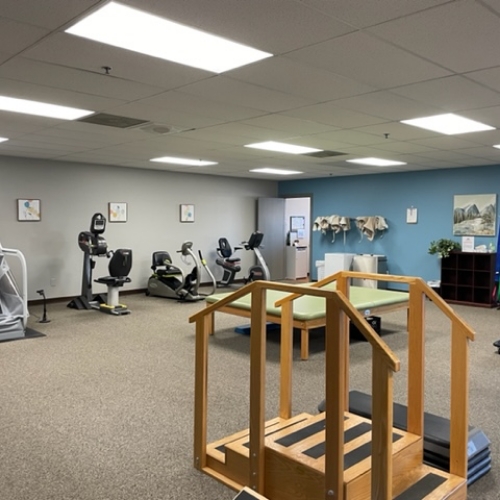
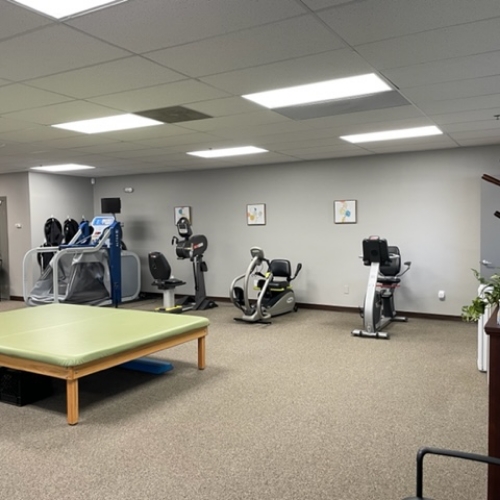
Inside Our Somerset Clinic
Related Conditions & Treatments
Knee pain is just one of the many conditions we treat at Trinity Rehab. Explore our full range of conditions we treat or learn more about specific treatment approaches:
Somerset Knee Rehab For Stairs, Walking, And Daily Confidence
Knee pain can make stairs, walking, exercise, work, and getting in and out of a car more difficult. Rehab should identify whether strength, mobility, balance, swelling, or movement mechanics are driving the issue.
Your therapist may assess knee motion, quad and hip strength, walking mechanics, balance, and activity tolerance. The plan can progress from symptom control to stronger, more confident movement.
Related Somerset care includes ACL rehab, meniscus tear rehab, and the Somerset clinic page.
Frequently Asked Questions About Knee Pain in Somerset
Somerset Knee Rehab For Stairs, Walking, And Daily Confidence
Knee pain can make stairs, walking, exercise, work, and getting in and out of a car more difficult. Rehab should identify whether strength, mobility, balance, swelling, or movement mechanics are driving the issue.
Your therapist may assess knee motion, quad and hip strength, walking mechanics, balance, and activity tolerance. The plan can progress from symptom control to stronger, more confident movement.
Related Somerset care includes ACL rehab, meniscus tear rehab, and the Somerset clinic page.
The Franklin HS Warriors program is competitive. How soon after a knee injury should my athlete start rehabilitation?
I run the Colonial Park trails three to four times a week. My outer knee has been getting progressively worse. What's likely happening?
I work at a Prologis warehouse and my knees hurt at the end of every shift. Is this a workers' compensation situation or something I handle myself?
Do I need an MRI before starting physical therapy?
Can physical therapy help if I've had a knee replacement?
Your Next Step
Somerset’s parks, gyms, fields, and trails will be there when you’re ready. At Trinity Rehab, we’ll make sure your knee is ready too — with one-on-one licensed care, advanced treatment tools, and a recovery plan built around your specific situation.
Related resources: Knee Pain Treatment Hub | Hip & Knee Pain Relief | Sciatica Treatment | EPAT Therapy | Sports Injuries



Sign up for free health tips and tricks