

Golfer’s Elbow Treatment in Somerset, NJ | Trinity Rehab
Somerset’s Diverse Community: When Elbow Pain Impacts Your Work and Wellness Goals
Somerset represents the modern heart of the pharma corridor—a thriving community in Franklin Township where families from all backgrounds build their lives. Whether you’re an engineer at J&J, a healthcare professional, a tech worker, or a family member who manages the household while working remotely, Somerset’s diverse population works hard and plays harder. The Colonial Park recreation areas, the beautiful golf courses like Quail Brook and Warrenbrook, and the strong sense of community mean that your health matters to your lifestyle.
Golfer’s elbow (medial epicondylitis) can disrupt this balance. For the hardworking Somerset professional, that inner elbow pain might start during your morning commute, intensify at your desk, and ache through your evening workout or weekend golf outing. You might notice your grip weakening, or that activities you used to do without thinking now trigger sharp pain. For many Somerset residents, this injury signals that something needs to change—and that’s where we come in.
Trinity Rehab understands Somerset’s fast-paced, health-conscious culture, and we’re equipped to help residents get back to their best selves.

Understanding Medial Epicondylitis: The Anatomy of Inner Elbow Pain
Your forearm is remarkable. It contains dozens of muscles, but a specific group called the flexor-pronator mass is responsible for gripping, flexing your wrist, and rotating your forearm. These muscles attach to the medial epicondyle—the bony bump on the inside of your elbow. When you use your forearm repetitively, these tendons can develop tiny tears, leading to inflammation and pain.
Golfer’s elbow is a form of tendinopathy—an overuse injury that develops over time. Here’s what distinguishes it:
Location: Pain is specifically on the inside (medial side) of the elbow, not the outside Mechanism: Repeated gripping, wrist flexion, and forearm rotation create cumulative stress Symptoms:
- Aching, burning pain on the inside of the elbow
- Weakness in grip strength and forearm control
- Pain that worsens with specific movements like gripping or twisting
- Numbness or tingling radiating into the wrist and hand
- Stiffness, especially in the morning or after activity
Unlike an acute injury (like a sudden sprain), golfer’s elbow builds gradually. You might ignore the mild discomfort for weeks before it becomes painful enough to impact your life. By the time you seek help, inflammation is established, and tissue quality has been compromised.
The good news: this is exactly what physical therapy is designed to address.
Who’s at Risk in Somerset: The Pharma Professional’s Injury
Somerset’s character is shaped by its working population. The concentration of pharmaceutical, healthcare, and tech professionals means medial epicondylitis affects more Somerset residents than you might expect:
The Pharma and Healthcare Workforce Somerset’s position in the pharma corridor means many residents work at facilities like J&J and Ethicon, where precision work, lab tasks, and equipment operation create repetitive strain. Even in modern, ergonomic facilities, the consistent demand on forearms throughout the day adds up. Healthcare professionals—nurses, therapists, technicians—face similar challenges.
Tech and Professional Services Workers With significant tech industry presence, Somerset has many remote workers and office-based professionals. Keyboard work, mouse usage, and the constant low-level grip tension of computer work creates exactly the conditions that provoke medial epicondylitis. Combine that with a daily commute and evening activities, and the cumulative load on your flexor tendons is substantial.
Active, Health-Conscious Demographics Somerset’s South Asian community and diverse population tend to emphasize wellness and fitness. Regular gym attendance, sports participation, and recreational activities (like the golf courses at Quail Brook and Warrenbrook) are part of Somerset culture. This activity is healthy, but it increases injury risk for those with compromised tendons.
Home and Family Responsibilities Many Somerset residents balance work with active home management. That means cooking, cleaning, home repairs, and childcare—all activities involving gripping, lifting, and repetitive forearm motion. The cumulative load throughout the day (work + commute + home) creates perfect conditions for tendon overload.
Age and Career Stage Somerset’s established professional population tends to be in their 30s through 50s—prime years for both career intensity and the biological reality that tissues recover slower than in youth. You’re working harder than ever, but your body’s recovery capacity has changed.
Commute Stress If you commute to J&J’s New Brunswick campus, other pharma facilities, or tech hubs in the region, you’re adding hours of gripping the steering wheel weekly. This sustained low-level strain, combined with work demands, creates cumulative forearm stress.
The profile of a Somerset resident at risk for golfer’s elbow: someone balancing career ambitions, family responsibilities, and personal wellness—someone who pushes hard and expects their body to keep up. If that’s you, you’re at higher risk than you might think.
How Trinity Rehab Somerset Treats Golfer’s Elbow
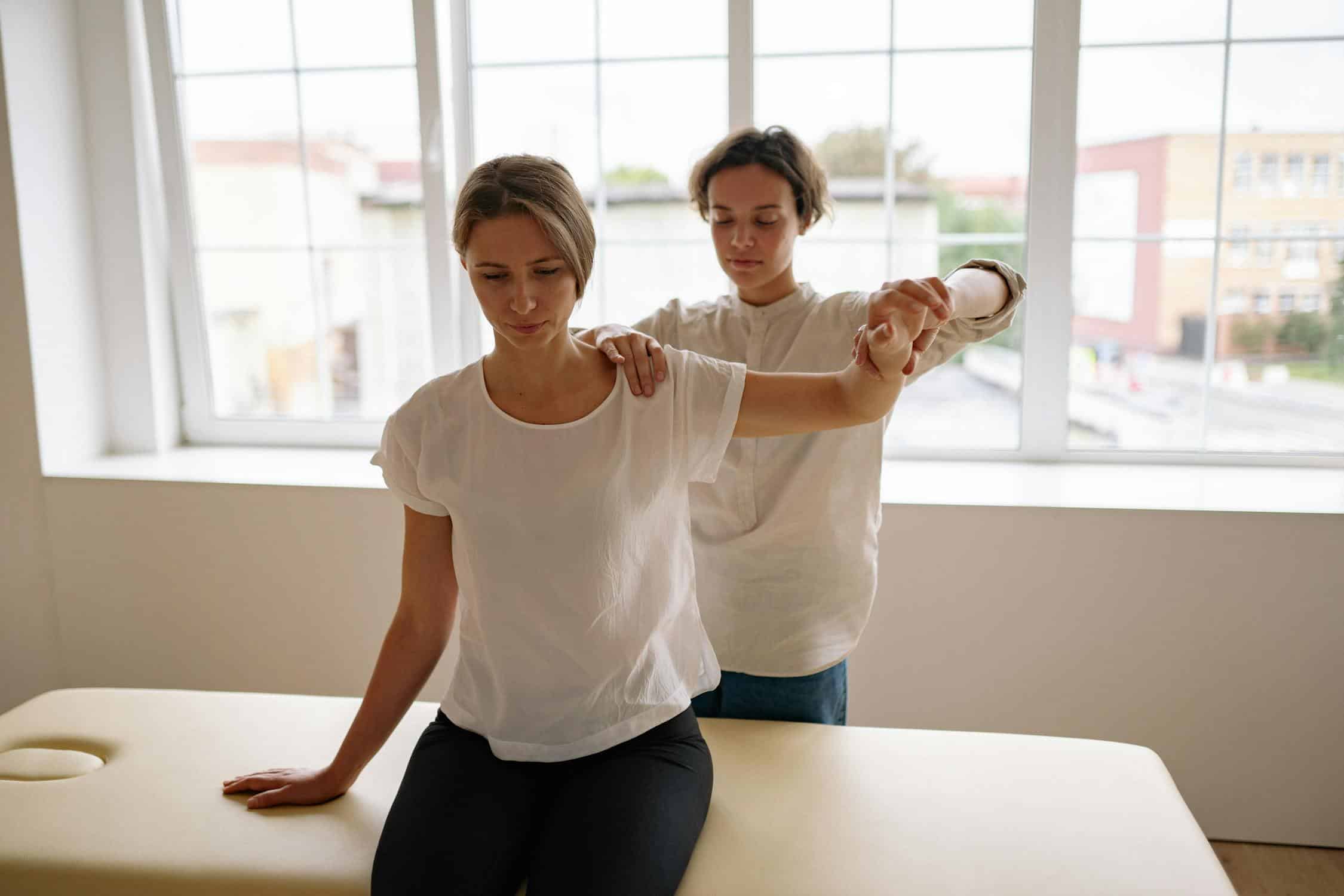
At Trinity Rehab, we treat golfer’s elbow with the same sophistication and precision Somerset professionals expect from their healthcare.
Comprehensive Initial Evaluation Your first appointment isn’t a quick check-in; it’s a detailed assessment. We’ll examine your elbow, wrist, and shoulder. We’ll test your grip strength, range of motion, and pain patterns. We’ll ask about your work, your hobbies, your goals. This information shapes your entire treatment plan.
Phase 1: Inflammation Management and Pain Relief Early treatment focuses on reducing the inflammatory cascade and relieving pain. We use:
- Manual therapy to release tension in the flexor-pronator group
- Dry needling to target trigger points and stimulate healing
- Activity modification strategies so you can continue working without aggravating the injury
- Evidence-based modalities (ice, compression, as appropriate)
- Patient education on how to protect your elbow while staying active
Phase 2: Strengthening and Tissue Remodeling Once acute pain settles, we rebuild the strength and resilience of the damaged tendons. This is where many people see the most dramatic progress. We’ll teach you:
- Progressive grip strengthening exercises
- Eccentric exercises (where you lengthen the muscle under load)—these are particularly effective for tendon injuries
- Wrist and forearm mobility work
- Functional exercises that mimic your daily activities
Phase 3: Return to Full Function By this phase, your elbow is strong and ready for the demands of your life. We’ll progress you back to work tasks, fitness activities, sports, and whatever matters to you—but smartly, with proper form and continued prevention strategies.
Advanced Treatment Options If your golfer’s elbow hasn’t responded adequately to conventional therapy, Trinity Rehab offers EPAT (Extracorporeal Pulse Activation Technology). This non-invasive treatment uses acoustic waves to stimulate healing in stubborn tendons—particularly valuable for chronic cases.
Throughout treatment, you’ll work one-on-one with your therapist. There’s no high-volume clinic model here; you get personal attention, progression based on your specific response, and advocacy for your recovery.
What to Expect During Treatment
Your treatment journey typically follows a predictable arc:
Weeks 1-2: Foundation Setting You’ll attend 2-3 sessions per week. Initial pain management begins immediately. You’ll learn how to modify your activities—not eliminate them, but adjust them so you can work and function while healing. You might feel frustrated by limitations, but this phase prevents the injury from becoming chronic.
Weeks 3-6: Early Strengthening Wins Expect noticeable pain reduction. You’ll begin light strengthening exercises—nothing that recreates the original pain, but enough to stimulate healing. Grip strength might start improving. Activities that hurt before become increasingly tolerable.
Weeks 7-12: Progressive Challenge Your exercises increase in intensity. Your activities expand. You’ll feel stronger, more capable, and increasingly confident. Many people feel “almost back to normal” during this phase.
Weeks 13+: Sport and Work Return This phase is customized to your goals. If you golf regularly, we’ll reintroduce the full swing. If you need full work capacity, we’ll progress your activities back to pre-injury demands. This phase might extend 4-8 weeks depending on your specific goals.
Full recovery typically takes 8-14 weeks from start to finish, depending on how long you’ve had the injury and how consistently you follow your home exercise program.
Prevention Tips for Somerset Residents
Once you’ve recovered from golfer’s elbow, preventing recurrence is crucial. Here’s how to protect your elbow while maintaining your Somerset lifestyle:
For the Office-Based Professional
- Optimize your workstation ergonomics: monitor at eye level, keyboard at elbow height, mouse close to your body
- Use a vertical or ergonomic mouse if you’re doing extensive computer work
- Take a movement break every 60 minutes—stand, stretch, walk
- Be mindful of grip tension throughout the day; your mouse and keyboard don’t need a death grip
- Consider a wrist rest or ergonomic support if your job is particularly demanding
For the Fitness Enthusiast
- Include forearm and wrist strengthening in your regular routine
- Warm up properly before workouts; your muscles need mobility and blood flow
- Progressive loading is key; don’t jump to heavy weights suddenly
- Eccentric exercises are your friend—they strengthen tendons more effectively than concentric work alone
- Don’t neglect mobility work; tight forearm muscles increase injury risk
For the Weekend Golfer
- Get a swing analysis from your pro at Quail Brook or Warrenbrook to ensure technique isn’t creating excessive strain
- Warm up before play—at least 10 minutes of light activity
- Condition year-round; off-season strengthening prevents in-season injury
- Don’t hit balls excessively, especially early in the season
- Use proper grip technique; let your technique create power, not arm strength alone
Commute Management
- Be aware of how you’re gripping the steering wheel; keep it relaxed
- Take breaks on longer commutes; step out and stretch
- If you’re sitting in traffic, practice preventive stretching
General Wellness
- Maintain overall fitness and strength; healthy muscles recover faster
- Stay hydrated and get adequate sleep; tissue repair happens during recovery
- Listen to your body; mild discomfort is a signal to modify activity, not push through
- Address pain early; waiting until it’s severe means longer recovery

Related Conditions & Treatments
Golfer’s elbow often accompanies or overlaps with other conditions. Trinity Rehab treats a wide range of musculoskeletal conditions:
Related Elbow Care At This Location
Elbow pain patterns can overlap depending on grip, lifting, racquet sports, work tasks, and tendon load. A related same-location page is:
Frequently Asked Questions About Golfer’s Elbow in Somerset
Can I keep working while being treated for golfer's elbow?
Is there a connection between my office job and golfer's elbow?
I've had this pain for six months. Will physical therapy still help?
How is Trinity Rehab's approach different from just icing and resting at home?
Can I return to my fitness routine during recovery?
Getting Started: Your Path to Recovery in Somerset
Your golfer’s elbow doesn’t have to be a permanent part of your Somerset story. Whether you work in the pharma corridor, balance a demanding tech job, or simply want to return to your fitness routine and golf outings, Trinity Rehab is here to help.
Ready to start feeling better?
Contact Trinity Rehab’s Somerset location to schedule your evaluation. Our team will assess your condition, explain what’s happening in your elbow, and create a personalized treatment plan aligned with your goals and lifestyle.
You don’t have to live with this pain. Get back to your work, your fitness, your golf. Book Your Appointment Today
Visit Trinity Rehab in Somerset
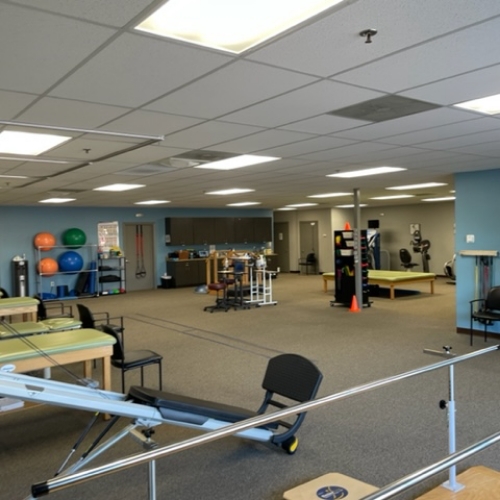
Our Somerset clinic is conveniently located at 84 Veronica Ave, Somerset, NJ 08873. Call us at (732) 783-5597 to schedule your golfer’s elbow evaluation today.