
PLANTAR FASCIITIS TREATMENT IN SHREWSBURY, NJ
Shrewsbury lives large for a four-square-mile borough. Jersey Shore Running Club members log miles on local roads. Tennis players rally at the New Shrewsbury Racquet Club. Youth athletes fill Manson Park for soccer, baseball, and flag football. And thousands commute to New York City via Red Bank or Little Silver rail, or the Highlands ferry — often in footwear designed for looks, not biomechanics.
In a borough with a median age of 43 and an active lifestyle culture, plantar fasciitis is a common disruption — the heel pain that turns the morning commute walk miserable, the ache after a JSRC long run you’ve been ignoring, the stiffness after a Manson Park afternoon.
Trinity Rehab treats plantar fasciitis in the Shrewsbury area with a genuinely personalized approach — identifying your specific risk factors, addressing the root causes, and getting you back to the activities that matter.
UNDERSTANDING PLANTAR FASCIITIS
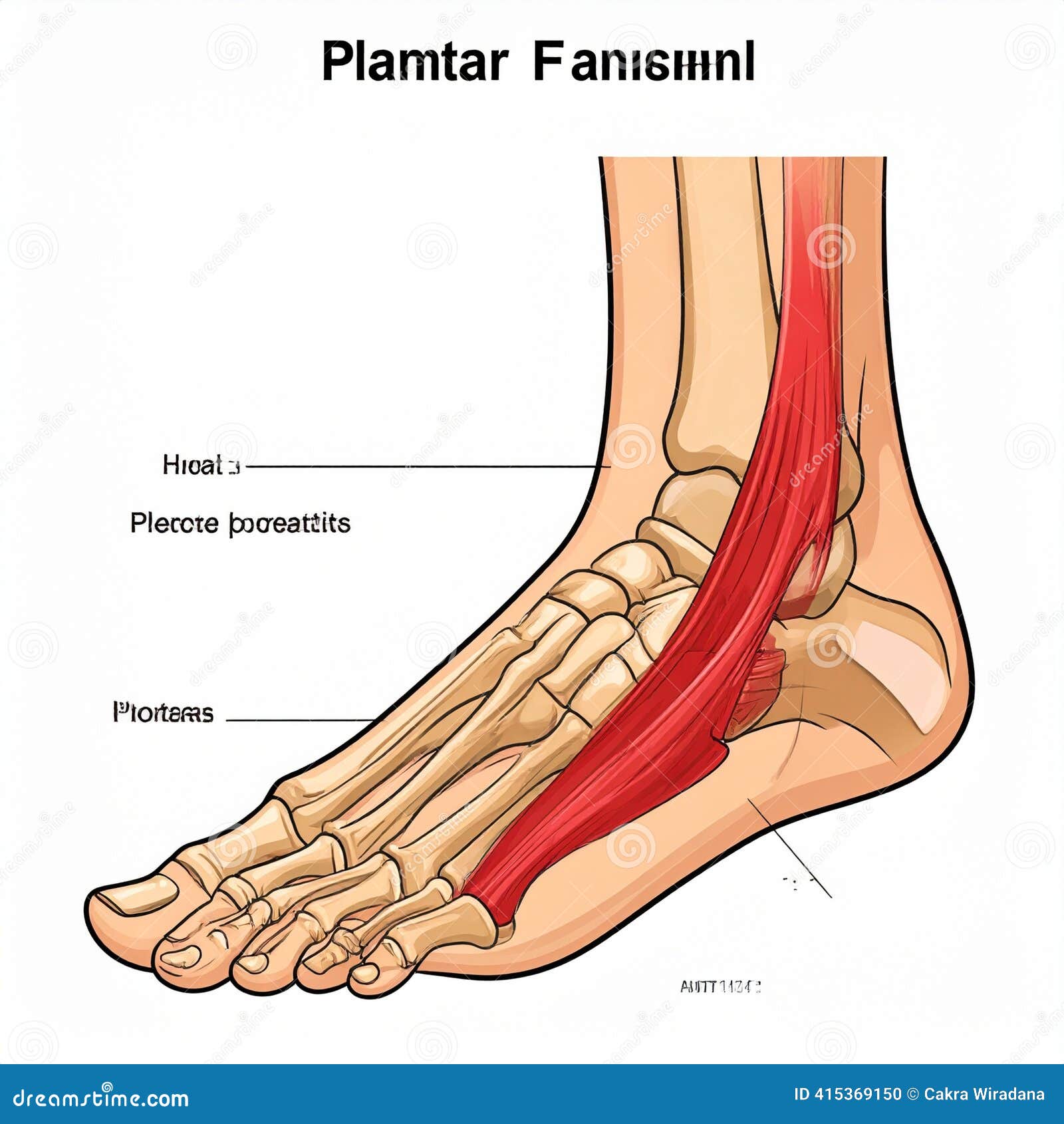
The plantar fascia is a broad band of connective tissue running along the underside of your foot, bridging the calcaneus (heel bone) to the forefoot. It serves as both an arch-support structure and a load-transmitting spring — essential to the mechanical efficiency of every step. Under normal conditions, the fascia absorbs and releases energy seamlessly. Under conditions of chronic overload, however, micro-tears accumulate in the tissue faster than the body can repair them.
The inflammation that follows produces the condition’s signature symptom: stabbing heel pain that is worst with the first steps of the morning, then eases as the tissue warms through activity, only to return after the next period of rest. The fascia contracts overnight, and the abrupt stretch of initial weight-bearing creates an acute pain response — often described as stepping onto a nail or sharp stone — that is immediately recognizable to anyone who has experienced it.
Untreated, plantar fasciitis tends to worsen into plantar fasciopathy — a degenerative state where tissue thickens and loses elasticity, far more resistant to conservative care. The American Academy of Orthopaedic Surgeons estimates 2 million Americans seek treatment annually.
RELATED CONDITIONS & TREATMENTS
Plantar fasciitis is just one of the many conditions we treat at Trinity Rehab Shrewsbury. Explore our full range of conditions we treat or learn more about specific treatment approaches:
WHY SHREWSBURY RESIDENTS DEVELOP HEEL PAIN
Shrewsbury’s lifestyle and professional demographics create specific patterns of fascial stress:
The Jersey Shore Running Club — The JSRC is one of New Jersey’s largest running clubs, with active Shrewsbury members training on local roads year-round. Hard-surface running in shoes past their mileage places repetitive load on the plantar fascia, and runners who ramp quickly ahead of a race are prime plantar fasciitis candidates.
NYC commuting patterns — Many Shrewsbury residents commute via Red Bank and Little Silver rail, the Highlands ferry, or Route 35. The combination of sedentary transit time followed immediately by walking on hard platform surfaces creates a cold-to-loaded stress pattern for the plantar fascia that repeats hundreds of times per year — typically in shoes that prioritize dress codes over foot health.
New Shrewsbury Racquet Club tennis and pickleball — Tennis involves repeated lateral cuts, quick stops, and explosive push-offs that concentrate significant force at the heel-fascia attachment. Pickleball — which has exploded in participation across Shrewsbury’s demographic — involves similar quick directional changes on hard court surfaces. Players who spend multiple sessions per week on these surfaces without adequate foot conditioning and proper court shoes accumulate fascial stress that can tip into injury.
Youth sports at Manson Park — Manson Park’s baseball, softball, and soccer fields are home to Shrewsbury Recreation’s youth leagues. Youth soccer and flag football in particular involve repetitive sprinting and cutting on grass and field surfaces. Young athletes who train intensively without adequate footwear or recovery time can develop plantar fasciitis — a condition sometimes dismissed in kids and teens when it deserves prompt treatment.
Healthcare employment nearby — Hackensack Meridian Riverview Medical Center in Red Bank and RWJ Barnabas Monmouth Medical Center in Long Branch are within commuting distance of Shrewsbury and employ many residents in clinical roles. Like all healthcare workers, these employees spend extended shifts on hard hospital floors — a significant occupational driver of plantar fasciitis that often goes unaddressed because the work itself demands continued activity through early symptoms.
Walking to the Shrewsbury Historic District and local activities — The Four Corners area, with its historic Allen House, Christ Church (1702), and Presbyterian Church, draws residents and visitors for walking tours and community events. Casual walking on historic brick and stone surfaces in unsupportive footwear is a smaller but real contributor to fascial stress — particularly for residents who are already slightly symptomatic.
THE SYMPTOM PATTERN TO WATCH FOR
Most Shrewsbury patients who seek treatment describe a progression: mild morning heel discomfort that they initially dismiss, which gradually becomes more severe over weeks, until the first steps out of bed each day are genuinely painful and the walk from the car to the train platform or office is something they dread.
Key plantar fasciitis symptoms include:
- First-step morning pain — Intense heel pain with the initial weight-bearing steps after waking. Concentrated at the inner base of the heel. Eases within minutes as the tissue warms, then recurs with each subsequent period of rest.
- Post-rest flares throughout the day — Rising from a seated position — desk chair, car seat, train seat — triggers a shorter version of the morning pain throughout the day.
- Localized heel tenderness — Pressing on the inner-bottom aspect of the heel reproduces the exact pain. This specificity distinguishes plantar fasciitis from other heel conditions.
- Arch tightness and fatigue — A shortened, rope-like sensation along the foot’s arch, most pronounced after long runs or extended standing.
- Pain after — not during — running — JSRC members often notice that heel pain builds in the evening hours after a run, not during the run itself. This delayed response reflects the inflammatory cycle triggered by tissue loading.
- Gait changes and secondary pain — Limping, toe-walking, or shortening stride creates compensatory stress in the knee, hip, and lower back that can develop into independent pain problems.
PHYSICAL THERAPY TREATMENT: A TOPIC-BASED APPROACH
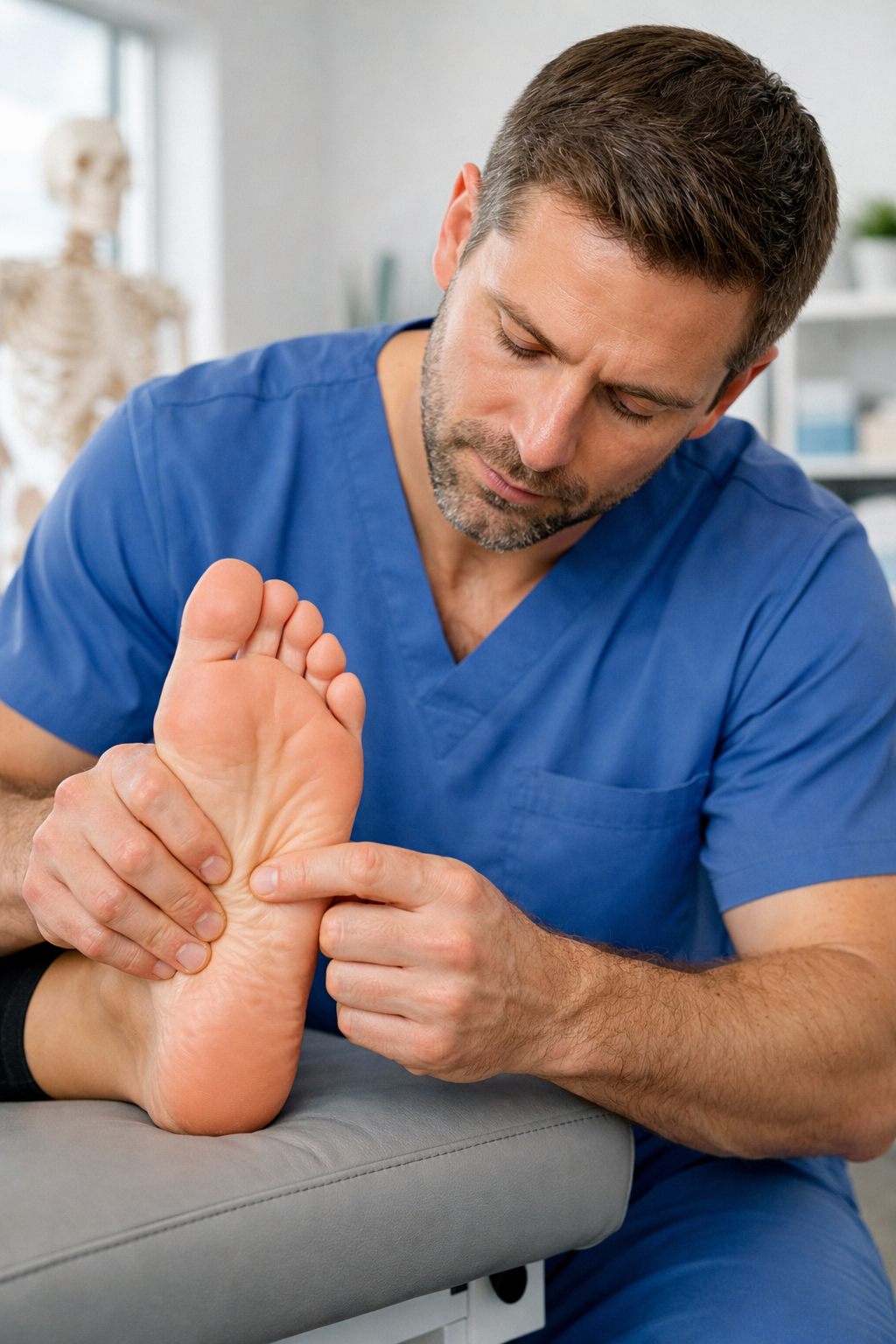
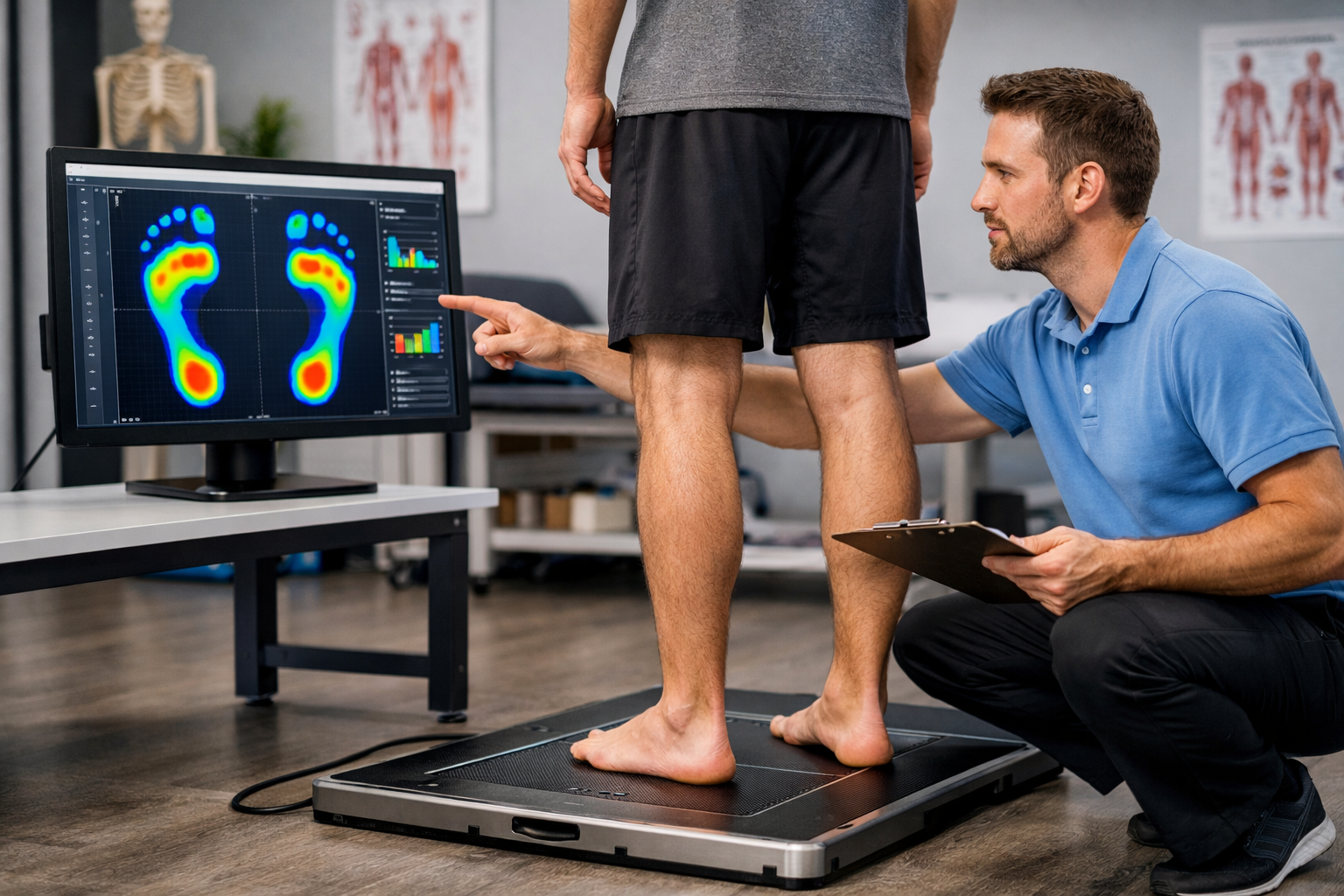
Trinity Rehab’s Shrewsbury-area physical therapists evaluate every patient as an individual. A full biomechanical assessment — covering gait mechanics, ankle range of motion, calf flexibility, foot arch dynamics, and lower extremity strength — informs a treatment plan that is specific to your situation, not drawn from a generic protocol.
MANUAL THERAPY
Manual therapy is the backbone of effective plantar fasciitis treatment. Hands-on ankle and subtalar joint mobilization restores dorsiflexion range of motion, which is the single most important factor in reducing the mechanical strain on the plantar fascia during walking and running. Instrument-assisted soft tissue mobilization (IASTM) addresses adhesive tissue along the fascia and calf structures. Myofascial release targets trigger points in the gastrocnemius, soleus, and Achilles tendon region that maintain chronic tension through the fascial chain. Clinical evidence for this approach is robust — the Journal of Orthopaedic & Sports Physical Therapy’s 2023 clinical practice guideline revision specifically endorses combined joint mobilization and stretching over stretching alone.

TARGETED STRETCHING
Your stretching program is constructed around your specific mobility deficits. The plantar fascia-specific stretch — extending the toes before weight-bearing each morning, held 30 seconds for three repetitions — is a cornerstone intervention for morning first-step pain. Gastrocnemius and soleus stretching programs (wall stretches, step-drop stretches) address the calf tightness that so reliably amplifies heel strain. For JSRC runners, Achilles tendon mobilization and dynamic stretching are integrated to address the kinetic chain relationship between the calf and fascia.
ECCENTRIC LOADING AND STRENGTHENING
Building load tolerance in the plantar fascia requires progressive mechanical loading — not avoidance. Eccentric heel-drop exercises, performed slowly over a step edge, systematically challenge the fascia and tendon to adapt to increasing demands. Intrinsic foot muscle strengthening (short-foot exercises, towel scrunches, single-leg balance work) rebuilds the internal arch support structures. For tennis and pickleball players at the New Shrewsbury Racquet Club, lateral agility loading is incorporated to prepare the foot for the court-specific demands of their sport.
EPAT SHOCKWAVE THERAPY
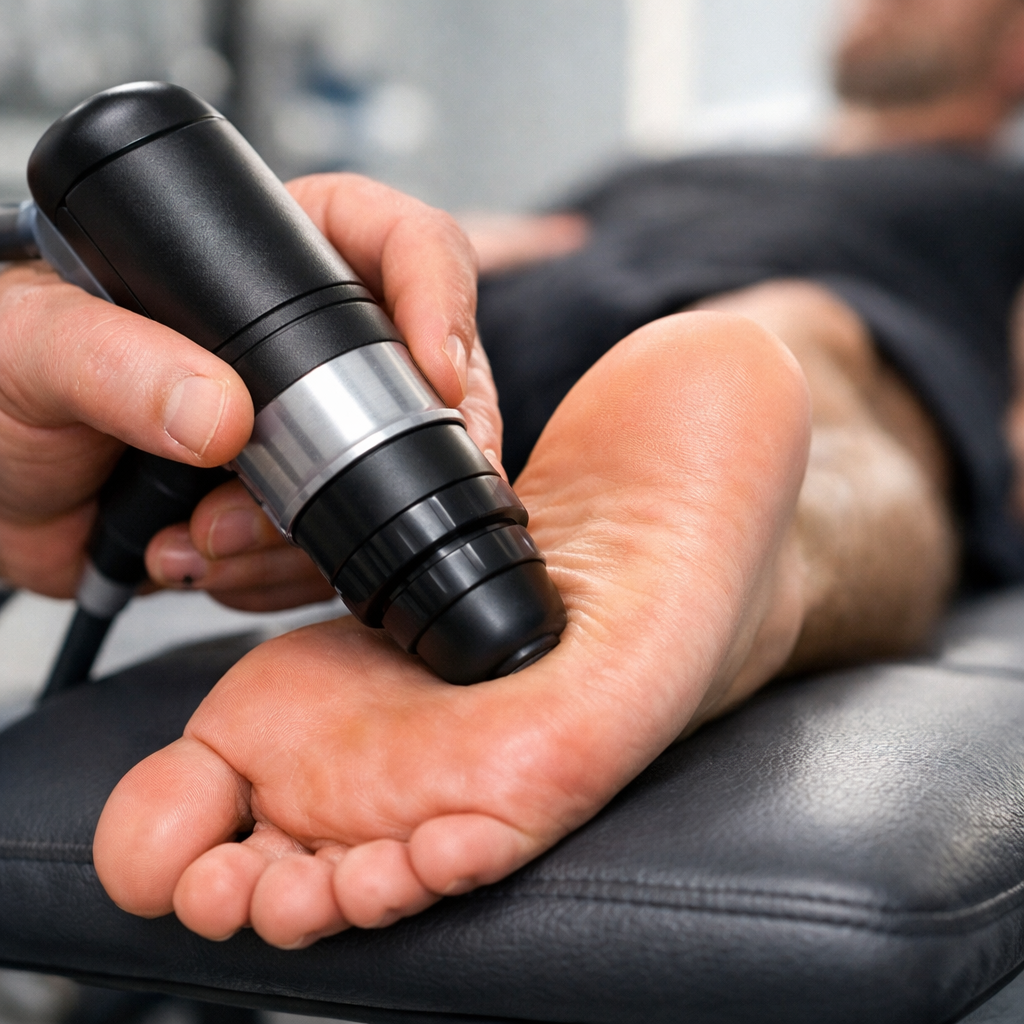
For Shrewsbury runners and commuters who have been dealing with plantar fasciitis for three months or more, EPAT (Extracorporeal Pulse Activation Technology) provides a powerful path to healing in tissue that conventional care has been unable to fully resolve. High-energy acoustic pressure waves stimulate neo-vascularization and cellular repair in chronically damaged fascial tissue, breaking the failed-healing cycle of chronic plantar fasciopathy. The Mayo Clinic endorses shockwave therapy for recalcitrant cases, and Trinity Rehab provides this treatment without requiring a separate specialist referral.
DRY NEEDLING
Dry needling targets the myofascial trigger points in the calf complex and foot intrinsics that perpetuate fascial overload. For JSRC runners with chronically tight calves and Achilles tendons, dry needling provides a level of deep tissue release that stretching and massage cannot achieve — creating measurable improvement in ankle dorsiflexion and immediate reduction in heel pain. Fine filament needles are inserted into specific trigger points, provoking a local twitch response that releases the contracted tissue.
FOOTWEAR AND ORTHOTIC EVALUATION
A significant proportion of plantar fasciitis cases in Shrewsbury are driven or sustained by inadequate footwear — whether that’s commuter dress shoes worn on the station platform, fashion sneakers used for recreational walking, or running shoes that have logged more miles than their midsoles can support. Your Trinity Rehab therapist will evaluate everything you put on your feet and recommend targeted changes. For patients with structural foot issues (overpronation, flat feet, high arches), custom orthotics can provide the biomechanical correction that makes lasting recovery possible.
PREVENTION: PROTECTING YOUR HEELS IN SHREWSBURY
- Replace running shoes by mileage — Replace JSRC training shoes every 300–500 miles. Midsole compression fails silently; don’t wait for the upper to show wear.
- Commute in supportive footwear — The daily Red Bank or Little Silver platform walk in dress shoes adds up. Walk to the station in cushioned, supportive shoes and change at the office.
- Warm up before racquet sports — Two minutes of calf raises and ankle circles before hitting the New Shrewsbury Racquet Club courts reduces cold-tissue fascial loading.
- Don’t dismiss children’s heel pain — Manson Park youth athletes with persistent heel pain may have Sever’s disease — treatable with physical therapy, not something to push through.
- Stretch daily — Two minutes of calf and plantar fascia stretching each morning protects the fascia whether you’re currently symptomatic or not.
WHY SHREWSBURY PATIENTS CHOOSE TRINITY REHAB
Shrewsbury values quality care. Trinity Rehab’s one-on-one model means your licensed physical therapist is with you every session — evaluating, adapting, and applying hands-on treatment that generic programs cannot replicate.
We accept most major insurance plans, require no physician referral, and offer scheduling flexibility for commuters, shift workers, and busy families. View all conditions we treat or explore foot and ankle pain treatment specifically.
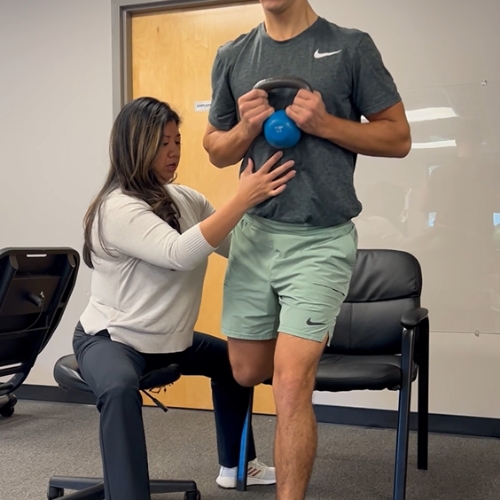
Inside Our Shrewsbury Clinic
FREQUENTLY ASKED QUESTIONS
Where can I get plantar fasciitis treatment in Shrewsbury, NJ?
I’m a regular JSRC runner — will I have to stop running completely?
Is plantar fasciitis the same as Sever’s disease in children?
How do I know when to seek treatment rather than waiting?
What should I wear to my first Trinity Rehab appointment?
READY TO RUN PAIN-FREE IN SHREWSBURY?
Whether it’s your JSRC route, the station walk, the New Shrewsbury Racquet Club courts, or a stroll through the Four Corners historic district — heel pain shouldn’t change how you live in Shrewsbury. Trinity Rehab’s team is ready.
No physician referral needed. Most major insurance plans accepted.
Sources: Journal of Orthopaedic & Sports Physical Therapy — Clinical Practice Guidelines, Heel Pain/Plantar Fasciitis 2023 | Mayo Clinic — Plantar Fasciitis | American Academy of Orthopaedic Surgeons — Plantar Fasciitis and Bone Spurs | NIH/PMC — Management of Plantar Fasciitis in the Outpatient Setting
What Our Patients Say