
Osteoarthritis Treatment in Shrewsbury, NJ
Shrewsbury Borough sits at a busy crossroads of northern Monmouth County — close enough to the Jersey Shore for weekend beach trips, yet squarely in commuter territory for those making the daily trek toward Red Bank, Eatontown, or even Manhattan. It is a small, walkable community with a strong sense of history stretching back to its Colonial-era Four Corners. But if morning stiffness is slowing you down before you even lace up your shoes, or if aching knees are making the short walk from Manson Park’s jogging track feel like a marathon, osteoarthritis may be at the root of your discomfort.
Osteoarthritis is the most common degenerative joint disease in the United States, affecting more than 32.5 million adults. It does not discriminate — it targets active adults coaching youth soccer leagues at Sweeney Park, retail workers spending long shifts at the Trader Joe’s or CVS along Route 35, and residents in their 40s who never expected joint pain this soon. The protective cartilage that cushions your joints gradually breaks down, leaving bone surfaces to grind against each other and producing pain, stiffness, and swelling that chip away at daily life.
Physical therapy is the most evidence-backed, first-line treatment for osteoarthritis — recommended ahead of long-term medication and far ahead of surgery by the American College of Rheumatology, the Arthritis Foundation, and the National Institute for Health and Care Excellence. At Trinity Rehab, our physical therapists help Shrewsbury-area patients reclaim motion, reduce pain, and get back to everything that makes life in this community worth living.
Why Getting Osteoarthritis Treatment Early Makes a Difference
Osteoarthritis is a progressive degenerative joint disease. Without proper physical therapy intervention, the cartilage cushioning your affected joint keeps wearing down, the joint space narrows, and bone-on-bone contact intensifies. The consequences compound over time:
- Chronic pain that escalates from a dull ache to severe pain disrupting sleep and work
- Reduced range of motion that limits bending, reaching, and climbing stairs
- Muscle weakness around the affected joint, which accelerates cartilage breakdown further
- Compensatory movement patterns that stress other joints in the body
- Diminished cardiovascular fitness as activity levels drop
- Increased risk of depression and social withdrawal
Early physical therapy interrupts this cycle. Research published in the Journal of Orthopaedic & Sports Physical Therapy consistently shows that patients who begin structured physical therapy before symptoms become severe experience less pain, use fewer medications, and delay or avoid joint replacement surgery altogether. The sooner you act, the more options you have.
Who in Shrewsbury Is at Risk for Osteoarthritis
Understanding what drives osteoarthritis helps your physical therapist design a smarter treatment plan. Several risk factors are especially common in Shrewsbury and surrounding Monmouth County communities:
Repetitive work demands: Retail and service-sector workers — think long shifts standing on hard concrete floors at the stores along the Route 35 corridor — face repetitive joint stress that accelerates cartilage wear in the knees, hips, and ankles. Even desk workers at nearby offices experience chronic hip and lower back strain from prolonged sitting.
Aging population: Shrewsbury’s median age hovers around 42–46, with a meaningful percentage of residents over 65. Age-related cartilage degeneration is the single most common cause of osteoarthritis, and the condition typically surfaces after 50.
Previous joint injuries: A torn ACL from high school soccer, a meniscus injury sustained on a weekend run along the Navesink River Trail, or an old ankle sprain that “healed on its own” — all of these create scar tissue and joint surface irregularities that raise the risk of post-traumatic osteoarthritis.
Recreational activity: Golfers logging rounds at nearby Suneagles Golf Course and Hominy Hill Golf Course subject their hips, knees, and lower backs to rotational forces and walking miles per session. Without proper conditioning, those joints absorb the brunt of every swing and step.
Excess body weight: For every additional ten pounds of body weight, the knees absorb approximately 40 extra pounds of force during walking. Even modest weight gain amplifies cartilage wear significantly over months and years.
Symptoms That Should Prompt You to Seek Physical Therapy
Osteoarthritis most commonly targets the knees, hips, hands, and spine. If you recognize these symptoms, a physical therapy evaluation is your best next step:
- Morning stiffness lasting 20–30 minutes before the joint loosens — a hallmark of osteoarthritis
- Deep, aching pain at the affected joint that worsens with activity and settles with rest
- A grating or crunching sensation (crepitus) during movement
- Swelling that flares after activity — a longer walk, a day on your feet
- Reduced range of motion: difficulty bending the knee, rotating the hip, or reaching overhead
- Instability or giving-way on stairs or uneven ground
- Difficulty rising from a chair, carrying groceries, gripping tools, or bending to pull weeds
How Physical Therapy Treats Osteoarthritis
Manual Therapy: Hands-On Relief for Arthritic Joints
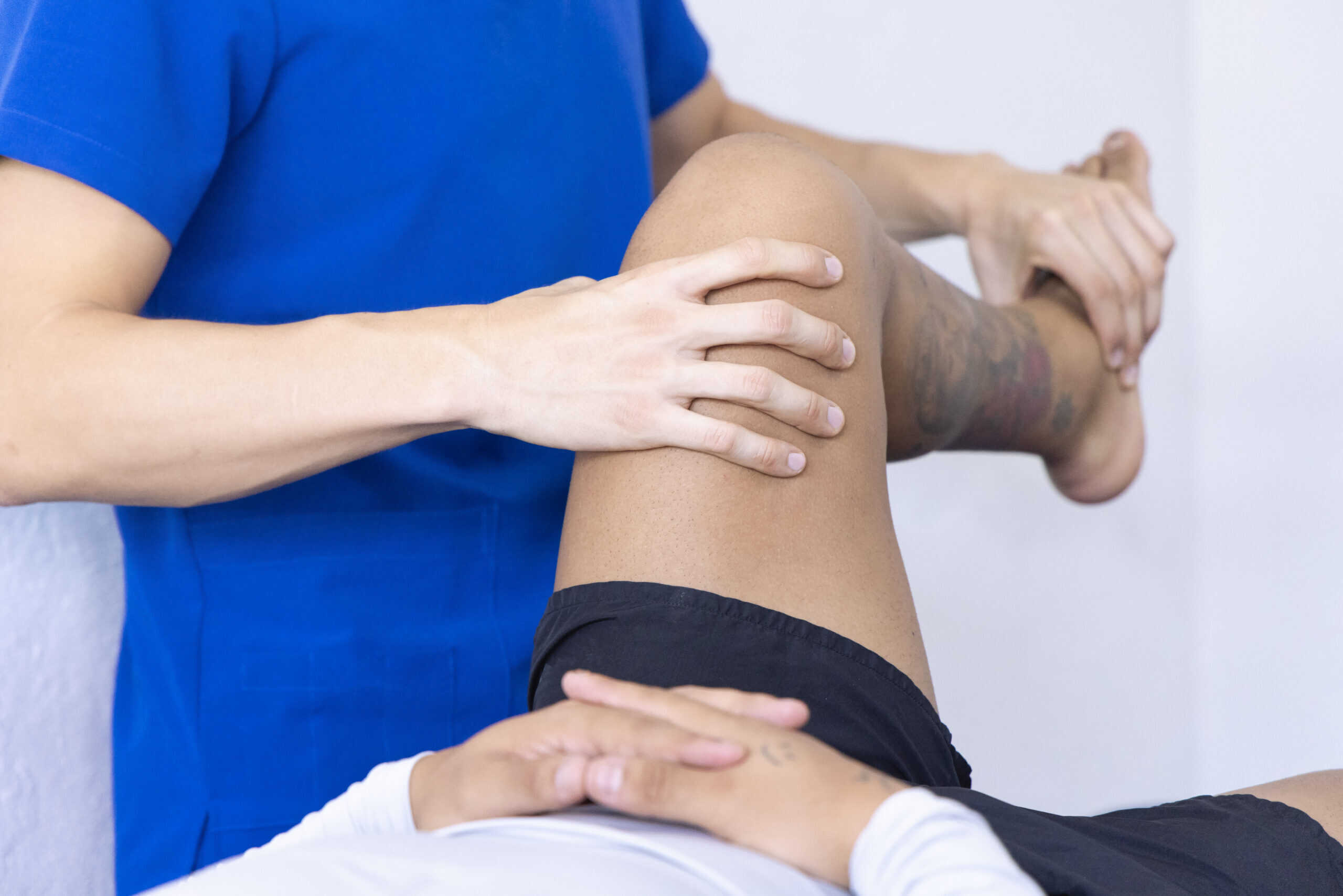
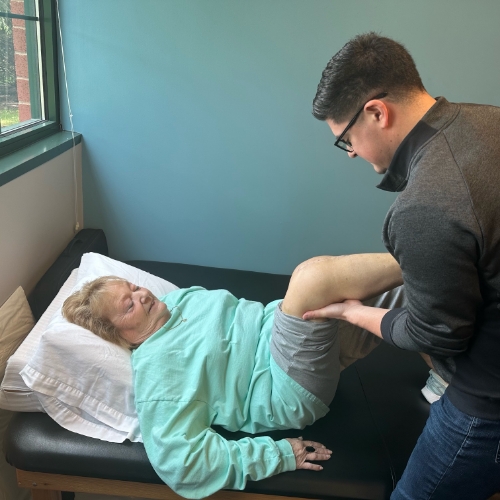
One of the most effective components of osteoarthritis physical therapy at Trinity Rehab is manual therapy — hands-on treatment techniques applied directly to your joints and surrounding soft tissues. For patients with osteoarthritis in Shrewsbury, manual therapy provides relief that exercises alone cannot always deliver.
Your physical therapist uses:
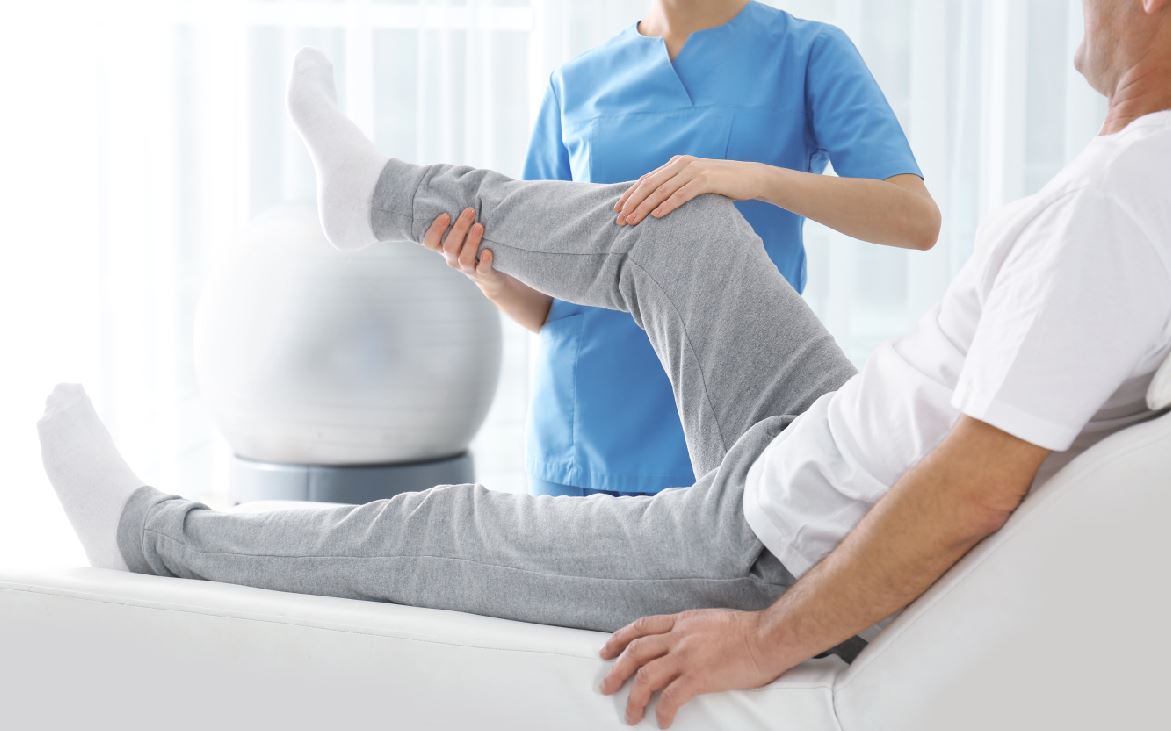
- Joint mobilization: Gentle, graded movements applied to the joint surface to reduce stiffness, improve joint mechanics, and interrupt the pain cycle. For knee osteoarthritis and hip osteoarthritis, mobilization restores glide and roll within the joint that has been lost as cartilage roughens.
- Soft tissue mobilization: Targeted pressure to release tight muscles and thickened fascia surrounding the arthritic joint. Muscles that have been guarding a painful joint for months develop trigger points and adhesions that perpetuate pain even after the joint itself has improved.
- Passive range of motion: Your therapist gently moves the joint through its available range while you remain relaxed, restoring joint flexibility that active exercise cannot yet achieve.
Clinical guidelines from the American Physical Therapy Association cite manual therapy as effective arthritis treatment for knee arthritis and hip osteoarthritis. Patients typically notice reduced morning stiffness and improved ease of movement within the first few sessions.
Strengthening: Building Protection Around Every Affected Joint
The muscles surrounding an osteoarthritic joint are its primary shock absorbers. When they are strong, they absorb load that would otherwise compress thinning cartilage. When they are weak — which happens quickly as pain causes people to move less — cartilage breakdown accelerates.
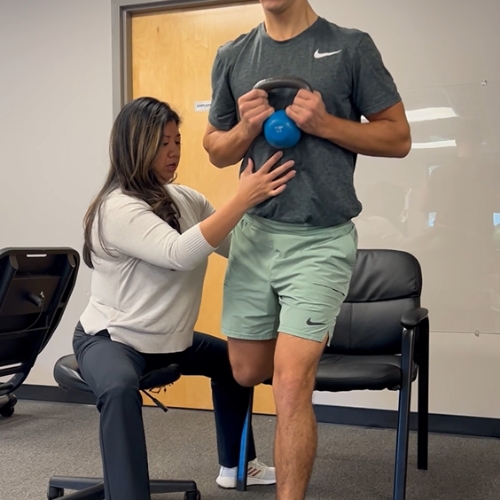
At Trinity Rehab, your physical therapist designs a progressive, individualized exercise program targeting the specific muscles most important for your affected joints:
For knee osteoarthritis: Quadriceps strengthening is the single most evidence-backed intervention for knee OA. Research consistently shows that stronger quadriceps reduce bone-on-bone pressure during walking, stair climbing, and rising from chairs. Your program will also include hamstring strengthening and flexibility (including PNF stretching techniques), hip abductor strengthening to control knee alignment, and neuromuscular training to restore proper movement patterns during daily tasks.
For hip osteoarthritis: Hip abductor and gluteal strengthening reduces compensatory loading through the lower back and knee. Core stabilization exercises support the pelvis during gait and reduce shear forces on the hip joint.
For hand and wrist osteoarthritis: Grip strengthening and fine motor exercises preserve the independence needed for daily tasks — opening jars, buttoning clothing, using tools.
Your exercise program evolves throughout treatment, progressing from gentle activation to functional strength training that mirrors your actual daily activities — whether that means walking Manson Park’s track or getting back on the golf course.
AlterG Anti-Gravity Treadmill and EPAT Shockwave Therapy
Trinity Rehab offers advanced treatment technology that distinguishes our approach from standard outpatient clinics:
AlterG Anti-Gravity Treadmill: By using air pressure to reduce effective body weight by up to 80%, the AlterG allows patients with severe knee, hip, or ankle osteoarthritis to walk and exercise at a fraction of their normal joint load. Clinical studies show 20–30% pain reduction and improved endurance for arthritis patients using anti-gravity treadmill training. It is also a valuable bridge for patients rebuilding strength after joint replacement surgery.
EPAT Shockwave Therapy: Extracorporeal Pulse Activation Technology delivers acoustic pressure waves into damaged soft tissues around arthritic joints, stimulating collagen production and natural tissue regeneration. Research demonstrates 60–80% pain relief for conditions like patellar tendinopathy and Achilles tendinopathy — soft tissue problems that frequently accompany knee osteoarthritis. EPAT is a proven arthritis treatment option for patients who have not responded fully to conventional physical therapy.
Dry Needling: When muscles around an arthritic joint develop trigger points, dry needling provides targeted relief that manual therapy and stretching alone cannot always reach. Fine monofilament needles release muscle tension that contributes to pain and limited range of motion.
Transcutaneous Electrical Nerve Stimulation (TENS): TENS delivers low-voltage electrical current through the skin to reduce pain signals traveling to the brain. It is a simple, non-invasive pain management modality that can be applied during your therapy session and taught for home use.
How to Prevent Your Osteoarthritis from Progressing
Effective osteoarthritis treatment at Trinity Rehab is not just about reducing your current pain — it is about giving you the knowledge and tools to protect your joints for years ahead. Your physical therapist will work with you on:
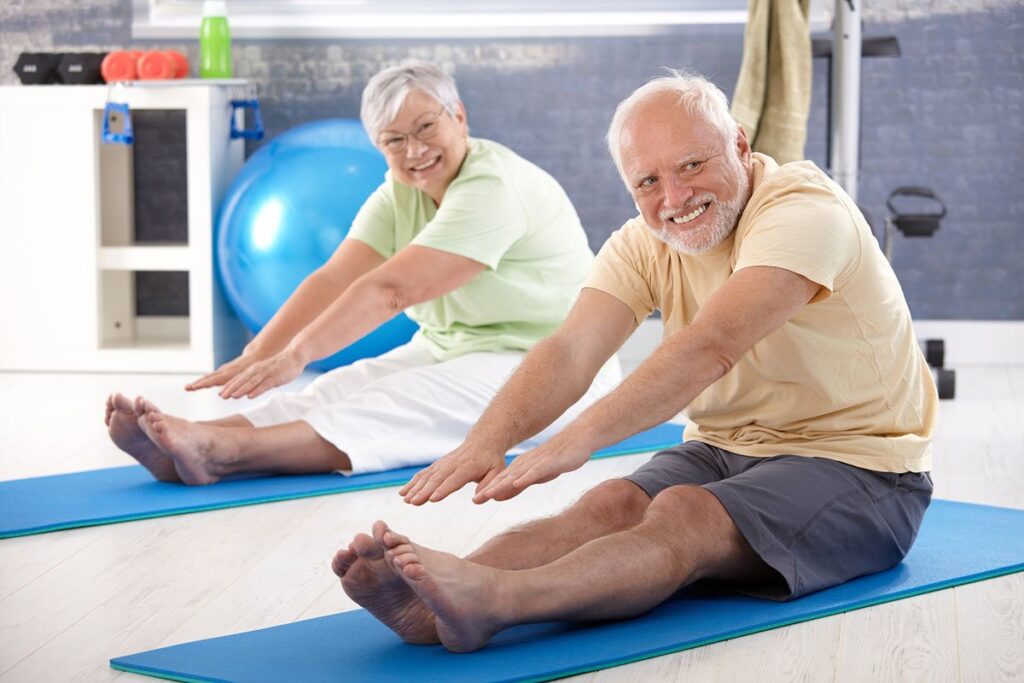
- Low-impact aerobic exercise: Walking, swimming, cycling, and anti-gravity treadmill training maintain joint health, support a healthy weight, and improve cardiovascular fitness without excessive impact. Aerobic exercise is one of the most important things you can do for long-term arthritis management.
- Home exercise program: A consistent 3–4 day per week program of the strengthening and flexibility exercises from your sessions maintains the gains you make in the clinic. Consistency matters more than intensity.
- Joint protection strategies: Your therapist coaches you on proper body mechanics for lifting, bending, and reaching in your home, garden, and workplace. Small adjustments in how you move can dramatically reduce the cumulative stress placed on cartilage.
- Activity modification: The goal is never to stop doing what you love — it is to do it more intelligently. Your therapist helps you modify activities like gardening and golf rather than eliminating them.
- Dietary supplements: While evidence for supplements like glucosamine and chondroitin remains limited, your physical therapist can discuss current research and help you have an informed conversation with your physician.
- Weight management: A 10% reduction in body weight can decrease knee pain by up to 50%. Your therapist provides practical guidance and connects you with appropriate resources.
Why Shrewsbury Patients Choose Trinity Rehab
At Trinity Rehab, every session is one-on-one with a licensed physical therapist. You are never handed off to an aide or left to exercise unsupervised. This model of personalized, direct-care physical therapy means your therapist observes every movement you make, identifies subtle compensation patterns before they cause secondary injuries, and adapts your program in real time based on your response.
Our therapists treat the full spectrum of arthritis — from early-stage knee arthritis through post-surgical recovery after joint replacement surgery. Geriatric physical therapy for older adults and sports medicine-informed care for active residents are both central to what we provide. We accept most major insurance plans and verify your benefits upfront.
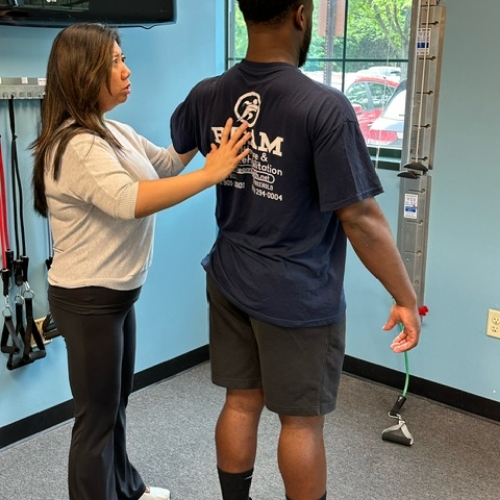
Inside Our Shrewsbury Clinic

Related Conditions & Treatments
Osteoarthritis is just one of the many conditions we treat at Trinity Rehab Shrewsbury. Explore our full range of conditions we treat or learn more about specific treatment approaches:
Frequently Asked Questions
Do I need a referral to start physical therapy for osteoarthritis in Shrewsbury, NJ?
What is the difference between osteoarthritis and rheumatoid arthritis?
How long does osteoarthritis physical therapy take?
Can physical therapy help me avoid joint replacement surgery?
Is treatment painful?
Getting Back to Everything Shrewsbury Offers
Osteoarthritis does not have to mean stepping back from the life you have built here — the weekend golf rounds, the walks through the historic borough streets, the hours in your garden, the grandchildren’s soccer games at Sweeney Park. Physical therapy gives you a non-surgical, evidence-backed path to better movement, genuine knee pain relief, and the kind of daily independence that lets you stay engaged in your community.
At Trinity Rehab, our physical therapists have helped thousands of patients across New Jersey reclaim their movement from osteoarthritis and related joint conditions. We are ready to help you do the same.
Your Next Steps
- Request an appointment online or call the Trinity Rehab location closest to Shrewsbury.
- Complete a brief intake form — our streamlined process keeps paperwork minimal.
- Meet your physical therapist for a comprehensive evaluation and begin your personalized treatment plan.
Same-week appointments are often available. Thanks to New Jersey Direct Access, no referral is needed — just call or click and we will get you started.
Sources: Centers for Disease Control and Prevention. Osteoarthritis. https://www.cdc.gov/arthritis/osteoarthritis/ | Journal of Orthopaedic & Sports Physical Therapy. https://www.jospt.org/ | Frontiers in Physiology. Physical therapy as a promising treatment for osteoarthritis. https://pmc.ncbi.nlm.nih.gov/articles/PMC9614272/