

Meniscus Tear Treatment in Shrewsbury, NJ — Trinity Rehab
Shrewsbury’s historic downtown, picturesque Shrewsbury River setting, and proximity to Red Bank’s cultural offerings create a distinctly family-oriented, active Monmouth County community. Whether you’re a longtime resident with deep roots in this town, someone who loves walking the downtown, kayaking the river, or raising an active family here, a meniscus tear feels like an unwelcome disruption. The sharp pain during a weekend river outing, the catch in your knee climbing stairs in your century-old home, or the stiffness that makes your daily downtown walks uncomfortable—these everyday obstacles become surprisingly significant when dealing with knee injury.
What most Shrewsbury residents don’t realize is that surgical intervention is often unnecessary. Robust medical evidence demonstrates that physical therapy produces outcomes equivalent to surgery for the majority of meniscus tears. At Trinity Rehab Shrewsbury, we’ve guided hundreds of residents through successful recovery without operating rooms, helping them return to their preferred lifestyle and activities.
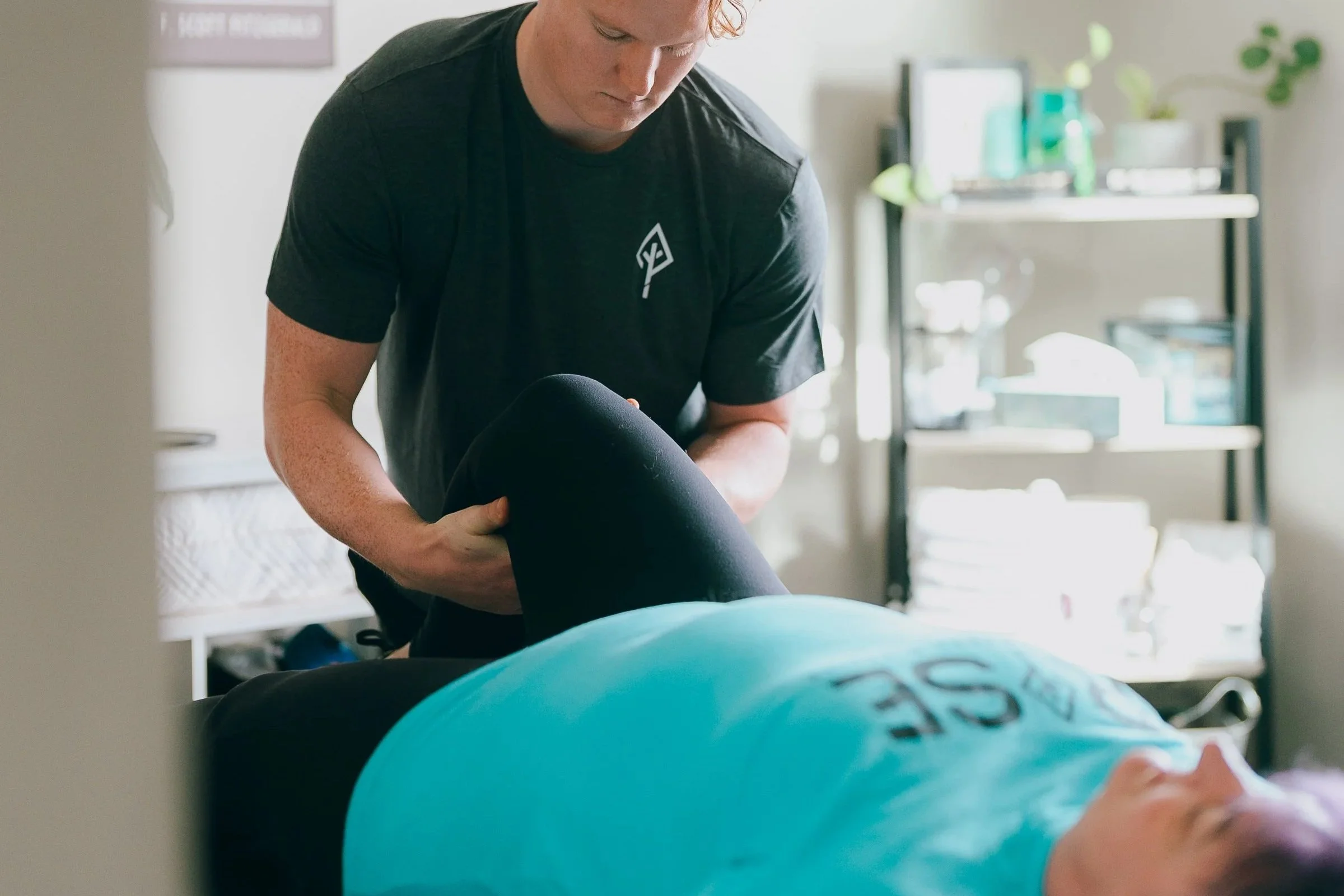
Understanding Your Meniscus
Your meniscus is a specialized cartilage structure inside your knee—shaped like a C or crescent moon—that functions as your joint’s shock-absorbing system. You have two menisci: one on the inside of your knee (the medial meniscus) and one on the outside (the lateral meniscus). Together, they cushion impact forces, distribute your body weight evenly across the joint, reduce friction during movement, and provide stability during weight-bearing and dynamic activities.
When a meniscus tears, this protective system breaks down. Your knee loses some of its built-in cushioning. Without proper treatment, this can lead to progressive joint deterioration and osteoarthritis over time. This is why early intervention with skilled physical therapy matters: it stops this cascade and allows your tissue to heal naturally. meniscus tear recovery strategies often include a combination of targeted rehabilitation exercises, rest, and the use of supportive devices to alleviate stress on the joint. Engaging with a qualified physiotherapist can help tailor these strategies to your specific needs, ensuring a safe and effective recovery process. Additionally, incorporating anti-inflammatory measures and nutritional support can further enhance healing and restore mobility more swiftly. athletes are particularly susceptible to this injury due to the high-impact nature of their sports and the stress placed on their knees during dynamic movements. Common causes of meniscus tear in athletes include sudden twists or turns, heavy lifting, and direct blows to the knee. Understanding these causes can help in preventing such injuries through proper training and conditioning techniques. Understanding the causes of meniscus tear injuries can help individuals take preventive measures to protect their knees. Common factors include age-related degeneration, acute trauma from sports, or repetitive strain from certain activities. By recognizing these risk factors early, individuals can implement strategies to minimize their chances of sustaining this injury. Symptoms of a meniscus tear can vary, but commonly include swelling, pain, and difficulty moving the knee. Many individuals also experience a popping sensation at the time of injury, which can be alarming. Recognizing these symptoms early can greatly enhance the effectiveness of treatment options and facilitate a quicker return to normal activity. Meniscus tear symptoms and diagnosis can vary widely, depending on the severity of the tear. Common signs include pain, swelling, and difficulty bending the knee. Recognizing these symptoms early on can significantly improve treatment outcomes and lead to a more effective recovery plan.
Who Gets Meniscus Tears in Shrewsbury
Shrewsbury’s diverse, active, multigenerational population experiences meniscus injuries for various reasons:
Recreational river enthusiasts and boaters — Shrewsbury’s location on the river draws residents who kayak, paddle board, fish, and enjoy waterfront activities. These pursuits involve balance challenges, unexpected weight shifts, and positional demands that can cause meniscus tears, particularly in older participants.
Downtown walkers and active retirees — Shrewsbury attracts people who value walking to local shops, restaurants, and cultural venues. Regular walkers and active retirees sometimes increase mileage too quickly or walk on uneven historic sidewalks, contributing to injury risk.
Families with youth athletes — Shrewsbury’s strong sense of community means many families are involved in youth sports and recreational leagues. Young athletes experience acute meniscus tears from cutting, pivoting, and rapid direction changes during sports.
Parents managing work and fitness — Many Shrewsbury residents balance professional responsibilities with fitness routines and youth sports involvement. This pattern—limited free time combined with intensity—can lead to overuse if activity progression is too aggressive.
Adults transitioning to active retirement — Shrewsbury includes residents over 60 who’ve remained active or who are newly embracing active retirement. Degenerative meniscus tears often occur in this population from minimal trauma to aging cartilage.
Commuters with weekend intensity — Residents who commute for work but engage in weekend activities like hiking, kayaking, or recreational sports can develop overuse patterns from intensity without adequate base conditioning.
Historic home owners with maintenance demands — Shrewsbury’s charming older homes require maintenance work. Kneeling, squatting, and repetitive knee bending during home projects place stress on the meniscus.
Meniscus Tear Symptoms
A torn meniscus produces specific, recognizable symptoms:
- A popping sensation at the moment of injury, sometimes audible
- Swelling that develops within 24 to 48 hours, causing visible puffiness around the knee
- Stiffness and limited motion, with difficulty straightening or fully bending your knee
- Sharp pain localized to the joint line (inner or outer side of the knee), worse with twisting or squatting
- Mechanical symptoms including catching, clicking, or locking sensations
- Knee instability, feeling like your knee might give way
- Pain escalation with activity like climbing stairs, walking distances, or standing prolonged periods
- Difficulty with functional movements like getting out of cars, rising from chairs, or kneeling
These symptoms warrant professional evaluation. Early diagnosis and treatment lead to better outcomes than delaying care.
Getting the Right Diagnosis
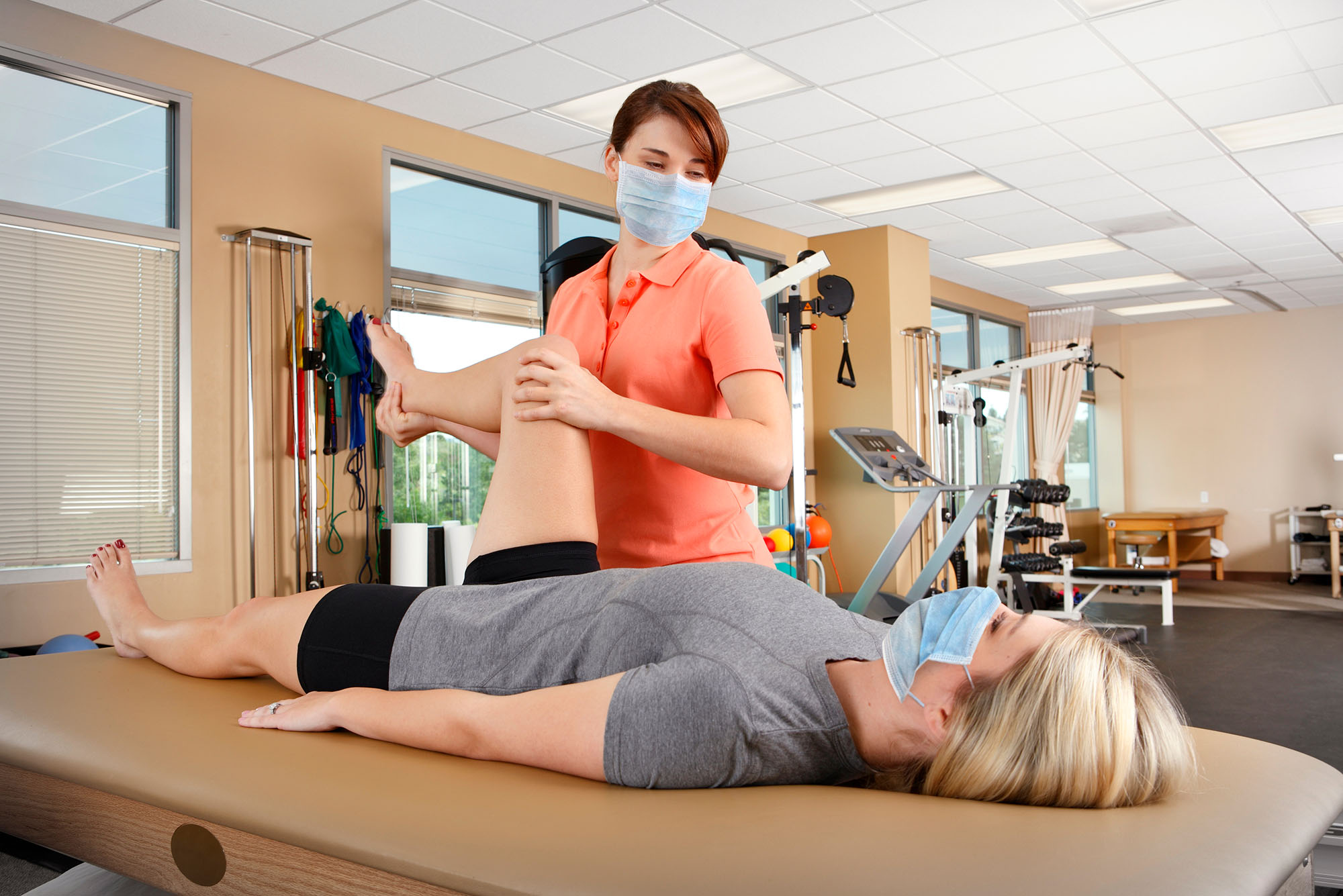
Diagnosis begins with a comprehensive physical examination. Your healthcare provider checks your knee for tenderness along the joint line, assesses your range of motion, and performs specific clinical tests like the McMurray test—where they carefully move your knee through specific motions to detect clicking or pain consistent with meniscal damage.
MRI imaging can confirm a meniscus tear and show its exact location, size, and pattern. However, skilled physical therapists can often assess your knee accurately through hands-on examination and begin effective treatment without initial imaging. If your condition is complex or you’re not progressing as expected, imaging becomes part of your care plan.
Physical Therapy at Trinity Rehab Shrewsbury
Treatment for meniscus tears at Trinity Rehab Shrewsbury is progressive, evidence-based, and tailored to your specific injury and goals. Whether you’re aiming to return to river activities, downtown walking, family involvement, or simply moving comfortably through your daily life, we structure your program around your priorities.
Phase 1: Pain Reduction and Tissue Protection
Initial treatment prioritizes controlling pain and swelling while protecting your injured tissue:
- Manual therapy techniques including gentle joint mobilization and soft tissue work to reduce stiffness and improve circulation
- Pain management modalities such as ice, electrical stimulation, and ultrasound
- Protected range-of-motion exercises performed carefully to maintain mobility without stressing the tear
- Gait retraining that teaches you to walk in ways that minimize meniscus stress
- Activity modification guidance so you understand what’s safe and what to avoid
Phase 2: Strength Development and Functional Recovery
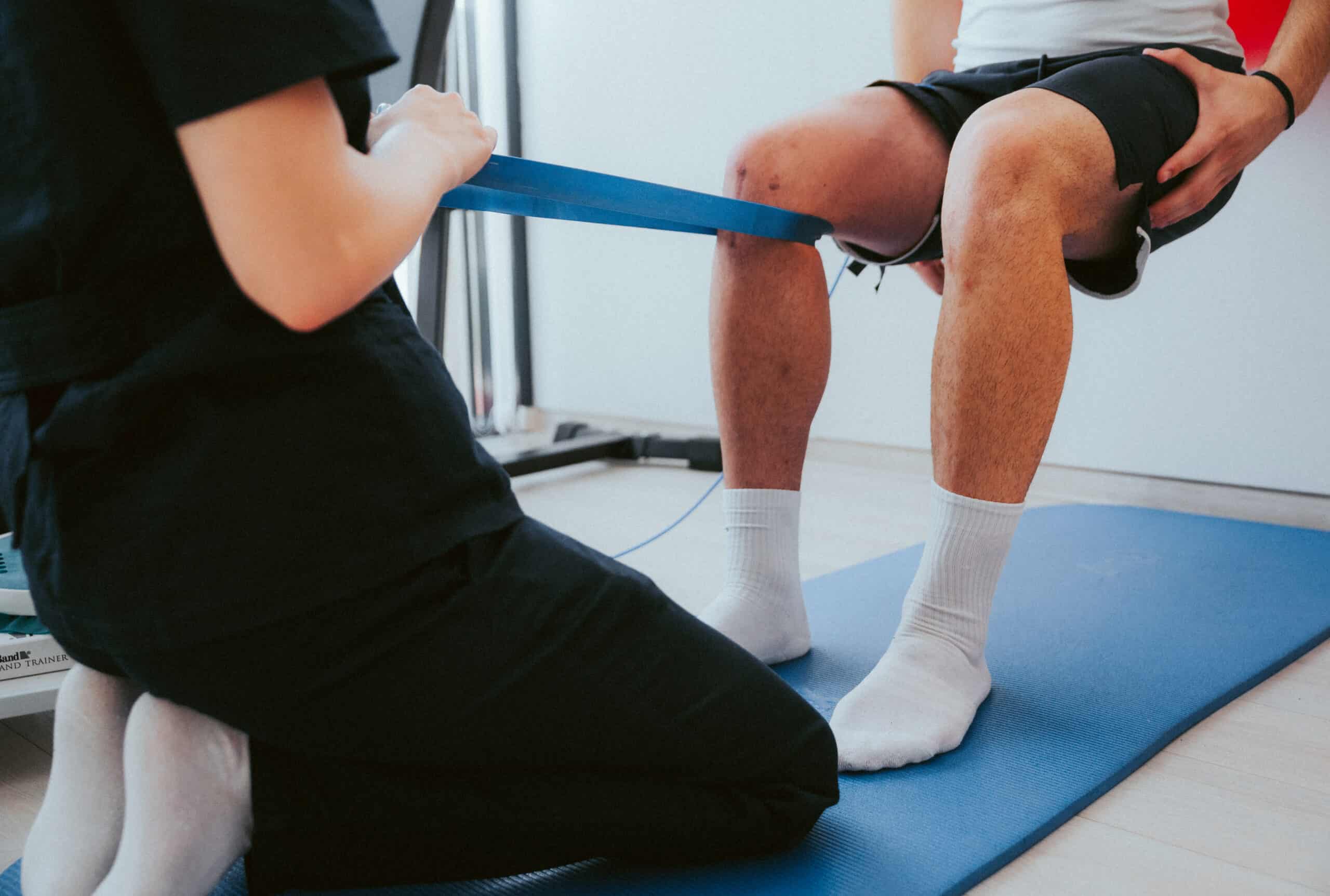
As pain decreases, we transition to progressive strengthening:
- Quadriceps strengthening targeting the front thigh muscle critical for knee stability
- Hamstring and hip strengthening creating balanced support through your lower extremity
- Core and glute activation work that improves force distribution
- Balance and proprioception training using exercises on various surfaces
- Functional strengthening including squats, lunges, and step-ups with proper mechanics
- Dry needling for muscle trigger points and compensatory tension
Phase 3: Return to Your Activities
The final phase focuses on activity-specific return:
- Activity-specific training designed around your actual goals—river activities, walking, family involvement, or recreational pursuits
- Progressive intensity and complexity increases that challenge your knee to handle real-world demands
- Advanced modalities including EPAT/shockwave therapy in appropriate cases
- Prevention strategies and maintenance routines for long-term protection
Types of Meniscus Tears
Understanding your tear type helps explain your treatment approach:
- Radial tears cut across meniscus fibers and are the most common pattern. Small peripheral radial tears respond very well to physical therapy.
- Horizontal tears run along the meniscus length, typically indicating degenerative changes. These generally respond very favorably to conservative treatment.
- Bucket-handle tears are large vertical tears where a section flips into the joint center, sometimes causing locking. These may require surgical consideration.
- Flap or complex tears involve multiple tear patterns and usually stem from degenerative processes. Most respond well to physical therapy approaches.
The meniscus’s blood supply affects healing potential: the outer third (the “red zone”) has blood flow supporting natural healing; the inner two-thirds (the “white zone”) has limited blood supply. This influences your therapist’s approach but doesn’t prevent successful treatment.
Long-Term Knee Health and Protection
Recovery extends beyond when symptoms resolve. Lasting knee health requires:
- Consistent strength maintenance of your quadriceps, hamstrings, and hip muscles
- Proper warm-up routines before physical activities
- Correct movement mechanics, avoiding inward knee collapse during squats and landings
- Supportive footwear matched to your activities
- Body weight management (every pound of body weight equals approximately four pounds of force across your knee during walking)
- Low-impact cross-training like swimming and cycling to maintain fitness
- Awareness of warning signs—swelling or pain after activity signals the need to adjust
Starting Your Recovery at Trinity Rehab Shrewsbury
A meniscus tear doesn’t have to disrupt your life in Shrewsbury. With skilled, evidence-based physical therapy, you’ll return to river activities, downtown walking, family involvement, and the active, engaged lifestyle that defines this community.
To schedule your evaluation at Trinity Rehab Shrewsbury:
Visit our appointment page or call to book your initial assessment. Your first session includes a thorough knee evaluation, discussion of your goals, and the beginning of your personalized recovery plan.
Most patients experience meaningful improvement—decreased pain, increased mobility, reduced swelling—within the first few weeks of consistent therapy. You’ll work with your Trinity Rehab Shrewsbury therapist as you progress through recovery and return to the activities and lifestyle you’ve built in this historic, vibrant community.
—
For comprehensive information about meniscus tear causes, diagnosis, and evidence-based treatment, visit our meniscus tear condition page.