
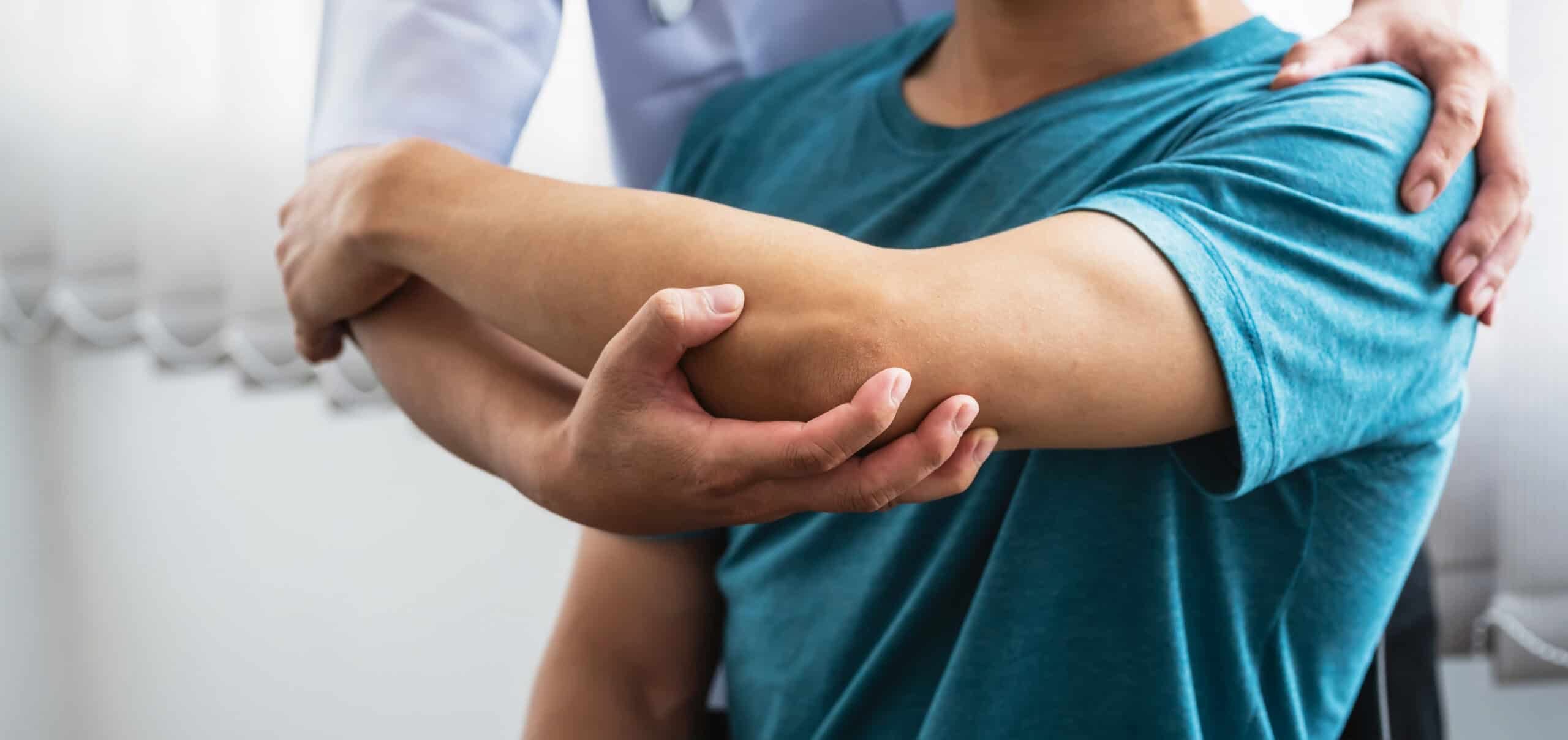
Golfer’s Elbow Treatment in Shrewsbury, NJ | Trinity Rehab
Life Along Route 35: When Your Elbow Pain Interrupts the Monmouth County Lifestyle
Shrewsbury may be a small borough in historic Monmouth County, but it’s a place where community, family, and recreational pursuits define daily life. Whether you’re commuting along Route 35, playing at one of the nearby prestigious golf clubs like Navesink Country Club or Rumson Country Club, or enjoying the waterfront lifestyle this charming area offers, your right arm is essential to everything you do.
Golfer’s elbow (medial epicondylitis) can feel like an uninvited guest in this lifestyle. You might be reaching for your morning coffee, gripping the steering wheel on your Route 35 commute, or practicing your swing at the club, and suddenly—that sharp, burning pain on the inside of your elbow stops you in your tracks. For the affluent, active Shrewsbury resident, this injury isn’t just inconvenient; it threatens the activities and routines that make life here rewarding.
If you’re experiencing inner elbow pain that won’t seem to go away, you don’t have to accept it as part of aging or seasonal activity. Trinity Rehab has helped Shrewsbury residents get back to their lives, and we can help you too.
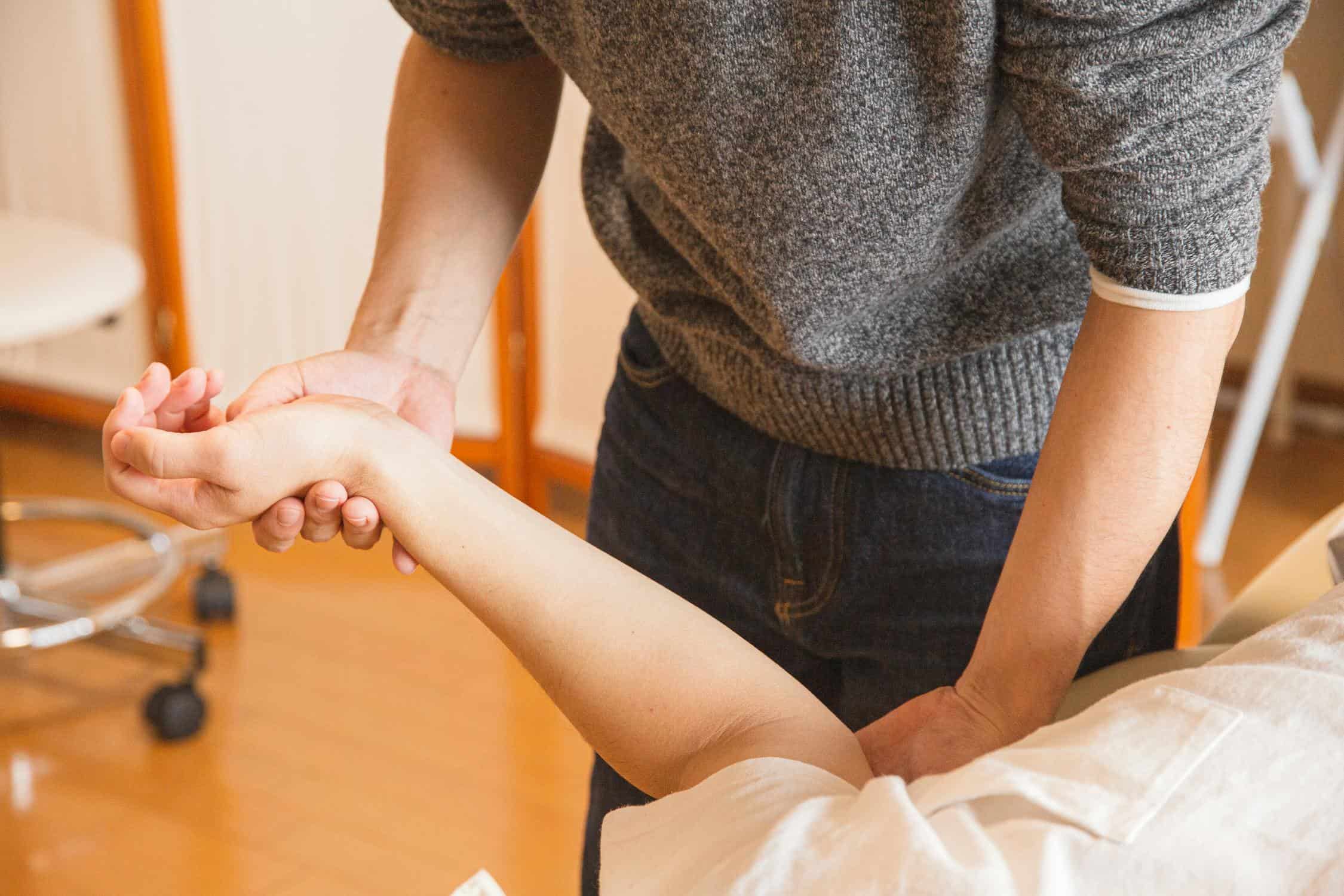
Understanding Medial Epicondylitis: The Inside Story of Elbow Pain
Golfer’s elbow is a condition that affects the flexor-pronator muscle group—a collection of tendons that attach to the medial epicondyle, a bony prominence on the inside of your elbow. Unlike tennis elbow, which affects the outer elbow, golfer’s elbow creates pain and inflammation right where your forearm muscles connect to this inner bony point.
Here’s what happens: When you repeatedly grip, flex, or rotate your forearm—actions you probably do dozens of times per day without thinking—microscopic tears can develop in these tendons. Over time, inflammation builds, and that inflammation sends pain signals up through your arm. You might notice:
- Sharp, aching pain on the inside of your elbow that worsens with gripping or twisting
- Weakness in your grip strength
- Stiffness and reduced range of motion in your elbow and forearm
- Numbness or tingling that radiates down toward your wrist and hand
- Pain that gets worse when you flex your wrist or rotate your forearm
For many Shrewsbury residents, this pain isn’t mysterious. It comes from activities they love—golf, of course, but also recreational activities, home projects, or even work-related repetitive motions. The key is recognizing it early and addressing it before it becomes chronic.
Who’s at Risk in Shrewsbury: It’s Not Just Golfers
You might think golfer’s elbow only affects people on the fairway, but that’s far from true. Shrewsbury’s demographics and lifestyle create several risk factors for medial epicondylitis:
The Golf Culture: With Navesink Country Club and Rumson Country Club close by, many Shrewsbury residents are active golfers. The combination of the repetitive swing motion, the grip pressure, and the force transfer through your forearm makes golfer’s elbow an occupational hazard for any golfer—recreational or competitive.
Affluent, Active Population: Shrewsbury residents tend to maintain active lifestyles. That might mean tennis, fitness activities, or recreational sports. Any activity involving repetitive gripping, pushing, or twisting can trigger medial epicondylitis.
Route 35 Commuters: For those commuting daily along Route 35, the combination of prolonged gripping the steering wheel, driving tension, and then sitting at a desk creates the perfect storm for cumulative strain on the flexor tendons.
Red Bank Adjacent Location: Many Shrewsbury residents work in Red Bank’s business corridor. Office workers who don’t think of themselves as “at risk” for elbow injuries often develop golfer’s elbow from keyboard use, mouse work, and repetitive paperwork tasks.
Age and Occupational History: As Shrewsbury’s population tends to skew affluent and established, many residents are in their 40s, 50s, and beyond—the prime years for tendinopathy when the cumulative effects of decades of activity catch up with aging tissues.
Healthcare-Adjacent Work: Some residents work at nearby Riverview Medical or in healthcare settings, where repetitive handling and patient care create forearm strain.
The truth is, anyone who grips, rotates, or flexes their forearm repeatedly is at risk. For Shrewsbury residents, that includes far more than just golfers.
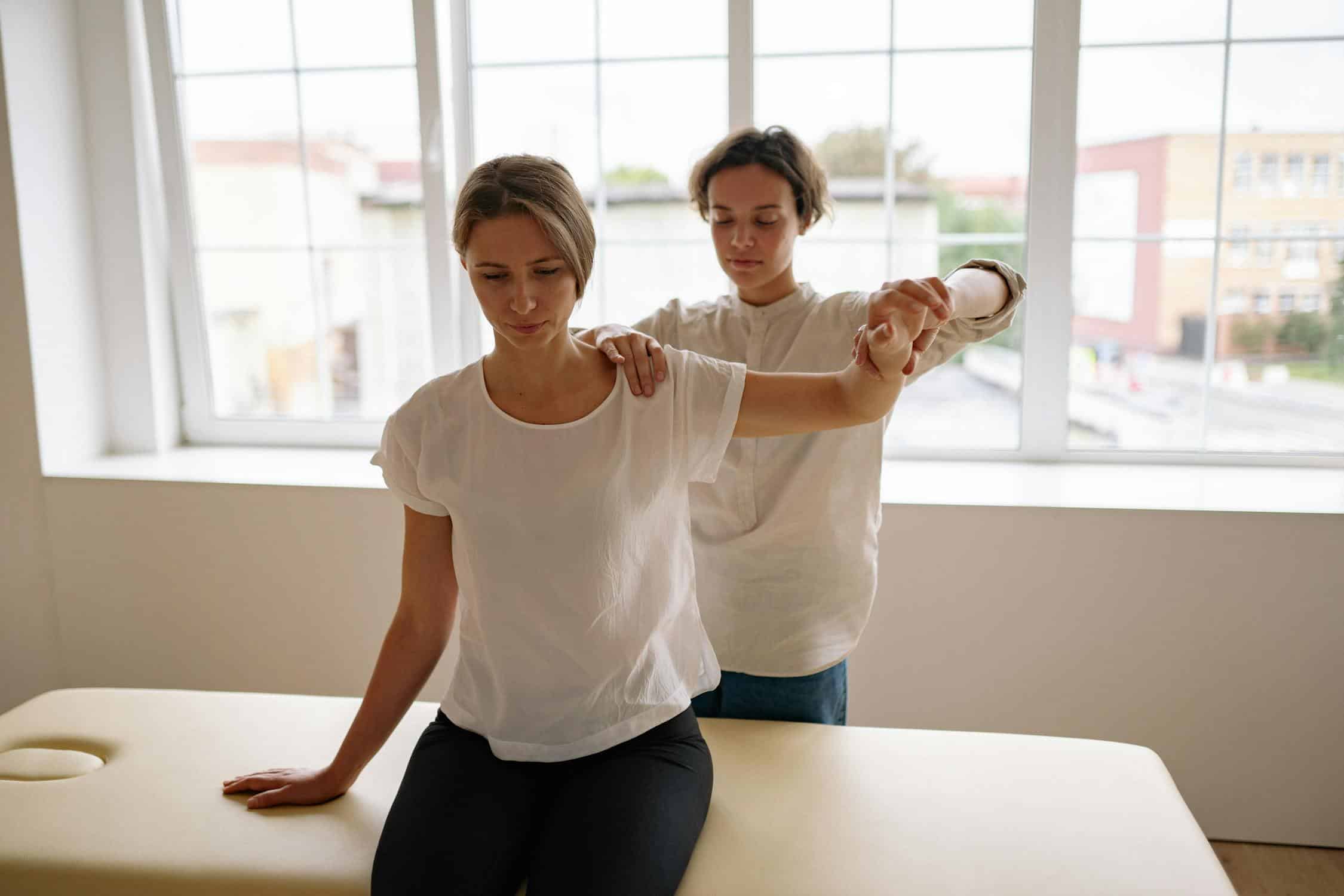
How Trinity Rehab Shrewsbury Treats Golfer’s Elbow
At Trinity Rehab, we don’t treat golfer’s elbow the same way we treat every elbow problem. We personalize your care based on your specific condition, your goals, and your lifestyle in Shrewsbury.
Initial Assessment: We start by understanding your pain. Where exactly does it hurt? What movements make it worse? What do you want to get back to doing—your golf swing, your work, your daily routines? This conversation shapes your entire treatment plan.
Phase 1: Pain Reduction and Inflammation Management: Early treatment focuses on reducing inflammation and pain so you can begin moving without fear. We use evidence-based techniques including:
- Manual therapy to reduce tension in the flexor-pronator muscles
- Dry needling to release trigger points and promote healing
- Guided rest and activity modification so you can maintain your lifestyle without aggravating the injury
- Ice, compression, and other modalities as appropriate
Phase 2: Progressive Strengthening: Once acute pain is under control, we rebuild the strength in the affected tendons and muscles. This phase requires commitment, but it’s where the real healing happens. We’ll teach you exercises that target the flexor-pronator group and help restore your grip strength.
Phase 3: Return to Activity: By this phase, your elbow is stronger, more stable, and ready for the demands of your life. We’ll progress you back to golf, sports, work duties, or whatever activities matter to you—but smartly, with proper technique and continued strengthening.
Advanced Options: For cases that don’t respond to conservative care, Trinity Rehab offers EPAT (Extracorporeal Pulse Activation Technology), a non-invasive treatment that uses acoustic waves to stimulate healing in the damaged tendon.
Throughout your treatment, your Trinity Rehab therapist will be with you every step—one-on-one care that means someone is actually paying attention to your progress, adjusting your plan, and advocating for your recovery.
What to Expect During Treatment in Shrewsbury
Expecting the unexpected is one of life’s lessons, but your rehab shouldn’t be one of them. Here’s what your treatment timeline typically looks like:
Week 1-2: Initial Pain Management You’ll come in 2-3 times per week. Your therapist will do a detailed evaluation, begin gentle manual therapy, and teach you how to modify your activities. You might feel frustrated that you can’t golf or do your normal activities at full intensity, but this phase is crucial for preventing further damage.
Week 3-6: Early Strengthening Pain should be decreasing noticeably. You’ll start light strengthening exercises—nothing that recreates your original pain, but enough to begin rebuilding tissue resilience. You might notice grip strength improving, and activities that hurt before becoming more tolerable.
Week 7-12: Progressive Challenge This is where your commitment really pays off. Your exercises get harder, your activities expand, and your confidence grows. Many people feel “almost better” in this phase, and that’s accurate—but we’re not done yet.
Week 13+: Return to Sport/Activity If you’re a golfer, this is when we start reintroducing the swing. If you’re a manual laborer or office worker, this is when we restore full work capacity. This phase might extend another 4-8 weeks depending on your goals and how aggressively you want to progress.
Full recovery typically takes 6-12 weeks from start to finish, depending on how long your injury has been brewing and how closely you follow your home exercise program.
Prevention Tips for Shrewsbury Residents
Once you’ve experienced golfer’s elbow, you don’t want to go through it again. Here’s how to protect yourself while maintaining the active Shrewsbury lifestyle:
For Golfers Specifically
- Get a swing analysis at your local club to ensure your technique isn’t creating excessive strain
- Warm up properly before play—your muscles need mobility and blood flow
- Strengthen your grip and forearm during the off-season
- Don’t try to “muscle” the ball; let your technique do the work
- Consider a lighter club or modified grip if you’re recovering from medial epicondylitis
For Daily Activities
- Be aware of how you’re gripping things: mouse, steering wheel, kitchen utensils, tools. A relaxed grip is always better than a death grip
- Take frequent breaks from repetitive activities—especially if you work in Red Bank’s business district
- Stretch your forearm flexors daily, especially after activities that create strain
- Ice your elbow preventatively after activity, not just when pain appears
For Work Situations
- If you work at a desk (Riverview Medical, Red Bank businesses, or anywhere in the Route 35 corridor), adjust your ergonomics: keyboard height, mouse position, and chair support matter more than you think
- Take movement breaks hourly; don’t let your forearm muscles tighten all day
- Vary your activities; doing the same repetitive motion all day increases injury risk
Conditioning and Strength
- Include forearm and wrist strengthening in your regular fitness routine
- Don’t neglect eccentric strengthening (where you lengthen the muscle while it’s under tension)—this is particularly effective for tendon injuries
- Work with a physical therapist to ensure you’re doing exercises correctly; poor form can make things worse
Age-Appropriate Awareness
- As you age, recovery takes longer and tissues are more fragile; respect these changes rather than fighting them
- Gradual progression is your friend; avoid the “weekend warrior” approach of high-intensity activity after sedentary weeks

Related Conditions & Treatments
Golfer’s elbow often accompanies or overlaps with other conditions. Trinity Rehab treats a wide range of musculoskeletal conditions:
Related Elbow Care At This Location
Elbow pain patterns can overlap depending on grip, lifting, racquet sports, work tasks, and tendon load. A related same-location page is:
Frequently Asked Questions About Golfer’s Elbow in Shrewsbury, NJ
Can I still play golf while recovering from golfer's elbow?
How long does golfer's elbow treatment typically take in Shrewsbury?
Is golfer's elbow the same as tennis elbow, and can I get both?
What if rest alone hasn't fixed my golfer's elbow?
Can I get golfer's elbow treated without surgery?
Next Steps: Start Your Golfer’s Elbow Recovery in Shrewsbury
The pain in your elbow doesn’t have to define your Shrewsbury life. Whether you’re missing time at Navesink Country Club, struggling with your Route 35 commute, or just tired of the constant ache, Trinity Rehab is here to help you recover.
Ready to get started?
Contact Trinity Rehab’s Shrewsbury location to schedule your first appointment. Our team will do a thorough evaluation, explain exactly what’s happening in your elbow, and create a personalized treatment plan designed for your specific goals and lifestyle.
You don’t have to live with golfer’s elbow. Get back to the activities you love. Book Your Appointment Today
Visit Trinity Rehab in Shrewsbury
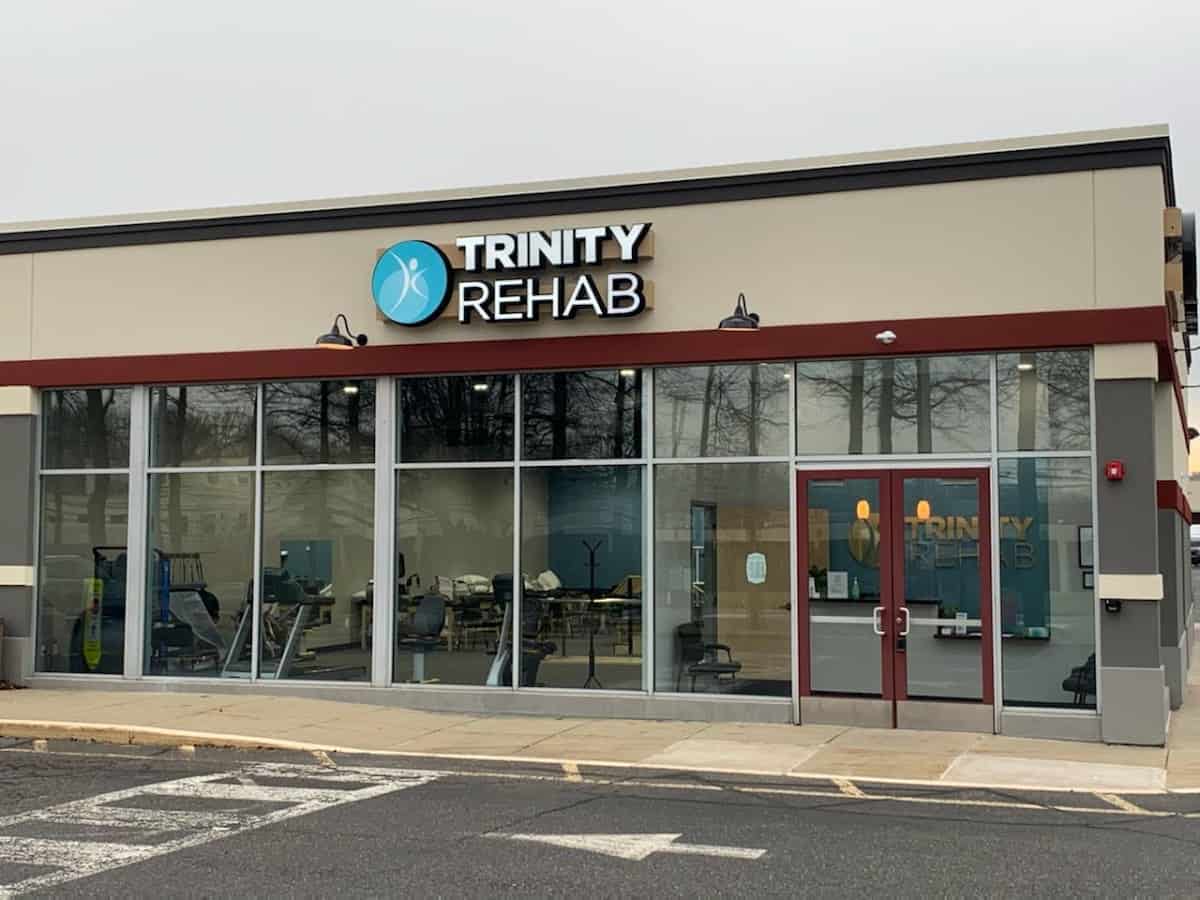
Our Shrewsbury clinic is conveniently located at 1130 Broad St, Shrewsbury, NJ 07702. Call us at (732) 945-3787 to schedule your golfer’s elbow evaluation today.