

ACL TREATMENT PHYSICAL THERAPY IN SHREWSBURY, NJ
At the heart of Shrewsbury sits the Four Corners — one of the oldest crossroads in New Jersey, where Christ Church has stood since 1702. That resilience is not just preserved in stone. It lives in the athletes sprinting for the Red Bank Regional Bucs, the sailors trimming sails on the Navesink River, and the families who chose this borough because its quiet strength matches their own. When an anterior cruciate ligament injury disrupts the active lifestyle that defines life here, recovery demands that same resilience — structured, patient, and built to last.
At Trinity Rehab in Shrewsbury, we specialize in ACL treatment physical therapy designed around your injury, your goals, and the activities that matter most to residents of this historic Monmouth County community.
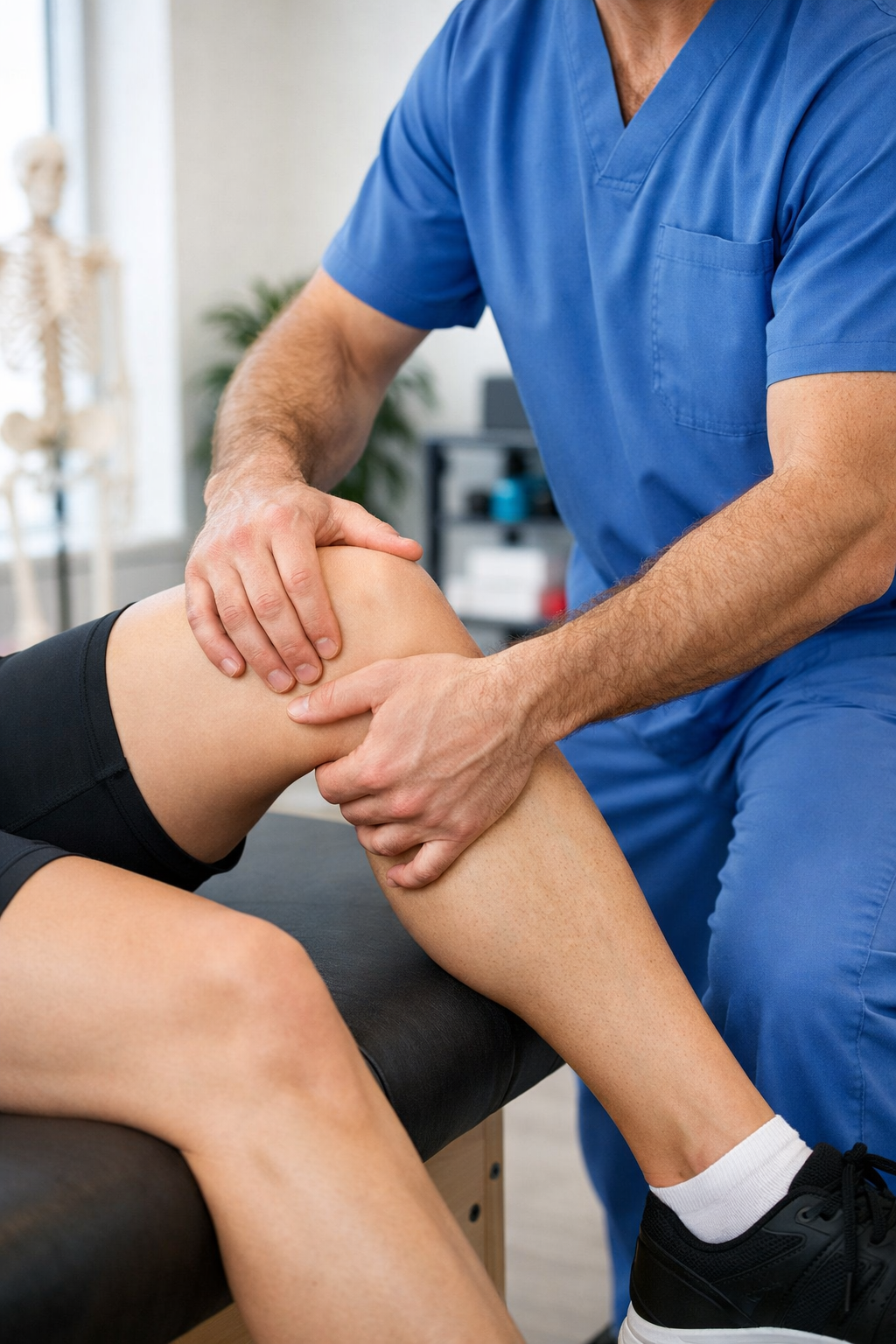
UNDERSTANDING ACL INJURIES
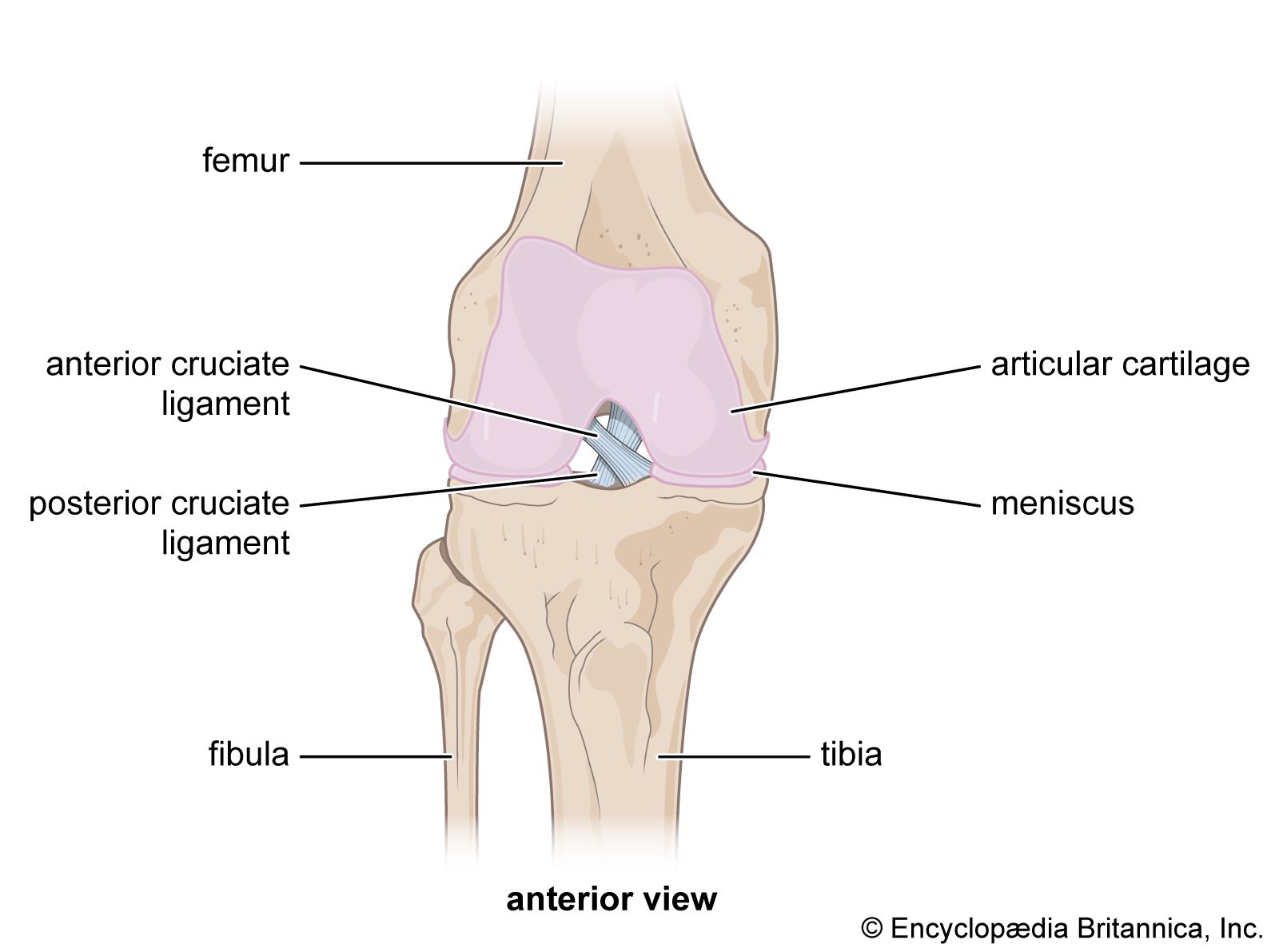
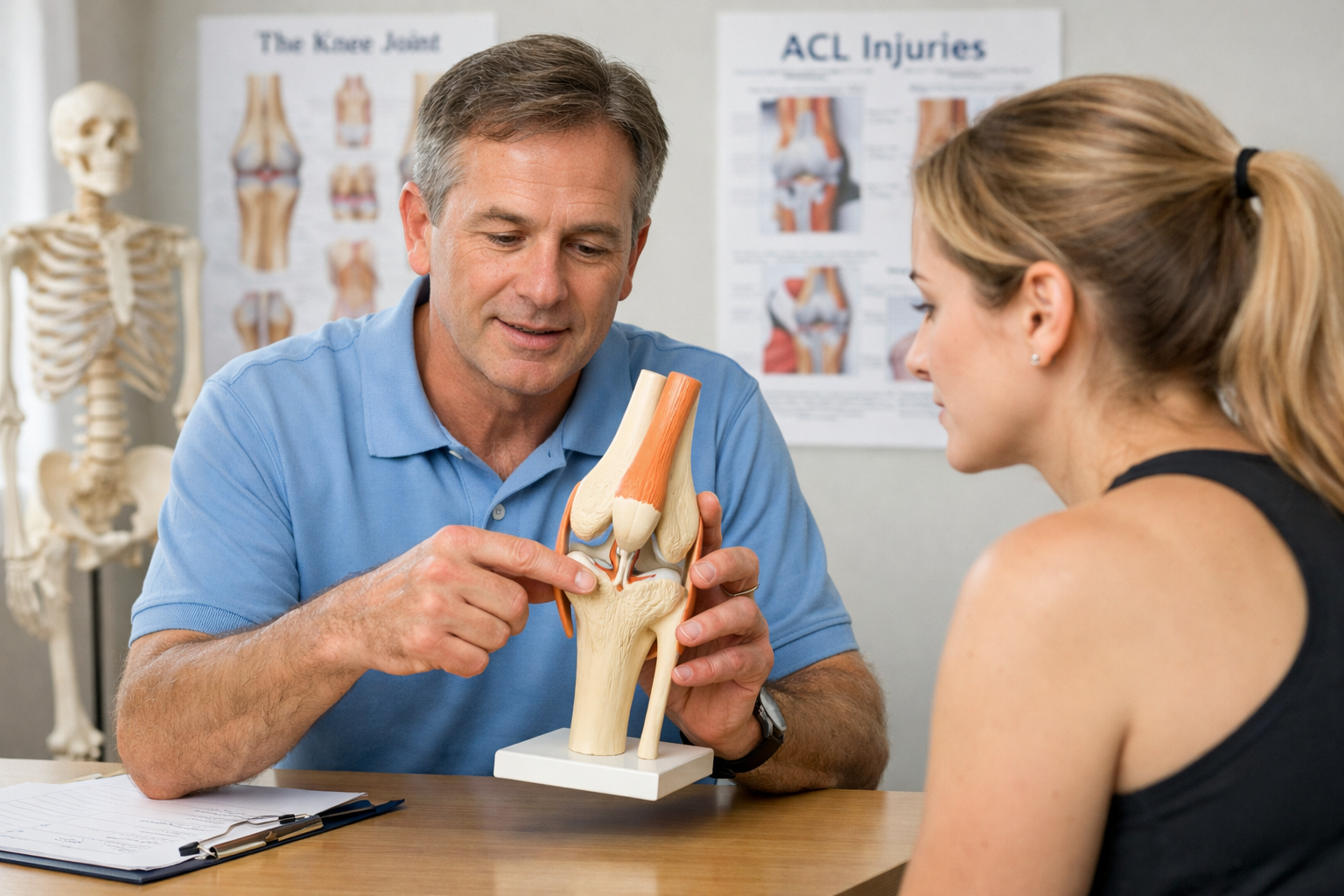
The anterior cruciate ligament runs diagonally through the center of the knee joint, connecting the femur to the tibia. Its primary role is to prevent forward tibial translation and provide rotational knee stability during cutting, pivoting, and sudden deceleration.
An ACL tear occurs when forces on the ligament exceed its capacity — most commonly through non-contact mechanisms like planting and twisting, landing off-balance, or abrupt deceleration.
ACL injuries are graded by severity:
- Grade I (Sprain): The ligament is stretched but intact. Knee stability is largely preserved.
- Grade II (Partial Tear): The ligament is partially disrupted. Less common than complete tears.
- Grade III (Complete Tear): The ligament is fully ruptured. The knee joint loses significant stability and frequently requires anterior cruciate ligament reconstruction for return to high-demand activities.
WHY ACL RECOVERY MATTERS LONG-TERM
An anterior cruciate ligament injury does not heal on its own. Without thorough rehabilitation, effects compound over years:
- Early-onset arthritis: Up to 50% of people with ACL injuries develop knee arthritis within 10 to 15 years — whether or not they had surgery.
- Chronic instability: An unrehabilitated knee buckles during ordinary activities — stepping off a dock along the Shrewsbury River or walking across wet decking after a day on the Navesink.
- Compensatory injuries: When the injured knee is not restored, the opposite leg, hip, and lower back absorb abnormal loads, creating secondary hip and knee pain.
- Re-injury: Athletes returning to sport without completing rehabilitation face re-tear rates above 30%.
Structured physical therapy is the most important factor in a successful outcome, whether you undergo ACL surgery or follow a conservative pathway.
COMMON CAUSES OF ACL INJURIES IN SHREWSBURY
The activities that define life in this active, affluent community also carry meaningful ACL risk.
High School and Club Sports
Red Bank Regional High School’s Bucs have state championships in boys and girls basketball, cross country, and track. Football, soccer, lacrosse, baseball, field hockey, ice hockey, and tennis programs keep athletes competing year-round. A Bucs cross country runner navigating uneven terrain during a race hits an unexpected root — one awkward plant, and the anterior cruciate ligament gives way. Soccer and lacrosse athletes face the cutting and pivoting demands that make ACL tears among the most common sports injuries in high school athletics.
Shrewsbury Recreation leagues in soccer, softball, baseball, basketball, and flag football keep athletes of all ages active, while YMCA of Greater Monmouth County programs draw families from across the borough.
Waterfront and Recreational Activities
Life along the Navesink and Shrewsbury Rivers is central to this community. Consider a sailor stepping off a dock after an afternoon on the Navesink — fatigue, a wet surface, and an unexpected weight shift create the exact mechanism that tears an ACL. Tennis and pickleball players at the New Shrewsbury Racquet Club face risk with every aggressive lateral pivot, and golfers at nearby Hominy Hill Golf Course stress their knees through rotational forces on every drive.
Workplace Injuries
Shrewsbury’s workforce includes physically active roles along the Route 35 retail corridor, at the YMCA, and at nearby Riverview Medical Center. A retail worker who slips during a busy shift or a healthcare worker pivoting while transferring a patient can sustain an ACL injury requiring rigorous rehabilitation. If your ACL tear happened on the job, work injury rehabilitation at Trinity Rehab follows the same evidence-based protocols while coordinating with workers’ compensation.
SIGNS AND SYMPTOMS OF AN ACL INJURY
Many people report hearing or feeling a distinct “pop” in the knee at the moment of injury. Other hallmark signs include:
- Rapid swelling within the first several hours
- A sensation of the knee “giving way” or buckling under weight
- Loss of full range of motion, particularly the inability to fully straighten the knee
- Pain along the joint line — sharp initially, then settling into a deep ache
- Difficulty bearing weight or walking with a normal gait
If you recognize these symptoms after a practice at Red Bank Regional, a match at the Racquet Club, or a shift along Route 35, early evaluation by a physical therapist is critical. Delaying treatment allows muscle strength — especially in the quadriceps — to deteriorate rapidly, making every phase of recovery harder.
HOW PHYSICAL THERAPY HELPS: A PHASE-BASED APPROACH
ACL treatment physical therapy at Trinity Rehab Shrewsbury follows a structured, progressive framework. Advancement is determined by objective benchmarks — not arbitrary calendar dates.
Prehabilitation: Before Surgery Begins
For patients scheduled for ACL reconstruction, prehabilitation separates good outcomes from great ones. The goals are clear:
- Restore full knee motion, especially terminal extension (getting the knee completely straight)
- Reduce swelling to optimize the joint for surgery
- Rebuild quadriceps activation and hamstring strength
- Establish baseline proprioception and single-leg balance
Patients who enter surgery with better range of motion, less swelling, and stronger muscles recover faster. We typically recommend four to six weeks of prehabilitation before your surgical date.
Phase 1: Protection and Early Motion (Weeks 0-2 Post-Op)
The immediate post-operative phase protects the graft while preventing stiffness.
- Range of motion restoration: Gentle flexion and extension exercises to maintain knee motion without stressing the graft
- Quad activation: Isometric quadriceps contractions, straight leg raises, and neuromuscular electrical stimulation (NMES) to counteract the rapid muscle shutdown that follows ACL surgery
- Swelling management: Ice, compression, elevation, and manual lymphatic techniques
- Gait training: Progressing from crutches toward a normalized walking pattern
Phase 2: Building the Foundation (Weeks 2-6)
As inflammation resolves, the emphasis shifts to rebuilding the knee’s functional base.
- Progressive strengthening exercises: Closed-chain movements like mini squats, leg presses, and step-ups to safely load the quadriceps and hamstrings
- Hamstring curls and targeted hamstring strength work to protect the graft and restore muscle balance
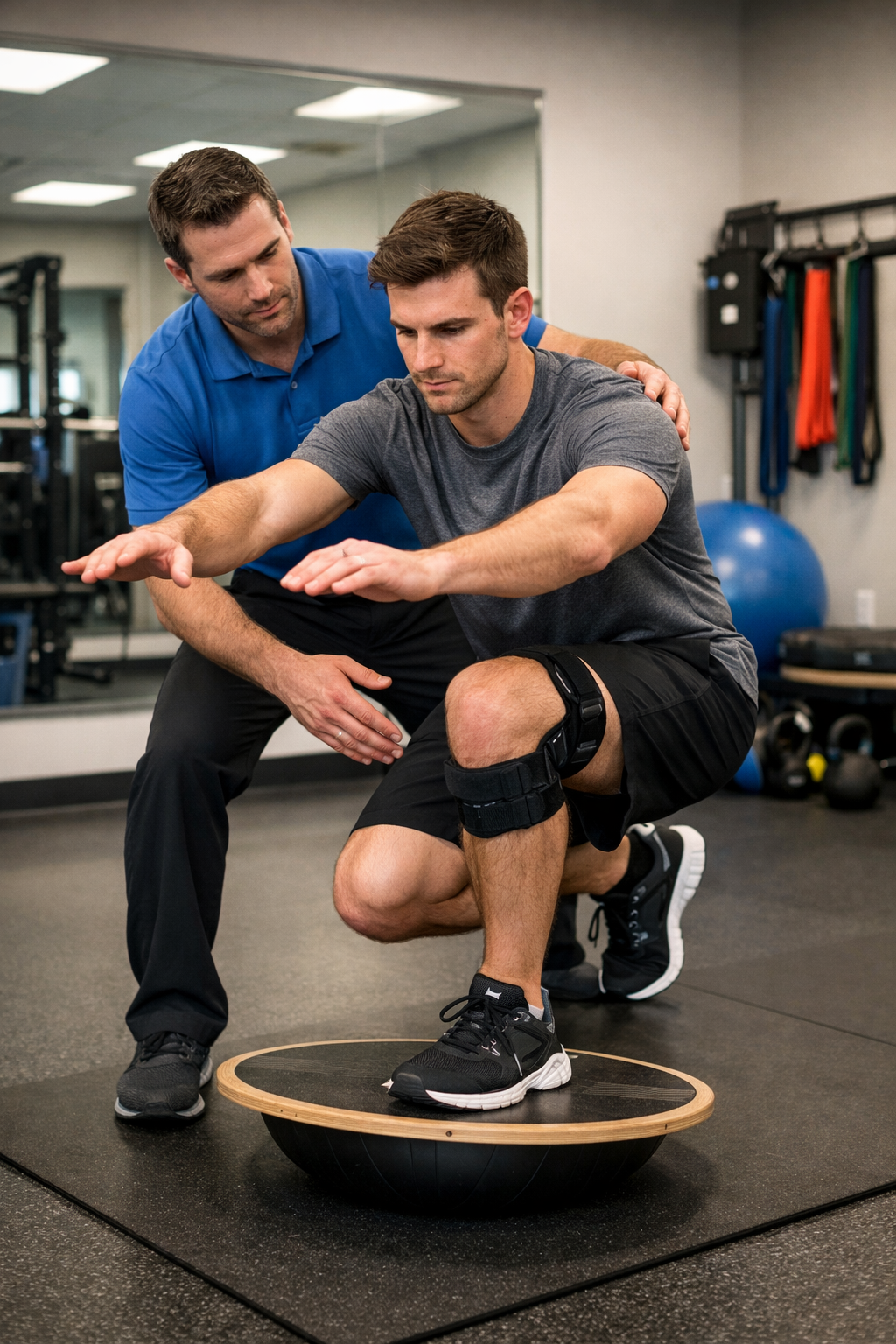
- Balance exercises: Single-leg stance progressions on stable and unstable surfaces to retrain proprioception
- Manual therapy: Hands-on joint mobilizations and soft tissue techniques to restore patellar mobility and reduce scar tissue
- Low-impact cardiovascular work: Stationary cycling and pool-based exercise to maintain fitness
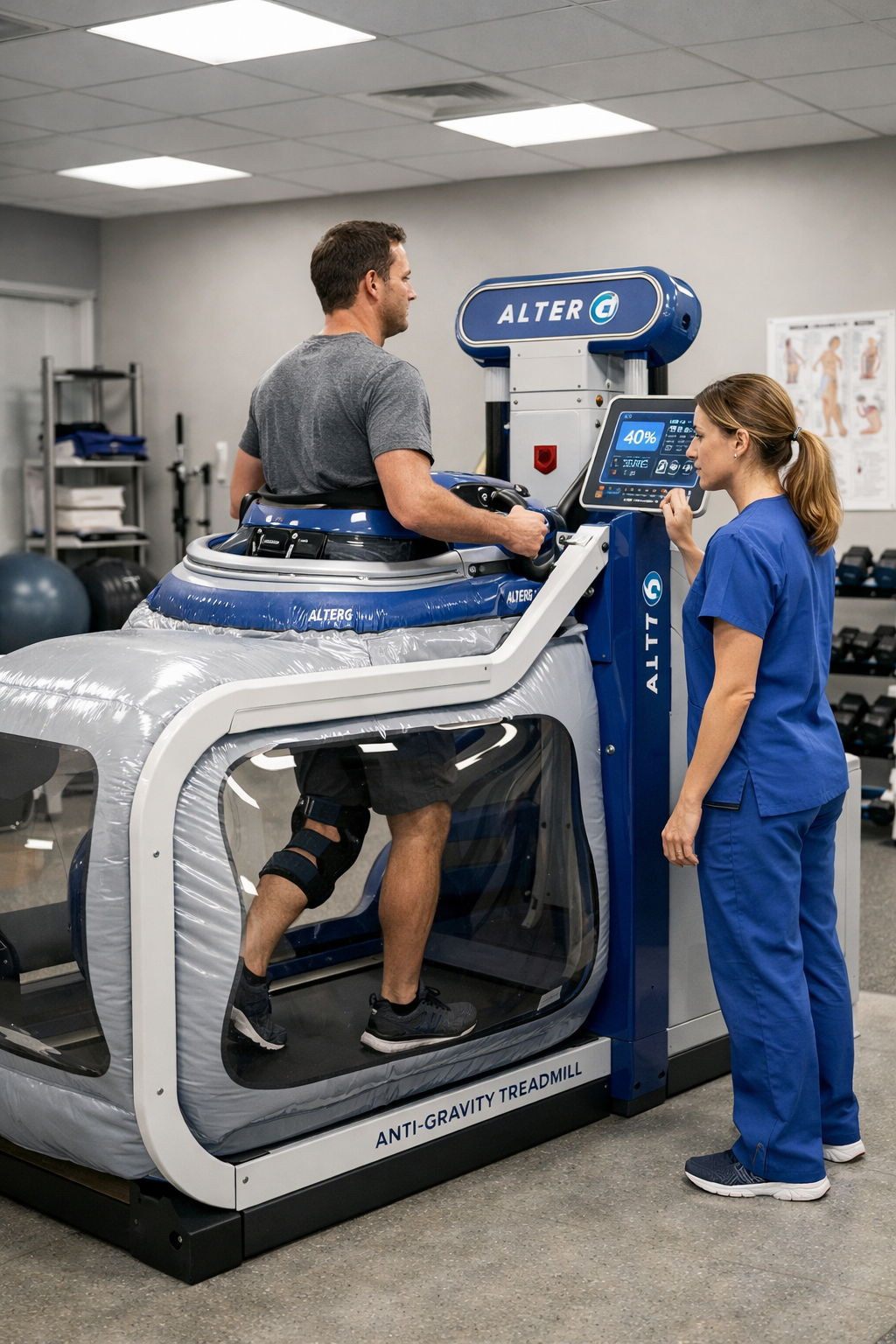
Phase 3: Strength and Neuromuscular Control (Weeks 6-12)
This is where meaningful muscle strength returns. Your physical therapist increases resistance and complexity.
- Heavy strengthening: Squats, deadlifts, lunges, and single-leg press variations with significant load
- Neuromuscular training: Perturbation exercises, dynamic balance challenges, and agility ladder work to rebuild reflexive knee stability
- Cardiovascular progression: Elliptical, swimming, and eventually light jogging on flat surfaces
- Continued range of motion work to achieve full, symmetrical knee motion
Phase 4: Running and Sport-Specific Preparation (Weeks 12-20)
Clearance to run is based on objective criteria — at minimum 80% quadriceps strength symmetry, full knee motion, no effusion, and normalized gait.
- Return-to-run program: A structured walk-jog progression building volume and intensity
- Sport-specific drills: For a Bucs cross country runner, this means trail-specific progression on varied terrain. For a Racquet Club tennis player, it means lateral movement drills and controlled pivoting. For a weekend sailor on the Navesink, it means dynamic balance work on unstable surfaces.
- Plyometric training: Box jumps, depth jumps, and bounding to retrain explosive force production and absorption
Phase 5: Return to Sport and Performance (Weeks 20-36+)
The final phase bridges rehabilitation and unrestricted activity.
- Return to sport testing: Hop tests, strength measurements, and movement quality screens that must meet established thresholds before clearance
- Full practice integration: Gradual return to team practices, scrimmages, and competitive play
- Injury prevention programming: Long-term neuromuscular and strengthening exercises to reduce re-injury risk
- Psychological readiness: Confidence in the knee is as critical as physical readiness. We address apprehension through progressive exposure to sport-specific demands.
THE NON-SURGICAL PATHWAY
Not every ACL tear requires anterior cruciate ligament reconstruction. For individuals with lower activity demands, partial tears, or certain medical considerations, non-surgical rehabilitation can restore knee function and knee stability.
The conservative pathway follows the same principles — progressive strengthening exercises, balance exercises, proprioception training, and functional restoration — without graft healing constraints. A Shrewsbury resident who sails the Navesink on weekends and walks Manson Park with family, but does not play cutting or pivoting sports, may achieve excellent knee function through rehabilitation alone. Your physical therapist will help you determine the right approach for your injury and goals.
ADVANCED TREATMENT TECHNIQUES
Trinity Rehab Shrewsbury offers specialized modalities that accelerate ACL recovery beyond traditional approaches.
Blood Flow Restriction Training (BFR)
Blood flow restriction training uses a specialized tourniquet to partially occlude venous blood flow during low-load exercise, triggering muscle strength gains comparable to heavy lifting at just 20 to 30 percent of your max. For post-ACL patients who cannot yet tolerate heavy loading, BFR enables meaningful quadriceps and hamstring development weeks earlier than conventional protocols.
Neuromuscular Electrical Stimulation (NMES)
Quadriceps inhibition after ACL surgery is a neurological phenomenon that voluntary effort alone cannot overcome. Neuromuscular electrical stimulation delivers targeted impulses to the quadriceps, forcing contraction and re-establishing neural pathways disrupted by surgery.
Dry Needling
Dry needling targets myofascial trigger points in the muscles surrounding the knee — particularly the quadriceps, hamstrings, IT band, and calf. By releasing these points, dry needling reduces pain, improves muscle activation, and restores range of motion.
EPAT / Shockwave Therapy
EPAT (Extracorporeal Pulse Activation Technology), also known as shockwave therapy, delivers acoustic pressure waves to injured tissue. For ACL patients, EPAT is effective at addressing patellar tendinopathy, scar tissue adhesions, and persistent swelling that stall recovery.
INJURY PREVENTION: PROTECTING YOUR ACL BEFORE IT TEARS
For every athlete and active professional in Shrewsbury, the best ACL treatment is the one you never need. Evidence-based ACL injury prevention programs include:
- Neuromuscular warm-ups: Programs like FIFA 11+ reduce ACL injury rates by up to 50% in field sport athletes
- Hamstring and hip strengthening: Correcting the quad-dominant patterns that leave the anterior cruciate ligament vulnerable
- Landing mechanics training: Teaching athletes to land with soft knees, aligned hips, and controlled deceleration
- Plyometric training progressions: Building tendon stiffness and reactive strength that protect the knee joint during explosive movements
- Balance and proprioception drills: Single-leg stability work that sharpens the knee’s protective mechanisms — valuable for court sports at the Racquet Club and maintaining footing on wet marina surfaces
Whether you coach youth soccer through Shrewsbury Recreation, play pickleball at the Racquet Club, or commute to NYC and stay active on weekends, these elements reduce your ACL risk.
WHY CHOOSE TRINITY REHAB IN SHREWSBURY
Here is what sets Trinity Rehab Shrewsbury apart:
- ACL-specialized physical therapists who manage your case from prehabilitation through return to sport — not generalists in a high-volume clinic
- Criteria-based progression using strength testing, hop testing, and movement analysis to determine advancement
- Advanced modalities including blood flow restriction, neuromuscular electrical stimulation, manual therapy, dry needling, and EPAT under one roof
- One-on-one treatment sessions ensuring your physical therapist is focused entirely on you
- Deep roots in Shrewsbury — we understand the athletic culture at Red Bank Regional, the recreational demands along the Navesink and Shrewsbury Rivers, and a community that values staying active
- Coordination with local surgeons at nearby Riverview Medical Center and throughout Monmouth County
Our clinic is located at 1130 Broad St, Shrewsbury, NJ 07702 — easily accessible from the borough and surrounding communities.
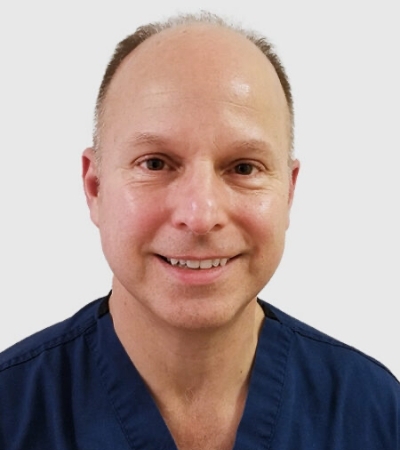
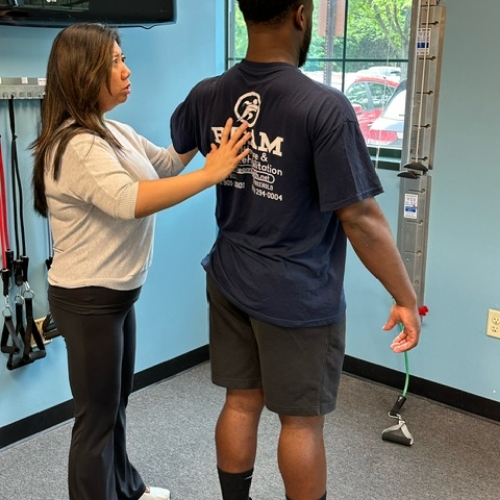
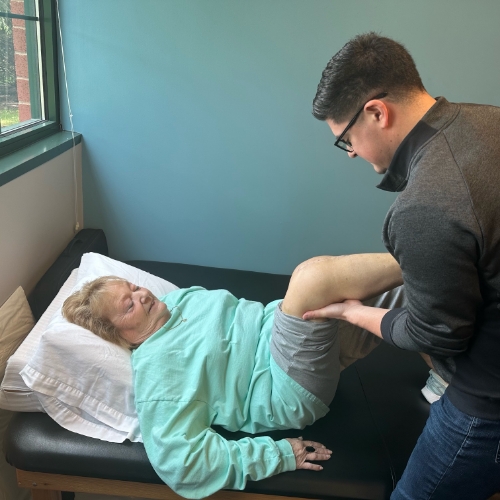
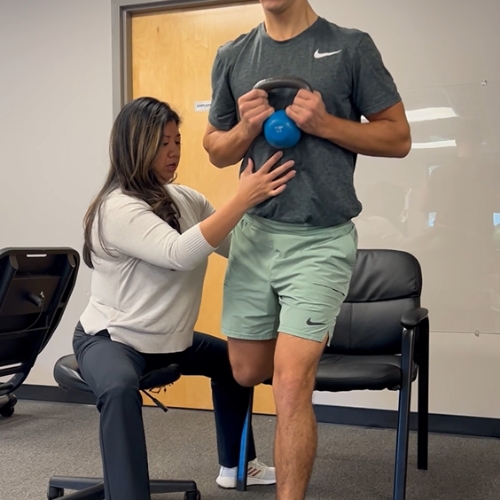
Inside Our Shrewsbury Clinic
RELATED CONDITIONS & TREATMENTS
ACL injuries are just one of the many conditions we treat at Trinity Rehab Shrewsbury. Explore our full range of conditions we treat or learn more about specific treatment approaches:
Shrewsbury ACL Rehab For Strength, Stability, And Return To Activity
ACL rehab in Shrewsbury should connect the healing stage to real movement goals: walking normally, using stairs, rebuilding quad strength, returning to running, and feeling ready for sport or exercise again.
Your therapist may assess swelling, range of motion, quad activation, hip strength, balance, gait, and return-to-sport readiness. The plan should match your surgical or non-surgical timeline and avoid skipping phases.
Related options include knee pain physical therapy, meniscus tear rehab, and the Shrewsbury physical therapy clinic page.
FREQUENTLY ASKED QUESTIONS
Shrewsbury ACL Rehab For Strength, Stability, And Return To Activity
ACL rehab in Shrewsbury should connect the healing stage to real movement goals: walking normally, using stairs, rebuilding quad strength, returning to running, and feeling ready for sport or exercise again.
Your therapist may assess swelling, range of motion, quad activation, hip strength, balance, gait, and return-to-sport readiness. The plan should match your surgical or non-surgical timeline and avoid skipping phases.
Related options include knee pain physical therapy, meniscus tear rehab, and the Shrewsbury physical therapy clinic page.
How long does ACL rehabilitation typically take?
I tore my ACL running cross country for the Bucs. When can I race again?
Can I recover from an ACL tear without surgery using physical therapy alone?
Does Trinity Rehab Shrewsbury treat ACL injuries that happened at work?
What should I do immediately after sustaining an ACL injury?
An ACL injury does not have to redefine what is possible. Whether you are a Red Bank Regional athlete chasing a conference title, a sailor returning to the Navesink, a tennis player getting back on court at the Racquet Club, or a working professional who needs full knee function — structured, expert-guided rehabilitation is the path forward.
Trinity Rehab Shrewsbury is ready to guide you through every phase of ACL recovery.
- Clinic Address: 1130 Broad St, Shrewsbury, NJ 07702
- Schedule Your Evaluation: Book an appointment online or call our Shrewsbury clinic directly.
Learn about the conditions we treat, our approach to ACL treatment, or solutions for hip and knee pain.
This community has endured since before the Revolution. Your knee can endure this, too — with the right team beside you.