Knee Pain Treatment in Sewell, NJ: Physical Therapy That Addresses the Source
Washington Township — the community Sewell calls home — is quietly one of Gloucester County’s most athletically accomplished municipalities. Washington Township High School’s Minutemen have won state championships in football, softball, soccer, and baseball, and the school’s athletic culture runs deep through the community. Beyond the high school fields, Sewell residents hike and mountain bike through Ceres Park, run the wooded paths of Tall Pines State Preserve, and participate in adult recreational leagues that keep the community moving year-round.
Knee pain disrupts all of it. And in a community as physically active as Sewell — from the high school sideline to the hospital corridor at Cooper University Health Care’s Sewell campus — knee pain has a way of affecting almost everyone eventually. At Trinity Rehab, we help Sewell residents identify what’s driving their pain and build a targeted plan to resolve it.
Knee Pain in Sewell: Who It Affects and Why
Washington Township High School athletes. WTHS has one of the most decorated athletic programs in South Jersey. The Minutemen’s state championships in football, soccer, softball, and baseball reflect a program where athletes train hard and compete hard — and where knee injuries are part of the landscape. Soccer’s cutting and pivoting demands, football’s high-impact collision loads, basketball’s jump-landing patterns, and lacrosse’s lateral movement all produce the full range of knee injuries: ACL and MCL tears, meniscus damage, patellofemoral syndrome, and patellar tendonitis.
Trail runners, mountain bikers, and outdoor enthusiasts. Tall Pines State Preserve offers over four miles of trails through wooded terrain, ponds, and Mantua Creek headwaters — terrain that rewards balance and punishes missteps. Ceres Park draws mountain bikers and hikers to its rolling paths and wooded climbs. Washington Lake Park adds trails and bike paths near the water. All of this creates ample opportunity for the overuse injuries common in trail runners and cyclists: IT band syndrome, runner’s knee, and stress-related cartilage wear.
Healthcare and hospital workers. Cooper University Health Care’s Sewell campus is one of the community’s major employers, offering primary and specialty care, surgical services, and women’s health. Jefferson Washington Township Hospital operates nearby in Turnersville. Healthcare workers — nurses, surgical techs, physical and occupational therapists — spend their days walking hard floors, bending, lifting patients, and standing for extended periods. The cumulative knee stress of these demands is significant: bursitis, tendonitis, and early-onset osteoarthritis are all common in healthcare professionals.
Adult recreational athletes. PlayMore NJ, Heyday Athletic, and Gloucester County adult leagues offer year-round soccer, softball, and volleyball to Sewell-area adults who want organized competition. Adult recreational sports present specific knee challenges: the body’s reflexive protection systems slow with age, while competitive demands remain high. Meniscus tears from pivot movements, IT band syndrome in returning runners, and patellofemoral pain in adult beginners are among the most common presentations.
Gym and fitness community. Kennedy Fitness and WOLF Fitness bring Sewell residents into structured strength and conditioning programs. Improper squat mechanics, overloaded jump training, and rapid increases in training volume are common causes of knee pain in gym-going populations — particularly patellar tendonitis and patellofemoral syndrome.
What’s Really Happening in a Painful Knee
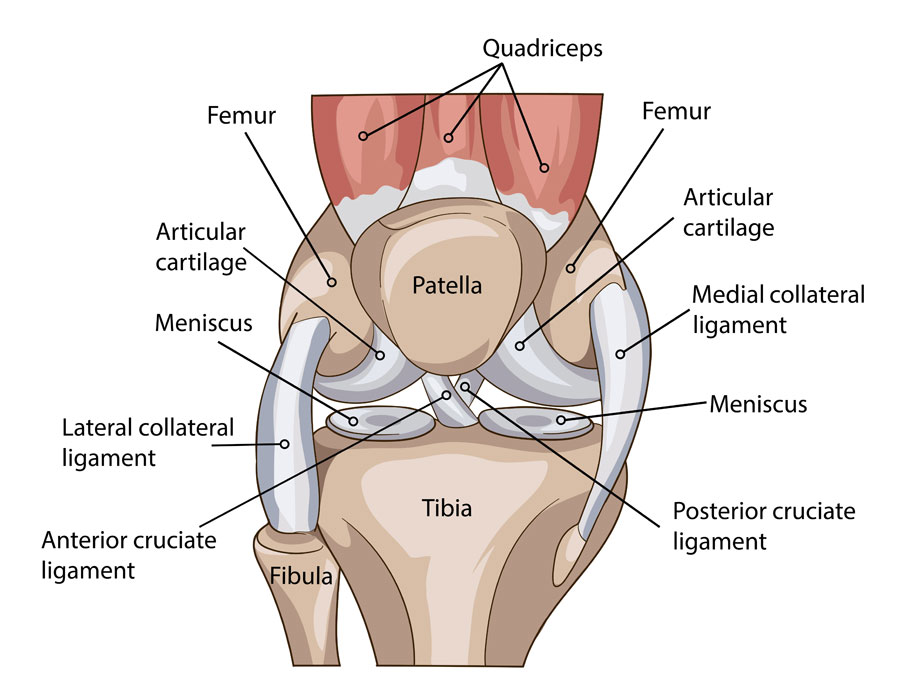
The knee is not a simple hinge — it is a complex joint influenced by everything above and below it. Hip weakness causes inward knee collapse. Tight calves alter how the knee absorbs load. Worn cartilage changes movement mechanics and accelerates further breakdown. Understanding your specific pattern of dysfunction is the foundation of effective treatment.
Knee osteoarthritis, the most common cause of knee pain in adults over 50, involves cartilage breakdown that cannot be reversed — but its effects absolutely can be managed. A systematic review published in the European Journal of Medical Research found that exercise therapy and physical therapist-guided interventions consistently improve both pain and functional outcomes in knee osteoarthritis patients. The key is addressing the mechanical contributors — muscle weakness, poor movement patterns, and joint stiffness — not just waiting for pain to resolve on its own.
For Sewell’s younger athletes, the priority is different: restoring the tissue integrity and neuromuscular control that protects against re-injury. An ACL that heals without proper rehabilitation has significantly higher re-tear rates. A meniscus that is managed without addressing the mechanical causes of injury will likely be re-injured.
Trinity Rehab’s Treatment Approach for Sewell Patients
Thorough evaluation first. Every patient receives a one-on-one assessment with a licensed physical therapist who examines joint mechanics, muscle strength, movement patterns, and pain provocation. You leave the first appointment with a clear picture of what’s driving your pain and what recovery will involve.
Manual Therapy
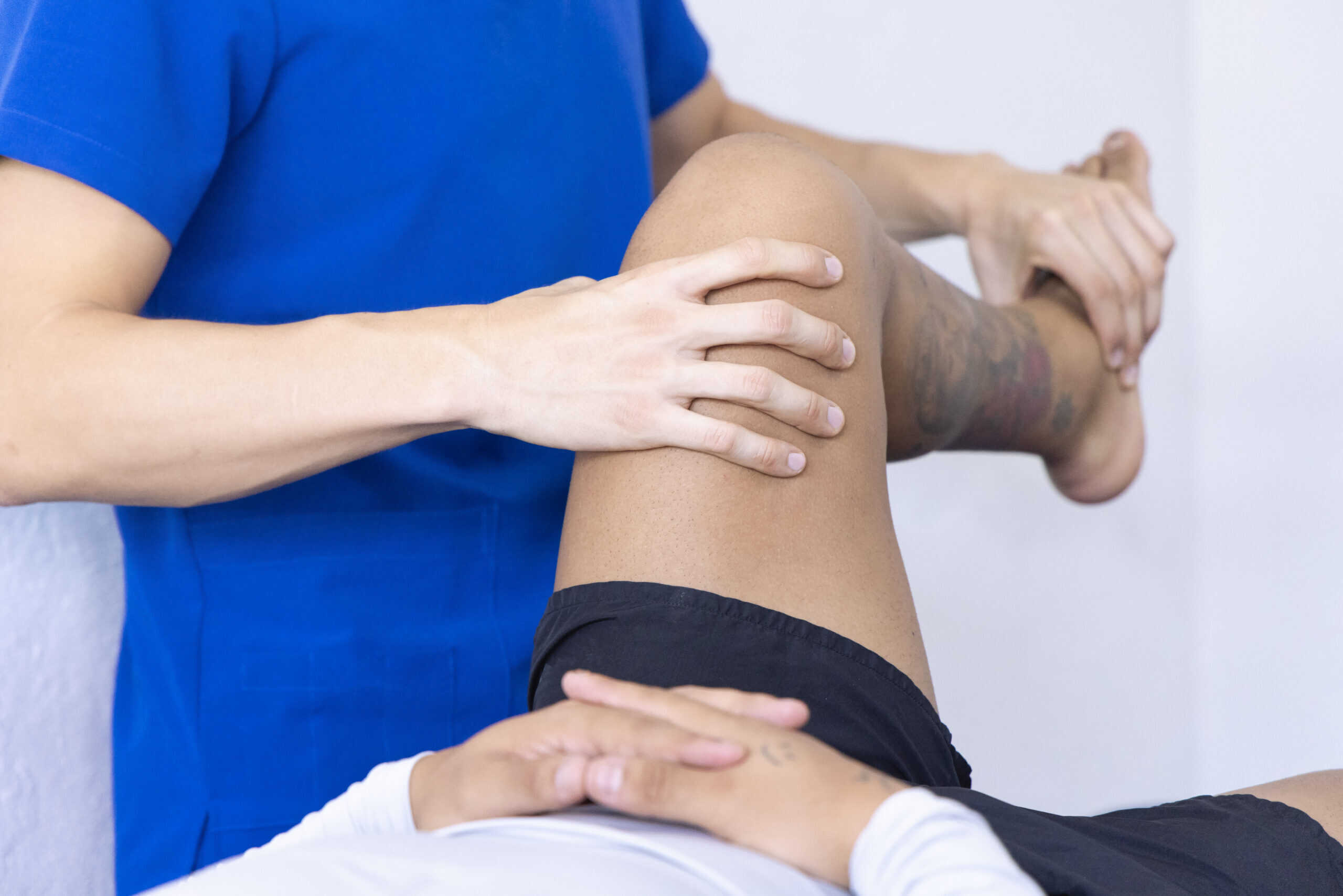
Hands-on joint mobilization, soft tissue release, and patellar mobilization reduce pain and restore mechanical function directly. For WTHS athletes with acute knee injuries and for Sewell healthcare workers managing chronic knee stiffness, manual therapy is often the fastest path to meaningful early relief.
Progressive Strengthening and Rehabilitation
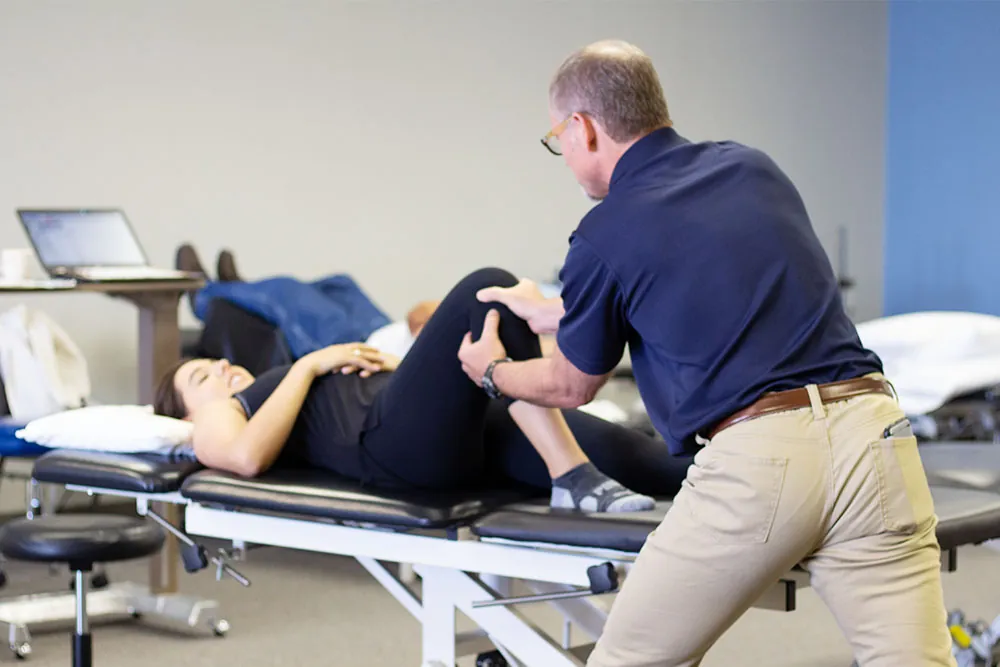
Your therapist guides you through a structured strengthening program targeting the quadriceps, hamstrings, glutes, and hip stabilizers — the muscles that protect and stabilize the knee through every activity. Exercises advance progressively as your strength and pain tolerance improve. NIH research confirms that combined hip and knee strengthening produces lasting pain reduction and improved function across knee diagnoses.
Neuromuscular Training
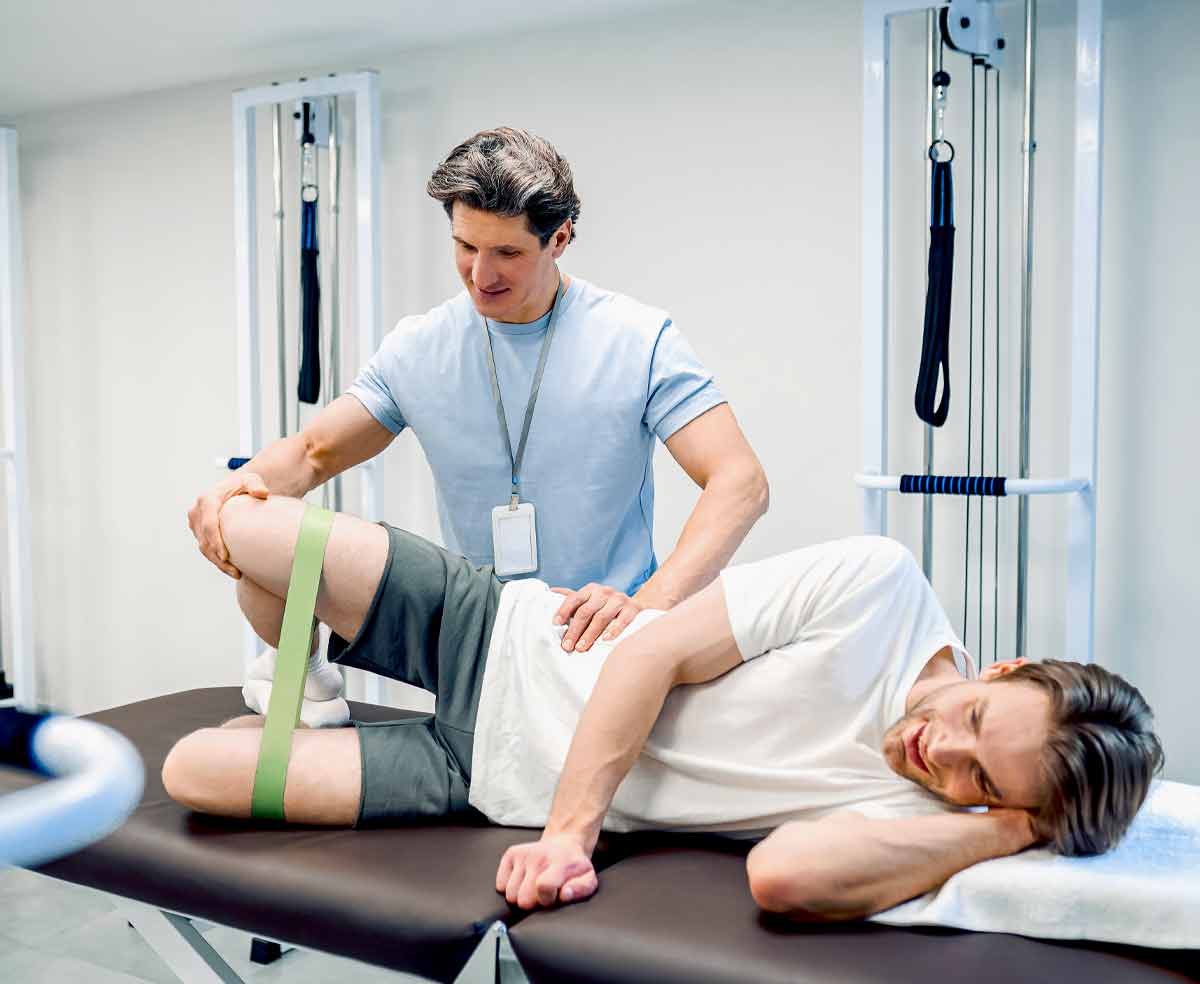
Injury disrupts the proprioceptive communication between the nervous system and the muscles that stabilize the knee. Balance training, coordination drills, and functional movement retraining restore this system. For WTHS soccer players returning after ACL reconstruction and for adult recreational athletes recovering from meniscus injuries, neuromuscular training is the phase that builds durable protection against re-injury.
EPAT Shockwave Therapy
EPAT delivers focused acoustic pulses that stimulate blood flow and accelerate healing in damaged or chronically irritated tissue. For Sewell’s athletes dealing with patellar tendonitis and for residents with chronic IT band or soft tissue knee pain that hasn’t responded to other approaches, EPAT is a clinically proven adjunct that often unlocks recovery.
Dry Needling
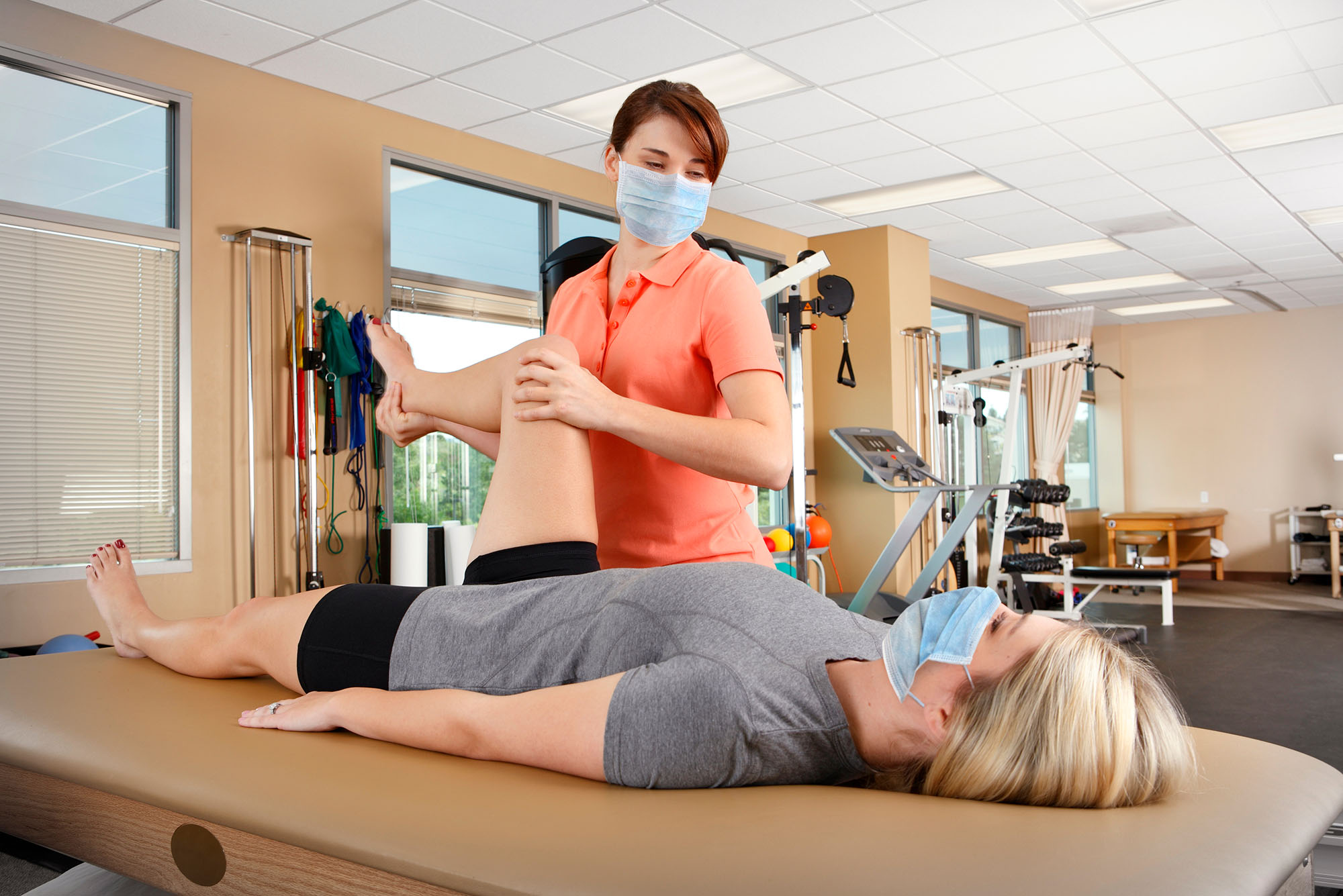
Trigger point release in the quadriceps, IT band, hip flexors, and posterior chain reduces the tension that misdirects force through the knee joint. Dry needling provides rapid pain relief and meaningfully improves movement quality — making subsequent strengthening exercises more effective.
AlterG Anti-Gravity Treadmill
For patients whose pain limits weight-bearing activity, the AlterG allows walking and running rehabilitation at a fraction of normal body weight. Knee replacement recovery, post-ACL surgery return-to-running, and rehabilitation following significant injury all benefit from the AlterG’s ability to restore movement quality without overloading the healing joint.
Conditions Treated at Trinity Rehab Serving Sewell
- Knee osteoarthritis — progressive management for Sewell adults 50 and older; slows progression and meaningfully reduces daily pain
- ACL and MCL injuries — complete care for WTHS athletes and adult recreational players, from injury through full return to sport
- Meniscus tears — many respond to conservative physical therapy; surgical coordination available when needed
- Patellofemoral syndrome (runner’s knee) — common in Tall Pines trail runners, cyclists, and high school cross country athletes
- Patellar tendonitis — frequent in WTHS basketball, volleyball, and soccer athletes from jumping demands
- IT band syndrome — lateral knee pain in Ceres Park mountain bikers and distance runners
- Bursitis — particularly common in healthcare workers, industrial employees, and athletes from repetitive kneeling
- Post-surgical rehabilitation — structured recovery following knee replacement and ACL reconstruction
- Work-related knee injuries — for Cooper Health, Jefferson Hospital, and industrial workforce employees
For more information, see our knee pain treatment overview and sports injury care.
Meniscus Tears: Does Every Tear Need Surgery?
This is one of the most common questions we hear. The answer, increasingly supported by research, is no — not every meniscus tear requires surgical intervention. For degenerative tears (common in adults over 40) and for many partial tears, physical therapy produces outcomes that match or exceed surgical results. Treatment reduces swelling, restores range of motion, and builds the muscular support that takes load off the damaged meniscus. Your Trinity Rehab therapist will give you an honest, evidence-based assessment of your specific tear type and the likelihood of non-operative success.
Why Sewell Residents Choose Trinity Rehab
One-on-one care, every session. Your licensed physical therapist is with you for every minute of every visit — the model that produces superior outcomes.
No referral needed. New Jersey’s direct access law means you can call and schedule your evaluation today without a physician’s order.
Advanced technology. EPAT, dry needling, and the AlterG — available and integrated into plans when clinically appropriate.
Insurance accepted. We verify your coverage before your first appointment.
Located near Sewell’s major employers and neighborhoods. Trinity Rehab is accessible from Washington Township’s residential areas, the Cooper Health campus corridor, and the Route 42 and Black Horse Pike commuter routes.
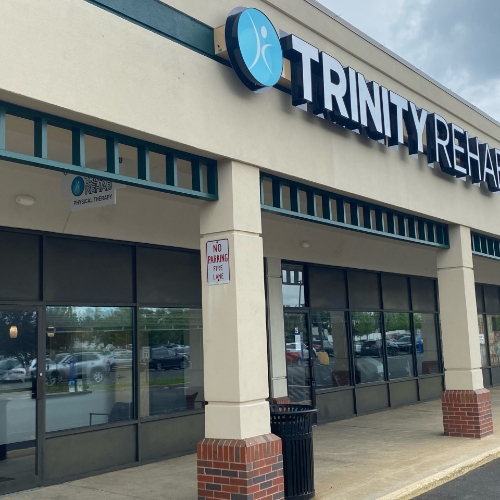
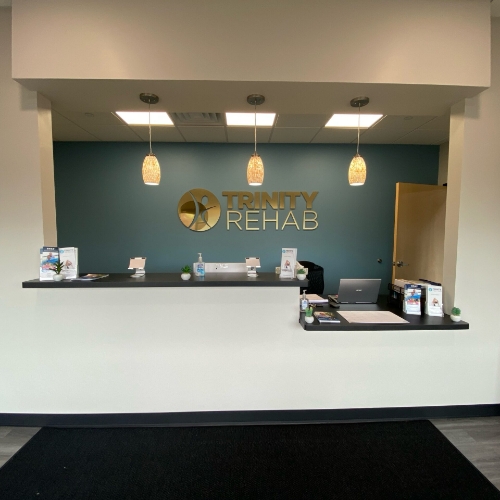
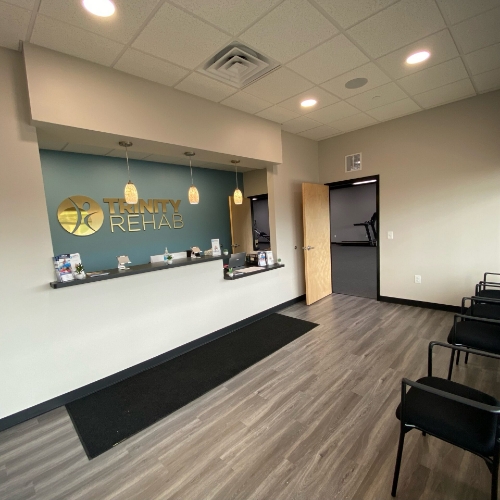
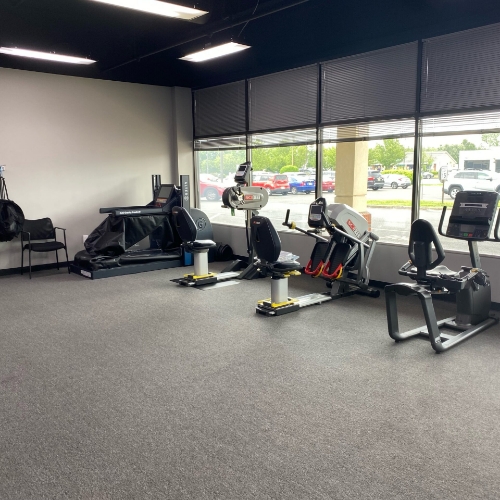
Inside Our Sewell Clinic
Related Conditions & Treatments
Knee pain is just one of the many conditions we treat at Trinity Rehab. Explore our full range of conditions we treat or learn more about specific treatment approaches:
Sewell Knee Rehab For Stairs, Walking, And Daily Confidence
Knee pain can make stairs, walking, exercise, work, and getting in and out of a car more difficult. Sewell rehab should identify whether strength, mobility, balance, swelling, or movement mechanics are driving the issue.
Your therapist may assess knee motion, quad and hip strength, walking mechanics, balance, and activity tolerance. The plan can progress from symptom control to stronger, more confident movement.
Related care includes ACL rehab, meniscus tear rehab, and the Sewell physical therapy clinic page.
Frequently Asked Questions About Knee Pain in Sewell
Sewell Knee Rehab For Stairs, Walking, And Daily Confidence
Knee pain can make stairs, walking, exercise, work, and getting in and out of a car more difficult. Sewell rehab should identify whether strength, mobility, balance, swelling, or movement mechanics are driving the issue.
Your therapist may assess knee motion, quad and hip strength, walking mechanics, balance, and activity tolerance. The plan can progress from symptom control to stronger, more confident movement.
Related care includes ACL rehab, meniscus tear rehab, and the Sewell physical therapy clinic page.
My knee has been hurting since I played in an adult soccer league. Do I need an MRI before starting physical therapy?
I work long shifts at a hospital and my knees ache by the end of the day. Is that something physical therapy can help with?
My teenager had knee surgery last spring at Jefferson Washington Township Hospital. When should rehabilitation start?
How is Trinity Rehab different from the physical therapy I might do at a hospital-based outpatient clinic?
Begin Your Recovery Today
Sewell is a community that doesn’t sit still — and your knee pain shouldn’t define your ability to stay in it. Whether you’re a WTHS Minuteman athlete, a Tall Pines trail runner, a Cooper Health staff member on your feet all day, or a retiree managing arthritis that’s been slowing you down, Trinity Rehab has the expertise and technology to help.
No referral required. Insurance accepted. One-on-one licensed care from the first session to the last.
Related resources: Knee Pain Treatment Hub | Hip & Knee Pain Relief | Sciatica Treatment | EPAT Therapy | Sports Injuries
What Our Patients Say



Sign up for free health tips and tricks