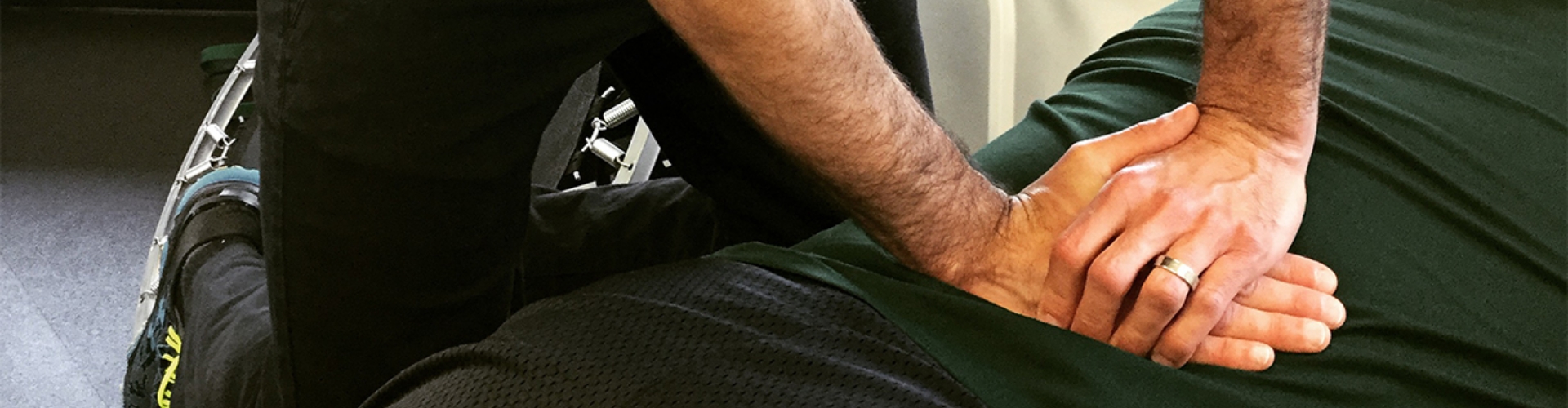
Back Pain Treatment in Sewell, NJ
Sewell sits at the heart of Washington Township, Gloucester County’s largest and most populated community — a South Jersey suburb of nearly 50,000 residents where good schools, affordable housing, and easy access to Philadelphia have made it one of the region’s most sought-after places to raise a family. Washington Township High School draws student-athletes from across one of the most competitive athletic programs in the South Jersey conference. Rowan College of South Jersey — whose main Gloucester Campus is located in Sewell — brings a significant student and faculty population to the area. And the Route 42/I-295 corridor connects Sewell residents to Philadelphia, Cherry Hill, and the broader South Jersey employment base.
Back pain is extraordinarily common in Sewell’s working community — and the combination of long commutes on the AC Expressway and Black Horse Pike, physically demanding trades work, and the high-energy family and athletic life of Washington Township creates a patient population with specific, identifiable, and highly treatable back pain patterns.
Trinity Rehab provides physical therapy for back pain that addresses these patterns with one-on-one, expert care and advanced treatment technology. We are here to help you get back to the full, active life Sewell is built for.
Who Gets Back Pain in Sewell?
Washington Township’s population — with a median age in the early 50s and a high homeownership rate of over 83% — includes a large share of established working families, retirees, and long-tenure residents who have spent decades in the trades, healthcare, education, and business. The community’s demographic tilt toward older working adults means degenerative spinal conditions, chronic back pain, and post-surgical rehabilitation are significant treatment priorities in the Sewell area.
But back pain in Sewell is not just a middle-age problem. Washington Township High School produces competitive athletes in football, wrestling, lacrosse, track, and soccer — sports that place significant spinal load on young bodies. Acute injuries and growth-related back conditions in student-athletes are a regular part of our caseload from this community.
Rowan College of South Jersey’s Gloucester Campus, located directly in Sewell, employs faculty and staff who work in sedentary academic roles — and serves a student population that includes many returning adult learners balancing coursework with physically demanding jobs.
Back pain frequently affects how you walk, placing additional stress on the knees. Learn about knee pain treatment at Trinity Rehab.
The Back Pain Causes We Most Commonly See
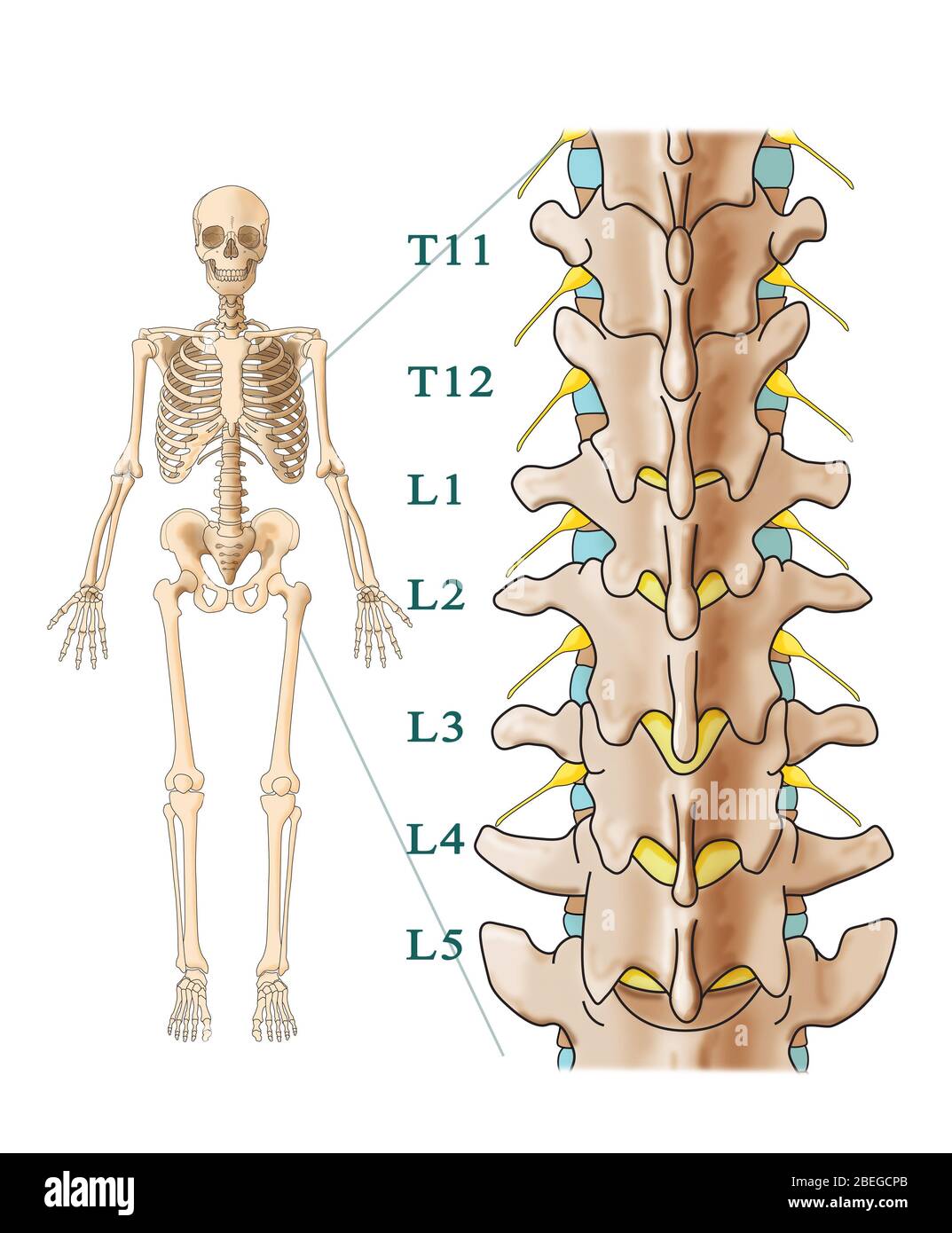
Sewell and Washington Township’s population presents with a characteristic range of back pain diagnoses:
- Degenerative disc disease — the most common diagnosis among Sewell’s older working residents, causing stiffness, aching, and reduced tolerance for sustained activity; highly manageable with the right physical therapy approach
- Lumbar disc herniations and bulges — frequent in middle-aged residents and in those with physically demanding occupational histories; often associated with leg symptoms, numbness, or tingling (disc herniation treatment)
- Spinal stenosis — progressive narrowing of the spinal canal that causes leg cramping and pain with walking, most common in residents over 55
- Sciatica — radiating nerve pain that travels from the lower back into the buttock and leg; one of the most disabling and most treatable back pain presentations (sciatica care)
- Occupational lower back injuries — from construction, trades, healthcare, and warehouse work; Gloucester County’s significant blue-collar workforce presents with complex, often multi-factorial back pain from years of physical labor (work injury treatment)
- Athletic and sports injuries — acute strains, stress fractures, and disc injuries in Washington Township High School athletes and adult recreational participants (sports injury treatment)
- Sacroiliac joint dysfunction — pain in the deep buttock and lower back that is often misidentified as sciatica, particularly common after pregnancy or following physically demanding work
- Post-surgical rehabilitation — following spinal fusion, laminectomy, or disc replacement, structured physical therapy is critical to restoring full function
Symptoms That Tell You It Is Time to Act
Sewell patients come to us when back pain has reached the point where daily life is genuinely limited:
- Waking up in the morning stiff and sore, needing 20–30 minutes just to move normally
- Aching lower back pain that worsens over the course of a workday and doesn’t fully ease by bedtime
- A deep, gnawing pain in the buttock or hip that won’t resolve despite rest and over-the-counter medications
- Shooting or burning pain that runs from the lower back down into the leg or foot
- Numbness, tingling, or weakness in one or both legs
- Difficulty sitting through family dinners, sporting events at Washington Township High School, or a class at Rowan College
- Pain so severe it has reduced your activity level for weeks or months
These symptoms are not inevitable, and they do not have to be permanent. Expert physical therapy addresses them at their source.
How We Treat Back Pain: A Comprehensive Approach
Hands-On Manual Therapy
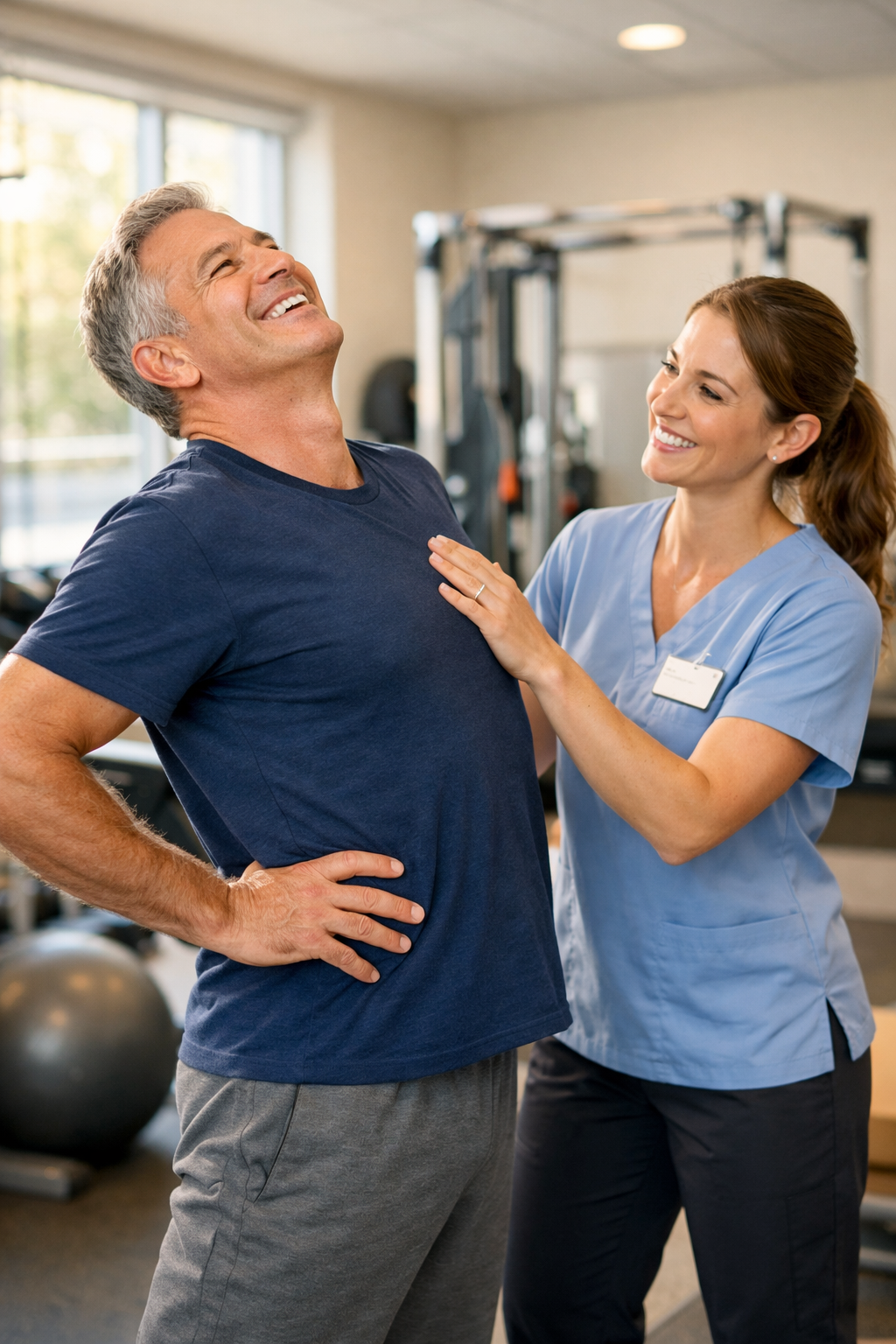
Every patient at Trinity Rehab receives manual therapy as a foundational component of care. Joint mobilization of the lumbar spine and pelvis, soft tissue mobilization, and myofascial release work together to restore normal spinal mechanics, reduce muscle guarding, and provide immediate pain relief. For Sewell’s older patients with degenerative changes, manual therapy is particularly effective at maintaining joint mobility and preventing the progressive stiffening that makes simple daily tasks increasingly painful.
Targeted Core and Gluteal Strengthening
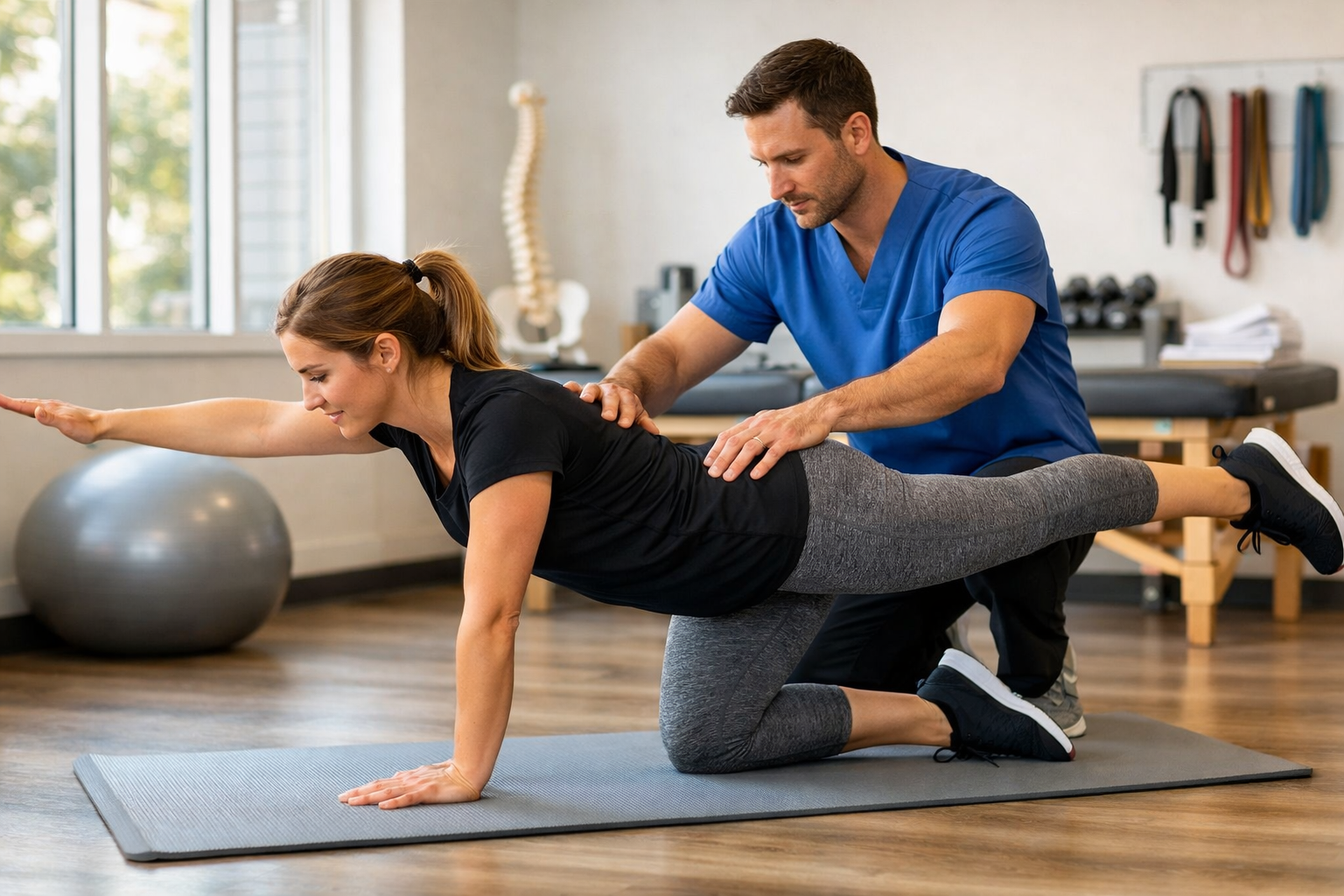
The deep muscles of the core and posterior chain — the transverse abdominis, multifidus, gluteus maximus and medius, and hip external rotators — are the primary structural defense against lower back pain. For patients whose back pain stems from years of physical labor or sedentary professional work, these muscles are often significantly weakened or poorly activated. Your therapist builds a progressive, individualized strengthening program that reestablishes this muscular foundation without aggravating your current symptoms.
Dry Needling
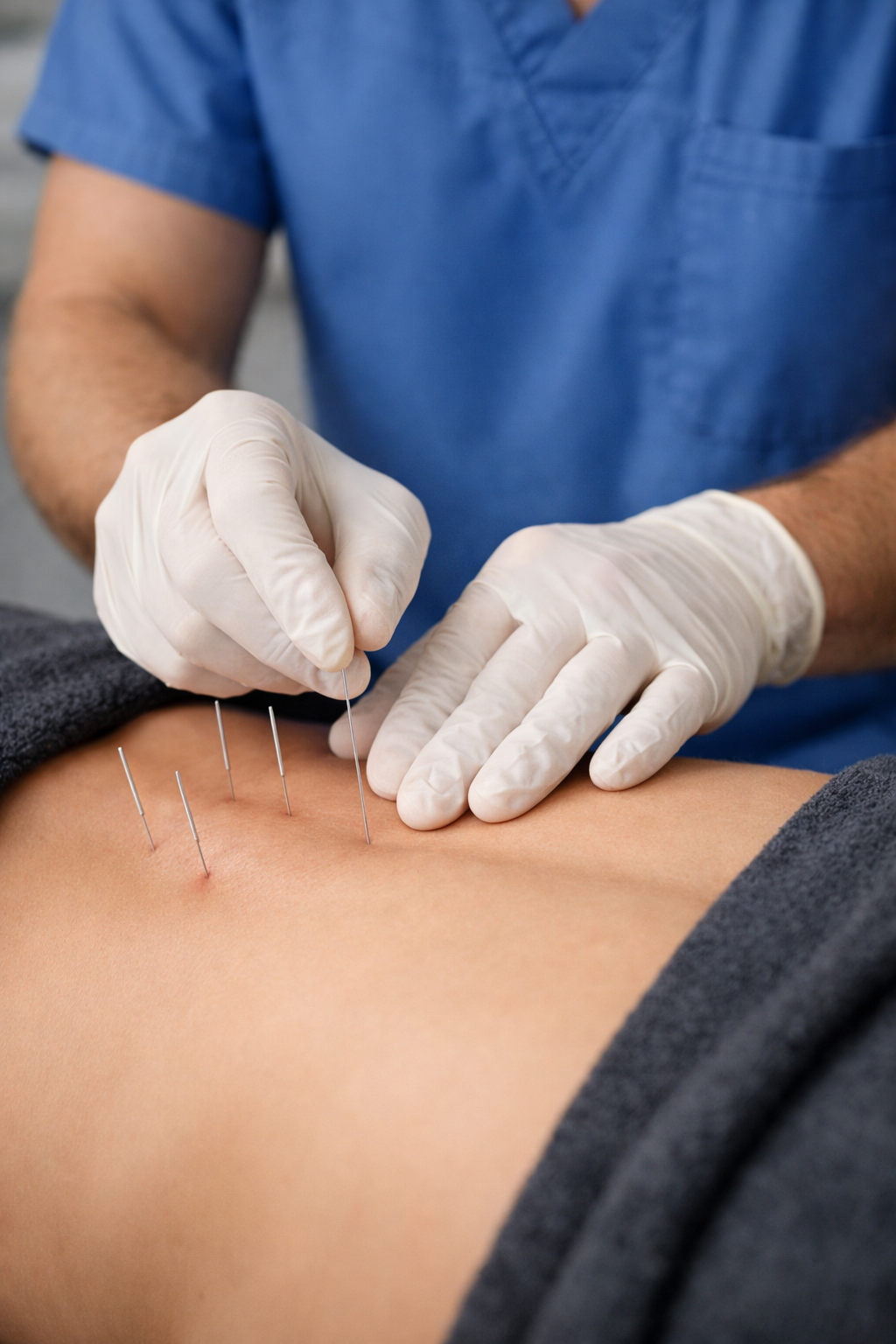
Dry needling is particularly effective for the deep muscle tension and trigger points that characterize the chronic back pain patterns common in Sewell’s working-age population. By inserting thin filament needles directly into hyperirritible trigger points in the paraspinals, glutes, and piriformis, your therapist releases contracted tissue, improves local circulation, and resets the pain response. Many patients — particularly those who have been managing chronic pain with medications — find dry needling produces the most immediate and significant improvement they have experienced.
EPAT Shockwave Therapy
For the subset of Sewell patients whose back pain has persisted for months or years despite previous treatment attempts, EPAT (Extracorporeal Pulse Activation Technology) offers a clinically validated path forward. Targeted acoustic pulses penetrate deeply into affected tissue, stimulating cellular repair, improving circulation, and disrupting the chronic neurological pain loop. Studies show 70–85% pain reduction in chronic cases treated with three to six EPAT sessions — making it a powerful option for patients who have felt stuck.
Spinal Decompression
Disc herniations, bulging discs, and stenosis — all common in Washington Township’s aging population — respond well to non-surgical spinal decompression. Gentle mechanical unloading of the lumbar spine reduces pressure on compressed nerve roots, promotes disc rehydration, and allows natural healing to progress. This is a non-invasive alternative to injection or surgical intervention that is appropriate for many patients with disc-related back and leg symptoms.
Postural and Occupational Rehabilitation
For Sewell’s physically demanding workforce, rehabilitation extends beyond the clinic to the specific movements and postures of the job. Your therapist teaches the body mechanics, load management strategies, and worksite adaptation principles that protect the lumbar spine under the demands of trades work, healthcare, and physically active occupations. For those approaching retirement who want to maintain an active lifestyle, the program emphasizes the functional movements that matter most for quality of life.
Staying Pain-Free in Sewell
The prevention program your therapist builds for you is designed for the specific life you lead:
- Consistent home exercise — three to four days per week of your prescribed core and mobility program after discharge
- Movement during sedentary activities — whether at a desk, on a commute, or at a Rowan College class, regular position changes reduce disc loading
- Proper lifting and body mechanics — critical for Sewell’s significant trades and manual labor population
- Low-impact activity — walking, swimming, and cycling maintain spinal conditioning without high impact loading
- Managing degenerative conditions proactively — residents with degenerative disc disease or stenosis benefit from periodic maintenance sessions to prevent symptom escalation
Why Sewell and Washington Township Residents Choose Trinity Rehab
Trinity Rehab delivers exactly what Sewell’s practical, no-nonsense residents are looking for: expert, efficient, results-oriented physical therapy care. Every session is one-on-one with a licensed physical therapist — not rotated through assistants or aides. Your therapist knows your history, tracks your progress, and adapts your treatment based on how you are actually responding.
We offer advanced treatment technology — EPAT, dry needling, spinal decompression — alongside the skilled manual therapy and therapeutic exercise that form the backbone of effective care.
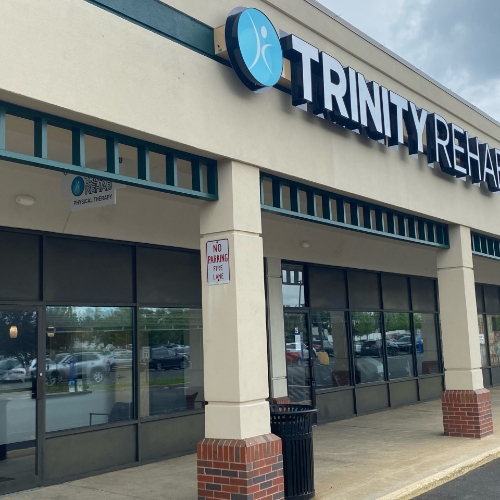
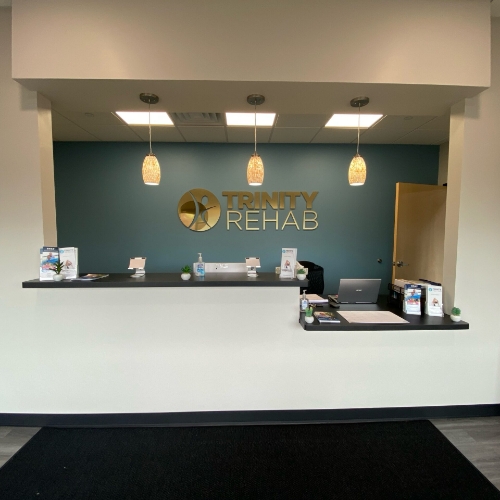
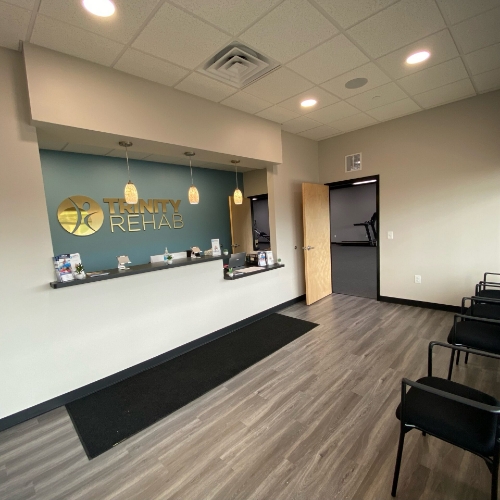
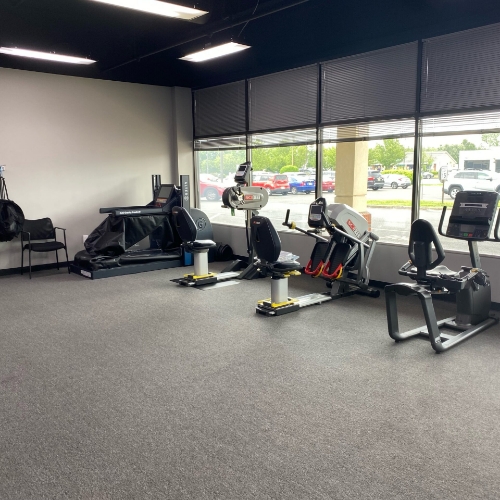
Inside Our Sewell Clinic
Related Conditions & Treatments
Back pain is just one of the many conditions we treat at Trinity Rehab Sewell. Explore our full range of conditions we treat or learn more about specific treatment approaches:
Sewell Back Pain Rehab For Work, Errands, And Everyday Movement
Back pain can interrupt lifting, sitting, driving, sleep, work, and exercise. Sewell physical therapy should connect your symptoms to the specific movement patterns and daily demands that keep flaring them up.
Your therapist may assess mobility, strength, hip contribution, nerve symptoms, posture, gait, and lifting mechanics. Treatment can include manual therapy, exercise progression, movement coaching, and a home plan you can actually follow.
Related care includes sciatica treatment, hip pain physical therapy, and the main Sewell physical therapy clinic page.
Frequently Asked Questions
Sewell Back Pain Rehab For Work, Errands, And Everyday Movement
Back pain can interrupt lifting, sitting, driving, sleep, work, and exercise. Sewell physical therapy should connect your symptoms to the specific movement patterns and daily demands that keep flaring them up.
Your therapist may assess mobility, strength, hip contribution, nerve symptoms, posture, gait, and lifting mechanics. Treatment can include manual therapy, exercise progression, movement coaching, and a home plan you can actually follow.
Related care includes sciatica treatment, hip pain physical therapy, and the main Sewell physical therapy clinic page.
Does physical therapy help with spinal stenosis?
How long does it take to recover from a herniated disc with physical therapy?
Can physical therapy help me after spine surgery?
Is physical therapy better than medication for chronic back pain?
Do I need a referral to start physical therapy in New Jersey?
Take Action Today
Back pain in Sewell is common — but it does not have to be your permanent reality. Whether you are an athlete at Washington Township High School, a longtime trades professional, a commuter worn down by years on Route 42, or a retiree who wants to stay active and independent, Trinity Rehab has the expertise and the technology to help you recover fully.
What Our Patients Say



Sign up for free health tips and tricks