

TENNIS ELBOW TREATMENT IN NEWTOWN, PA | TRINITY REHAB
Tyler State Park stretches across 1,711 acres of rolling Bucks County terrain just minutes from downtown Newtown. On any given Saturday, the park’s trails are filled with runners, its equestrian paths host riders, and its tennis courts echo with the crack of serves and volleys. By afternoon, many of those same residents have moved on to the Bucks County Tennis Association courts near Council Rock, a round at Northampton Valley Country Club, or pickleball at The Picklr Newtown PA. This is life in Newtown — a historic borough where an affluent, family-oriented community treats physical activity as a way of life.
But that active lifestyle has a downside. You crush a backhand during a morning doubles match, spend the afternoon working on your short game at Baylinks Golf, and then wince lifting your coffee cup at the Newtown Farmer’s Market the next morning. The outside of your elbow throbs. Your grip feels weak. Turning a doorknob sends a jolt up your forearm. If this sounds familiar, you are likely dealing with tennis elbow — and you are far from alone.
Newtown’s character is rooted in history. The Newtown Theatre, the oldest continuously operating cinema in the United States, anchors a downtown blending colonial-era charm with modern suburban energy. Residents commute to Philadelphia and Trenton, raise families in top-rated school districts, and fill weekends with outdoor recreation. That combination of desk-bound professional life and vigorous weekend activity is precisely what drives tennis elbow cases through the roof.
At Trinity Rehab Newtown, we treat lateral elbow tendinopathy every week — in tennis players, golfers, healthcare workers, parents, and high school athletes. Because Pennsylvania’s Direct Access law allows you to begin physical therapy for up to 30 days without a physician referral, you do not have to wait for a doctor’s appointment. Walk into our clinic, get evaluated by a licensed physical therapist, and begin treatment the same week symptoms appear.
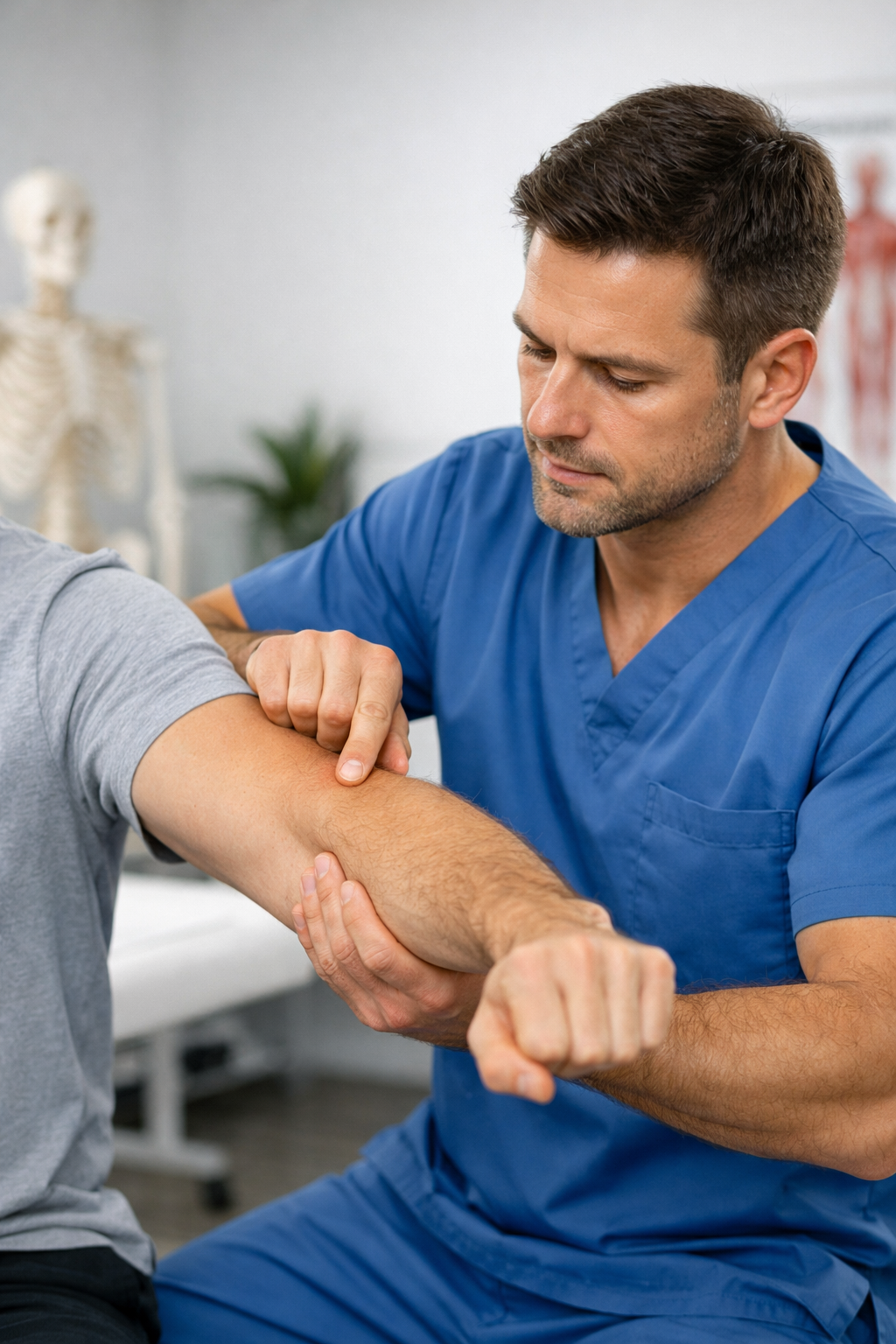
What Is Tennis Elbow?
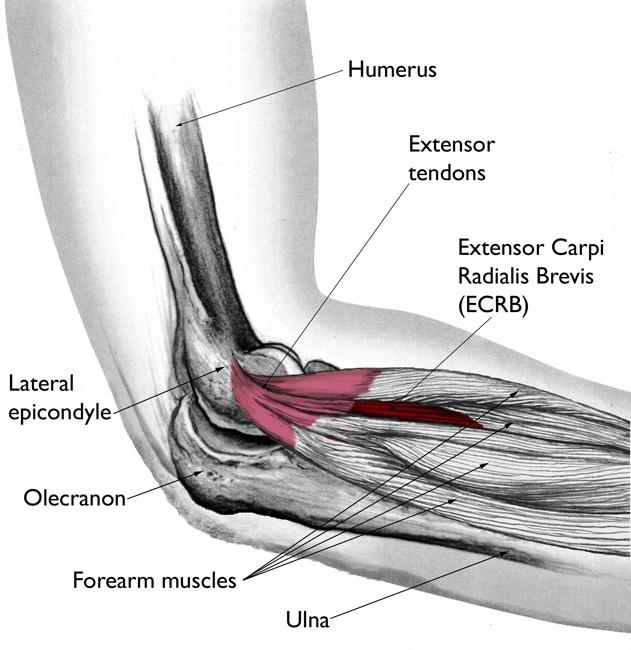
Tennis elbow — clinically known as lateral epicondylitis, lateral epicondylalgia, or lateral elbow tendinopathy — affects the tendons that attach to the bony prominence on the outside of your elbow called the lateral epicondyle. The primary structure involved is the extensor carpi radialis brevis (ECRB), a muscle and tendon unit that stabilizes your wrist when your elbow is straight. Every time you grip, twist, or extend your wrist, the ECRB fires. When overloaded through repetitive movements, the tendon breaks down at a cellular level, leading to pain, weakness, and dysfunction.
Despite the name, any repetitive motions that load the wrist extensors can trigger it — typing at a keyboard, gripping tools, lifting patients, swinging a golf club, or carrying grocery bags. Symptoms tend to worsen gradually over weeks before most people seek help.
In Newtown, the combination of desk work during the week, racquet sports on weekends, and Bucks County’s outdoor recreation culture creates the perfect storm for lateral elbow tendinopathy. Residents do not do just one repetitive task — they stack several together, giving the ECRB tendon little time to recover.
Who Is at Risk in Newtown?
Newtown’s roughly 20,000 residents skew toward an affluent, active demographic with a median age around 44 — Philadelphia and Trenton commuters, healthcare professionals at nearby hospitals, and families invested in youth and adult athletics. Here are three patient profiles we commonly see at Trinity Rehab Newtown.
The Weekend Warrior at Northampton Valley Country Club
Mark is 52 and has been a member at Northampton Valley Country Club for over a decade. He plays tennis twice a week and golfs on Sundays. During the club’s summer mixed-doubles tournament, he played five matches in three days. By Tuesday, he could barely grip his steering wheel on his commute into Philadelphia. His lateral elbow pain was sharp during backhand strokes and persisted as a dull ache at his desk. His grip strength declined noticeably, and he started modifying how he picked up objects to avoid the stabbing sensation. Mark represents the classic overuse pattern — a recreational athlete whose tendons cannot keep pace with tournament demands layered on top of a sedentary work week.
The Healthcare Professional at Doylestown Hospital
Angela is a 38-year-old registered nurse at Doylestown Hospital who also picks up shifts at St. Mary Medical Center. Her days are filled with repetitive tasks: repositioning patients, operating bed controls, pushing IV poles, and charting on a computer between rounds. She first noticed elbow pain when wringing out washcloths during patient bathing. Within a month, the pain had spread into her forearm and she was dropping items at home. This slow-burn pattern is common among healthcare workers at Grand View Health, St. Mary Medical Center, and Doylestown Hospital — a significant at-risk population in Newtown.
The Council Rock North High School Tennis Player
Ethan is a 16-year-old junior on the Council Rock High School North boys tennis team who started experiencing lateral elbow pain midway through spring season. He had added extra sessions on the Bucks County Tennis Association courts and was playing in a Heyday Athletic adult league on weekends. Teenagers can develop tennis elbow when training volume spikes without recovery. Council Rock’s competitive athletics culture — spanning tennis, baseball, softball, and golf — means young athletes frequently push through pain. His parents brought him to Trinity Rehab Newtown after his forearm muscles began cramping during matches.
How Physical Therapy Treats Tennis Elbow at Trinity Rehab Newtown
Physical therapy is the gold-standard approach to treat tennis elbow, delivering better outcomes than corticosteroid injections or a wait-and-see strategy over the long term. At Trinity Rehab Newtown, treatment follows a phase-based progression designed to reduce pain, rebuild tendon tolerance, and return you to full activity.
Phase 1: Pain Reduction and Load Management
The first priority is to reduce inflammation and calm the irritated tendon. Your physical therapist will assess your pain levels, grip strength, and functional limitations. We use manual therapy techniques — soft tissue mobilization and joint mobilization of the elbow and wrist — to reduce pain and restore movement. Activity modifications are introduced immediately: we identify which daily tasks aggravate your symptoms and teach you how to adjust your grip and movement patterns to offload the lateral elbow. A counterforce strap may be recommended to redistribute force away from the damaged tendon. You will learn your starting position for exercises, keeping your shoulders relaxed and wrist in neutral alignment.

Phase 2: Eccentric Exercise Progression and Tendon Rebuilding
Once acute pain subsides, the focus shifts to rebuilding tendon capacity through eccentric exercise. Eccentric loading — where the muscle lengthens under tension — is the most evidence-supported method for stimulating tendon repair. We guide you through a progressive program: wrist extension eccentrics, forearm pronation and supination drills, towel twists, and grip strengthening exercises. The key is to exercise slowly, increasing load incrementally so the tendon adapts without flaring. We monitor tendon tolerance each session, adjusting based on your response. Equipment needed is minimal — a light dumbbell, resistance band, and tennis ball for grip work.
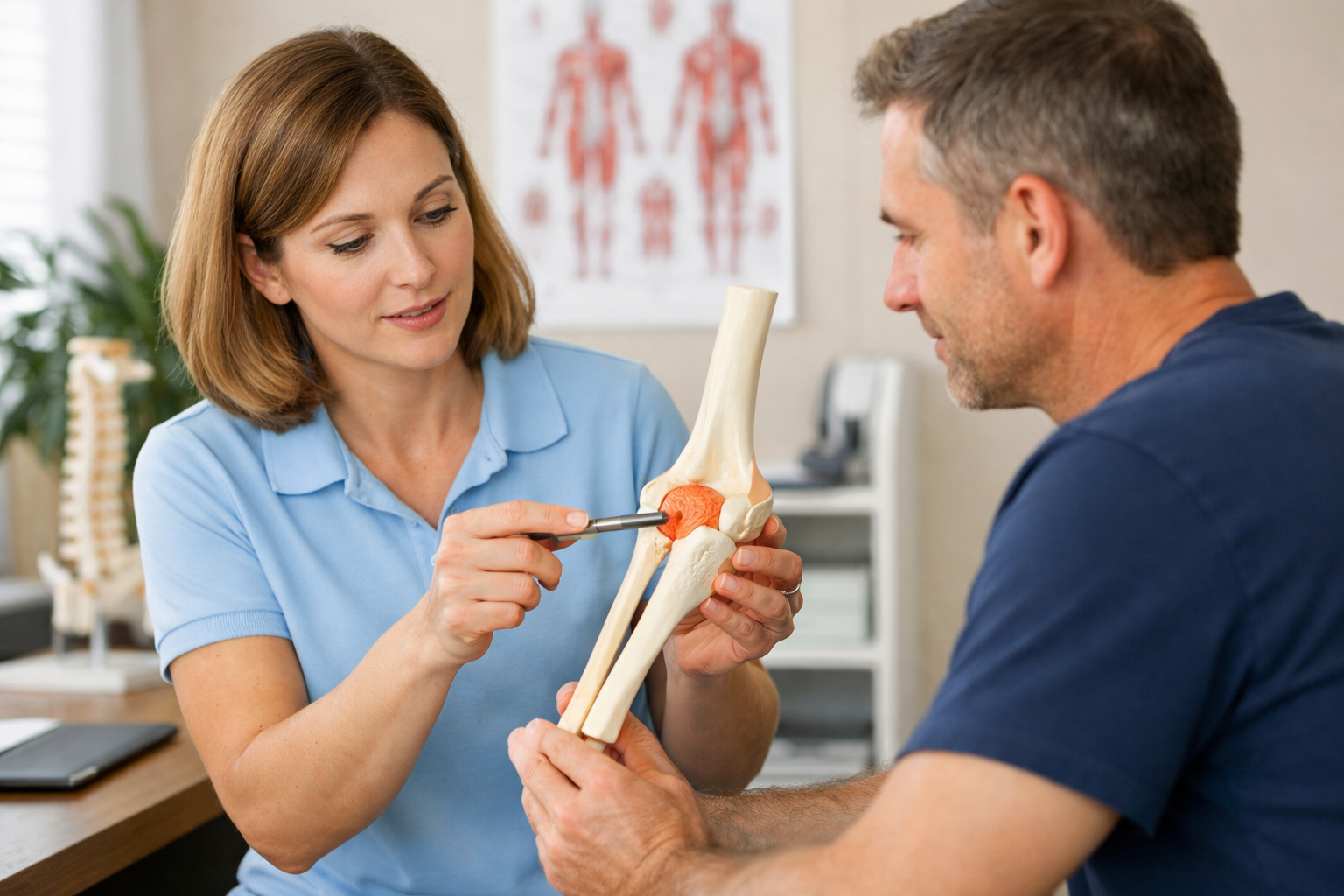
Phase 3: Advanced Strengthening and Return to Activity
As tendon tolerance improves, we progress to sport-specific and work-specific strengthening. For the tennis player, this means simulated backhand loading with the arm outward and gradual reintroduction of racquet work. For the golfer, grip-intensive drills that mimic club control through impact. For the healthcare worker, building endurance in repetitive gripping and lifting tasks, with palm facing positions varied to build comprehensive forearm strength.
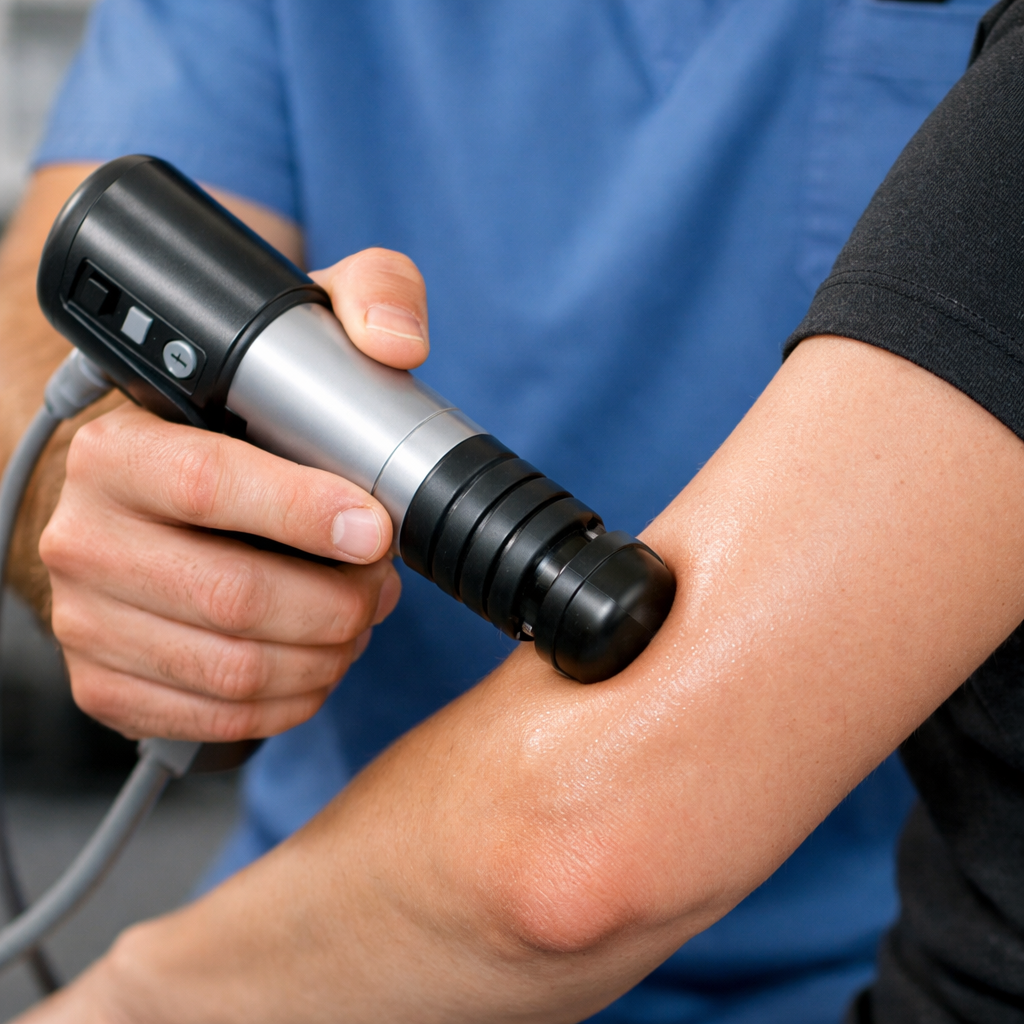
Trinity Rehab Newtown also offers advanced modalities that accelerate recovery. EPAT shockwave therapy delivers acoustic pressure waves to the damaged tendon, stimulating blood flow and cellular repair. Dry needling targets trigger points in the forearm muscles that contribute to pain and restricted movement. These complement exercises and manual therapy, and can help patients avoid surgery.
Throughout recovery, we keep your long term goals front and center — whether that means returning to the Bucks County Tennis Association courts, hiking Tyler State Park pain-free, or getting through a nursing shift without elbow pain.
Why Choose Trinity Rehab Newtown?
One-on-one personalized care. Every session is conducted directly with a licensed physical therapist — no aides, no unsupervised exercises. This model lets us monitor your movement quality, adjust your program in real time, and achieve better outcomes.
Advanced technology. Our clinic offers EPAT shockwave therapy, dry needling, and hands-on manual therapy — a combination most area clinics cannot match. For tennis elbow management, this means addressing the condition from multiple angles rather than relying on exercises alone.
Pennsylvania Direct Access. Under Pennsylvania law, you can receive up to 30 days of physical therapy treatment without a physician referral. If your elbow hurts today, you can call Trinity Rehab Newtown today and begin treatment this week.
Convenient Bucks County location. Whether you are coming from Council Rock, Doylestown Hospital, or Newtown Township, our clinic offers flexible scheduling for busy families and professionals.
Sports med expertise. Our team treats the active Newtown community daily — from Council Rock North athletes to Heyday Athletic adult league competitors to recreational players who want to play sports on weekends without pain. We understand the demands on the lateral elbow and design rehab programs accordingly.
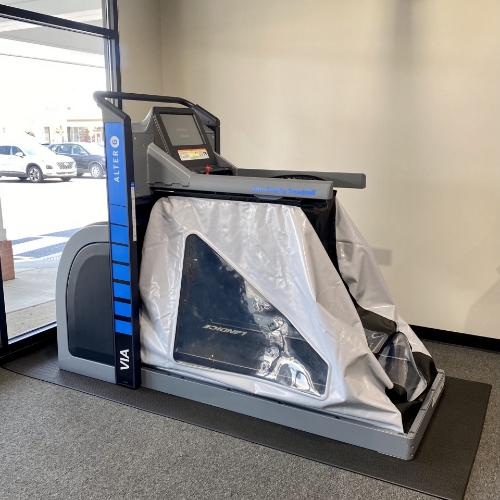
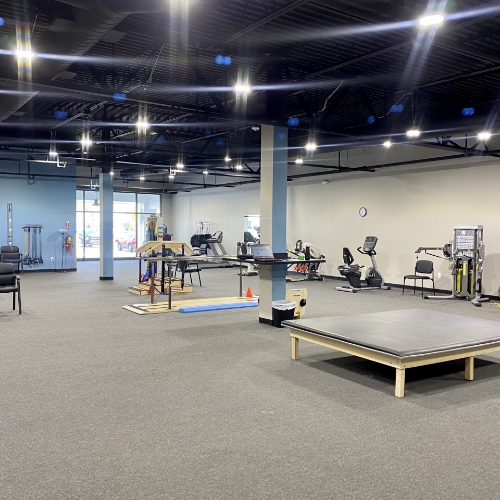
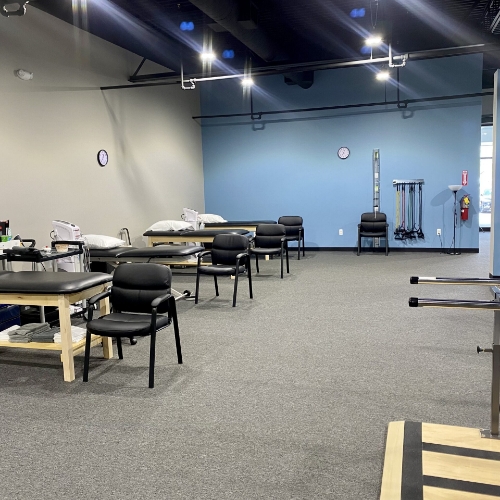
Inside Our Newtown Clinic
Related Conditions & Treatments
Tennis elbow is just one of the many conditions we treat at Trinity Rehab Newtown. Explore our full range of conditions we treat or learn more about specific treatment approaches:
- Tennis Elbow Treatment Overview — Our comprehensive guide to lateral epicondylitis recovery
- Elbow, Wrist & Hand Pain Relief — Other upper extremity conditions we specialize in
- Shoulder Pain Relief — Treatment for rotator cuff, frozen shoulder, and more
- Manual Therapy — Hands-on techniques to restore joint mobility and reduce pain
- Dry Needling — Trigger point therapy for deep muscle tension and pain relief
Related Elbow Care At This Location
Elbow pain can come from different tendon and loading patterns around the joint. A related same-location page is:
Frequently Asked Questions
What is the difference between tennis elbow and golfer’s elbow?
Do I need a doctor’s referral for physical therapy in Pennsylvania?
How does EPAT shockwave therapy help tennis elbow?
Can teenagers get tennis elbow?
Where is Trinity Rehab in Newtown located?
Ready to enjoy Bucks County pain-free? Whether your elbow pain started on the courts at Tyler State Park, the fairways at Northampton Valley Country Club, or the patient floors at Doylestown Hospital, Trinity Rehab Newtown is here to help. Schedule your appointment at Trinity Rehab Newtown today — no physician referral needed under Pennsylvania Direct Access law.