

Meniscus Tear Treatment in Newtown, PA — Trinity Rehab
Serving Council Rock’s athletic families and active suburban community
Newtown’s historic charm, strong school athletics, and engaged community create an environment where families value both tradition and physical wellness. Council Rock’s athletic programs, recreational sports leagues, local parks, and the surrounding suburban landscape provide opportunities for an active lifestyle. Whether you’re a parent supporting your child’s athletic dreams, a coach investing in the next generation, an athlete yourself, or simply someone who values staying fit, a meniscus tear disrupts more than just your personal activity — it affects your entire family’s routine.
If you’ve torn your meniscus on the athletic field, during recreational activities, or through the cumulative wear of an active life, Trinity Rehab Newtown specializes in getting you back to full function quickly. We understand that your recovery matters not just to you, but to your family and your community connections.
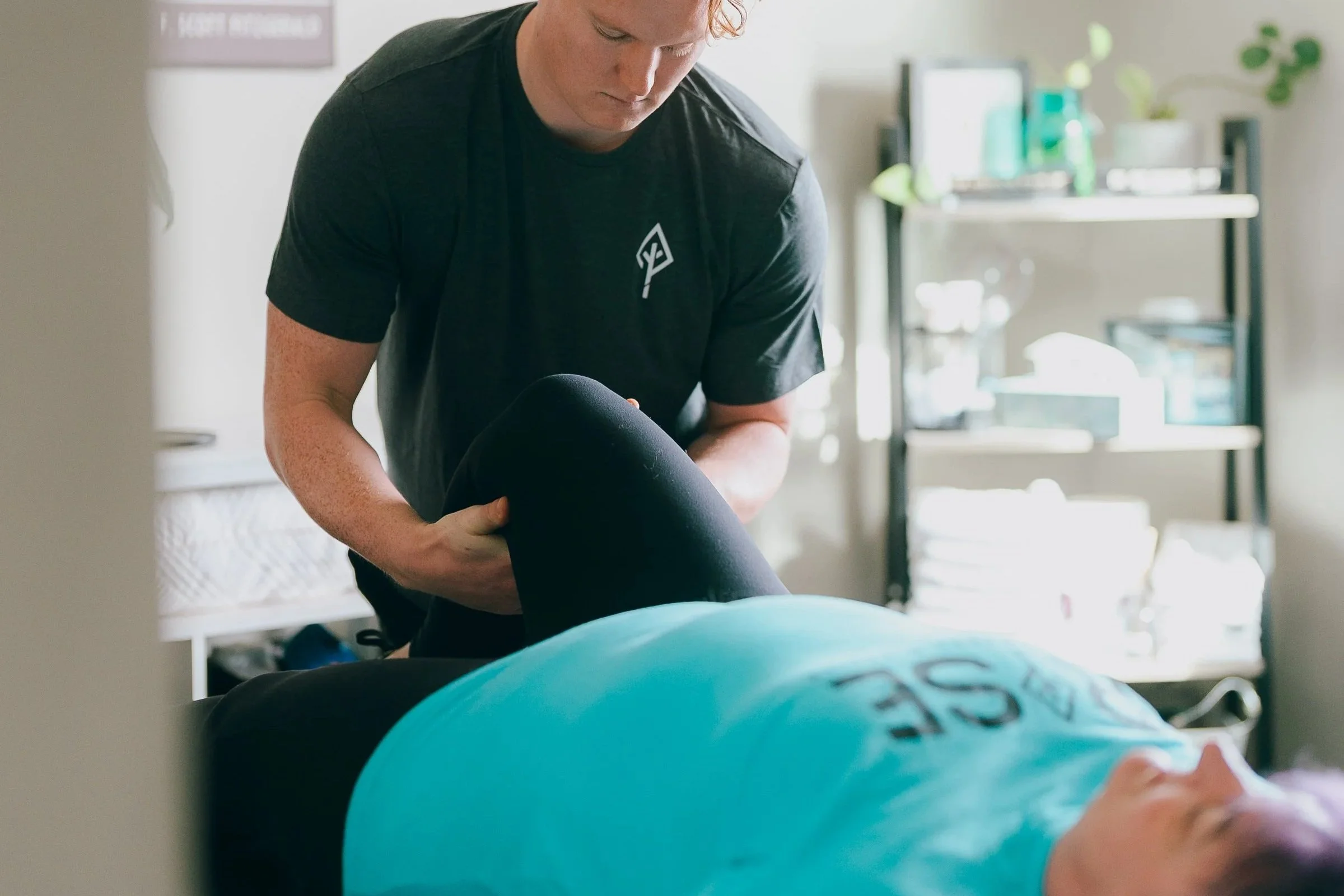
Understanding Your Meniscus and Why It’s So Important
Your meniscus is a specialized piece of cartilage that performs multiple critical roles in your knee. Each knee contains two menisci — the medial meniscus on the inner side and the lateral meniscus on the outer side. These C-shaped structures act as shock absorbers, distribute weight evenly across the knee joint, prevent friction between bones, and provide crucial stability.
When a meniscus tears, your knee loses this essential cushioning system. The joint itself must absorb impact forces that the meniscus should protect it from. Over time, this leads to accelerated cartilage wear, chronic knee pain, and increased risk of osteoarthritis.
The good news: Research from the New England Journal of Medicine demonstrates that physical therapy produces outcomes equivalent to surgery for most meniscus tears. This means you can recover without surgery, avoid surgical recovery time, and return to full activity faster.
How Meniscus Tears Happen in the Newtown Community
Newtown residents experience meniscus tears through activities reflecting our athletic and active community:
Youth Sports and Athletics:
- Council Rock athletics — Both high school participants and younger athletes in youth programs experience meniscus injuries through competitive sports
- Recreational youth sports — Baseball, soccer, basketball, lacrosse, and other recreational programs create meniscus injury scenarios
- School-based activities — Physical education, intramurals, and sports camps frequently result in meniscus tears
- Coaching and volunteer roles — Parents and coaches demonstrating techniques and actively involved in youth sports frequently injure their knees
Adult Sports and Recreation:
- Adult recreational leagues — Basketball, volleyball, soccer, and other recreational sports create acute injury scenarios
- Fitness and training — Personal training, group fitness classes, and high-intensity workouts can cause meniscus tears
- Walking and hiking — Falls on uneven terrain or repetitive impact during regular walking can trigger degenerative tears
- Cycling and outdoor activities — Recreational biking and outdoor pursuits occasionally result in meniscus injuries
Family and Lifestyle Factors:
- Supporting children’s activities — Parents frequently injure themselves while actively involved in their children’s sports
- Age-related degeneration — As meniscus cartilage weakens with age, routine activities like yard work or community involvement can cause tears
- Cumulative wear — A lifetime of activity in Newtown’s health-conscious community makes degenerative tears increasingly likely
Professional and Occupational Causes:
- Healthcare and service work — Common in our area, these roles involve lifting, patient care, and repetitive movements
- Construction and maintenance — Local work requiring squatting, kneeling, and heavy lifting stresses the meniscus
Recognizing Meniscus Tear Symptoms
Meniscus tear symptoms vary depending on whether your injury is acute or degenerative:
- A popping sensation at the moment of injury
- Swelling that develops over 24-48 hours (sometimes more gradual)
- Sharp, localized pain along the inner or outer knee joint line
- Difficulty fully bending or straightening your knee
- A catching, clicking, or locking sensation during movement
- Feeling that your knee might buckle or give way
- Pain that worsens with stairs, squatting, or prolonged activities
- Morning stiffness that improves as you move
- Gradual worsening over weeks or months (degenerative tears)
For many Newtown residents, the injury occurs during athletic or family activities, and the temptation is to push through it. However, continuing to stress a torn meniscus often allows the tear to enlarge, potentially extending your recovery significantly.
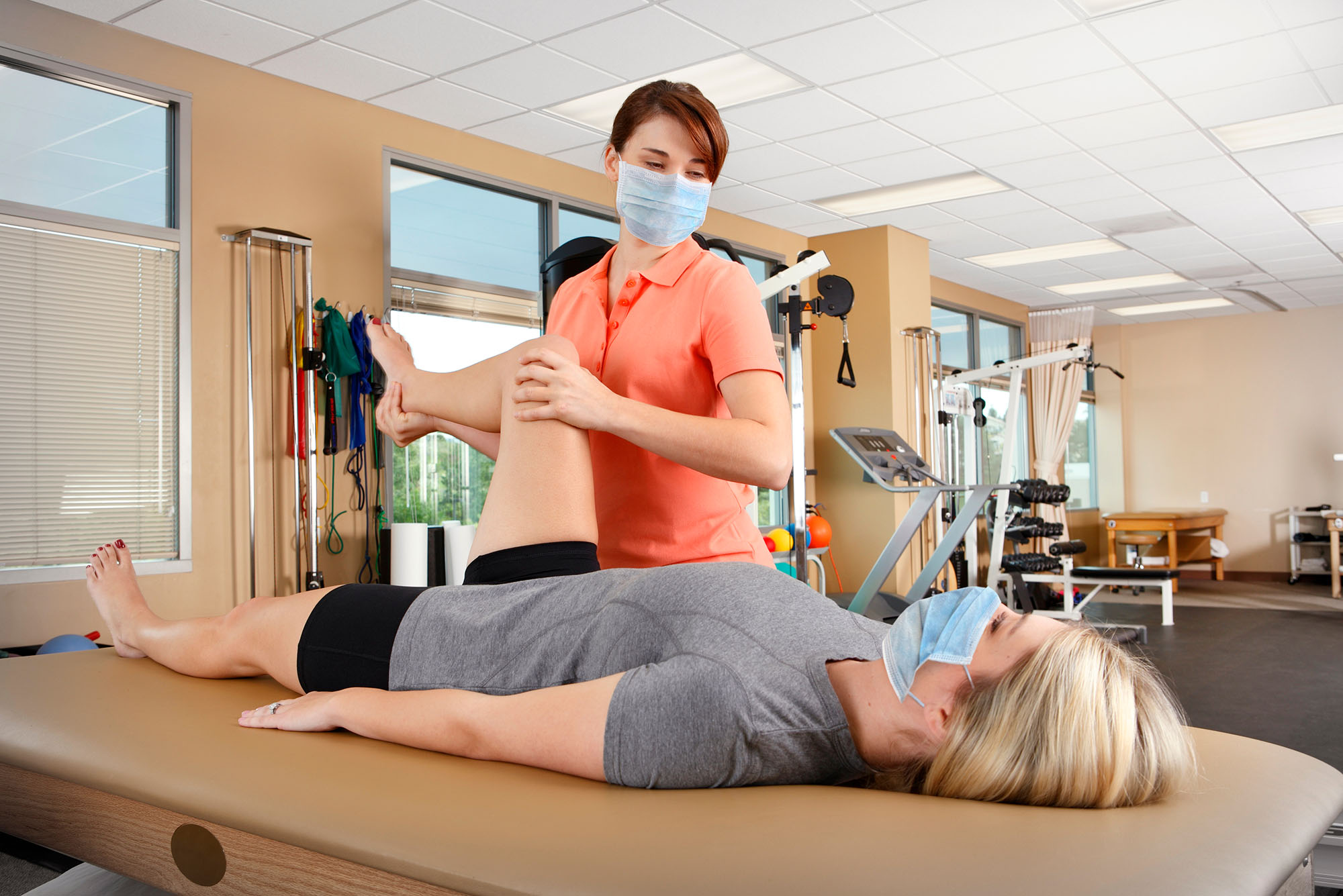
Trinity Rehab Newtown’s Evidence-Based Rehabilitation Approach
Physical therapy for meniscus tears is not one-size-fits-all. At Trinity Rehab Newtown, we design progressive rehabilitation programs tailored to your specific injury, your family situation, and your recovery goals.
Your Initial Comprehensive Evaluation
Your first appointment includes:
- A detailed assessment of your knee’s range of motion, strength, and stability
- Identification of which activities trigger your symptoms
- Review of any imaging you have (though clinical assessment alone is sufficient to begin therapy)
- Discussion of what activities matter most to you and what you want to return to
- Development of your personalized treatment strategy with realistic timelines
Phase 1: Pain Control and Tissue Protection (Weeks 1-3)
The initial phase focuses on reducing pain and swelling while protecting your healing meniscus:
- Targeted clinical modalities — Ice, electrical stimulation, ultrasound, and other evidence-based tools to reduce inflammation and pain
- Manual therapy — Hands-on techniques including soft tissue mobilization and joint mobilization to improve circulation and reduce stiffness
- Protected movement exercises — Carefully controlled range-of-motion work that maintains joint mobility without stressing your tear
- Movement retraining — Instruction on how to walk and move in ways that minimize stress on your healing meniscus
- Home care guidance — Clear advice on the RICE protocol (Rest, Ice, Compression, Elevation) and activity modification
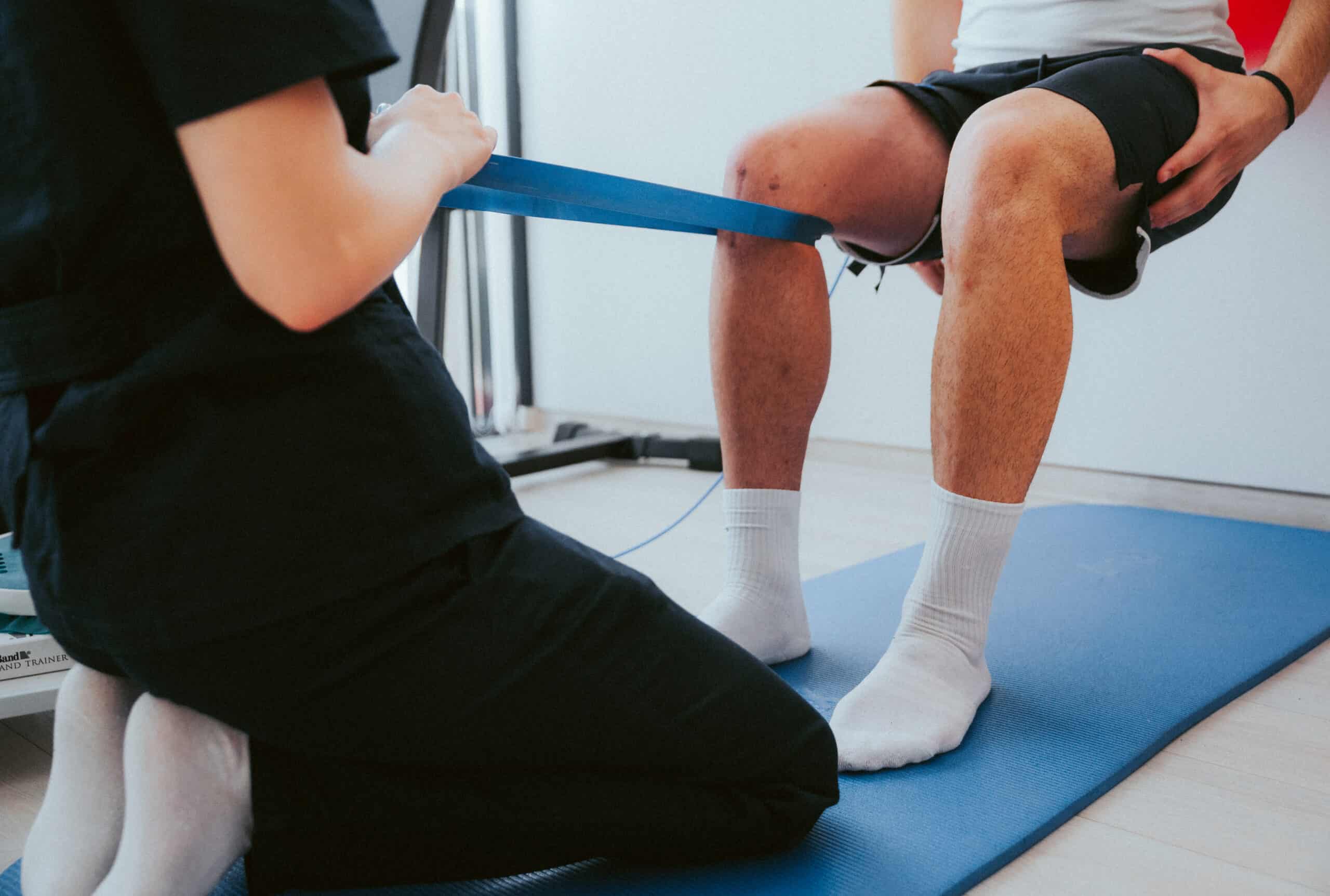
Phase 2: Progressive Strengthening and Stability (Weeks 4-8)
As pain decreases, therapy shifts toward rebuilding the muscles that support your knee:
- Quadriceps strengthening — Progressive exercises targeting your thigh muscles, which are essential for knee stability and shock absorption
- Hamstring and hip strengthening — Balanced lower extremity strength prevents compensatory movement patterns that stress your meniscus
- Core stabilization work — A strong trunk improves movement quality and reduces aberrant forces on your knee
- Balance and proprioception training — Exercises that retrain your knee’s sense of position and movement confidence
- Dry needling — Trigger point release to address compensatory muscle tension
Phase 3: Return to Sport and Full Activity (Weeks 8-14)
The final phase bridges your recovery to real-world demands:
- Sport-specific training — Movements and demands specific to your particular sport or recreational activity
- Agility and lateral movement — Exercises that prepare your knee for rapid direction changes and cutting
- Jumping and landing mechanics — Instruction on proper landing technique to prevent re-injury
- Progressive intensity increases — Gradual increases in exercise difficulty to ensure your knee adapts safely
- EPAT/Shockwave therapy — Regenerative treatment using acoustic pressure waves to stimulate tissue healing and accelerate recovery in appropriate cases
- Return-to-activity clearance — Objective testing to ensure your knee is truly ready before full return to sport
Understanding Your Meniscus Tear Type
Different tear patterns have different treatment implications:
- Radial tears — The most common type, cutting across meniscus fibers. Small tears in the outer zone (which has blood supply) often heal well with physical therapy
- Horizontal tears — Running along the meniscus length, typically associated with degeneration. These respond well to conservative treatment
- Bucket-handle tears — Large vertical tears where a portion flips into the joint center, often causing mechanical locking. These may require surgical evaluation
- Flap tears — A section of meniscus folds over, creating a catching sensation. These can be traumatic or degenerative
- Complex tears — Multiple tear patterns in the same meniscus, typically degenerative and often managed more effectively with physical therapy than surgery
Your physical therapist will explain your tear type and how it influences your recovery timeline.
Long-Term Knee Health for Newtown’s Active Residents
Once you’ve recovered, protecting your knees ensures continued activity:
- Continue strength training permanently — The strengthening program your therapist designed should become a permanent part of your fitness routine
- Dynamic warm-ups before activity — Spend 5-10 minutes on dynamic stretching and light cardio before sports or intense exercise
- Maintain perfect mechanics — Proper form during running, cutting, jumping, and landing prevents re-injury
- Use appropriate footwear — Shoes matched to your activity reduce abnormal knee stress
- Balance intensity with recovery — High-intensity activities require adequate recovery time. Structure your week to alternate intense and lighter-intensity days
- Stay flexible indefinitely — Regular stretching of hamstrings, hip flexors, and calf muscles reduces compensatory stress
- Manage your weight — Every pound of body weight equals approximately four pounds of force across your knee. Weight management directly impacts knee longevity
- Cross-train strategically — Swimming and cycling provide excellent fitness without high-impact stress on your meniscus
Why Newtown Families Choose Trinity Rehab
Our Newtown clinic offers several distinct advantages:
- Athletic community understanding — Our therapists work with Council Rock athletes and understand the demands of high school and recreational sports
- Family-focused approach — We understand that your injury affects your entire family and their activities
- Evidence-based treatment — Our protocols reflect the latest meniscus tear research and best-practice rehabilitation
- Convenient location — Centrally located in Bucks County, our clinic is accessible from anywhere in Newtown
- Dedicated physical therapist — Your licensed therapist, not an aide or assistant, manages your entire recovery
- No physician referral required — In Pennsylvania, you can begin physical therapy directly
- Individualized treatment — Your plan is tailored to your specific tear, your sport, and your recovery goals
- Advanced treatment options — Access to manual therapy, dry needling, EPAT/shockwave therapy, and other specialized techniques
- Insurance coordination — We verify your coverage before your first visit and work with most major insurance plans
Getting Started at Trinity Rehab Newtown
Beginning your meniscus tear recovery is simple:
- Schedule your evaluation — Call our Newtown clinic or book through our appointment page
- Bring any imaging — If you have MRI or X-ray results, bring them, but they’re not required
- Arrive 15 minutes early — This allows time for paperwork
- Meet your therapist — Your first visit includes assessment and the beginning of your personalized plan
- Expect quick improvements — Pain typically decreases and mobility improves within 2-3 weeks
Return to Sports and Full Activity
A meniscus tear doesn’t have to end your athletic career or your family’s active lifestyle. Whether you’re a young athlete dreaming of returning to competitive play, a parent wanting to coach and participate in family sports again, or an adult recreational athlete, proper physical therapy gets you back completely.
Trinity Rehab Newtown specializes in helping athletes and active families recover from knee injuries. We understand Council Rock’s athletic culture and the importance of returning to competition safely and completely.
Contact Trinity Rehab Newtown today to schedule your meniscus tear evaluation.
For comprehensive information on meniscus tear treatment, visit our complete meniscus tear resource. When it comes to meniscus tear recovery tips for athletes, it’s essential to focus on a balanced rehabilitation program that incorporates strength training, flexibility, and proper nutrition. Additionally, utilizing ice and compression can help manage swelling, while engaging in low-impact activities can keep you active during the healing process. Remember to consult with a medical professional to tailor a recovery plan that suits your specific needs and goals. Symptoms of a meniscus tear can vary, but commonly include swelling, stiffness, and difficulty bending the knee. Patients might also experience a popping sensation at the time of the injury, followed by pain that worsens with movement. It is important to seek medical advice if these symptoms occur to determine the appropriate course of action. Symptoms of a meniscus tear can vary, but common signs include knee pain, swelling, and difficulty in straightening the leg. It is important to consult with a healthcare professional if you experience these symptoms, as early diagnosis can lead to more effective treatment options. Additionally, resting the knee and applying ice can help alleviate discomfort while you seek further evaluation. Symptoms of a meniscus tear often include pain, swelling, and difficulty moving the knee. It’s important to recognize these indicators early to facilitate a prompt diagnosis. If you’re experiencing any of these signs, consulting with a healthcare professional can help determine the best course of action for recovery. Understanding meniscus tear diagnosis and treatment is essential for effective recovery. Early detection can significantly improve outcomes, making it crucial to consult with a healthcare professional if you suspect an injury. Additionally, various therapeutic approaches, including physical therapy and potential surgical options, can be explored to best address your condition.
—
Trinity Rehab brings expert physical therapy care to Bucks County and throughout Pennsylvania and New Jersey. We specialize in helping young athletes, parents, and active adults recover from knee injuries and return to the sports and activities they love.