
Hamstring Injuries Treatment in Newtown, PA
Hamstring pain, posterior thigh tightness, weakness, or fear of re-injury can limit walking, stairs, sitting, running, work, and sport. Trinity Rehab Newtown helps patients rebuild strength and return to activity with a clear plan.
Local Hamstring Injury Care in Newtown
Trinity Rehab Newtown is located at 2826 S Eagle Rd No 1-21, Newtown, PA 18940. Patients commonly visit from Yardley, Richboro, Langhorne, Washington Crossing, Holland and nearby communities for hamstring strain recovery, posterior thigh pain, running injuries, sports rehab, gait issues, and lower-body physical therapy.
Local context matters. In Newtown, patients are often trying to manage Bucks County active adults, pickleball/golf/walking routines, suburban errands, and older-adult mobility. For hamstring injuries, the day-to-day problem may involve posterior thigh pain after running or sport, hamstring strain recovery, sitting discomfort near the proximal hamstring, strength for walking, stairs, and return to activity, graded return to sprinting or jumping when appropriate, Bucks County sidewalks, school events, active older-adult routines, and community walking, hamstring pain with walking, pickleball/golf, stairs, arthritis, post-surgical rehab. That means the plan should be more specific than a generic stretching sheet.
If you are searching for hamstring injury physical therapy in Newtown, PA, the useful first step is a movement-based evaluation that connects your symptoms to real tasks like sitting tolerance, car transfers, walking after a commute, and stairs after long periods of sitting; running, sprinting, cutting, jumping, warmups, strength work, and return-to-sport decisions; stairs at home, work, school, and community settings.
What May Be Causing The Hamstring Problem
Hamstring pain may follow a sudden sprint, a quick sports cut, a slip, an overstride, a jump, a heavy lift, or a gradual increase in running or training. The symptoms may come from an acute hamstring strain, partial tear, proximal hamstring irritation, recurrent strain, post-surgical recovery, or a related problem in the hip, back, nerve, or lower-body movement pattern.
Some patients can walk but cannot run. Some can jog but cannot sprint. Some feel pain near the sitting bone after sitting or driving. Others feel tightness every time they try to stretch or strengthen. A physical therapy exam helps sort out what can be trained, what should be protected, and when physician follow-up or imaging may be needed.

Symptoms Newtown Patients Commonly Report
At Trinity Rehab Newtown, hamstring injury patients often describe symptoms that change with activity speed and position. The leg may feel acceptable during easy walking but painful with hills, stairs, lunges, faster running, sprinting, jumping, lifting, or sitting for long periods.
- sharp posterior thigh pain during sprinting or sport
- bruising, swelling, tenderness, or weakness after injury
- pain near the sitting bone or proximal hamstring
- difficulty with walking, stairs, bending, or standing from a chair
- fear of accelerating, cutting, jumping, or returning to sport
- tightness that returns when training volume increases
- altered gait, shorter stride, or reduced running confidence
- limits with Bucks County sidewalks, school events, active older-adult routines, and community walking
Seek medical evaluation for a sudden pop with severe bruising or swelling, high pain near the sitting bone after a forceful injury, visible defect, major weakness, inability to walk normally, numbness, symptoms traveling below the knee, calf swelling with warmth, chest pain, shortness of breath, or symptoms that are worsening instead of improving.
How Your First Visit Works
Your first visit at Trinity Rehab Newtown is designed to answer practical questions. Is this likely a hamstring strain, tendon-related pain, referred pain, sciatic nerve irritation, or a broader lower-body strength and gait issue? Is the injury safe for direct access physical therapy, or does it need medical evaluation first? What do you need the hamstring to tolerate: walking, stairs, sitting, work, running, lifting, sprinting, or sport?
- review of the injury story, pain pattern, daily limits, sport or work demands, and goals
- red flag screening for high-grade tear, avulsion concern, nerve symptoms, or medical referral needs
- hip, knee, posterior thigh, and low back movement review
- hamstring, glute, core, calf, and lower-body strength checks
- walking, stairs, hinge, squat, bridge, lunge, running, or sport review when appropriate
- home exercise, activity dose, and return-to-activity planning
Many Pennsylvania patients can start physical therapy through direct access when appropriate. If symptoms suggest a medical concern, your therapist will help coordinate physician evaluation.
Treatment For Newtown Hamstring Injuries
Treatment should be staged. Early care may focus on pain control, protected movement, walking mechanics, and tolerable loading. As symptoms improve, the plan should build hamstring strength, eccentric control, hip and core support, flexibility, gait quality, and confidence with speed or load.
Mobility And Symptom Control
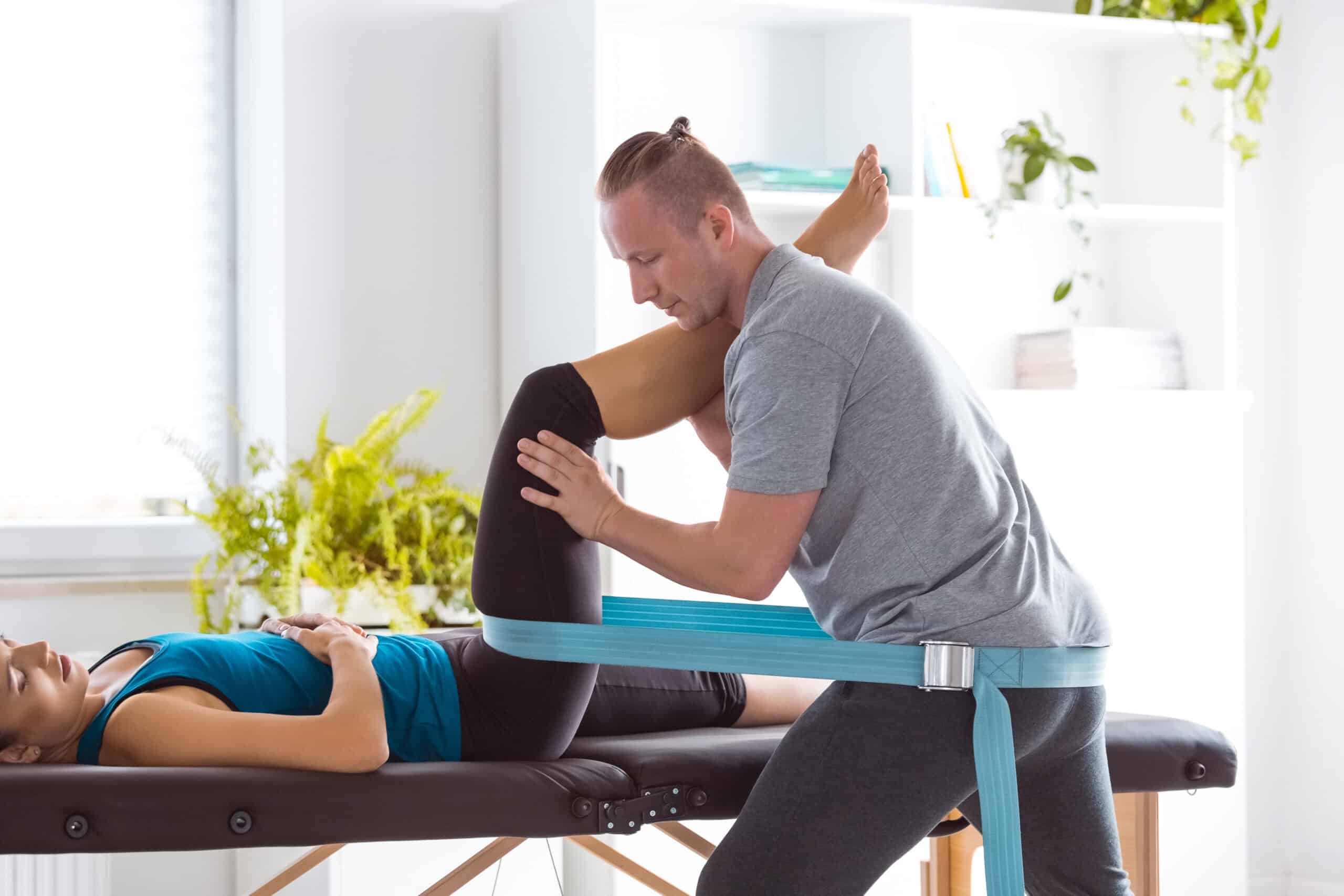
Early mobility should respect tissue irritability. Gentle motion, positioning, gait guidance, and low-level loading can help the hamstring move without repeatedly flaring symptoms. Manual therapy can support comfort and mobility, but the long-term plan depends on progressive strengthening.
Strength And Eccentric Loading
Hamstrings need to tolerate lengthening under load, especially for running, sprinting, jumping, and deceleration. Eccentric strengthening, hip extension work, bridges, hinges, step patterns, and progressive posterior-chain loading may be used when the tissue is ready.
Running And Return To Sport
The plan should include the activities that matter in Newtown: sitting tolerance, car transfers, walking after a commute, and stairs after long periods of sitting; running, sprinting, cutting, jumping, warmups, strength work, and return-to-sport decisions; stairs at home, work, school, and community settings. For some patients that means normal walking and stairs. For others it means return to running, soccer, baseball, tennis, pickleball, basketball, track, gym work, golf, or physically demanding work.

EPAT Shockwave Therapy In Newtown
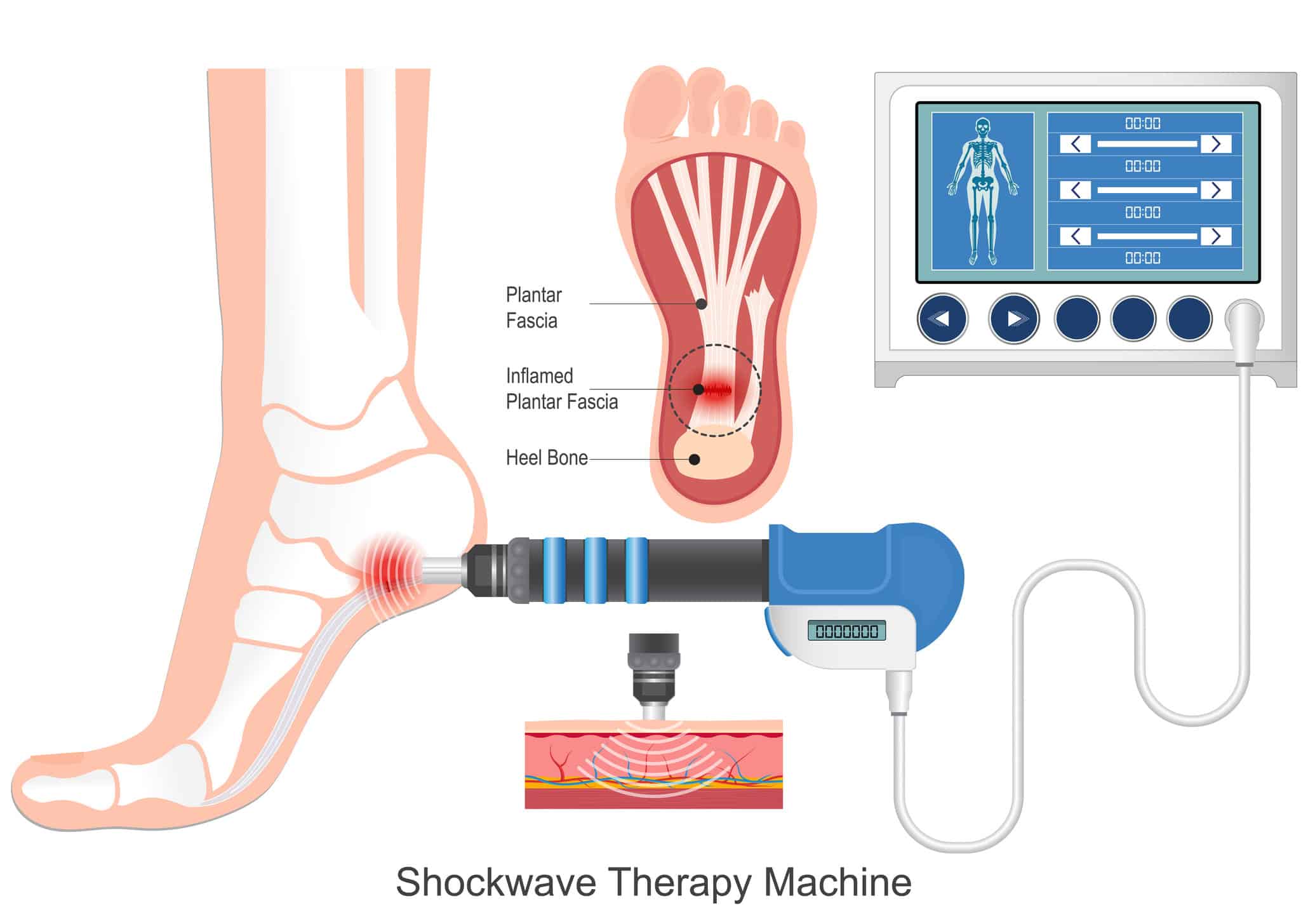
EPAT or shockwave therapy may be considered at Trinity Rehab Newtown for selected hamstring presentations, especially chronic proximal hamstring tendinopathy or tendon-type posterior thigh pain that has not responded to basic rest and stretching alone. It is not the right message for every hamstring injury, and it should not replace a careful exam, red flag screening, progressive strengthening, or a return-to-running plan.
If the evaluation suggests EPAT may fit, it can be paired with graded loading, eccentric hamstring strength, hip and core work, mobility, gait retraining, and activity progression. If the exam suggests a high-grade tear, avulsion concern, nerve issue, or medical red flag, the next step should be physician coordination rather than simply adding a modality.
Newtown Routines We Plan Around
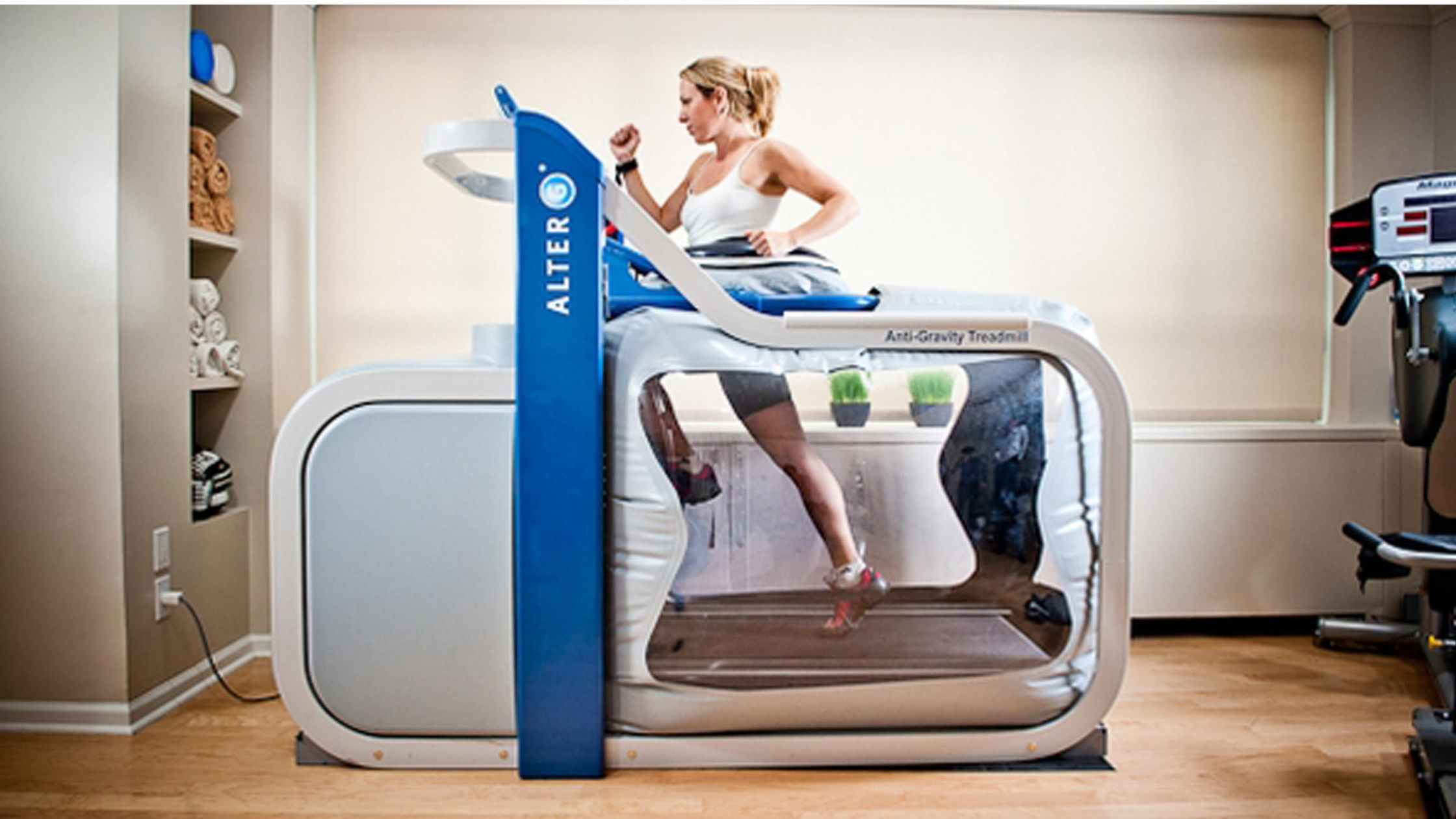
Every local spoke needs real local detail. Around Newtown, hamstring rehab may need to account for Bucks County sidewalks, school events, active older-adult routines, and community walking.
Walking, Stairs, And Sitting
Patients from Newtown, Yardley, Richboro, Langhorne, and nearby areas may notice posterior thigh pain with stairs, getting out of the car, sitting through work, walking longer distances, or standing up after a meeting. Therapy may include mobility, graded hamstring loading, hip strength, and pacing strategies so daily movement becomes more predictable.
Running, Fitness, And Sport
Running and sport require more than pain-free walking. Later rehab may need walk-jog progression, stride-length control, acceleration drills, deceleration, jumping, cutting, and sport-specific exposure. The goal is to rebuild confidence without guessing when the hamstring is ready.
Work And Family Activity
Lifting, kneeling, squatting, stairs, carrying groceries, chasing children, yard work, and weekend activities can all load the hamstring. Your plan should practice the tasks that keep showing up in daily life rather than only treating the table pain.
What Progress Should Look Like
A good hamstring plan at Trinity Rehab Newtown should show up in real life. Progress may mean walking without a limp, sitting longer with less posterior thigh pain, climbing stairs with more confidence, stronger bridges and hinges, better single-leg control, and a clear return-to-running or return-to-sport progression.
Progress also means knowing what to do on a bad day. Hamstring pain can flare when speed, stride length, lifting load, or training volume jumps too quickly. Your therapist can help you adjust the plan without abandoning movement altogether.
For local SEO, this detail matters because patients are not searching for an abstract article. They are looking for physical therapy near Newtown, PA that can help with the specific ways hamstring strain recovery, posterior thigh pain, sitting discomfort, running limits, and return-to-activity goals affect their day.
Why A Local Plan Beats Generic Hamstring Advice
Generic hamstring advice usually says to rest, stretch, and strengthen. That may be a starting point, but it does not tell a Newtown patient how to return to the activity that actually matters. A runner needs a different progression than a soccer player. A worker who climbs stairs all day needs different loading than someone whose main issue is sitting pain near the proximal hamstring. An older adult trying to walk confidently through errands needs a different plan than an athlete returning to sprinting.
At Trinity Rehab Newtown, the plan can connect the clinic exam to local reality: Bucks County sidewalks, school events, active older-adult routines, and community walking. That gives the page and the visit the same purpose. Identify the driver, rebuild the capacity, and make the next step specific enough that the patient knows what to do between visits.
Visit Trinity Rehab Newtown
Trinity Rehab Newtown
2826 S Eagle Rd No 1-21, Newtown, PA 18940
Phone: (267) 755-4010
Clinic page: https://trinity-rehab.com/physical-therapy-clinic/newtown-pa/
Map and directions: https://maps.app.goo.gl/oq6o9J28NgLZXRsp7
Nearby communities commonly include Yardley, Richboro, Langhorne, Washington Crossing, Holland.
Related Sports Rehab At This Location
Hamstring strains often connect to running mechanics, hip and knee control, sprinting, lifting, and return-to-sport planning. Patients may also find this same-location page helpful:
Patient Reviews For Newtown
Local review proof matters. Patients searching for hamstring injury treatment in Newtown, PA need to know there is a real Trinity Rehab clinic, local staff, and patient experience behind the page.
Related Care At This Location
Hamstring injuries often overlap with hip pain, knee pain, ACL rehab, meniscus injuries, ankle pain, gait, and sports injury rehab. These same-location links help patients and search engines understand the relationship between the local pages.
Frequently Asked Questions
Do you treat hamstring injuries at Trinity Rehab Newtown?
Yes. Trinity Rehab Newtown treats hamstring strains, posterior thigh pain, recurrent hamstring injuries, running-related symptoms, strength deficits, gait issues, and return-to-activity needs when physical therapy is appropriate.
Can I start physical therapy if I heard a pop?
A pop with severe bruising, swelling, major weakness, or pain high near the sitting bone should be medically checked. If direct access is appropriate, your therapist can screen the injury and refer you for physician care if the presentation suggests a higher-grade tear or avulsion concern.
What should I bring to the first visit?
Bring your insurance information, any referral or imaging report, comfortable clothing, athletic shoes if running or sport is a goal, and notes about what movements trigger symptoms. Bring details about the original injury and any prior hamstring strains.
When can I run again?
Return to running depends on pain, walking tolerance, strength, range of motion, eccentric control, and response to graded loading. Your therapist can build a walk-jog or sprint progression when the hamstring is ready for that step.
Do patients from nearby communities come to Newtown?
Yes. Patients often come from Yardley, Richboro, Langhorne, Washington Crossing, Holland and surrounding communities for lower-body and sports injury physical therapy.
Start Hamstring Injury Physical Therapy In Newtown
If hamstring pain, posterior thigh tightness, weakness, running pain, sitting discomfort, or fear of re-injury is affecting your daily life in Newtown, PA, start with an evaluation. The goal is to understand what is driving symptoms and rebuild the hamstring for the activity you actually need.