

ACL TREATMENT PHYSICAL THERAPY IN NEWTOWN, PA
Few communities in Bucks County carry as much history as Newtown. The Newtown Theatre has been screening films since before talkies existed — the oldest continuously operating movie theater in the United States — and the Newtown Historic District preserves centuries of American life on the National Register, from the Friends Meeting House to the Edward Hicks House. George Washington himself established headquarters nearby during the Revolutionary War. That competitive, resilient spirit lives on today in the Council Rock High School North Indians, whose athletes compete fiercely across football, basketball, soccer, lacrosse, cross country, field hockey, ice hockey, tennis, track and field, volleyball, water polo, and wrestling. On any given weekend, the Newtown Trail — all 3.7 miles connecting Tyler State Park to Silver Lake Park — is packed with runners, cyclists, and families staying active. With that level of activity comes risk, and an anterior cruciate ligament injury is one of the most common and serious setbacks Newtown’s athletes and active residents face.
UNDERSTANDING ACL INJURIES
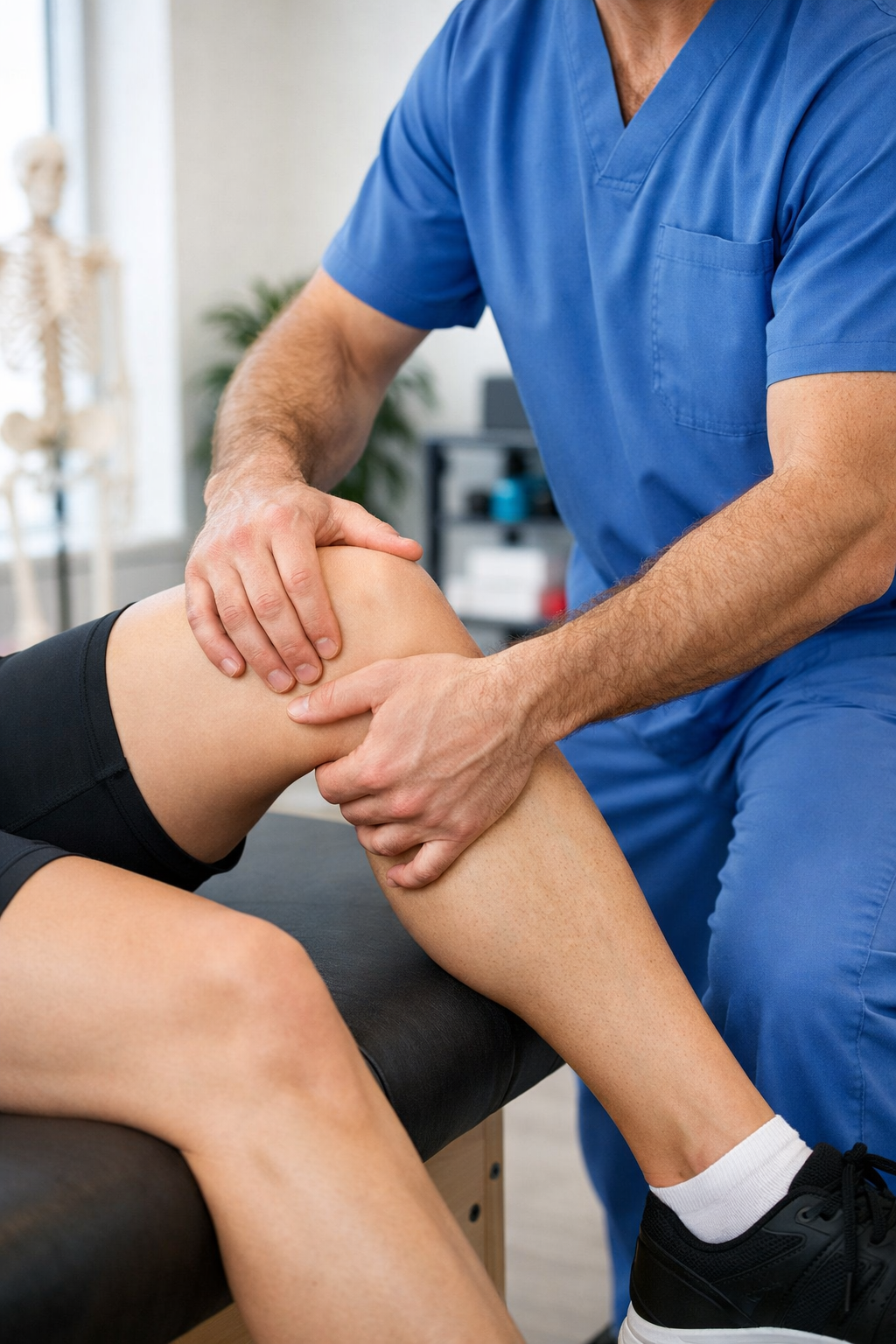
The anterior cruciate ligament is a critical band of tissue inside the knee joint that connects the femur to the tibia. Its primary role is preventing the tibia from sliding forward and providing rotational knee stability during dynamic movements — cutting, pivoting, jumping, and decelerating. When this ligament is stretched beyond its limits, the result is an acl tear that can range from a mild sprain to a complete rupture.
An acl injury doesn’t just damage a single ligament. It disrupts the entire biomechanical chain of the lower extremity, often involving the meniscus, surrounding cartilage, and the complex network of muscles — particularly the quadriceps and hamstrings — that stabilize the knee. Understanding this broader picture is essential for effective rehabilitation.
WHY RECOVERY MATTERS
Whether you choose a surgical or non-surgical path, structured acl treatment physical therapy is the foundation of a full recovery. Without it, patients frequently develop compensatory movement patterns, chronic weakness, and reduced knee function that can lead to arthritis and recurring instability years down the road.
For Newtown residents — from Council Rock North athletes chasing Suburban One League titles to weekend warriors on the trails at Roberts Ridge Park or Carl Sedia Park — restoring complete knee motion, muscle strength, and confidence in the joint is not optional. It’s the difference between returning to the activities that define your life and spending years managing limitations.
COMMON CAUSES OF ACL INJURIES IN NEWTOWN
Newtown’s active community faces ACL risks from many directions. Consider these real-world scenarios:
A Council Rock North Indians soccer player plants and makes a hard cut to beat a defender during a Suburban One League match. The cleat grips the turf, the knee rotates inward, and she hears the pop that every athlete dreads. Non-contact ACL tears like this account for roughly 70% of all acl injuries, driven by sudden deceleration and change of direction.
An LSAC office worker who spends long days at a desk but stays competitive in the Bucks County Racquet Club tennis league lunges for a low volley. The combination of a sedentary work life and explosive recreational movement creates the perfect storm for a sports injury — weakened stabilizers asked to perform at high intensity.
A Newtown Trail runner catches a foot on an exposed root between Tyler State Park and Silver Lake Park. The stumble forces the knee into an awkward hyperextension. Trail running on uneven terrain demands constant proprioception adjustments, and one misstep can cause serious ligament damage.
A Council Rock Little League baseball coach slides into second base during a parents-vs-coaches fundraiser game at Helen Radle Field. The awkward slide torques the knee, and what started as a fun Saturday morning becomes a months-long recovery. These recreational injuries are increasingly common in active adults over 30 and can qualify as work injuries depending on context.
Whether you’re a varsity athlete, a Newtown Township Parks and Rec league participant, or someone who simply enjoys Silver Lake Park and Patriots Park on the weekends, the mechanism is often the same: a sudden rotational or deceleration force that the knee cannot absorb.
RECOGNIZING THE SYMPTOMS
ACL injuries typically announce themselves clearly. Most people report a distinct popping sensation at the moment of injury, followed by rapid swelling within hours. Weight-bearing becomes difficult or impossible, and the knee feels unstable — as if it might buckle or give way. Reduced range of motion, tenderness along the joint line, and pain with pivoting are hallmark signs.
If you experience these symptoms after an incident on the field, the court, or the trail, prompt evaluation by a physical therapist is critical. Early intervention protects the joint, reduces inflammation, and sets the stage for a faster, more complete recovery.
HOW PHYSICAL THERAPY HELPS
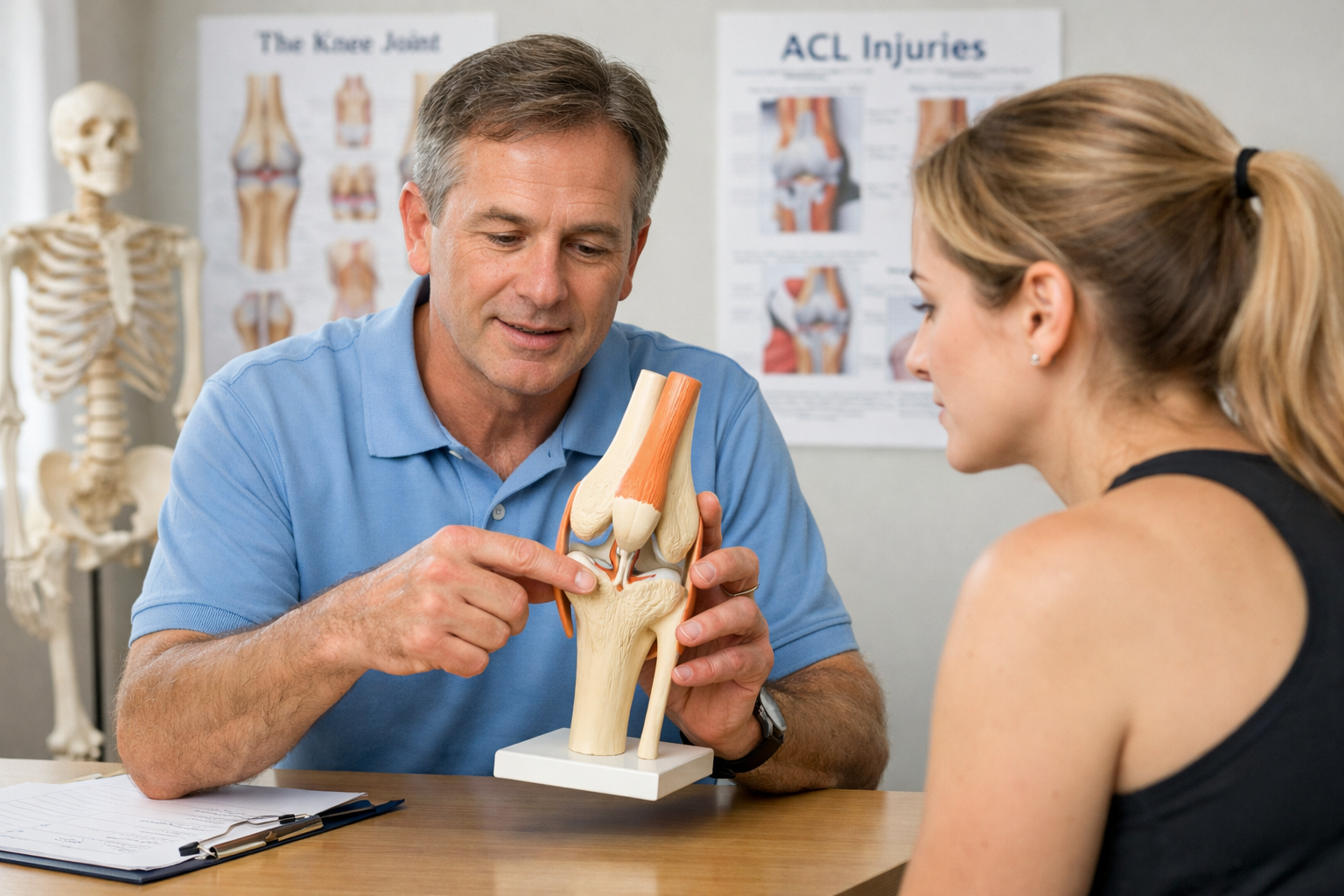
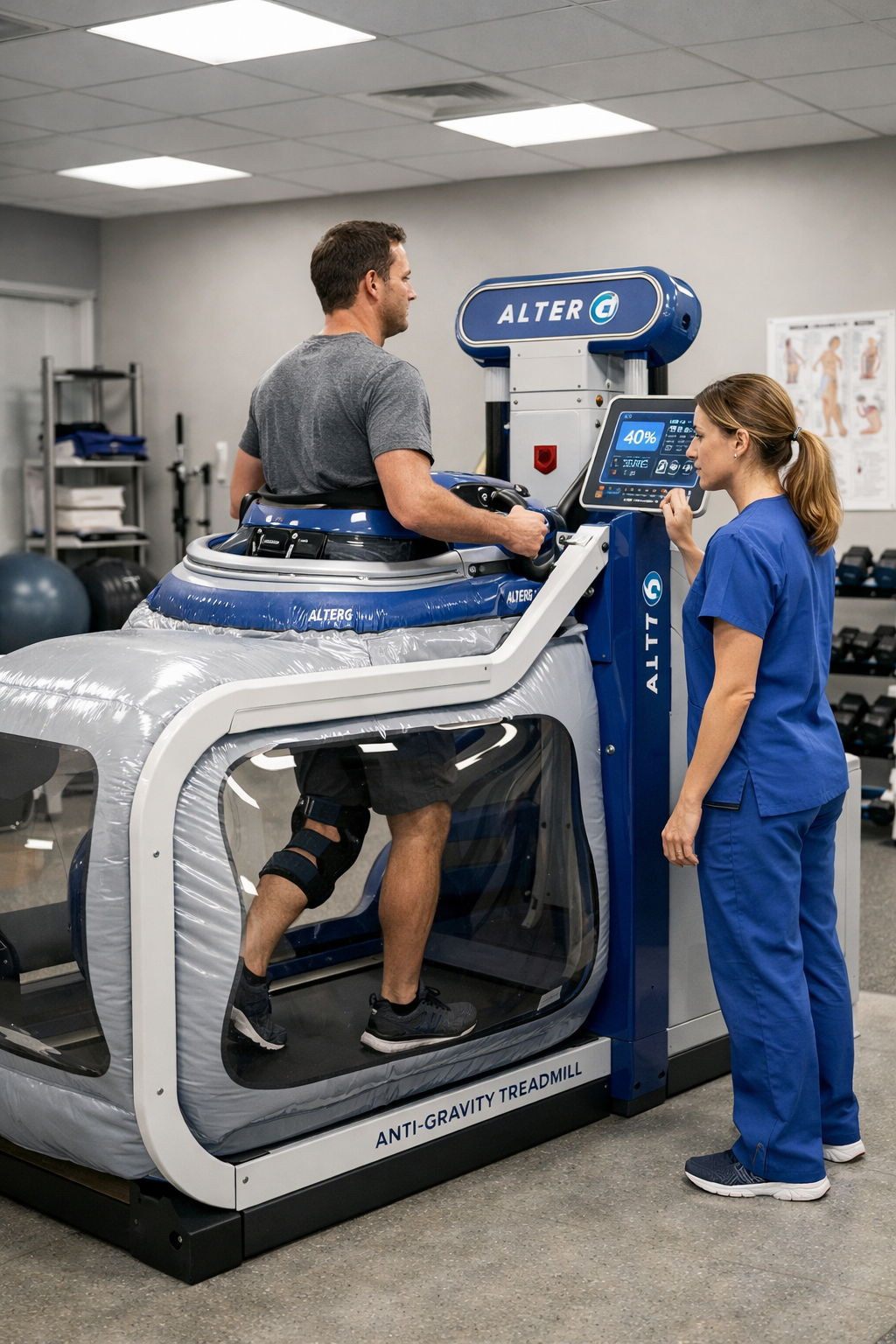
A skilled physical therapist designs a progressive, evidence-based program that restores knee stability, rebuilds muscle strength, and retrains the neuromuscular patterns that protect the joint. At Trinity Rehab Newtown, treatment plans draw from a range of advanced techniques tailored to each patient’s injury, goals, and stage of recovery.
Manual Therapy
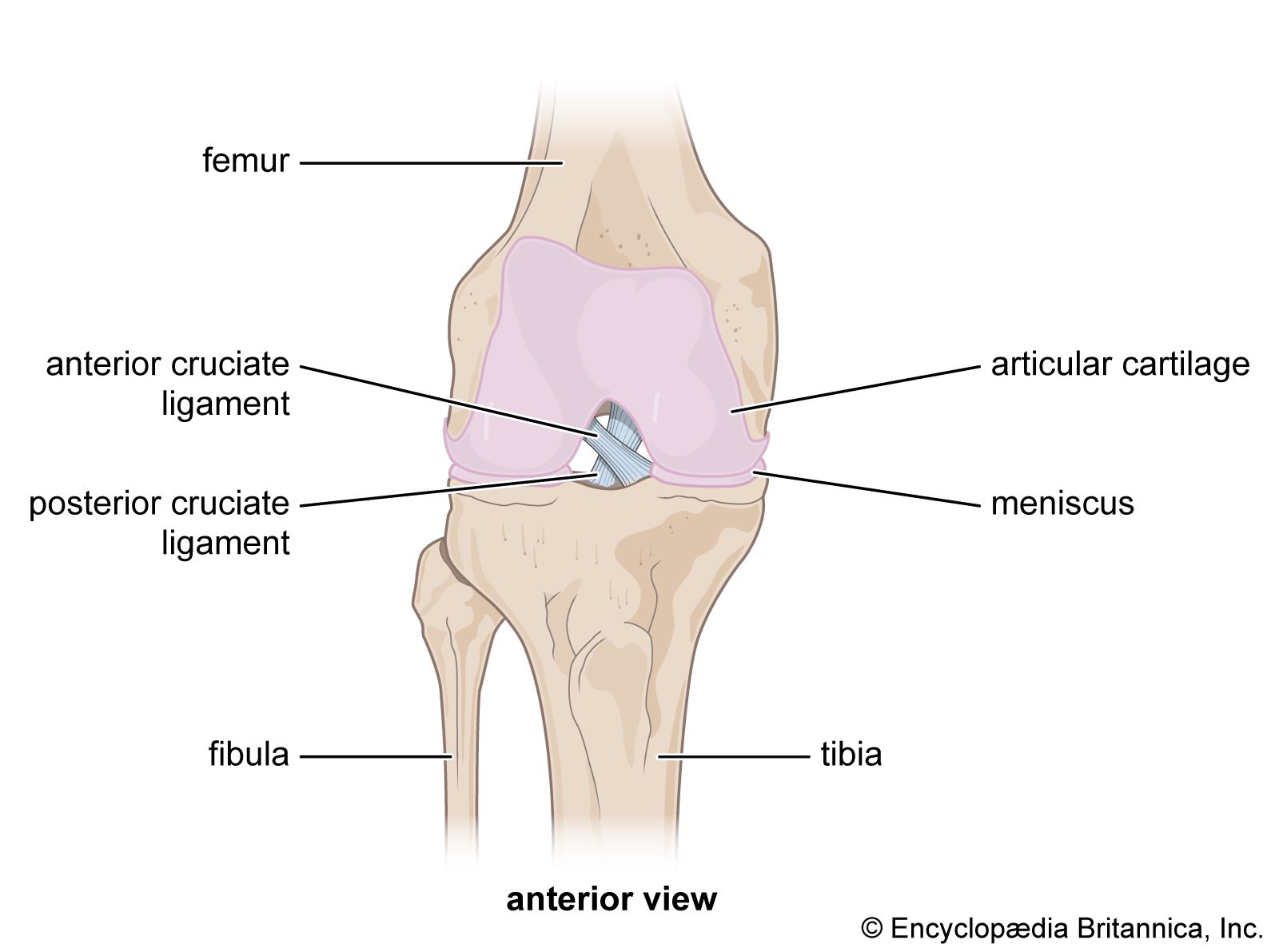
Manual therapy is often the starting point. Hands-on techniques — including joint mobilization, soft tissue mobilization, and myofascial release — reduce swelling, restore knee motion, and break up scar tissue that can limit the joint after injury or anterior cruciate ligament reconstruction. For the Council Rock soccer player in the early post-injury phase, manual therapy helps restore the foundational flexibility needed before strengthening can begin.
Progressive Strengthening
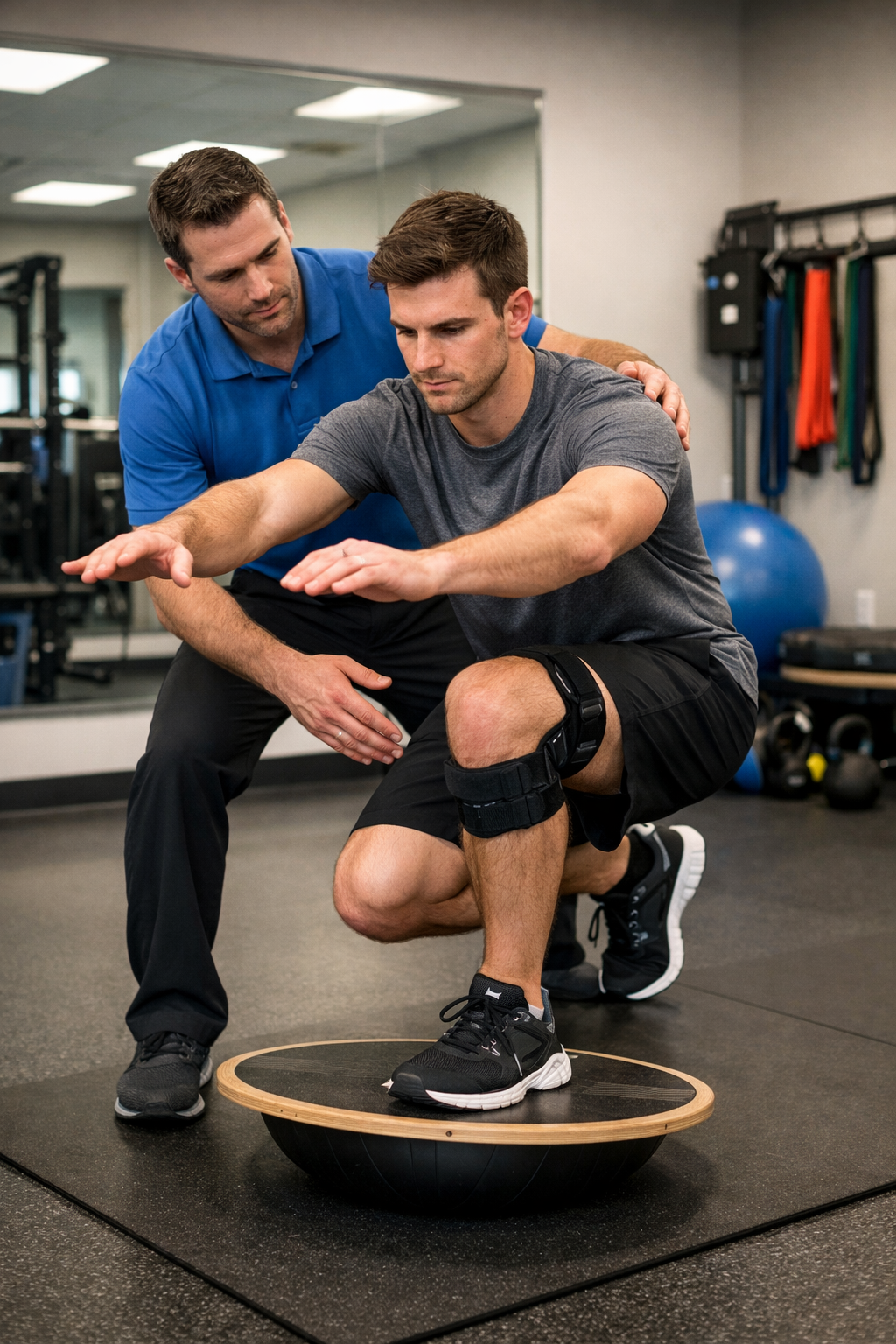
Rebuilding muscle strength is the backbone of ACL rehabilitation. Early-phase work focuses on quadriceps activation and gentle hamstring curls to combat the rapid atrophy that follows injury. As the knee heals, the program advances to closed-chain strengthening exercises — squats, lunges, step-ups — that load the joint safely while building functional hamstring strength and quadriceps power. The LSAC office worker returning to tennis needs both the raw strength and the endurance to sustain it through a full match at the Bucks County Racquet Club.
EPAT / Shockwave Therapy
EPAT (Extracorporeal Pulse Activation Technology), also known as shockwave therapy, delivers acoustic pressure waves to injured tissues. This accelerates cellular repair, increases blood flow, and reduces chronic inflammation around the knee joint. For patients dealing with lingering tendon irritation or slow-healing soft tissue alongside their ACL recovery, EPAT can meaningfully shorten the rehabilitation timeline.
Dry Needling
Dry needling targets myofascial trigger points — tight, knotted areas in muscles that develop as the body compensates for the injured knee. By inserting thin filament needles into these trigger points, therapists release tension in the quadriceps, hamstrings, calves, and hip musculature. The Newtown Trail runner dealing with compensatory tightness throughout the entire kinetic chain often finds significant relief through this technique.
Blood Flow Restriction (BFR) Training
Blood flow restriction training uses specialized cuffs to partially occlude venous blood flow during low-load exercises. This creates a metabolic environment that stimulates muscle growth at intensities far below what traditional strengthening requires — critical in early rehabilitation when the knee cannot tolerate heavy loads. BFR allows the baseball coach recovering from ACL surgery to begin meaningful quadriceps and hamstring rebuilding weeks earlier than conventional protocols would permit.
Neuromuscular Electrical Stimulation (NMES)
Neuromuscular electrical stimulation delivers controlled electrical impulses to muscles, forcing contractions that the patient may not be able to produce voluntarily after injury. NMES is particularly valuable for combating quadriceps inhibition — the neurological shutdown of the quad muscle that occurs almost universally after ACL injury — and is often used alongside active balance exercises to retrain the muscle-brain connection.
Sport-Specific Rehabilitation
The final phase of recovery replicates the exact demands the patient will face in their sport or activity. For the Council Rock soccer player, that means agility ladder drills, cutting patterns, and reactive decision-making under fatigue. For the tennis player, it’s lateral shuffles, split-step mechanics, and rapid directional changes. For the trail runner, it’s uneven-surface training that rebuilds the proprioception needed to navigate roots and rocks safely. This phase incorporates plyometric training — box jumps, depth jumps, single-leg hops — to restore explosive power and validate that the knee can handle high-impact forces.
NON-SURGICAL VS. SURGICAL PATHWAYS
Not every ACL tear requires acl surgery. Partial tears in lower-demand patients, or individuals willing to modify their activity level, may respond well to a comprehensive non-surgical rehabilitation program focused on strengthening, proprioception retraining, and bracing. This approach — sometimes called prehabilitation when used before a potential surgery decision — builds the knee’s functional stability through muscular support rather than surgical reconstruction.
When surgery is necessary, anterior cruciate ligament reconstruction replaces the torn ligament with a graft, typically harvested from the patellar tendon or hamstring. Post-surgical physical therapy follows a structured timeline: protecting the graft in the early weeks, progressively loading the knee through mid-stage rehabilitation, and advancing to sport-specific demands in the later months. The Trinity Rehab Newtown team coordinates closely with your surgeon to ensure every phase aligns with the graft’s biological healing.
In both pathways, the principles are the same — restore range of motion, rebuild muscle strength, retrain neuromuscular control, and progress safely toward full function.
RETURN TO SPORT
Return to sport is not a calendar date — it’s a milestone earned through measurable criteria. At Trinity Rehab, we use objective testing including single-leg hop tests, isokinetic strength comparisons, and functional movement screens to determine readiness. A Council Rock North athlete will not be cleared to return to competition until quadriceps and hamstring strength reach at least 90% of the uninjured side, dynamic balance exercises demonstrate symmetry, and sport-specific drills are performed at full intensity without pain or apprehension.
This criteria-based approach dramatically reduces re-injury risk, which is particularly important for young athletes whose bodies are still developing. Rushing back — even when the knee “feels fine” — remains the single greatest predictor of a second ACL tear.
INJURY PREVENTION
The best ACL injury is the one that never happens. Prevention programs incorporating neuromuscular training, hamstring and hip strengthening, landing mechanics education, and proprioception drills have been shown to reduce ACL injury rates by up to 50% in at-risk populations.
For Newtown’s youth athletes — whether they’re competing at Council Rock North or playing in Council Rock Newtown Little League — an injury prevention program is one of the highest-value investments a family can make. Trinity Rehab offers screening and prehabilitation programs designed to identify biomechanical risk factors before they become injuries. Adults staying active at the Newtown YMCA, local golf courses, or on the Newtown Trail benefit equally from targeted prevention work.
WHY CHOOSE TRINITY REHAB IN NEWTOWN
Trinity Rehab’s Newtown clinic sits in the heart of this community at 2826 S Eagle Rd, No 1-21, Newtown, PA 18940 — convenient for families in both the borough and surrounding township. Our physical therapists understand the demands placed on Newtown’s athletes and active professionals, from Council Rock student-athletes to employees at LSAC, EPAM Systems, SAP, and SupplyOne who balance desk work with competitive recreation.
What sets Trinity Rehab apart is a commitment to individualized, evidence-based care. Every treatment plan is built around your specific injury, your specific goals, and the specific activities you need to return to. We combine advanced modalities — manual therapy, dry needling, EPAT, BFR, NMES — with hands-on clinical expertise and a genuine understanding of what it means to live and stay active in Newtown.
We also work closely with hip and knee pain specialists and orthopedic surgeons in the area, including those at nearby Doylestown Hospital and St. Mary Medical Center, to ensure seamless coordination from diagnosis through full recovery.
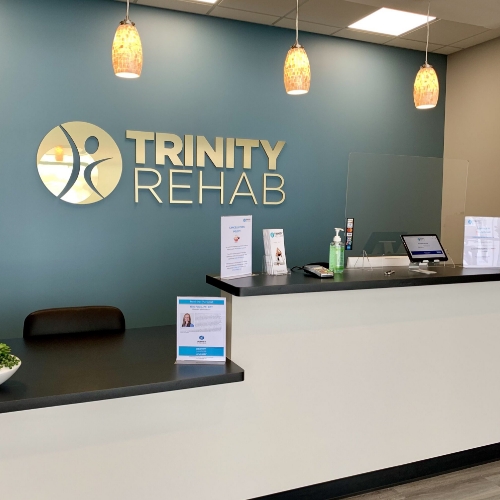
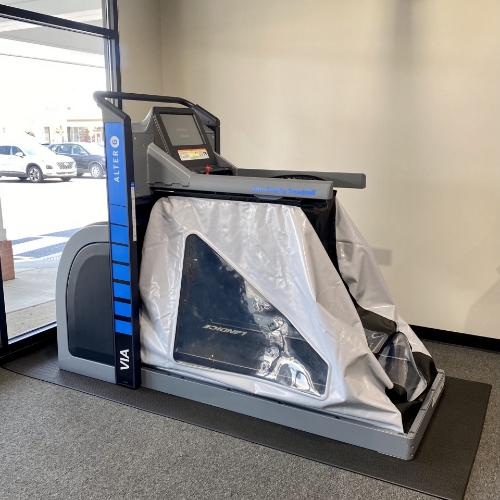
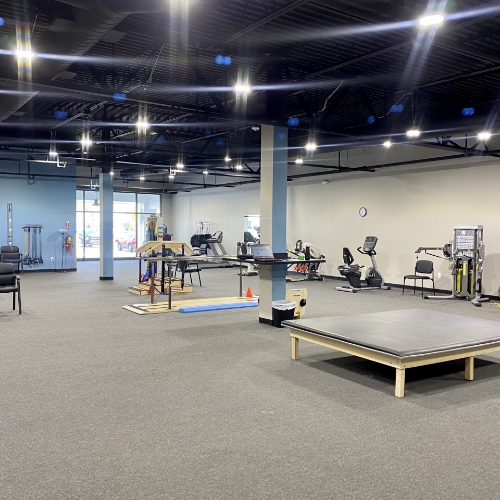
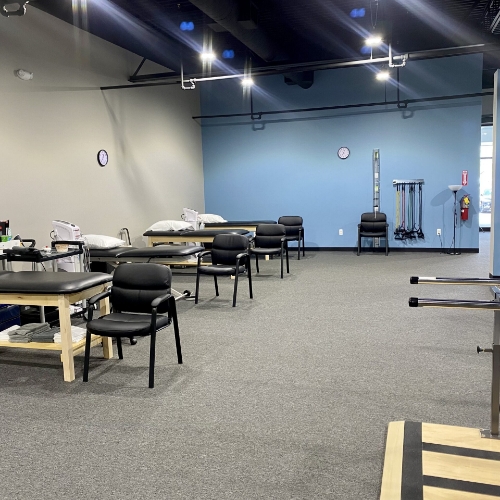
Inside Our Newtown Clinic
RELATED CONDITIONS & TREATMENTS
ACL injuries are just one of the many conditions we treat at Trinity Rehab Newtown. Explore our full range of conditions we treat or learn more about specific treatment approaches:
Newtown ACL Rehab For Strength, Stability, And Return To Activity
ACL rehab in Newtown should connect the healing stage to real movement goals: walking normally, using stairs, rebuilding quad strength, returning to running, and feeling ready for sport or exercise again.
Your therapist may assess swelling, range of motion, quad activation, hip strength, balance, gait, and return-to-sport readiness. The plan should match your surgical or non-surgical timeline and avoid skipping phases.
Related options include knee pain physical therapy, meniscus tear rehab, and the Newtown physical therapy clinic page.
FREQUENTLY ASKED QUESTIONS
Newtown ACL Rehab For Strength, Stability, And Return To Activity
ACL rehab in Newtown should connect the healing stage to real movement goals: walking normally, using stairs, rebuilding quad strength, returning to running, and feeling ready for sport or exercise again.
Your therapist may assess swelling, range of motion, quad activation, hip strength, balance, gait, and return-to-sport readiness. The plan should match your surgical or non-surgical timeline and avoid skipping phases.
Related options include knee pain physical therapy, meniscus tear rehab, and the Newtown physical therapy clinic page.
How long does ACL rehabilitation take for a Council Rock North athlete?
Can I avoid surgery and still return to tennis at the Bucks County Racquet Club?
What should I do immediately after an ACL injury on the Newtown Trail?
How does physical therapy after ACL surgery differ from non-surgical rehab?
Will my insurance cover ACL physical therapy at Trinity Rehab Newtown?
An ACL injury can feel like everything stops — but recovery starts the moment you take action. Whether you’re a Council Rock North athlete preparing for next season, a Bucks County Racquet Club competitor determined to get back on the court, or a Newtown Trail runner ready to tackle those 3.7 miles again, Trinity Rehab is here to guide every phase of your return.
Schedule your appointment today at our Newtown clinic: 2826 S Eagle Rd, No 1-21, Newtown, PA 18940. Your recovery starts here — in the community you call home.