

Meniscus Tear Treatment in Middletown, NJ — Trinity Rehab
Middletown is New Jersey’s community in motion. As one of the state’s largest townships spanning Monmouth County, Middletown encompasses diverse neighborhoods, vibrant athletic programs at both Middletown North and South high schools, and the kind of active lifestyle that comes with access to Thompson Park and bayshore recreation. Whether you’re a parent managing youth sports, a high school athlete, a boater enjoying the waterfront, or someone navigating the complexity of living in a large, diverse community, a meniscus tear feels like a significant setback. The painful catch during a game, the stiffness that makes climbing stairs at home difficult, or the concern that physical therapy won’t be enough—these are real struggles that Middletown residents face when dealing with knee injury.
Here’s what the evidence strongly supports: most meniscus tears heal completely through specialized physical therapy without surgical intervention. The research is robust and consistent—physical therapy outcomes rival or exceed surgery for the majority of tear types. At Trinity Rehab Middletown, we’ve worked with hundreds of Middletown residents through meniscus tear recovery, and the majority never need surgery.
What You Need to Know About Your Meniscus
Your meniscus is one of the body’s most ingenious shock-absorbing structures. Shaped like a C or crescent, your meniscus is a specialized cartilage pad that sits inside your knee joint. You have two—the medial meniscus on the inside and the lateral meniscus on the outside—and they work together to cushion impact, distribute body weight evenly, reduce friction during movement, and stabilize your knee during activity. This humble structure handles enormous forces every single day.
When a meniscus tears, that shock-absorbing capability breaks down. The knee loses part of its built-in protection system. If left untreated, this damage can lead to progressive joint deterioration and osteoarthritis over time. This is why immediate, skilled treatment makes such a difference: early physical therapy prevents that downward spiral and gives your tissue the opportunity to heal naturally.
Meniscus Tears in Middletown’s Diverse Community
Middletown’s size and diversity mean residents experience meniscus injuries across all demographics and for various reasons:
Youth athletes competing in Middletown sports — The robust athletic programs at Middletown North and South produce competitive teams in football, basketball, soccer, lacrosse, and other sports. Young athletes regularly experience acute meniscus tears from cutting, pivoting, and rapid direction changes during competition. These traumatic tears typically appear suddenly with a distinctive popping sensation.
Parents coaching youth sports — Middletown’s strong youth sports culture means many parents are on the sidelines, coaching their kids or volunteering. The pattern is often: aggressive athletic past combined with casual current activity. A former athlete coaching can overextend during a demonstration, twist awkwardly teaching proper form, or push too hard during recreational games.
Bayshore boaters and waterfront enthusiasts — Middletown’s waterfront access draws residents who boat, kayak, and fish. These activities involve balance challenges, unexpected weight shifts, and awkward positioning—genuine risk factors for meniscus tears, particularly in older boaters.
Multi-sport high school athletes — Students balancing multiple sports, training year-round, and pushing their physical limits experience overuse patterns that can damage cartilage. A basketball player who also runs track or plays soccer over consecutive seasons accumulates stress on the meniscus.
Thompson Park regulars and weekend warriors — Residents who use Thompson Park for running, cycling, hiking, or recreational sports sometimes increase activity too quickly without adequate recovery. A weekend runner who bumps up mileage too fast or a recreational athlete who trains too intensely can develop a meniscus tear from overuse.
Working adults with degenerative cartilage — Middletown’s workforce includes many residents over 50 whose meniscus cartilage has naturally weakened. A simple twist, a misstep on stairs, or even routine movement can cause a tear in aging tissue.
Symptoms You’ll Experience With a Meniscus Tear
A torn meniscus produces specific, recognizable symptoms:
- A popping sensation felt at the moment of injury, sometimes audible
- Swelling that develops within 24 to 48 hours, making your knee visibly puffy
- Stiffness and restricted motion, with difficulty straightening or fully bending your knee
- Sharp pain along the joint line (inner or outer side of the knee), worse with twisting or squatting
- Mechanical symptoms like catching, clicking, or locking during movement
- Knee instability, feeling like your knee might give way
- Pain escalation with activity like stair climbing, walking longer distances, or prolonged standing
- Difficulty with functional movements like getting out of cars, rising from chairs, or kneeling down
These symptoms warrant professional evaluation. Early diagnosis and treatment lead to faster recovery and better outcomes than delaying care.
Getting a Clear Diagnosis
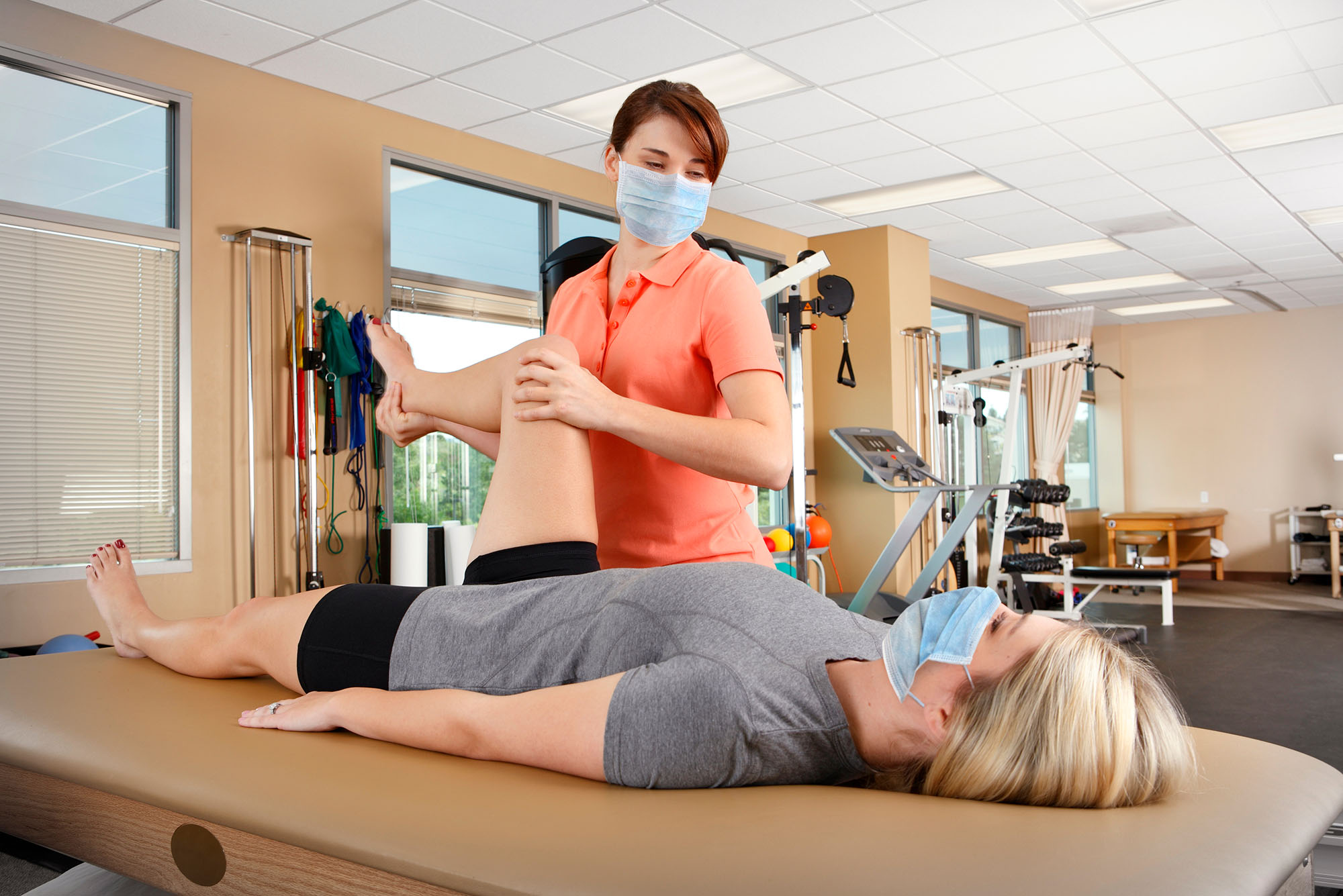
Accurate diagnosis begins with a comprehensive physical examination. Your healthcare provider checks for tenderness along your knee’s joint line, assesses your range of motion, and performs specific clinical tests like the McMurray test—where they carefully flex and rotate your knee to detect clicking or pain patterns consistent with meniscal damage.
MRI imaging can confirm a meniscus tear and show its exact location, size, and pattern. However, skilled physical therapists are often able to assess your knee accurately through hands-on examination alone and begin effective treatment without initial imaging. If your situation is complex or if you’re not progressing as expected, imaging becomes part of your evaluation at that point.
How Trinity Rehab Middletown Treats Meniscus Tears
Physical therapy for meniscus tears at Trinity Rehab Middletown is progressive, evidence-based, and tailored to your specific injury and goals. Whether you’re aiming to return to competitive athletics, coaching youth sports, boating, maintaining your fitness routine, or simply moving without pain, we structure your recovery around your priorities.
Phase 1: Control Pain and Protect Tissue
Initial treatment prioritizes reducing pain and swelling while keeping your injury protected:
- Manual therapy including gentle joint mobilization and soft tissue techniques to reduce stiffness and improve circulation
- Pain-reducing modalities such as ice therapy, electrical stimulation, and ultrasound to manage inflammation
- Protected range-of-motion exercises performed carefully to maintain mobility without stressing the tear
- Gait training to teach you walking patterns that minimize meniscus stress
- Clear activity guidance so you understand what’s safe and what to avoid
Phase 2: Progressive Strengthening and Stability
As pain decreases, we transition to rebuilding the muscular support system protecting your knee:
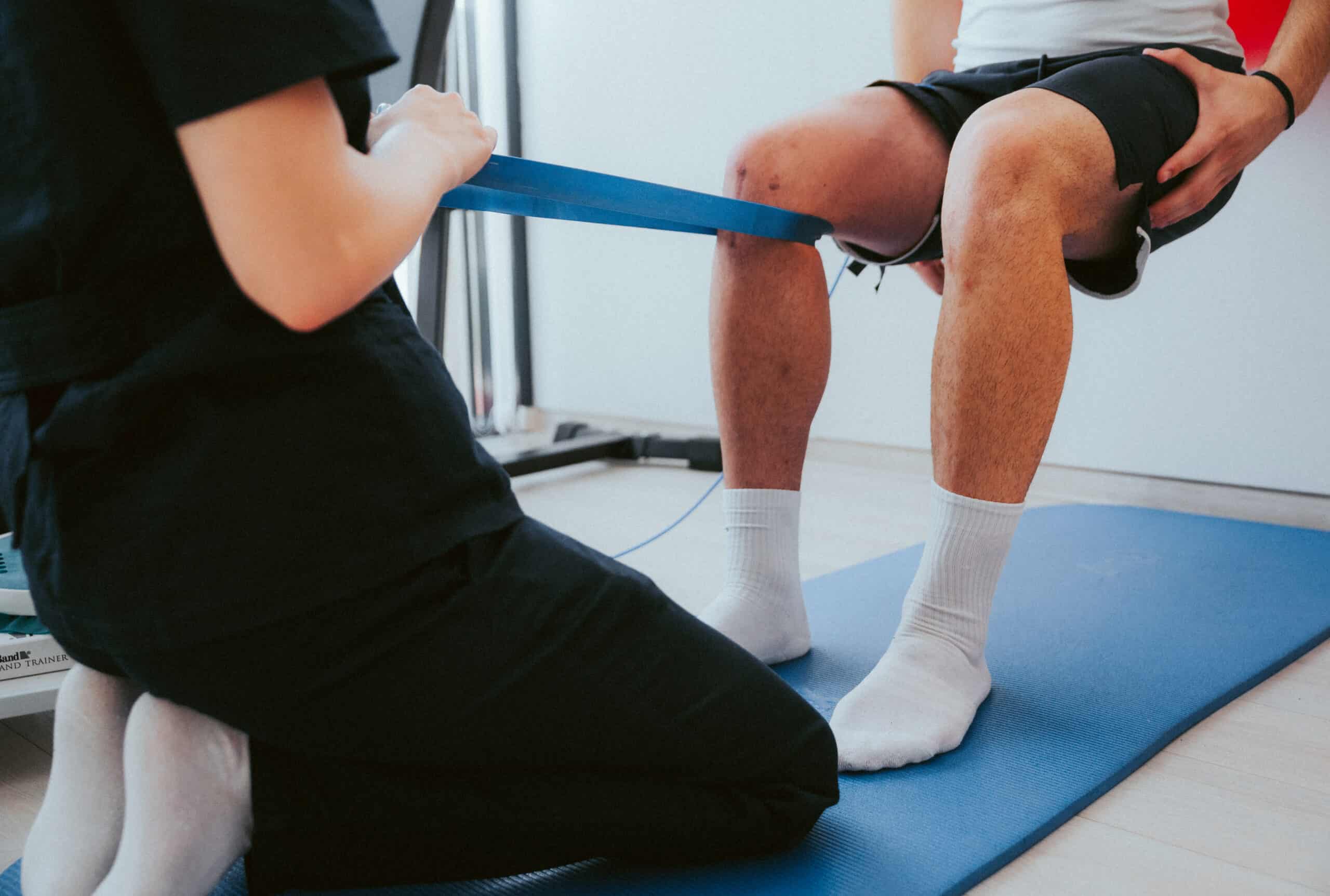
- Quadriceps strengthening targeting the front thigh muscle critical for knee stability and shock absorption
- Hamstring and hip strengthening creating balanced support throughout your lower extremity
- Core and glute activation work that improves force distribution through your body
- Balance and proprioception training using exercises on stable and unstable surfaces
- Functional strengthening including squats, lunges, and step-ups with proper mechanics
- Dry needling for muscle trigger points that develop compensatory tension
Phase 3: Sport and Activity-Specific Return
The final phase focuses on return to the activities you care about:
- Sport-specific or activity-specific training designed around your actual goals—competitive athletics, coaching, boating, running, or recreational sports
- Progressive intensity and complexity increases that challenge your knee to handle real-world demands
- Advanced modalities including EPAT/shockwave therapy in appropriate cases to accelerate tissue healing
- Injury prevention strategies and ongoing maintenance routines for long-term protection
Tear Patterns and Treatment Implications
Different meniscus tear patterns have different characteristics and healing potentials:
- Radial tears cut across meniscus fibers radially and are the most common pattern. Small peripheral radial tears respond very well to physical therapy.
- Horizontal tears run along the meniscus length and typically relate to degenerative changes. These generally respond very favorably to conservative treatment.
- Bucket-handle tears are large vertical tears where a section flips into the joint center, sometimes causing locking. These may require surgical evaluation.
- Flap or complex tears involve multiple tear patterns and usually stem from long-term cartilage changes. Most respond well to physical therapy approaches.
The tear’s location and blood supply matter too: the outer third (the “red zone”) has blood supply that supports natural healing; the inner two-thirds (the “white zone”) has limited blood flow. This influences your therapist’s approach but doesn’t prevent successful treatment.
Long-Term Knee Health and Prevention
True recovery extends beyond when symptoms resolve. Protecting your knee for years to come requires consistent habits:
- Year-round strength maintenance of your quadriceps, hamstrings, and hip muscles
- Appropriate warm-up routines before physical activities
- Proper movement patterns, avoiding inward knee collapse during squats and landings
- Supportive footwear matched to your activities
- Body weight management (every pound equals approximately four pounds of force across your knee during walking)
- Low-impact cross-training like swimming and cycling to maintain fitness while protecting your meniscus
- Awareness of warning signs—swelling or pain after activity signals the need to modify your routine
Beginning Your Recovery at Trinity Rehab Middletown
A meniscus tear isn’t the end of your active life in Middletown. With skilled, evidence-based physical therapy, you’ll return to athletics, coaching, boating, and the activities that define your community life.
To schedule your evaluation at Trinity Rehab Middletown:
Visit our appointment page or call to book your initial assessment. Your first session includes a thorough knee evaluation, discussion of your goals, and the start of your personalized recovery plan.
Most patients experience meaningful improvement—decreased pain, increased mobility, reduced swelling—within the first few weeks of treatment. You’ll work consistently with your Trinity Rehab Middletown therapist as you progress through recovery and return to the activities that matter most to you.
—
For comprehensive information about meniscus tear causes, diagnosis, and evidence-based treatment, visit our meniscus tear condition page. Understanding the signs and symptoms of meniscus tear is crucial for prompt diagnosis and treatment. Common signs include pain, swelling, and difficulty in bending the knee. If you suspect a meniscus tear, it’s recommended to seek medical attention for an accurate assessment and tailored treatment plan. Recognizing the symptoms of a meniscus tear is crucial for timely intervention and can significantly affect recovery outcomes. Common indicators include pain, swelling, and difficulty in bending the knee. If you experience these symptoms, it is important to consult a healthcare professional for an accurate diagnosis and appropriate care. When considering treatment options for meniscus tear, it’s crucial to consult with a healthcare professional who can assess the severity of the injury and recommend a tailored plan. Physical therapy often plays a significant role in rehabilitation, focusing on exercises that strengthen the surrounding muscles and improve flexibility. In some cases, surgical intervention may be necessary to repair the tear and restore full function to the knee.