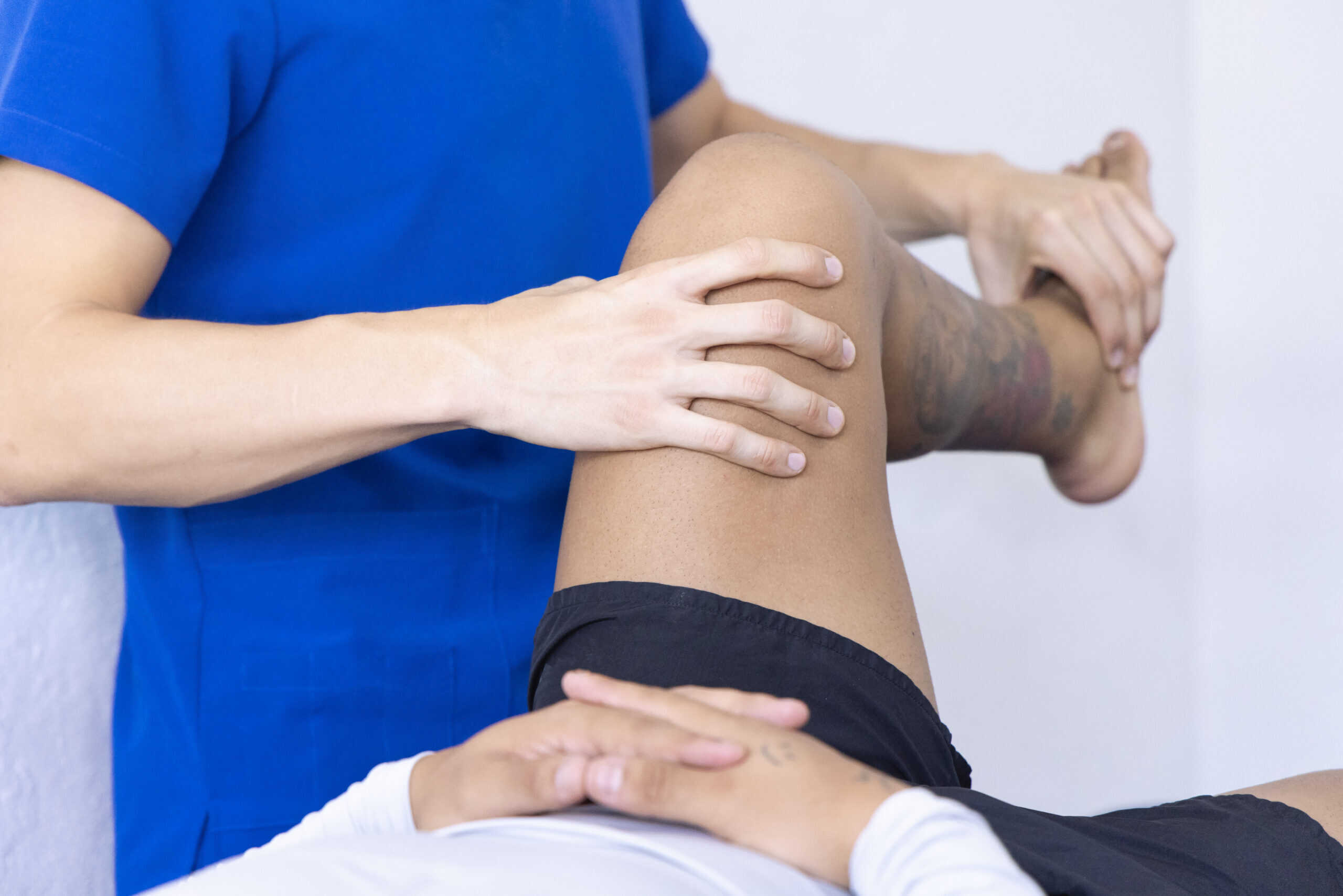
Knee Pain Treatment in Middletown, NJ: Physical Therapy for an Active Shore Community
Middletown is one of New Jersey’s most livable townships — and one of its most active. With 67,000 residents spread across waterfront neighborhoods, wooded parks, and coastal plains, Middletown offers trails at Tatum Park, beach access at Ideal Beach, fossil hunting at Poricy Park, and year-round athletic competition through two high schools with serious rivalries and serious sports programs. The Navesink and Raritan Rivers bring kayakers and anglers. The Sandy Hook Bay shoreline draws beach runners. The Henry Hudson Trail extends into the township for cyclists and walkers.
All of that movement is wonderful — until the knee becomes the limiting factor. And for many Middletown residents, it eventually does. Whether from a high school football collision on Thanksgiving Day, years of beach-sand running, a hiking fall on the Huber Woods trails, or the gradual onset of osteoarthritis in a community where 17% of residents are over 65 — knee pain is a common reason Middletown residents seek care.
At Trinity Rehab, we build individualized physical therapy plans that address the specific cause of your knee pain and get you back to the activities that define your life here.
Middletown’s Knee Injury Profile
Knee pain in Middletown takes on the character of the township itself — varied, active, and tied to specific places and pursuits.
Two high schools, two competitive programs. Middletown High School North (Lions) and Middletown High School South (Eagles) create one of the most competitive athletic environments in Monmouth County. Both schools field strong rosters in football, soccer, field hockey, basketball, wrestling, lacrosse, baseball, and cross country. The annual Thanksgiving football rivalry is legendary. For these athletes — and the youth league players in MYAA, the Lincroft Little League, and the Eagles/Griffins youth football and lacrosse programs — knee injuries are an occupational hazard. ACL tears from cutting sports, patellar tendonitis from jumping athletes, and meniscus injuries from contact sports represent the bulk of the high school and youth athletic caseload.
Trail and outdoor enthusiasts. Tatum Park (366 acres of multi-use trails), Huber Woods Park (wooded hiking and biking), and Poricy Park (uneven terrain, fossil beds, pond loops) offer superb outdoor recreation — and surfaces that challenge knee stability. Trail runners navigating root-covered paths and hikers managing elevation changes develop IT band syndrome, patellofemoral syndrome, and acute ligament injuries from missteps. Beach-sand activities at Ideal Beach and Bayshore Waterfront Park add unique knee stress: the soft, uneven surface demands extra stabilization work from the hip and knee complex.
Adult recreational leagues. Middletown’s adult sports community is robust: softball leagues through the Central Jersey Softball Association, pickleball and tennis at the Middletown Tennis Association, volleyball and basketball drop-ins, and Heyday Athletic leagues serving adults who want structured competition. These activities involve the quick direction changes, lateral lunges, and overhead rotational movements that stress knee ligaments and cartilage.
Waterfront and physical workers. Middletown’s coastal geography supports a workforce in landscaping, construction, and marine trades where kneeling, heavy lifting, and sustained physical exertion are daily demands. These workers develop bursitis, tendonitis, and cumulative cartilage wear that builds slowly over years of professional physical labor.
Commuters navigating long days. With 86% homeownership and strong ties to the NYC commuter rail system via Red Bank and Long Branch stations, many Middletown residents face the chronic knee effects of long desk-to-commute-to-desk cycles: tight hip flexors, weakened glutes, and the anterior knee pain that develops when these imbalances aren’t addressed.
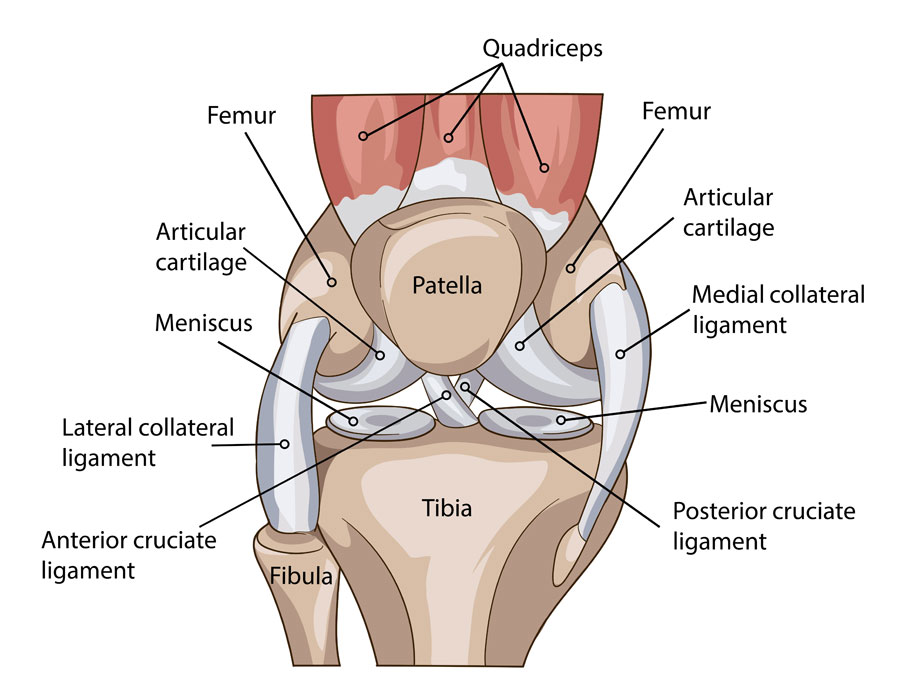
Understanding the Knee’s Role in Middletown Life
The knee isn’t an isolated joint — it’s a conduit for forces from the foot, ankle, and hip above and below. When any of those structures are weak or misaligned, the knee absorbs compensatory stress that it wasn’t designed to handle indefinitely.
In Middletown, that principle plays out differently for different residents:
- The Middletown South soccer player whose weak hip abductors create inward knee collapse on every cut
- The Tatum Park trail runner whose IT band tightness produces lateral knee pain after mile three
- The retiree whose quadriceps atrophy over years of inactivity accelerates osteoarthritis progression
- The landscaper whose daily kneeling inflames the bursae protecting his knee joint
Physical therapy works because it addresses these root mechanics — not just where the pain is, but why the breakdown is happening.
How Trinity Rehab Treats Knee Pain
One-on-one evaluation. Every treatment at Trinity Rehab starts with a thorough assessment by your licensed physical therapist: range of motion, strength, joint stability, movement quality, and pain mapping. You receive a clear diagnosis, a realistic recovery timeline, and an explanation of exactly what your treatment plan involves.
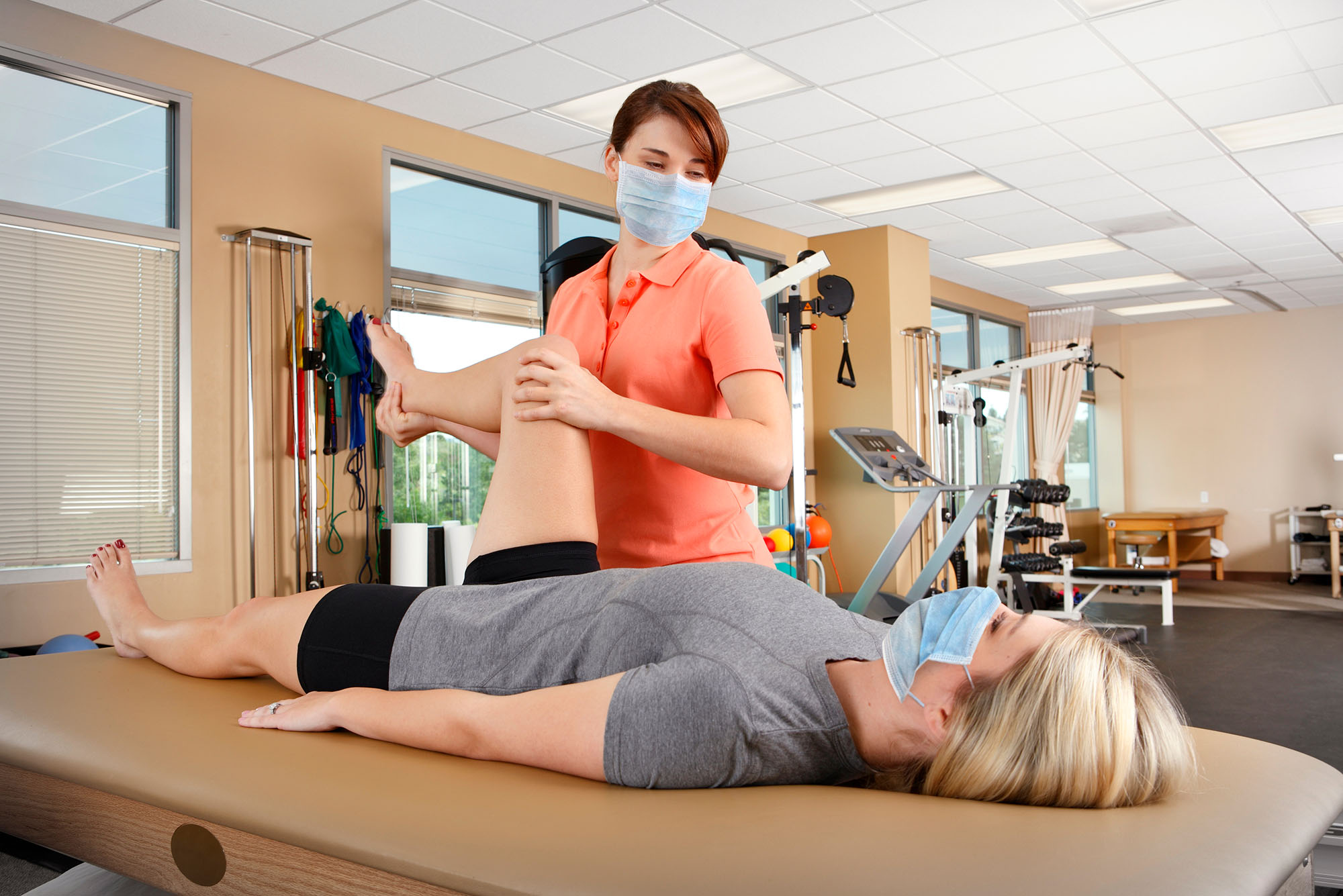
Manual therapy. Hands-on joint mobilization restores the glide mechanics inside the knee. Soft tissue mobilization releases the quadriceps, IT band, and posterior chain restrictions that alter joint mechanics. Patellar mobilization corrects kneecap tracking for Middletown’s runners and field sport athletes. Manual therapy reduces pain quickly and creates the mechanical environment needed for effective rehabilitation.
Targeted strengthening. Progressive resistance exercises for the quadriceps, hamstrings, glutes, and hip stabilizers form the foundation of every knee treatment plan. These muscles don’t just support the knee — they protect it from re-injury. NIH research confirms that combined hip and knee strengthening reduces pain and improves functional capacity durably, both short and long term.
Neuromuscular training. After injury or chronic pain, the reflexive knee stabilization that protects joints during sport and recreation becomes impaired. Balance training, proprioception drills, and functional movement retraining rebuild this system. For Middletown North and South athletes returning from ACL injuries, neuromuscular training is the phase that determines whether reinjury happens or not.
EPAT shockwave therapy. Targeted acoustic pulses stimulate tissue healing and break the cycle of chronic inflammation in conditions like patellar tendonitis and IT band syndrome. EPAT is particularly effective for Middletown’s trail runners and adult athletes dealing with tendon-related knee pain that hasn’t responded to rest and basic treatment.
Dry needling. Trigger point release in the quadriceps, hip flexors, and calf complex reduces the tension that misdirects force through the knee. Many patients experience significant pain relief after dry needling — and respond much more effectively to subsequent strengthening exercises.
AlterG Anti-Gravity Treadmill. The AlterG reduces effective body weight up to 80%, enabling patients to walk or run with greatly reduced joint load. For Middletown residents recovering from knee replacement surgery or returning to running after a serious injury, the AlterG allows movement quality rehabilitation that simply isn’t possible at full body weight.
Post-Surgical Knee Rehabilitation
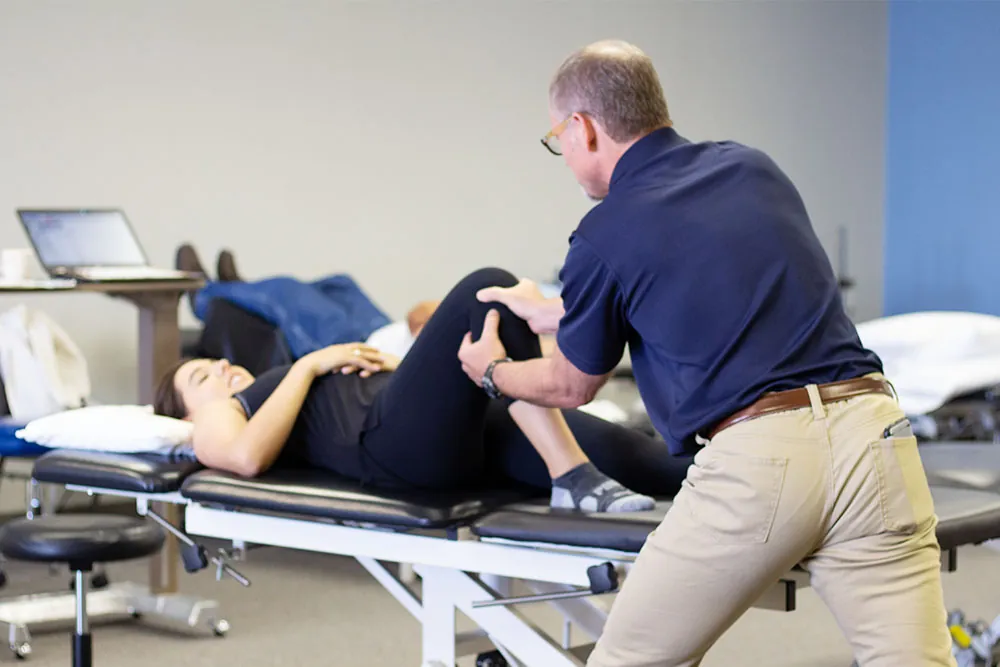
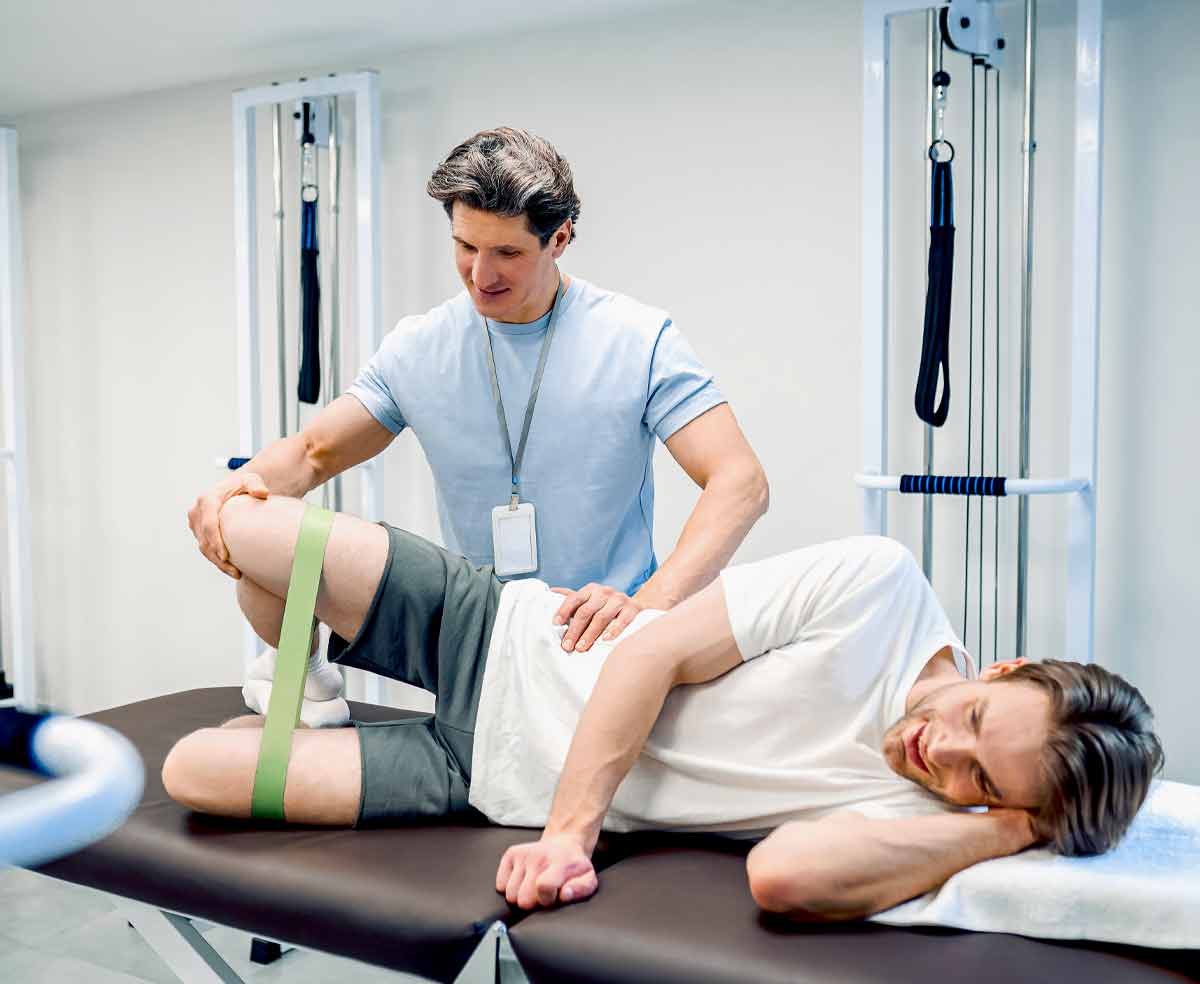
Middletown residents often come to Trinity Rehab following knee replacement or ACL reconstruction surgery. Surgical outcomes are substantially improved by structured rehabilitation — both before the procedure (prehabilitation reduces recovery time and post-operative pain) and through each phase afterward.
Phase 1 focuses on swelling management, early range of motion, and safe weight-bearing. Phase 2 advances strengthening and begins functional movement patterns. Phase 3 returns patients to full daily and recreational activities. For high school athletes, Phase 3 includes sport-specific movement and return-to-competition testing. Your Trinity Rehab therapist coordinates with your surgeon throughout.
Knee Osteoarthritis and the Active Middletown Retiree
With 17% of Middletown’s population over 65 — and many of those residents living active lives — knee osteoarthritis management is a central part of what we do. Physical therapy doesn’t reverse cartilage loss, but it meaningfully reduces pain, improves function, and slows progression. A systematic review in the European Journal of Medical Research confirms these outcomes consistently.
Many Middletown retirees who come to us with bone-on-bone diagnoses leave physical therapy hiking at Deep Cut Gardens, kayaking on the Navesink, and walking the Bayshore Waterfront Park pier — activities they’d quietly stopped expecting to do again.
Why Middletown Residents Choose Trinity Rehab
One licensed therapist, every session. Every minute of every visit, you work directly with your therapist — not a tech, not an aide, not a group class.
No referral required. New Jersey’s direct access law means you can call today and schedule your first appointment without seeing a physician first.
Insurance accepted. Most major plans accepted. We verify your coverage before your first appointment.
Advanced technology. EPAT, dry needling, and the AlterG are available and integrated into treatment plans based on clinical need.
Close to home. Trinity Rehab serves Middletown and the surrounding Bayshore/Monmouth County communities with convenient locations. See all Trinity Rehab locations.
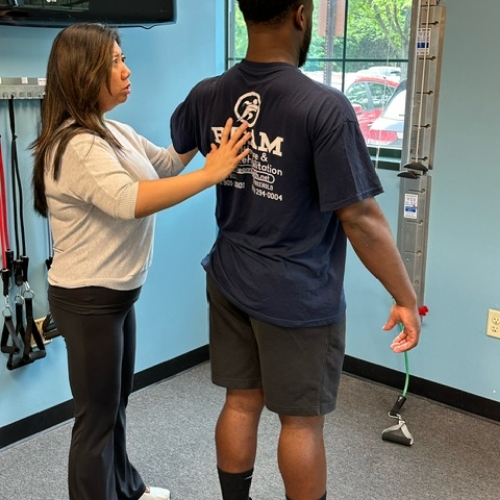
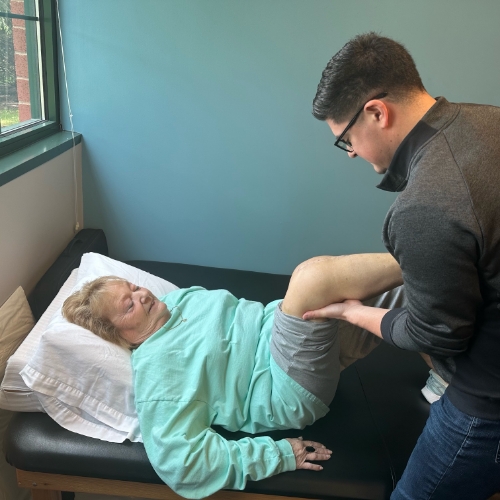
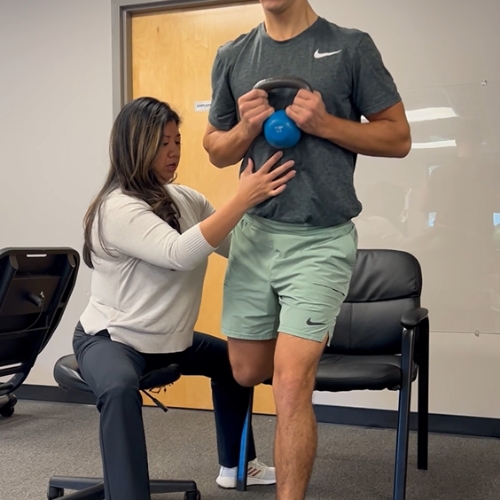
Inside Our Middletown Clinic
Related Conditions & Treatments
Knee pain is just one of the many conditions we treat at Trinity Rehab. Explore our full range of conditions we treat or learn more about specific treatment approaches:
Middletown Knee Rehab For Stairs, Walking, And Daily Confidence
Knee pain can make stairs, walking, exercise, work, and getting in and out of a car more difficult. Middletown rehab should identify whether strength, mobility, balance, swelling, or movement mechanics are driving the issue.
Your therapist may assess knee motion, quad and hip strength, walking mechanics, balance, and activity tolerance. The plan can progress from symptom control to stronger, more confident movement.
Related care includes ACL rehab, meniscus tear rehab, and the Middletown physical therapy clinic page.
Frequently Asked Questions About Knee Pain in Middletown
Middletown Knee Rehab For Stairs, Walking, And Daily Confidence
Knee pain can make stairs, walking, exercise, work, and getting in and out of a car more difficult. Middletown rehab should identify whether strength, mobility, balance, swelling, or movement mechanics are driving the issue.
Your therapist may assess knee motion, quad and hip strength, walking mechanics, balance, and activity tolerance. The plan can progress from symptom control to stronger, more confident movement.
Related care includes ACL rehab, meniscus tear rehab, and the Middletown physical therapy clinic page.
Can physical therapy help with knee pain from years of beach and trail activity?
My child plays football or soccer at Middletown High School. How quickly should they be seen after a knee injury?
I've been managing knee osteoarthritis for years. Is it too late to benefit from physical therapy?
How do I know if my knee pain needs physical therapy or surgery?
Can I come to Trinity Rehab without a referral?
Start Today — No Referral Needed
Middletown’s trails, fields, beaches, and waterways will wait for you. So will the activities you’ve been putting off because of knee pain. At Trinity Rehab, we’ll help you get back to them — with one-on-one care, advanced technology, and a plan built specifically for your knee and your life.
Related resources: Knee Pain Treatment Hub | Hip & Knee Pain Relief | Sciatica Treatment | EPAT Therapy | Sports Injuries
What Our Patients Say



Sign up for free health tips and tricks