
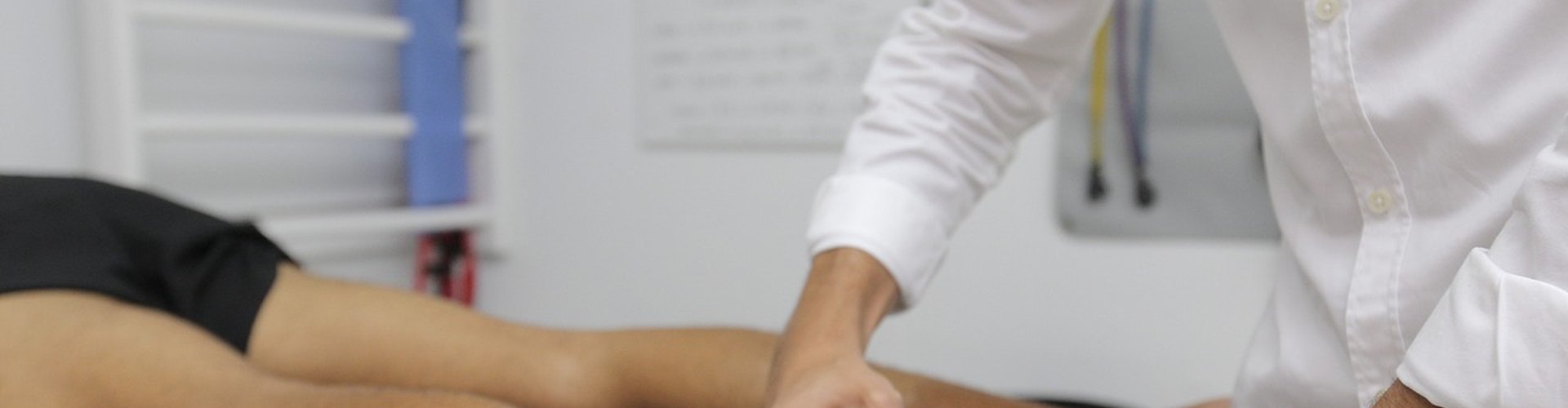
PLANTAR FASCIITIS TREATMENT IN METUCHEN, NJ
Metuchen earned its “Brainy Borough” nickname honestly — a walkable community with an award-winning Main Street, excellent schools, and an active culture. The Middlesex Greenway draws runners and walkers through 3.5 miles of paved trail. Centennial Park offers paths past Beacon Hill. The Metuchen Milers train year-round, and the train station sends thousands walking to and from the platform daily.
All that foot activity is good — until plantar fasciitis enters the picture. If you wake up to stabbing heel pain, or notice that the walk from the Metuchen station makes the first blocks uncomfortable, Trinity Rehab’s physical therapists can help you recover completely.
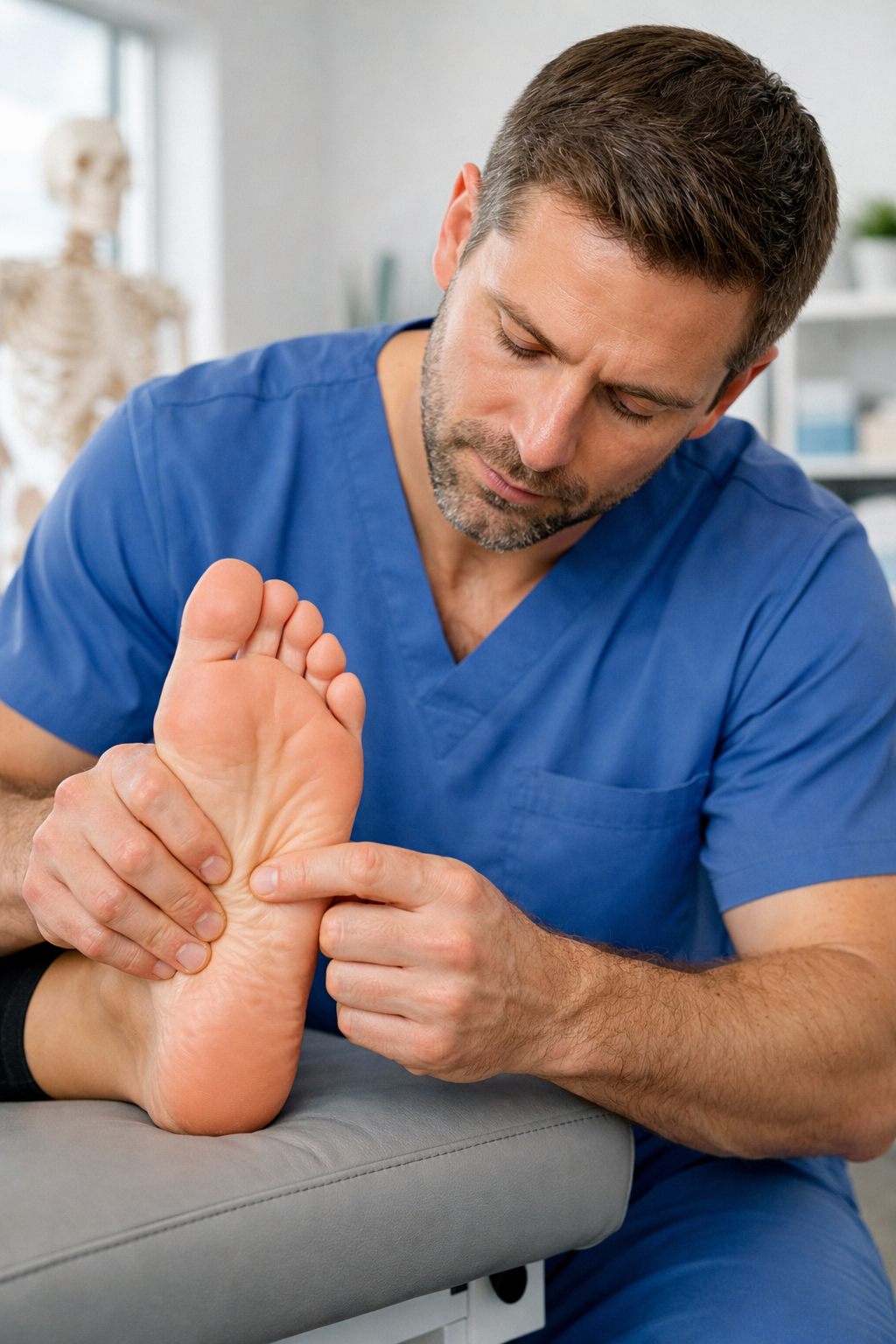
THE ANATOMY BEHIND THE ACHE
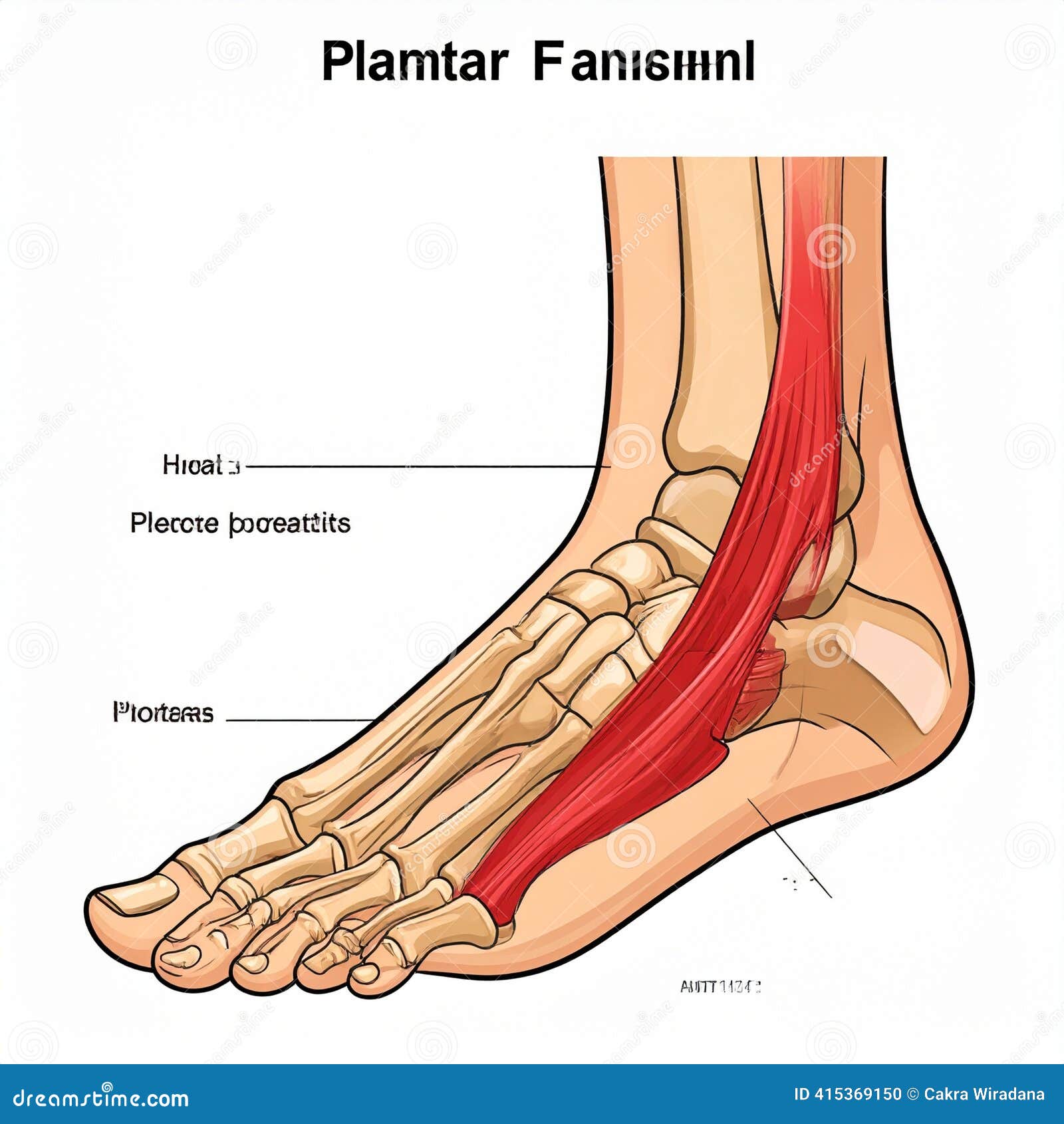
The plantar fascia is a dense, fibrous band of connective tissue running along the bottom of your foot — from the heel bone (calcaneus) to the base of the toes. It functions as a natural spring, supporting your arch and dispersing the force of each step through a mechanism called the windlass effect. When you walk, run, or stand, this tissue undergoes repeated loading and unloading, which it handles with ease under normal conditions.
Problems arise when cumulative loading outpaces the tissue’s repair capacity. Micro-tears develop, inflammation follows, and the characteristic pain cycle of plantar fasciitis begins. The tissue contracts during sleep, and the abrupt mechanical stretch of your first morning steps creates the stabbing sensation that most patients describe immediately — before they’ve taken five steps across the bedroom floor.
Left untreated, the condition often worsens. Chronic cases progress to plantar fasciopathy — the tissue thickens, loses elasticity, and secondary gait compensation creates a cascade of musculoskeletal issues well beyond the foot.
According to the American Academy of Orthopaedic Surgeons, plantar fasciitis accounts for roughly 11–15% of all foot complaints requiring professional care, affecting approximately 2 million people annually.
RELATED CONDITIONS & TREATMENTS
Plantar fasciitis is just one of the many conditions we treat at Trinity Rehab Metuchen. Explore our full range of conditions we treat or learn more about specific treatment approaches:
WHY METUCHEN’S LIFESTYLE CREATES HEEL PAIN RISK
Metuchen is a small borough — just 2.8 square miles — but it packs a lot of activity into a compact area. The community’s specific patterns of foot use make plantar fasciitis a particularly common complaint:
The Middlesex Greenway — This 3.5-mile paved trail is the borough’s premier running route. Its hard surface provides essentially zero shock absorption, and runners who log regular miles here — particularly those in the Metuchen Milers club — are absorbing significant repetitive impact through the heel with each stride. Runners who increase mileage quickly in spring or train in shoes past their replacement mileage are frequent plantar fasciitis candidates.
Metuchen High School cross country and track — The Bulldogs compete in the Greater Middlesex Conference with multiple state championships in cross country and track. High-volume distance training on hard surfaces, combined with the quick transitions between indoor and outdoor seasons, is a reliable pathway to fascial overuse injuries in young athletes.
The commuter walk to and from the station — Metuchen’s status as a commuter hub means many residents start and end every workday with a walk to the train station — often in shoes chosen more for appearance than biomechanical support. The cold-to-loaded stress of walking to the platform in the morning, after the foot has been sedentary overnight, repeatedly triggers the fascial stress response that builds into plantar fasciitis over weeks and months.
Sportsplex at Metuchen — Indoor soccer and basketball leagues at the Sportsplex keep Metuchen’s adult athletes active year-round on hard court and turf surfaces. The lateral cuts, pivots, and accelerations involved in these sports create concentrated stress at the heel-fascia attachment that differs from simple running overuse and can develop into injury quickly without proper conditioning.
Light industrial and professional work — Metuchen’s employers in light manufacturing, professional services, and healthcare-adjacent businesses include workers who stand or walk on hard floors for extended periods. Cumulative occupational loading is a leading cause of plantar fasciitis in working-age adults who would otherwise be considered low-activity patients.
Main Street walkability — Metuchen’s award-winning Main Street — recognized with a Great American Main Street Award in 2023 — means residents walk more than their suburban counterparts. Combined with the commuter habit of walking in non-supportive footwear, this daily foot mileage adds up.
THE SYMPTOM PATTERN THAT POINTS TO PLANTAR FASCIITIS
A Metuchen Miler who suddenly notices that the first quarter-mile of every run involves a stabbing heel pain that gradually eases is experiencing a classic presentation. So is the downtown professional who limps off the train platform each morning but feels fine by the time they reach their office desk.
Key symptoms include:
- First-step morning pain — Sharp, often severe heel pain with the first weight-bearing steps after waking. Typically eases within five to ten minutes as the fascia warms and elongates.
- Post-rest flares throughout the day — Similar to morning pain, triggered each time you rise after sitting for extended periods. The longer you’ve been off your feet, the worse the initial steps.
- Localized heel tenderness — Pressing on the inner base of the heel reproduces the pain exactly. This predictable tenderness distinguishes plantar fasciitis from other heel conditions.
- Arch fatigue and tightness — The entire bottom of the foot may feel shortened or rope-like, particularly in the morning.
- Pain after — not during — exercise — Many runners notice that heel pain intensifies in the evening after a Greenway run, rather than during the run itself, reflecting the delayed inflammatory response.
- Gait changes — Limping, shortened stride, or landing on the ball of the foot to avoid heel contact all protect the sore fascia in the short term while creating compensatory problems elsewhere — including back pain and sciatica.
HOW TRINITY REHAB TREATS PLANTAR FASCIITIS IN METUCHEN
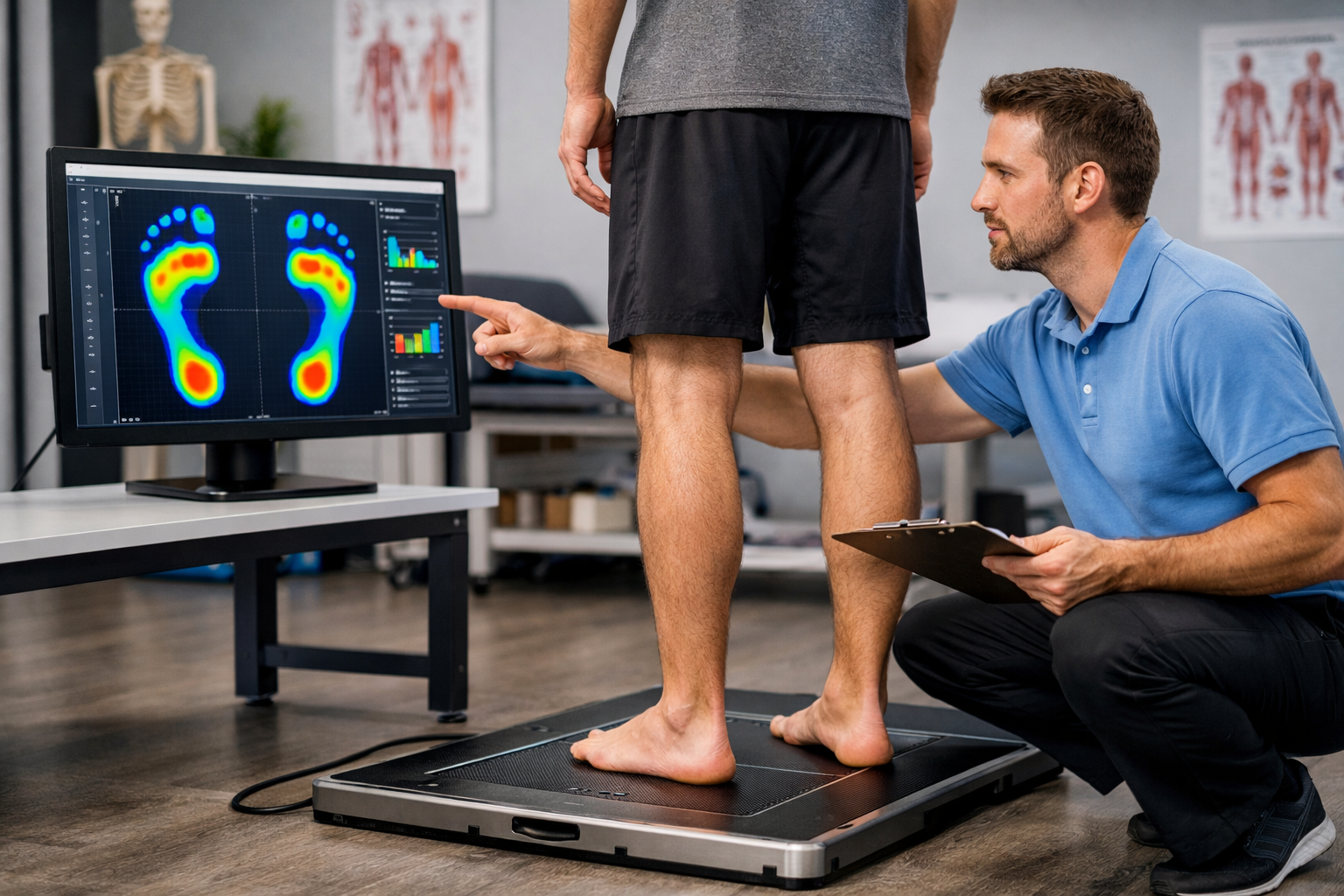
Every patient at Trinity Rehab begins with a detailed biomechanical evaluation: gait analysis, foot mechanics assessment, ankle range of motion testing, and flexibility screening. This evaluation identifies exactly which factors are driving your heel pain — and informs the personalized treatment plan that follows.
MANUAL THERAPY
Manual therapy is a cornerstone of effective plantar fasciitis treatment. Your Metuchen therapist applies targeted joint mobilization to the ankle and subtalar joints, restoring dorsiflexion range of motion and reducing the mechanical strain transferred to the fascia during walking. Soft tissue techniques — including myofascial release and instrument-assisted mobilization (IASTM) — break down adhesions along the calf, Achilles tendon, and plantar fascia itself. A 2023 clinical revision in the Journal of Orthopaedic & Sports Physical Therapy confirms that combined joint mobilization and stretching outperforms stretching alone for plantar fasciitis outcomes.

TARGETED STRETCHING
Restricted ankle dorsiflexion — most often caused by tight gastrocnemius and soleus muscles — is the single most consistent biomechanical finding in plantar fasciitis patients. Your calf stretching program will be systematic and progressive, targeting both the gastrocnemius (knee-straight wall stretch) and the soleus (knee-bent step stretch) to recover full ankle mobility. Paired with the plantar fascia-specific toe-extension stretch performed before morning weight-bearing, these flexibility exercises directly reduce fascial loading during daily activities.
ECCENTRIC LOADING
Eccentric heel drop progressions — slowly lowering the heel off a step under controlled load — are among the most evidence-supported exercises for building tendon and fascial resilience. Combined with intrinsic foot strengthening (short-foot exercises, towel scrunches, single-leg balance work), this phase rebuilds the load tolerance of the plantar fascia from within. For Metuchen’s Sportsplex athletes and distance runners, sport-specific loading progressions prepare the foot for return to high-demand activities.
EPAT SHOCKWAVE THERAPY
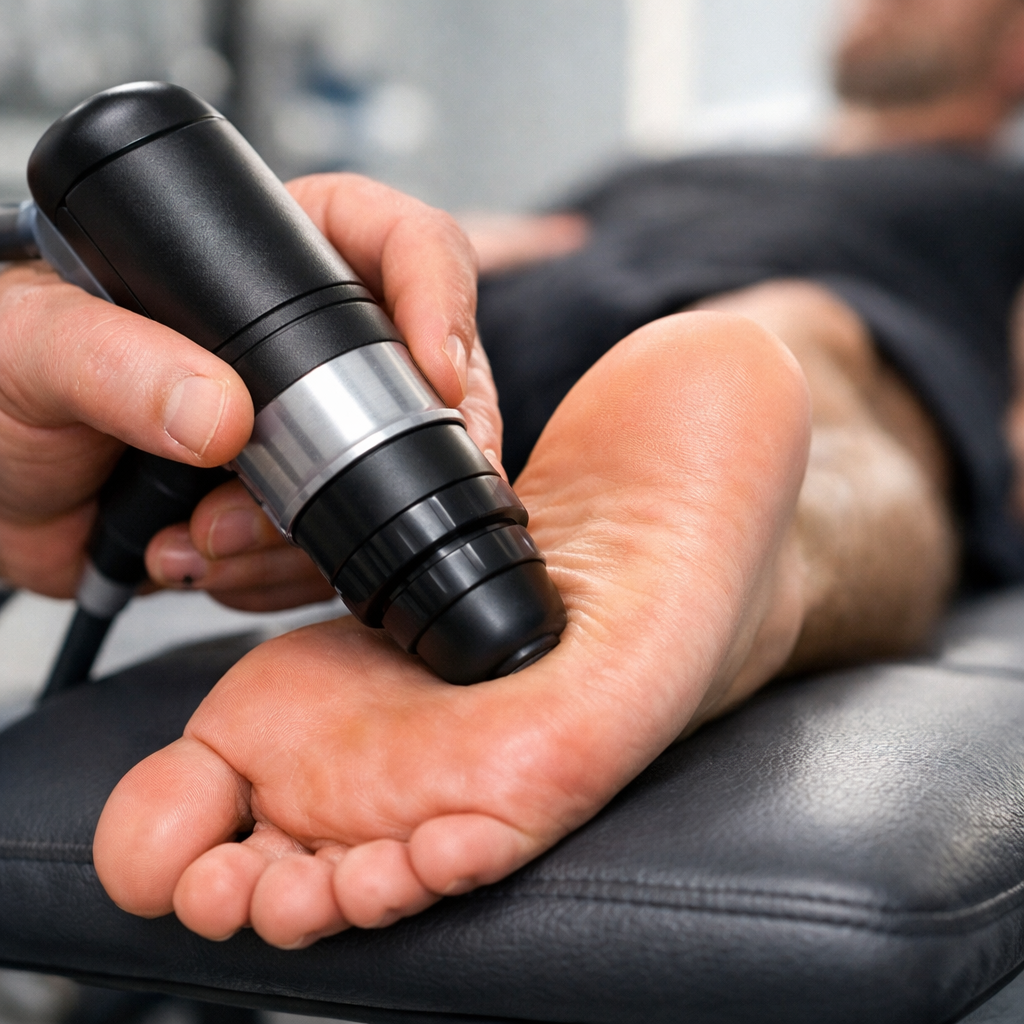
For patients whose plantar fasciitis has persisted beyond three months — a common presentation in commuters who delayed treatment — EPAT (Extracorporeal Pulse Activation Technology) offers a powerful non-invasive path to recovery. Acoustic pressure waves penetrate deep into the damaged fascia, stimulating blood flow and cellular regeneration in tissue that chronic inflammation has left in a dysfunctional healing state. The Mayo Clinic endorses shockwave therapy as an effective intervention for chronic plantar fasciitis.
DRY NEEDLING
Dry needling addresses the myofascial trigger points in the gastrocnemius, soleus, and tibialis posterior that maintain ongoing tension through the Achilles-plantar fascia complex. Fine filament needles inserted into these points provoke a local twitch response, releasing contracted tissue and immediately reducing the mechanical pull on the heel. This is particularly effective for distance runners and cross-country athletes whose calf muscles carry significant chronic tension.
FOOTWEAR AND ORTHOTIC ASSESSMENT
Your therapist will evaluate your current footwear — including both your running shoes and your everyday commuter footwear. Many Metuchen patients are surprised to discover that the casual shoes they wear to the station each morning are providing essentially zero arch support. For patients with structural foot issues (flat feet, high arches, overpronation), custom or semi-custom orthotics can correct the biomechanical root cause and prevent recurrence.
PREVENTION: STAYING PAIN-FREE IN METUCHEN
- Track your Greenway mileage and follow the 10% rule — Never increase weekly running volume by more than 10% from week to week. If you’re currently running 20 miles per week on the Greenway, 22 miles is a safe next step; 30 is not.
- Commute in supportive shoes — Consider walking to the Metuchen station in cushioned, supportive footwear and changing at the office. The daily wear on your fascia from fashionable-but-flat commuter shoes compounds year-round.
- Replace running shoes before they fail — Metuchen Milers should treat shoe replacement as a regular calendar event — every 300–500 miles, regardless of how the shoe looks externally. Midsole compression fails well before the upper shows visible wear.
- Stretch before your first step each morning — Thirty seconds of toe-extension plantar fascia stretching and calf elongation before stepping out of bed significantly reduces first-step pain and recurrence risk.
- Build in recovery between Sportsplex sessions — Indoor sports leagues that run multiple nights per week on hard court surfaces require adequate recovery time. Alternating high-impact sessions with low-impact activity reduces cumulative fascial loading.
WHY METUCHEN CHOOSES TRINITY REHAB
In a borough where people know their neighbors and appreciate quality, Trinity Rehab’s one-on-one care model matters. You work with your licensed physical therapist every session — not an aide, not a rotating staff member. Your progress is tracked closely, your plan is adapted to your response, and your goals — whether returning to Metuchen Milers training runs or simply making it to the station without limping — are the explicit target of every visit.
We accept most major insurance, require no physician referral to schedule, and offer appointment flexibility that works around train schedules and school pickup times. View all foot and ankle conditions we treat or explore our full conditions page.
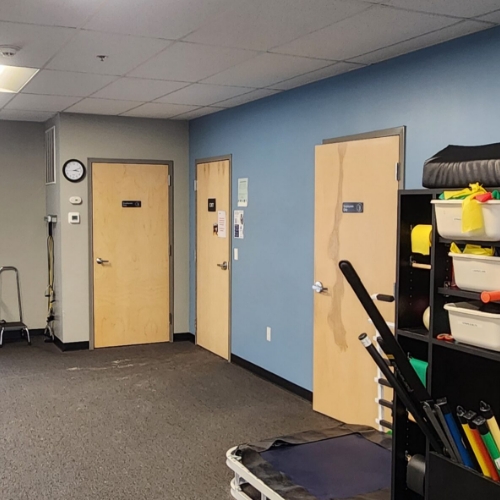
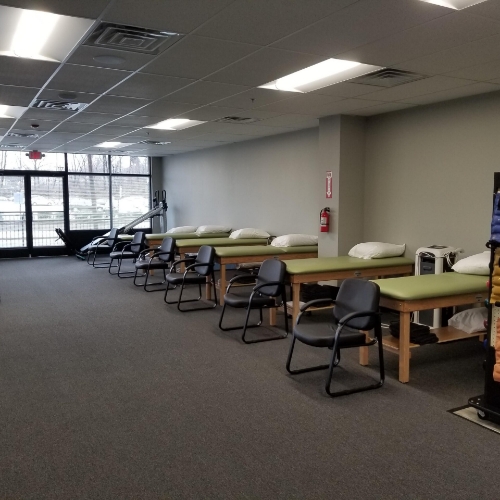
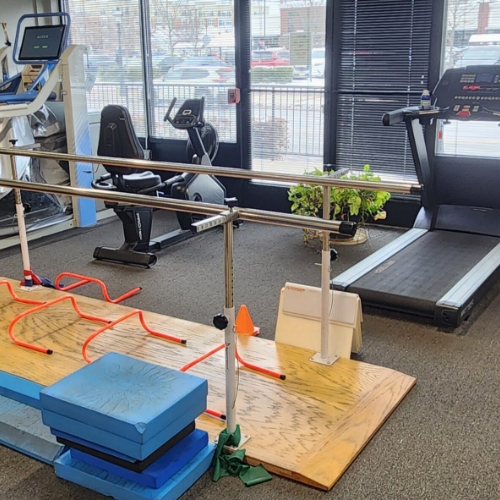
Inside Our Metuchen Clinic
FREQUENTLY ASKED QUESTIONS
Where can I get plantar fasciitis treatment in Metuchen, NJ?
How do I know if my heel pain is plantar fasciitis or something else?
Can I keep running on the Middlesex Greenway during treatment?
What makes Trinity Rehab different from other physical therapy clinics?
How soon can I expect relief?
READY TO WALK METUCHEN PAIN-FREE AGAIN?
From the Middlesex Greenway to the station commute to Main Street, Metuchen is made for walking — and heel pain shouldn’t change that. Trinity Rehab is ready to help you recover completely.
No physician referral needed. Most major insurance plans accepted.
Sources: Journal of Orthopaedic & Sports Physical Therapy — Clinical Practice Guidelines, Heel Pain/Plantar Fasciitis 2023 | Mayo Clinic — Plantar Fasciitis | American Academy of Orthopaedic Surgeons — Plantar Fasciitis and Bone Spurs | NIH/PMC — Management of Plantar Fasciitis in the Outpatient Setting
What Our Patients Say