
Osteoarthritis Physical Therapy in Metuchen, NJ — Expert Care in the Heart of the Borough
Metuchen is the kind of town where people actually use their parks. The Middlesex Greenway trail attracts walkers and cyclists who use it as a daily commute alternative. Centennial Park’s 13 acres draw families for picnics and morning exercise. Woodwild Park and the Dismal Swamp Preserve offer genuine nature escapes within a borough of just under three square miles. And the Sportsplex at Metuchen and the Metuchen Golf and Country Club keep the competitive instincts of residents well-occupied year-round.
Metuchen’s median age of 39 reflects a community of active, working-age adults — many of whom commute nearly 38 minutes each way to NYC-area jobs while maintaining busy family and recreational lives. But osteoarthritis doesn’t wait for retirement. The repetitive physical stressors of Metuchen life — long commutes, warehouse and delivery work near the borough, standing jobs, and weekend sports — can accelerate cartilage loss well before traditional “arthritis age.”
When the Greenway walk starts to feel like a chore because of knee pain, or reaching for a golf club causes a sharp catch in the hip, it is time to act. Osteoarthritis is a progressive degenerative joint disease, but physical therapy is the most evidence-based intervention available — and Trinity Rehab delivers it with the focus and personalization that makes a real difference.
Understanding Degenerative Joint Disease in an Active Community
Osteoarthritis is the most common form of arthritis and the leading cause of chronic pain and disability in adults over 45 in the United States, affecting more than 32.5 million people. It develops when the cartilage cushioning the ends of bones gradually breaks down, leaving joint surfaces to grind against each other. The result: pain, swelling, stiffness, and reduced range of motion that worsen progressively without targeted treatment.
In Metuchen specifically, several factors converge to elevate osteoarthritis risk across the population.
The borough’s position as a commuter hub means many residents spend significant time seated — in cars, trains, and at desks — which produces hip flexor tightness, reduced gluteal activation, and lumbar joint stiffness that compound osteoarthritis development. Workers in UPS, FedEx, and the warehouse operations near Liberty Street face the opposite problem: high-repetition manual labor with lifting, carrying, and prolonged standing that grinds knee and hip cartilage incrementally over years.
On the recreational front, the Sportsplex at Metuchen sees adults play soccer, basketball, and volleyball — sports with the cutting, pivoting, and deceleration forces that accumulate significant joint stress over time. And golfers at the Metuchen Golf and Country Club put rotational stress on lumbar facet joints with every round.
Risk factors include:
- Prior joint injuries — previous ligament tears, meniscal damage, or joint fractures significantly increase osteoarthritis risk
- Excess body weight — the standard mechanical formula: each extra pound = approximately 4 lbs of force per step through the knee
- Age — most adults over 50 have meaningful cartilage changes; the majority over 65 have clinically diagnosable osteoarthritis
- Genetics — if your parents had early osteoarthritis, your risk is substantially elevated
- Occupational and recreational loading — cumulative physical demands accelerate cartilage breakdown
Morning stiffness is commonly the first symptom: joints feel gummy and restricted first thing in the morning, loosening within 30 minutes of movement. Over time this progresses to activity-related pain that outlasts the activity itself, and eventually to persistent pain at rest.
A Personalized, Three-Pronged Treatment Plan
Trinity Rehab’s approach to osteoarthritis treatment in Metuchen is highly individualized. After a thorough initial evaluation — covering joint mechanics, strength testing, movement pattern analysis, and a detailed history of your symptoms and goals — your physical therapist designs a plan that addresses your specific presentation. For most patients, three components form the foundation.
Hands-On Manual Therapy for Immediate Relief
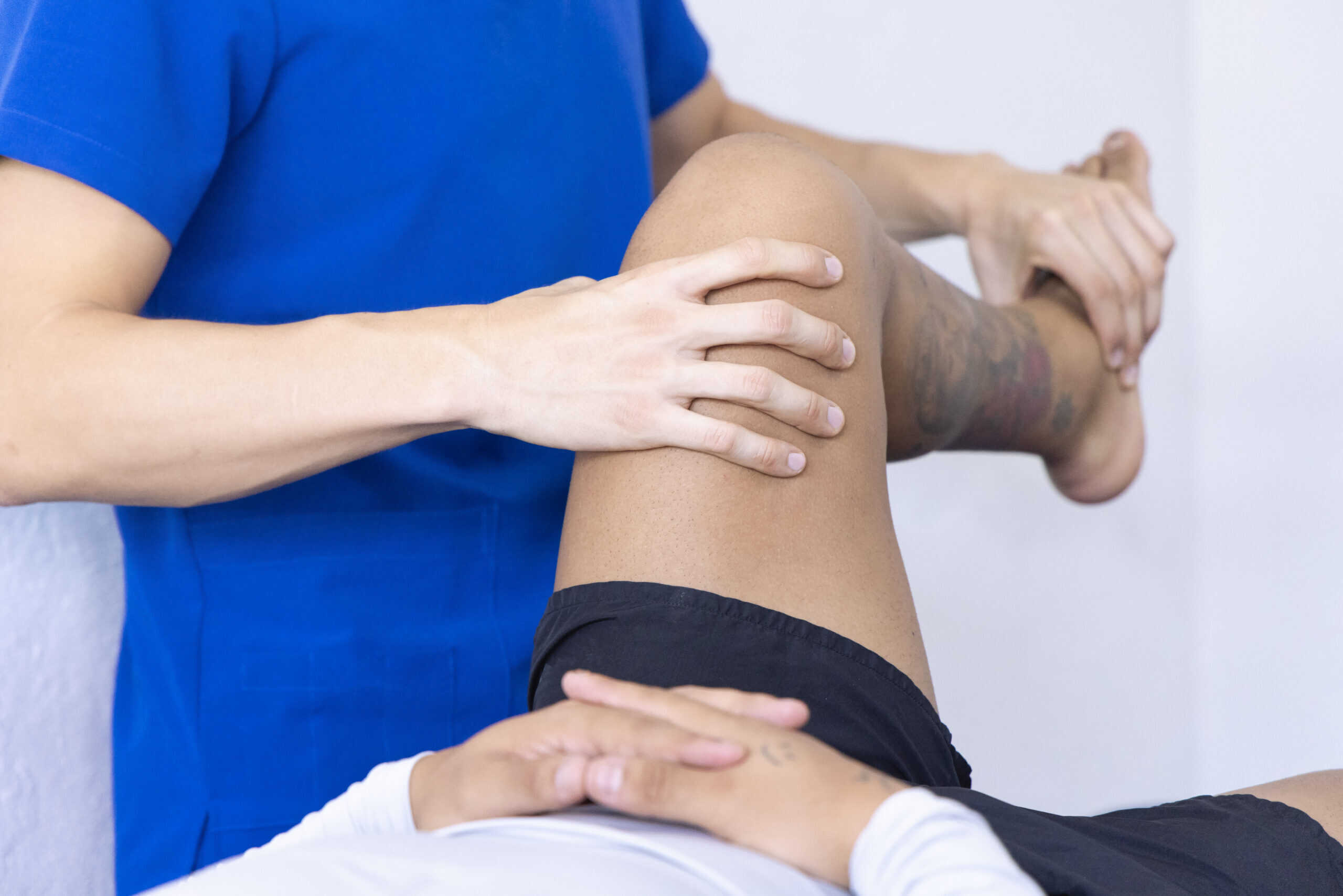
Manual therapy is where most patients experience their first meaningful relief. Joint mobilization techniques applied directly to the affected joint address the capsular stiffness that develops as cartilage deteriorates — restoring range of motion, improving joint flexibility, and reducing the pain that limits daily function. Soft tissue techniques address the muscular compensation patterns that compound arthritic pain.
For Metuchen’s Greenway walkers dealing with knee osteoarthritis, manual therapy targeting patellar mobility and distal quadriceps soft tissue quality produces noticeable improvements in gait mechanics and stair tolerance within the first few sessions. For hip osteoarthritis patients, posterior hip capsule mobilization is often the single most effective technique for restoring hip flexion and internal rotation — range of motion losses that dramatically affect walking efficiency and the ability to sit comfortably.
Pain management during and after manual therapy is enhanced with transcutaneous electrical nerve stimulation (TENS), which modulates pain signaling during treatment and extends the post-treatment comfort window — allowing patients to perform therapeutic exercise with less inhibition.
Progressive Strengthening for Long-Term Joint Protection
The structural goal of osteoarthritis rehabilitation is clear: build the muscular armor around the affected joint. Cartilage cannot regenerate, but muscles absolutely can strengthen — and stronger muscles are the most powerful joint-protective mechanism your body has.
For knee arthritis, the quadriceps is the primary target. Decades of research show that quadriceps weakness is among the strongest predictors of knee osteoarthritis progression. Building quad strength, combined with hamstring and hip abductor development, redistributes compressive force across the knee compartment and reduces the direct bone-on-bone loading that drives symptoms.
For hip osteoarthritis, gluteal strengthening — particularly the gluteus medius and minimus — stabilizes the pelvis and controls femoral mechanics during walking and stair-climbing. Weakness in these muscles is a central contributor to hip pain amplification.
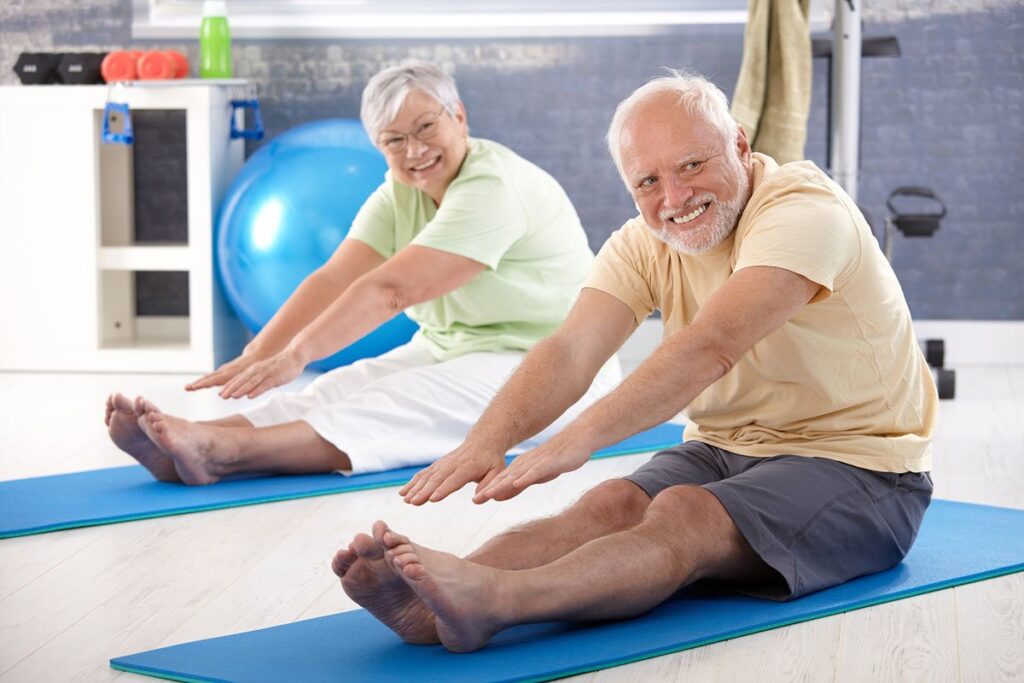
Your exercise program at Trinity Rehab is progressive and evidence-based. It begins at a level appropriate for your current capacity and advances systematically. Aerobic exercise is integrated throughout — stationary cycling, walking on the Greenway or Centennial Park paths, and other low-impact formats that build cardiovascular health and support healthy body weight without overloading the affected joint.
Advanced Technology: EPAT and Dry Needling
For patients who need more than exercise and manual therapy to break through persistent pain, Trinity Rehab offers two of the most effective advanced treatment technologies in outpatient physical therapy.
EPAT (Extracorporeal Pulse Activation Treatment) is an FDA-cleared technology that uses acoustic pressure waves delivered to the affected joint to stimulate blood flow, reduce chronic inflammation, and promote tissue healing at the cellular level. EPAT significantly expands what physical therapy can achieve for moderate-to-severe osteoarthritis — and it is an excellent strategy for Metuchen patients who want to delay or avoid joint replacement surgery.
Dry needling addresses the myofascial trigger points that develop in muscles chronically guarding against joint pain. These are not simply “tight muscles” — they are neurologically sensitized knots in the muscle tissue that generate referred pain, inhibit normal muscle activation, and make therapeutic exercise harder to perform effectively. Dry needling resolves them quickly and precisely, producing pain reductions and mobility improvements that complement both manual therapy and strengthening.
Staying Ahead of Osteoarthritis Progression
Osteoarthritis is progressive, but the rate of that progression varies enormously based on how well it is managed. Trinity Rehab’s physical therapists make long-term self-management education a core element of every treatment plan.
Key strategies you will learn:
- Home exercise program — the specific exercises your therapist prescribes for continued joint protection between visits and after discharge
- Activity modification — which activities to continue, which to modify, and which to avoid based on your joint status
- Dietary supplements — your therapist can discuss the evidence around glucosamine, chondroitin sulfate, and omega-3s for joint health, with medical decisions deferred to your physician
- Weight management strategies — even a 5% reduction in body weight produces measurable reductions in knee joint load
- Pacing and recovery — learning to balance activity and rest to minimize inflammation flares and protect joint health
- Ergonomic and footwear guidance — for your specific work environment and recreational activities
Why Metuchen Patients Choose Trinity Rehab
Metuchen is a small borough. Trinity Rehab’s model fits its character — personal, relationship-based, and quality-driven. Every patient receives one-on-one care with a licensed physical therapist for every session. No aides, no technicians, no group formats. Just an experienced clinician who knows you, your history, and your goals.
Our therapists have extensive experience with knee arthritis, hip osteoarthritis, back pain from spinal osteoarthritis, and the full complexity of arthritis treatment across the lifespan — including geriatric physical therapy for older adults managing multiple joint involvement.
New Jersey Direct Access law means Metuchen residents can begin physical therapy at Trinity Rehab without a physician referral. Start when you need to — not after a multi-week wait for a specialist appointment.
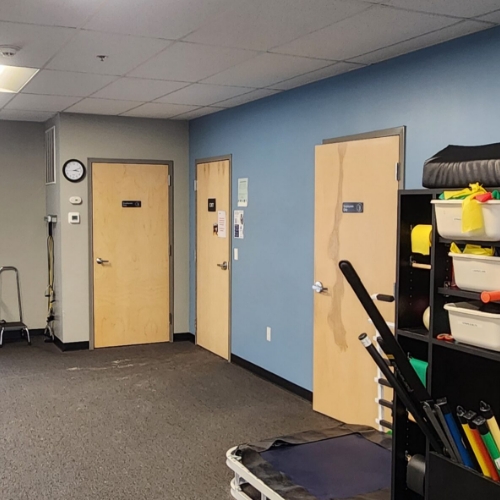
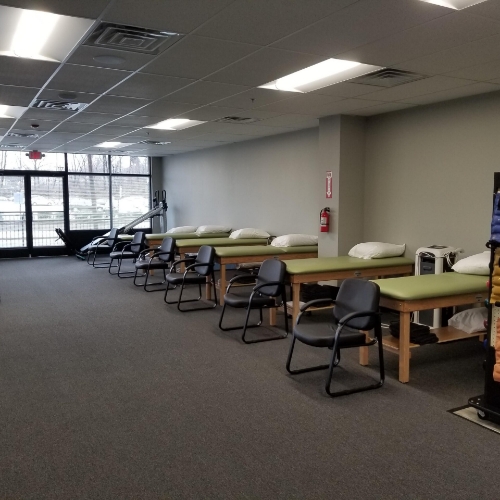
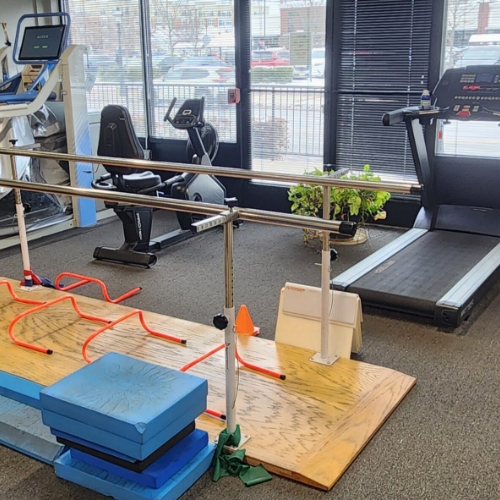
Inside Our Metuchen Clinic
Related Conditions & Treatments
Osteoarthritis is just one of the many conditions we treat at Trinity Rehab Metuchen. Explore our full range of conditions we treat or learn more about specific treatment approaches:
Frequently Asked Questions
I have knee osteoarthritis and my doctor mentioned surgery. Should I try PT first?
Can osteoarthritis affect younger adults?
Do I need a referral for physical therapy in Metuchen, NJ?
How quickly should I expect to see results from PT for osteoarthritis?
Is aquatic therapy good for osteoarthritis?
Back to the Greenway and Beyond
Metuchen is a community that rewards people who stay active — the Greenway, the parks, the sports leagues, the weekend golf. Osteoarthritis is a real obstacle to that lifestyle, but it is one that physical therapy is specifically designed to address.
Understand your knee pain better, address your hip and knee pain with a plan, or get a handle on the back pain that has been limiting your daily function. Trinity Rehab’s osteoarthritis specialists are here for all of it.
Your Next Steps
Osteoarthritis responds best to intervention early. Every month of untreated decline represents muscle strength lost and function that is harder to recapture.
Schedule your appointment at Trinity Rehab today.
No referral required. One-on-one care in Metuchen from a physical therapist who will build a plan around your joints, your goals, and your life.
What Our Patients Say