Back Pain Treatment in Metuchen, NJ
Metuchen is the kind of town people fall in love with on purpose. The walkable downtown along Main Street, the respected public schools anchored by Metuchen High School, Centennial Park’s 13 acres with its wooded Beacon Hill summit, and the Middlesex Greenway — a 3.5-mile paved trail connecting Metuchen to Woodbridge — give residents the rare combination of urban access and suburban quality of life. The NJ Transit station puts Metuchen commuters on a direct line to Manhattan. It is, by most measures, a place designed to be lived in fully.
Back pain makes that harder. And in Metuchen, back pain is especially common among the professionals, commuters, and active families that make up the borough’s approximately 15,000 residents.
The borough was designated a New Jersey Transit Village in 2001 in recognition of its smart-growth, transit-oriented character — which also means a significant percentage of the working population spends part of each day compressed into a train seat or parked in a car, accumulating the cumulative spinal load that is one of the leading contributors to lower back problems. With a median household income exceeding $158,000 and a workforce that skews heavily toward professional and graduate-educated occupations, many Metuchen residents have the knowledge to recognize that their back pain is a structural problem — and they are ready to solve it properly.
Physical therapy for back pain at Trinity Rehab is designed exactly for this community: evidence-based, one-on-one, and built for lasting results.
The Metuchen Back Pain Picture
Metuchen’s demographics and commuting patterns create a fairly predictable set of back pain risk factors. Consider what a typical weekday looks like for many residents: up early, drive or walk to the train station, an hour-plus on NJ Transit to Penn Station or Metropark, a workday at a desk or in meetings, the reverse commute home, and then family activities, exercise, or both in the evening hours. The spine — particularly the lumbar region — bears significant accumulated load through all of these transitions.
Metuchen also has an active recreational culture. Residents use the Middlesex Greenway and Centennial Park regularly for walking, running, and cycling. Youth athletics — soccer, basketball, lacrosse — are central to family life in the borough. Adult recreational athletes push themselves harder than they realize, especially as they move into their 40s and 50s without adjusting their training habits.
The result is a community that presents with a characteristic range of back pain patterns: disc-related issues in the 35–55 age group, acute muscle strains in active adults and student-athletes, and chronic, nagging lower back pain in longer-tenured commuters.
Altered movement patterns from back pain can lead to secondary issues like knee discomfort. Explore our knee pain treatment options.
What Is Driving Your Back Pain?
Your physical therapist will work through this question thoroughly at your evaluation, but the most common culprits for Metuchen patients include:
- Lumbar disc herniations and bulges — a leading cause of back and leg pain in commuting professionals; sitting increases lumbar disc pressure substantially compared to standing or walking (learn about disc herniation treatment)
- Sciatica — nerve pain radiating into the buttock, thigh, calf, or foot, often worsened by prolonged sitting on the train or at a desk (explore sciatica care)
- Degenerative disc disease — gradual wear and reduced shock absorption in the lumbar discs, causing morning stiffness and activity-related aching
- Facet joint arthritis — degeneration of the small joints connecting each vertebra, producing localized lower back pain that is often worse with extension
- Sacroiliac joint dysfunction — discomfort in the low back and buttock region, frequently mistaken for sciatica
- Acute muscle strains — from recreational activity on the Middlesex Greenway, weekend sports, or a single imprudent lift at home (see sports injury treatment)
- Postural dysfunction — the accumulated effect of years of desk work, driving, and commuting without adequate core conditioning or movement variety (work injury treatment)
Symptoms That Deserve Attention
Back pain presents differently for everyone. Metuchen patients frequently describe:
- Persistent lower back aching that peaks during the commute home
- A sharp, electric sensation in the lower back when transitioning from seated to standing
- Pain that radiates down one leg, sometimes reaching the foot
- Tingling, numbness, or a pins-and-needles feeling in the toes or heel
- Stiffness so significant in the morning that the first hour of the day is painful
- Pain that improves with walking but returns after periods of sitting
- Difficulty sleeping due to positional discomfort, especially when trying to lie flat
These symptoms represent specific mechanical problems — and they respond well to physical therapy when properly diagnosed and treated.
How We Treat Back Pain: Technique-Focused Approach
Manual Therapy — The Foundation of Hands-On Relief
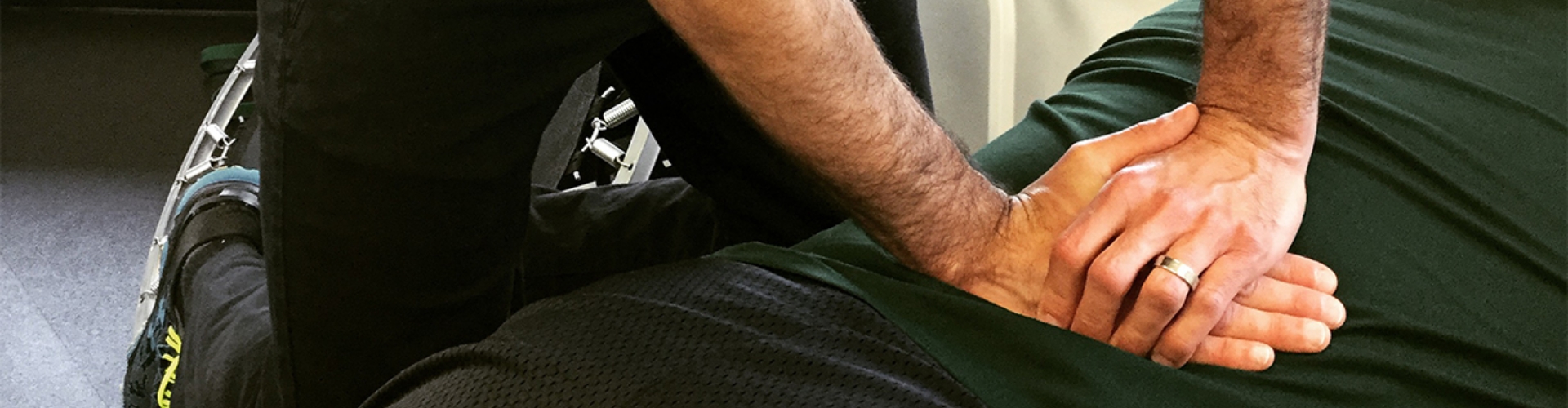
Manual therapy is the cornerstone of our early treatment approach. Your licensed physical therapist applies specific, skilled techniques — joint mobilization, high-velocity manipulation where appropriate, soft tissue mobilization, and myofascial release — directly to the spinal segments, joints, and muscles driving your pain. The effect is immediate: reduced muscle guarding, improved range of motion, and a meaningful decrease in pain intensity that most patients feel within the first few sessions.

Core Strengthening and Neuromuscular Retraining
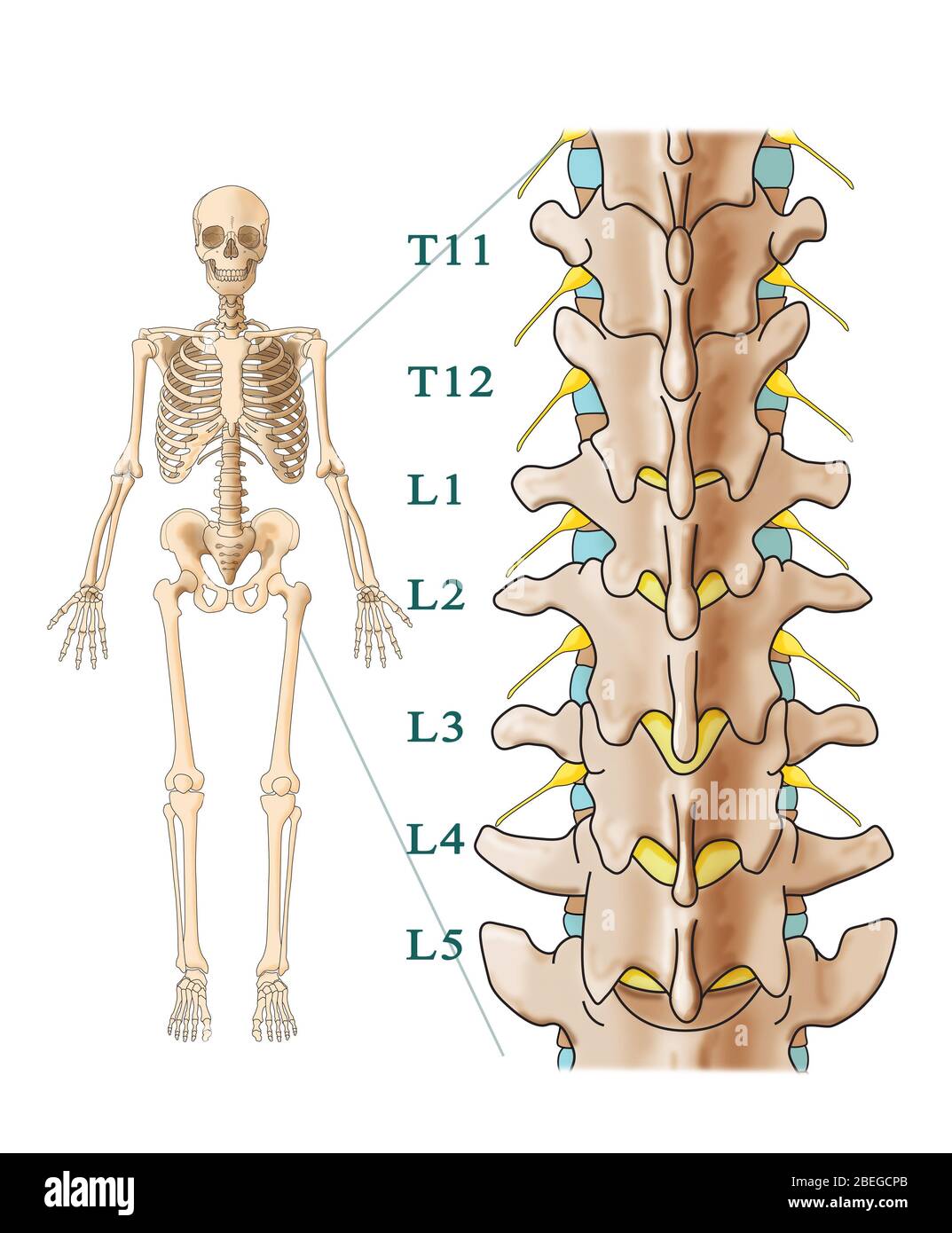
The deep stabilizing muscles of the lumbar spine — the transverse abdominis, multifidus, pelvic floor, and lumbar extensors — are almost invariably underactive or poorly coordinated in patients with recurrent back pain. Your therapist builds a progressive strengthening program that reactivates these muscles, teaching your body to stabilize the spine automatically under the demands of daily life. For Metuchen professionals who spend long hours at a desk, this is often the most transformative element of treatment.
Dry Needling for Trigger Point Release
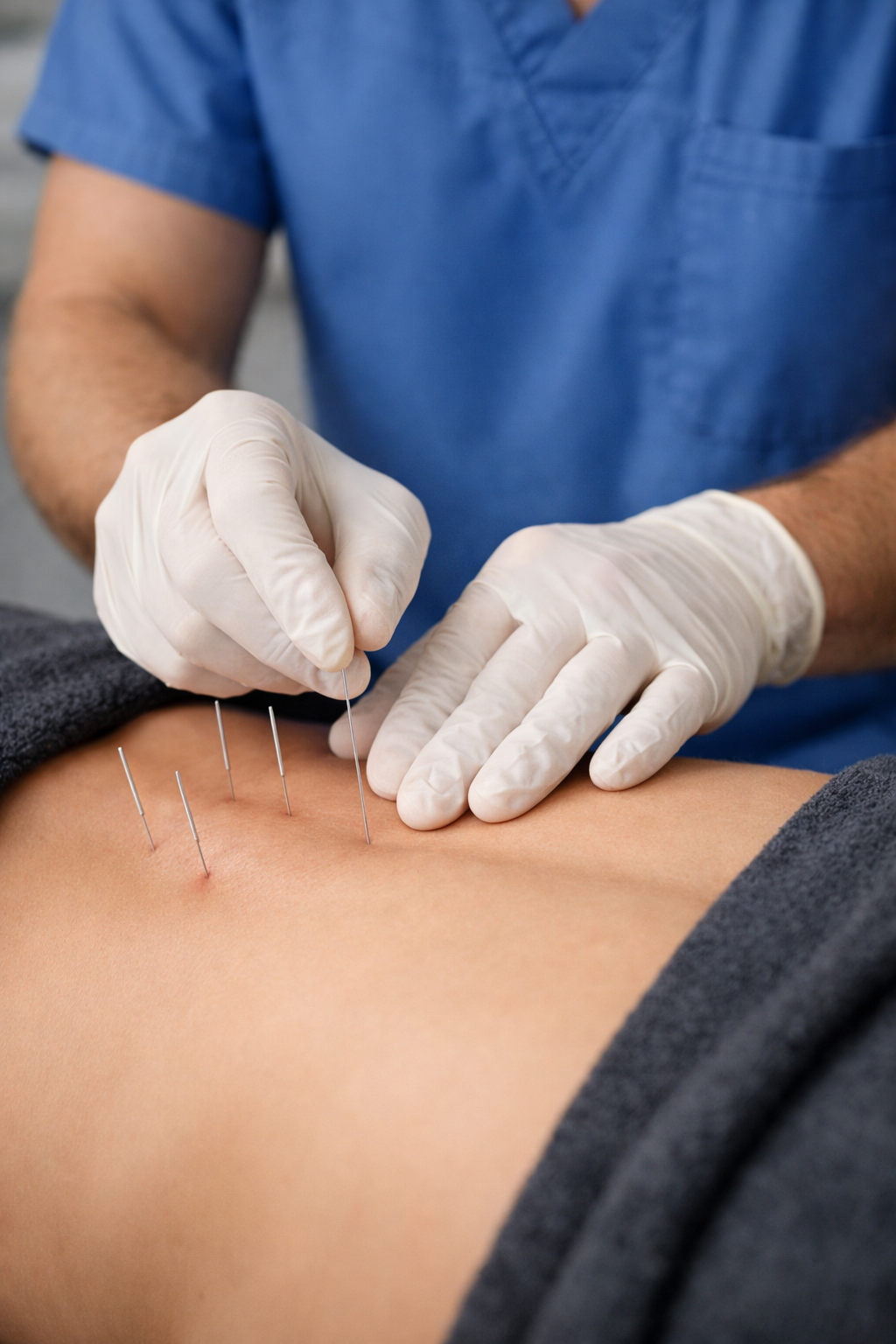
Dry needling is an advanced technique that uses thin filament needles to target myofascial trigger points in the paraspinals, glutes, piriformis, and hip flexors — the muscles most commonly involved in lower back pain and sciatica. By directly releasing these contracted, hyperirritable tissue nodules, dry needling produces pain relief and muscle relaxation that manual therapy alone cannot always achieve. Patients frequently notice reduced pain and improved mobility beginning with their very first session.
EPAT Shockwave Therapy
EPAT (Extracorporeal Pulse Activation Technology) is an advanced option for patients whose chronic back pain has persisted despite other treatments. Focused acoustic pulses penetrate deep tissue, stimulating circulation and triggering the body’s natural healing response. Clinical studies report 70–85% pain reduction in patients with chronic musculoskeletal pain after three to six sessions. EPAT is particularly useful for patients who have been dealing with the same back pain for months or years without lasting relief.
Spinal Decompression
For disc-related conditions — herniations, bulges, and stenosis — we use mechanical and positional decompression strategies to reduce pressure on compressed nerve roots and promote disc rehydration. This is a non-invasive, non-surgical approach that is highly effective for patients experiencing the leg symptoms (pain, numbness, tingling) that accompany nerve compression.
Flexibility, Mobility, and Kinetic Chain Work
Tightness in the hamstrings, hip flexors, thoracic spine, and piriformis significantly increases the mechanical load on the lumbar spine. Your therapist prescribes targeted flexibility work that addresses these restrictions throughout your kinetic chain — not just in the area of pain. Restoring thoracic mobility, for example, reduces the compensatory strain on the lumbar spine during rotation, a pattern common in office workers who spend hours in a static forward-flexed posture.
Preventing Recurrence in a Commuter’s Life
Staying pain-free in Metuchen requires deliberate habit changes:
- Standing breaks every 30–45 minutes during desk work — set a timer if needed
- Lumbar support in your car and on the train — a small roll behind the lower back makes a meaningful difference over the course of a commute
- Continued use of the Middlesex Greenway and Centennial Park — walking and low-impact aerobic activity maintain spinal conditioning
- Consistent home exercise program — your therapist designs a 15–20 minute routine you can realistically maintain, and doing it consistently is the most reliable predictor of long-term back health
- Early intervention — at the first sign of a familiar flare-up, reach out rather than waiting

Why Metuchen Residents Choose Trinity Rehab
Metuchen residents value quality and expertise, and that is exactly what Trinity Rehab delivers. Every visit is one-on-one with a licensed physical therapist from start to finish — not handed off to aides partway through. Your therapist knows your history and your goals, and your treatment evolves precisely with your progress.
We offer the full spectrum of advanced treatment technology — EPAT, dry needling, spinal decompression, and movement analysis — in clinics designed for focused, professional care.
Thanks to New Jersey Direct Access laws, you don’t need a physician’s referral to get started. We are in-network with most major insurance plans and verify your benefits in advance. Flexible scheduling — including early morning and evening appointments — works around Metuchen’s commuting reality.
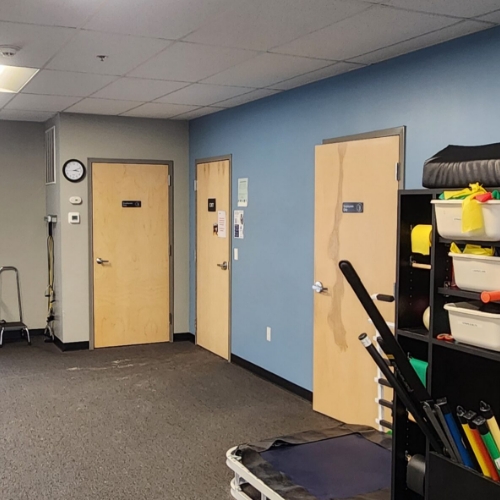
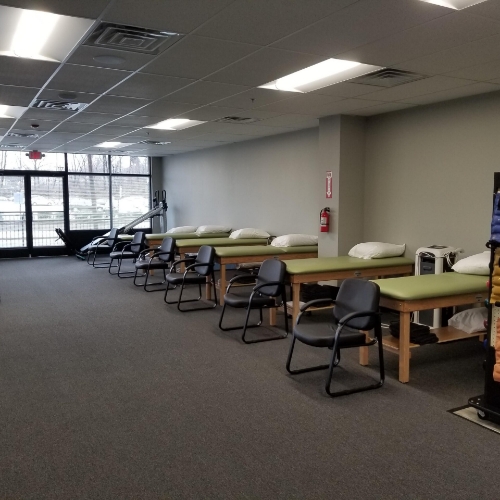
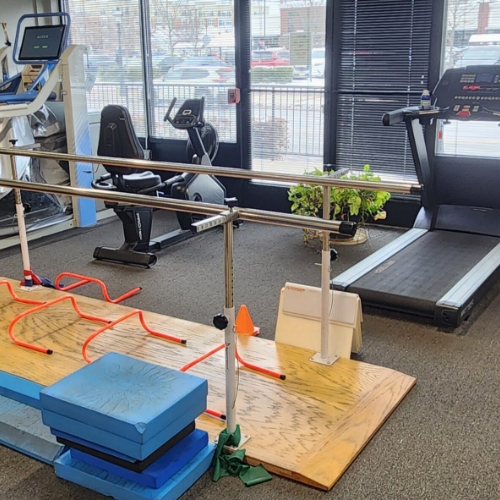
Inside Our Metuchen Clinic
Related Conditions & Treatments
Back pain is just one of the many conditions we treat at Trinity Rehab Metuchen. Explore our full range of conditions we treat or learn more about specific treatment approaches:
Metuchen Back Pain Rehab For Work, Errands, And Everyday Movement
Back pain can interrupt lifting, sitting, driving, sleep, work, and exercise. Metuchen physical therapy should connect your symptoms to the specific movement patterns and daily demands that keep flaring them up.
Your therapist may assess mobility, strength, hip contribution, nerve symptoms, posture, gait, and lifting mechanics. Treatment can include manual therapy, exercise progression, movement coaching, and a home plan you can actually follow.
Related care includes sciatica treatment, hip pain physical therapy, and the main Metuchen physical therapy clinic page.
Frequently Asked Questions
Metuchen Back Pain Rehab For Work, Errands, And Everyday Movement
Back pain can interrupt lifting, sitting, driving, sleep, work, and exercise. Metuchen physical therapy should connect your symptoms to the specific movement patterns and daily demands that keep flaring them up.
Your therapist may assess mobility, strength, hip contribution, nerve symptoms, posture, gait, and lifting mechanics. Treatment can include manual therapy, exercise progression, movement coaching, and a home plan you can actually follow.
Related care includes sciatica treatment, hip pain physical therapy, and the main Metuchen physical therapy clinic page.
What should I expect at my first physical therapy appointment for back pain?
How long does physical therapy take for lower back pain?
Can physical therapy help even if I’ve had back pain for years?
Is physical therapy covered by insurance for back pain in New Jersey?
Can physical therapy help me avoid back surgery?
Take the Next Step
Back pain in Metuchen does not have to mean giving up your morning run on the Greenway, dreading your commute, or counting down the hours at your desk. Trinity Rehab is here to help you recover fully and stay recovered.
What Our Patients Say



Sign up for free health tips and tricks