
PLANTAR FASCIITIS TREATMENT IN MATAWAN, NJ
The Henry Hudson Trail cuts through Matawan as a paved, multi-use path that connects Monmouth County runners, cyclists, and walkers across miles of wetlands and open terrain. On a calm morning, it’s one of the best reasons to get outside in this commuter borough. But for anyone with plantar fasciitis, even a short stretch on a paved trail can feel punishing. That first step off the curb after parking at the Aberdeen-Matawan train station. The walk from the car to your shift. The drive home at the end of a long day standing on hard floors — followed by another flare of stabbing heel pain when you finally try to get up from the couch.
Plantar fasciitis is one of the most common musculoskeletal conditions we treat, and it’s especially prevalent in active, hard-working communities like Matawan. The good news is that it responds exceptionally well to physical therapy — and Trinity Rehab’s Matawan-area team is experienced in exactly this kind of recovery.
UNDERSTANDING PLANTAR FASCIITIS
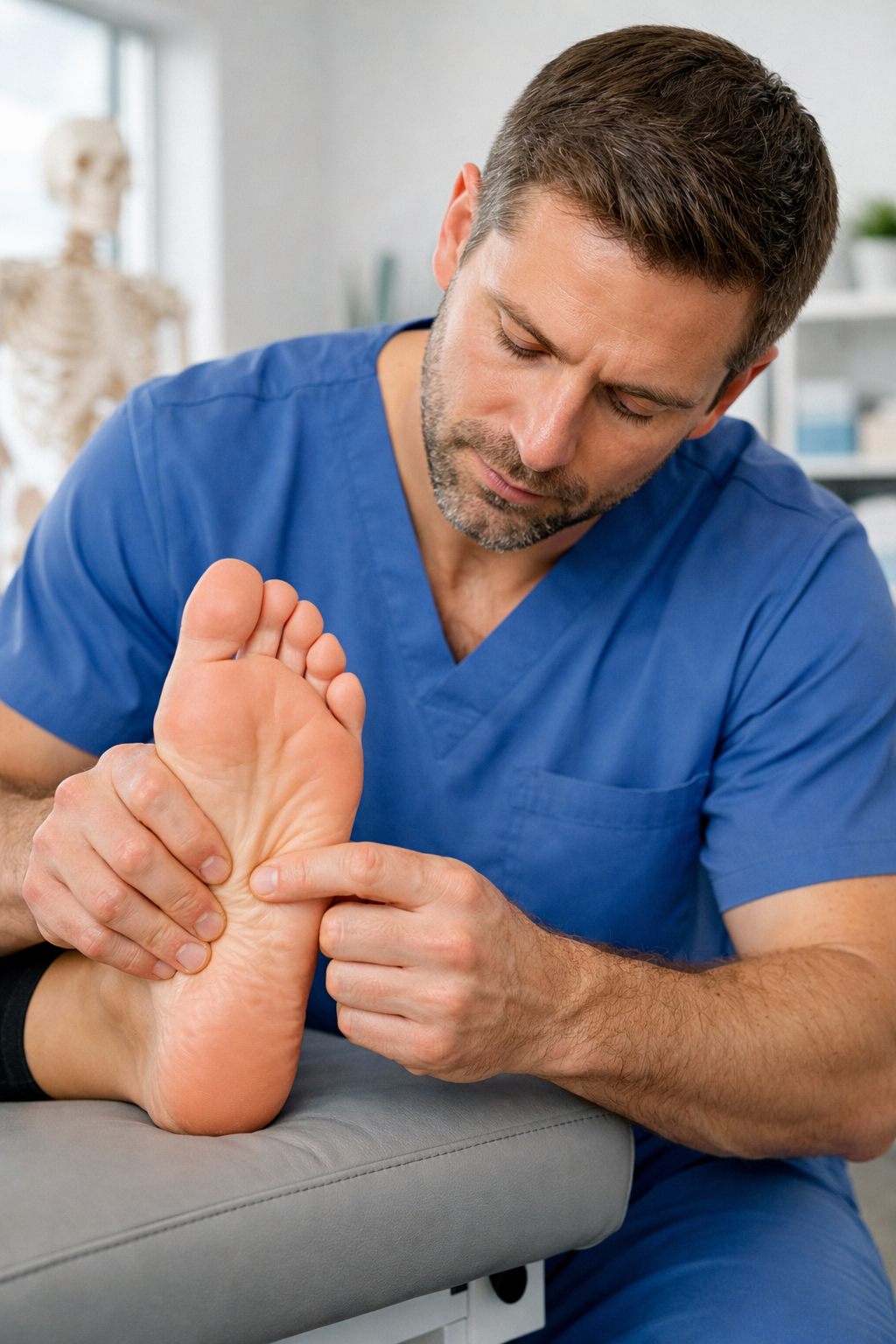
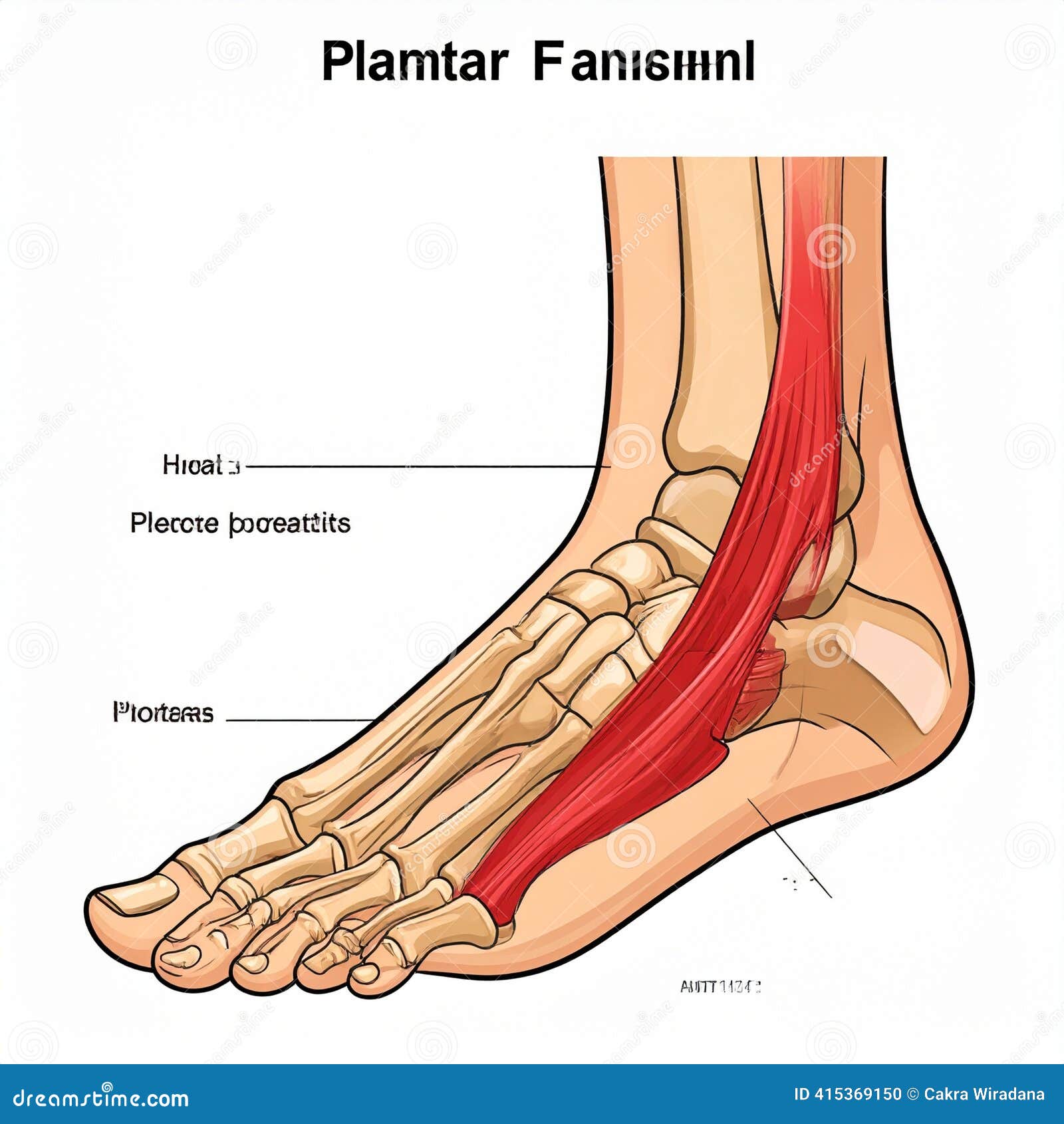
Beneath your foot runs the plantar fascia, a thick band of fibrous tissue that spans from your heel bone to the ball of your foot. It supports your arch and absorbs the mechanical load of every step you take. Think of it as a biological shock absorber — one that works brilliantly until it’s overloaded.
When the fascia is subjected to more cumulative stress than it can repair — through repetitive impact, prolonged standing, poor footwear, or tight calf muscles — micro-tears develop along its length. The body responds with inflammation, and the result is the hallmark stabbing pain most patients describe as their “first step in the morning” problem. The tissue contracts during sleep, and the abrupt stretch of standing creates an acute pain response that eases as the fascia warms up, only to return again after the next period of rest.
Without treatment, this cycle can persist for months, and in some cases the condition evolves from acute inflammation to a chronic degenerative state. The American Academy of Orthopaedic Surgeons estimates 2 million Americans seek plantar fasciitis care annually — making it the most common cause of heel pain in adults.
RELATED CONDITIONS & TREATMENTS
Plantar fasciitis is just one of the many conditions we treat at Trinity Rehab Matawan. Explore our full range of conditions we treat or learn more about specific treatment approaches:
MATAWAN RISK FACTORS: WHY THIS COMMUNITY IS VULNERABLE
Matawan’s blend of commuter culture, youth athletics, and active recreational lifestyle creates specific patterns of plantar fascia stress:
Matawan Regional High School Athletics — The Huskies compete in Shore Conference Division B North with strong programs in football, track and field, baseball, and cross country. Multi-sport student athletes — particularly distance runners and baseball players — accumulate significant repetitive heel stress across long training seasons. Track athletes who transition from outdoor to indoor surfaces without footwear adjustments are especially at risk for fascial overuse injuries.
The Henry Hudson Trail — This paved multi-use path through Matawan is popular with recreational runners and walkers year-round. Its firm surface offers minimal shock absorption, and runners who use it regularly without replacing worn-out shoes are absorbing repetitive impact directly through the heel. The Matawan-Aberdeen Track Club trains in the area; athletes who ramp mileage too aggressively in spring are frequent plantar fasciitis candidates.
The Aberdeen-Matawan NJ Transit commute — Matawan is a bedroom community, with many residents commuting 32 minutes or more to jobs in New York City and surrounding areas. The pattern of sitting through a long train ride then walking on hard transit platforms and station floors — feet cold and unconditioned — repeatedly stresses the fascia in ways that compound over months.
Retail, healthcare, and warehouse work — Employers near Matawan including nearby medical centers, Quest Diagnostics, and logistics operations along Rt. 34 put employees on hard floors for hours each day. This occupational standing load is one of the most underappreciated causes of plantar fasciitis in working-age adults.
Lake Lefferts and recreational activities — Kayaking, fishing, and waterside walking around Lake Lefferts are popular seasonal activities. While lower-impact than running, extended walking on uneven terrain around the waterfront without proper footwear can strain the fascia, particularly in patients who are already symptomatic.
RECOGNIZING PLANTAR FASCIITIS SYMPTOMS
Plantar fasciitis has a distinctive presentation that makes it recognizable even without imaging. A Matawan commuter, for example, might notice that the first steps from the car to the station platform in the morning produce a sharp, almost electric heel pain — but by the time the train arrives, the discomfort has eased significantly. Later that evening, after hours on their feet, the pain returns with intensity.
Common signs include:
- Stabbing heel pain on first morning steps — The most classic and consistent symptom. Pain is worst in the first five to ten steps and gradually subsides as the tissue warms up.
- Flares after sitting or resting — Getting up from a seated position at work, from the train, or from a car triggers a recurrence of the same first-step pattern throughout the day.
- Localized tenderness at the inner heel — Direct pressure on the base of the heel near the calcaneus reproduces the pain with precision.
- Post-exercise soreness — A Matawan runner who finishes a Henry Hudson Trail workout feeling fine may notice escalating heel pain in the evening as the inflammatory response builds.
- Arch tightness and foot fatigue — The bottom of the foot may feel shortened or tight, especially after long periods of activity or at the end of a working shift.
- Compensatory limping — Persistent heel pain leads to unconscious gait changes that protect the sore foot but transfer stress to the knee, hip, and lower back.
PHASE-BASED PHYSICAL THERAPY TREATMENT AT TRINITY REHAB
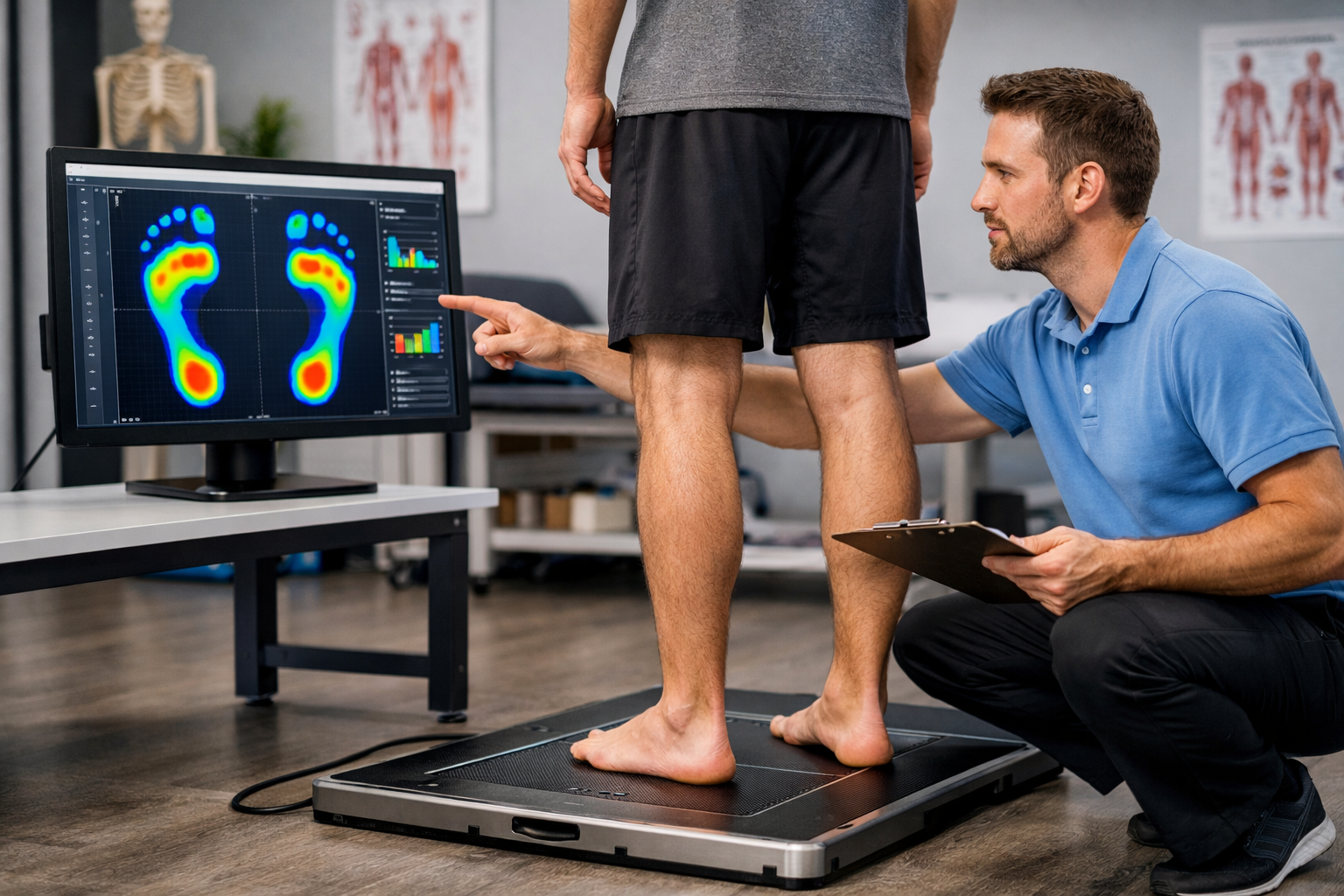
Trinity Rehab’s approach to plantar fasciitis treatment is methodical and personalized. Every patient begins with a comprehensive biomechanical evaluation — assessing gait, foot mechanics, ankle range of motion, calf flexibility, and strength — so treatment addresses the real drivers of your pain rather than symptoms alone.
PHASE 1: REDUCING PAIN AND INFLAMMATION
The first goal is calming the acute pain cycle to allow tissue healing to begin.
- Manual therapy — Hands-on joint mobilization of the ankle and subtalar joints, combined with soft tissue work along the calf and plantar fascia, reduces stiffness and improves range of motion. Research from the Journal of Orthopaedic & Sports Physical Therapy supports joint mobilization as a superior intervention compared to stretching alone.
- Instrument-assisted soft tissue mobilization (IASTM) — Specialized stainless steel tools break down scar tissue adhesions along the fascial structures of the foot and lower leg, encouraging healthy tissue remodeling.
- Taping and temporary offloading — Kinesiology taping and low-dye strapping techniques reduce fascial tension during weight-bearing activities between sessions, allowing inflammation to subside without requiring complete rest.
- Therapeutic ultrasound — Deep thermal modality that promotes circulation in the damaged tissue and accelerates the biological repair process.
PHASE 2: REBUILDING FLEXIBILITY AND STRENGTH
With acute pain managed, treatment shifts to correcting the biomechanical deficits that created the injury.
- Plantar fascia-specific stretch — Dorsiflexing the toes before the first morning step, held for 30 seconds and repeated three times, is among the most strongly evidence-supported interventions for this condition. Your therapist will ensure correct technique, timing, and progression.
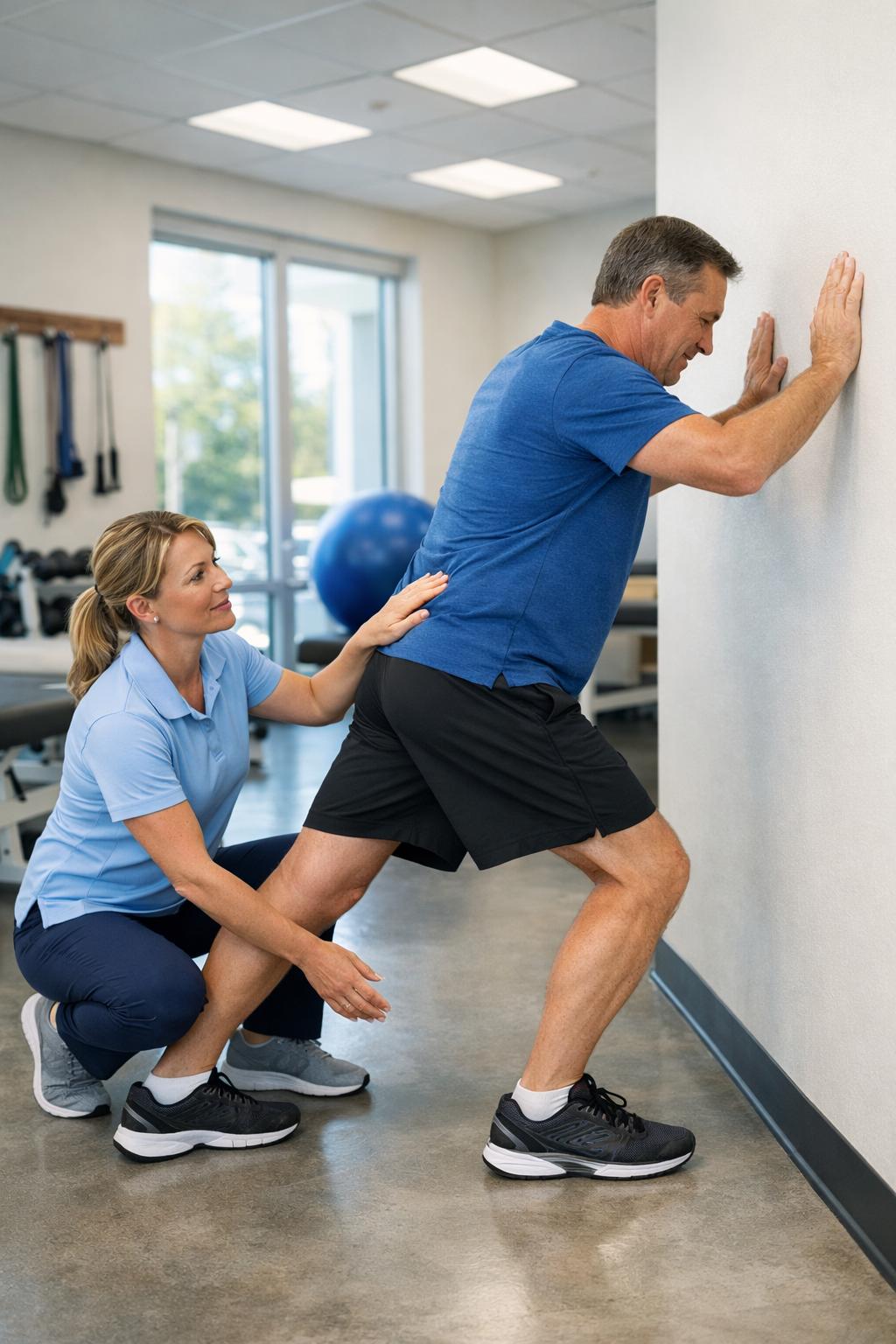
- Calf and Achilles flexibility work — Wall stretches, step-drop eccentric loading, and dynamic calf mobilizations target the tight gastrocnemius and soleus muscles that increase the mechanical strain transmitted to the plantar fascia with every step.
- Intrinsic foot strengthening — Towel scrunches, short-foot exercises, and progressive single-leg balance training rebuild the internal foot musculature that supports the arch from within.
- Progressive loading — Eccentric calf raise progressions and resisted foot exercises systematically increase the fascia’s load tolerance, making it more resilient to the demands of running, standing, and training.
PHASE 3: RETURN TO FULL ACTIVITY
The final phase ensures you leave treatment not just pain-free, but equipped to stay that way.
- Activity-specific programming — Whether returning to Henry Hudson Trail runs, Huskies track practices, or a full standing workday, your therapist develops a structured progression with appropriate volume and intensity guidelines.
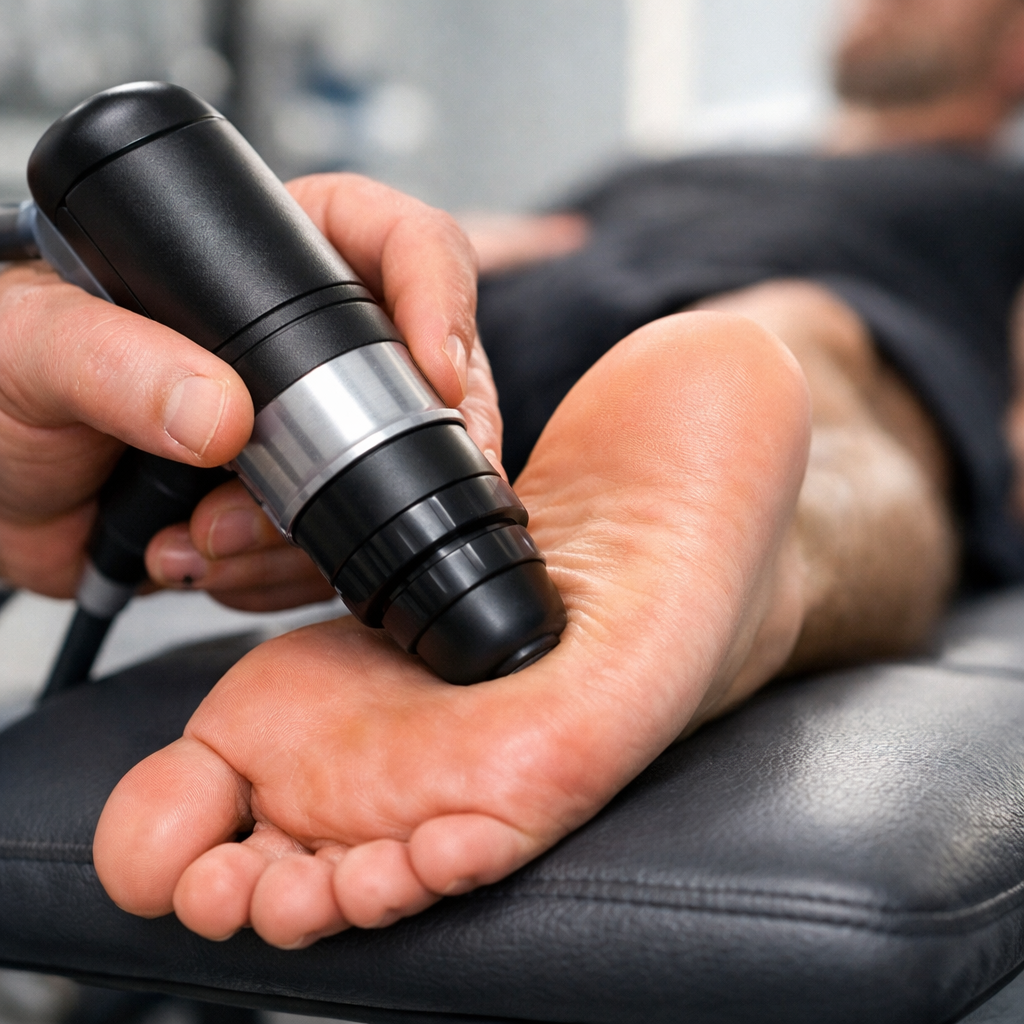
- EPAT shockwave therapy — For patients with chronic or treatment-resistant plantar fasciitis, EPAT uses acoustic pressure waves to stimulate deep tissue healing. The Mayo Clinic recognizes this as an effective option for cases that have not responded to conventional care.
- Dry needling — Targeting trigger points in the calf, tibialis posterior, and foot intrinsics with fine filament needles releases deep muscular tension that perpetuates fascial loading.
- Orthotic and footwear guidance — Many Matawan patients benefit from custom or over-the-counter orthotics that correct overpronation or structural arch issues, particularly for daily use during commutes and on-the-job standing.
PREVENTION TIPS FOR MATAWAN RESIDENTS
- Replace your trail shoes seasonally — The Henry Hudson Trail’s paved surface is unforgiving. Running shoes should be replaced every 300–500 miles. If you run three to four days per week, that’s roughly every six months.
- Stretch at the station — A 60-second calf and plantar fascia stretch before your morning walk from the parking lot to the platform costs nothing and protects against the cold-to-loaded stress pattern that aggravates plantar fasciitis in commuters.
- Invest in work shoes with real support — For Matawan residents logging standing shifts at local employers, proper occupational footwear — not fashion sneakers — is the single most impactful prevention investment.
- Don’t ignore early soreness — Morning heel tenderness that resolves quickly is the fascia’s early warning system. Address it with stretching and footwear review before it escalates into a months-long issue.
- Build mileage gradually — Whether it’s the Track Club adding miles for a spring race or a student athlete ramping up pre-season conditioning, the 10% rule (never increase weekly volume by more than 10%) is a reliable guardrail against overuse injury.
WHY MATAWAN PATIENTS CHOOSE TRINITY REHAB
At Trinity Rehab, your care is delivered by a licensed physical therapist — every session, every visit. That’s not standard in physical therapy, but it’s the foundation of how we work. You get consistent attention, a plan that evolves with your progress, and the kind of clinical judgment that only comes from a therapist who knows your case inside and out.
We treat a full range of foot and ankle conditions as well as related issues like back pain and sciatica that can develop as compensatory problems. No physician referral is needed to get started, and we work with most major insurance plans.
Inside Our Matawan Clinic


FREQUENTLY ASKED QUESTIONS
Where can I get plantar fasciitis treatment near Matawan, NJ?
How long does recovery from plantar fasciitis take?
Can I run on the Henry Hudson Trail during treatment?
Is plantar fasciitis caused by heel spurs?
What if I’ve had plantar fasciitis for over a year?
GET BACK TO MATAWAN LIFE, PAIN-FREE
Heel pain does not have to keep you off the Henry Hudson Trail, away from the sidelines, or struggling through your workday. Trinity Rehab’s team is ready to help you move past plantar fasciitis — with targeted treatment, real one-on-one care, and a plan built around your goals.
No physician referral needed. Most major insurance plans accepted.
Sources: Journal of Orthopaedic & Sports Physical Therapy — Heel Pain/Plantar Fasciitis Clinical Practice Guidelines 2023 | Mayo Clinic — Plantar Fasciitis | American Academy of Orthopaedic Surgeons — Plantar Fasciitis and Bone Spurs | NIH/PMC — Management of Plantar Fasciitis in the Outpatient Setting
What Our Patients Say