

Meniscus Tear Treatment in Matawan, NJ — Trinity Rehab
Matawan’s small-town character, close proximity to Keyport’s waterfront, and vibrant Matawan-Aberdeen athletic programs create a community where people know their neighbors and value their independence. Whether you work locally, commute to the city, or have spent your whole life in this tight-knit township, a meniscus tear hits differently when you depend on your knee for your livelihood and your lifestyle. The sharp pain during a morning jog, the awkward twist getting out of your car, or the persistent stiffness that makes climbing the stairs to your bedroom uncomfortable—these aren’t just inconveniences. They’re obstacles to the active, independent life you’ve built in Matawan.
What many people don’t realize is that surgical intervention isn’t your only option, and in fact, it’s often not your best option. Strong medical evidence demonstrates that physical therapy produces outcomes equivalent to surgery for the majority of meniscus tears, particularly in adults. Trinity Rehab Matawan specializes in this kind of evidence-based rehabilitation, and we’ve guided dozens of Matawan residents through full recovery without operating rooms or surgical downtime.
Your Meniscus: Anatomy and Function
Deep inside your knee joint sit two remarkable cartilage structures that you never think about until they’re injured. The menisci—you have one on each side of your knee—are C-shaped cartilage pads that function as your knee’s shock absorption system. The medial meniscus sits on your knee’s inside; the lateral meniscus sits on the outside. Together, they absorb impact forces, distribute your body weight evenly across the joint, reduce friction during movement, and provide the stability that lets you trust your knee during activity.
When a meniscus tears, this protective system breaks down. The immediate consequence is pain and swelling. The long-term consequence, without proper treatment, is progressive joint damage and osteoarthritis that can persist for decades. This is precisely why early, skilled rehabilitation matters so much: it stops the cascade toward chronic joint disease and gives your tissue its best chance to heal.
Meniscus Tears in Matawan: Who’s Affected
Matawan’s diverse, independent population experiences meniscus injuries across various demographics and activity levels:
The commuter with a twisted knee — Many Matawan residents split their time between local life and jobs in New York or elsewhere. The combined stress of long commutes, sitting in cars, and then compensating with intensity during limited free time creates injury risk. A quick twist stepping off the bus or an awkward movement getting into a car is a common mechanism.
Weekend adventurers and active retirees — Matawan’s proximity to water and outdoor recreation means residents engage in boating, fishing, kayaking, and waterfront activities. These hobbies involve unexpected weight shifts, awkward balance demands, and the kind of movement patterns that can cause meniscus tears, particularly in people over 50 whose cartilage is naturally less resilient.
Young athletes in Matawan-Aberdeen sports programs — Adolescents and young adults in school sports experience acute meniscus tears from cutting, pivoting, and rapid direction changes. These traumatic tears typically occur suddenly and are often associated with a distinct popping sensation.
The skilled tradesperson and local worker — Matawan includes residents in trades, service work, and local businesses that demand physical work—frequent squatting, kneeling, lifting, and repetitive knee bending. These occupational demands are genuine risk factors for meniscus injury.
Adults with degenerative cartilage — As people age, the meniscus naturally loses some of its structure and resilience. A simple misstep, a minor twist, or even routine activity can cause a tear in tissue that’s been weakening gradually for years.
Recognizing a Meniscus Tear: Symptoms and Signs
A torn meniscus announces itself through specific symptoms that shouldn’t be ignored:
- A popping sensation at the moment of injury, sometimes with a distinct sound
- Immediate or rapid swelling that develops within the first 24 to 48 hours
- Loss of full range of motion, particularly difficulty straightening or fully bending the knee
- Localized pain along the joint line (inner or outer side of the knee), worse with twisting or squatting
- Mechanical symptoms including catching, clicking, or locking sensations during movement
- A feeling of instability, as if your knee might give way
- Pain with specific activities like climbing stairs, kneeling, or rising from a seated position
- Persistent discomfort that affects your gait and how you move throughout the day
These symptoms can appear suddenly (in traumatic tears) or develop gradually (in degenerative tears). Either way, they’re your signal to seek professional evaluation. Early assessment and appropriate treatment lead to much better outcomes than waiting to see if symptoms resolve on their own.
Getting the Right Diagnosis
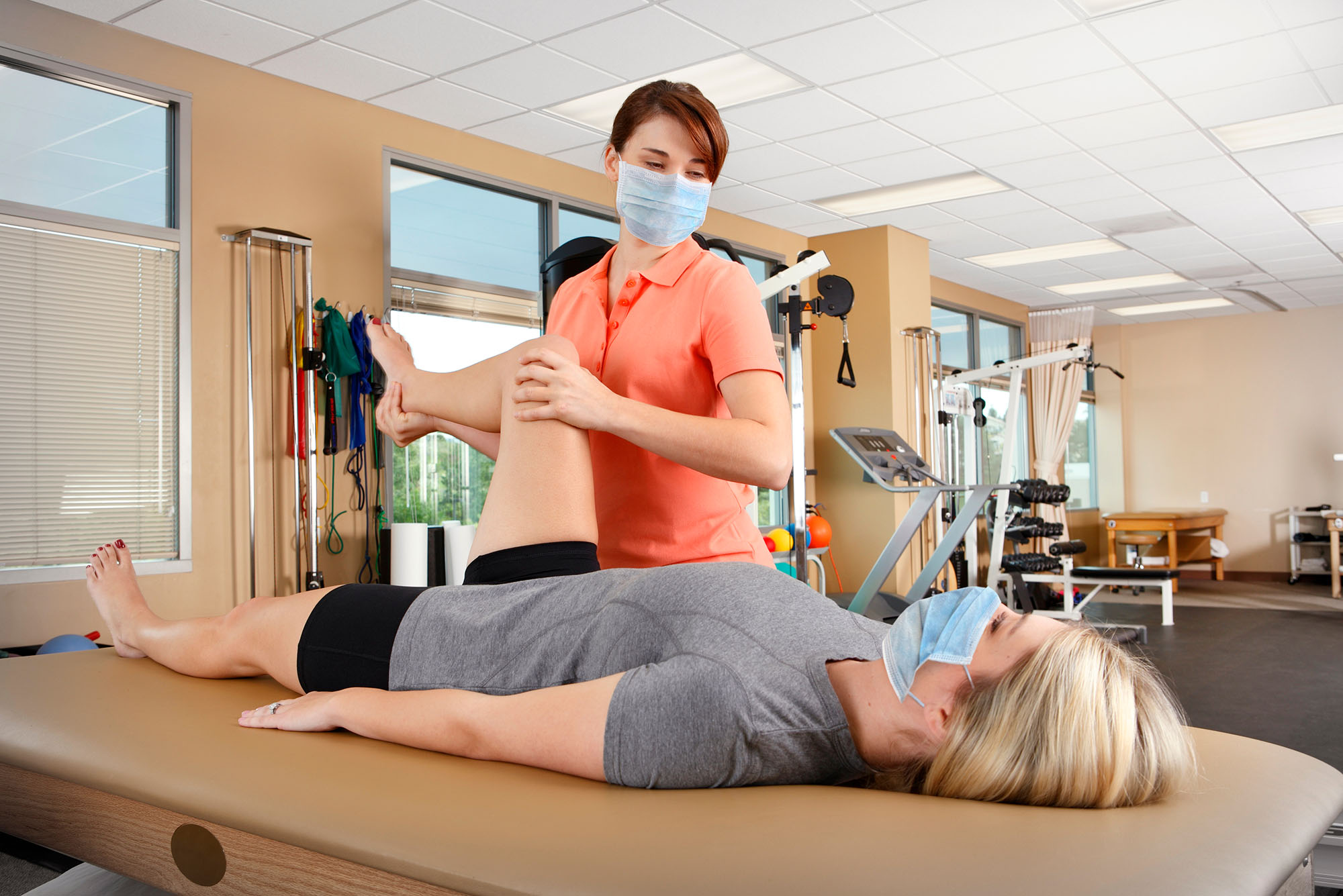
Proper diagnosis begins with a skilled physical examination. Your healthcare provider will assess your knee for tenderness, check your range of motion, and use specific clinical tests—particularly the McMurray test—to identify mechanical symptoms consistent with a meniscal tear. These hands-on assessments are surprisingly accurate in the hands of an experienced clinician.
MRI imaging can confirm a meniscus tear and show the tear’s location, size, and pattern. However, physical therapists can often assess your knee thoroughly through examination alone and begin effective treatment without initial imaging. If your condition is unusual or if you’re not progressing as expected after starting therapy, imaging becomes part of your care plan at that point.
Trinity Rehab Matawan’s Approach to Meniscus Recovery
Your treatment at Trinity Rehab Matawan follows a structured, progressive pathway designed specifically around your tear type and your goals. Whether you’re focused on returning to boat fishing, staying active with family, maintaining your work capacity, or simply moving without pain, we customize every phase of your rehabilitation.
Phase 1: Immediate Pain Management and Protection
The first phase prioritizes controlling pain and swelling while keeping your injured tissue protected:
- Manual therapy including gentle joint mobilization and soft tissue techniques that reduce stiffness and improve blood flow
- Pain management modalities such as ice therapy, electrical stimulation, and targeted ultrasound to address inflammation
- Careful range-of-motion work designed to maintain your knee’s mobility without aggravating the tear
- Walking pattern retraining so you’re moving in ways that minimize meniscus stress
- Clear guidance on activity so you know what’s safe and what to avoid during healing
Phase 2: Strength Building and Stability Restoration
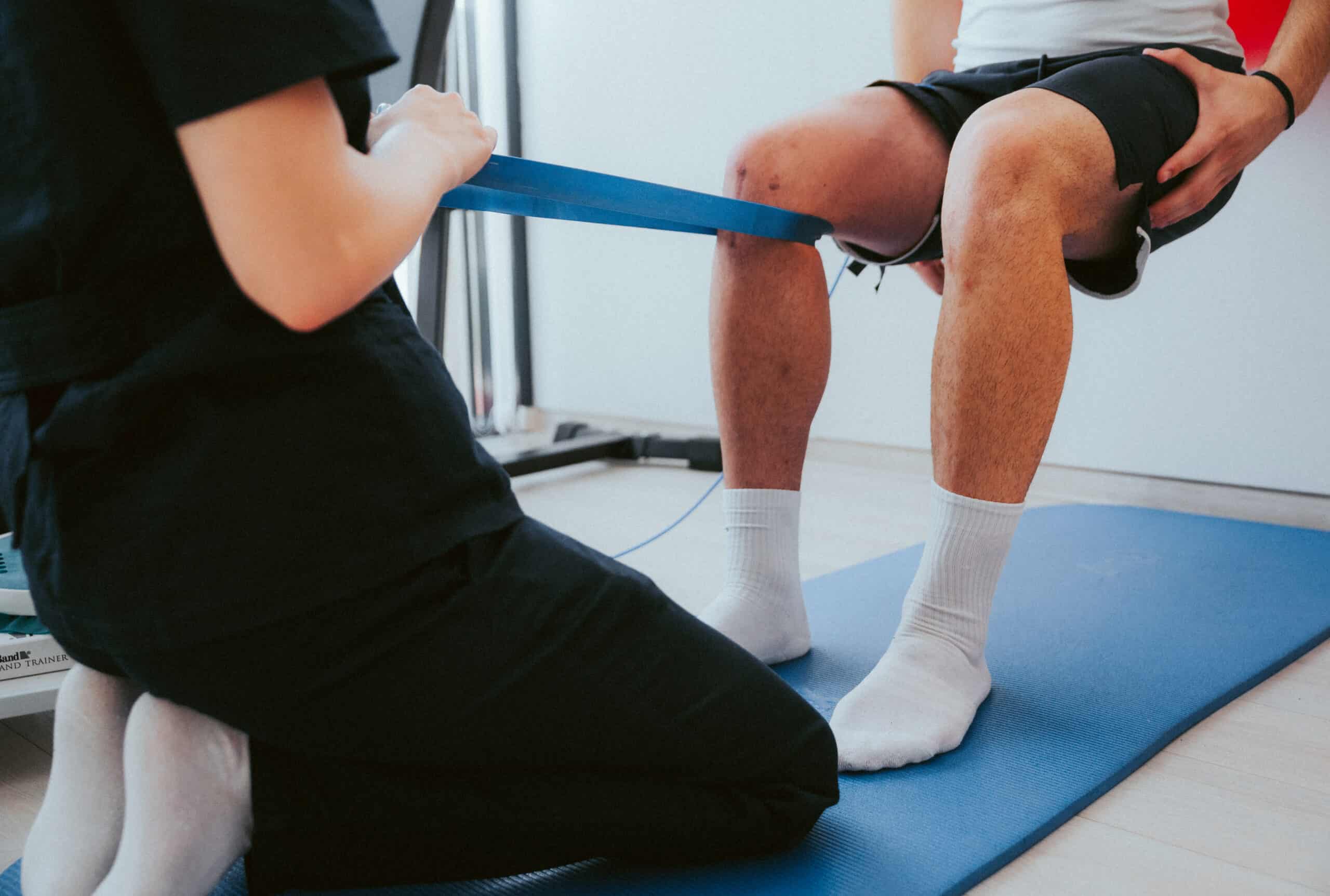
As pain decreases, we transition to progressive strengthening focused on rebuilding your knee’s support system:
- Quadriceps strengthening to build the front thigh muscle essential for stability and shock absorption
- Hamstring and hip work that creates balanced muscular support throughout your lower extremity
- Core stability training that improves how forces flow through your body
- Balance and proprioception exercises that retrain your knee’s position sense and stability perception
- Progressive functional movements including squats, lunges, and step-ups performed with proper mechanics
- Dry needling to address muscle trigger points and reduce compensatory tension
Phase 3: Return to Your Activities
The final phase focuses on preparing you to return to the specific activities that matter most to you:
- Activity-specific training tailored to your actual goals and lifestyle demands
- Progressive challenge that gradually increases intensity to match your real-world needs
- Advanced therapeutic techniques including EPAT/shockwave therapy in appropriate cases to stimulate healing
- Prevention strategies and maintenance routines to protect your knee going forward
Understanding Meniscus Tear Patterns
Different meniscus tears have different characteristics, and your physical therapist will consider your tear type when designing your specific program:
- Radial tears cut across the meniscus fibers radially and are the most common tear pattern. Small peripheral radial tears respond exceptionally well to physical therapy.
- Horizontal tears run along the meniscus length and typically indicate degenerative changes. These generally respond very favorably to conservative treatment.
- Bucket-handle tears involve a large vertical tear where a piece flips into the joint center, sometimes causing locking. These may require surgical consideration.
- Flap or complex tears involve multiple tear patterns and usually stem from long-term cartilage deterioration. Most respond well to physical therapy-first approaches.
Additionally, the meniscus’s blood supply affects healing potential: the outer third (the “red zone”) has good blood flow and heals naturally, while the inner two-thirds (the “white zone”) has limited blood supply. This doesn’t mean inner tears can’t heal—they absolutely can—but it influences your therapist’s approach.
Protecting Your Knee for the Long Term
Recovery extends beyond when pain disappears. Lasting knee health requires ongoing attention and smart habits:
- Year-round strength maintenance of your quadriceps, hamstrings, and hip muscles
- Warm-up routines before physical activities that prepare your knee for demands
- Proper movement patterns, avoiding inward knee collapse during squats and lunges
- Supportive, appropriate footwear matched to your activities
- Body weight management (every pound of body weight equals approximately four pounds of force across your knee during walking)
- Smart low-impact exercise like swimming and cycling to maintain fitness while protecting your meniscus
- Attention to warning signs—swelling or pain after activity means you need to adjust, not push through
Starting Your Recovery at Trinity Rehab Matawan
A meniscus tear is manageable. With skilled, evidence-based physical therapy, you’ll regain the strength, stability, and confidence to return to the activities that define your Matawan life.
To begin your treatment at Trinity Rehab Matawan:
Visit our appointment page or call to schedule your initial evaluation. Your first session includes a detailed assessment of your knee, a discussion of your goals, and the beginning of your personalized recovery plan.
Most patients experience meaningful improvement—reduced pain, increased mobility, decreased swelling—within the first 3 to 4 weeks of treatment. You’ll work closely with your Trinity Rehab Matawan therapist as you progress through recovery and return to the independent, active life you’ve built in this community.
—
For complete information about meniscus tear treatment and recovery, visit our meniscus tear condition page. Understanding meniscus tear recovery involves recognizing the importance of a structured rehabilitation plan tailored to individual needs. Recovery times can vary significantly based on the severity of the tear and the chosen treatment approach, which may include physical therapy and lifestyle adjustments. It’s essential to stay informed and consider various options to promote healing and regain full mobility. Understanding the meniscus tear diagnosis and treatment process is crucial for effective healing. Our team of specialists is dedicated to offering personalized care that addresses individual needs and ensures the best outcomes. Contact us today to learn more about the options available for managing your recovery. Common symptoms of meniscus tear include swelling, pain, and difficulty in bending or straightening the knee. If you notice these signs, it’s important to seek medical attention promptly. Addressing these symptoms early can lead to a more effective treatment plan and quicker recovery. Incorporating specific meniscus tear recovery exercises can significantly enhance your rehabilitation process. These exercises help to strengthen the muscles surrounding the knee and improve flexibility, which is essential for regaining full function. Consulting a physical therapist to tailor a program of meniscus tear recovery exercises will ensure you are following the safest and most effective regimen for your recovery.