
ROTATOR CUFF INJURY TREATMENT IN MANALAPAN, NJ
Maybe it started as a dull ache after a Saturday round at Knob Hill Golf Club — a tightness through your shoulder you shrugged off as part of the game. Or perhaps you felt a sharp catch reaching overhead on the Manalapan Recreation Center pickleball courts. It could have been quieter than that: a slow, creeping stiffness that now makes it painful to reach for your seatbelt during the morning commute toward the Turnpike.
If this sounds familiar, you may be dealing with a rotator cuff injury — and you are far from alone. Rotator cuff problems are among the most common shoulder conditions we treat at Trinity Rehab. Residents throughout Manalapan Township and western Monmouth County trust us to help them recover and return to the activities that define life here, from hiking the trails at Thompson Grove Park to coaching a child’s team at Multi Sports Kingdom.
What Is a Rotator Cuff Injury and Why Does Treatment Matter?
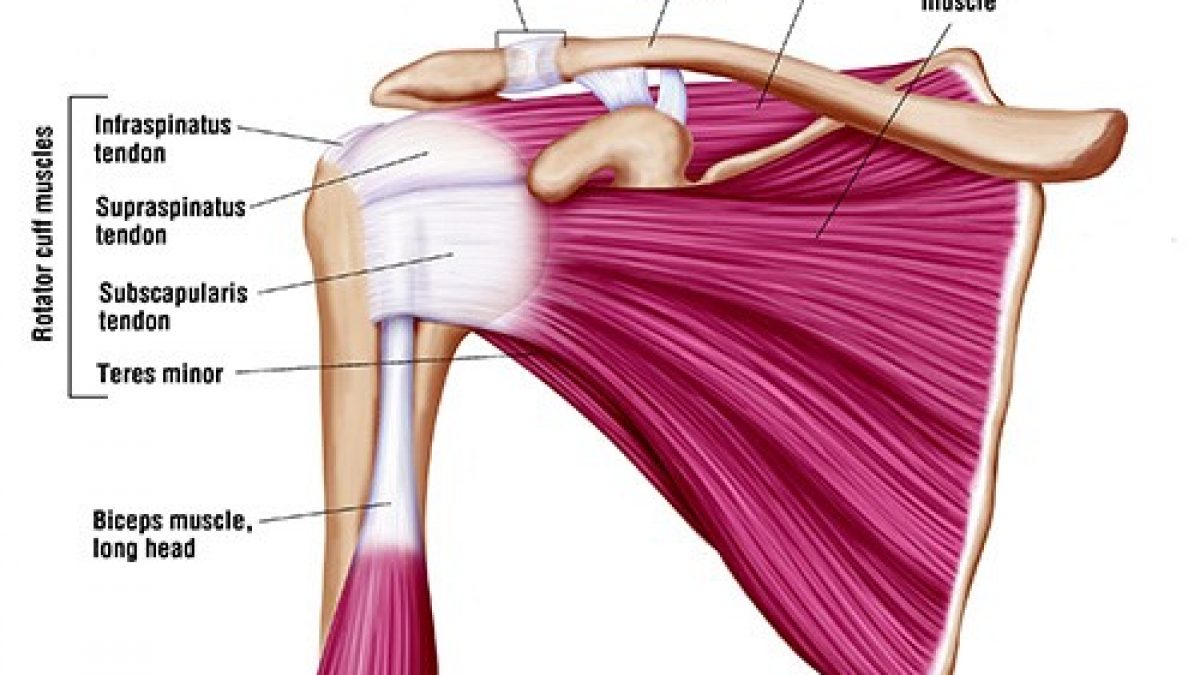
Your rotator cuff consists of four muscles and their tendons — the supraspinatus, infraspinatus, teres minor, and subscapularis — that stabilize your glenohumeral joint, the ball-and-socket structure of your shoulder. The supraspinatus initiates arm elevation, the infraspinatus and teres minor control outward rotation, and the subscapularis manages inward rotation. Together, they keep your upper arm bone seated in the shallow shoulder socket through every push, pull, and throw.
When these structures are damaged — through a partial tear, full-thickness tear, or chronic rotator cuff tendinopathy — the system breaks down. Pain sets in, range of motion shrinks, and everyday tasks become obstacles. The good news: physical therapy is the recommended first-line treatment for partial tears, degenerative tears, and tendinopathy. A structured rehab program can restore function and relieve pain, often making surgery unnecessary.
Common Causes of Rotator Cuff Injuries in Manalapan
Workplace and Repetitive Demands
Employees at manufacturing and distribution operations — including those at Merola Tile’s headquarters off Corbett Way — may perform repetitive lifting, stacking, and overhead reaching throughout their shifts. Over time, these motions create cumulative stress on the supraspinatus tendon. Staff at Atlantic Health System’s Manalapan Pavilion may also face physical strain from patient handling and long hours on their feet. If you have developed shoulder pain from your job, addressing it early prevents a minor irritation from becoming a significant tear.
Youth and Adult Sports
Athletics run deep in Manalapan. The High School’s baseball program — the Braves earned back-to-back Group IV state championships in 2011 and 2012 — produces competitive young athletes throwing hundreds of pitches weekly. The overhead throwing motion places enormous rotational force on the infraspinatus and teres minor, making pitchers vulnerable to strains and early tendon changes.
The township’s recreational landscape adds its own demands. Basketball players at Multi Sports Kingdom absorb contact on outstretched arms. The growing pickleball community at the Recreation Center’s dedicated courts logs hours of overhead serves and smashes. Golfers at Knob Hill may not consider their sport shoulder-intensive, but a full swing loads the lead shoulder’s rotator cuff significantly. If a sports injury has sidelined you, targeted treatment can get you back in the game.
Age-Related Degeneration
With a median age of 43.9 and roughly 18 percent of residents aged 65 and older, many in Manalapan are entering the window where rotator cuff degeneration becomes common. After 40, blood supply to the supraspinatus tendon decreases and bone spurs can develop along the acromion, narrowing the space the tendon travels through. You may notice increasing shoulder pain without any single memorable injury.
Acute Trauma
The wooded trails at Thompson Grove Park and rolling terrain of Monmouth Battlefield State Park attract walkers, runners, and cyclists. A fall onto an outstretched hand can cause an acute tear, especially in a tendon with underlying wear.
Recognizing the Symptoms
Pay attention if you experience:
- Deep, aching shoulder pain that worsens at night, especially lying on the affected side
- Difficulty reaching behind your back — fastening clothing or reaching for your wallet becomes painful
- Weakness with overhead movements — lifting items into cabinets or raising your arm feels heavy
- Catching, clicking, or grinding during shoulder movement
- Progressive loss of range of motion and compensating with your other arm
- rotator cuff treatment overview
If symptoms persist beyond a week or two, seek professional evaluation. New Jersey’s direct access law means you can schedule an appointment with Trinity Rehab without a physician referral.
How Physical Therapy Treats Rotator Cuff Injuries
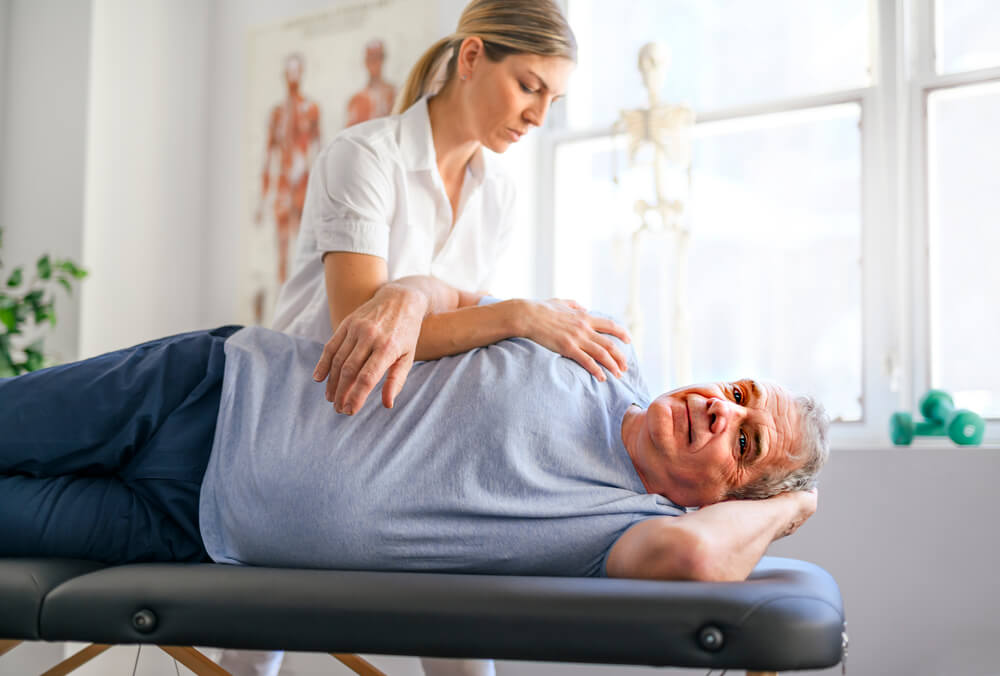
At Trinity Rehab, your recovery begins with a thorough evaluation of your shoulder mechanics, pain patterns, and functional goals. From there, we build a personalized plan using evidence-based techniques.
Manual Therapy and Joint Mobilization
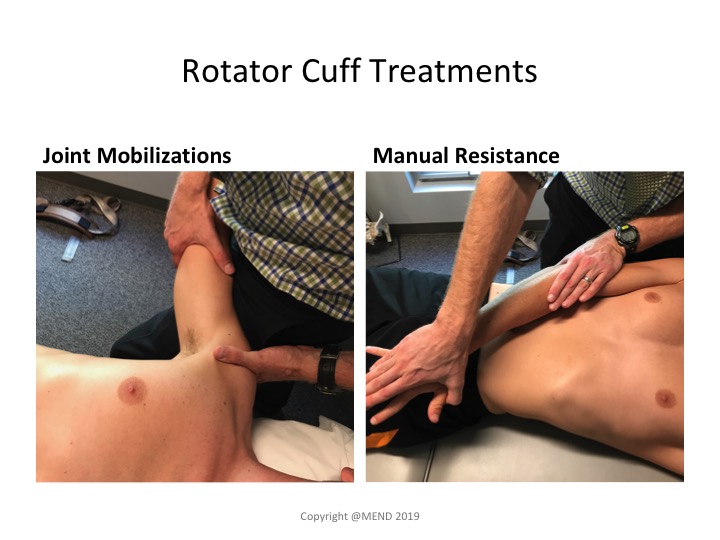
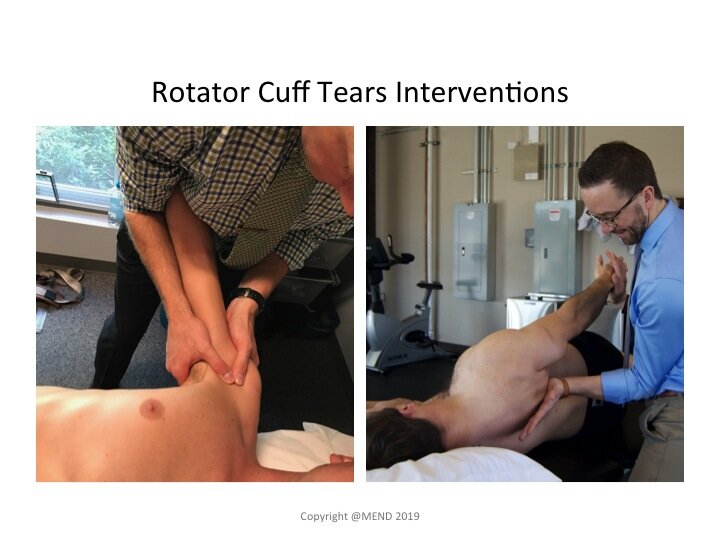
Manual therapy is often the starting point. Your therapist uses hands-on techniques including soft tissue mobilization to release adhesions around the shoulder blade and upper back, and joint mobilization of the glenohumeral and acromioclavicular joints to restore the subtle gliding motions your arm needs to move freely. For Manalapan patients who have compensated for weeks before seeking help, manual therapy often provides meaningful pain relief within the first few sessions and prepares the joint for strengthening work.
Targeted Strengthening and Eccentric Loading
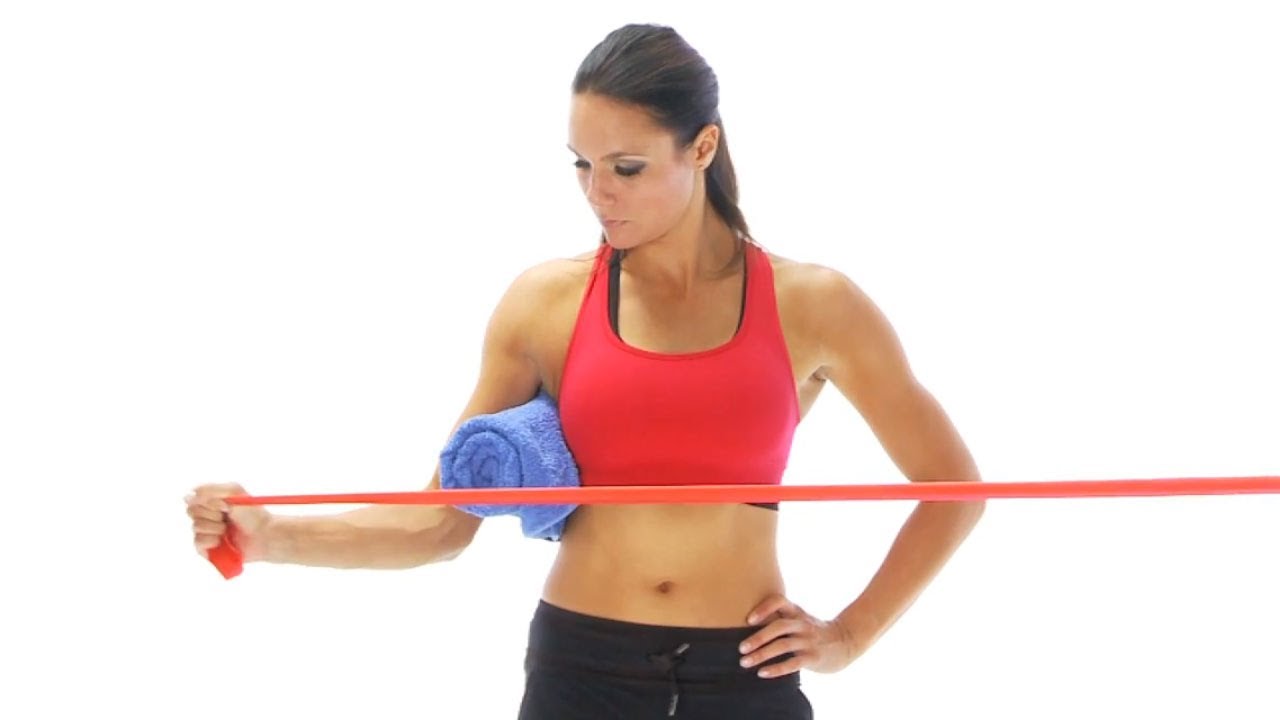
Rebuilding rotator cuff strength is the foundation of lasting recovery. Your program progresses from gentle isometric holds to dynamic resistance exercises as tissue heals.
Eccentric loading — controlled lowering movements — is a cornerstone of modern rotator cuff rehabilitation. Eccentric exercise promotes collagen remodeling within the tendon, improving structural integrity over time. Your therapist guides you through these protocols at a pace that challenges without overwhelming the tissue.
Equally critical is scapular stabilization. The muscles controlling your shoulder blade — the serratus anterior, lower trapezius, and rhomboids — must fire in correct sequence to support healthy mechanics. We retrain your scapular control with targeted exercises, giving your rotator cuff a stable platform from which to function.
EPAT / Shockwave Therapy
For chronic rotator cuff tendinopathy that has not responded to exercise alone, EPAT (Extracorporeal Pulse Activation Technology) offers a non-invasive option. EPAT delivers acoustic pressure waves into damaged tendon tissue, stimulating healing by increasing blood flow, encouraging new blood vessel formation, and breaking down calcified deposits. The treatment requires no anesthesia or downtime. This is particularly valuable for the Manalapan weekend golfer whose tendon pain lingers despite rest, or the warehouse worker whose recovery has plateaued.
Dry Needling
Dry needling targets myofascial trigger points — hyperirritable knots in muscle tissue that contribute to pain and stiffness. In rotator cuff patients, trigger points commonly develop in the infraspinatus, supraspinatus, upper trapezius, and periscapular muscles. Your therapist inserts a thin, sterile filament needle into the trigger point, eliciting a twitch response that releases contracted fibers and restores blood flow. Many patients experience immediate improvement in range of motion and decreased referred pain.
Sport-Specific Rehabilitation
Recovery is not complete when pain subsides — it is complete when you can confidently return to your activities. For the Manalapan High School baseball player, that means a progressive throwing program with attention to mechanics and arm care. For the pickleball enthusiast at the Rec Center, it means rebuilding overhead power and proper serve mechanics. For the golfer at Knob Hill, it means restoring the shoulder mobility and rotational control needed for a pain-free swing. For the Merola Tile employee returning to a physical role, it means functional capacity exercises that mirror the lifting and reaching demands of your workday.
Prevention Tips for Manalapan Residents
- Strengthen your rotator cuff and scapular muscles 2 to 3 times per week. Resistance band exercises for rotation and scapular retraction take only 10 minutes.
- Stretch your posterior shoulder regularly. Cross-body and sleeper stretches maintain the capsular flexibility your shoulder needs.
- Warm up before activity. Whether stepping onto the pickleball court or starting a physical shift, a 5-minute dynamic warm-up prepares tendons for load.
- Practice proper mechanics. Work with coaches on throwing and serving technique; golfers should address swing faults that stress the shoulder.
- Maintain good posture. Hours at a desk or behind the wheel commuting to Newark or Manhattan compress the subacromial space. Periodic posture breaks and thoracic mobility exercises help.
- Listen to your body. Persistent shoulder pain that does not improve with rest deserves professional attention — early intervention is always simpler.
Why Manalapan Residents Choose Trinity Rehab
One-on-one care, every visit. You work directly with your licensed physical therapist for the full session — not aides or assistants. This ensures continuity and allows real-time adjustments to your plan.
Advanced, evidence-based treatment. We combine manual therapy and progressive exercise with modalities like EPAT and dry needling, addressing your injury from multiple angles.
Direct access convenience. Begin physical therapy without a physician referral. For busy Manalapan families balancing work, school schedules at Manalapan High School, and youth sports at Multi Sports Kingdom, this saves valuable time.
Local understanding. We treat the pickleball players at the Rec Center, the young athletes in the Shore Conference, the healthcare workers at Atlantic Health, and the commuters whose long drives aggravate their shoulders. We design rehab around the demands of your actual life.
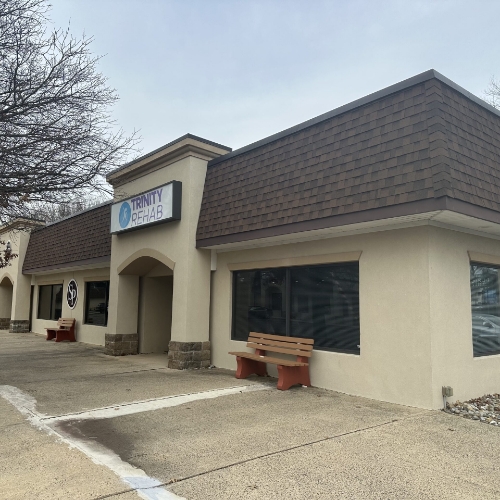
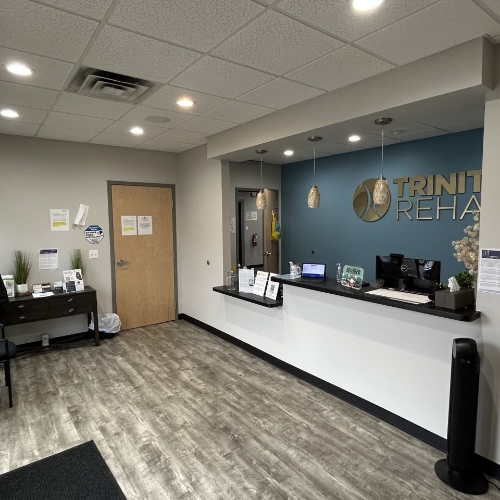
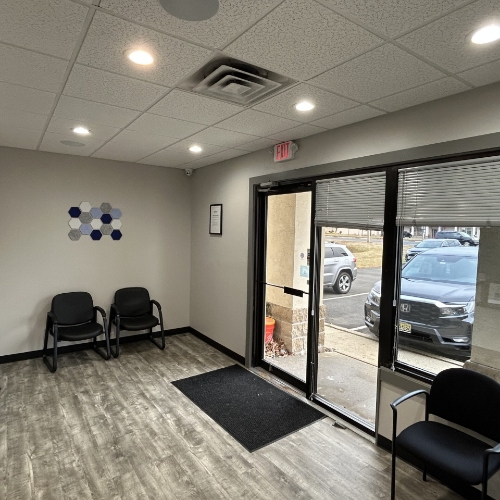
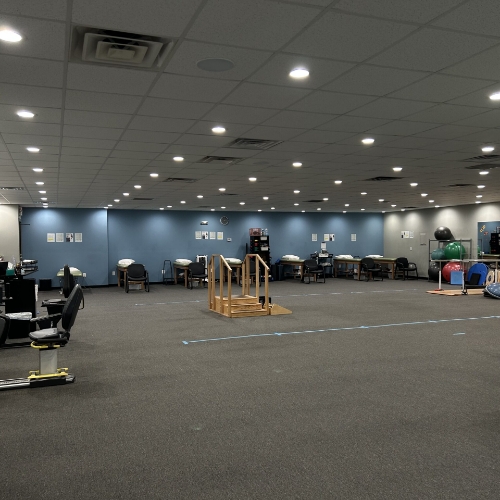
Inside Our Manalapan Clinic
Frequently Asked Questions
Where can I get rotator cuff treatment in Manalapan, NJ?
Do I need surgery for a rotator cuff tear?
How long does rotator cuff physical therapy take?
Can I still exercise while recovering from a rotator cuff injury?
What is the difference between a rotator cuff tear and tendinopathy?
Take the First Step Toward Recovery
Living with rotator cuff pain means missing out on what makes life in Manalapan enjoyable — the morning walk through Monmouth Battlefield State Park, the after-work pickleball match, the weekend round of golf, playing catch with your kids in the backyard. You do not have to keep pushing through it.
At Trinity Rehab, we are ready to help you understand what is happening in your shoulder, build a treatment plan around your goals, and guide you through every step of recovery with hands-on, one-on-one care.
Schedule your appointment today and start your path back to a pain-free, active life.
Start Your Recovery in Manalapan Today
Don’t let shoulder pain hold you back. Schedule your evaluation at Trinity Rehab in Manalapan and take the first step toward a stronger, pain-free shoulder.
Related Conditions & Treatments
Rotator cuff injuries are just one of the many conditions we treat at Trinity Rehab Manalapan. Explore our full range of conditions we treat or learn more about specific treatment approaches:
What Our Patients Say



Sign up for free health tips and tricks