
PLANTAR FASCIITIS TREATMENT IN HOWELL, NJ
The five-mile loop around Manasquan Reservoir is one of the best things about living in Howell. Runners, walkers, and cyclists circle its banks year-round, and on weekend mornings the path is reliably busy with residents putting in miles before the rest of the day takes over. But for anyone battling heel pain, even the thought of lacing up can be daunting. If your first steps out of bed feel like broken glass underfoot — and that sharp jab follows you to the reservoir trail, the soccer sidelines at Deerwood Park, or your shift at a Rt. 9 retail or warehouse job — you are likely dealing with plantar fasciitis.
The good news: plantar fasciitis is highly treatable, and Trinity Rehab’s Howell team addresses its root causes so you can get back to the activities that make Howell life worth living.
WHAT IS PLANTAR FASCIITIS?
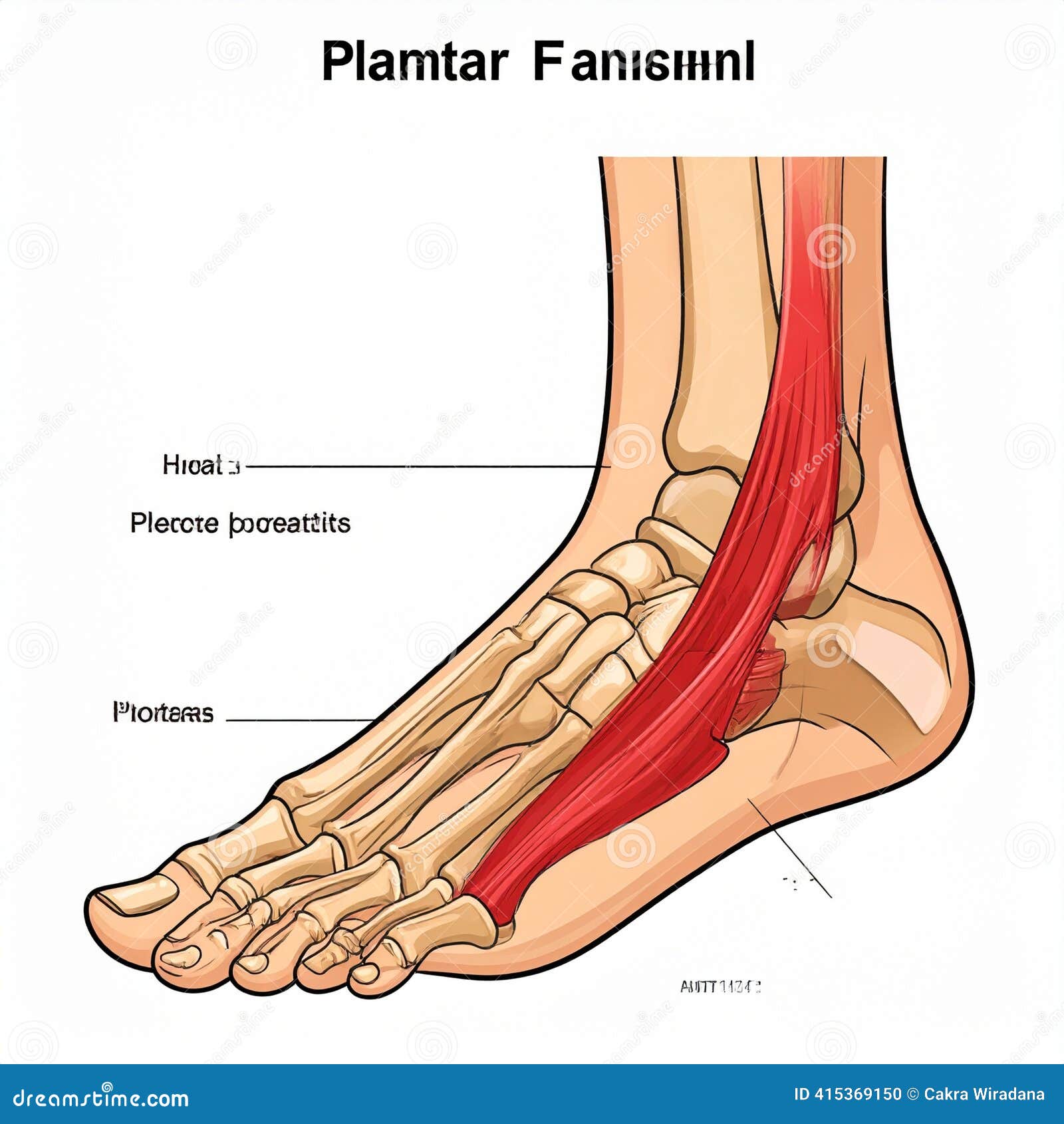
The plantar fascia is a dense band of connective tissue stretching from your heel bone to the base of your toes. It acts like a natural shock absorber for every step you take, supporting your arch and helping distribute the forces of walking, running, and standing. When that tissue is overloaded — through repetitive strain, poor mechanics, or sudden spikes in activity — micro-tears develop, triggering inflammation and that characteristic stabbing heel pain.
Over time, if those micro-tears don’t have the chance to heal properly, the condition can shift from simple inflammation to a chronic degenerative process that clinicians call plantar fasciopathy. The tissue thickens, loses elasticity, and becomes stubbornly resistant to rest alone. This is why so many Howell residents who try to simply “wait it out” find themselves still limping six months later.
Plantar fasciitis is the leading cause of heel pain in adults, responsible for roughly 11–15% of all foot-related visits to a healthcare provider, according to the American Academy of Orthopaedic Surgeons. It most commonly affects people between the ages of 40 and 60, though active teenagers and younger adults are far from immune — particularly those competing in the high-impact sports programs at Howell High School.
RELATED CONDITIONS & TREATMENTS
Plantar fasciitis is just one of the many conditions we treat at Trinity Rehab Howell. Explore our full range of conditions we treat or learn more about specific treatment approaches:
WHY HOWELL RESIDENTS ARE AT RISK
Howell Township packs a lot of activity into 61 square miles. From youth soccer leagues and Pop Warner Football to adult rounds at Howell Park Golf Course — consistently ranked among Monmouth County’s top public courses — the community puts its feet to work in ways that can accumulate stress over time.
Several factors common in Howell make plantar fasciitis especially prevalent here:
- The Manasquan Reservoir trail — The five-mile loop is a fantastic workout, but its packed-gravel and paved surface provides little give. Runners who increase their mileage quickly in spring, or who train through the fall season without adequate footwear, often develop heel symptoms by mid-season.
- High school athletics — Howell High School’s Rebels compete across fall, winter, and spring sports including cross country, soccer, basketball, lacrosse, and indoor track. Multi-sport student athletes who train year-round without adequate recovery periods are prime candidates for overuse injuries of the foot and heel.
- Retail and warehouse work along Rt. 9 — Howell’s commercial corridor along Route 9 — home to Walmart, Target, Lowe’s, and a growing cluster of logistics parks — employs thousands of residents in jobs that require prolonged standing and walking on hard concrete floors. Cumulative daily loading on the plantar fascia from these occupations is a significant and often overlooked driver of heel pain.
- Golf and recreational walking — Howell Park Golf Course draws golfers who spend four-plus hours on their feet each round. Poorly cushioned golf shoes and the sustained walking load of 18 holes can quietly overstress the plantar fascia, especially in players over 45 whose heel fat pads are naturally thinning.
- Sudden activity changes — Whether it’s a Howell resident starting a New Year’s fitness program on the reservoir trail or a young athlete ramping up pre-season training, sudden jumps in activity volume are one of the most reliable predictors of plantar fasciitis onset.
RECOGNIZING THE SYMPTOMS
Plantar fasciitis has a symptom pattern distinct enough that many patients can identify it before they ever see a clinician. The hallmarks include:
- Piercing heel pain with the first morning steps — The fascia contracts overnight, and the sudden weight-bearing creates an intense stretch through damaged tissue.
- Pain after prolonged sitting or rest — Getting up from a desk, rising from a car seat after the drive up the Parkway, or standing after a long stretch at a Howell Commons store can trigger the same sharp response.
- Tenderness directly at the heel — Pressing on the inner bottom of the heel, near the calcaneus, reproduces the pain precisely.
- Arch stiffness and tightness — The entire bottom of the foot may feel tight or shortened, particularly in the morning.
- Pain that eases mid-activity but flares afterward — The Manasquan Reservoir runner who feels fine during the first two miles but limps to the car afterward is experiencing the delayed inflammatory response classic to plantar fasciitis.
- Gradual gait changes — Unconsciously shifting weight to the outer foot or shortening your stride creates compensatory stress on the knee, hip, and lower back that can escalate into secondary problems.
If any of these symptoms have persisted for two weeks or more, physical therapy offers a far more effective path than rest alone.
HOW PHYSICAL THERAPY TREATS PLANTAR FASCIITIS
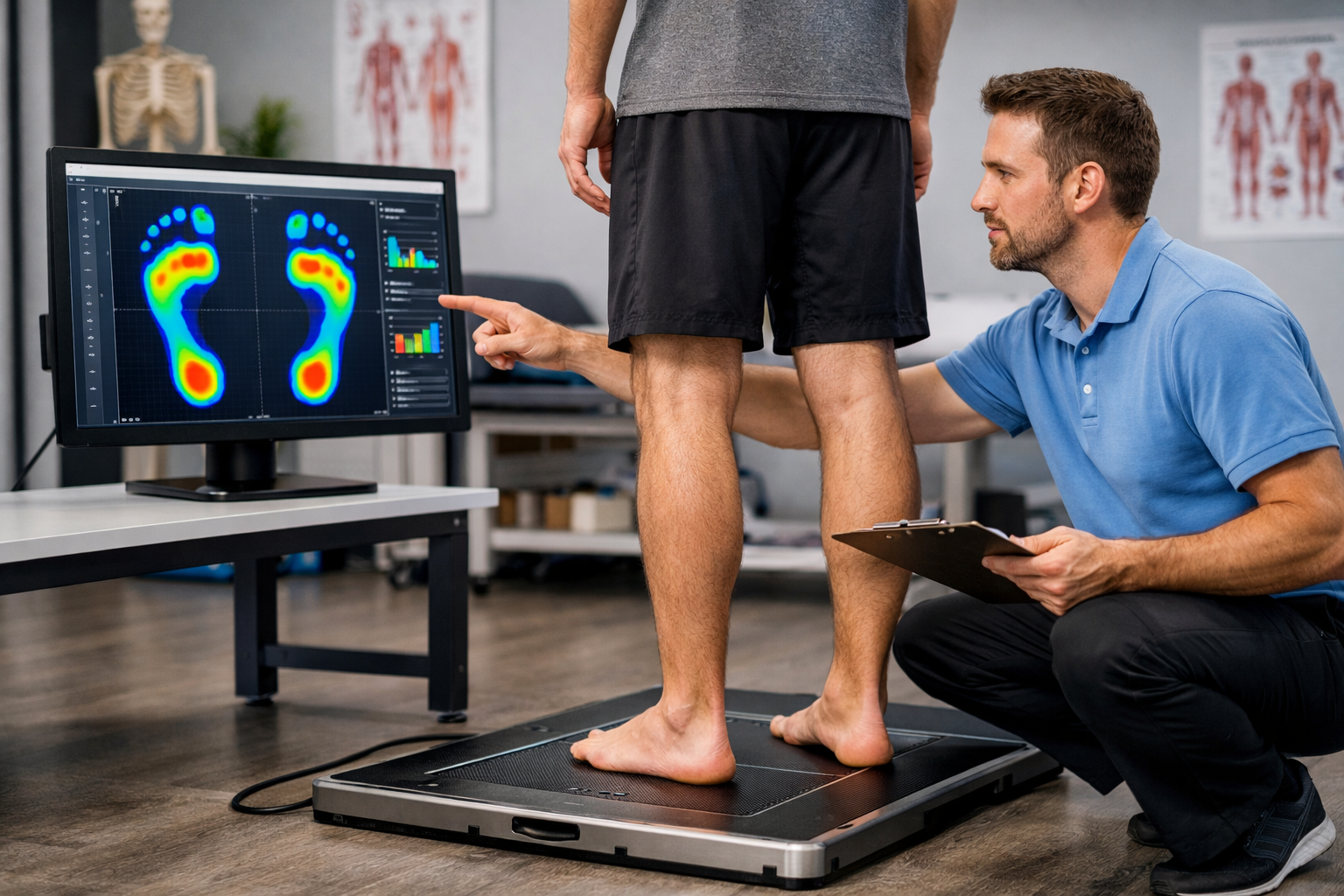
Trinity Rehab’s approach is built around identifying exactly why your plantar fascia is being overloaded — and then systematically correcting each contributing factor. Every patient in Howell receives a one-on-one biomechanical evaluation before a single treatment begins.
PHASE 1: PAIN REDUCTION AND TISSUE CALMING
The first priority is reducing the acute inflammatory load so tissue healing can begin. Your Howell physical therapist will use:
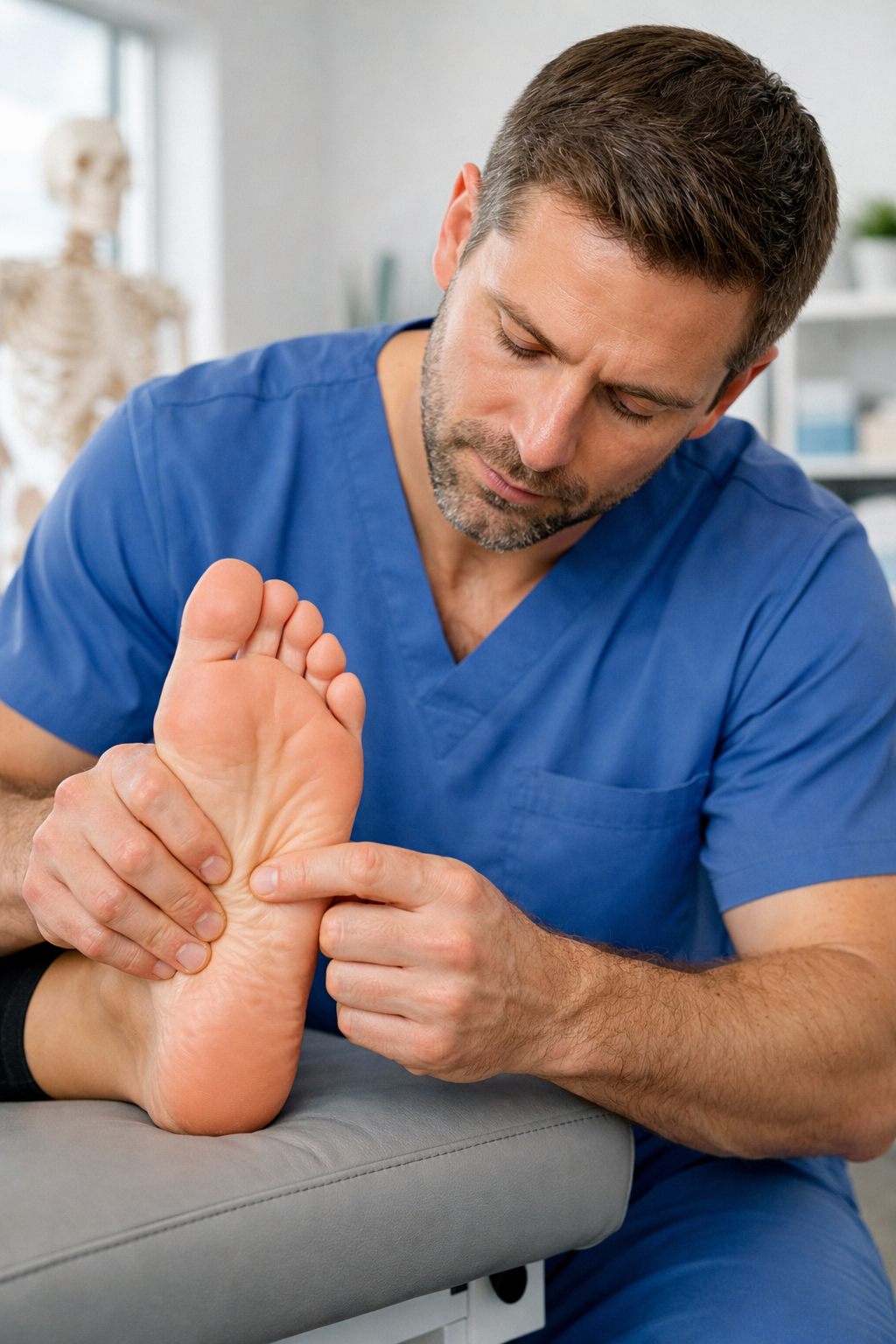
- Manual therapy and soft tissue mobilization — Hands-on manual therapy targeting the ankle joint, subtalar joint, and calf musculature reduces stiffness and offloads the fascia. Research published in the Journal of Orthopaedic & Sports Physical Therapy confirms that subtalar mobilization combined with stretching produces measurably better outcomes than stretching alone.
- Instrument-assisted soft tissue mobilization (IASTM) — Specialized tools break down adhesions along the plantar fascia and deep calf muscles, promoting healthy tissue turnover.
- Kinesiology taping — Strategic taping provides immediate arch unloading during weight-bearing activities, reducing daily fascial stress between visits.
- Therapeutic modalities — Ultrasound therapy and targeted icing protocols help manage acute inflammation and accelerate tissue repair.

PHASE 2: FLEXIBILITY, STRENGTH, AND LOAD TOLERANCE
Once acute pain is under control, the focus shifts to correcting the biomechanical deficits that caused the problem in the first place:
- Plantar fascia-specific stretching — Dorsiflexing the toes before taking your first morning step — held for 30 seconds, repeated three times — is one of the most evidence-supported interventions for plantar fasciitis. Your therapist will teach you the correct technique and timing.
- Gastrocnemius and soleus stretching — Tight calf muscles are among the most consistent findings in plantar fasciitis patients. Wall stretches, step-drop calf stretches, and towel-assisted ankle mobilizations improve dorsiflexion and reduce the strain transferred to the fascia with each step.
- Eccentric calf raises — Slowly lowering from a step builds fascial and tendon resilience, progressively increasing the tissue’s capacity to handle load.
- Intrinsic foot strengthening — Towel scrunches, short-foot exercises, and marble pickups target the small muscles of the foot that support the arch from within.
- Balance and proprioception training — Single-leg stance work and wobble-board progressions correct the neuromuscular control deficits that contribute to abnormal loading patterns.
PHASE 3: RETURN TO ACTIVITY AND PREVENTION
The final phase is where Howell runners return to Manasquan Reservoir, golfers get back to Howell Park Golf Course, and athletes rejoin their teams — with the tools to stay pain-free:
- Activity-specific retraining — Your therapist develops a structured return-to-running or return-to-sport plan with mileage and load progressions that protect the healing tissue.
- Footwear assessment — Many cases of plantar fasciitis are sustained by worn-out shoes that no longer provide adequate arch support. Running shoes should be replaced every 300–500 miles; for Manasquan Reservoir regulars, that can mean a new pair every season.
- Orthotic fitting — Patients with structural issues such as flat feet, high arches, or significant overpronation may benefit from custom or semi-custom orthotics for ongoing biomechanical correction.
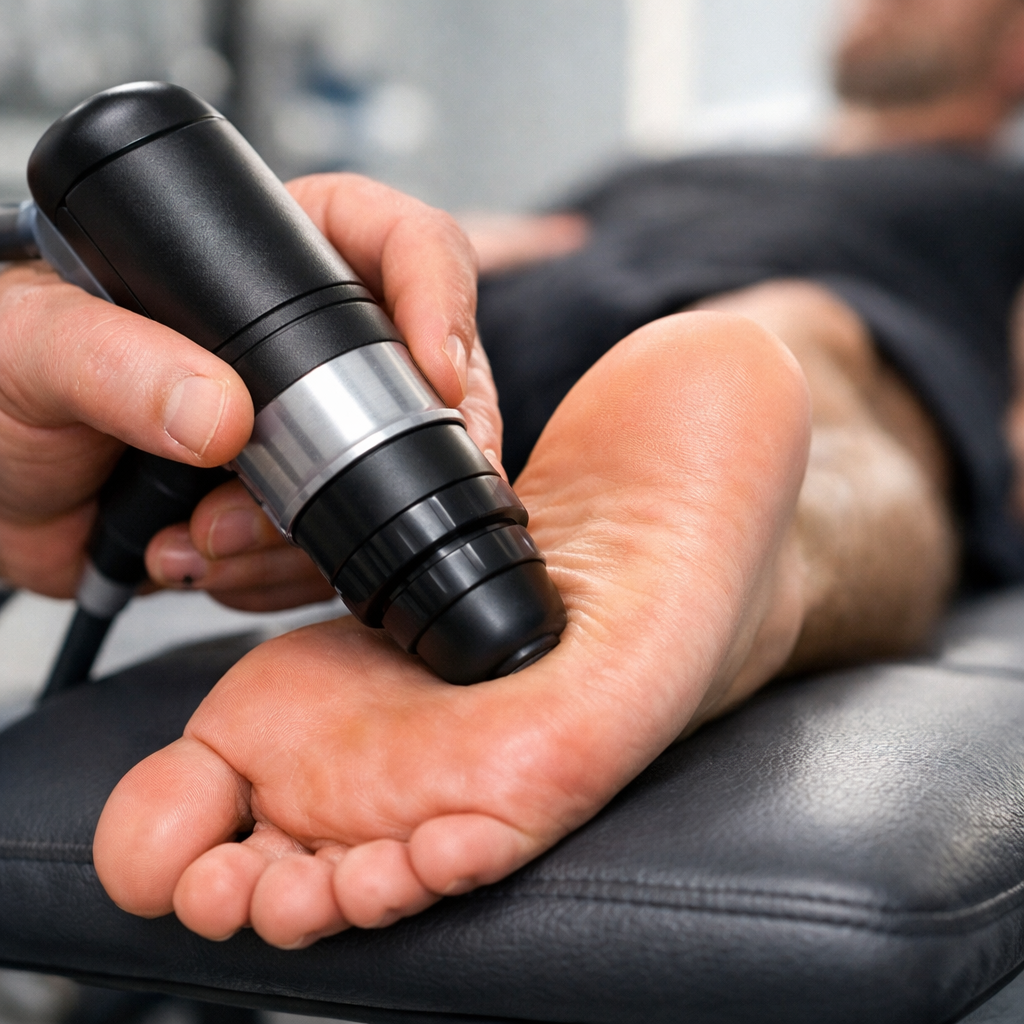
- EPAT Shockwave Therapy — For patients with chronic or persistent plantar fasciitis that hasn’t responded to conservative care, EPAT uses acoustic pressure waves to stimulate blood flow and cellular repair deep within the damaged fascia. The Mayo Clinic recognizes ESWT as an effective intervention for recalcitrant cases.
- Dry Needling — Fine filament needles deactivate trigger points in the calf and foot intrinsic muscles, releasing deep tension that contributes to fascial overload.
KEEPING HOWELL ACTIVE: PREVENTION STRATEGIES
- Follow the 10% rule — Never increase weekly running mileage by more than 10%. The Manasquan Reservoir loop is a great base; build on it gradually.
- Replace footwear on schedule — Running shoes should be replaced every 300–500 miles. A worn-out shoe provides no protection against cumulative fascial loading.
- Stretch before your morning step — Thirty seconds of plantar fascia and calf stretching before your feet hit the floor dramatically reduces first-step pain and recurrence risk.
- Wear supportive work shoes — For retail and warehouse workers along Rt. 9, a quality supportive insole is non-negotiable equipment — not an accessory.
- Ease into golf season — Build up mileage at Howell Park Golf Course gradually at the start of the season and invest in shoes with proper arch support.
WHY HOWELL PATIENTS CHOOSE TRINITY REHAB
Trinity Rehab’s Howell clinic is built around one principle: you work with a licensed physical therapist — not an aide or assistant — every single session. That one-on-one model means your plan is continuously refined based on how you’re responding, not applied from a generic template.
Our Howell therapists understand the demands of the local lifestyle. Whether you’re a Rebels cross-country runner returning from fall season, a warehouse worker dealing with six months of cumulative foot strain, or a weekend golfer who just wants to make it through 18 holes without limping — your treatment plan reflects your goals and your life.
We accept most major insurance plans, require no physician referral, and offer scheduling flexibility to fit around commutes, school pickups, and work schedules. Explore our full range of conditions treated or learn specifically about foot and ankle pain relief.
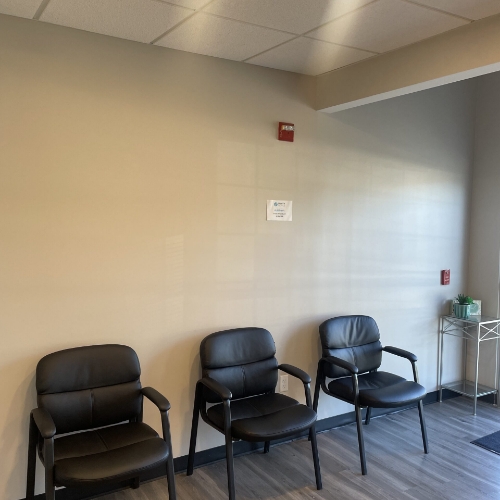
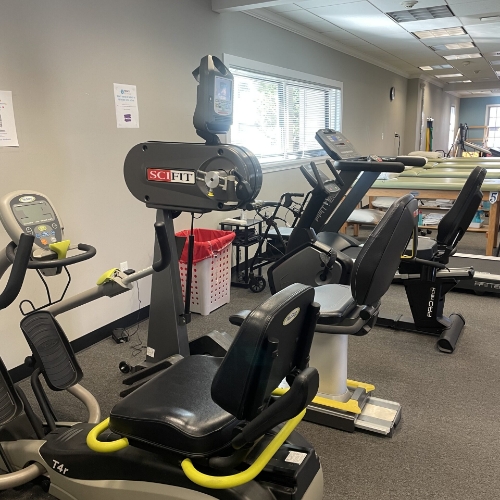
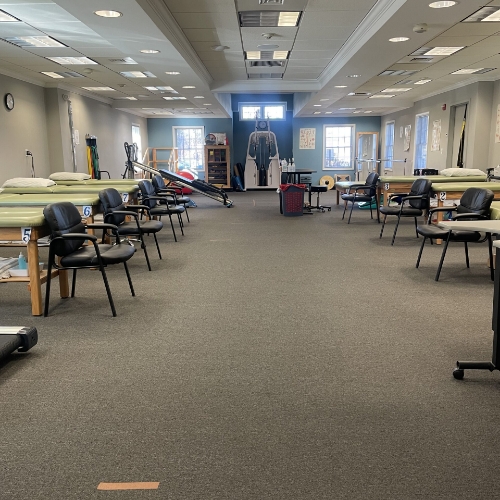
Inside Our Howell Clinic
FREQUENTLY ASKED QUESTIONS
Where can I get plantar fasciitis treatment in Howell, NJ?
How long does plantar fasciitis take to heal with physical therapy?
Can I keep walking or running while being treated?
Does plantar fasciitis always need surgery?
My heel hurts but I have no morning pain — could it still be plantar fasciitis?
START YOUR RECOVERY TODAY
Heel pain does not have to keep you off the Manasquan Reservoir trail, out of your Howell High School bleacher seat, or hobbling through your workday. Trinity Rehab’s Howell team is ready to help you get back to the life you live here — fully, actively, and without pain.
No physician referral needed. Most major insurance plans accepted.
Sources: Journal of Orthopaedic & Sports Physical Therapy — Clinical Practice Guidelines, Heel Pain/Plantar Fasciitis 2023 | Mayo Clinic — Plantar Fasciitis | American Academy of Orthopaedic Surgeons — Plantar Fasciitis and Bone Spurs | NIH/PMC — Management of Plantar Fasciitis