

Meniscus Tear Treatment in Howell, NJ — Trinity Rehab
Allaire State Park’s scenic trails and the Howell Rebels’ spirited athletic programs define much of life in this Monmouth County community. Whether you’re a weekend trail runner discovering the park’s natural beauty, a parent cheering from the sidelines, or someone managing the active lifestyle that suburban New Jersey demands, a meniscus tear can abruptly interrupt everything you’ve worked for. The sudden pop during a hiking trip, the twisting motion stepping off a curb, or the gradual tightness that develops after months of regular activity—these experiences are far too common in Howell. The troubling part isn’t just the pain; it’s the uncertainty about whether surgery is truly necessary, and the fear that your active lifestyle might be permanently altered.
The good news backed by rigorous medical evidence: physical therapy delivers real, lasting results for meniscus tears. In fact, research from prestigious institutions has consistently shown that structured rehabilitation is as effective as surgery for most tear types, particularly in adults. At Trinity Rehab Howell, we specialize in evidence-based physical therapy for meniscus injuries, and we’ve helped hundreds of Howell residents reclaim their mobility without unnecessary surgery.
Understanding Your Meniscus and Why It Matters
The meniscus is a specialized piece of cartilage inside your knee that’s roughly C-shaped and functions like your knee’s shock-absorbing cushion. Think of it as the protective padding that lets you run, jump, twist, and bear weight without joint damage. Each knee has two of these structures—one on the inside (medial meniscus) and one on the outside (lateral meniscus)—working together to stabilize the joint, distribute forces evenly, and keep the knee functioning smoothly.
When a meniscus tears, the knee loses part of this critical protection system. What happens next matters enormously. Left untreated, a torn meniscus can accelerate the development of osteoarthritis, leading to chronic pain, persistent swelling, and a gradual loss of the mobility that keeps you active. Early intervention with skilled physical therapy stops this downward spiral and gives your tissue the best possible chance to heal.
Who Gets Meniscus Tears in Our Community
Howell’s active, multigenerational population experiences meniscus tears across different age groups and for different reasons:
Young athletes and fitness enthusiasts — Howell’s youth sports programs and the town’s family-oriented culture mean we see plenty of adolescents and young adults who tear their meniscus during basketball, soccer, lacrosse, or recreational activities. These tend to be traumatic tears from sudden pivoting or twisting.
Suburban commuters and active professionals — Many residents balance demanding work schedules with evening gym sessions, weekend running, or recreational sports leagues. Overuse injuries develop when training volume increases without adequate recovery time. A runner increasing mileage too quickly or a fitness enthusiast adding high-impact classes can gradually damage the meniscus through repetitive stress.
Adults over 50 navigating life changes — Degenerative tears become increasingly common as cartilage weakens with age. A simple squat in the garden, a twist while reaching for something, or even a minor misstep can trigger a tear in tissue that’s already losing its resilience. Many Howell residents over 50 experience these tears with minimal trauma and might not even remember the exact moment it happened.
Turkey farming and agricultural work — Howell’s agricultural heritage means some residents still engage in farm work, landscaping, or gardening activities that demand prolonged kneeling, squatting, and repetitive knee flexion. This occupational stress is a genuine risk factor for meniscus injuries.
Recognizing the Signs: Symptoms You Shouldn’t Ignore
Meniscus tear symptoms vary based on the tear’s size and location, but they typically include localized discomfort and mechanical sensations you’ll notice immediately:
- A distinct popping sensation at the moment of injury, sometimes described as a “giving way” feeling
- Swelling that develops over 24 to 48 hours, making the knee look puffy and feel warm
- Stiffness and restricted motion, particularly difficulty straightening or bending the knee fully
- Pain specifically along the joint line, worse when you twist or squat
- Catching, clicking, or locking sensations during everyday movements
- Instability or that sense of the knee “giving out” during weight-bearing activities
- Pain that intensifies with prolonged standing, walking upstairs, or kneeling
- Difficulty with daily activities like getting out of a car, climbing stairs, or rising from a chair
The key: early symptoms are manageable, but they worsen without proper treatment. If you notice a combination of these signs, getting a professional evaluation should be your immediate next step.
The Physical Therapy Approach at Trinity Rehab Howell
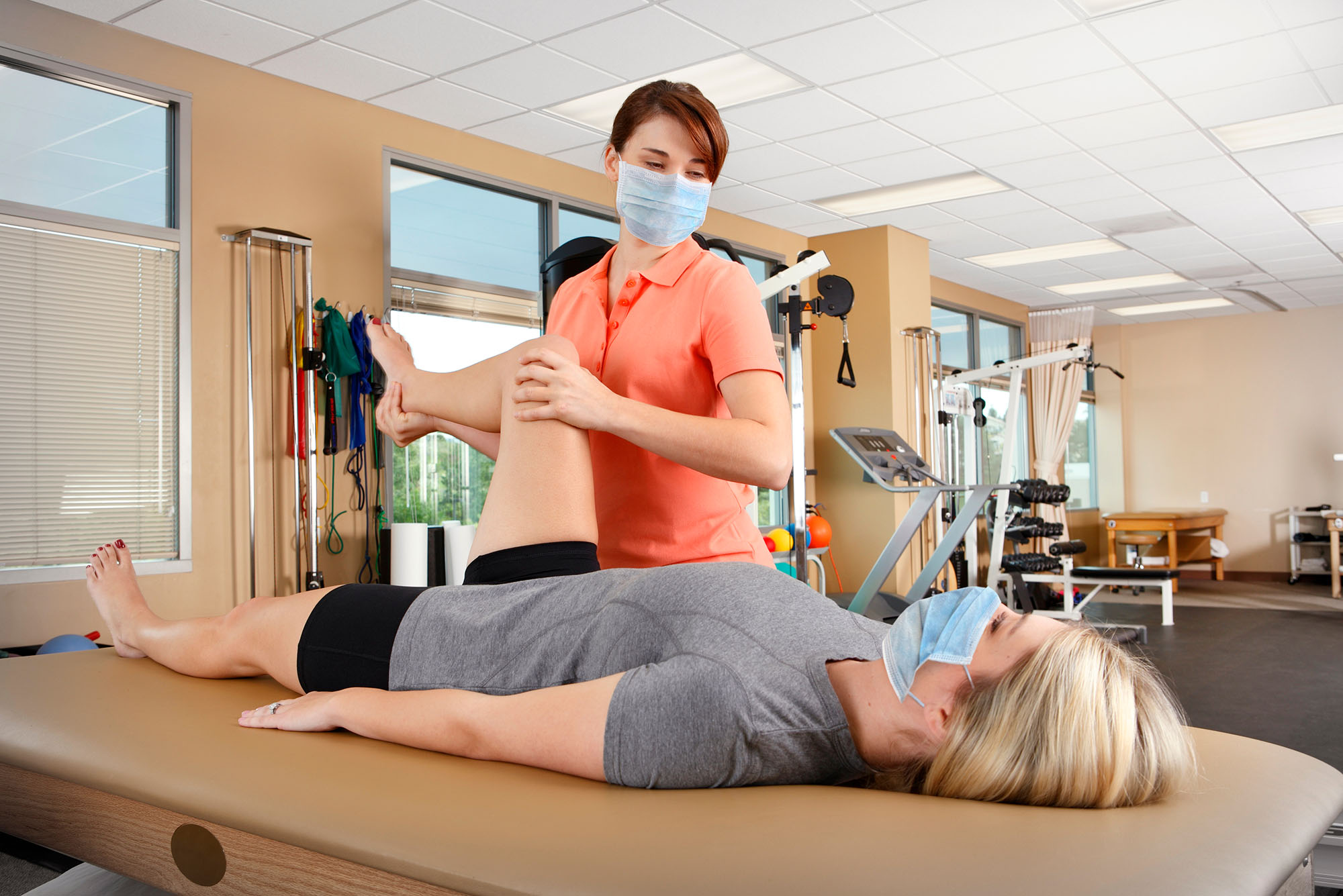
Physical therapy for meniscus tears follows a thoughtful, evidence-based progression designed specifically around your injury pattern and goals. Our approach at Trinity Rehab Howell combines the best of manual therapy, exercise prescription, and advanced modalities to accelerate healing.
Phase 1: Settling the Injury and Restoring Protection
The first phase prioritizes pain reduction and swelling control while protecting the healing tissue. Your Trinity Rehab Howell physical therapist will employ:
- Manual therapy techniques including gentle joint mobilization and soft tissue work to reduce stiffness and improve blood flow to the knee
- Modalities such as ice, electrical stimulation, and targeted compression to manage inflammation
- Protected, low-risk range-of-motion work designed to maintain your knee’s mobility without stressing the tear
- Gait retraining to ensure you’re walking in ways that minimize meniscus stress
- Education on activity modification so you understand which movements to avoid and which are safe
Phase 2: Building Strength and Reclaiming Function
As acute pain subsides, we transition to progressive strengthening aimed at rebuilding the muscular support system that protects your knee:
- Quadriceps and hamstring strengthening exercises that provide the dynamic stability your meniscus needs
- Hip and glute activation work that improves how forces flow through your lower extremity
- Balance and proprioception training that retrains your knee’s position sense and stability awareness
- Careful, progressive squats and lunges with proper form to rebuild confidence in weight-bearing movement
- Dry needling for muscle tension that often develops around the injured knee
Phase 3: Return to Your Life
The final phase bridges the gap between clinical recovery and real-world activity:
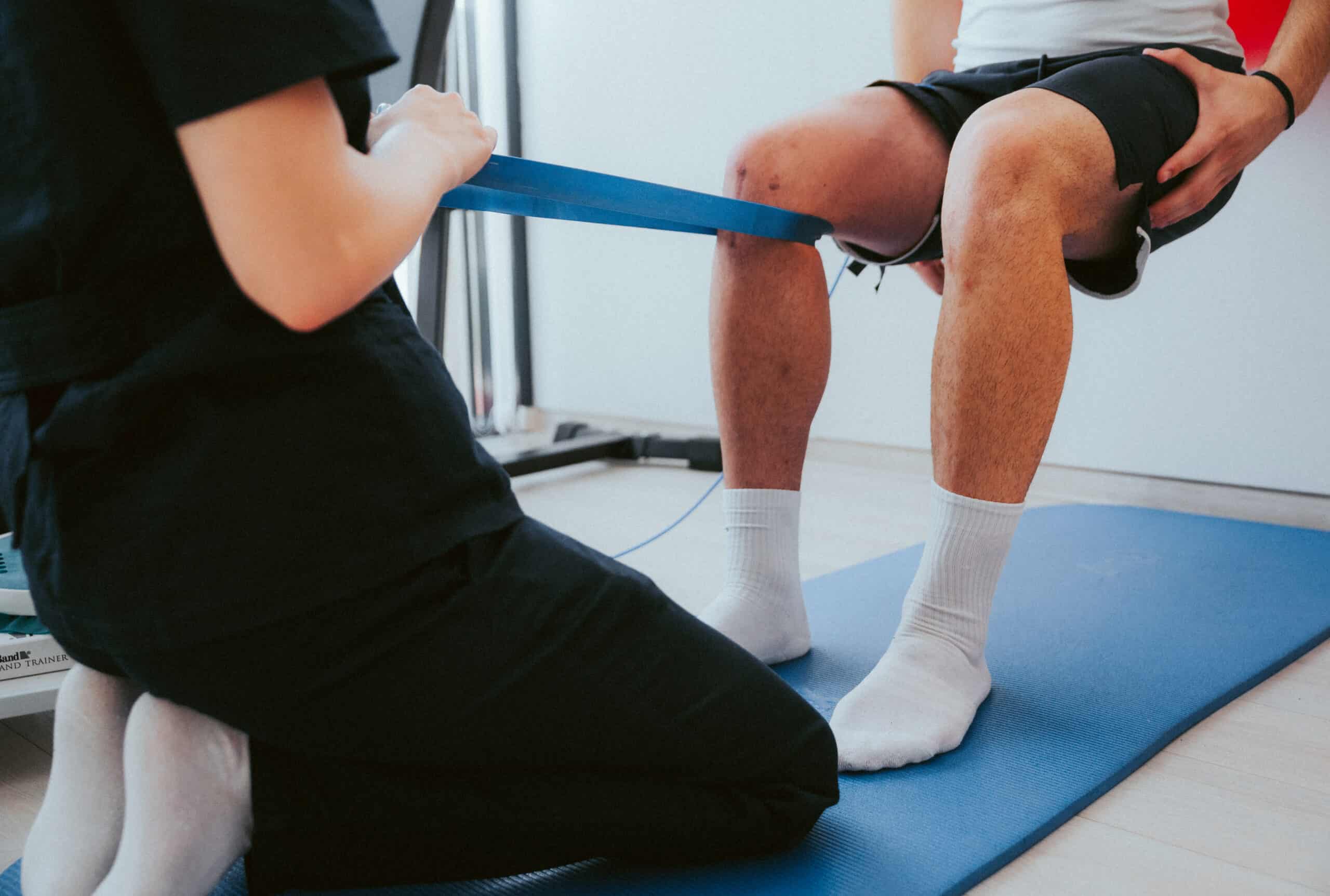
- Activity-specific training tailored to whether you’re returning to sports, hiking, work demands, or family activities
- Progressive loading that gradually challenges your knee to handle the demands of your lifestyle
- Advanced techniques including EPAT/shockwave therapy in appropriate cases to stimulate healing and accelerate tissue regeneration
- Prevention strategies and maintenance exercises to protect your knee long-term
Tear Patterns and What They Mean for Your Recovery
Meniscus tears come in different configurations, and understanding your tear type helps explain why your therapist prescribes specific exercises:
- Radial tears cut across the meniscus fibers and are the most common pattern. Small peripheral radial tears respond exceptionally well to physical therapy.
- Horizontal tears run along the meniscus length and often relate to degenerative changes. These typically respond very well to conservative treatment.
- Bucket-handle tears involve a large vertical tear where a piece flips into the joint center, sometimes causing locking. These may require surgical evaluation.
- Flap or complex tears involve multiple patterns and usually stem from degenerative processes. Most respond favorably to physical therapy-first approaches.
The tear’s location also matters: the outer third of your meniscus has blood supply that supports natural healing (the “red zone”), while the inner two-thirds has limited blood flow (the “white zone”). Your physical therapist considers these factors when designing your program.
Preventing Future Meniscus Problems
Recovery isn’t truly complete when pain stops. Long-term knee health requires ongoing attention:
- Consistent strengthening of your quadriceps and hamstrings to absorb impact forces
- Warm-up routines before physical activity that prepare your knee for demand
- Proper movement mechanics, especially during squats, lunges, and landings—avoid inward knee collapse
- Appropriate footwear that matches your activity and provides adequate support
- Body weight management (every pound of body weight translates to approximately four pounds of force across your knee during walking)
- Low-impact cross-training like swimming or cycling to maintain fitness without overloading the meniscus
- Listening to warning signs—persistent swelling or pain after activity means you need to modify, not push harder
Why Howell Residents Choose Trinity Rehab for Meniscus Treatment
- Licensed therapists, every session — You work one-on-one with a skilled physical therapist, not an aide
- Local convenience — Our Howell clinic is part of Trinity Rehab’s 27-location network across New Jersey and Pennsylvania
- Evidence-based protocols — Our treatments reflect the latest research on meniscus rehabilitation
- No referral required in New Jersey — You can begin treatment immediately without waiting for a physician authorization
- Truly individualized care — Your program is designed around your specific tear, goals, and lifestyle, not a generic template
- Advanced modalities including dry needling, manual therapy, and EPAT/shockwave therapy
- Insurance coordination — We verify your coverage upfront and handle the paperwork
Getting Started With Trinity Rehab Howell
Recovering from a meniscus tear starts with a thorough evaluation. Your first visit at Trinity Rehab Howell includes:
- Comprehensive assessment of your knee’s strength, range of motion, and movement patterns
- Discussion of your specific goals — whether that’s returning to youth sports coaching, hiking, work, or family activities
- Your personalized treatment plan that outlines each phase of recovery and what you’ll do during each session
From there, you’ll progress through your customized rehabilitation program with the full attention and expertise of your Trinity Rehab Howell therapist guiding you every step.
Howell-Specific FAQs
Do I need an MRI before I come to Trinity Rehab Howell?
I work in landscaping near Howell. Can I return to kneeling and heavy work after meniscus physical therapy?
Will I be able to hike at Allaire State Park again?
How long until I see improvement in my everyday activities like climbing stairs or getting out of a car?
Can I do my regular exercise routine while being treated for a meniscus tear?
What's the difference between my two menisci, and does it matter which one is torn?
Your Next Steps
You don’t have to live with meniscus pain or uncertainty about surgery. Physical therapy offers a proven path to recovery that works for most tear types.
To schedule your evaluation at Trinity Rehab Howell:
Visit our appointment page or call to book your initial assessment. When you arrive, we’ll conduct a thorough examination, answer all your questions, and begin your recovery journey.
Most patients notice meaningful improvement within the first few weeks as inflammation decreases, pain subsides, and mobility begins returning. You’re on your way back to hiking, working, playing with family, and all the activities that make Howell’s active lifestyle rewarding.
—
For more information on meniscus tears and treatment options, visit our main meniscus tear condition page. Symptoms of a meniscus tear can vary depending on the severity of the injury. Common signs include swelling, stiffness, and difficulty bending or straightening the knee. If you experience these symptoms, it’s important to seek medical evaluation to determine the best course of treatment. It’s essential to understand the various treatment options for meniscus tear to ensure a prompt and effective recovery. These options may include physical therapy, medication, and in some cases, surgical intervention. Consulting with a qualified healthcare professional can help determine the best approach tailored to individual needs. Understanding meniscus tear symptoms and diagnosis can help you recognize the issue early and seek appropriate care. Common symptoms include knee swelling, pain during movement, and difficulty bearing weight, which can vary in intensity. An accurate diagnosis often involves physical examinations and imaging studies to confirm the presence of a tear. Symptoms of a meniscus tear can include pain, swelling, and difficulty moving the knee. It’s essential to recognize these symptoms early to avoid further injury and ensure effective treatment. Consulting with a healthcare professional can provide clarity on the best course of action for recovery. Recognizing the symptoms of a meniscus tear is crucial for timely treatment. Persistent pain and swelling may indicate an underlying injury that should not be ignored. Early intervention can significantly improve recovery outcomes and restore mobility.