
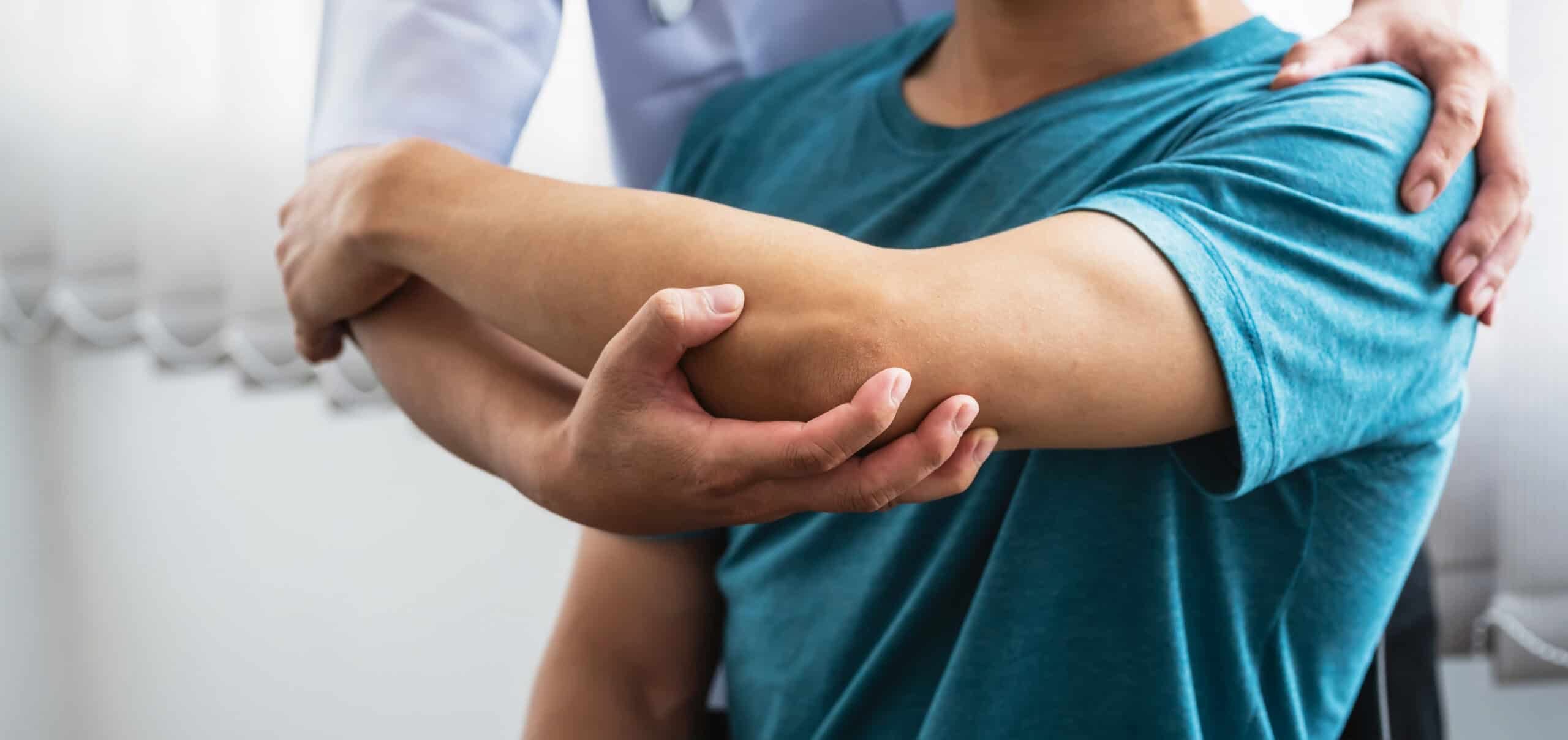
Golfer’s Elbow Treatment in Howell, NJ: Play Without Pain
For many Howell residents, weekends at Howell Park Golf Course or Charleston Springs Golf Club represent a cherished escape. Whether you’re a Howell High School Rebels alumni player, weekend enthusiast, or serious competitor, elbow pain threatening your game hits differently when golf is your outlet.
Golfer’s elbow—medial epicondylitis—isn’t something you have to live with indefinitely. The burning sensation along your inner elbow that flares up during your backswing or after gripping tightly doesn’t have to end your season. Trinity Rehab in Howell specializes in getting golfers and active Monmouth County residents back to full function through targeted physical therapy that addresses both the injury and what caused it.
With 55,000 residents spread across Howell, from Allaire State Park to quiet neighborhoods, Trinity Rehab understands the lifestyle factors that contribute to your elbow pain—and how to eliminate them.
Why Golfer’s Elbow Relief Matters for Your Howell Lifestyle
Golfer’s elbow develops when the muscles and tendons on the inner side of your elbow become overloaded or injured. Unlike tennis elbow (affecting the outer elbow), golfer’s elbow specifically impacts your grip, forearm rotation, and the power generation that makes your swing effective.
For Howell residents, untreated golfer’s elbow creates a painful ripple effect: ruined rounds as pain intensifies, diminished grip from compensatory gripping, work limitations, limited recreation, and sleep disruption.
When Trinity Rehab treats your golfer’s elbow, we restore not just your golf game but your full quality of life.
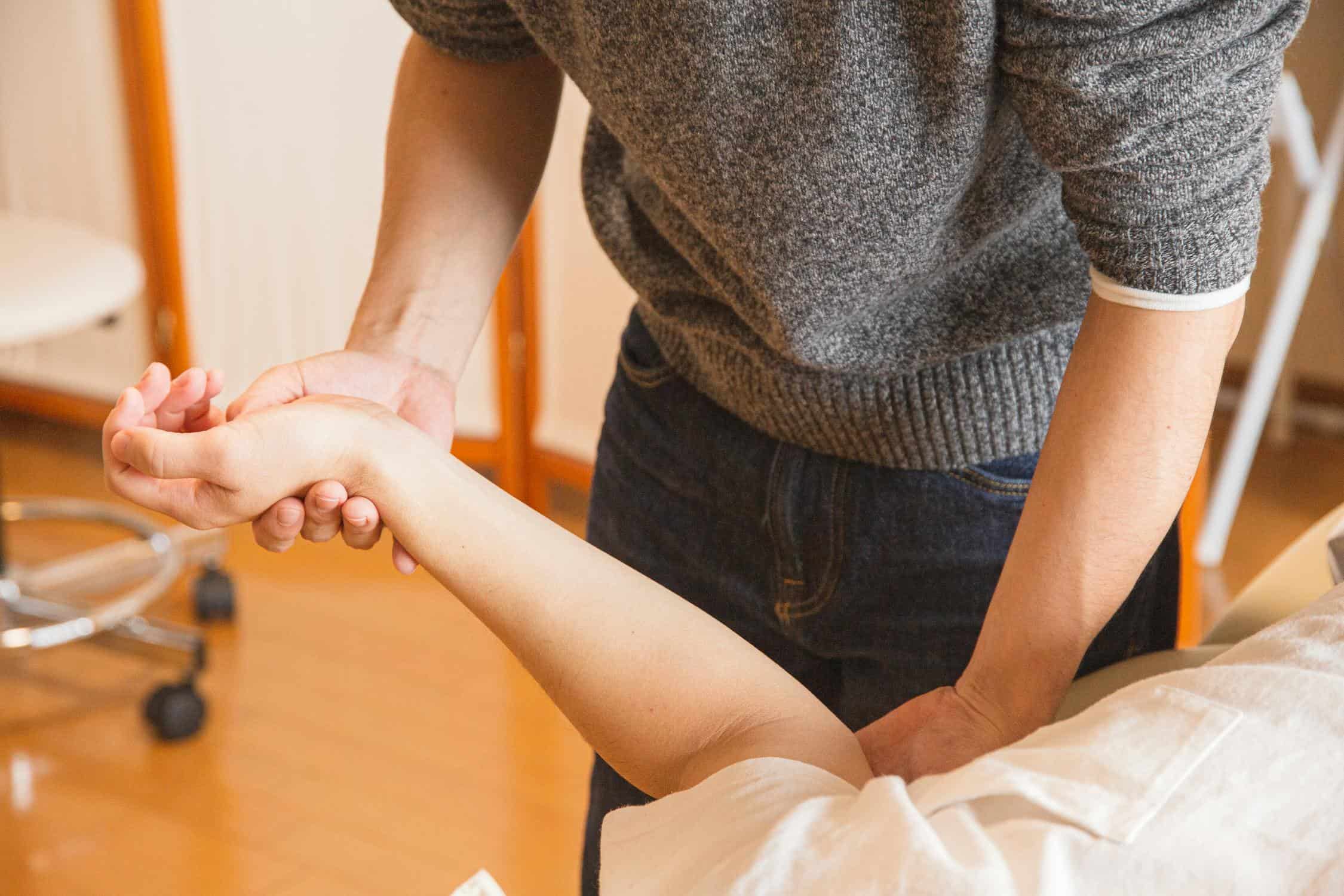
Common Causes in the Howell Area
Howell’s diverse community experiences golfer’s elbow for multiple reasons: Golf-specific factors at Howell Park Golf Course and Charleston Springs Golf Club where the repetitive, forceful golf swing concentrates stress on the medial epicondyle; work-related demands from manufacturing, construction, and service industry positions; Howell’s active lifestyle with proximity to Allaire State Park; age-related factors as tendons lose elasticity; technique deficiencies from lack of proper swing instruction.
Trinity Rehab evaluates which factors apply to your situation.
Symptoms Patients Often Notice
Howell patients typically describe: inner elbow tenderness worsening with gripping or rotation, grip weakness appearing gradually, stiffness in the morning, night pain disrupting sleep, and inability to make specific movements without sharp pain.
The pattern often resembles this: You feel mild soreness after a round, assume it’s normal, and continue playing. Week after week, the pain worsens. By the time you seek help, you’ve developed compensation patterns involving your shoulder, neck, and opposite arm.
Trinity Rehab’s early assessment prevents this progression.
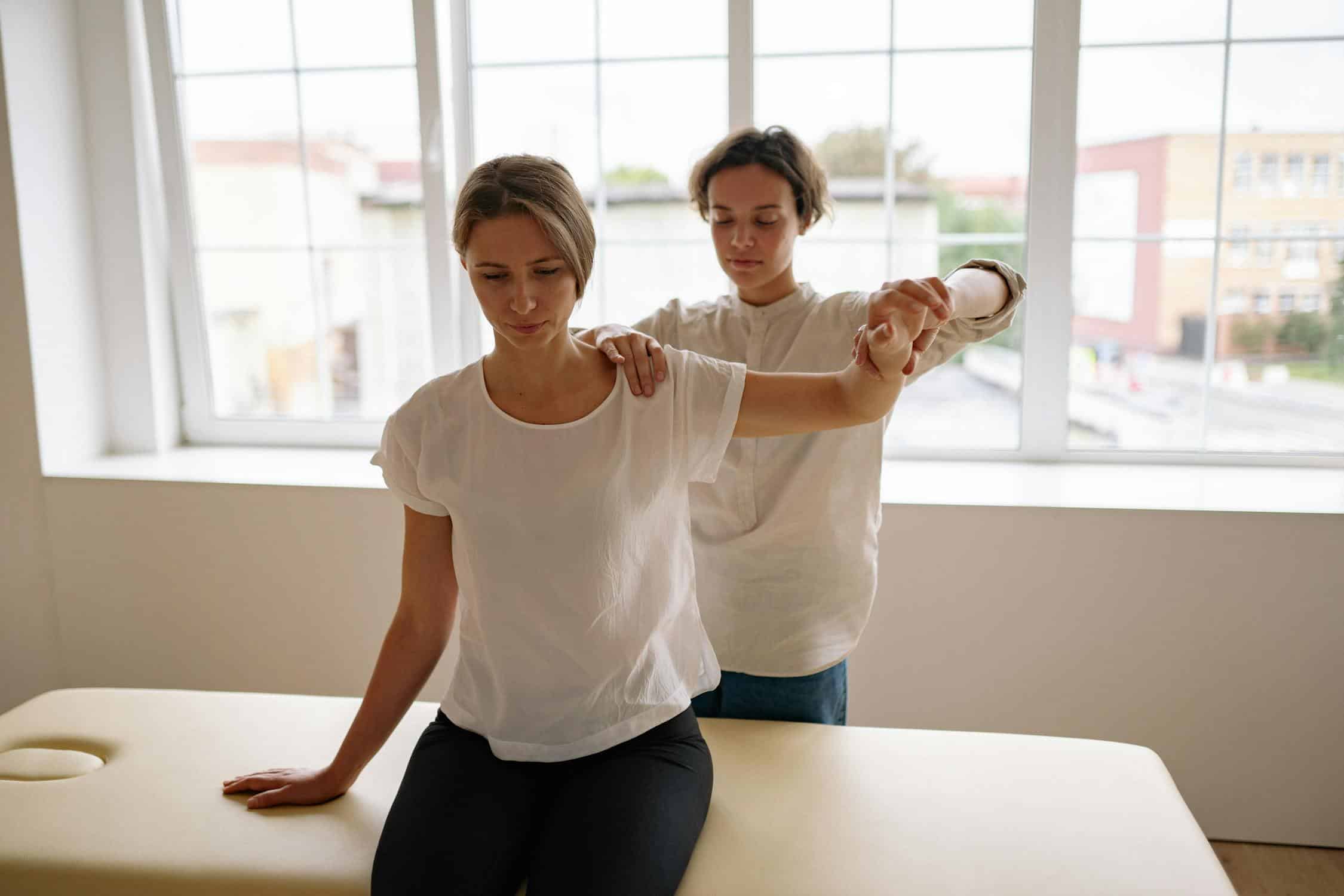
Understanding Your Condition: The Biomechanics of Medial Epicondylitis
Golfer’s elbow occurs when the flexor-pronator muscles in your forearm—the same muscles you use to grip, flex your wrist, and rotate your forearm—become injured or inflamed at their attachment point on the medial epicondyle (the bony bump on the inside of your elbow). These muscles are essential to golf, which requires repetitive flexion and rotation. A single golf swing involves thousands of muscle fiber contractions, and without proper conditioning, these tissues become damaged.
What makes golfer’s elbow particularly frustrating is that it’s often progressive. Initial inflammation causes pain, which changes your grip or swing to reduce it. This altered movement pattern stresses different tissues and spreads the problem throughout your kinetic chain. Trinity Rehab’s comprehensive approach addresses not just the injured tendon, but the entire kinetic chain that sustains compensation patterns.
How Physical Therapy Restores Function
Trinity Rehab’s evidence-based three-phase protocol combines manual therapy, targeted strengthening, and sport-specific training tailored specifically for Howell’s golf community.
Phase 1: Inflammation Management and Protection (Weeks 1-2)
Early intervention focuses on calming the inflammatory response while preventing further tearing through:
- Activity modification: We identify which activities aggravate your symptoms and teach you safe alternatives. For Howell golfers, this often means analyzing your specific swing and identifying which phases (backswing, downswing, follow-through) cause pain.
- Manual therapy: Hands-on soft tissue mobilization reduces muscle tension and improves blood flow to the injured tendon.
- Dry needling: Dry needling precisely targets trigger points in the forearm muscles, promoting tissue healing and reducing pain.
- Counterforce bracing: A strategically placed brace diverts stress away from the injured tendon attachment, allowing activities with less pain while protecting healing tissue.
- Cryotherapy or thermal modalities: We apply ice or heat based on the healing phase of your specific injury to reduce inflammation and promote tissue adaptation.
Phase 2: Strength Development (Weeks 3-6)
As acute inflammation resolves, we progressively load the healing tissue through:
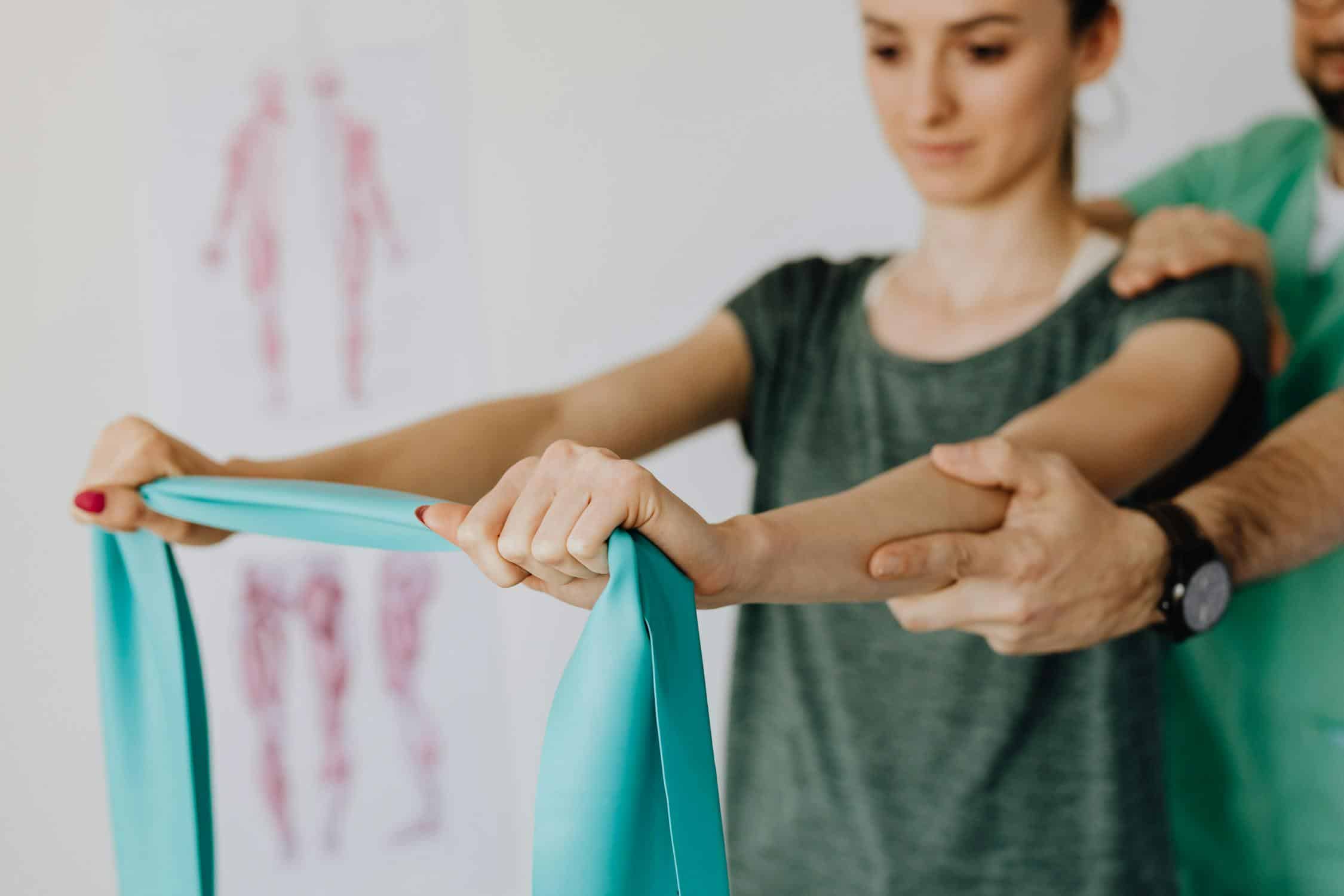
- Eccentric wrist flexion exercises: These exercises specifically load the injured tendons in healing-promoting ways. Research shows eccentric loading produces superior long-term outcomes compared to other exercise types.
- Grip strength progression: We systematically advance grip training from light resistance (therapy putty) to functional resistance (hand gripper) to golf-specific demands.
- Forearm pronation/supination training: Rotational movements that restore the specific flexibility and strength needed for your golf swing.
- Scapular and rotator cuff strengthening: Many Howell golfers develop golfer’s elbow due to weakness in their shoulder stabilizers. We address this upstream cause directly.
- Kinetic chain integration: We assess your core strength, hip mobility, and thoracic spine flexibility—factors that significantly influence elbow stress during your swing.
Phase 3: Return to Golf (Weeks 7+)
Once you’ve rebuilt strength, we progressively reintroduce golf-specific demands:
- Golf swing analysis: We analyze your swing mechanics to identify technical factors that may have contributed to injury. Poor sequencing, grip pressure, or technique issues often underlie golfer’s elbow in golfers.
- Short game progression: Beginning with chipping and pitching movements to reintroduce the wrist flexion and rotation your swing requires.
- Full swing retraining: Progressive advancement from practice swings to actual hitting, always staying within your pain-free range.
- Practice round simulation: Gradually increasing to full-length practice rounds before returning to competitive golf.
- Equipment optimization: Evaluating your clubs, grips, and swing characteristics to ensure your equipment matches your body and swing style.
Many Howell golfers find they return to golf not just pain-free, but with improved technique and understanding of their swing mechanics—a silver lining to the rehabilitation process.
How to Prevent Golfer’s Elbow from Returning
Once you’ve recovered from golfer’s elbow, preventing recurrence becomes the priority. Howell residents can maintain their recovery with these strategies:
Professional instruction: Working with a golf professional at Charleston Springs or Howell Park to refine your swing technique prevents many recurrences. Proper sequencing, grip pressure, and follow-through reduce repetitive stress on your tendons.
Conditioning before play: Howell’s active golf community needs ongoing forearm and rotator cuff conditioning. Perform your strengthening exercises 2-3 times weekly even after recovery is complete.
Gradual progression: When returning to golf after time away, follow the 10% rule—increase intensity, duration, or frequency by no more than 10% per week. This allows your tendons to adapt without becoming overwhelmed.
Club fitting and grip optimization: Ensure your clubs match your swing characteristics and that your grips are appropriate for your hand size and strength. Improper equipment choice significantly increases injury risk.
Maintenance warm-up: Always warm up with dynamic stretching before playing. Cold, stiff tendons are significantly more vulnerable to injury. A 5-10 minute warm-up reduces injury risk substantially.
Rest and recovery: Howell golfers sometimes develop golfer’s elbow from playing too frequently. One rest day per week is essential for tissue adaptation and recovery.
Flexibility maintenance: Continue your stretching routine indefinitely. Tight forearm muscles increase compensatory stress on tendons.
Why Howell Golfers Choose Trinity Rehab
Trinity Rehab isn’t just another clinic in Monmouth County. Our approach reflects deep understanding of the Howell golfing community and what brings golfers fulfillment.
We employ specialized assessment techniques that identify the root cause of your golfer’s elbow, not just treating pain symptomatically. We measure grip strength objectively, assess shoulder mechanics comprehensively, evaluate your entire kinetic chain, analyze your specific golf swing mechanics, and understand your personal goals and timeline. This comprehensive picture prevents the relapse that occurs when only symptoms are addressed.
Our therapists combine hands-on manual therapy with evidence-based exercise progressions and cutting-edge modalities like dry needling and EPAT shockwave therapy. Your treatment is customized based on how your elbow responds week to week, not dictated by a generic protocol.
For golf-specific care, our therapists understand the biomechanics of the golf swing and assess whether your technique contributes to injury. We partner with Howell golfers to address equipment fit, swing mechanics, and training strategies that prevent recurrence. Many patients find that by the time they complete rehabilitation, they’ve actually improved their golf game through better understanding of their mechanics.
Trinity Rehab Howell is conveniently located to serve all of western Monmouth County and Howell’s golfing community.
Related Conditions & Treatments
Golfer’s elbow often accompanies or overlaps with other conditions. Trinity Rehab treats a wide range of musculoskeletal conditions:
Related Elbow Care At This Location
Elbow pain patterns can overlap depending on grip, lifting, racquet sports, work tasks, and tendon load. A related same-location page is:
Frequently Asked Questions About Golfer’s Elbow in Howell
Can I still golf while being treated for golfer's elbow?
What makes golfer's elbow different from tennis elbow?
How often do I need physical therapy?
Is there a specific golf club or grip that prevents golfer's elbow?
What if conservative physical therapy doesn't work?
Will playing at Howell Park Golf Course affect my recovery?
Getting Back to the Green
Golfer’s elbow doesn’t have to end your season or hobby. With proper physical therapy, most Howell residents return to full golf within 8-12 weeks.
Trinity Rehab’s evidence-based approach, combined with your commitment to rehabilitation, delivers results: pain-free movement, restored grip strength, and confidence to enjoy Charleston Springs, Howell Park, or your home course without limitation.
The green is waiting. Your game is waiting. Let Trinity Rehab help you return to both.
Your Next Steps
If you’re experiencing inner elbow pain that interferes with your golf, work, or daily activities, contact Trinity Rehab Howell now.
During your initial evaluation, we’ll assess your elbow mechanics and grip strength, evaluate your movement patterns and kinetic chain, discuss your specific goals and timeline, create a personalized treatment plan with clear milestones, and answer all your questions about recovery.
Trinity Rehab Howell is ready to get you back to pain-free golf and full function. Schedule your appointment today at /physical-therapy-appointment/ or call us directly.
Don’t let golfer’s elbow dictate your season. Take control of your recovery starting today.
Visit Trinity Rehab in Howell
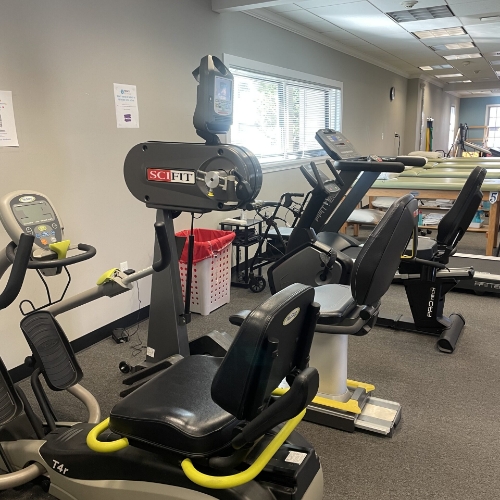
Our Howell clinic is conveniently located at 3600 US-9, Howell Township, NJ 07731. Call us at (732) 414-2727 to schedule your golfer’s elbow evaluation today.