

TENNIS ELBOW TREATMENT & PHYSICAL THERAPY IN HAMILTON, NJ — TRINITY REHAB
Eighteen tennis courts and a dedicated pickleball complex at Veterans Park. Fourteen indoor pickleball courts at Pickleball Kingdom on Route 130. League nights through Hamilton PAL. Weekend tournaments drawing players from across Mercer County. Hamilton Township has become one of Central New Jersey’s undeniable hotspots for racquet sports — and with that surge in participation has come a parallel rise in one very specific injury: lateral epicondylitis, better known as tennis elbow.
If you have been gripping a paddle three or four evenings a week, grinding through doubles at the Veterans Park Tennis & Pickleball Complex, or picking up a racquet for the first time in years because your neighbors finally convinced you to try pickleball, you are not alone. Hamilton’s ~93,000 residents have embraced these sports with real enthusiasm. But the repetitive motions involved in forehands, backhands, serves, and especially the wrist-snapping dink shots that define competitive pickleball put enormous strain on the forearm muscles that attach at the lateral elbow. When those tendons can’t keep up with the demand, the result is persistent elbow pain that doesn’t go away on its own.
At Trinity Rehab in Hamilton, our physical therapists treat tennis elbow every week — in players from Veterans Park leagues, golfers from Hamilton Trails Golf Club, hospital workers from RWJ Hamilton, and high school athletes competing in the Colonial Valley Conference. This article explains what lateral epicondylitis actually is, who in Hamilton is most at risk, and how targeted physical therapy delivers pain relief and long-term recovery without surgery.
What Is Tennis Elbow (Lateral Epicondylitis)?
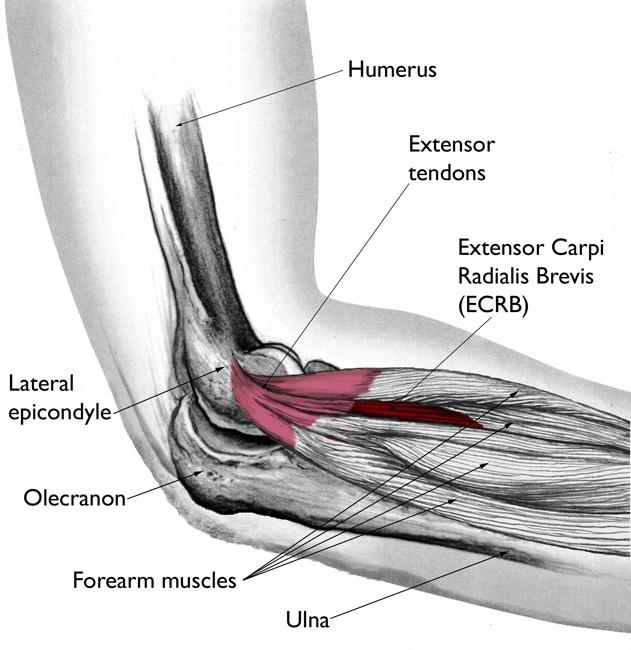
Tennis elbow is a repetitive strain condition affecting the tendons on the outside of the elbow — specifically where the forearm extensor muscles anchor to the lateral epicondyle, the bony prominence you can feel on the outer edge of your elbow. Despite the name, tennis elbow is not limited to tennis players. Any activity that involves repetitive gripping, twisting, or extending the wrist can cause it.
The underlying problem is tendon overload. When the muscles of the forearm are asked to perform the same motions over and over — swinging a racquet, gripping a golf club, lifting patients, scanning packages — microscopic damage accumulates in the tendon fibers faster than the body can repair it. This leads to pain, inflammation in the early stages, and eventually a breakdown of tendon structure called tendinosis if left untreated. You may notice pain when you grip a coffee mug, turn a doorknob, shake hands, or try to lift even lightweight objects with your palm facing down.
Key symptoms include:
- Burning or aching pain on the outside of the elbow
- Weakness in grip strength, especially when gripping with the palm facing away from you
- Pain that worsens with wrist extension or forearm rotation
- Tenderness directly over the lateral epicondyle
- Discomfort that radiates into the forearm muscles
The good news: physical therapy is the front-line, evidence-based treatment for tennis elbow management, and it works. Research consistently shows that structured rehabilitation produces better outcomes than cortisone injections or watchful waiting — and it addresses the root cause rather than masking symptoms.
Who in Hamilton Is at Risk?
Hamilton’s unique mix of recreational infrastructure, healthcare employment, and suburban lifestyle creates several distinct populations vulnerable to lateral epicondylitis.
Racquet Sports Players
The Veterans Park Tennis & Pickleball Complex is the crown jewel — 18 courts that host tournaments, ladder leagues, and casual play year-round. Add Pickleball Kingdom’s 14 indoor courts, and Hamilton residents have access to racquet sports every day of the year regardless of weather. That accessibility is wonderful for fitness but means players can easily overdo volume before their tendons adapt. Pickleball is especially deceptive: the smaller court and lighter paddle make it feel low-impact, but the rapid-fire wrist action during volleys and dinks generates significant repetitive stress on the lateral elbow.
Golfers
Hamilton Trails Golf Club and the Golf Center Complex driving range attract golfers from across the township. The trailing arm in a golf swing (the lead elbow for right-handed players) absorbs tremendous force at impact, particularly when hitting off mats or striking the ground on a fat shot. A Steinert High School golfer practicing daily for Colonial Valley Conference matches faces the same tendon overload risk as a weekend warrior teeing off at Hamilton Trails — sometimes more, because young athletes tend to push through pain rather than rest.
Healthcare and Warehouse Workers
Robert Wood Johnson University Hospital Hamilton employs hundreds of nurses, technicians, and support staff whose daily tasks involve repetitive lifting, turning, and gripping. Transferring patients, operating equipment, and performing the same manual tasks across a 12-hour shift places sustained demand on the forearm extensors. Similarly, Hamilton’s growing corridor of warehouses and distribution centers means many residents spend shifts scanning, lifting, and sorting packages — all activities that load the same tendon complex involved in tennis elbow.
Weekend Warriors and Parents
Hamilton is a family-oriented township. Parents chasing kids across the largest playground in New Jersey at Veterans Park, carrying groceries, assembling furniture, doing yard work at homes throughout the township — these everyday activities, when combined with a new pickleball habit or a return to tennis after years away, can tip forearm tendons past their tolerance threshold.
How Trinity Rehab Treats Tennis Elbow
At Trinity Rehab, we don’t hand you a sheet of exercises and send you on your way. Tennis elbow treatment requires a systematic, progressive approach that reduces pain, rebuilds tendon tolerance, and restores function — whether your goal is returning to Veterans Park league play or getting through a shift at RWJ Hamilton without wincing every time you lift a chart.
Comprehensive Evaluation
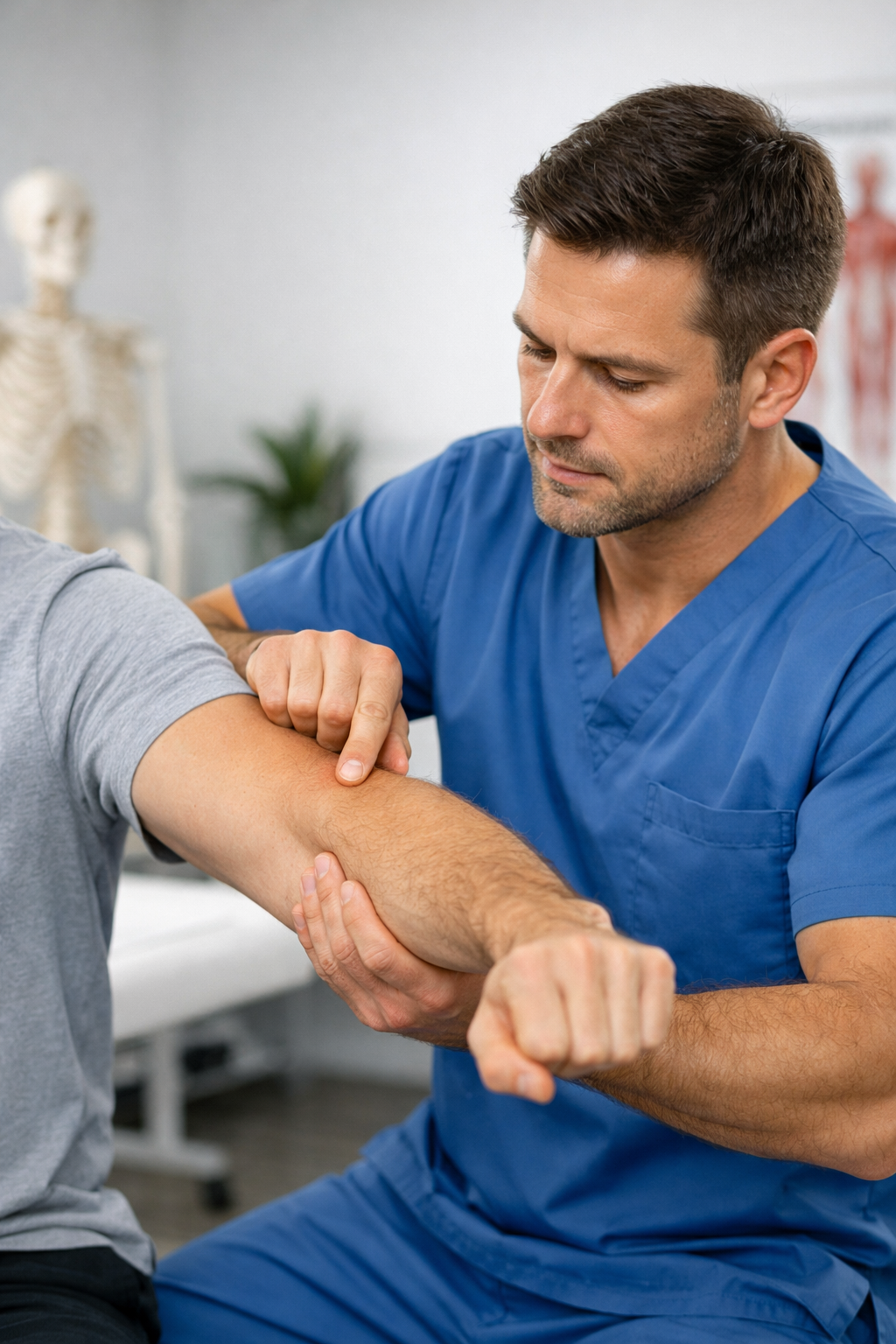
Your physical therapist begins with a thorough assessment: pain location and severity, grip strength testing, range of motion, functional limitations, and a detailed history of your activities. Understanding that you just joined a Pickleball Kingdom league and jumped from zero to four sessions a week matters — it tells us this is a load management problem, not just an anatomy problem.
Manual Therapy
Hands-on manual therapy techniques — including soft tissue mobilization of the forearm extensors, joint mobilization of the elbow and wrist, and myofascial release — reduce pain and improve tissue mobility early in treatment. Our one-on-one care model means your physical therapist is working directly with you for the entire session, not supervising from across the room.
Eccentric Exercise and Progressive Loading
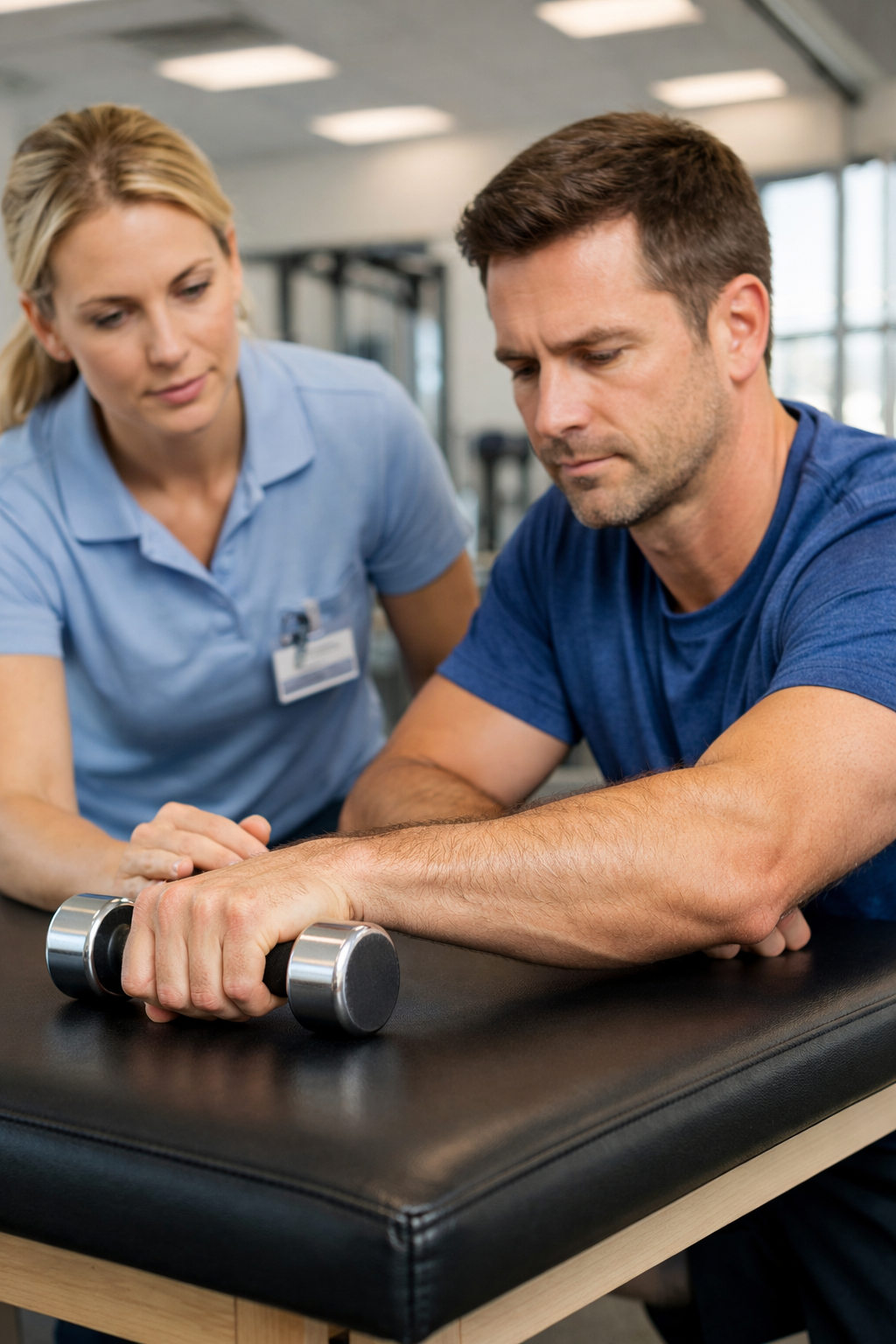
Eccentric exercise is the cornerstone of tendon rehabilitation. These exercises involve slowly lowering a weight with the wrist — controlling the load as the forearm muscles lengthen — which stimulates tendon remodeling and builds tendon tolerance over time. We progress from basic wrist eccentrics to functional movements that mirror your sport or work demands, systematically increasing load to ensure the tendon adapts without flaring up.
Strengthening and Grip Strength Restoration
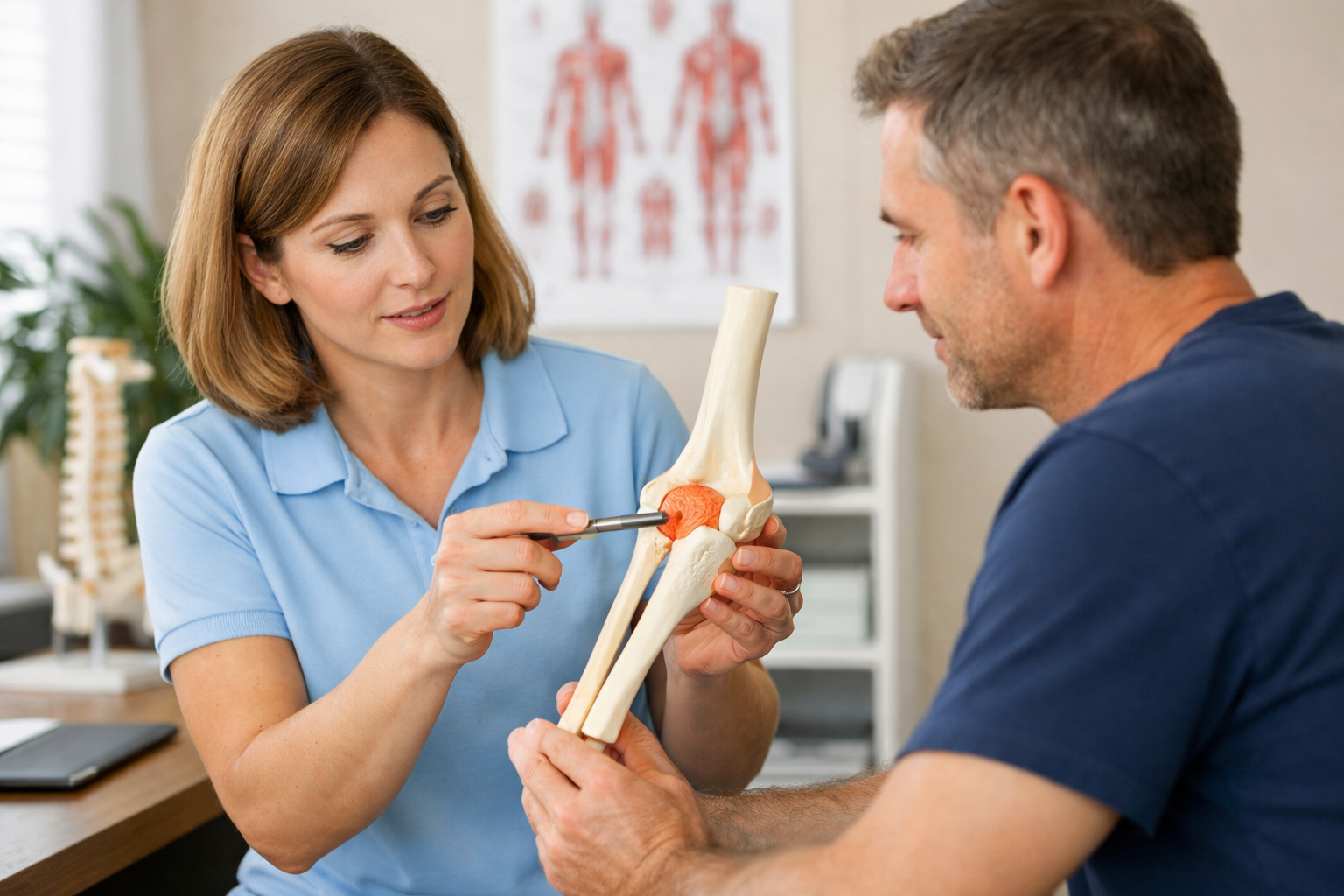
Beyond the wrist extensors, we address the entire kinetic chain. Shoulder stability, scapular strength, and rotator cuff function all influence how force is distributed through the arm during racquet sports and lifting. Restoring grip strength is a key milestone — when you can grip your pickleball paddle or golf club firmly without pain, you know the tendon is recovering.
Advanced Modalities: EPAT and Dry Needling
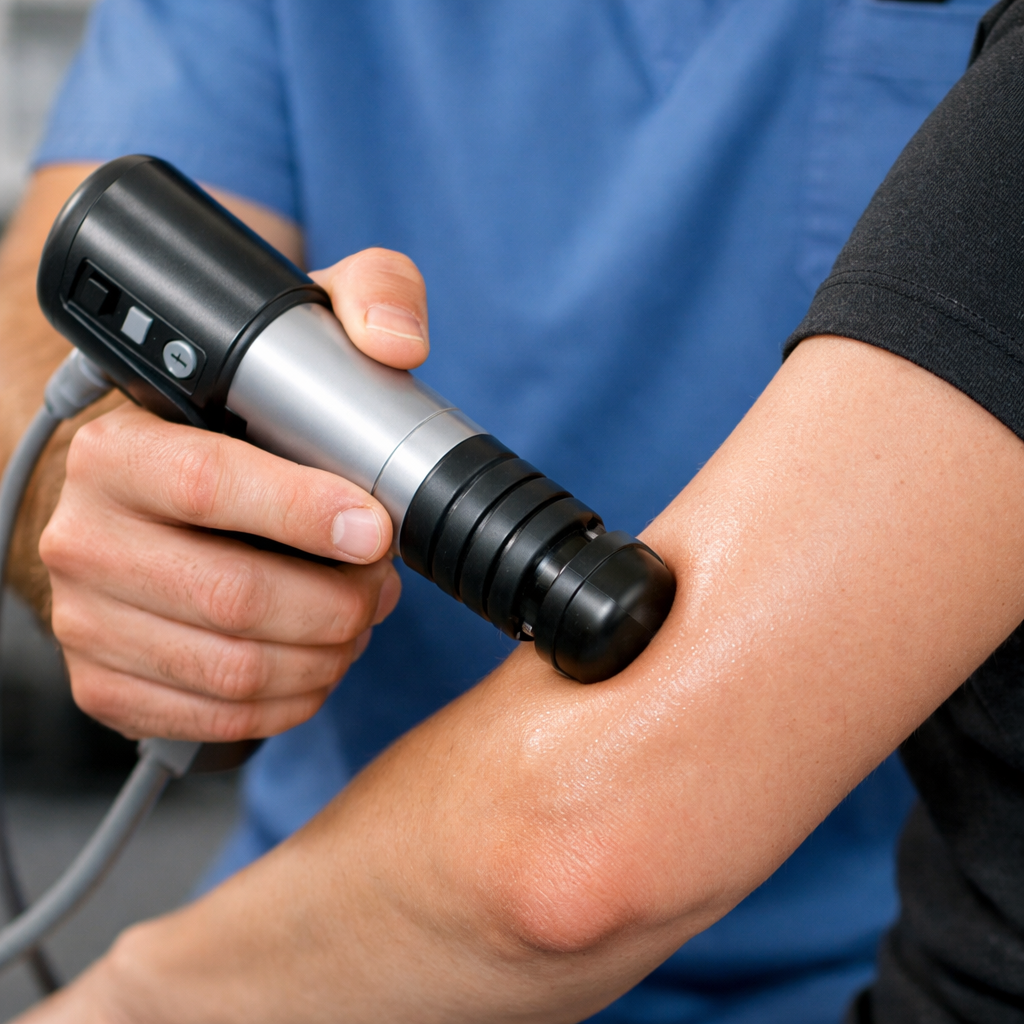
For persistent or chronic cases, Trinity Rehab offers advanced treatment options. EPAT (Extracorporeal Pulse Activation Technology) uses acoustic pressure waves to stimulate blood flow and accelerate tissue healing in the damaged tendon. Dry needling targets myofascial trigger points in the forearm muscles that contribute to pain and dysfunction. Both modalities complement the exercise-based rehabilitation program and can accelerate recovery timelines.
Activity Modifications and Equipment Guidance
We help you make smart adjustments so you can stay active during recovery. That might mean temporarily reducing pickleball session frequency, using a counterforce strap (a brace worn just below the elbow that redistributes force away from the damaged tendon), adjusting your paddle grip size, or modifying your swing mechanics. For workers at RWJ Hamilton or local distribution centers, we develop strategies to reduce repetitive strain on the job — different lifting techniques, workstation adjustments, and micro-break protocols.
Home Exercise Program
Every patient leaves with a clear, progressive home exercise program. The equipment needed is minimal — typically a light dumbbell or resistance band and a flat surface. Consistency between sessions is what drives tendon adaptation and long-term recovery, and we make sure you know exactly what to do and how to progress.
Why Choose Trinity Rehab in Hamilton?
- Direct Access — no referral needed. New Jersey law allows you to see a physical therapist without a physician referral. If your elbow has been hurting for weeks, you do not need to wait for a doctor’s appointment to start treatment. Call Trinity Rehab directly.
- One-on-one care. Every session is spent with your physical therapist — not an aide, not a technician. This model produces better outcomes because treatment is continuously adjusted based on how you respond.
- Local expertise. We understand Hamilton’s recreational landscape — the Veterans Park courts, the pickleball boom, the golf culture, the demands of healthcare work at RWJ Hamilton. That context shapes how we design your treatment plan and set your long-term goals.
- Evidence-based treatment. Our approach is grounded in current research on tendon rehabilitation, load management, and pain science. We use manual therapy, eccentric exercise, EPAT, dry needling, and progressive strengthening because these methods are proven to reduce pain and restore function.
- Convenient for Hamilton residents. Whether you are commuting to Trenton, Philadelphia, or New York via NJ Transit, our scheduling accommodates working professionals and busy families.
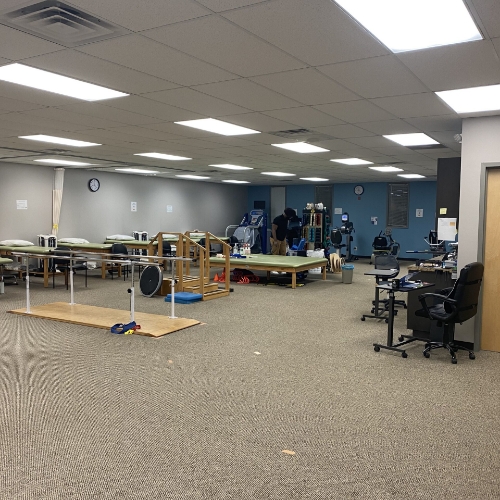
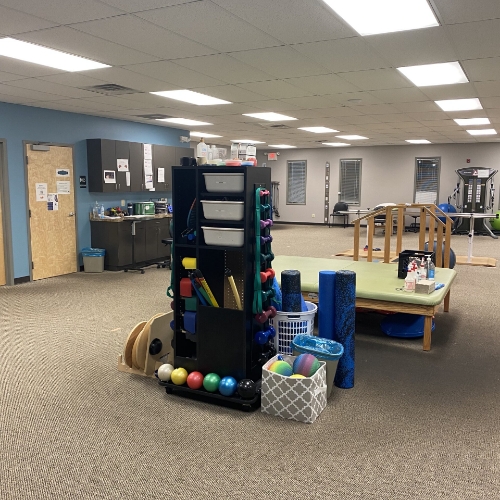
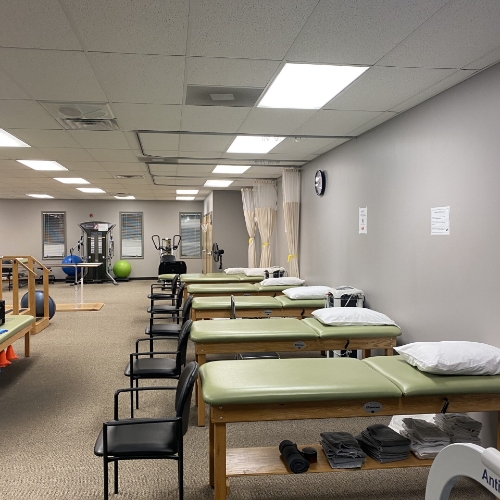
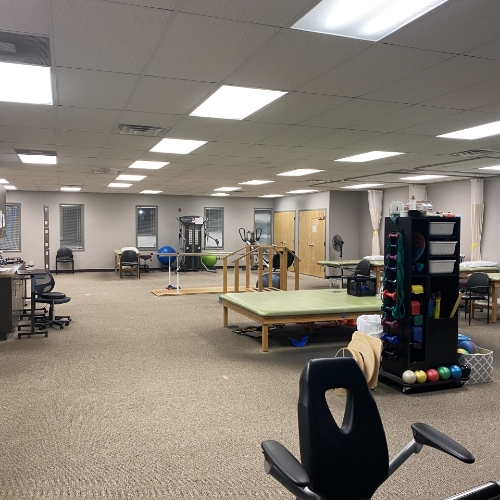
Inside Our Hamilton Clinic
Related Conditions & Treatments
Tennis elbow is just one of the many conditions we treat at Trinity Rehab Hamilton. Explore our full range of conditions we treat or learn more about specific treatment approaches:
- Tennis Elbow Treatment Overview — Our comprehensive guide to lateral epicondylitis recovery
- Elbow, Wrist & Hand Pain Relief — Other upper extremity conditions we specialize in
- Shoulder Pain Relief — Treatment for rotator cuff, frozen shoulder, and more
- Manual Therapy — Hands-on techniques to restore joint mobility and reduce pain
- Dry Needling — Trigger point therapy for deep muscle tension and pain relief
Related Elbow Care At This Location
Elbow pain can come from different tendon and loading patterns around the joint. A related same-location page is:
Frequently Asked Questions
How long does it take to recover from tennis elbow with physical therapy?
Can I keep playing pickleball or tennis during treatment?
Do I need an X-ray or MRI before starting physical therapy?
Is tennis elbow the same as golfer’s elbow?
What if my tennis elbow doesn’t improve with physical therapy?
If elbow pain is keeping you off the courts at Veterans Park, slowing your golf game at Hamilton Trails, or making every shift at work harder than it should be, Trinity Rehab in Hamilton is ready to help. Our physical therapists specialize in treating tennis elbow with a hands-on, evidence-based approach designed around your life and your goals.
You do not need a referral. Call Trinity Rehab today to schedule your evaluation and start your recovery. Hamilton’s courts will be there when you are ready — let us help you get back to them.