
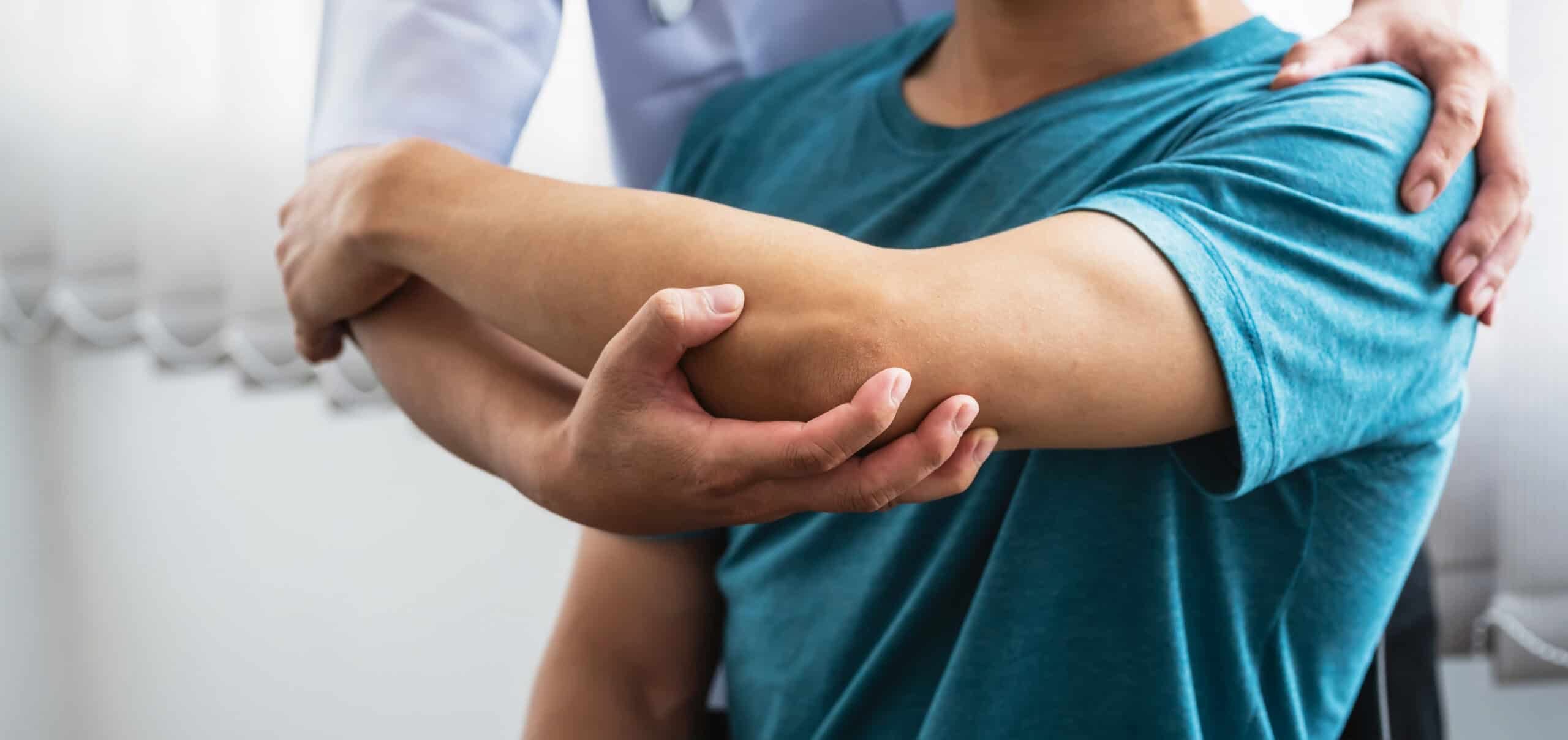
Golfer’s Elbow Treatment in Hamilton, NJ: Return to the Green and Beyond
Walking across the grounds at Grounds for Sculpture or gripping your putter at Mountain View Golf Course should feel effortless—but when medial epicondylitis develops, even the simplest swing becomes painful. Hamilton’s 88,000 residents understand the frustration of elbow pain that creeps in during leisure and persists into daily life. Whether you’re a serious golfer, recreational player, or someone who discovered elbow pain through everyday activities, Trinity Rehab in Hamilton specializes in the targeted care that gets you back to pain-free movement.
Golfer’s elbow isn’t just a golfer’s problem. The condition affects assembly workers at local manufacturing facilities, desk professionals, and homeowners tackling weekend projects. What matters now is understanding how to address it—and Trinity Rehab’s evidence-based approach delivers results.
Why Golfer’s Elbow Relief Matters for Hamilton Residents
Medial epicondylitis involves inflammation of the tendons on the inner side of your elbow where they attach to the bone. This “golfer’s elbow” differs from tennis elbow (which affects the outer elbow) and requires specialized treatment that understands the mechanics of grip and rotational stress.
For Hamilton residents, the impact extends beyond the golf course. Pain in your inner elbow interferes with work performance, recreational activities, daily tasks, and sleep quality. When Trinity Rehab addresses your golfer’s elbow, we’re restoring not just your ability to golf, but your confidence in using your arm throughout the day.
Common Causes in the Hamilton Community
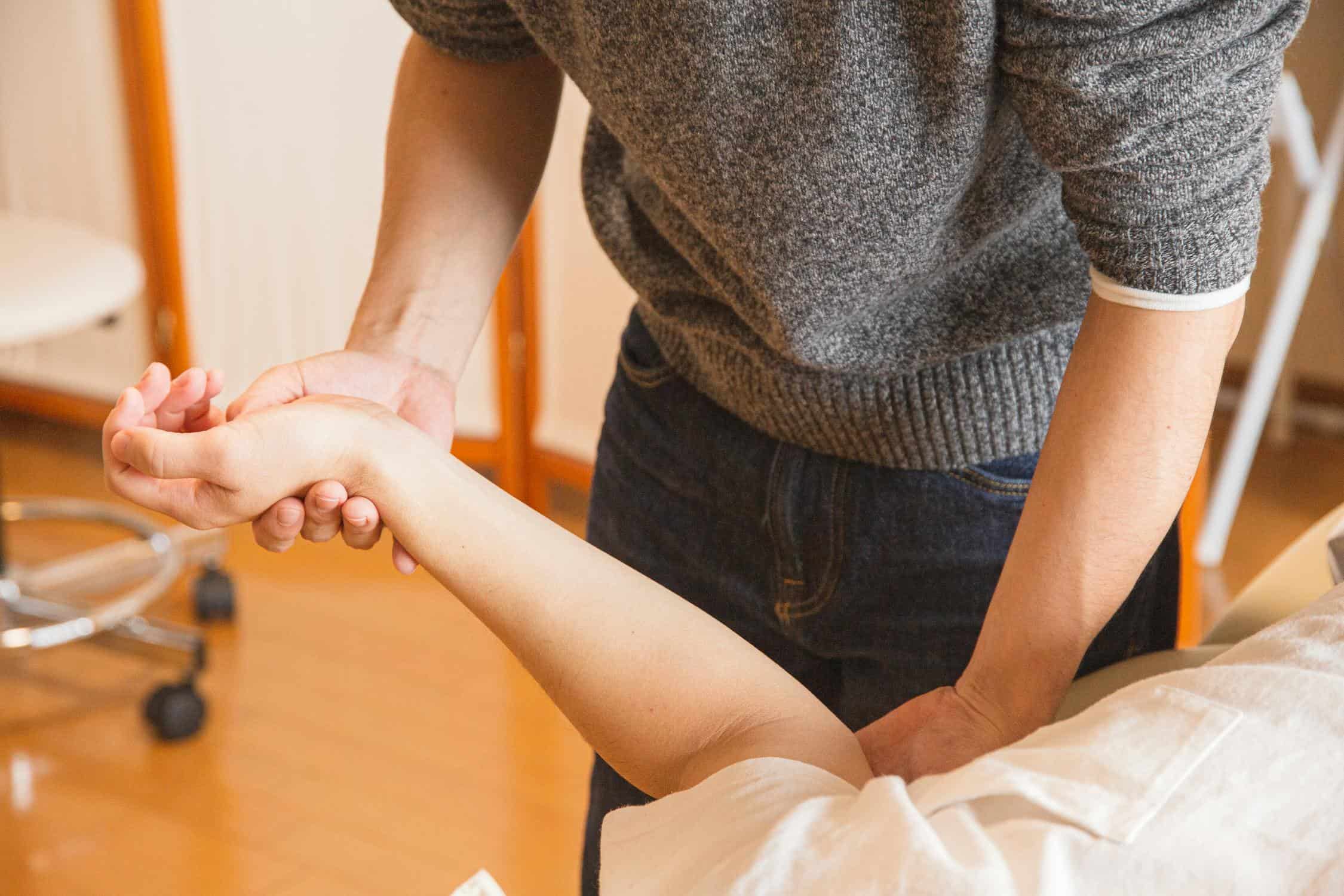
Hamilton’s workforce and lifestyle create specific risk factors for golfer’s elbow. Work-related causes from manufacturing and trades positions involve repetitive gripping and forearm rotation. Nurses, dental professionals, and physical therapists often develop golfer’s elbow from job demands. Golf and racquet sports at Mountain View Golf Course involve the repetitive, forceful swings that concentrate stress on the medial epicondyle. Lifestyle factors include overuse without adequate rest, sudden intensity increases without conditioning, poor equipment choices, inadequate warm-up, and weak stabilizer muscles. Age-related degenerative changes appear more readily in people over 40 as tendons lose elasticity.
Trinity Rehab evaluates all contributing factors to address the root cause, not just the pain.
Symptoms Patients Often Notice
Golfer’s elbow typically begins with mild discomfort and worsens without intervention. Common patterns include inner elbow pain during or after gripping, grip strength weakness, elbow stiffness, numbness or tingling in the ring and pinky fingers, radiating pain down the forearm toward the wrist, tenderness on the medial epicondyle, and difficulty with throwing, serving, or rotating movements.
Many Hamilton patients delay seeking care because they assume pain will resolve on its own. Without treatment, compensation patterns develop—you unconsciously alter your swing, grip, or posture to avoid pain. This creates secondary problems in the shoulder, neck, and opposite arm.
Trinity Rehab’s early assessment catches these patterns before they entrench.
How Physical Therapy Restores Function
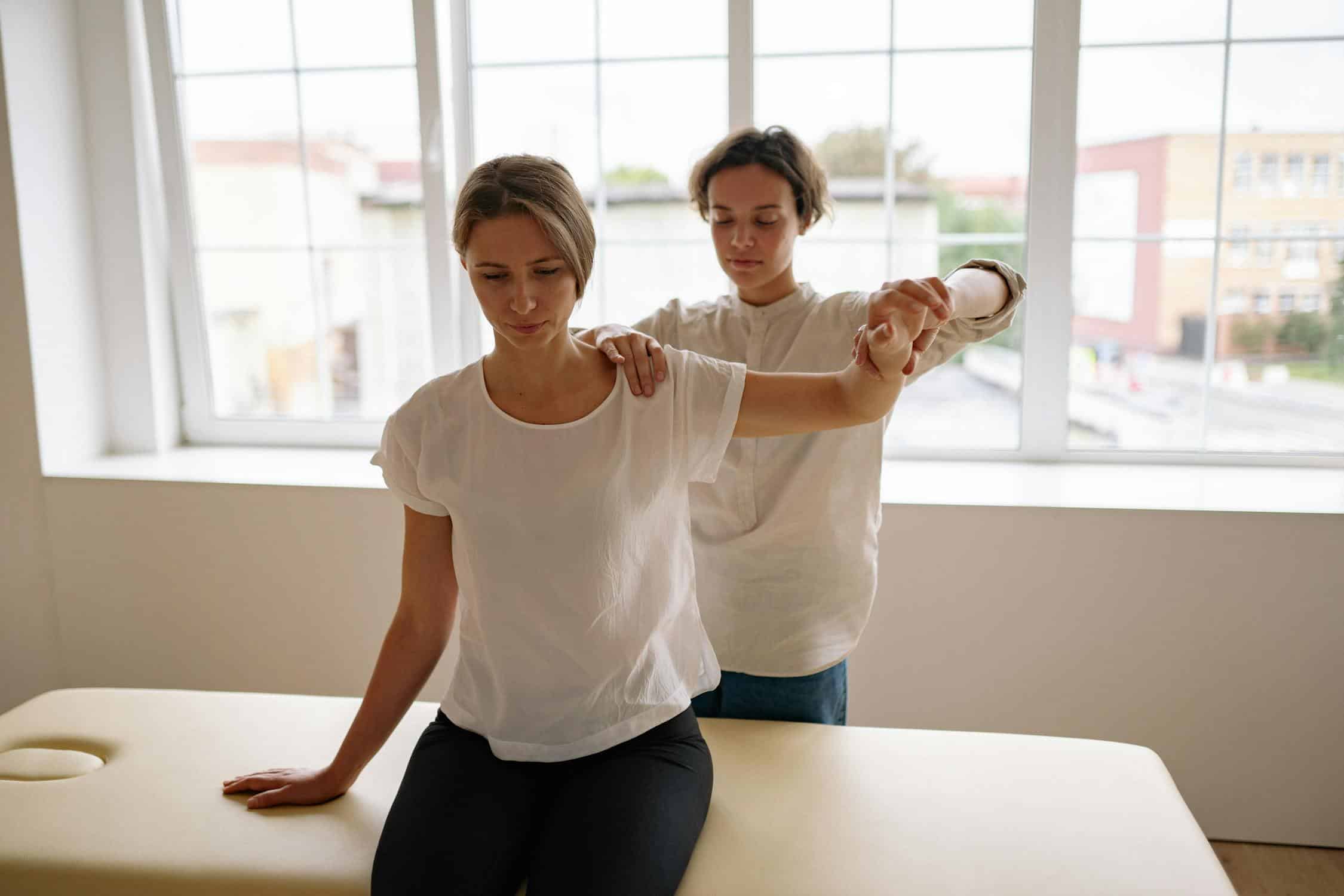
Our three-phase approach combines manual therapy, targeted exercises, and functional training to resolve golfer’s elbow comprehensively.
Phase 1: Reduce Inflammation and Protect the Injury (Weeks 1-2)
Initial treatment focuses on calming inflammation and protecting the healing tendon from further stress. We identify which activities aggravate your elbow and teach you how to continue moving without compromising healing. Cryotherapy reduces swelling, and therapeutic ultrasound or EPAT stimulates tissue repair. Soft tissue mobilization reduces muscle guarding and improves circulation. A counterforce brace diverts stress away from the injured tendon attachment.
You’ll learn the difference between complete rest (which weakens muscles) and active rest (which maintains function while protecting the injury).
Phase 2: Build Strength and Restore Range of Motion (Weeks 3-6)
As inflammation decreases, we introduce progressive strengthening to restore your elbow’s load-bearing capacity. Wrist flexion/extension and pronation/supination movements target the flexor-pronator muscles. Grip strength training rebuilds your ability to grip firmly without pain. Rotator cuff and scapular stability work prevent compensation patterns. Functional grip variations build versatility. Dry needling releases tension and promotes healing. Manual therapy including soft tissue mobilization and joint mobilization maintains and enhances range of motion.
Phase 3: Return to Sport and Prevention (Weeks 7+)
Once strength returns, we progressively reintegrate sport-specific or work-specific movements. Golf swing mechanics training addresses short game, full swing, and power generation. Equipment assessment and training evaluate your golf clubs, grip, and technique to minimize stress. Sport/activity progression gradually increases intensity, duration, and frequency. Proprioceptive training ensures your entire kinetic chain supports your elbow.
By the end of Phase 3, you’re not just pain-free—you’re stronger and more resilient than before the injury.
How to Prevent Golfer’s Elbow from Returning
Prevention is far simpler than rehabilitation. Hamilton residents can maintain healthy elbows with these strategies: Proper technique—consistent, controlled movements prevent the microtrauma that leads to tendonitis. Poor form concentrates force in small areas; good form distributes it across the kinetic chain. Gradual progression—when starting a new activity or returning to golf after time away, increase intensity slowly using the 10% per week rule. Adequate recovery—rest days matter because muscles rebuild during recovery, not during activity. A day between intense activities allows tissue repair. Equipment investment—your golf clubs, grips, and tools matter significantly. Warm-up and stretching—5-10 minutes of dynamic warm-up before activity and static stretching after maintain flexibility and prepare tissues for stress. Strength maintenance—ongoing forearm and rotator cuff strengthening ensures your muscles support your tendons under load.
Why Patients Choose Trinity Rehab Hamilton
Trinity Rehab isn’t just another clinic in the Hamilton area. Our approach reflects deep understanding of how local residents use their bodies and what brings them fulfillment.
We employ specialized assessment techniques that identify the root cause of your golfer’s elbow, not just treating pain symptomatically. We evaluate grip strength objectively, assess shoulder and neck mechanics, analyze movement patterns, and understand your specific goals. This comprehensive picture prevents relapse that occurs when only symptoms are addressed.
Our therapists combine hands-on manual therapy with evidence-based exercise progressions and cutting-edge modalities like dry needling and EPAT shockwave therapy. Your treatment is customized based on how your elbow responds week to week.
For golf-specific care, our therapists understand the biomechanics of the swing and assess whether your technique contributes to injury. We partner with local golfers to address equipment fit, swing mechanics, and training strategies that prevent recurrence.
Trinity Rehab Hamilton is conveniently located to serve Mercer County residents.
FAQs About Golfer’s Elbow
Can I golf while treating golfer's elbow?
How long does treatment usually take?
Will I need surgery?
Should I use heat or ice?
What if my elbow pain travels to my wrist or up my arm?

Getting Back to What Matters
Golfer’s elbow doesn’t have to sideline you indefinitely. With proper treatment, most Hamilton residents return to golf, work, and recreational activities within weeks.
Trinity Rehab’s evidence-based approach, combined with your commitment to the rehabilitation process, delivers the outcomes you want: pain-free movement, restored grip strength, and the confidence to enjoy the activities that matter most.
The green at Mountain View Golf Course should feel welcoming again. Your daily work should feel manageable. And most importantly, your elbow should stop limiting your life.
Your Next Steps
Don’t wait for your golfer’s elbow to worsen or lead to chronic compensation patterns. Contact Trinity Rehab Hamilton today to schedule your evaluation with one of our specialists.
During your appointment, we’ll assess your elbow mechanics and pain patterns, evaluate grip strength and range of motion, discuss your specific goals and timeline, create a personalized treatment plan with clear milestones, and answer all your questions about recovery and prevention.
Trinity Rehab is ready to help you return to pain-free golf, work, and life in Hamilton. Schedule your appointment today at /physical-therapy-appointment/.
Your recovery starts with a single decision. Make it today.
Visit Trinity Rehab in Hamilton
Our Hamilton clinic is conveniently located at 3635 Quakerbridge Rd, Hamilton Township, NJ 08619. Call us at (609) 588-9119 to schedule your golfer’s elbow evaluation today.
Related Elbow Care At This Location
Elbow pain patterns can overlap depending on grip, lifting, racquet sports, work tasks, and tendon load. A related same-location page is: