
PLANTAR FASCIITIS TREATMENT IN HAMILTON, NJ | TRINITY REHAB
MERCER COUNTY’S ACTIVE COMMUNITY DESERVES PAIN-FREE STEPS
Hamilton Township is one of central New Jersey’s most dynamic communities — and its residents are not the sitting-still type. Veterans Park hosts tennis and pickleball courts and sports fields that fill up evenings and weekends. The Abbott Marshlands at John A. Roebling Memorial Park offer hiking trails along Spring Lake and the Delaware River canal corridor that draw walkers and nature lovers year-round. Mercer County Park connects Hamilton residents to miles of jogging and biking paths. She Runs This Town and the Trenton Track Club bring together runners of all levels for group workouts on local routes.
And then there is the employment landscape: Robert Wood Johnson University Hospital Hamilton and Capital Health Hamilton together represent two major healthcare facilities with large nursing and support staff populations — people who spend twelve-hour shifts on tile and concrete floors. Warehouse and industrial operations along Routes 130 and I-195 corridors add thousands more workers in standing-intensive jobs to the equation.
Against this backdrop, plantar fasciitis is not just a foot problem — it is a disruption to careers, recreation, and daily quality of life. The stabbing, burning heel pain that makes those first morning steps an ordeal, and that comes back after every rest period throughout the day, can feel like it controls your schedule. It does not have to.
Trinity Rehab in Hamilton provides the expert, evidence-based physical therapy that resolves plantar fasciitis — not just masks it.
WHAT PLANTAR FASCIITIS ACTUALLY IS
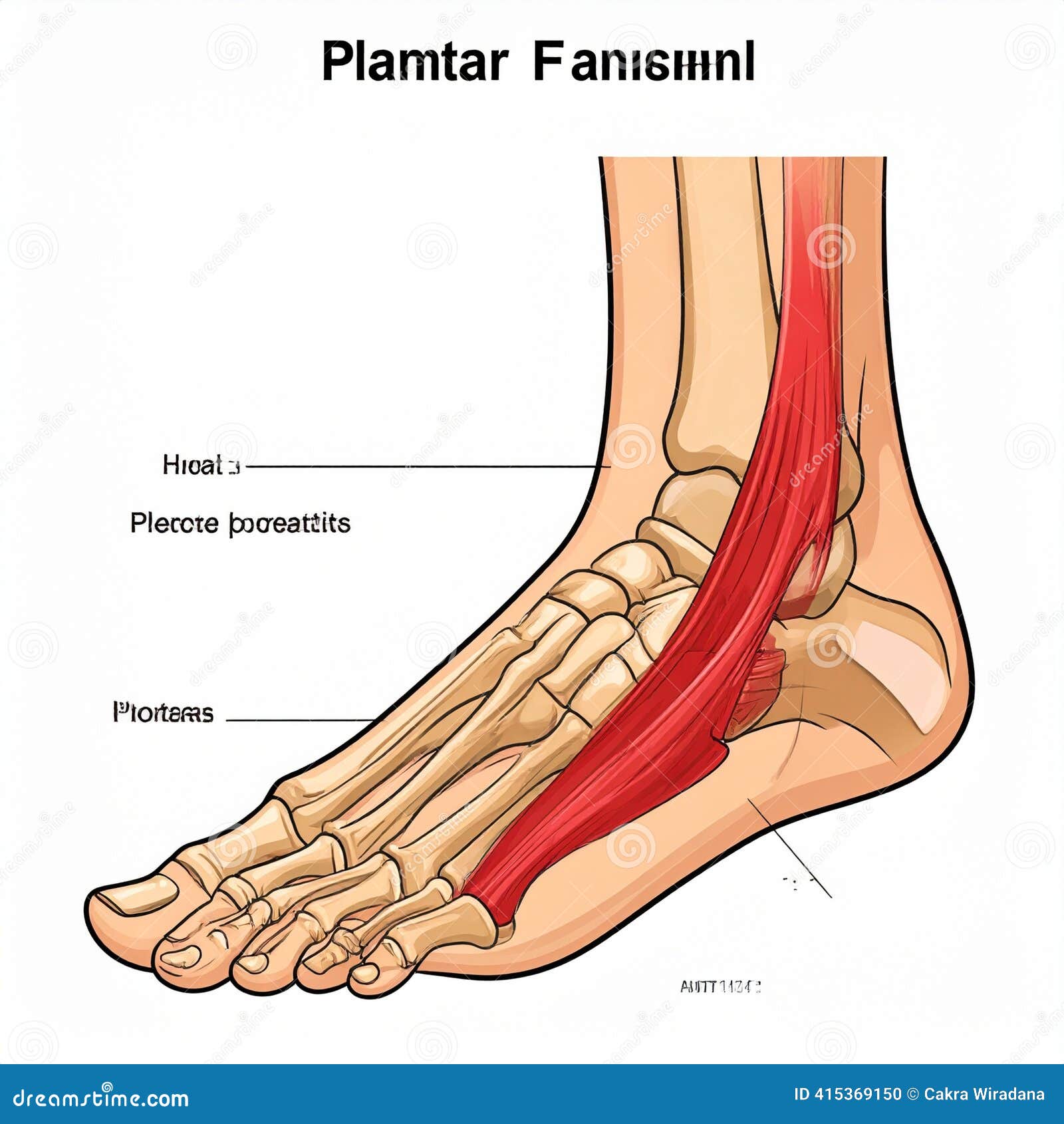
Your plantar fascia is a thick band of connective tissue running along the entire sole of your foot, connecting the calcaneus (heel bone) to the base of the toes. It functions as the main structural cable for the foot’s arch and a critical shock absorber for every step you take. The windlass mechanism describes how the fascia loads and releases tension as the foot strikes the ground, supports weight, and propels forward.
Plantar fasciitis begins when repetitive mechanical stress creates micro-tears at the fascial origin near the heel — the point where forces are greatest. The body responds with inflammation to initiate repair, and that inflammation produces the pain. The cycle perpetuates itself because incomplete healing is repeatedly disrupted by the next day’s loading.
Left untreated for months, the inflammatory stage can transition to structural degeneration — a state clinicians call plantar fasciopathy — where the tissue’s normal fibrous architecture breaks down and becomes less responsive to simple rest and stretching. This is why early treatment delivers faster, more complete results than waiting it out.
The reason morning pain is so intense: the plantar fascia naturally shortens during sleep. Standing suddenly loads the contracted tissue under full bodyweight, re-stressing every micro-tear site in an instant. The first steps from bed can be genuinely agonizing — but as the tissue warms with movement, the pain usually eases temporarily.
RELATED CONDITIONS & TREATMENTS
Plantar fasciitis is just one of the many conditions we treat at Trinity Rehab Hamilton. Explore our full range of conditions we treat or learn more about specific treatment approaches:
HAMILTON’S RISK PROFILE: WHO GETS PLANTAR FASCIITIS AND WHY
Hamilton Township’s size — nearly 96,000 residents — and its mix of occupations, sports culture, and recreational infrastructure create a predictable set of plantar fasciitis risk factors.
Runners and Walkers at Mercer County Park and Abbott Marshlands: Hamilton residents have access to some of Mercer County’s best outdoor recreation — the trail system at John A. Roebling Memorial Park through the Abbott Marshlands, the jogging and biking paths throughout Mercer County Park, and neighborhood sidewalks connecting Hamilton’s many subdivisions. She Runs This Town, a women’s running club, and the Trenton Track Club draw regular participants to group workouts. The combination of variable terrain at Abbott Marshlands and the spring surge in running activity that follows every winter off creates predictable plantar fasciitis risk in these populations.
Hamilton PAL and Multi-Sport Youth Athletes: Hamilton PAL (Police Athletic League) provides youth sports programs including basketball, wrestling, field hockey, and cheerleading. The YMCA competitive sports programs and HTRSA soccer league round out the youth athletics ecosystem. Young athletes in hard-court shoes, cleated boots, and wrestling shoes absorb significant repetitive heel stress through sprinting, jumping, and lateral movement. Parents and coaches who stand on gym floors and turf fields for extended periods are a secondary at-risk population.
High School Athletics: Nottingham High School (Northstars), Steinert High School (Spartans), and Hamilton High School West (Hornets) each field full athletic programs with football, basketball, track and field, field hockey, soccer, and more. Athletes pushing through preseason conditioning and competition schedules take their feet through enormous cumulative loading cycles.
Healthcare Workers: Robert Wood Johnson University Hospital Hamilton and Capital Health Hamilton together employ hundreds of nurses, aides, and support workers who stand on hard hospital flooring for entire shifts. The combination of hard surface, extended standing, and often inadequate occupational footwear is a classic formula for fascial breakdown.
Warehouse and Industrial Workers: The Route 130 and I-195 industrial corridor brings warehouse, logistics, and manufacturing workers to Hamilton in large numbers. Prolonged standing and repetitive walking on concrete, often in footwear that does not prioritize arch support, creates cumulative fascial loading that builds toward injury over months.
Recreational Tennis and Pickleball: Veterans Park’s courts have drawn a growing pickleball community. The quick lateral movements, stop-and-go footwork, and hard surfaces that define these sports place shear and impact stress on the plantar fascia — particularly in adults returning to court sports after a layoff.
THE SYMPTOMS: WHAT PLANTAR FASCIITIS FEELS LIKE IN REAL LIFE
A Steinert High School soccer player reports heel pain that is fine during warm-ups but severe the morning after every match — she is starting to avoid early-morning practice because the locker room walk is unbearable. A RWJUH Hamilton nurse describes a stabbing sensation every time she stands from the nursing station after a brief sit-down break; she has started taking stairs one step at a time. A She Runs This Town member increased her weekend long-run mileage by five miles over three weeks and now cannot walk to the kitchen without pain.
Classic plantar fasciitis signs and symptoms:
- Severe first-step pain — sharp, often described as stepping on a nail or a piece of glass; peaks immediately upon weight-bearing after sleep or prolonged rest
- Post-rest flares — the pain cycle restarts after sitting in a car, at a desk, or at a sporting event
- Precise heel tenderness — pressing the inner base of the heel with a thumb reproduces the exact pain
- Arch tightness — a burning, pulling sensation along the sole, especially in the morning and after prolonged activity
- Delayed exercise pain — symptoms often peak the evening or morning after activity, not during
- Altered gait — unconscious compensations including limping, toe-walking, and shortened stride
These compensations redirect stress to the ankles, knees, hips, and lumbar spine, often triggering lower back pain and sciatica. The sooner plantar fasciitis is treated, the simpler the recovery.
HOW TRINITY REHAB HAMILTON TREATS PLANTAR FASCIITIS
Trinity Rehab’s Hamilton location provides physical therapy that starts with a comprehensive evaluation — not a generic program. Your licensed physical therapist assesses your foot mechanics, ankle dorsiflexion range, calf flexibility, gait pattern, footwear, and the specific demands of your occupation, sport, and daily activities. From that foundation, a personalized treatment plan is built and adjusted as you progress.
Explore our dedicated foot and ankle pain page and our complete conditions list.
PHASE 1: REDUCING PAIN AND RESTORING MOBILITY
The opening phase targets the inflammatory cycle and restores enough normal movement to allow you to function without severe pain. Hands-on manual therapy is the primary tool — including:
- Subtalar and ankle joint mobilization to restore restricted range of motion and reduce mechanical stiffness. Research in the Journal of Orthopaedic & Sports Physical Therapy demonstrates that this intervention combined with stretching produces significantly greater improvement in pain and function than conventional care.
- Instrument-assisted soft tissue mobilization (IASTM) — targeted work through adhesions along the plantar fascia and calf complex, promoting healthy tissue remodeling.
- Myofascial trigger point release — sustained pressure techniques address the chronic deep tension in the gastrocnemius, soleus, and foot intrinsic muscles that perpetuates fascial overload.
Kinesiology taping provides fascial offloading between sessions.
PHASE 2: REBUILDING STRENGTH AND FLEXIBILITY
With acute pain controlled, the focus shifts to correcting the underlying deficits:
- Plantar fascia-specific stretch — seated toe-extension stretch before first morning steps; the highest-evidence single intervention in the plantar fasciitis literature
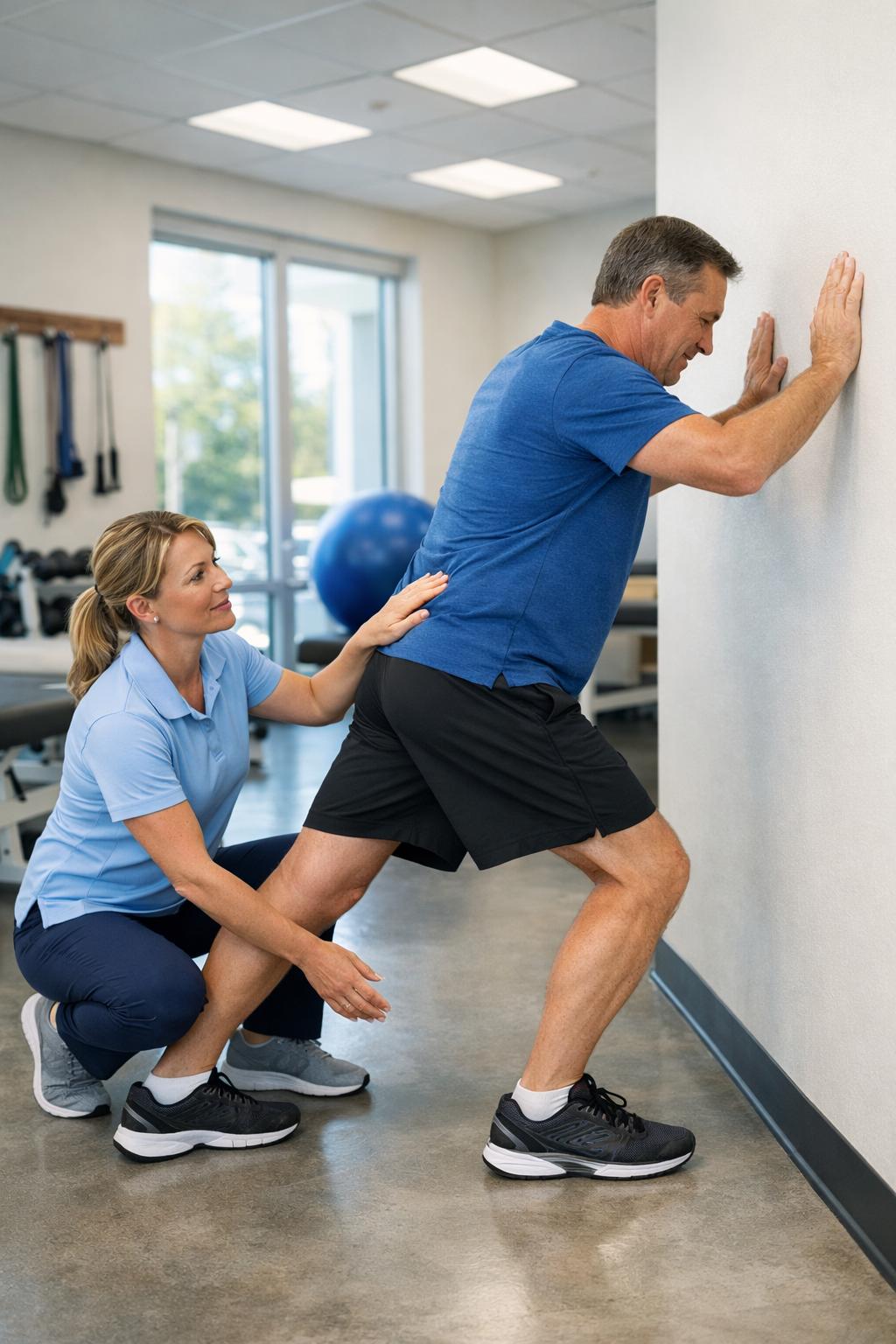
- Calf and Achilles flexibility — gastrocnemius and soleus stretching to restore ankle dorsiflexion, which when restricted directly increases heel loading
- Intrinsic foot strengthening — short-foot exercises, towel scrunches, and single-leg balance work build the muscular arch support that reduces passive fascial demand
- Eccentric calf loading — progressive heel drops off a step edge build tendon and fascial tensile strength
For RWJUH and Capital Health staff returning to full shifts, this phase includes conditioning the feet specifically for prolonged standing on hard hospital floors.
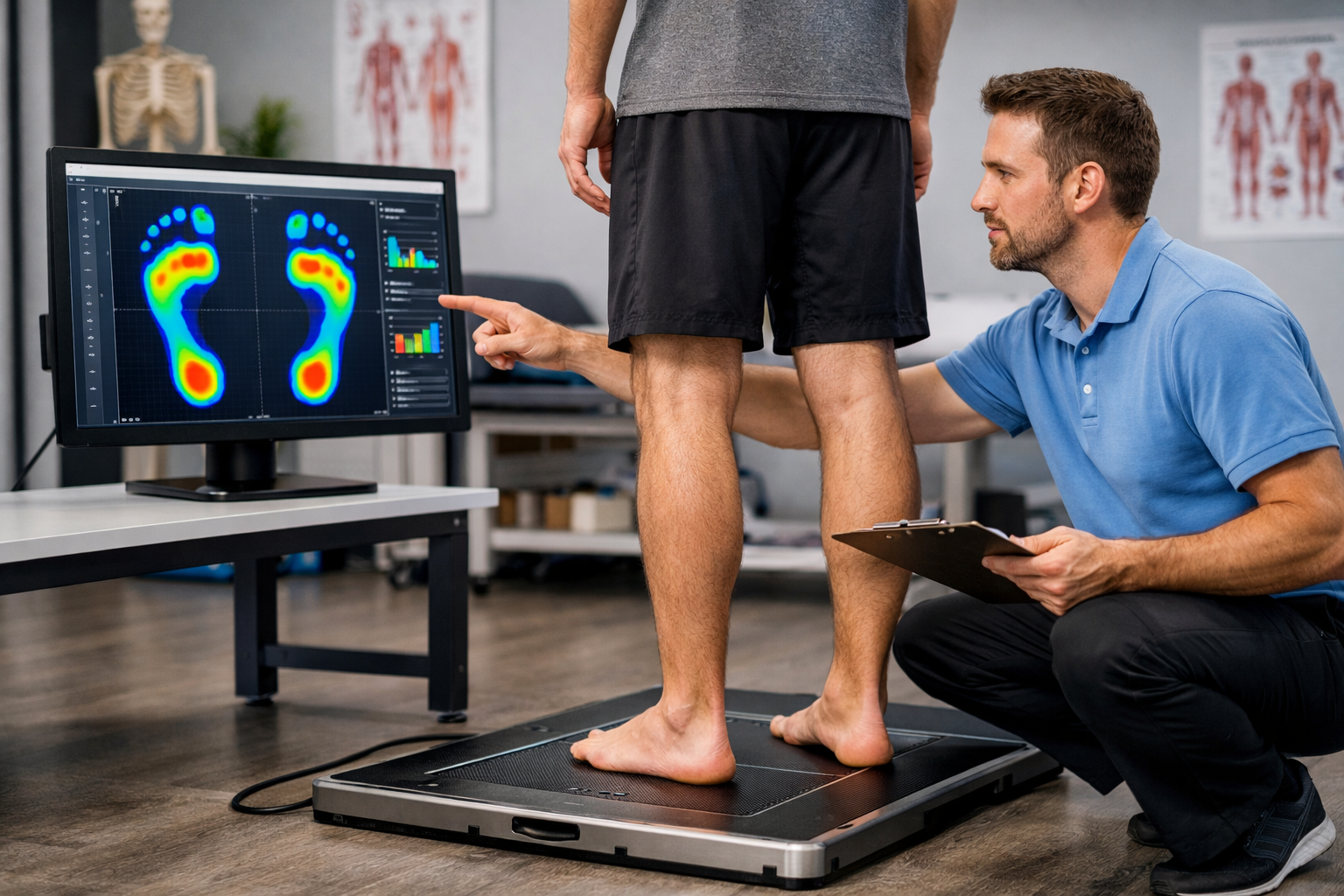
PHASE 3: RETURN TO FULL ACTIVITY AND ADVANCED MODALITIES
The final phase bridges rehabilitation to unrestricted activity — running on Mercer County Park trails, competing in PAL or school athletics, working full shifts without pain.
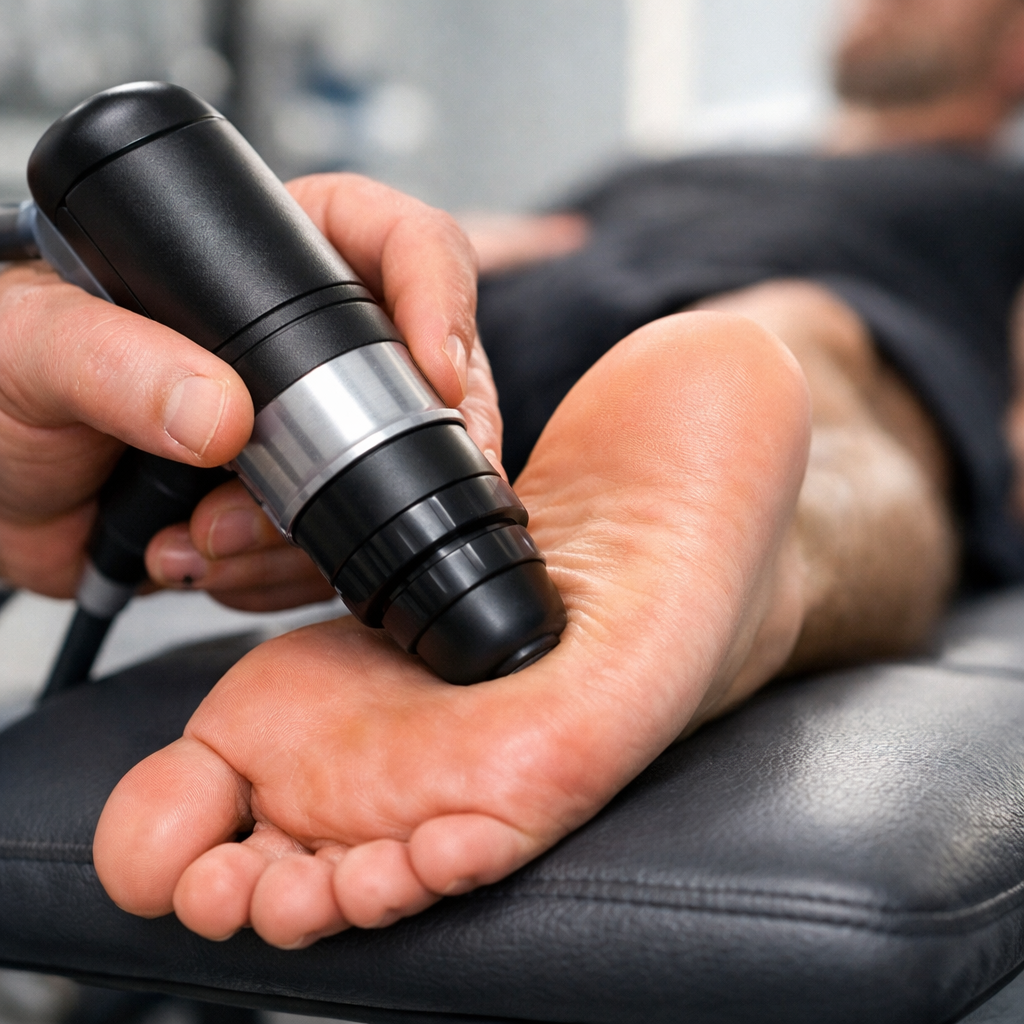
For chronic cases — particularly patients who have been managing pain for six months or longer — Trinity Rehab offers EPAT shockwave therapy. EPAT delivers focused acoustic pressure waves into degenerated fascial tissue, activating cellular repair mechanisms and stimulating blood flow at the site of damage. The Mayo Clinic identifies extracorporeal shockwave therapy as effective for chronic plantar fasciitis.
Dry needling releases deep myofascial trigger points in the calf and foot intrinsics that stretching and manual therapy alone cannot fully resolve.
Your therapist will also conduct a thorough footwear evaluation and, where appropriate, recommend custom orthotics or high-quality supportive inserts. Night splints address the overnight fascial shortening responsible for the worst first-step morning pain.
PREVENTION: KEEPING HAMILTON RESIDENTS ON THEIR FEET
For She Runs This Town and Trenton Track Club members: Follow the 10% rule for mileage increases — no more than 10% additional volume per week. The most common cause of plantar fasciitis in recreational runners is a training load spike. Replace running shoes every 300–500 miles and consider gait analysis if you have had recurrent foot issues.
For RWJUH and Capital Health workers: Occupational footwear matters as much as recreational footwear. Cushioned, supportive nursing shoes on hard hospital floors are not a luxury — they are injury prevention. Replace them on a schedule, not when they visually wear out.
For Hamilton PAL and high school athletes: Make dynamic warm-ups that include calf activation, ankle mobility work, and brief arch exercises a non-negotiable part of every pre-practice routine. Heel pain in adolescents is not just “growing pains.”
For everyone: Maintain calf and plantar fascia stretching as a permanent morning habit — not just during recovery. Two minutes before getting out of bed is the simplest and most effective single prevention measure.
WHY HAMILTON PATIENTS CHOOSE TRINITY REHAB
Trinity Rehab Hamilton delivers the one-on-one care model that drives real outcomes. Your licensed physical therapist works directly with you through every session — no aides, no assistants, no split attention. That means your program evolves precisely with your progress, your specific deficits are addressed rather than generic protocols followed, and you get the kind of personalized guidance that leads to lasting recovery.
We accept most major insurance plans, offer scheduling that accommodates hospital shift workers, athletes, and commuters, and our clinical protocols reflect the American Physical Therapy Association’s evidence-based guidelines for plantar fasciitis care.
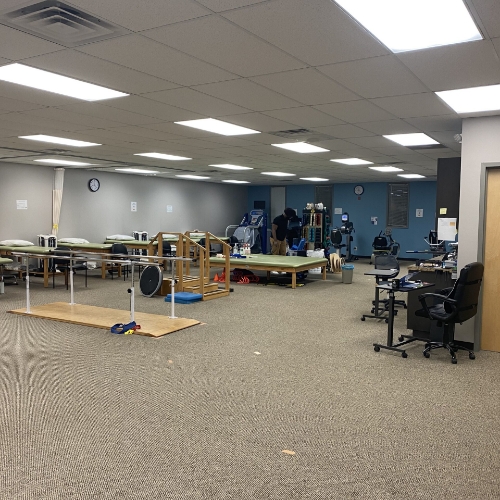
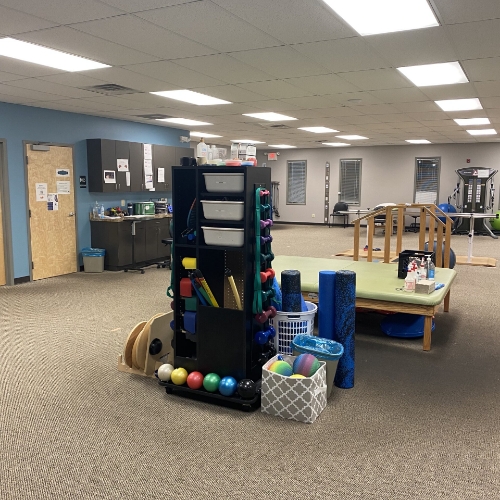
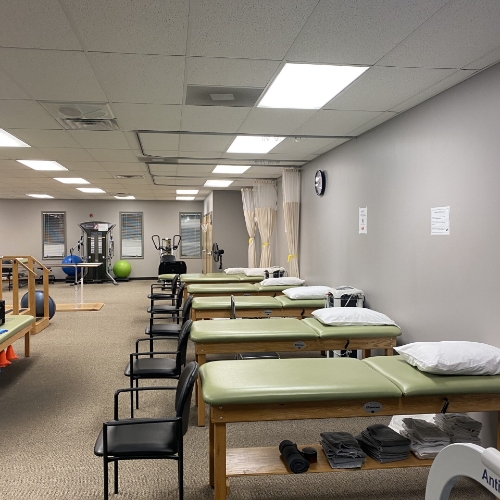
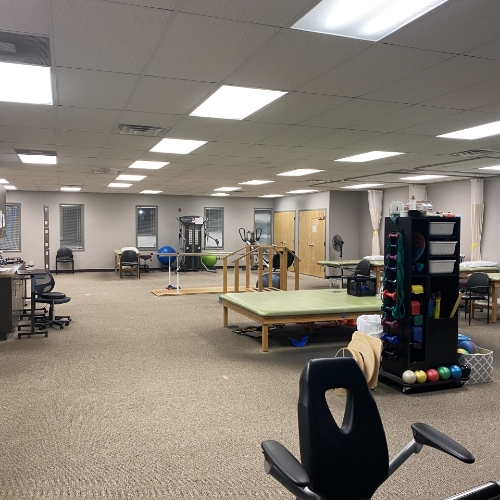
Inside Our Hamilton Clinic
Our Hamilton clinic is at University Office Plaza Suite 38, 3635 Quakerbridge Rd, Hamilton Township, NJ 08619. View Hamilton clinic hours, photos and contact details, or get directions to Trinity Rehab Hamilton.
FREQUENTLY ASKED QUESTIONS
Where can I get plantar fasciitis treatment in Hamilton, NJ?
I work at RWJUH Hamilton on 12-hour shifts. Can I keep working while in treatment?
My daughter runs cross country for one of the Hamilton high schools and has heel pain. Could this be plantar fasciitis?
Do I need a referral from my doctor to start physical therapy?
How long does recovery typically take?
HAMILTON IS READY TO MOVE AGAIN — SO ARE YOU
Plantar fasciitis does not have to own your mornings, limit your trail runs at the Abbott Marshlands, or compromise your ability to do your job at the hospital or the warehouse. Trinity Rehab Hamilton is ready to help you build the recovery plan that gets you back to full function.
No referral required. Most insurance accepted.
Sources: Journal of Orthopaedic & Sports Physical Therapy — Heel Pain Clinical Practice Guidelines, 2023 | Mayo Clinic — Plantar Fasciitis | APTA — Clinical Practice Guidelines for Heel Pain | NIH/PMC — Outpatient Management of Plantar Fasciitis