
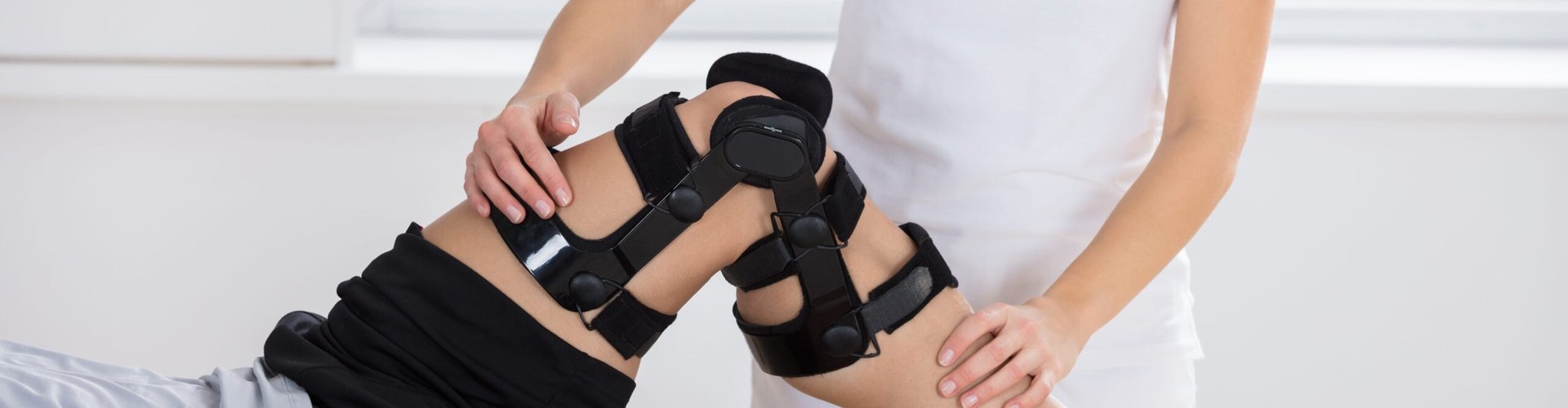
ACL TREATMENT PHYSICAL THERAPY IN HAMILTON, NJ: EXPERT RECOVERY AT TRINITY REHAB
Few townships in New Jersey can match the sheer scale of Hamilton’s outdoor landscape. Between the 333 acres of Veterans Park and the sprawling 2,500-acre Mercer County Park, residents have access to miles of trails, athletic fields, and open green space that rival some state parks. On any given fall Friday night, the stands fill for the Hamilton West Hornets versus Steinert football rivalry — a matchup that has defined high school athletics in the township for decades. Across three high schools, travel leagues, PAL programs, and the Hamilton Area YMCA, thousands of athletes compete in football, basketball, soccer, lacrosse, and ice hockey every season.
All that activity means ACL injuries are a reality of life in Hamilton. An anterior cruciate ligament tear can happen to a Hornets basketball player driving the lane during a state playoff run, a warehouse worker stepping off a loading dock along Route 130, or a weekend soccer player cutting on the fields at Mercer County Park. Wherever it happens, proper ACL treatment physical therapy is the foundation of a full recovery — and at Trinity Rehab Hamilton, we deliver evidence-based rehabilitation designed to get you back to the life you lead in this active township.
UNDERSTANDING ACL INJURIES
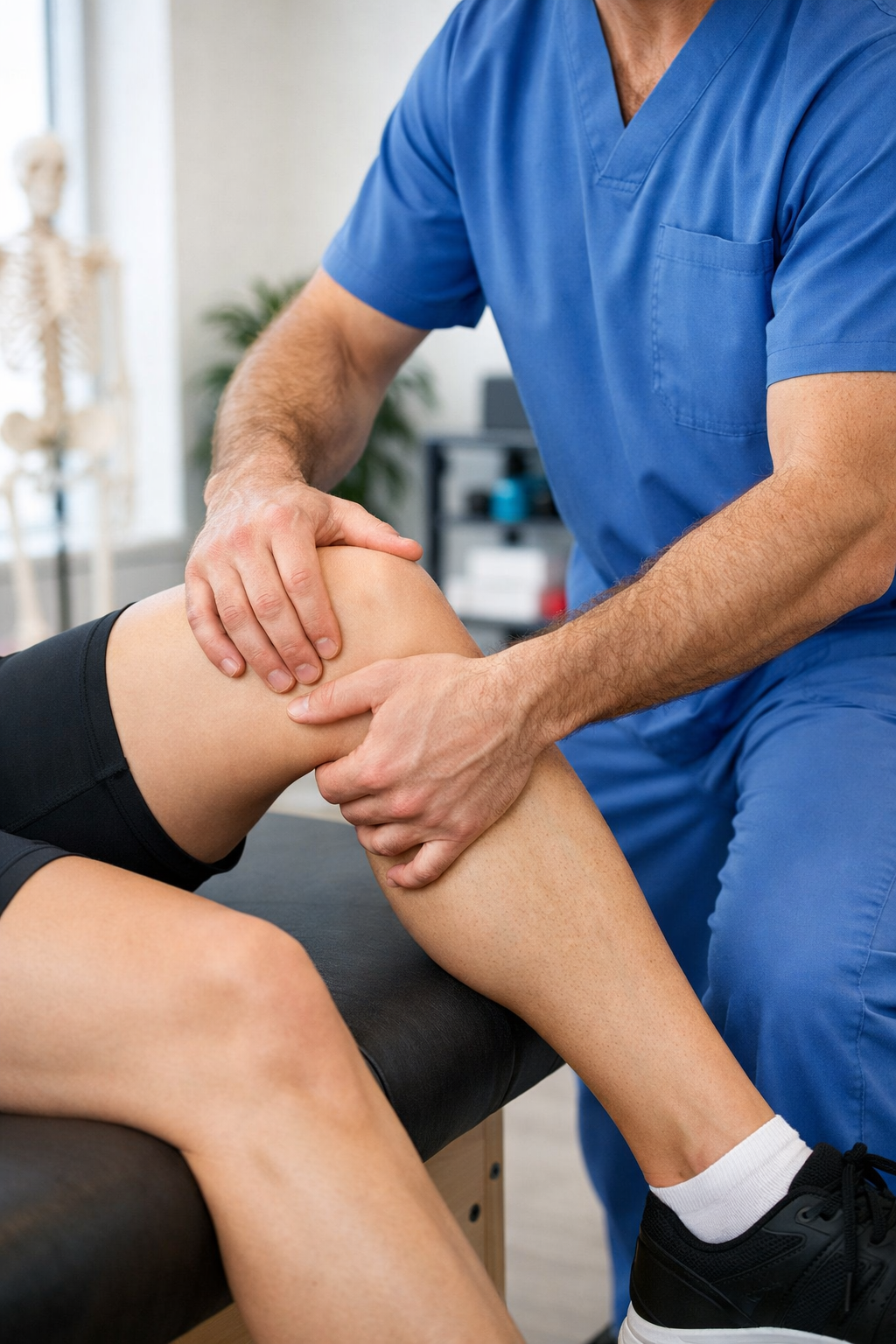
The anterior cruciate ligament (ACL) is one of four major ligaments that stabilize the knee joint. Running diagonally through the center of the knee, it connects the femur to the tibia and controls rotational stability. Every time you pivot, decelerate, or change direction, your ACL prevents excessive forward sliding and inward rotation of the shin bone.
An anterior cruciate ligament injury occurs when forces overwhelm the ligament — typically during a sudden twist, an awkward landing, or a direct blow to the outer knee. Because the ACL lacks sufficient blood supply to heal on its own once torn, an ACL tear almost always requires either anterior cruciate ligament reconstruction or a structured non-surgical rehabilitation program guided by a licensed physical therapist.
WHY ACL RECOVERY MATTERS
Ignoring an ACL injury puts your long-term knee function at serious risk. Without its primary rotational stabilizer, an unstable knee compensates in ways that accelerate damage to surrounding structures — meniscal tears, cartilage breakdown, and early-onset arthritis are well-documented consequences of inadequately treated anterior cruciate ligament injuries.
For Hamilton residents, the stakes are personal and professional. If your livelihood depends on physical work along Route 130 or patient care at Robert Wood Johnson University Hospital Hamilton, you cannot afford chronic knee instability. And if you are a student athlete at Hamilton High School West, Nottingham, or Steinert with college aspirations, a poorly managed ACL injury can derail a career. Proper rehabilitation restores knee stability, rebuilds muscle strength, and retrains your movement patterns so you can return to activity with confidence.
COMMON CAUSES OF ACL INJURIES IN HAMILTON
Hamilton’s size, diversity, and active lifestyle create a wide range of scenarios where ACL injuries occur:
- High school and club sports — Football, basketball, soccer, and lacrosse at Hamilton West, Nottingham, and Steinert all involve the rapid pivoting, cutting, and deceleration that place the ACL at highest risk. The Hornets boys basketball program, with its tradition of state titles (1935, 1953, 2006), demands explosive movements that stress the knee joint every game and practice.
- Recreational athletics — Hamilton PAL basketball and hockey leagues, YMCA travel baseball and soccer, and the Veterans Park Tennis & Pickleball Complex draw thousands of adult athletes subject to the same forces as competitive players but often without the same conditioning base.
- Workplace injuries — Warehouses along Route 130, employers like Graybar, and healthcare facilities like RWJ Hamilton and Medical Diagnostic Laboratories involve physical demands — lifting, twisting, uneven surfaces — that can lead to work injuries including ACL tears.
- Park and trail activities — Running, hiking, and pickup sports across Veterans Park, Mercer County Park, and Kuser Farm Park expose residents to uneven terrain, sudden direction changes, and falls that can damage the anterior cruciate ligament.
- Everyday life — A parent chasing a child through Sayen House and Gardens, a golfer at Hamilton Trails Golf Club, or someone slipping on a wet surface can experience the sudden twist or hyperextension that tears the ACL.
SIGNS AND SYMPTOMS OF AN ACL TEAR
If you experience any of the following after a knee injury, seek professional evaluation promptly:
- A loud “pop” or tearing sensation at the moment of injury
- Rapid swelling within the first two hours
- Knee instability or a sensation of the knee “giving way” during turns or weight shifts
- Immediate inability to continue your activity
- Pain concentrated on the inner side of the knee
- Limited range of motion — difficulty fully bending or straightening the knee
- Difficulty bearing weight or walking normally
- A feeling of looseness or wobbling in the knee joint compared to the uninjured side
Any combination of instability, significant swelling, and a popping sensation warrants a thorough evaluation, which may include MRI to confirm an anterior cruciate ligament tear and assess whether other structures are involved.
HOW PHYSICAL THERAPY HELPS: FROM PREHAB THROUGH RETURN TO SPORT
At Trinity Rehab Hamilton, physical therapy for ACL injuries follows a structured, phased approach tailored to each patient — whether you are preparing for ACL surgery, recovering after anterior cruciate ligament reconstruction, or pursuing a non-surgical pathway.
Prehabilitation (Pre-Surgical Rehab)
If ACL reconstruction is planned, prehabilitation before surgery significantly improves outcomes. Your physical therapist focuses on:
- Reducing swelling and restoring full range of motion so you enter surgery with a knee that bends and straightens normally
- Building quadriceps and hamstring strength to prepare the muscles that will support your knee through recovery
- Improving balance and proprioception to optimize your neuromuscular system before reconstruction
- Establishing the exercise habits and movement patterns that carry into post-surgical rehab
- Addressing pain and inflammation through manual therapy and activity modification
Research shows that patients who complete prehabilitation recover faster and achieve better long-term knee function after ACL reconstruction.
Phase 1: Immediate Post-Operative (Weeks 0-2)
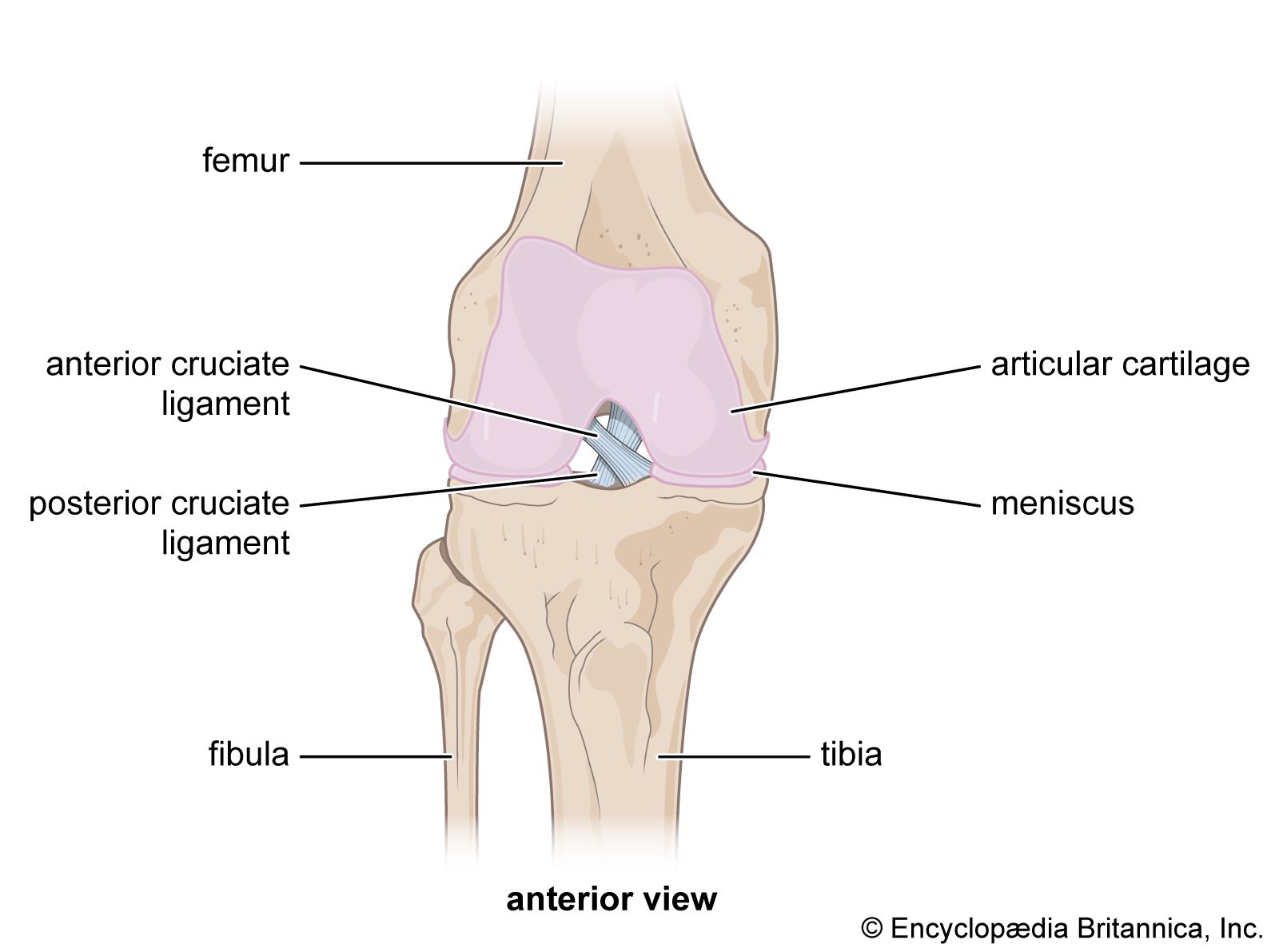
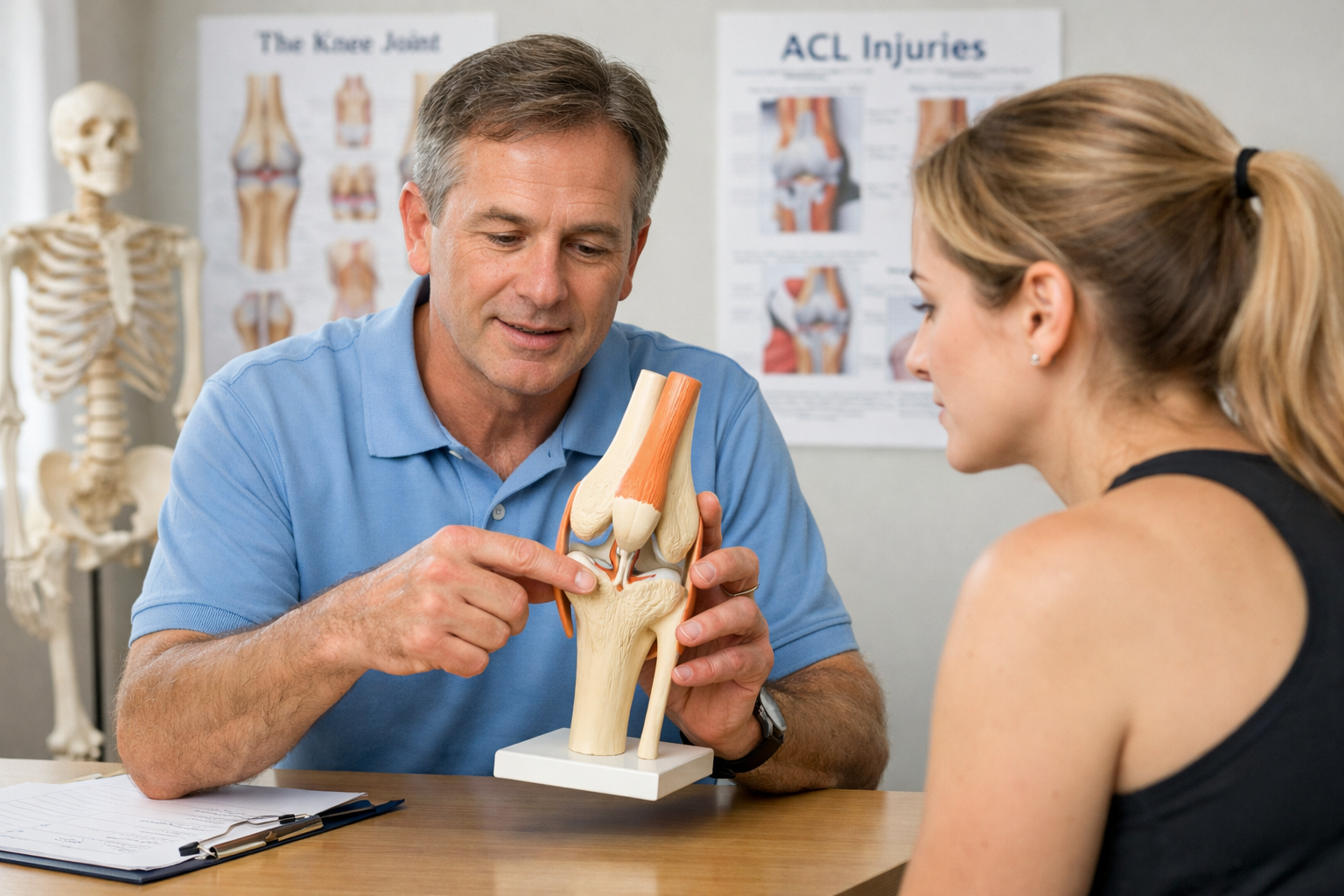
The first phase protects the new graft while beginning gentle mobility. Key elements include quad sets, straight leg raises with the brace locked, gentle passive range of motion exercises, ice and elevation protocols, and early weight bearing with crutches. Achieving full knee extension during this phase is critical — it establishes the foundation for every phase that follows.
Phase 2: Early Protected Motion (Weeks 2-6)
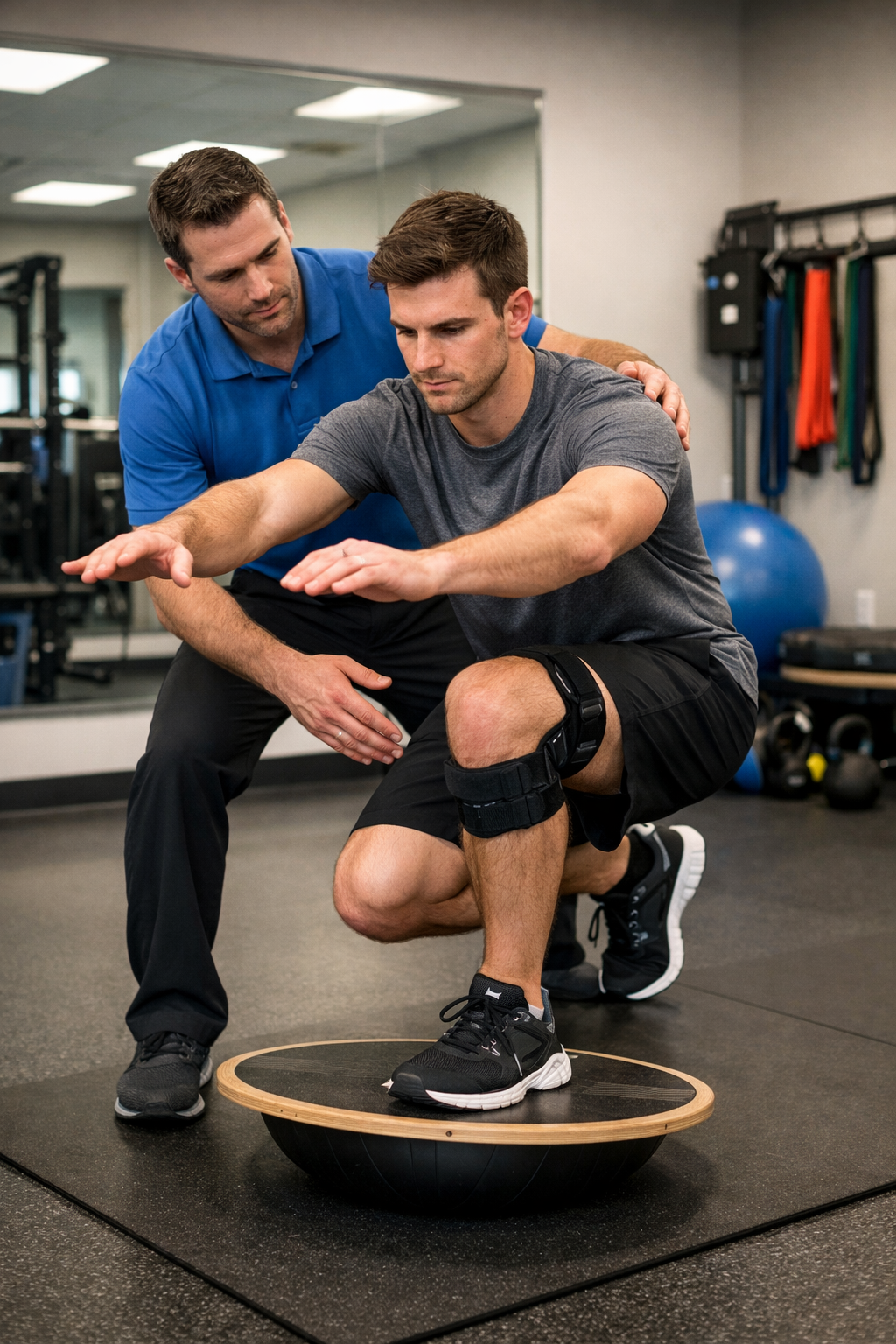
As initial healing progresses, we increase strengthening and mobility work. Patients are typically weaned off crutches during this phase. The program expands to include heel slides to improve knee flexion, hamstring curls to build the posterior chain, hip strengthening exercises, stationary bike for cardiovascular conditioning, supported balance training to begin restoring proprioception, and continued manual therapy. By the end of Phase 2, you should have nearly normal knee motion and minimal swelling.
Phase 3: Progressive Strengthening (Weeks 6-12)
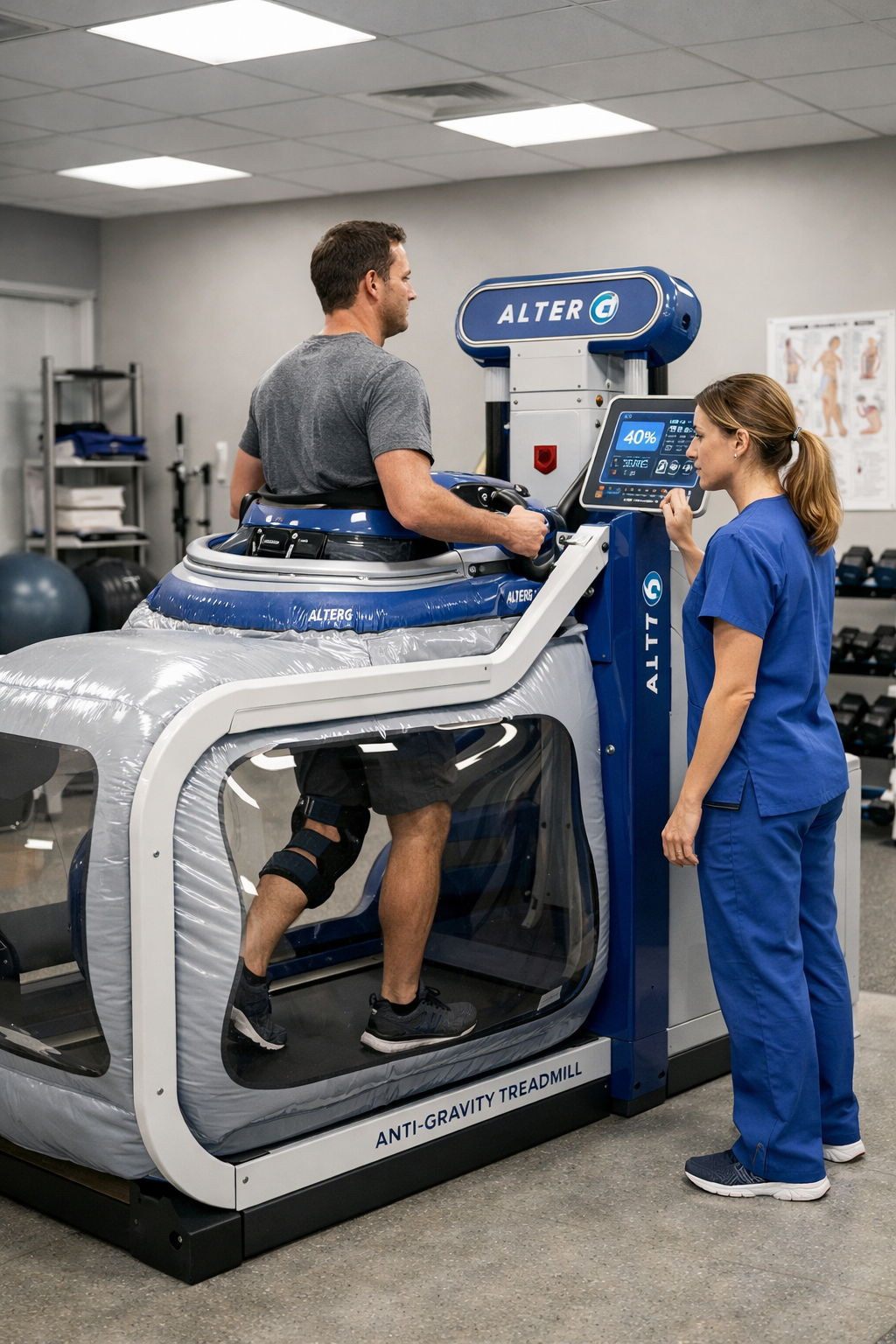
This is where meaningful muscle strength returns. Strengthening exercises target the quadriceps, hamstrings, and calf muscles through increasingly challenging movements — mini squats, lunges, resistance band work, single-leg balance activities to sharpen proprioception, step-ups, core strengthening, and elliptical training. Dry needling may be incorporated to address trigger points in compensatory muscles that develop tightness during rehab. By week 12, most patients achieve 80% or greater quadriceps strength compared to the uninjured side.
Phase 4: Return to Function (Months 3-6)
Training becomes more dynamic as we rebuild real-world movement confidence. For the Hornets athlete returning to basketball or the Mercer County Park soccer player, this is where sport-specific rehabilitation begins — plyometric training, running progressions, figure-8 and cutting drills, agility ladder work, and continued balance exercises on unstable surfaces. Video motion analysis helps identify biomechanical patterns that may have contributed to the original injury.
Phase 5: Return to Sport and Activity (Months 6-9+)
The final phase focuses on safely returning to competitive sports through advanced plyometrics, return-to-sport testing, high-intensity interval training, gradual return to competition, and ongoing maintenance for injury prevention. At Trinity Rehab Hamilton, we use objective testing to determine when you are truly ready. Most patients return to recreational activities by 6 months, but competitive sports typically requires 9 to 12 months of rehabilitation.
NON-SURGICAL ACL TREATMENT PATHWAY
Not every ACL injury requires ACL surgery. For patients with partial tears, lower activity demands, or medical factors that make surgery less advisable, we offer comprehensive non-surgical rehabilitation. This pathway follows a similar progressive structure but typically extends over 12-18 months with heavy emphasis on building dynamic knee stability through muscular strength and proprioceptive training.
Non-surgical ACL treatment works particularly well for patients with partial tears, less active individuals, those with medical conditions that elevate surgical risk, and patients who prefer conservative management before considering surgery. The same tools and techniques apply — manual therapy, dry needling for muscle tightness, balance exercises, and progressive strengthening all contribute to conservative management. Research shows that 50-70% of patients following structured non-surgical rehabilitation can return to sport-specific activities.
ADVANCED TECHNIQUES AT TRINITY REHAB HAMILTON
Blood Flow Restriction (BFR) Training
Blood flow restriction training uses a specialized cuff to partially restrict venous blood flow during low-load strengthening exercises, triggering muscle strength gains comparable to high-intensity training with far less stress on the healing knee joint. For patients early in ACL reconstruction recovery — or for the Hamilton warehouse worker who needs to rebuild quad strength without heavy loading — BFR safely jumpstarts quadriceps recovery.
Neuromuscular Electrical Stimulation (NMES)
After ACL surgery, quadriceps inhibition is one of the biggest barriers to recovery. Neuromuscular electrical stimulation uses gentle electrical impulses to activate the quadriceps, helping restore muscle control and power more quickly during the early critical weeks of rehabilitation.
EPAT/Shockwave Therapy
EPAT (Extracorporeal Pulse Activation Technology) uses acoustic pressure waves to stimulate circulation, break down scar tissue, and accelerate healing. For ACL patients, shockwave therapy is particularly useful for patellar tendonitis (common after graft harvesting), persistent inflammation, and lingering knee pain.
PREVENTING FUTURE ACL INJURIES
Long-term success after an ACL injury means making sure the injury does not happen again. For Hamilton athletes competing across three high schools and multiple travel leagues, and for workers in physically demanding jobs along Route 130, injury prevention is essential.
Our prevention programs combine targeted strengthening exercises for the quadriceps, hamstrings, and hip stabilizers with balance exercises and proprioceptive drills, plyometric training for safe landing mechanics, sport-specific agility work, and education on proper footwear and training load management.
Female athletes, who face a statistically higher risk of ACL injuries, receive specialized training protocols. Whether you are returning to the Hornets roster, the Veterans Park tennis courts, or your shift at RWJ Hamilton, a structured prevention program protects your investment in recovery.
WHY CHOOSE TRINITY REHAB HAMILTON FOR ACL REHABILITATION
- Focused, individualized time with a licensed therapist — Every session is tailored to your specific injury, surgical timeline, and goals.
- Advanced rehabilitation tools — Technologies like the AlterG Anti-Gravity Treadmill, EPAT/shockwave therapy, blood flow restriction training, and Dartfish Video Motion Analysis accelerate recovery beyond what traditional therapy alone can achieve.
- Convenient Quakerbridge Road location — Our clinic at 3635 Quakerbridge Rd, Ste 38, Hamilton Township, NJ 08619 is centrally located and easily accessible from Route 1 and I-295.
- Flexible scheduling — Early morning, evening, and weekend appointments accommodate Hamilton’s commuters, shift workers, and student athletes.
- Insurance handled for you — We verify coverage, obtain authorizations, and manage paperwork so you can focus on rehabilitation.
- Comprehensive approach — We assess your entire lower body, movement patterns, core stability, and goals — not just the injured knee. Learn more about all the conditions we treat.
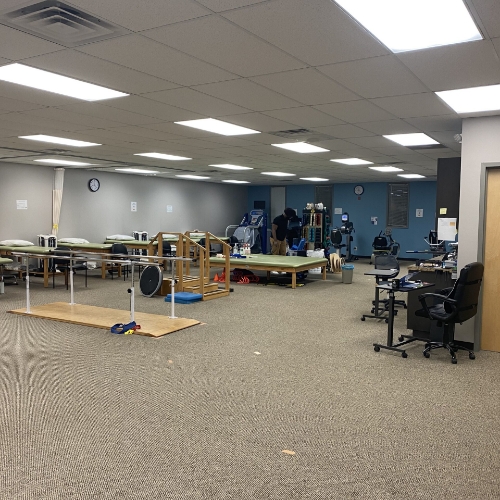
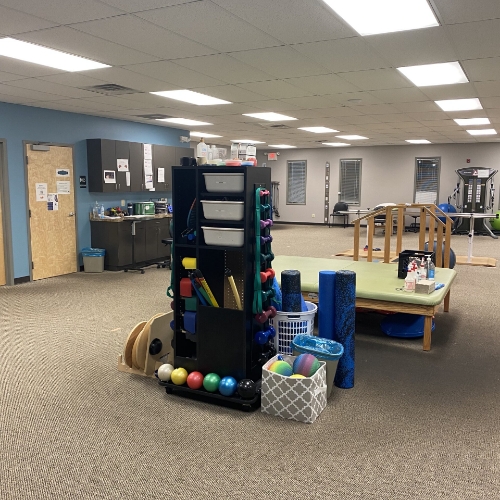
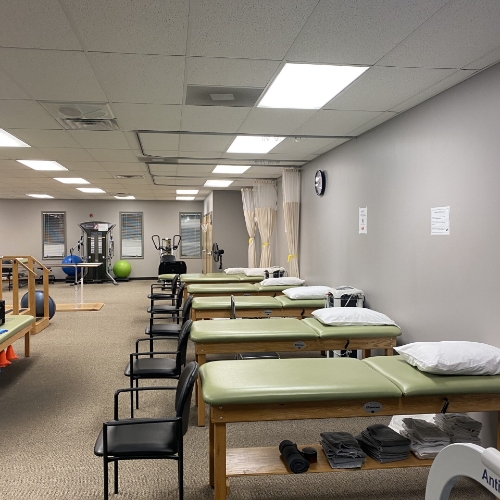
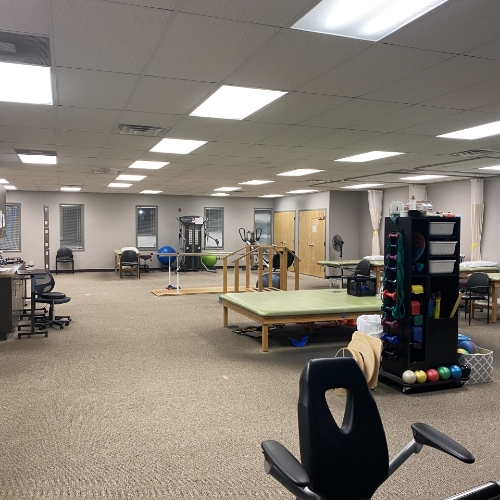
Inside Our Hamilton Clinic
RELATED CONDITIONS & TREATMENTS
ACL injuries are just one of the many conditions we treat at Trinity Rehab Hamilton. Explore our full range of conditions we treat or learn more about specific treatment approaches:
Hamilton ACL Rehab For Strength, Stability, And Return To Activity
ACL rehab in Hamilton should connect the healing stage to real movement goals: walking normally, using stairs, rebuilding quad strength, returning to running, and feeling ready for sport or exercise again.
Your therapist may assess swelling, range of motion, quad activation, hip strength, balance, gait, and return-to-sport readiness. The plan should match your surgical or non-surgical timeline and avoid skipping phases.
Related options include knee pain physical therapy, meniscus tear rehab, and the Hamilton physical therapy clinic page.
FREQUENTLY ASKED QUESTIONS
Hamilton ACL Rehab For Strength, Stability, And Return To Activity
ACL rehab in Hamilton should connect the healing stage to real movement goals: walking normally, using stairs, rebuilding quad strength, returning to running, and feeling ready for sport or exercise again.
Your therapist may assess swelling, range of motion, quad activation, hip strength, balance, gait, and return-to-sport readiness. The plan should match your surgical or non-surgical timeline and avoid skipping phases.
Related options include knee pain physical therapy, meniscus tear rehab, and the Hamilton physical therapy clinic page.
How long does ACL recovery take for Hamilton high school athletes?
Can I recover from an ACL tear without surgery?
When should I start physical therapy after ACL surgery?
Will my insurance cover ACL physical therapy at Trinity Rehab Hamilton?
What makes Trinity Rehab Hamilton different from other physical therapy clinics in the area?
Whether you are dealing with a fresh ACL injury, preparing for anterior cruciate ligament reconstruction, or recovering after ACL surgery, the path forward starts with expert evaluation.
1. Request an Appointment Contact Trinity Rehab Hamilton to schedule a comprehensive ACL evaluation. We will assess your injury, discuss your goals, and outline your treatment options — surgical or non-surgical.
2. Receive Your Custom Treatment Plan Based on your evaluation, activity level, and specific goals, we will develop a detailed rehabilitation plan with realistic timelines and clear milestones. Whether you are a Hornets athlete or an RWJ Hospital employee, your plan is built around the demands of your life.
3. Begin Your Rehabilitation With flexible scheduling for Hamilton’s commuters and shift workers, you will begin structured physical therapy under expert guidance — progressing through each phase with regular assessments.
4. Return to the Life You Love Recovery is about getting back on the field at Veterans Park, returning to full duty at work, competing for the Hornets, or exploring Grounds For Sculpture without worrying about your knee.
Do not let an ACL injury define your future. With the right ACL treatment physical therapy, most people recover fully. Schedule your appointment at Trinity Rehab Hamilton today — our clinic is at 3635 Quakerbridge Rd, Ste 38, Hamilton Township, NJ 08619.
For more information, visit our ACL Treatment hub or explore conditions we treat, including hip and knee pain and arthritis.