
ROTATOR CUFF INJURY TREATMENT IN FLEMINGTON, NJ
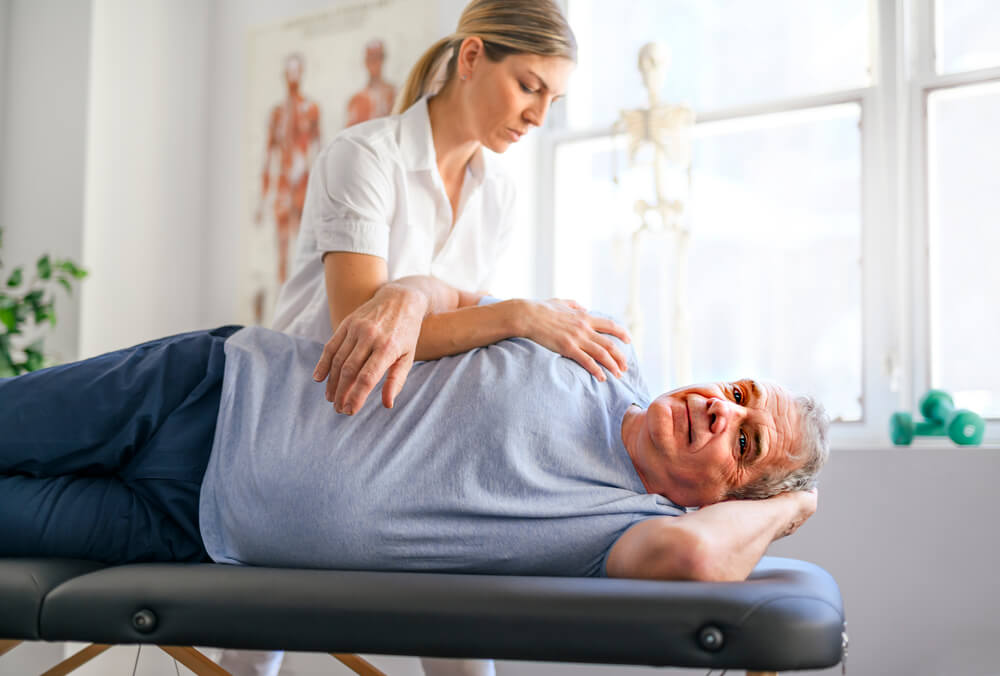
A Shoulder Injury Shouldn't Stop You From Living the Hunterdon County Life You Love
The rolling hills of the Hunterdon Plateau don’t care about your shoulder pain. The fence that needs mending, the firewood that won’t split itself, the garden beds that need turning before spring — none of it waits while your rotator cuff heals. Life in Flemington asks more of your body than most places, and the qualities that drew you here — open land, rural character, physical self-sufficiency — put extraordinary demands on your shoulders every week.
Maybe you first noticed it after clearing brush near the Amwell Valley. Perhaps it built slowly over months of repetitive work at Johanna Foods. Or you trace it to a specific moment — an awkward throw during Hunterdon Central Red Devils baseball practice, a slip while hiking the Columbia Trail. However it started, the result is a shoulder that no longer cooperates.
Trinity Rehab in Flemington provides structured, phased rotator cuff rehabilitation designed to take you from pain back to full function, built around the real activities your Hunterdon County life demands.
What Exactly Is a Rotator Cuff Injury?
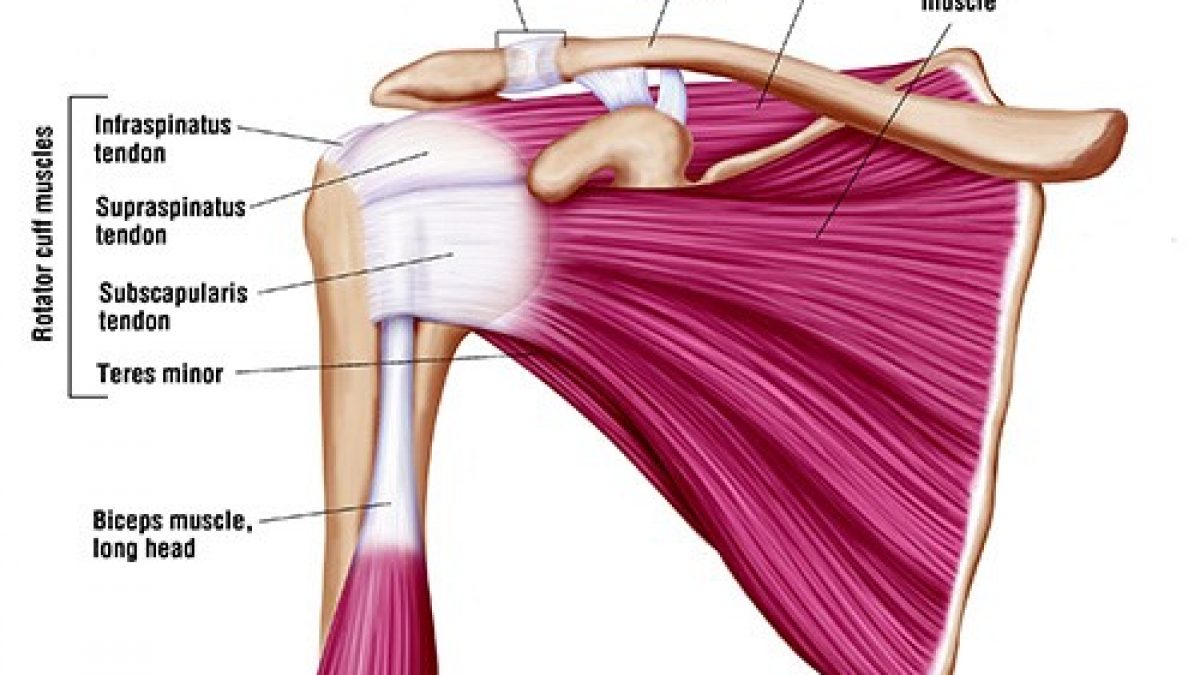
Your rotator cuff is a group of four muscles — the supraspinatus, infraspinatus, teres minor, and subscapularis — that wrap around the head of your upper arm bone and hold it within the socket of your shoulder blade. Together, they stabilize the glenohumeral joint and control the rotational movements that make your arm so versatile. The supraspinatus is the workhorse of arm elevation and the tendon most vulnerable to injury. The infraspinatus powers external rotation — reaching to your side or cocking your arm to throw.
Rotator cuff tendinopathy — gradual tendon degeneration from overuse, aging, or repetitive strain — is the most common form. Microscopic damage accumulates faster than your body can repair it, leading to pain, weakness, and progressive loss of function. Partial and full-thickness tears can also occur from acute trauma or as the endpoint of long-standing tendinopathy.
Your rotator cuff won’t heal itself to full capacity without targeted rehabilitation. The tendons have limited blood supply, muscles atrophy quickly, and compensatory patterns develop rapidly. Physical therapy is the evidence-based first-line treatment, and outcomes are strongest when treatment begins promptly.
Why Flemington Residents Are at Risk
The causes of rotator cuff injuries here reflect the character of this community — hardworking, active, and deeply connected to the land.
Property Maintenance and Rural Living
Hunterdon County’s rural properties demand constant upkeep. Splitting wood, maintaining fencing, shoveling gravel, and hauling supplies all load the shoulder in ways urban living doesn’t. These tasks combine heavy lifting, sustained overhead positioning, and repetitive motions — the three primary mechanical drivers of rotator cuff breakdown. When you’re managing acres near the South Branch of the Raritan River, your shoulder pays the price over time.
Manufacturing and Food Production Work
Flemington’s economy includes significant food manufacturing and processing, with employers like Johanna Foods requiring workers to perform repetitive arm motions for hours at a stretch. Assembly line work — reaching, lifting, packaging, stacking — creates the sustained, low-grade eccentric loading that slowly degrades rotator cuff tendons. Work injuries of this type are insidious because they don’t feel like injuries until they’ve become advanced.
Healthcare Sector Demands
Hunterdon Medical Center and Hunterdon Healthcare employ thousands of residents. Nurses and aides regularly assist patients with transfers and repositioning — tasks placing high, unpredictable loads on the shoulder. A sudden catch of a falling patient can instantly damage rotator cuff tissue.
Athletics Across Generations
Hunterdon Central Regional High School fields competitive teams in baseball, swimming, tennis, and volleyball — all overhead sports stressing the rotator cuff during throwing, serving, and spiking. Adults stay active at Flemington Tennis Club, HealthQuest Fitness Center, and Heron Glen Golf Course. For athletes over 40, competitive intensity combined with age-related tendon changes creates a high-risk profile.
Long Commute Posture
With commutes exceeding 33 minutes, many residents spend significant time in static, shoulder-forward postures. This shortens anterior structures and weakens the posterior rotator cuff, establishing the imbalance that precedes impingement and tendinopathy.
Symptoms That Warrant Professional Evaluation
Rotator cuff injuries vary in presentation, but the following symptoms should prompt you to seek evaluation rather than waiting:
- A persistent ache deep within your shoulder that worsens with activity
- Pain that wakes you when you roll onto the affected shoulder at night
- Difficulty raising your arm overhead — to change a lightbulb, reach a high shelf, or wash your hair
- Weakness when lifting objects to the side or rotating your arm outward
- A grinding, popping, or catching sensation during shoulder movement
- Decreased range of motion that progressively limits what you can do
- Sharp pain when reaching behind your back or across your body
- Shoulder pain that develops after repetitive work tasks and doesn’t fully resolve with rest
- comprehensive rotator cuff treatment
Don’t self-diagnose and don’t assume it will get better on its own. Schedule an appointment with Trinity Rehab in Flemington, and let a licensed physical therapist determine exactly what’s happening in your shoulder.
Our Three-Phase Rotator Cuff Rehabilitation Program
Each phase builds on the previous one with clear criteria for progression, so you always know where you stand.
Phase 1: Pain Reduction and Tissue Protection (Weeks 1-3)
The priority is calming inflammation and breaking the pain cycle. Treatment includes:
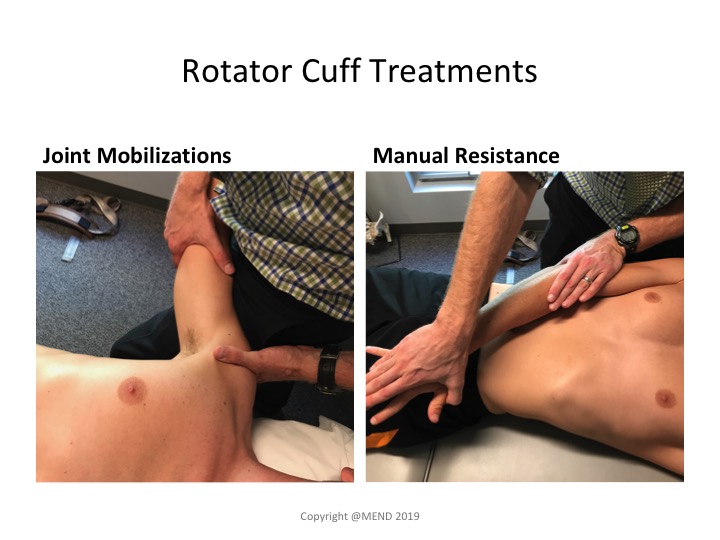
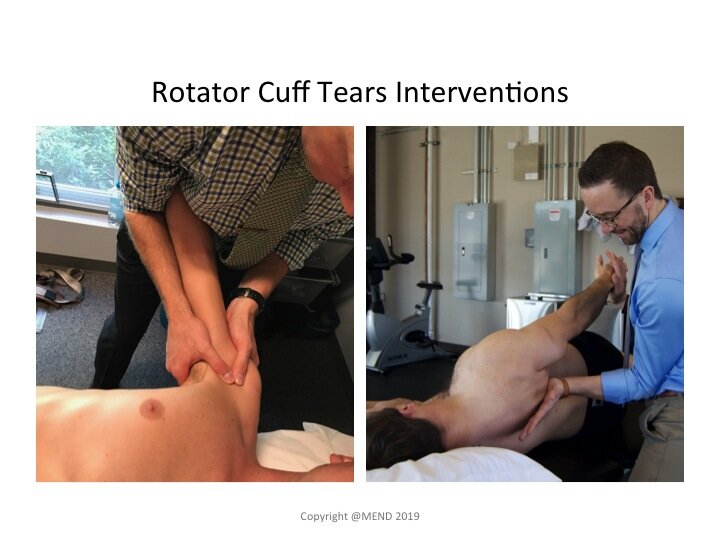
Manual therapy and joint mobilization. Your therapist uses hands-on techniques to restore normal accessory motion within the glenohumeral joint. Gentle mobilizations reduce mechanical resistance and create an environment where healing can begin.
Soft tissue work and dry needling. Trigger points and adhesions in the rotator cuff muscles are addressed through soft tissue mobilization. For deeply embedded restrictions, dry needling uses thin filament needles to release tension and improve local blood flow.
Pain-free range of motion. Pendulum exercises, assisted stretching, and gentle mobility work prevent the stiffness that develops rapidly when a painful shoulder isn’t moved.
Patient education. You’ll learn which activities to modify, how to position your arm for sleep, and what to expect in the weeks ahead.
Modality support. For chronic rotator cuff tendinopathy, we may introduce EPAT therapy — acoustic pressure wave technology that stimulates cellular repair and increases blood supply to chronically underserved tendon tissue.
Phase 2: Strength Restoration and Neuromuscular Retraining (Weeks 4-8)
With pain controlled, we rebuild the strength and coordination your rotator cuff has lost.
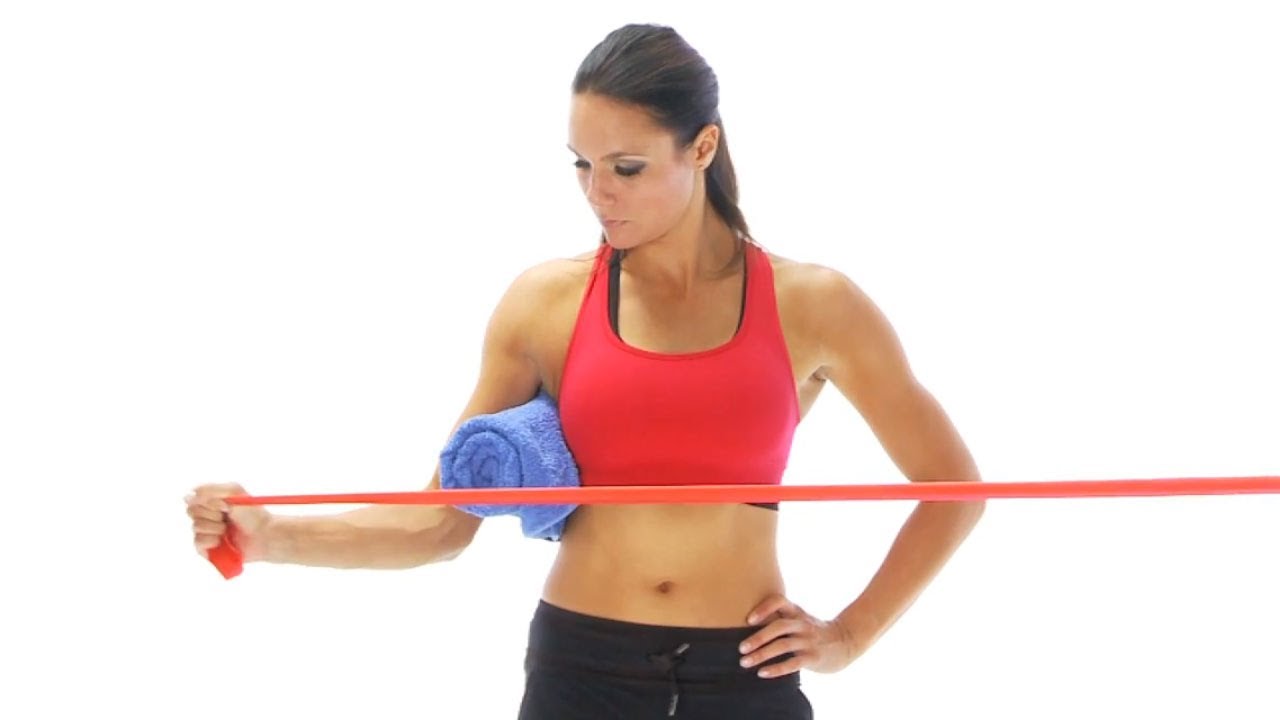
Eccentric strengthening protocols. Eccentric loading — slowly lowering resistance through a controlled motion — is one of the most evidence-supported interventions for rotator cuff tendinopathy. It stimulates tendon remodeling and builds the strength your tendons need for real-world loads. Your therapist prescribes eccentric exercises for the supraspinatus and infraspinatus calibrated to your current tissue tolerance.
Scapular stabilization training. Scapular stabilization exercises target the serratus anterior, lower trapezius, and rhomboids — muscles that anchor your shoulder blade and ensure it moves in rhythm with your arm. Correcting scapular dyskinesis is essential for lasting recovery.
Rotator cuff isolation. Side-lying external rotation, prone horizontal abduction, and resisted internal rotation exercises rebuild the muscles stabilizing your glenohumeral joint. Resistance increases only when you can perform the current level without provocation.
Proprioceptive retraining. Rhythmic stabilization drills and perturbation training restore the reflexive muscle activation that protects your joint during unexpected movements — like catching yourself on a hike along the Columbia Trail.
Phase 3: Functional Return and Activity-Specific Preparation (Weeks 9-16)
This phase personalizes rehabilitation to your Flemington life.
Overhead task training. If your goals include property maintenance, we progressively load overhead reaching and carrying patterns to ensure your rotator cuff handles sustained work above shoulder height.
Sport-specific progression. For athletes returning to tennis, swimming, golf, or baseball, we build progressions that systematically increase speed, load, and volume. For Hunterdon Central athletes, we coordinate with coaches on return-to-play timing. Our sports injury rehabilitation protocols are designed for safe, confident returns.
Work hardening. For patients returning to demanding jobs in food manufacturing, healthcare, or trades, we replicate workplace demands in the clinic — building a safety margin that protects against re-injury.
Home exercise independence. By the end of Phase 3, you own a 15-to-20-minute maintenance program — your long-term insurance against recurrence.
Protecting Your Shoulder for the Long Term
Keeping your rotator cuff healthy requires ongoing attention.
- Warm up before physical work. Whether you’re heading to Deer Path Park for a trail run or tackling a fence repair project, five minutes of rotator cuff activation exercises dramatically reduce injury risk.
- Rotate tasks during extended projects. If you’re spending a full day on property maintenance, alternate between overhead tasks, ground-level work, and rest periods. Fatigue is the enemy of rotator cuff health.
- Maintain scapular and thoracic mobility. Regular stretching of your upper back and targeted exercises for your scapular stabilizers counteract the effects of driving posture and desk work.
- Use proper body mechanics at work. If your job involves repetitive arm motions, ask about ergonomic modifications. Small changes in workstation height, tool design, or task rotation can prevent years of cumulative damage.
- Don’t ignore early symptoms. A shoulder that aches after activity and recovers overnight is sending you a warning. Address it with a preventive evaluation before it becomes an injury that sidelines you for months.
Why Flemington Trusts Trinity Rehab
At Trinity Rehab in Flemington, you can expect:
- Individualized, one-on-one treatment with a licensed physical therapist who manages your care from evaluation through discharge
- A structured rehabilitation program with clear phases, measurable benchmarks, and transparent communication about your progress
- Access to advanced treatment modalities including manual therapy, dry needling, and EPAT — integrated into your program when clinically indicated
- Deep familiarity with this community and the physical demands that Hunterdon County living places on your body
- Direct access to physical therapy — New Jersey law allows you to start treatment without a physician referral, saving you time and getting you into care faster
We’ve earned the trust of Flemington residents by delivering consistent results — getting people back to their land, their work, their sports, and their lives with shoulders that function the way they should. For comprehensive shoulder pain relief, our Flemington clinic is ready to help.
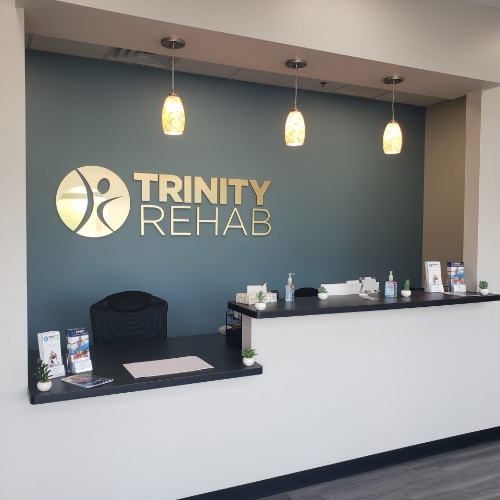
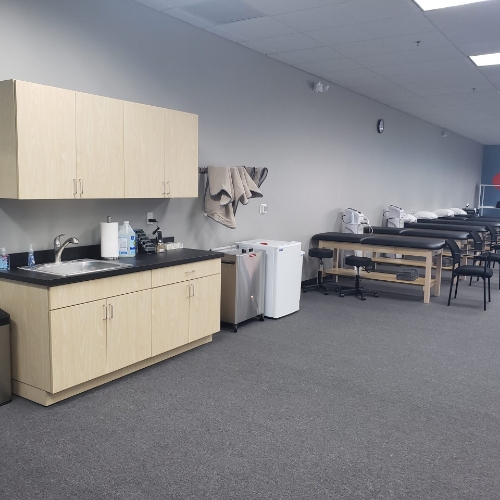
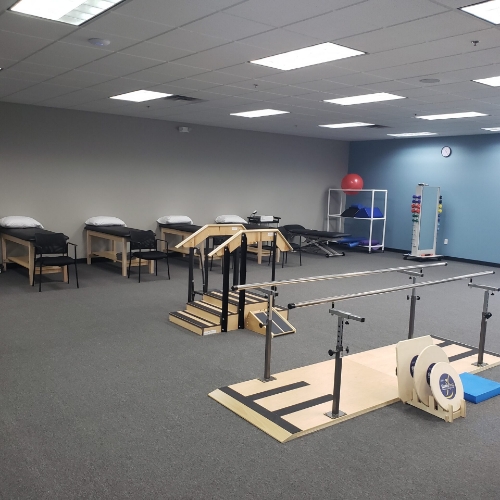
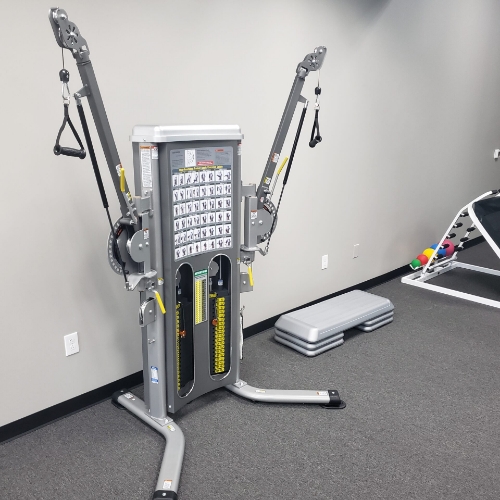
Inside Our Flemington Clinic
Frequently Asked Questions
Can I continue working while undergoing rotator cuff rehabilitation?
What's the difference between rotator cuff tendinopathy and a rotator cuff tear?
How often will I need to attend therapy sessions?
Is rotator cuff physical therapy painful?
What if physical therapy doesn't resolve my rotator cuff injury?
Your Next Step Starts Here
Living in Hunterdon County means relying on your body to maintain the life you’ve chosen — the property, the sports, the physical work that defines your days. A rotator cuff injury threatens all of it, but it doesn’t have to win.
Trinity Rehab in Flemington is here to guide you through a proven, structured rehabilitation process that restores your shoulder’s strength, mobility, and resilience. Request your appointment today and let’s build a plan that gets you back to the Flemington life your shoulder was built for.
Start Your Recovery in Flemington Today
Don’t let shoulder pain hold you back. Schedule your evaluation at Trinity Rehab in Flemington and take the first step toward a stronger, pain-free shoulder.
Related Conditions & Treatments
Rotator cuff injuries are just one of the many conditions we treat at Trinity Rehab Flemington. Explore our full range of conditions we treat or learn more about specific treatment approaches:
What Our Patients Say



Sign up for free health tips and tricks