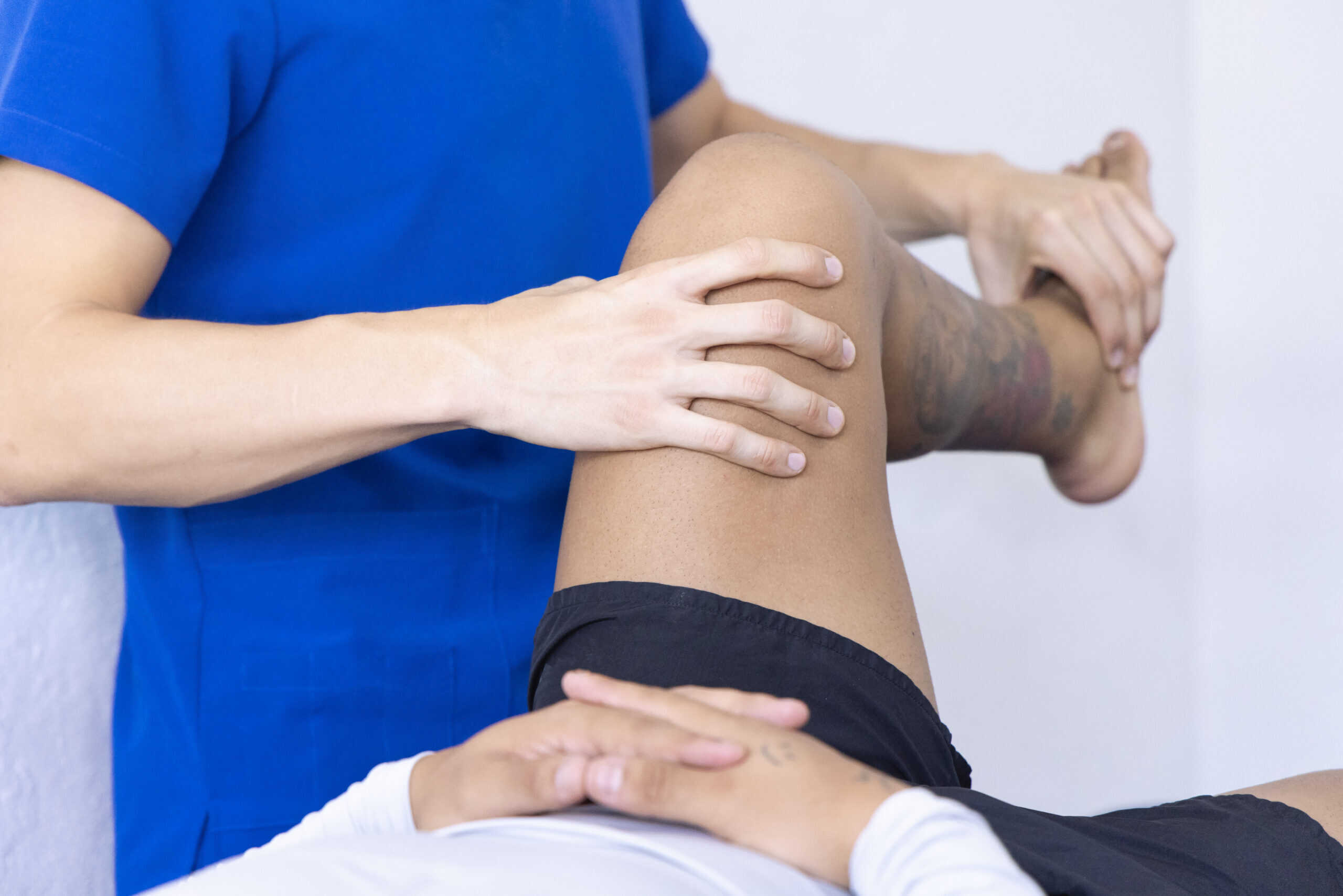
Knee Pain Treatment in Flemington, NJ: Physical Therapy in the Heart of Hunterdon County
Flemington sits at the center of Hunterdon County — a community that blends small-town identity with significant regional activity. The Red Devils at Hunterdon Central Regional High School compete in one of New Jersey’s most competitive athletic environments. The Columbia Trail and Round Valley Recreation Area draw cyclists and hikers from throughout the region. The YMCA River Crossing at Deer Path offers pool training, pickleball, and basketball year-round. And Hunterdon Medical Center — the county’s primary hospital with roughly 2,000 employees — anchors a healthcare employment base that keeps a substantial portion of the workforce on their feet for long shifts.
Knee pain affects all of these people. It interrupts the Hunterdon Central athlete’s season, limits the trail cyclist who wants to log miles on the Columbia Trail, keeps the hospital worker from managing a full shift without discomfort, and progressively restricts the active Hunterdon County resident who isn’t ready to slow down at 60. At Trinity Rehab, we treat knee pain specifically in this community — drawing on real knowledge of what Flemington residents do and what they need to return to.
Who Gets Knee Pain in Flemington
Flemington’s knee pain population spans a wide demographic. Hunterdon County has a median age of 46.2, with 21.7% of residents over 65 — a significant senior population that has the activity history and the demographics to generate knee osteoarthritis at high rates. At the same time, the younger borough population (Flemington borough’s median age is just 34.2, with a notably diverse demographic including 34% Hispanic residents) fuels active sports participation and the occupational demands of the local service economy.
Hunterdon Central athletes. The Red Devils compete in the Skyland Conference and field competitive programs in football, soccer, lacrosse, basketball, and field hockey. ACL tears, meniscus injuries, and patellar conditions are the predictable injuries in these programs — and Hunterdon Central is ranked among the top 60 public high schools in New Jersey, which means high-level athletic competition and correspondingly high athletic demand. These injuries need proper rehabilitation — not just rest — to heal correctly and return athletes to competition safely.
Outdoor recreation participants. Flemington’s location in the Raritan and South Branch Raritan River valleys gives residents access to exceptional outdoor recreation. The Columbia Trail offers miles of cycling and hiking. Round Valley Recreation Area and Cushetunk Mountain draw hikers. The Deer Path Park trail network provides accessible daily walking and running. This level of outdoor activity, while highly beneficial for overall health, generates overuse knee injuries — runner’s knee, IT band syndrome, and stress-related patellar conditions — particularly in adults who increase their activity level faster than their knee structures can adapt.
Healthcare and service workers. Hunterdon Medical Center and the broader Hunterdon Healthcare system employ thousands of county residents in physically demanding roles. Nursing, medical assisting, patient transport, and facility maintenance all involve prolonged standing, frequent floor-level work, and load-bearing demands that stress the knee over the course of a shift. Occupational knee pain is common in this workforce, and physical therapy is a highly effective conservative intervention.
Commuter lifestyle. Hunterdon County residents average 33.6 minutes of commuting daily — many traveling to New Jersey’s urban employment centers or even into New York City via TransBridge or NJ Transit. The sedentary commute pattern compounds the stress of physically active occupations and recreational pursuits.
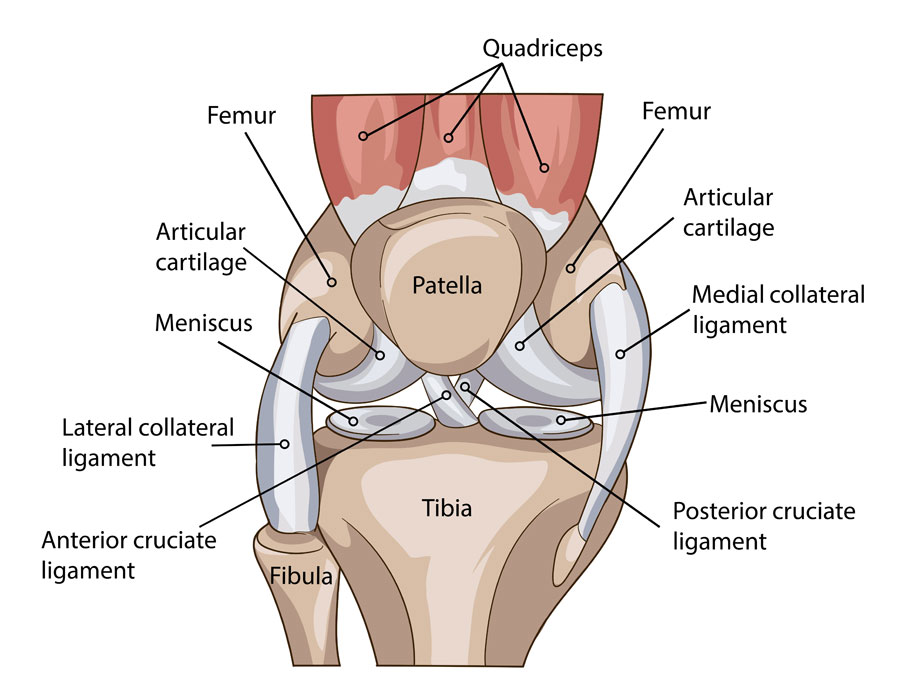
Knee Conditions Trinity Rehab Treats in Flemington
- Knee osteoarthritis — The dominant diagnosis in Hunterdon County’s 50-and-older population; addressed with exercise, manual therapy, and advanced modalities
- ACL and MCL ligament injuries — In Hunterdon Central Red Devils athletes across soccer, football, lacrosse, and field hockey
- Meniscus tears — Acute in athletes; degenerative in active adults and recreational hikers
- Runner’s knee (patellofemoral syndrome) — In Columbia Trail cyclists, joggers, and recreational trail users throughout the Raritan Valley
- IT band syndrome — Outer-knee pain from cycling, hiking, and running on Hunterdon’s trail network
- Patellar tendonitis — In basketball players, volleyball players, and athletes in jump-intensive sports
- Post-surgical rehabilitation — After knee replacement at Hunterdon Medical Center or surrounding facilities
- Occupational knee injuries — In the Hunterdon Healthcare workforce and the county’s industrial employers
Knee Pain Treatment at Trinity Rehab Flemington
Topic-Based Approach to Your Recovery
Trinity Rehab uses a modality-integrated approach — every clinical tool deployed where it provides real value, not just because it’s available. For most Flemington patients, multiple treatment techniques run in parallel within the same course of care, rather than sequencing rigidly through defined phases.
Manual Therapy: The Foundation of Hands-On Care
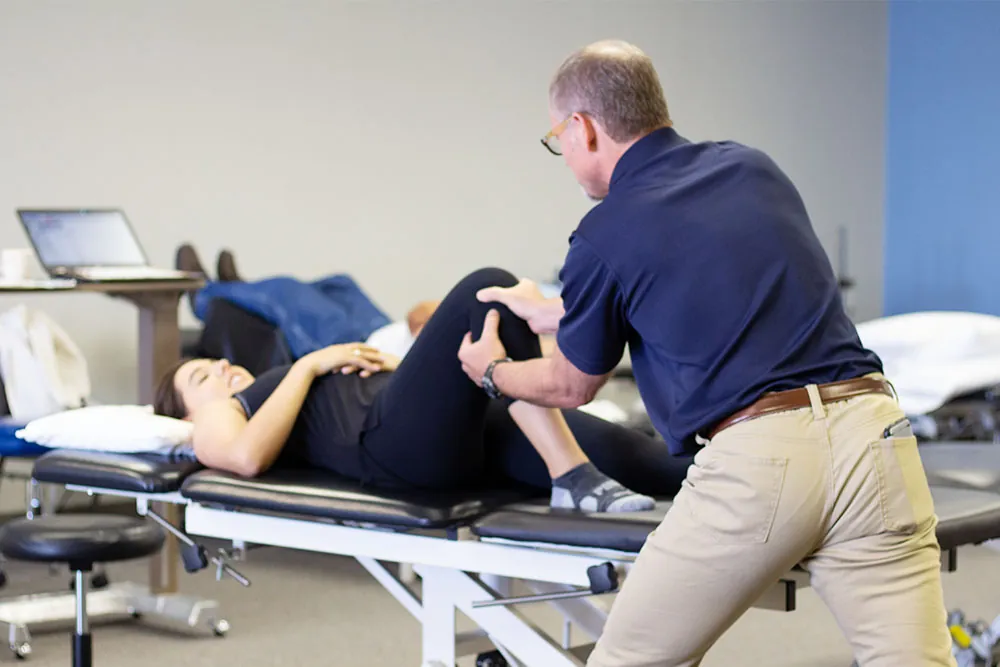
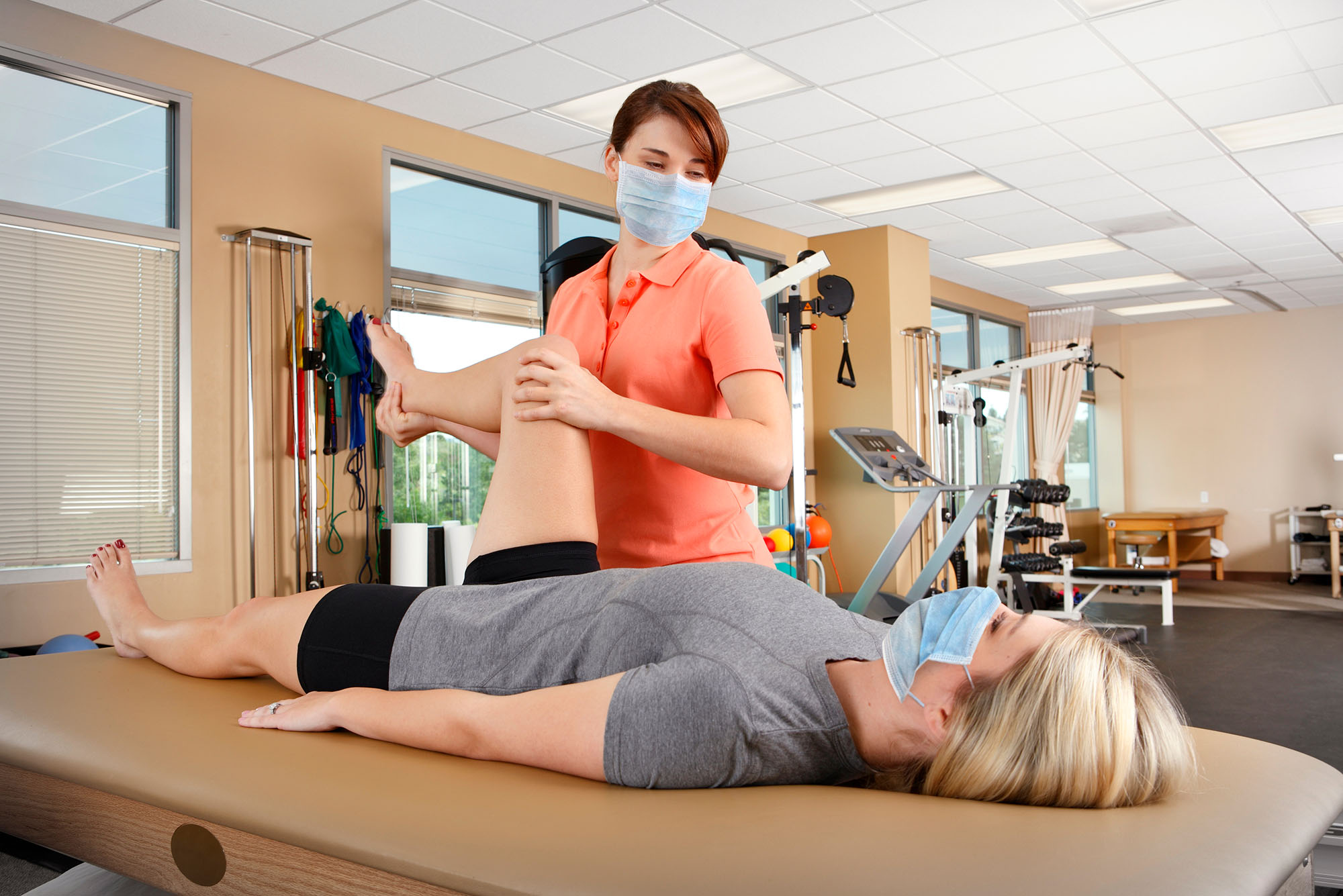
Manual therapy begins at your first evaluation. Joint mobilization restores normal knee mechanics disrupted by injury or arthritis. Soft tissue mobilization addresses the IT band tightness that builds up in Hunterdon County’s cycling and hiking community. Patellar mobilization corrects tracking problems behind anterior knee pain. For Flemington patients who arrive stiff, guarded, and frustrated with limited progress from rest alone, manual therapy changes the experience of their first few visits — and creates the tissue quality that makes exercise therapy productive.
EPAT Shockwave Therapy: Addressing Chronic Pain at Its Source
EPAT (Extracorporeal Pulse Activation Technology) is particularly relevant for Flemington’s active adult population. Cyclists who have pushed through patellar tendon discomfort for a season, hikers managing IT band syndrome that hasn’t resolved, and healthcare workers with chronic pes anserine bursitis from prolonged occupational standing all present with conditions that respond strongly to EPAT’s focused acoustic pulses.
EPAT stimulates blood flow and reactivates the healing cascade in damaged or chronically inflamed tissue. Research published in Frontiers in Medicine confirms that shockwave therapy produces meaningful pain relief and functional improvements in knee osteoarthritis and related conditions. Most patients complete 3–5 sessions with significant, sustained benefit.
Dry Needling: Releasing the Muscle Tension Behind Knee Pain
Dry needling targets trigger points — tight, irritable muscle bands in the quadriceps, IT band, hip flexors, and posterior chain — that generate referred pain around the knee and limit range of motion. For the Columbia Trail cyclist with hip flexor tightness from hours in the saddle, or the Hunterdon Medical nurse with quad tension from long shifts, dry needling provides targeted relief that exercise and stretching alone haven’t delivered.
The technique uses thin sterile needles inserted precisely into trigger points. Most patients experience immediate improvement in muscle tension and pain, with effects that compound over subsequent sessions.
Targeted Strengthening: Protecting the Knee Long-Term
Knee stability depends on the strength of the muscles surrounding the joint — quadriceps, hamstrings, glutes, and hip stabilizers. In every knee condition we treat, these muscles are weaker than they should be, and restoring their strength is fundamental to lasting recovery. Research in Current Reviews in Musculoskeletal Medicine confirms that combined hip and knee strengthening produces meaningful, durable pain reduction and functional improvement.
For the Hunterdon Central athlete, the strengthening program is designed to prepare them to return to the specific demands of their sport. For the Flemington retiree, it’s designed to enable daily activities — walking, stair-climbing, gardening at a Raritan Township property — without pain. Same clinical principle, personalized execution.
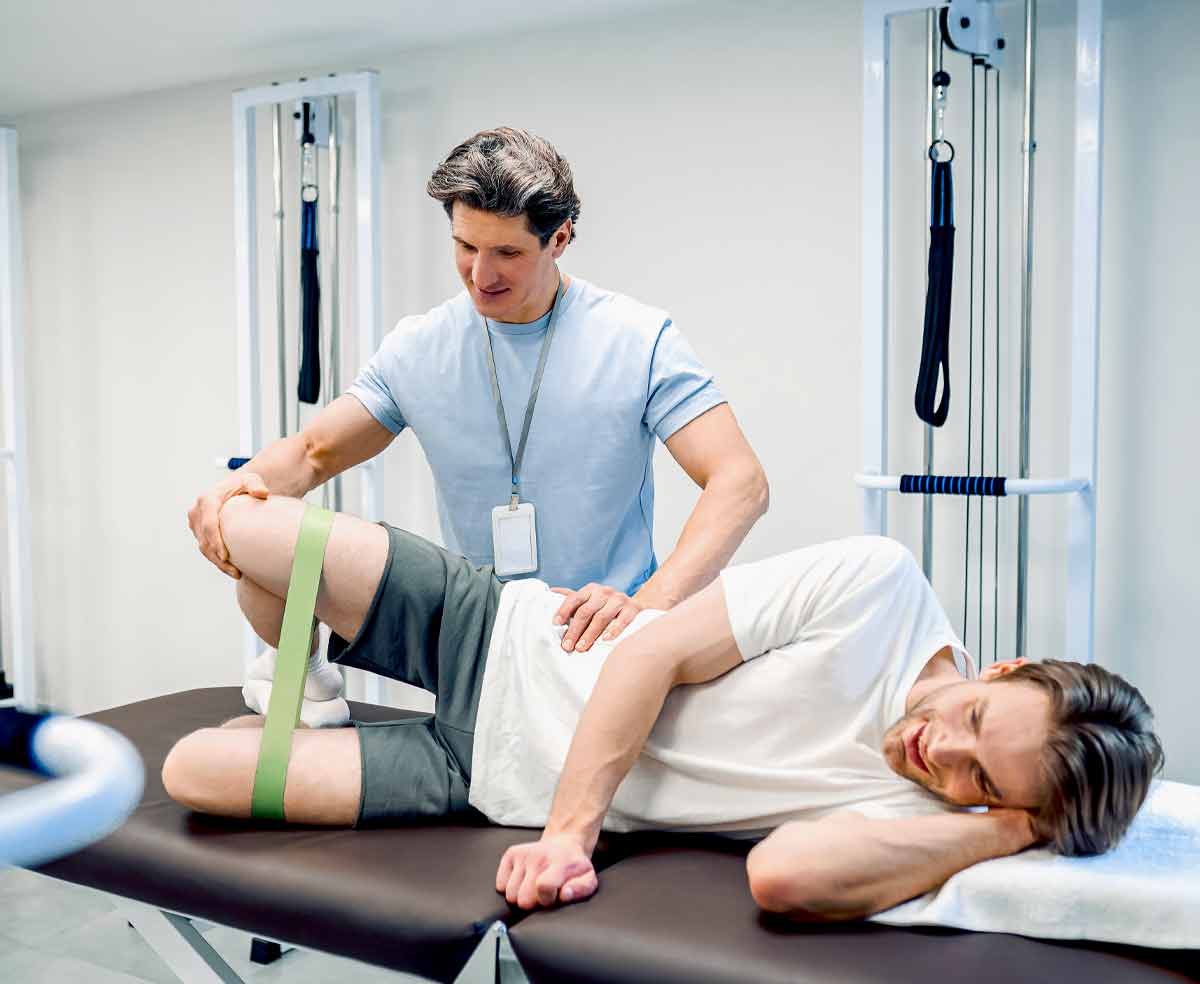
Neuromuscular Training for Safe Sport Return
Athletes returning from ACL reconstruction or significant knee injury need more than strength before returning to competition. Neuromuscular retraining — balance training, proprioception drills, deceleration mechanics, and sport-specific movement patterns — rebuilds the automatic reflexes that stabilize the knee during unpredictable competitive demands. For Hunterdon Central Red Devils athletes, return-to-play clearance is based on performance criteria, not just a calendar.
AlterG Anti-Gravity Treadmill
For patients recovering from knee replacement surgery at Hunterdon Medical Center, or those whose pain currently limits weight-bearing, the AlterG treadmill enables earlier return to walking mechanics. Using air pressure to partially offset body weight, the AlterG lets patients walk with reduced joint load — maintaining mobility and fitness while protecting the healing structure.
Patient Education: Understanding What’s Happening in Your Knee
Your therapist will explain your condition clearly — what’s damaged or inflamed, why it hurts when it does, what activities protect it versus aggravate it, and how the treatment plan addresses the root cause. For Flemington patients managing osteoarthritis, education about load management and activity modification is as important as any exercise. For athletes, understanding return-to-sport criteria removes anxiety and builds appropriate confidence.
Preventing Knee Pain from Returning in Flemington
The conditions that generate knee pain in Hunterdon County have natural prevention strategies:
- Trail activity management. When returning to the Columbia Trail or Round Valley hiking, increase distance and elevation gradually. Uneven terrain increases joint load; adequate quad and glute strength makes that load manageable.
- Cycling mechanics. Bike fit is a frequent contributor to knee pain in cyclists. Seat height, cleat alignment, and saddle position all affect how the knee tracks during pedaling. Your therapist can advise on mechanics and recommend a professional fit if needed.
- Occupational habits. If you work long shifts at Hunterdon Medical or another healthcare facility, strategic use of supportive footwear, break patterning, and strengthening maintenance dramatically reduces occupational knee wear.
- Maintain the home program. The strengthening gains from physical therapy depreciate without maintenance. A twice-weekly home routine keeps the knee stable long after discharge.
Why Flemington and Hunterdon County Residents Choose Trinity Rehab
One-on-one with your licensed therapist every session — every minute, no aides, no unsupervised exercise time. This model produces better outcomes and real relationships with your provider.
No referral required — New Jersey direct access allows immediate scheduling without a physician’s appointment.
Advanced clinical technology — EPAT, dry needling, and the AlterG, available and integrated appropriately. Most Hunterdon County practices don’t offer all three.
Insurance accepted — Most major plans, verified before your first visit.
Explore all conditions we treat or read our full knee pain guide.
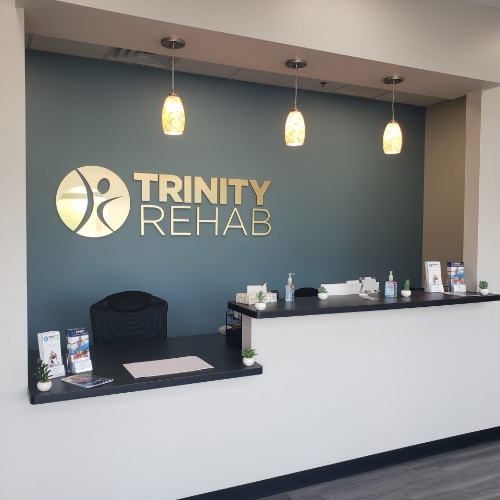
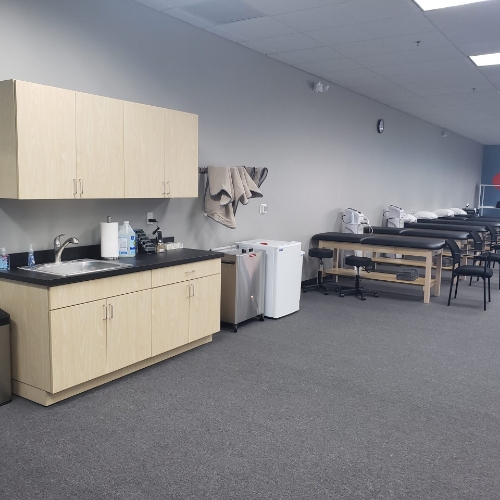
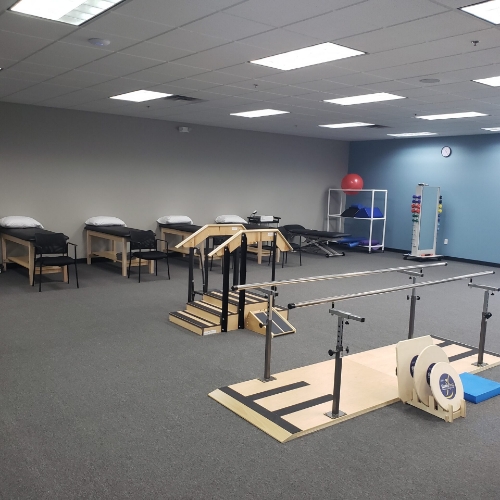
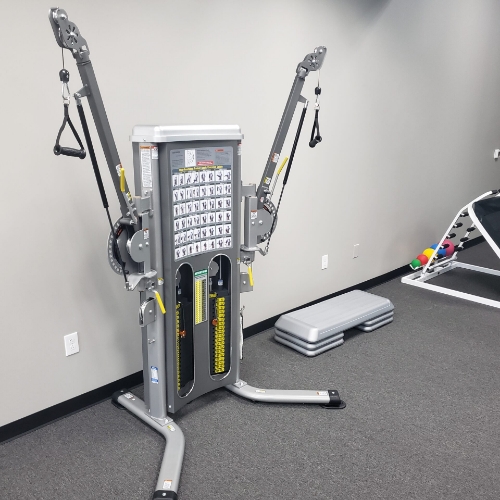
Inside Our Flemington Clinic
Related Conditions & Treatments
Knee pain is just one of the many conditions we treat at Trinity Rehab. Explore our full range of conditions we treat or learn more about specific treatment approaches:
Frequently Asked Questions — Knee Pain in Flemington, NJ
I'm an avid cyclist on the Columbia Trail. I have outer knee pain when I ride. What is it, and can PT help?
My child plays soccer and lacrosse for Hunterdon Central. They've been having knee pain after practice. What should I do?
Can physical therapy help with post-surgical recovery after knee replacement at Hunterdon Medical Center?
Do I need a referral to see Trinity Rehab in Flemington?
How does physical therapy compare to cortisone injections for knee pain?
Start Your Knee Pain Recovery Today
Don’t let knee pain hold you back. Our physical therapists will create a personalized treatment plan to get you moving again.
Related resources: Knee Pain Treatment Hub | Hip & Knee Pain Relief | Sciatica Treatment | EPAT Therapy | Sports Injuries
What Our Patients Say



Sign up for free health tips and tricks