
ROTATOR CUFF INJURY TREATMENT IN EMERSON, NJ
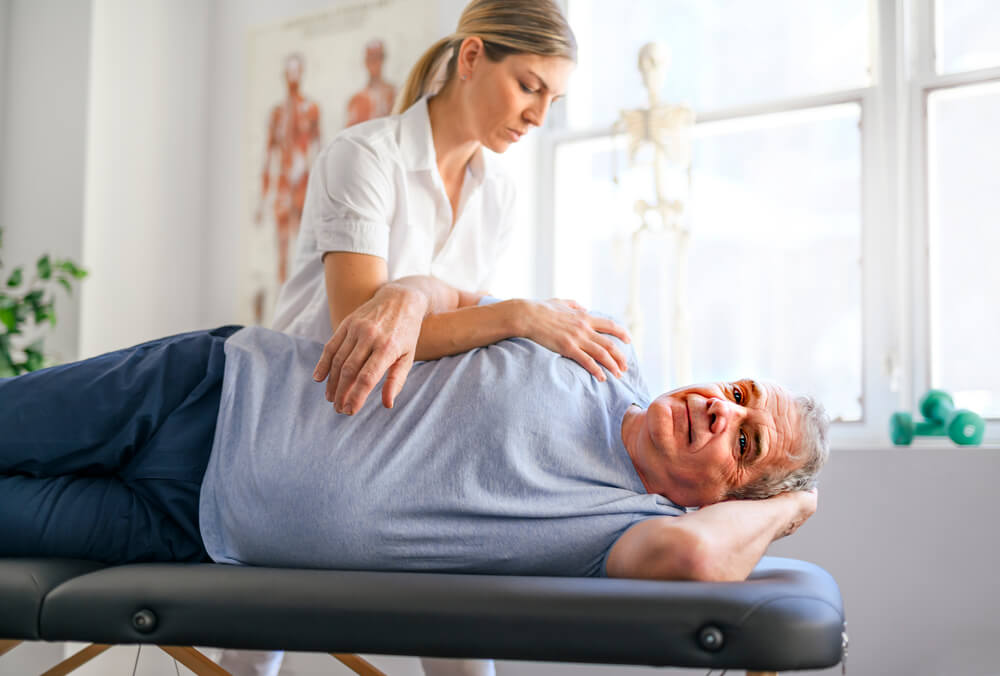
When Shoulder Pain Sidelines Your Pascack Valley Lifestyle
It might start on a warm Saturday morning at Ackerman Park — you’re coaching your child’s Emerson Little League game, and a casual throw from the outfield sends a sharp bolt of pain through your shoulder. Or maybe you notice it after a round at Soldier Hill Golf Course, where that backswing you’ve perfected over decades suddenly feels like a gamble your shoulder can’t afford. For many residents of this close-knit Bergen County community, a rotator cuff injury creeps in gradually — stiffness reaching for a high shelf, a dull ache that lingers after raking leaves, or a twinge that wakes you at 3 a.m.
With a median age between 45 and 48 and more than a quarter of residents over 65, Emerson is a place where people take pride in staying active — commuting to Manhattan, swimming at Pascack Valley Swim Club, playing tennis at Ridgewood Racquet Club. When your shoulder starts to fail, you deserve treatment that respects your goals and gets you back to the life you love.
At Trinity Rehab in Emerson, we combine evidence-based physical therapy with genuine understanding of what daily life demands in this community.
Understanding Your Rotator Cuff: Why This Injury Demands Attention
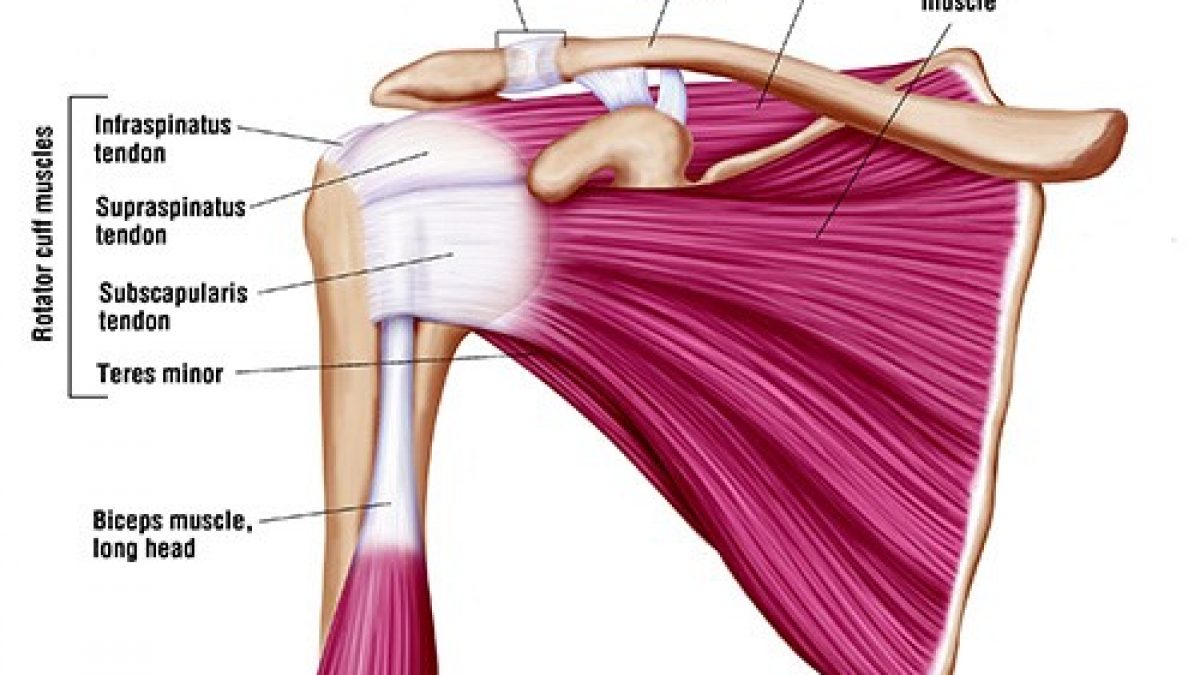
Your rotator cuff is a team of four muscles and their tendons that stabilize your glenohumeral joint — the ball-and-socket joint where your upper arm meets your shoulder blade. The supraspinatus, which initiates arm elevation, is the most commonly injured. The infraspinatus, responsible for external rotation, is a close second. Together with the teres minor and subscapularis, they coordinate every time you lift, reach, rotate, or throw.
When any part of this system is damaged — through a sudden tear, gradual wear, or chronic rotator cuff tendinopathy — the mechanism breaks down. Your range of motion shrinks, compensatory patterns develop, and problems can spread to your neck and upper back.
Rotator cuff injuries rarely resolve on their own. Without rehabilitation, partial tears progress and muscle weakness becomes permanent. Physical therapy is the first-line treatment recommended by orthopedic guidelines, and outcomes are often excellent when treatment begins early.
Common Causes of Rotator Cuff Injuries in Emerson
Living in Emerson means navigating specific physical demands that put your shoulders at risk.
The Commuter's Toll
With an average 31-minute commute to New York City, many Emerson residents spend significant time gripping a steering wheel or clutching a train strap. Hours of static, shoulders-forward posture weakens the posterior rotator cuff and tightens anterior structures, creating conditions for impingement and tendinopathy over time.
Active Aging in an Affluent Community
Emerson’s high homeownership rate — over 92% — means weekends are often spent on property maintenance. Painting trim, cleaning gutters, pruning trees, and washing windows all require sustained overhead work. For residents over 50, tendons that have gradually lost elasticity are particularly vulnerable to these repetitive overhead demands. The supraspinatus tendon, which passes through a narrow space beneath your acromion bone, is especially susceptible to compression during these activities.
Youth and Adult Athletics
From Emerson Little League and recreation football to adult swim programs and competitive tennis, this community loves its sports. Overhead athletes — baseball players, swimmers, and tennis players — place extraordinary demands on the rotator cuff. The repetitive eccentric loading that occurs during the deceleration phase of throwing or serving can create microtrauma that accumulates over a season or a lifetime.
Workplace Demands
Whether you work for Pascack Valley Medical Group, in healthcare support, or in Bergen County professional offices, repetitive arm movements and sustained postures contribute to shoulder breakdown.
Recognizing the Symptoms
Rotator cuff injuries present differently depending on severity and duration. You should seek evaluation if you experience any of the following:
- Night pain that disrupts sleep, especially when lying on the affected side
- A deep ache in your shoulder that worsens with overhead activity
- Difficulty reaching behind your back to tuck in a shirt or fasten a bra
- Weakness when lifting objects away from your body
- A catching or clicking sensation during arm movement
- Progressive loss of range of motion that limits daily activities
- Pain that radiates from your shoulder into your upper arm
- Inability to raise your arm above shoulder height without compensation
- comprehensive rotator cuff treatment
If you’re experiencing these symptoms, don’t wait for them to resolve. Early intervention significantly improves outcomes. Schedule an evaluation at Trinity Rehab and let us assess your shoulder before compensatory patterns take hold.
Manual Therapy and Hands-On Care
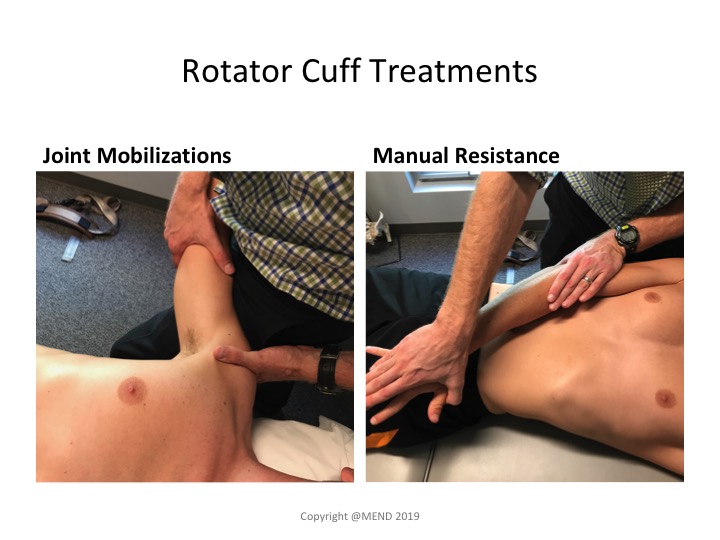
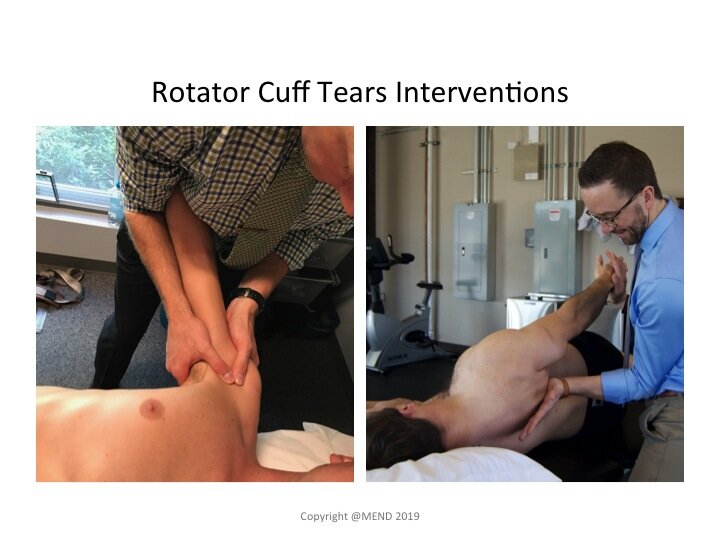
At Trinity Rehab in Emerson, treatment begins with your therapist’s hands. Manual therapy is the cornerstone of early rotator cuff rehabilitation because it addresses problems that exercises alone cannot reach.
Your therapist performs joint mobilizations to restore normal gliding and rolling motions within your glenohumeral joint. When these accessory motions are restricted, your rotator cuff muscles work against mechanical resistance, accelerating wear and increasing pain.
Soft tissue mobilization targets adhesions and trigger points in the rotator cuff muscles and surrounding structures like the upper trapezius and pectoralis minor. For our Emerson patients with desk jobs or long commutes, addressing these compensatory patterns is essential to lasting recovery.
We also incorporate dry needling for patients with persistent myofascial trigger points. This technique uses thin filament needles to release deep muscle tension and improve blood flow, often producing immediate improvements in comfort and mobility.
Progressive Strengthening: Rebuilding Your Rotator Cuff
Weakened muscles must be systematically retrained. At Trinity Rehab, we follow a progressive strengthening model built on current rehabilitation science.
Isometric Activation
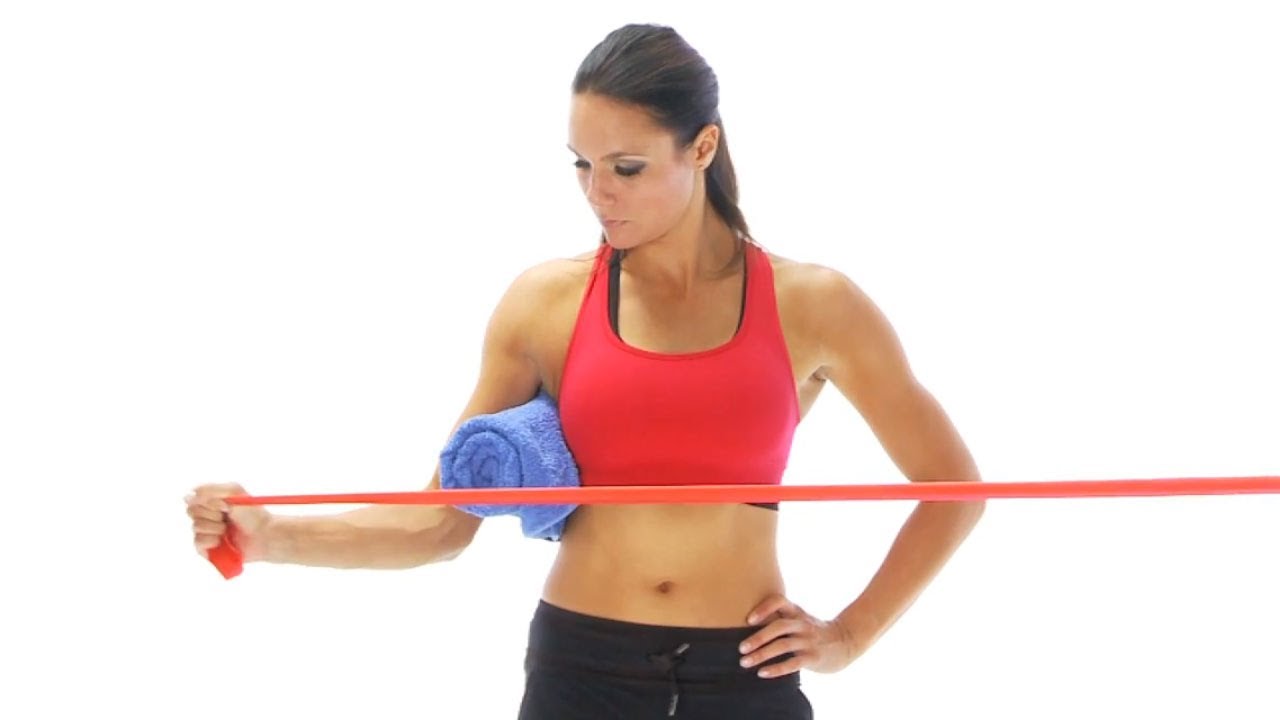
In the earliest phase, when pain limits movement, we use isometric contractions — muscle activation without joint movement — to begin retraining the rotator cuff. These low-load exercises are gentle enough for irritated tissue but effective enough to begin reversing muscle inhibition.
Eccentric Loading Protocols
As your pain decreases and tissue tolerance improves, we introduce eccentric loading — controlled lengthening of the muscle under tension. Research consistently shows that eccentric exercise is one of the most effective interventions for rotator cuff tendinopathy, stimulating tendon remodeling at the cellular level. Your therapist will guide you through specific eccentric protocols for the supraspinatus and infraspinatus, calibrated to your current capacity.
Scapular Stabilization
Your shoulder blade is the foundation upon which your rotator cuff operates. Scapular stabilization exercises — targeting the serratus anterior, lower trapezius, and rhomboids — ensure that your scapula moves in coordinated rhythm with your arm. Without this scapulohumeral rhythm, your rotator cuff is set up for repeated impingement. This is particularly important for our patients who spend hours at desks or behind the wheel, where scapular muscles become chronically inhibited.
Functional Integration
Strength in isolation isn’t enough. We progress to compound movements that replicate the demands of your life — reaching overhead to stock a cabinet, swinging a golf club at Soldier Hill, throwing batting practice at Ackerman Park, or carrying groceries from the car. This phase bridges the gap between clinical rehabilitation and real-world capability.
Advanced Modalities for Accelerated Healing
Some rotator cuff injuries benefit from technology-assisted treatment. At Trinity Rehab in Emerson, we offer advanced modalities that complement our hands-on approach.
EPAT (Extracorporeal Pulse Activation Technology) delivers acoustic pressure waves to the injured tendon, stimulating cellular repair mechanisms and increasing blood supply to tissue that is naturally slow to heal. For chronic rotator cuff tendinopathy — the type that develops gradually over months or years — EPAT can break through healing plateaus that other treatments haven’t resolved.
These modalities aren’t standalone solutions. They’re integrated into your comprehensive physical therapy program, timed to maximize their impact at each stage of your recovery.
Sport-Specific Recovery
From young Cavos athletes competing for state titles to adults who’ve played recreationally for decades, returning to sport requires sport-specific rehabilitation that addresses the exact demands your shoulder will face.
For baseball and softball players, we rebuild the eccentric control that protects the rotator cuff during the deceleration phase of throwing. For swimmers at Pascack Valley Swim Club, we address the repetitive overhead demands of freestyle and butterfly with emphasis on scapular mechanics. For tennis players at Ridgewood Racquet Club, we progressively rebuild the serving motion, ensuring your glenohumeral joint has full range of motion. For golfers, we focus on rotational control and the lead shoulder’s ability to tolerate impact forces.
If you’re dealing with a sports injury, our team builds return-to-sport protocols specific to your activity and goals.
Preventing Future Rotator Cuff Problems
Protecting your shoulder long-term requires ongoing attention. Here are prevention strategies tailored to life in Emerson:
- Warm up before yard work and home projects. Five minutes of arm circles, band pull-aparts, and wall slides can prepare your rotator cuff for sustained overhead tasks.
- Strengthen your posterior chain. Exercises targeting the infraspinatus, lower trapezius, and serratus anterior counteract the forward-shoulder posture that commuting and desk work promote.
- Respect fatigue. When your shoulder feels tired during a round of golf or a set of tennis, stop. Rotator cuff injuries frequently occur when fatigued muscles can no longer stabilize the joint.
- Maintain thoracic mobility. A stiff upper back forces your shoulder to compensate with excessive motion, increasing impingement risk. Regular thoracic rotation stretches are especially important for residents who spend hours seated.
- Schedule annual movement screenings. Particularly if you’re over 50, a preventive assessment can identify range of motion deficits and strength imbalances before they become injuries.
Why Emerson Residents Choose Trinity Rehab
Our patients are busy — professionals commuting to the city, parents managing packed schedules, retirees who refuse to slow down. Our clinic offers:
- One-on-one care with a licensed physical therapist at every visit — no hand-offs to aides or technicians
- Flexible scheduling that respects your commuting schedule and family obligations
- A comprehensive approach that integrates manual therapy, progressive exercise, and advanced modalities under one roof
- Direct access — in New Jersey, you can begin physical therapy without a physician referral, which means faster treatment and faster recovery
- Specialized expertise in shoulder pain relief and work-related injuries that are common in this community
We’ve helped hundreds of Bergen County residents return to the activities that define their lives — from coaching Little League to completing a full round of golf without pain.
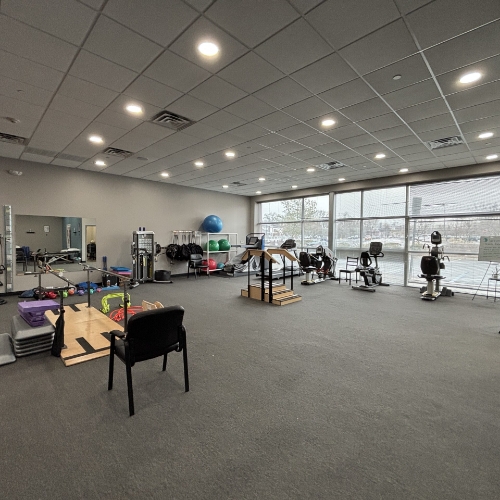
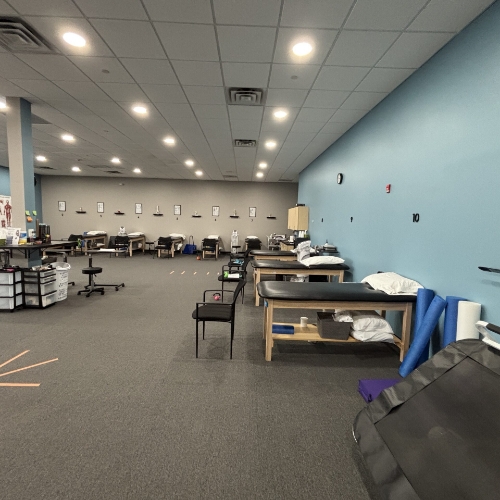
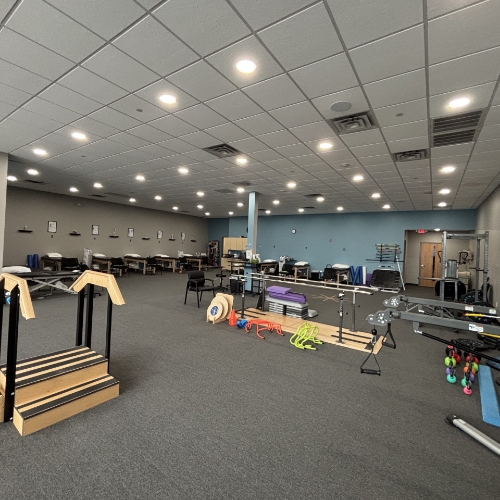
Inside Our Emerson Clinic
Frequently Asked Questions
Do I need an MRI before starting physical therapy for a rotator cuff injury?
How long does rotator cuff rehabilitation typically take?
Can physical therapy help me avoid rotator cuff surgery?
What should I do about shoulder pain between therapy sessions?
Does Trinity Rehab treat post-surgical rotator cuff patients?
Take the First Step Toward Recovery
You don’t have to live with shoulder pain. Whether your rotator cuff injury came from years of commuting posture, a weekend of yard work, or a lifetime of athletics, Trinity Rehab in Emerson is ready to help you recover — thoroughly, safely, and on your terms.
Schedule your appointment today and take the first step back to the active Pascack Valley life you’ve built. Our team is here to listen, evaluate, and build a treatment plan that’s as individual as you are.
Start Your Recovery in Emerson Today
Don’t let shoulder pain hold you back. Schedule your evaluation at Trinity Rehab in Emerson and take the first step toward a stronger, pain-free shoulder.
Related Conditions & Treatments
Rotator cuff injuries are just one of the many conditions we treat at Trinity Rehab Emerson. Explore our full range of conditions we treat or learn more about specific treatment approaches:
What Our Patients Say



Sign up for free health tips and tricks