
Osteoarthritis Treatment in Emerson, NJ — One-on-One Care in Bergen County’s Pascack Valley
Emerson is a quiet Bergen County borough where community runs deep. The NJ Transit Pascack Valley Line connects residents to Manhattan, youth sports fill the recreation commission’s calendar from spring through fall, and neighbors meet for morning rounds at Soldier Hill Golf Course. The parks — from Ackerman Park’s bocce courts to Rosengart Park’s walking paths — give residents reason to stay active year-round.
But Emerson’s character also means something significant for joint health: with a median age of 48 and a strong presence of older families and retirees, this is a community where osteoarthritis is genuinely common. Osteoarthritis affects more than 32.5 million adults in the United States, and the gradual joint breakdown that defines this degenerative joint disease tends to become most apparent precisely in the active, engaged retirement years that so many Emerson residents look forward to.
If morning stiffness, knee pain on the back nine at Soldier Hill, or hip discomfort on the walk to the NJ Transit station has started interrupting your daily life, Trinity Rehab in Emerson offers expert, individualized physical therapy to help. Under New Jersey Direct Access laws, you can begin immediately — no physician referral required. Request your appointment today.
The Stakes of Undertreated Osteoarthritis
Osteoarthritis is a progressive degenerative joint disease involving the breakdown of articular cartilage — the smooth tissue covering the ends of bones in your joints. Cartilage absorbs shock, distributes load, and allows joint surfaces to move without friction. When it degrades, bone surfaces increasingly contact each other, producing the aching pain, joint stiffness, and reduced range of motion that characterize the condition.
Without effective management, osteoarthritis follows a well-defined trajectory:
- Worsening pain during daily activities — walking, climbing stairs, getting in and out of vehicles
- Increasing morning stiffness that takes longer to ease and returns more readily
- Muscle weakness around the affected joint, accelerating cartilage loss by removing the body’s primary shock-absorbing mechanism
- Compensatory movement patterns that shift stress to adjacent joints and the spine
- Reduced physical activity, leading to deconditioning, weight gain, and declining cardiovascular health
- Psychological impact — the frustration and isolation that can accompany loss of independence
The good news is compelling: physical therapy is the most evidence-supported arthritis treatment for osteoarthritis at every stage. The American College of Rheumatology, the Arthritis Foundation, and the National Institute for Health and Care Excellence (NICE) all identify structured physical therapy as first-line management — before medication escalation and well before joint replacement surgery is considered.
Recognizing Osteoarthritis Early
Osteoarthritis most commonly affects the knees, hips, hands, shoulders, and spine. The symptoms Emerson patients typically notice first:
- Morning stiffness in the knees or hips lasting 20–30 minutes, particularly pronounced after sleeping or resting in a car seat on the commute
- Deep, aching joint pain that builds during activity and eases with rest — but gradually requires more rest to settle
- A grinding or crackling sensation (crepitus) when rotating or bending the affected joint — noticeable getting out of the car after the commute, or at the start of a golf round
- Swelling around the knee after a demanding day or after a round of golf
- Reduced range of motion — the hip that no longer rotates freely to execute a backswing, the knee that does not fully extend when walking
- Instability — a feeling that the knee may give way on uneven ground or during a turn
- Pain with specific daily tasks: rising from the couch, climbing stairs, or carrying groceries
If these symptoms have been present for more than a few weeks, early physical therapy produces better outcomes than waiting. Osteoarthritis does not improve on its own.
How Physical Therapy Treats Osteoarthritis at Trinity Rehab Emerson
Strengthening: Your Joints’ Primary Protection
The evidence is unambiguous: muscles are the body’s most effective shock absorbers for arthritic joints. The stronger the muscles surrounding a damaged joint, the less mechanical stress reaches the cartilage surface.
Knee osteoarthritis and knee arthritis: The quadriceps muscle is the single most important protector of the knee. Research directly links quadriceps weakness to greater knee pain, faster joint space narrowing on imaging, and higher rates of eventual knee replacement surgery. Trinity Rehab Emerson builds progressive quadriceps and hamstring strengthening programs alongside hip abductor and gluteal work. PNF stretching protocols improve hamstring flexibility specifically, reducing knee pain and enhancing overall joint flexibility.
Hip osteoarthritis: Progressive hip stabilizer and core strengthening reduces the mechanical forces on the hip joint during walking, standing, and the rotational demands of golf. Strong hip muscles also reduce secondary lower back and knee pain.
Shoulder OA: For Emerson’s older adults managing shoulder arthritis alongside lower extremity OA — common after decades of overhead sports or heavy lifting — rotator cuff and scapular stabilization restore function and reduce pain.
Hand and wrist OA: Grip strengthening exercises preserve independence in tasks like gardening, cooking, and golf grip mechanics.
Your individualized exercise program is built around the specific activities that define your life: whether that means comfortably finishing 18 holes at Soldier Hill, walking to the Emerson NJ Transit station, or keeping up with the youth sports coaching you have done for years. A home program maintained 3–4 times per week sustains and builds on clinic gains.
Manual Therapy: Hands-On Restoration of Joint Flexibility
Manual therapy is applied directly to arthritic joints and surrounding tissues throughout your treatment:
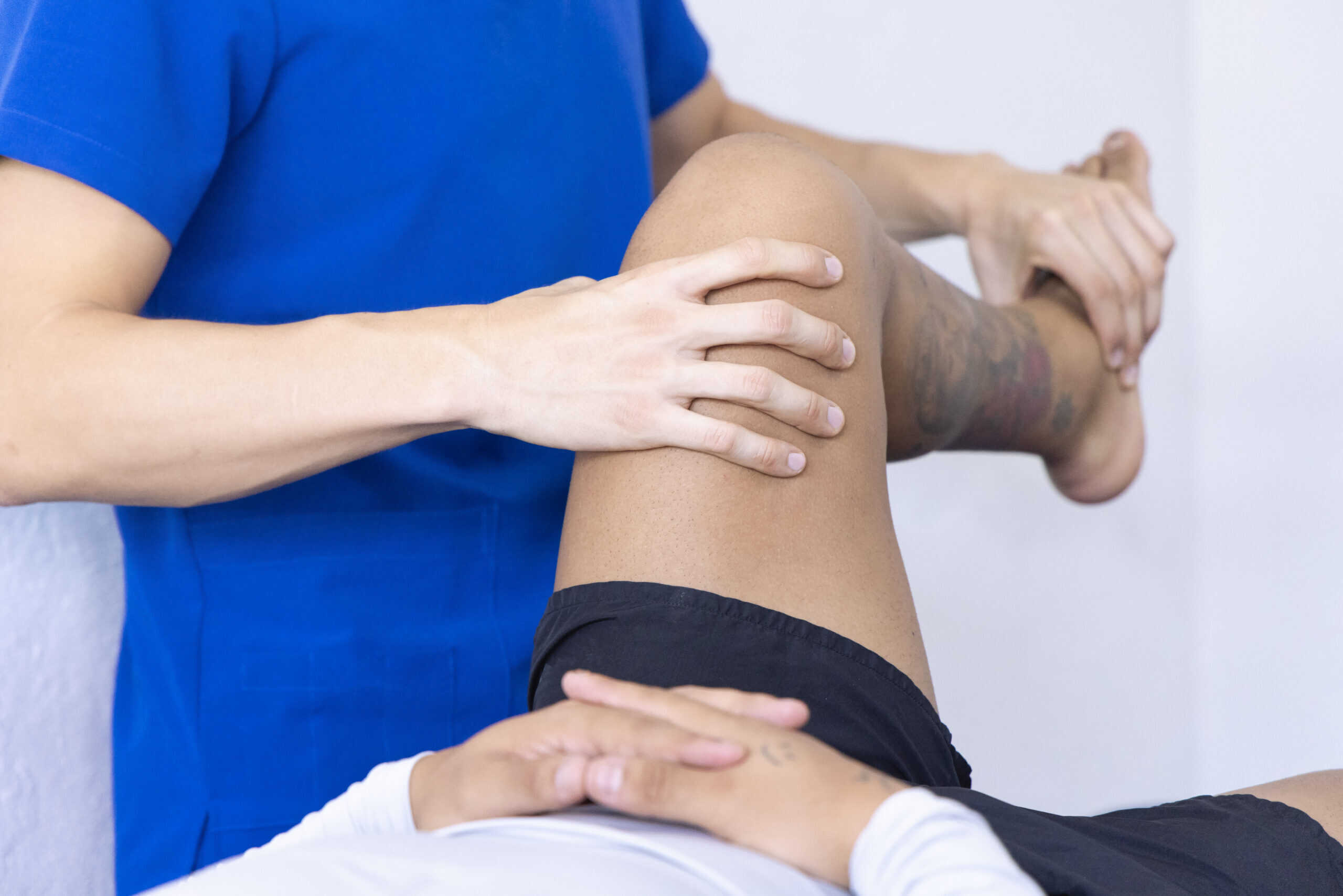
Joint mobilization uses controlled, therapeutic movements to restore the gliding motion within the joint capsule that osteoarthritis progressively restricts. Studies consistently demonstrate that joint mobilization reduces osteoarthritis pain and improves functional range of motion — often with noticeable improvement within the first two to three sessions.
Soft tissue mobilization releases the chronic muscle tightness and fascial restrictions that develop in response to years of joint pain. For Emerson’s golfers and long-time commuters, this work on the hip flexors, quadriceps, and lumbar paraspinals often provides meaningful relief rapidly.
Neuromuscular re-education retrains efficient, safe movement patterns that years of protecting a painful joint have distorted — preventing the downstream joint problems that compensatory mechanics create.
EPAT Shockwave Therapy: Targeted Tissue Repair
EPAT Shockwave Therapy delivers focused acoustic pressure waves to damaged soft tissues surrounding arthritic joints, stimulating collagen production and natural healing. Research demonstrates 60–80% pain relief for patellar tendinopathy, plantar fasciitis, Achilles tendinopathy, and other soft tissue conditions that frequently accompany osteoarthritis. For Emerson patients with persistent soft tissue pain alongside their joint disease, EPAT extends the reach of treatment beyond what manual therapy and exercise alone provide.
Dry Needling: Releasing Chronic Muscular Tension
Dry needling targets the myofascial trigger points that develop in muscles chronically guarding around arthritic joints. These trigger points cause referred pain that extends well beyond the joint itself and restrict range of motion in ways that stretching alone cannot address. For Emerson’s older adults with long-standing osteoarthritis, dry needling provides a layer of pain relief that complements every other aspect of treatment.
AlterG Anti-Gravity Treadmill
For patients with severe knee or hip osteoarthritis, the AlterG Anti-Gravity Treadmill reduces effective body weight by up to 80%, making aerobic exercise and walking possible without painful joint loading. Clinical research shows 20–30% pain reduction and improved functional endurance for arthritis patients using this technology. For Emerson residents who want to maintain their fitness for golf, walking, and active retirement, the AlterG is a meaningful addition that standard clinics simply do not offer.
Transcutaneous electrical nerve stimulation (TENS) provides non-invasive pain management during the early phases of treatment when activity tolerance is most limited.
Long-Term Osteoarthritis Management
Physical therapy is not just about the weeks you spend in the clinic — it is about building a sustainable plan for managing your joint health for years.
- Weight management: A 10% reduction in body weight decreases knee osteoarthritis pain by up to 50%. Your therapist helps identify safe, sustainable aerobic exercise strategies.
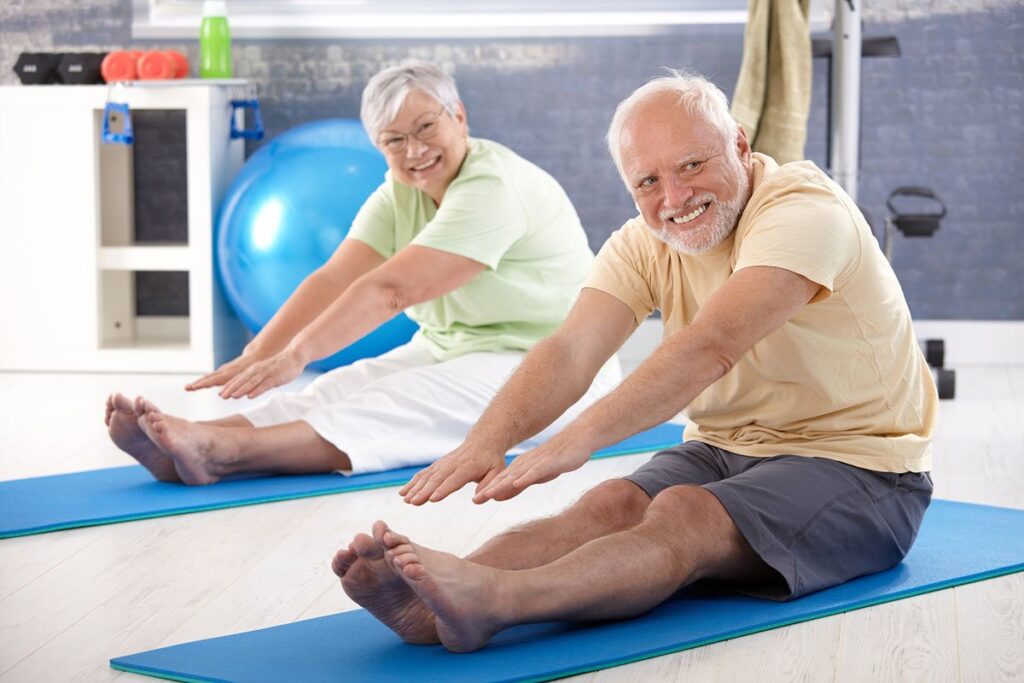
- Consistent aerobic exercise: Low-impact options — walking, swimming, cycling, and tai chi — maintain joint mobility and cardiovascular fitness. Tai chi has specific research support for improving balance and reducing pain in older adults.
- Home strengthening program: Maintained 3–4 times per week, your home exercise program sustains the muscle mass that protects your joints between clinic visits and long after your formal program ends.
- Activity modification strategies: How to keep golfing, walking, and doing the activities you love while protecting already compromised joints
- Joint protection techniques for daily tasks, yard work, and recreational activities
There are currently no proven disease-modifying agents for osteoarthritis. Dietary supplements like glucosamine and chondroitin are widely used, though clinical evidence for their effectiveness is limited. Topical NSAIDs and steroid injections may be appropriate adjuncts to discuss with your physician for severe flares.
Why Emerson Residents Are Particularly Affected
Emerson’s specific demographics and lifestyle create patterns of joint loading worth understanding:
Older adults with active lifestyles: With a median age of 48, Emerson skews toward the age range where osteoarthritis most commonly surfaces — typically after 50. Residents who have spent decades golfing at Soldier Hill, participating in Emerson Recreation Commission leagues, coaching their children’s baseball and soccer teams, and maintaining well-kept yards have accumulated real joint mileage. This is not a reason to stop being active — quite the opposite — but it does mean joints need support.
NYC commuters: The Pascack Valley Line carries Emerson residents on a roughly 70-minute commute to Penn Station. Prolonged seated posture during this commute tightens hip flexors, compresses spinal discs, and weakens the posterior chain muscles — contributing over time to hip stiffness and knee discomfort that gradually worsens into osteoarthritis.
Golfers: Golf is particularly relevant in Emerson. The rotational demands of the golf swing place significant stress on the lumbar spine, hips, and knees. Walking 18 holes on varied terrain adds impact loading. Over decades of play, golfers develop characteristic patterns of hip and lower back joint wear. The good news: with the right physical therapy plan, golf and osteoarthritis can coexist — and the strength built in treatment often improves performance on the course.
Manual and logistics workers: UNIS warehousing and logistics operations in Emerson employ workers whose jobs involve heavy lifting, repetitive bending, and long periods on their feet — all documented contributors to knee osteoarthritis over time.
Prior joint injuries: Any significant knee, hip, or ankle injury from decades past substantially raises the risk of developing post-traumatic osteoarthritis in that joint. Many older Emerson residents carry the legacy of old sports injuries in their current joint health.
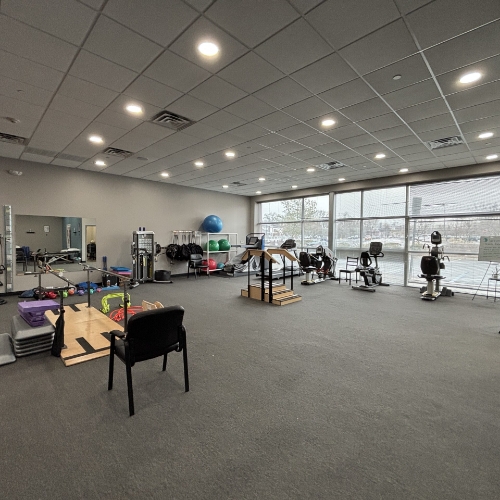
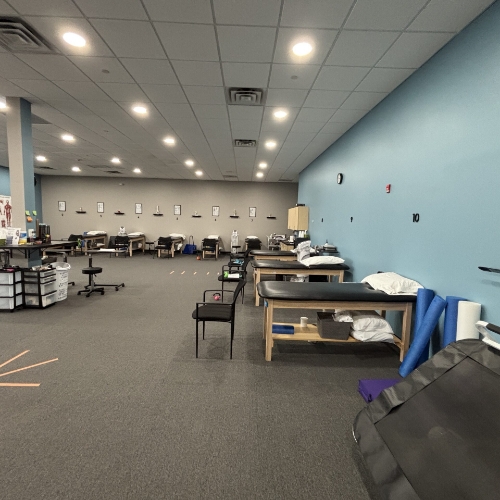
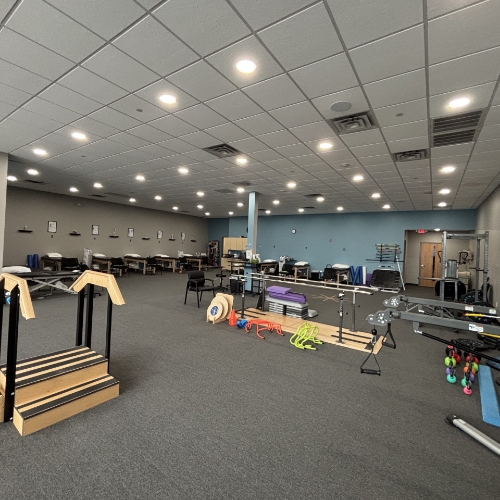
Inside Our Emerson Clinic
Related Conditions & Treatments
Osteoarthritis is just one of the many conditions we treat at Trinity Rehab Emerson. Explore our full range of conditions we treat or learn more about specific treatment approaches:
Frequently Asked Questions
Does Trinity Rehab accept insurance for osteoarthritis treatment in Emerson?
Can I keep playing golf at Soldier Hill while I am in physical therapy?
My knees have been bothering me for years. Is it too late for physical therapy to help?
What is geriatric physical therapy, and is it different from regular PT for osteoarthritis?
How quickly can I get an appointment?
Getting Back to the Life You Have Built in Emerson
The walk to the Pascack Valley train, the morning round at Soldier Hill, the Saturday games at Emerson Recreation, the quiet evening walks near Pascack Brook — these are the small rituals that make Emerson home. Osteoarthritis does not have to rob you of them. Physical therapy at Trinity Rehab offers a clear, evidence-based path to reducing joint pain, restoring your range of motion, and building the strength that keeps your joints functioning for the years ahead. Our physical therapists have helped thousands of patients throughout Bergen County and New Jersey overcome arthritis, back pain, and knee and hip pain.
Schedule your appointment at Trinity Rehab Emerson, NJ →
No referral required. One-on-one care. Same-week availability.
Sources: CDC. Osteoarthritis. NICE. Osteoarthritis: care and management. CG177. 2014. Wang W, et al. Physical therapy for osteoarthritis. Frontiers in Physiology. 2022.