
LUMBAR DISC HERNIATION TREATMENT IN EMERSON, NJ
Emerson calls itself “The Family Town,” and it lives up to the name. This 2.4-square-mile Bergen County borough is home to 7,300 residents who take pride in their quiet, tree-lined streets, their Cavaliers athletics program, and the daily commute that connects them to careers across the river in Manhattan. With a median household income above $155,000 and homeownership rates near 92 percent, Emerson is a community that invests in home, family, and an active lifestyle.
It is also a community where lumbar disc herniations are more common than you might expect. The combination of long commutes (average 31 minutes, often via the Pascack Valley Line or the George Washington Bridge), labor-intensive yard work on well-maintained suburban properties, and weekend sports — from Emerson Little League to rounds at Soldier Hill Golf Course — creates the perfect storm for spinal disc injury.
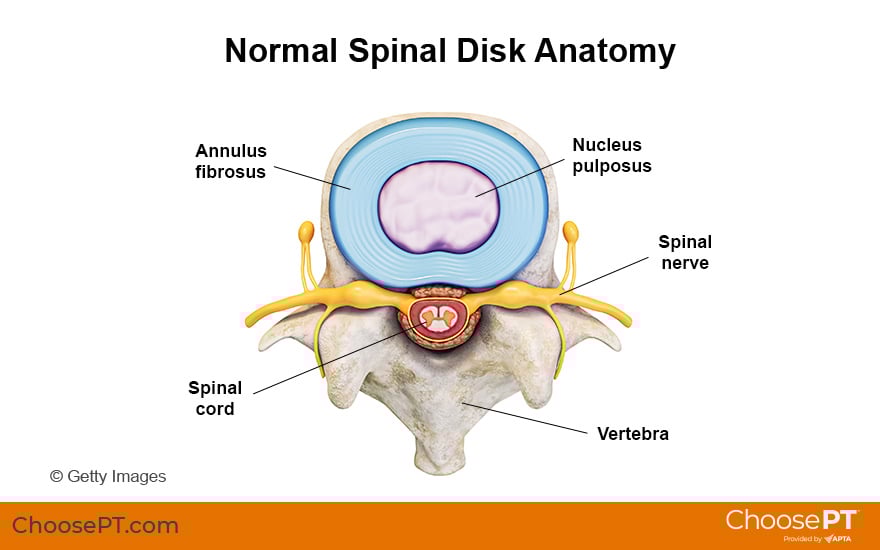
A lumbar disc herniation occurs when the soft center of a spinal disc (nucleus pulposus) pushes through a tear in the disc’s outer layer (annulus fibrosus), often compressing a nerve root and triggering sciatica. At Trinity Rehab in Emerson, we treat herniated discs with individualized, one-on-one physical therapy that targets the root cause of your pain and helps you return to the lifestyle that makes Emerson home.
WHY TREATMENT MATTERS IN EMERSON
With a median age of 48.8 — one of the highest in the region — Emerson’s population skews toward the age range where disc degeneration is well advanced. Spinal discs begin losing hydration and flexibility in your 30s, and by your late 40s and 50s, the annulus fibrosus is significantly more vulnerable to tears. Combine that aging process with the physical demands of maintaining a home, commuting to the city, and staying active through sports and recreation, and the risk of herniation rises considerably.
Leaving a disc herniation untreated can lead to:
- Chronic back pain that limits your ability to work, commute, or enjoy family time
- Radiculopathy — progressive nerve damage that causes persistent leg weakness, numbness, or tingling
- Growing reliance on pain medications that mask symptoms without healing the disc
- Disrupted sleep and declining energy from constant discomfort
Conservative treatment is the clear first choice. StatPearls (NCBI) reports that 85 to 90 percent of acute lumbar disc herniations resolve without surgery. Deutsches Ärzteblatt International confirms that most patients experience significant relief within 6 to 12 weeks. Physical therapy accelerates this recovery and dramatically reduces the chance of recurrence.
WHAT CAUSES DISC HERNIATIONS IN EMERSON
- The New York commute — Whether you drive to the George Washington Bridge or take the Pascack Valley Line from Emerson Station, 31-plus minutes of sitting each way increases intradiscal pressure by up to 40 percent compared to standing. Decades of daily commuting compounds this effect.
- Yard work and home maintenance — With homeownership above 92 percent, Emerson residents spend significant time on property upkeep — raking, mulching, mowing, shoveling snow, and carrying heavy landscaping materials. These activities, done with poor body mechanics, are among the most common herniation triggers.
- Youth and adult sports — Cavaliers wrestling (multiple state championships), baseball, and football at Emerson Junior-Senior High School expose young athletes to impact and rotational forces. Adult golf at Soldier Hill, tennis at nearby Ridgewood Racquet Club, and recreation volleyball add risk for older spines.
- Age-related degeneration — Emerson’s older demographic means a larger share of residents have discs that have already lost significant water content and structural integrity, making them vulnerable to herniation from everyday movements.
- Lifting and carrying at home — Moving furniture, lifting grandchildren, carrying groceries from the car — the routine physical demands of family life are often the last straw for a disc that has been weakening over time.
- Sedentary work habits — Many Emerson professionals work desk jobs in New York City. Hours of sitting without adequate core activation leaves the lumbar spine unprotected when physical demands return on evenings and weekends.
SYMPTOMS EMERSON PATIENTS DESCRIBE
- Shooting or burning pain from the lower back down through the buttock, thigh, or calf
- Numbness or tingling in the leg or foot, especially along one specific nerve path
- Weakness that makes it hard to climb the stairs at Emerson Station or walk Ackerman Park
- Pain that worsens during sitting, forward bending, or the vibration of train travel
- Low back stiffness that is worst in the morning and loosens with gentle movement
- Relief when lying flat or taking a brief walk
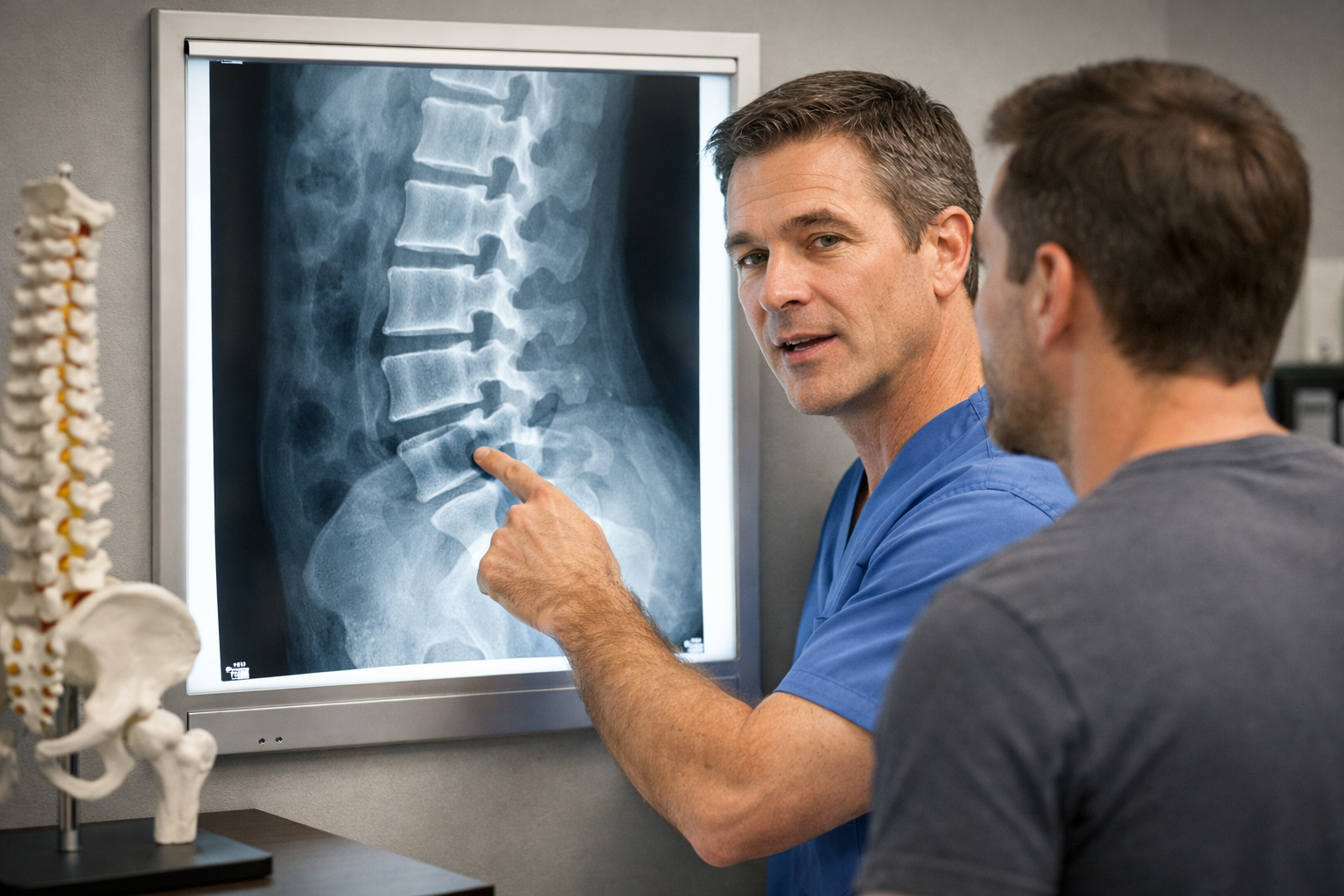
At Trinity Rehab, your physical therapist evaluates your symptoms and movement — not imaging alone — to design the right treatment plan.
HOW PHYSICAL THERAPY AT TRINITY REHAB EMERSON RESTORES FUNCTION
Every session is one-on-one with a licensed physical therapist. Your treatment is tailored to your herniation, your symptoms, and the Emerson activities you want to return to. We organize care around the techniques that your body responds to, adapting as you progress.
MANUAL THERAPY: HANDS-ON PAIN RELIEF
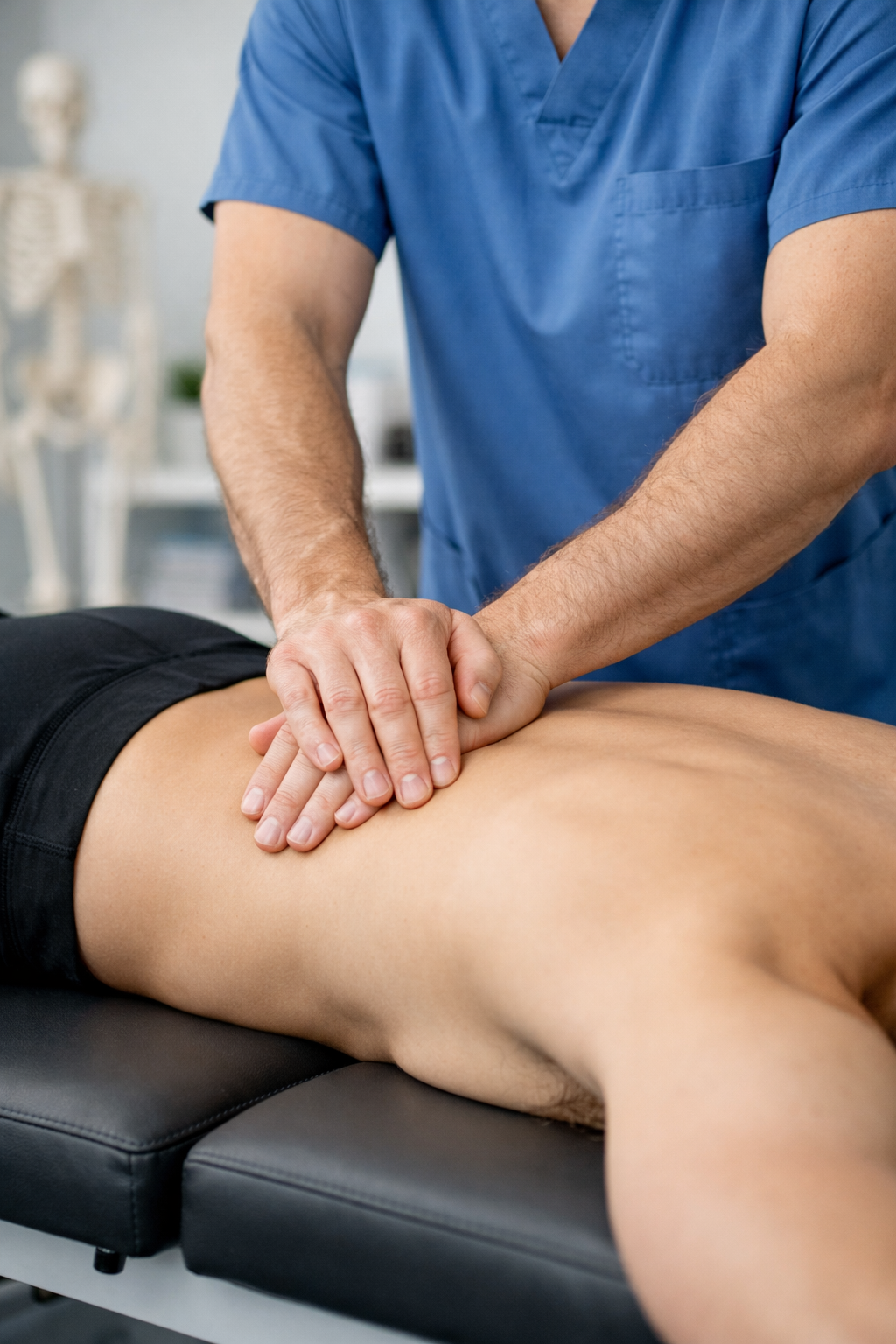
Manual therapy is the cornerstone of early treatment for most Emerson patients. Your therapist applies skilled, hands-on joint mobilization to restore motion in locked-up lumbar segments, soft tissue techniques to release the protective muscle guarding that accompanies a herniation, and spinal manipulation to improve alignment. For Emerson residents who arrive barely able to stand upright after a morning of yard work or a stiff commute on the Pascack Valley Line, manual therapy frequently provides noticeable relief within the first two to three sessions.
MCKENZIE METHOD AND DIRECTIONAL PREFERENCE
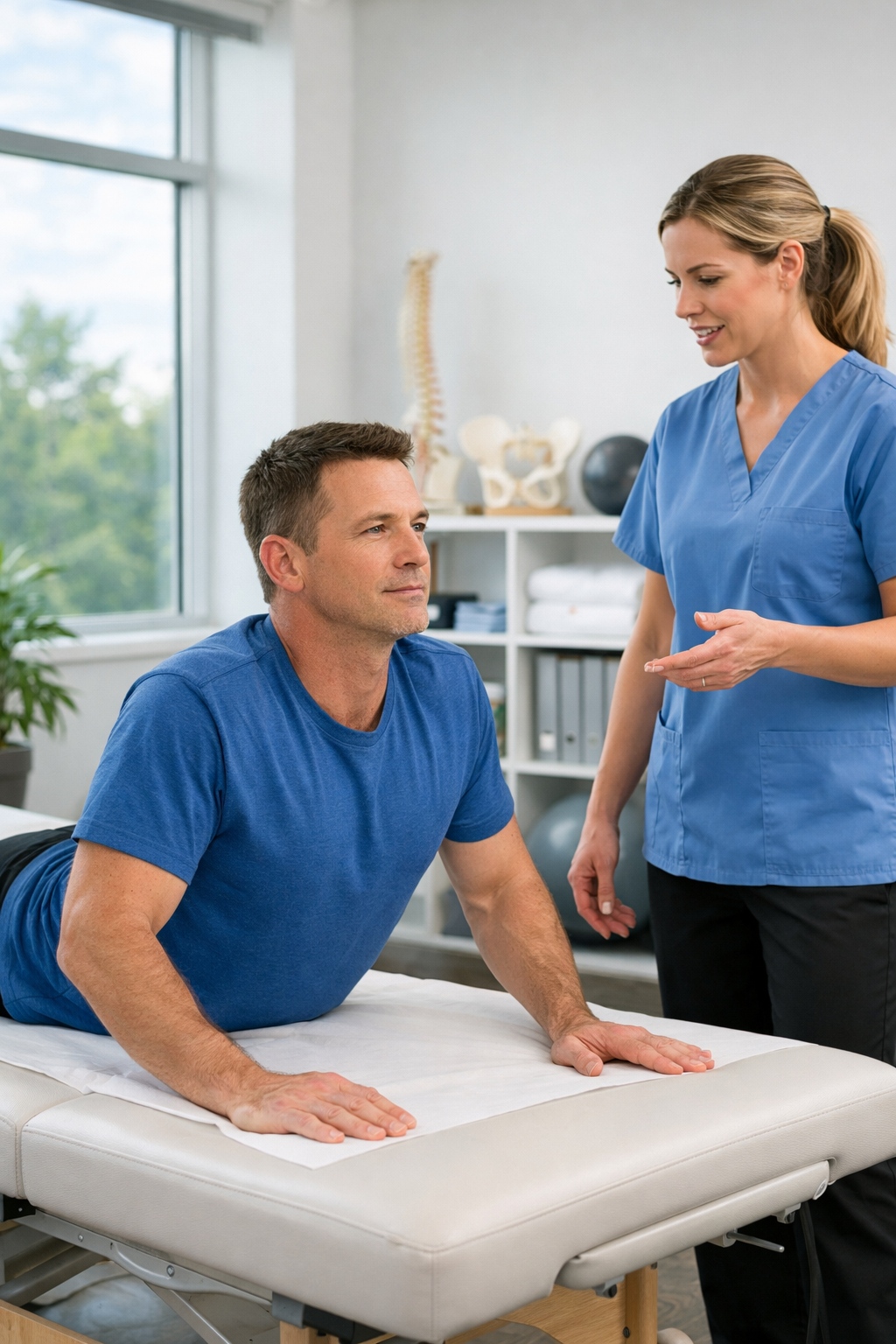
The McKenzie Method identifies the specific movement directions that centralize your pain — drawing symptoms away from your leg and back toward the spine’s midline. For most lumbar herniations, extension-based exercises are the starting point. Your therapist teaches a self-treatment protocol you can use at home before the morning commute, at your Manhattan office during a break, or at Emerson Station while waiting for the train. This self-management component gives you control over your symptoms between visits.
CORE STABILIZATION: REBUILDING YOUR SPINE’S INTERNAL BRACE
The deep core muscles — transverse abdominis, multifidus, and pelvic floor — form the segmental bracing system your lumbar discs depend on during every bend, lift, and twist:
- Segmental stabilization exercises — Targeted drills retrain these muscles to fire automatically when you reach, lift, or rotate. For a community with 92 percent homeownership and constant property upkeep, restoring this internal support is essential.
- Hip and gluteal strengthening — Weak glutes and hip stabilizers shift load to the lumbar spine during walking, stair climbing at Emerson Station, and yard work. Building these muscles protects your discs during the demands that define Emerson living.
- Progressive functional challenges — Starting with controlled holds (plank, bird-dog) and advancing to dynamic drills that mirror real life — raking leaves, swinging a club at Soldier Hill, lifting a grandchild, or carrying landscaping supplies.
- Flexibility restoration — Targeted stretching of hamstrings, hip flexors, and the piriformis corrects the muscle imbalances that increase disc compression, especially after hours of sitting on the train or at a desk.
NEURAL MOBILIZATION: FREEING THE SCIATIC NERVE
When a herniated disc presses on the sciatic nerve, the nerve can become tethered to surrounding tissue, losing its ability to glide freely. Gentle nerve flossing and gliding techniques restore that mobility. For Emerson patients whose primary complaint is radiating leg pain or numbness — rather than back pain alone — neural mobilization is often the technique that provides the most dramatic improvement.
DRY NEEDLING FOR PERSISTENT TRIGGER POINTS
Dry needling uses thin filament needles to release deep trigger points in the lumbar paraspinals, piriformis, and gluteal muscles — the stubborn knots that standard stretching cannot reach. This technique is particularly effective for Emerson residents who carry years of accumulated tension from maintaining large suburban properties, commuting daily, or playing competitive sports through the Cavaliers program or local leagues.
EPAT / SHOCKWAVE THERAPY FOR CHRONIC CASES
For patients whose symptoms have plateaued after weeks of therapy, EPAT (Extracorporeal Pulse Activation Technology) delivers targeted acoustic waves that stimulate tissue repair, increase blood flow, and break through the recovery plateau. EPAT is an option for chronic herniations that need an additional stimulus to continue healing.
RETURN-TO-ACTIVITY AND HOME EXERCISE PROGRAM
Before you go back to coaching Emerson Little League, teeing off at Soldier Hill, tackling your Saturday yard projects, or making the morning train to Penn Station, your therapist runs you through activity-specific drills that test your spine under realistic loads. You also receive a customized home exercise program that maintains your gains and keeps your spine protected long after therapy ends.
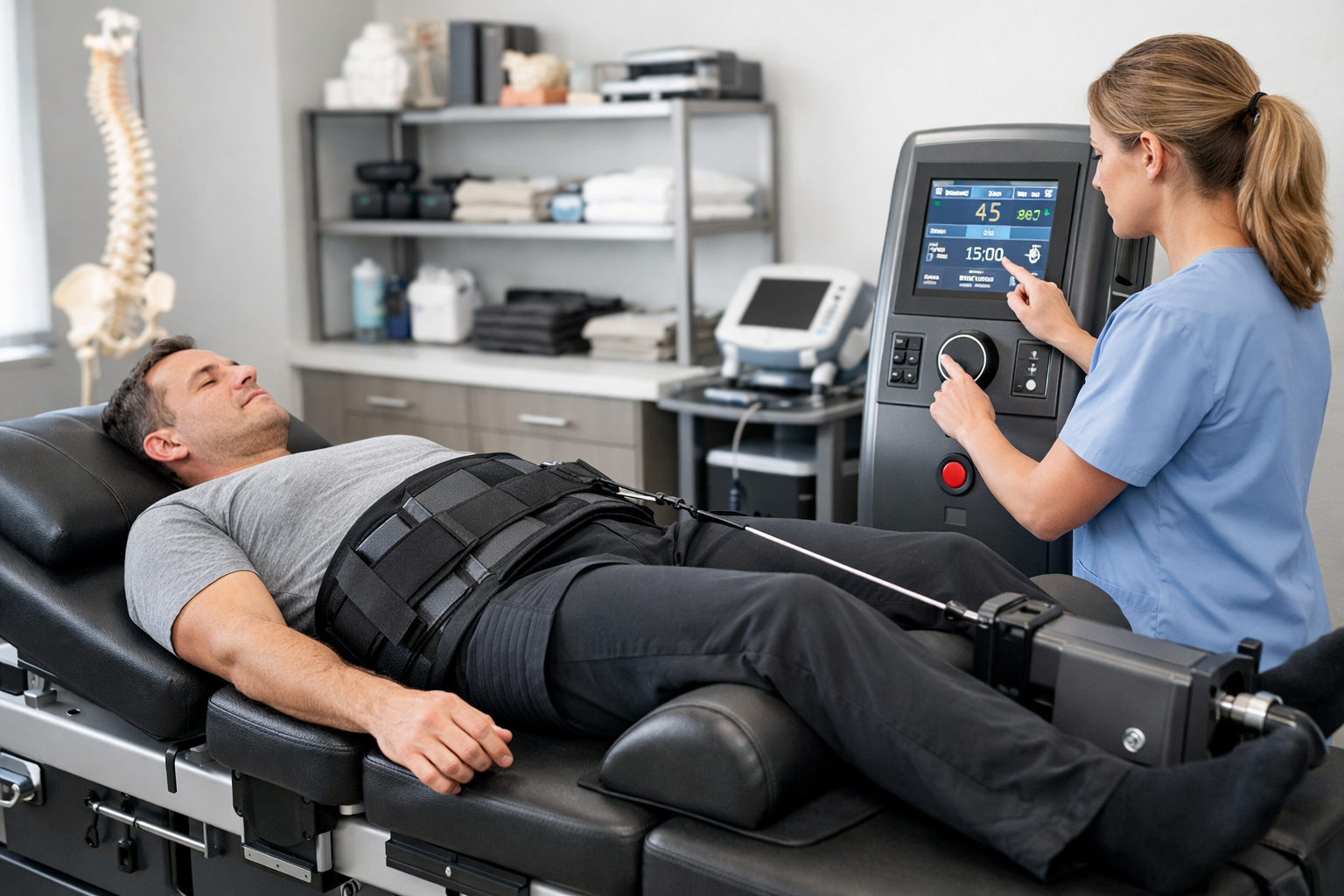
PREVENTING RECURRENCE: A GUIDE FOR EMERSON RESIDENTS
- Commit to core training — Three times per week minimum. Use the Emerson Recreation programs, a local gym, or a home-based routine.
- Protect your back on the commute — Use a lumbar support cushion whether you drive or take the train. Stand and stretch at Emerson Station when possible.
- Lift smart at home — Bend at the hips and knees, keep loads close, and never twist while carrying. This applies to yard work, groceries, and grandchildren.
- Walk the borough — Emerson Woods Preserve, Ackerman Park, and the neighborhood sidewalks offer safe, low-impact walking that keeps your discs hydrated and muscles engaged.
- Maintain a healthy weight — Excess weight around the midsection adds compressive force to your lumbar spine.
- Practice daily spinal care — Standing extension exercises, Cat-Cow stretches, and Half Cobra movements help maintain disc space and prevent stiffness.
WHY EMERSON FAMILIES CHOOSE TRINITY REHAB
- One-on-one treatment — Every session is spent entirely with a licensed physical therapist. No aides, no rotating staff.
- Evidence-based methods — McKenzie Method, manual therapy, neural mobilization, dry needling, and EPAT, selected based on your individual needs and the latest clinical research.
- Bergen County access — Our clinic serves Emerson, Westwood, Park Ridge, Hillsdale, and surrounding Pascack Valley communities.
- Insurance-friendly — We work with most major carriers and provide clear information about your costs.
- Small-town understanding — We treat a community where people know their neighbors. Your care is personal because your recovery matters to us.
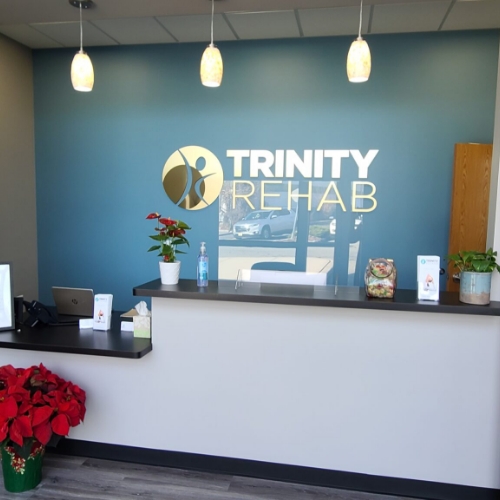
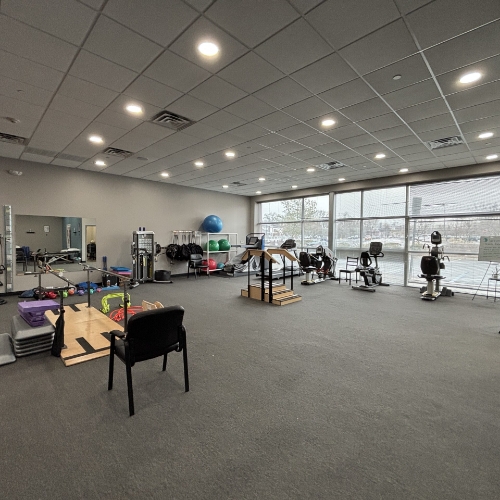
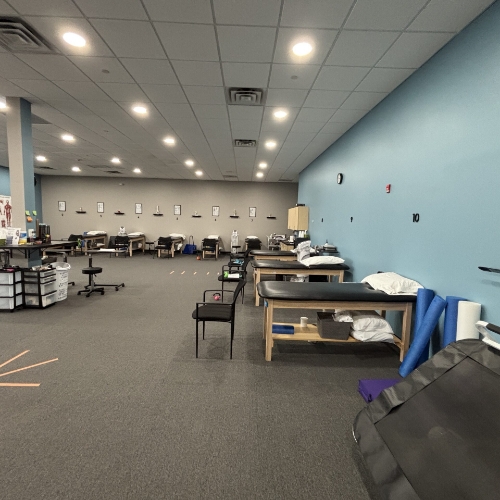
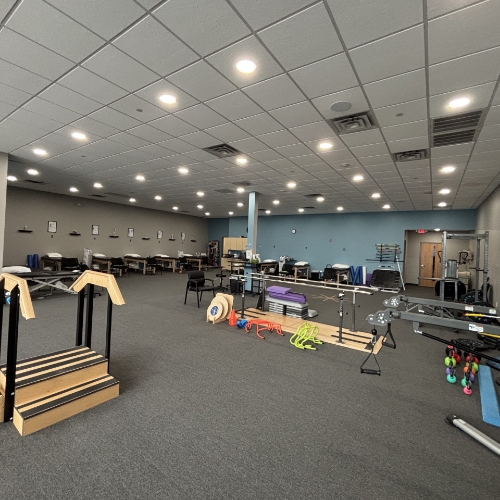
INSIDE OUR EMERSON CLINIC
RELATED CONDITIONS & TREATMENTS
Lumbar disc herniation is just one of the many conditions we treat at Trinity Rehab Emerson. Explore our full range of conditions we treat or learn more about specific treatment approaches:
Emerson Disc Rehab For Back Pain, Leg Symptoms, And Daily Movement
Lumbar disc symptoms can interrupt sitting, driving, lifting, sleep, work, and exercise. Emerson rehab should connect the diagnosis to the positions and movements that actually trigger your symptoms.
Your therapist may assess lumbar mobility, nerve-related symptoms, hip strength, gait, lifting mechanics, sitting tolerance, and warning signs that require medical care before therapy continues.
Patients with related symptoms may also need sciatica treatment, back pain physical therapy, or the Emerson physical therapy clinic page.
FREQUENTLY ASKED QUESTIONS
Emerson Disc Rehab For Back Pain, Leg Symptoms, And Daily Movement
Lumbar disc symptoms can interrupt sitting, driving, lifting, sleep, work, and exercise. Emerson rehab should connect the diagnosis to the positions and movements that actually trigger your symptoms.
Your therapist may assess lumbar mobility, nerve-related symptoms, hip strength, gait, lifting mechanics, sitting tolerance, and warning signs that require medical care before therapy continues.
Patients with related symptoms may also need sciatica treatment, back pain physical therapy, or the Emerson physical therapy clinic page.
Can a lumbar disc herniation heal without surgery?
How long does treatment take?
Is it safe to exercise with a herniated disc?
Will my commute make my herniation worse?
Do I need a referral to start treatment?
GETTING BACK TO WHAT MATTERS
A lumbar disc herniation can sideline you from everything that defines life in Emerson — coaching Little League at the Emerson fields, tending the yard you have maintained for years, or making the morning train to Manhattan. But with personalized, evidence-based physical therapy at Trinity Rehab, recovery is not just the goal — it is the expectation.
YOUR NEXT STEPS
- Request an appointment at Trinity Rehab Emerson — walk-ins welcome, or schedule online.
- Meet your physical therapist for a thorough one-on-one evaluation.
- Start your treatment plan — most patients feel relief within the first few sessions.
No referral required in New Jersey. Contact Trinity Rehab Emerson today.
Sources:



Sign up for free health tips and tricks