

SCIATICA TREATMENT IN EAST WINDSOR, NJ: RELIEF AT THE CROSSROADS OF CENTRAL JERSEY
East Windsor Township occupies a unique position in Central New Jersey: right at the crossroads of the NJ Turnpike Exit 8 corridor, equidistant between New York City and Philadelphia. It is a community built around industriousness — major warehousing and manufacturing operations line Route 130, residents commute in multiple directions, and families gather at Etra Lake Park on summer evenings for concerts and outdoor movies. Active kids compete through the East Windsor Police Athletic League, and the Hightstown High School Rams field a competitive slate of sports in the Colonial Valley Conference.
All of that activity — and the long hours sitting in cars and at workstations that anchor it — can gradually accumulate stress on the lumbar spine. When the sciatic nerve gets caught in that accumulation, the result is pain that travels from the lower back through the buttock and down the leg, disrupting sleep, limiting mobility, and making every day feel like a physical obstacle course.
If you are living with sciatic nerve pain in East Windsor, Trinity Rehab is ready to help. Our personalized, one-on-one physical therapy addresses the root cause of sciatica — not just the symptoms — so you can get back to Etra Lake, back to your job, and back to the life you were living before this started.
What Is Sciatica and Why Does It Happen?
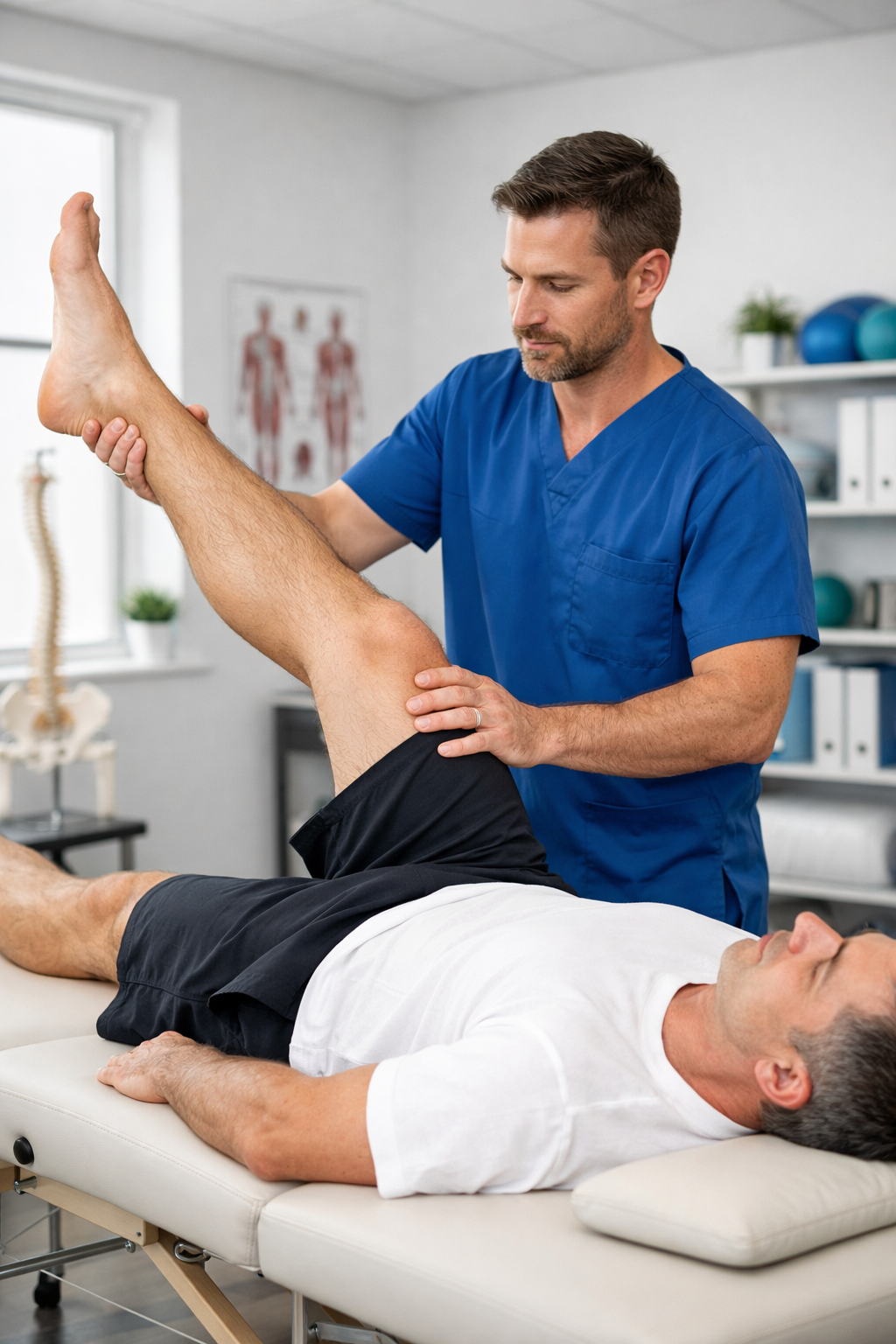
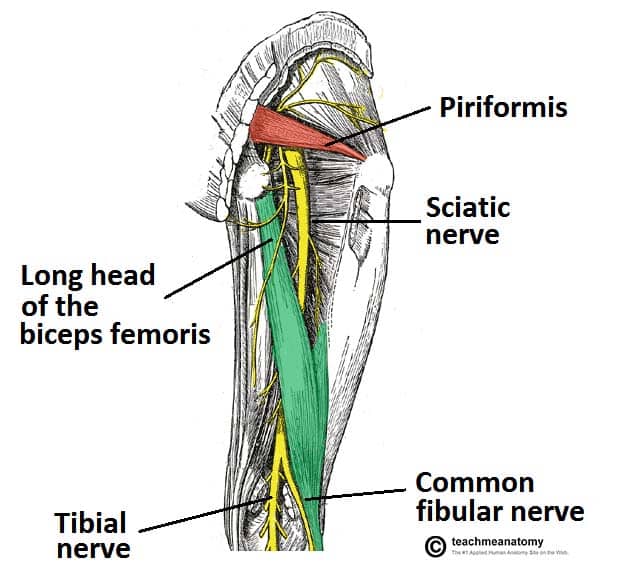
Sciatica — or lumbar radiculopathy — occurs when nerve roots in the lower lumbar spine that form the sciatic nerve are compressed or irritated. The nerve runs through the deep buttock musculature and down the back of the leg, which is why its symptoms travel rather than staying localized. Depending on which nerve root is involved, you may feel pain, numbness, or tingling in different parts of the leg, calf, or foot.
The common structural causes include:
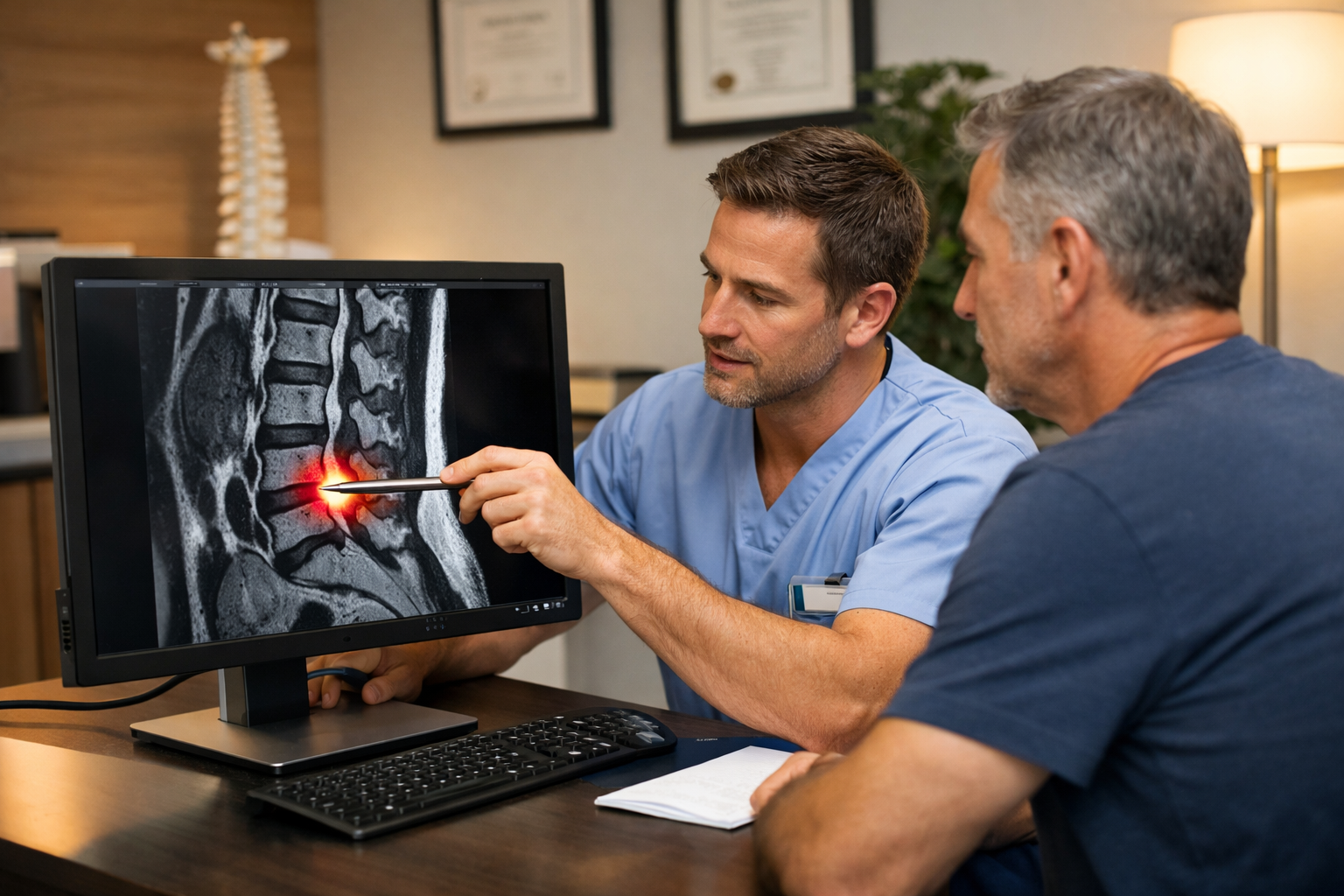
- Herniated or bulging lumbar disc: The most frequent culprit, accounting for roughly 90% of sciatica. The disc’s soft center protrudes and presses on the adjacent nerve root.
- Piriformis syndrome: The piriformis muscle in the deep buttock compresses the sciatic nerve — common in people who sit for long periods or who have asymmetric hip strength.
- Lumbar spinal stenosis: Age-related narrowing of the spinal canal squeezes nerve roots, typically causing symptoms that worsen with prolonged standing or walking.
- Spondylolisthesis: One vertebra slips forward on another, creating instability and nerve root pinching — sometimes seen in athletes who sustained stress fractures in their youth.
- Degenerative disc disease: Gradual reduction in disc height that reduces the space through which nerve roots exit the spine.
Physical therapy works because it addresses these underlying mechanical contributors — not just the sensation of pain. And at Trinity Rehab, the evaluation process is thorough enough to distinguish which cause is driving your specific presentation before treatment begins.
Learn more: back pain and nerve conditions at Trinity Rehab.
What Causes Sciatica in East Windsor Residents
East Windsor’s geography and workforce make for a characteristic set of sciatica risk factors:
Warehouse and distribution workers on Route 130. The industrial corridor along Route 130 in East Windsor is home to significant warehousing and manufacturing operations, including large distribution centers for employers like LG Electronics and Aurobindo Pharma. Workers in these environments perform repetitive lifting, pallet moving, and container unloading — tasks that create high lumbar disc loads, especially in the twisting and bending combinations common in warehouse work. Over months and years, this cumulative loading accelerates disc degeneration and raises the risk of herniation.
Manufacturing workers at Shiseido America and similar facilities. Cosmetics and pharmaceutical manufacturing involves long periods of standing at production lines, repetitive motion, and occasional awkward postures during maintenance and machine setup. These physical demands create a distinct lumbar loading pattern.
Turnpike and highway commuters. East Windsor’s position at NJ Turnpike Exit 8 makes it a commuter hub for residents heading to Trenton, Newark, New York, and Philadelphia in multiple directions. Long-duration sitting in a car seat — particularly in a reclined or slumped position common during highway driving — creates sustained compressive forces on lumbar discs. For workers who commute and then sit at a desk or workstation, the daily lumbar load is substantial.
McGraw-Hill Education and professional desk workers. McGraw-Hill’s East Windsor presence and the surrounding professional services employers bring a sedentary workforce whose cumulative back burden often goes unnoticed until a sciatica episode makes it impossible to ignore.
Hightstown High School Rams athletics. Hightstown High’s competitive sports programs in football, lacrosse, baseball, and track produce young athletes who sustain the kinds of physical stresses that can show up as sciatica years later. Former Rams who carry unresolved lower back issues into adulthood often experience first sciatica in their 30s.
Seasonal activities at Etra Lake Park and beyond. East Windsor’s parks see heavy use through spring and summer, with sports fields, hiking trails, and the arboretum at Etra Lake Park drawing residents into physical activity after months of cold-weather sedentary behavior. The rapid ramp-up of activity in spring — especially yardwork, gardening, and informal sport — is a classic trigger for disc irritation in spines that have spent the winter dormant.
Recognizing Sciatica Symptoms
Sciatica announces itself in a way that is distinct from ordinary back or hip pain. Common presentations in East Windsor patients include:
- A burning, shooting, or electrical sensation originating in the lower back or deep buttock and radiating down one leg — sometimes all the way to the foot
- Numbness or pins-and-needles in the thigh, outer calf, or top or bottom of the foot, following a predictable strip or band
- Leg weakness — difficulty completing a full leg press, feeling the knee give slightly on stairs, or noticing one foot slaps the ground more than the other when walking
- Radiating pain that builds during a long Turnpike commute and peaks when getting out of the car at the end of the drive
- Nighttime pain that wakes you from sleep, particularly when rolling over or changing positions
- Discomfort that intensifies with coughing, sneezing, or bearing down
A common East Windsor presentation involves warehouse workers who notice the first episode of radiating pain during a heavy lift or an awkward movement, then find the commute home becomes the most painful part of the day. This combination of occupational trigger and postural aggravator is ideal for physical therapy intervention.
Three-Phase Sciatica Treatment at Trinity Rehab East Windsor
Our physical therapists guide East Windsor patients through a structured, progressive recovery program:
Phase 1: Pain Reduction and Nerve Calming
The first priority is reducing your acute pain enough to begin building toward full recovery. This phase typically uses:
- Manual therapy: Hands-on joint mobilization of the lumbar spine and sacroiliac joints to restore movement, reduce stiffness, and decrease direct mechanical pressure on compressed nerve roots. Soft tissue techniques target the piriformis, gluteal muscles, and paraspinal tissues that commonly tighten in response to nerve irritation.
- Neural mobilization: Guided nerve gliding exercises that restore the sciatic nerve’s ability to move freely through surrounding tissues, reducing hypersensitivity and calming radiating pain. Most patients see meaningful improvement in leg symptoms within the first few weeks.
- Targeted therapeutic stretching: Specific stretches selected based on your physical examination — piriformis releases, hip flexor lengthening, and lumbar mobility work appropriate for your specific nerve root pattern.
- Modalities for comfort: Heat, cold, or electrical stimulation as clinically appropriate to manage acute pain and allow more effective active treatment.
For patients with chronic or recurrent sciatica, dry needling can provide a targeted approach to releasing deep trigger points in the piriformis and gluteal muscles that conventional treatment cannot fully resolve.
Phase 2: Stabilization and Neuromuscular Strengthening
Once acute pain is under control, the treatment pivots to building the muscular foundation that protects your lumbar spine from repeated injury. The most important elements:
- Deep core stabilization: Targeted activation and strengthening of the transversus abdominis and multifidus — the deep muscles that form a natural protective brace around the lumbar spine and nerve roots. For warehouse workers who rely on bracing patterns all day, developing deliberate core control is transformative.
- Hip and glute strengthening: Systematic loading of the glutes, hip abductors, and external rotators through bridges, clamshells, side-lying hip work, and progressive single-leg exercises. Strong hips reduce the compensatory lumbar loading that drives recurrent sciatica.
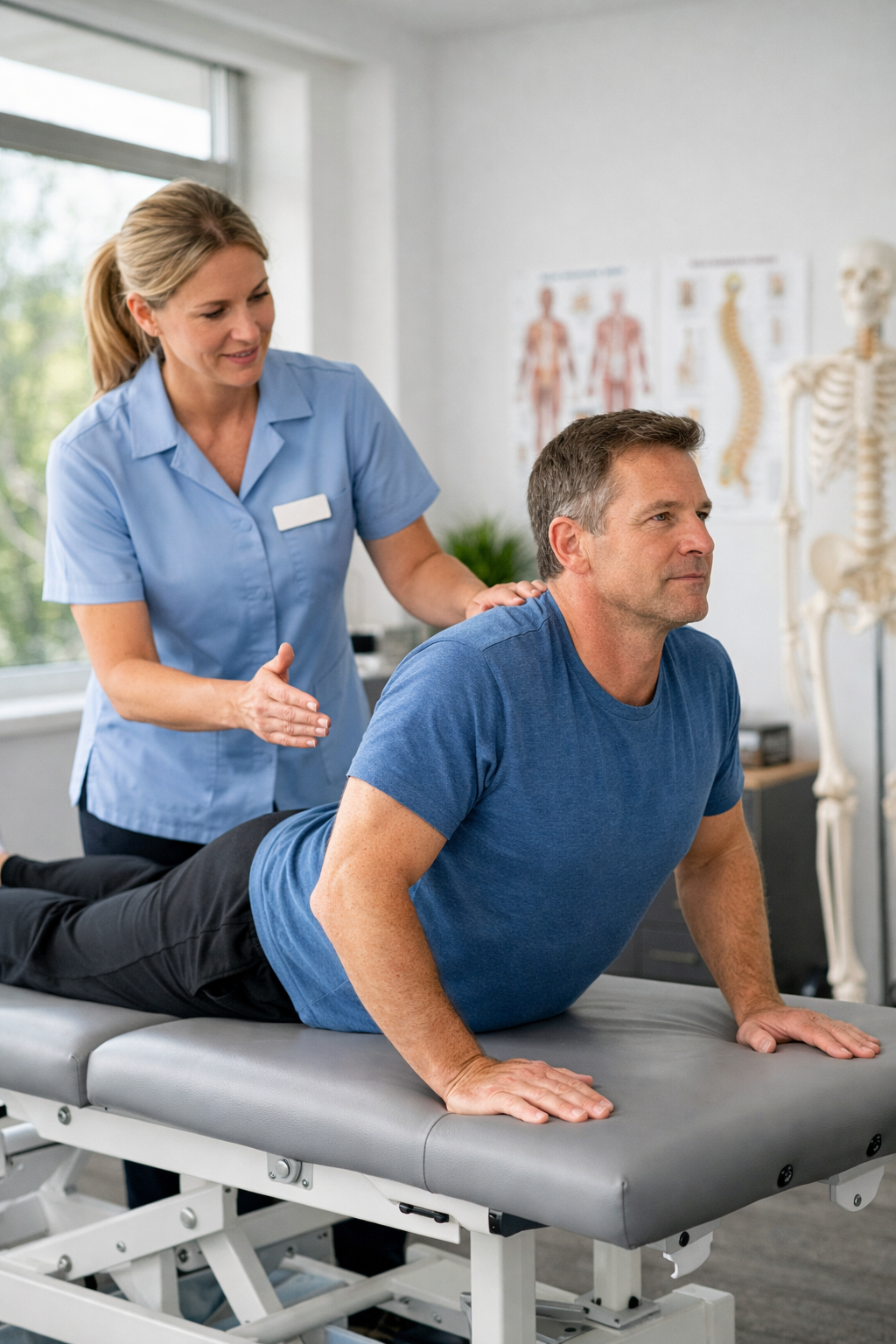
- McKenzie directional exercises: Movement-based exercises with strong evidence for disc-related sciatica, helping centralize pain, reduce nerve root irritation, and restore lumbar mobility.
- Body mechanics and ergonomics education: For East Windsor’s warehouse and manufacturing workforce, proper lifting technique, patient handling mechanics, and fatigue-resistant posture strategies are integral to preventing recurrence. For commuters, guidance on car seat positioning and rest breaks during long drives.
Phase 3: Return to Activity
The final phase is individualized to your goals. Your therapist will tailor this to what you need — whether that means returning to full duty in a warehouse environment, resuming competitive athletics, preparing for spring activity after a winter of reduced movement, or simply getting back to Etra Lake with the family without pain. A comprehensive home exercise program ensures that your gains continue well beyond your formal treatment.
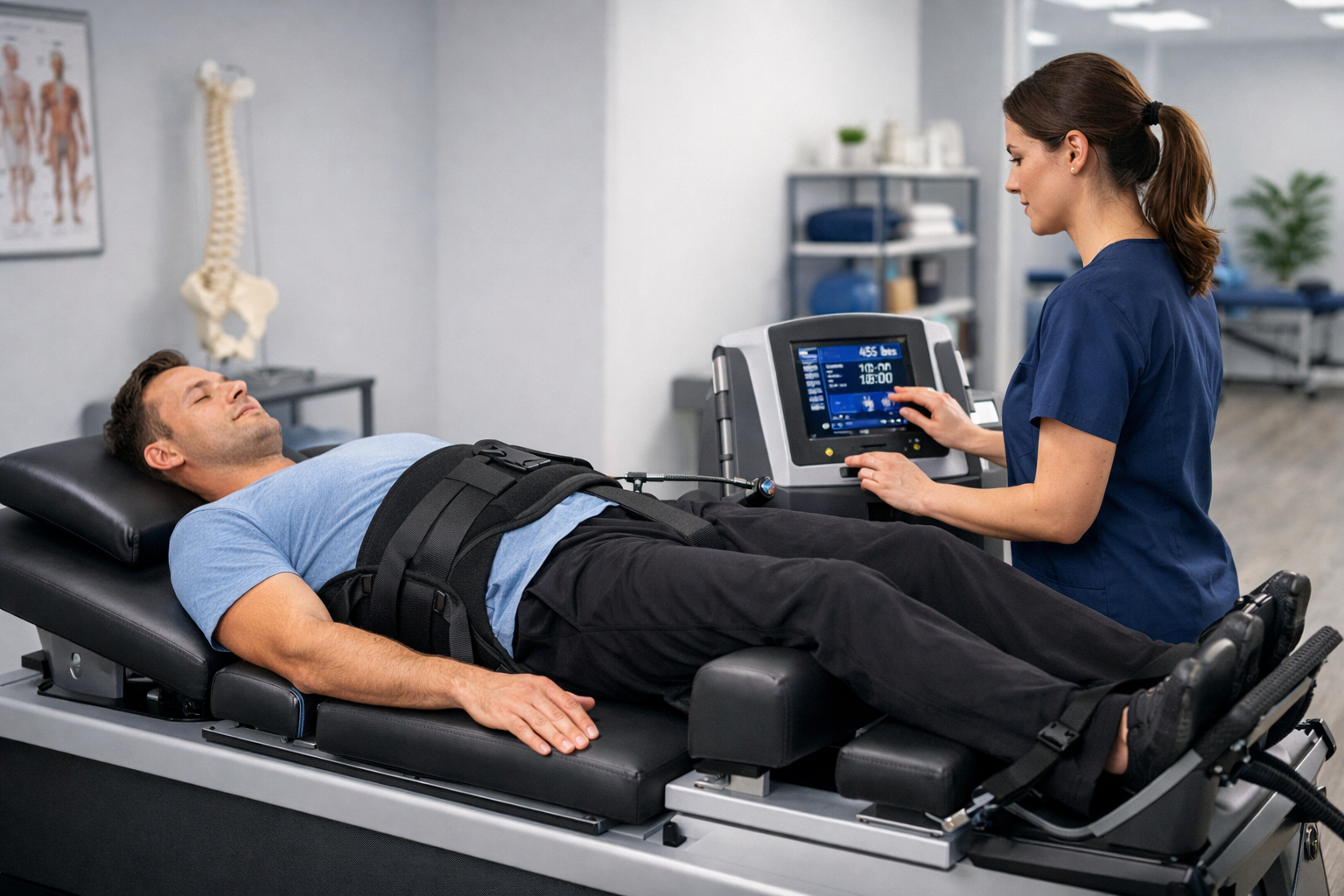
Why Choose Trinity Rehab Near East Windsor
- One-on-one care. Every session is guided by your licensed physical therapist — not an aide or assistant.
- No referral required. New Jersey’s Direct Access Law allows you to begin PT immediately, without a physician’s order.
- Most insurance plans accepted, including those used by employees of East Windsor’s major industrial employers.
- Convenient location and hours, including early and evening appointments to fit around shift schedules and commuting patterns.
- Treatment built around your actual job and lifestyle — not a generic protocol.
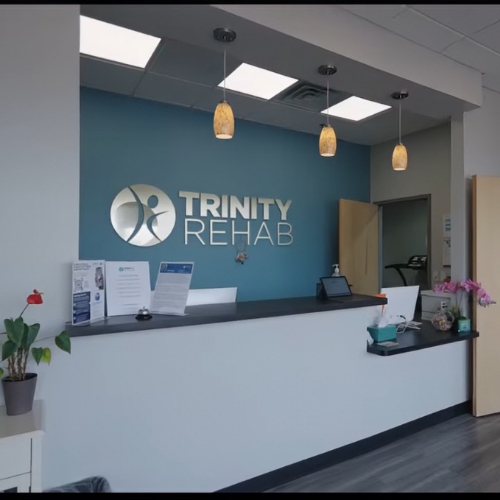
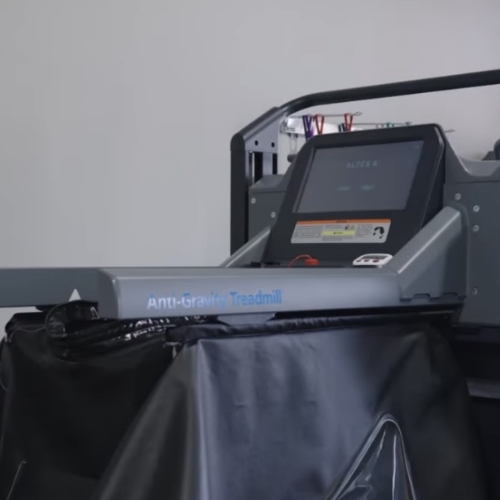
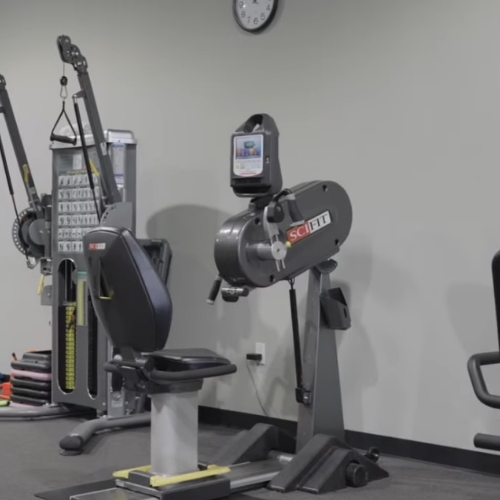
Inside Our East Windsor Clinic
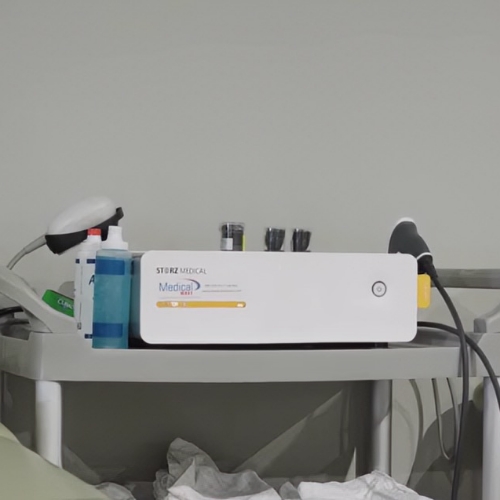
Related Conditions & Treatments
Sciatica is just one of the many conditions we treat at Trinity Rehab East Windsor. Explore our full range of conditions we treat or learn more about specific treatment approaches:
- Sciatica Treatment Overview
- Back Pain Treatment
- Hip & Knee Pain Relief
- Manual Therapy
- Dry Needling
- EPAT / Shockwave Therapy
East Windsor Sciatica Rehab For Leg Pain, Sitting Pain, And Walking Tolerance
Sciatica-like symptoms can make sitting, driving, bending, sleeping, and walking difficult. East Windsor patients need a plan that separates nerve-related leg pain from back, hip, or muscle-driven symptoms.
Your therapist may assess symptom behavior, lumbar mobility, nerve tension, hip strength, walking tolerance, and positions that calm or worsen symptoms. Progressive weakness, numbness, or bowel/bladder changes should be medically reviewed urgently.
Related spine options include back pain physical therapy, lumbar disc herniation rehab, and the East Windsor physical therapy clinic page.
Frequently Asked Questions
East Windsor Sciatica Rehab For Leg Pain, Sitting Pain, And Walking Tolerance
Sciatica-like symptoms can make sitting, driving, bending, sleeping, and walking difficult. East Windsor patients need a plan that separates nerve-related leg pain from back, hip, or muscle-driven symptoms.
Your therapist may assess symptom behavior, lumbar mobility, nerve tension, hip strength, walking tolerance, and positions that calm or worsen symptoms. Progressive weakness, numbness, or bowel/bladder changes should be medically reviewed urgently.
Related spine options include back pain physical therapy, lumbar disc herniation rehab, and the East Windsor physical therapy clinic page.
Where can I get sciatica treatment in East Windsor, NJ?
Does Trinity Rehab accept insurance used by East Windsor employers?
Can physical therapy help if I have been dealing with sciatica for months?
I lift heavy loads at work. Is it safe to do physical therapy while continuing to work?
Will I need surgery for my herniated disc?
East Windsor residents living with sciatic nerve pain have effective options available — and Trinity Rehab is one of them. Whether your sciatica was triggered on the warehouse floor, during a Turnpike commute, or on the athletic field, our physical therapists are ready to build the recovery plan that works for your life.
Request your appointment at Trinity Rehab near East Windsor — no referral required. Start your recovery today.