
PLANTAR FASCIITIS TREATMENT IN EAST WINDSOR, NJ | TRINITY REHAB
FROM ETRA LAKE TO THE WAREHOUSE FLOOR: HEEL PAIN IN EAST WINDSOR
East Windsor Township sits at the crossroads of central New Jersey — a commuter community on the NJ Turnpike corridor with a population that is as diverse as it is active. Etra Lake Park anchors local recreation, with a lakeside loop trail, athletic fields, and summer concert series that draw families from across Mercer County. The Bear Brook and Disbrow Hill pathways connect neighborhoods to natural open spaces perfect for walking and jogging. And on the other side of Route 130, a corridor of pharmaceutical manufacturers, distribution centers, and big-box retailers — including LG Electronics, Aurobindo Pharma, Shiseido America, Walmart, and Home Depot — employs a large workforce that stands on hard surfaces for the better part of every workday.
For a community built around this mix of outdoor recreation and industrial and retail employment, plantar fasciitis is a condition that strikes at the core of daily life. That sharp, stabbing heel pain — most brutal with the first steps of the morning and punishing after every rest period — does not care whether you were hiking Etra Lake’s perimeter path or pulling inventory on the LG distribution floor. It just hurts.
Trinity Rehab in East Windsor provides the expert, personalized physical therapy that resolves plantar fasciitis where it starts — in the tissue itself, driven by the specific mechanics of your foot, your body, and your daily demands.
THE ANATOMY OF HEEL PAIN
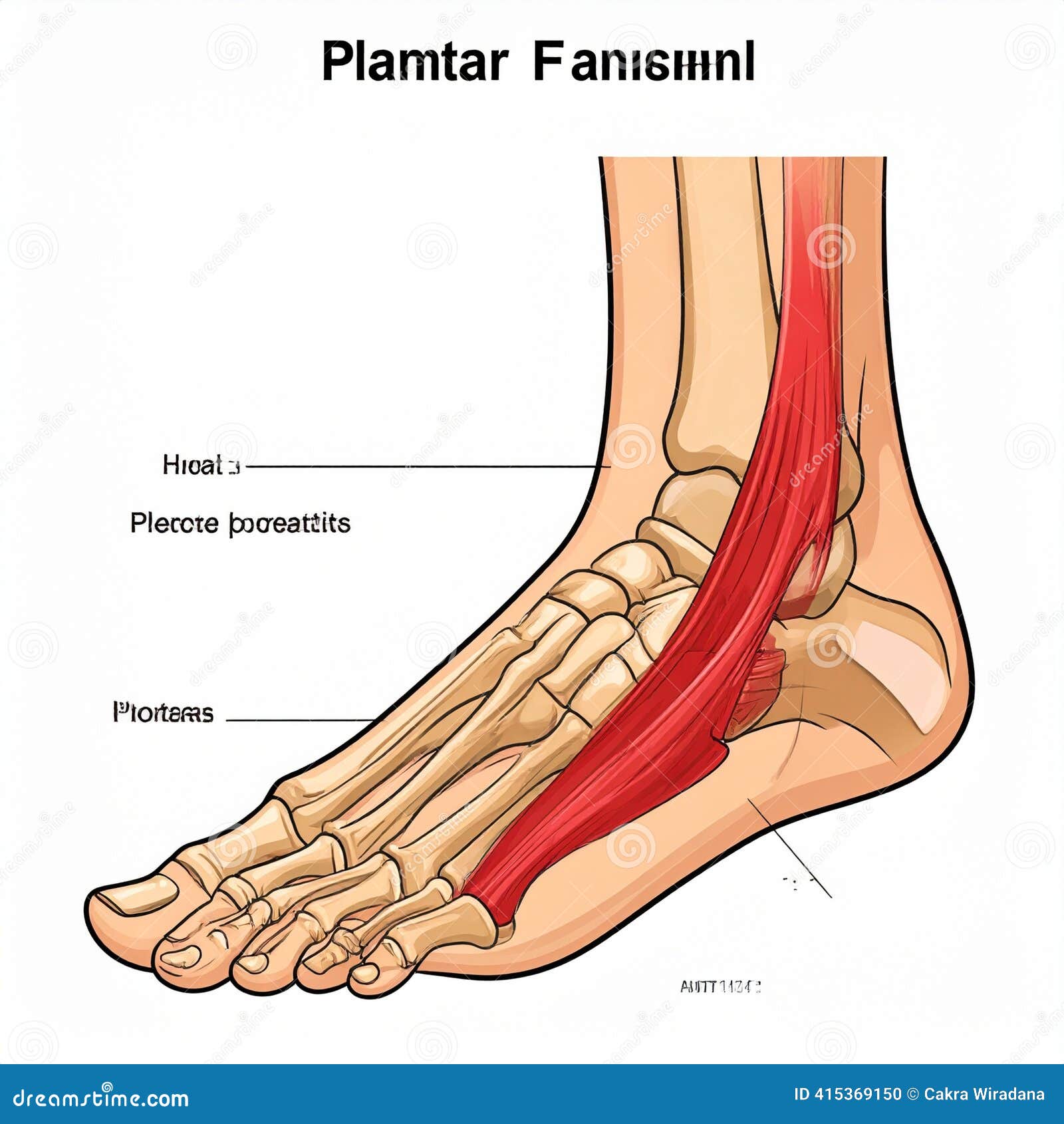
Your plantar fascia is a thick, cable-like band of connective tissue that stretches across the bottom of your foot from the heel bone (calcaneus) to the base of your toes. It functions as both an arch-support structure and a dynamic spring — absorbing ground impact on each foot strike and releasing energy as the foot pushes off. This mechanism is called the windlass effect, and it happens thousands of times a day.
When the cumulative stress placed on the plantar fascia exceeds the tissue’s ability to repair between loading cycles, micro-tears develop at the fascial origin near the heel. The resulting inflammatory response — your body’s attempt to heal the damage — creates the characteristic burning, stabbing heel pain. In many cases the cycle is self-perpetuating: you rest, the tissue stiffens, you move, you re-tear it, and the inflammation returns.
In persistent cases, the tissue shifts from acute inflammation to chronic degeneration — plantar fasciopathy — where the structural integrity of the fascia itself has been compromised. This stage requires more than just rest and stretching; it calls for targeted, structured rehabilitation.
RELATED CONDITIONS & TREATMENTS
Plantar fasciitis is just one of the many conditions we treat at Trinity Rehab East Windsor. Explore our full range of conditions we treat or learn more about specific treatment approaches:
WHY EAST WINDSOR IS A HIGH-RISK ENVIRONMENT FOR PLANTAR FASCIITIS
The specific combination of occupations, recreational activities, and commuter patterns in East Windsor creates concentrated risk factors for heel pain.
Warehouse, Distribution, and Manufacturing Workers: East Windsor’s Route 130 and NJ Turnpike access have attracted a significant industrial and logistics presence. Workers at LG Electronics’ distribution center, the Aurobindo Pharma facility, Shiseido America, Hovione, and the various industrial parks along the corridor spend long shifts standing on concrete floors — the single most demanding surface for the plantar fascia. Anti-fatigue mats help, but even with good floor support, eight-to-twelve-hour standing shifts on the same surface create cumulative fascial loading that eventually exceeds the tissue’s repair capacity. Retail workers at Walmart and Home Depot face the same conditions.
Recreational Walkers and Joggers: East Windsor’s pathway network — the Etra Lake Pathway (0.9 miles), Bear Brook (1 mile paved), Disbrow Hill Playing Fields (1-mile loop), and Rocky Brook (0.8 miles) — draws consistent use from walkers, joggers, and cyclists. These residents may start the spring season with dramatically more activity than their feet are conditioned for after a winter of reduced movement. Sudden increases in walking and jogging volume are one of the most reliable predictors of plantar fasciitis onset.
Youth Athletes and Their Families: Hightstown High School (the Rams) serves East Windsor students with a comprehensive athletic program that includes soccer, field hockey, cross country, basketball, wrestling, swimming, and more. The East Windsor PAL and Hightstown/East Windsor Youth Baseball League (HEWYBL) compound the youth athlete exposure. Young athletes in cleated or court footwear sprinting, jumping, and cutting are among the most common presentations in adolescent heel pain clinics. Parents and coaches standing on hard gym floors and artificial turf fields for hours at a time are not far behind.
Commuters: East Windsor’s position near Turnpike Exit 8 makes it a bedroom community for workers commuting to Princeton, Trenton, New York, and Philadelphia. Long commutes followed by immediate recreational exercise create the exact loading pattern that triggers plantar fasciitis — a stiffened fascia suddenly placed under high-impact load.
RECOGNIZING THE SYMPTOMS BEFORE THEY BECOME CHRONIC
An East Windsor resident who walks the Etra Lake loop three times a week might notice that her heel feels fine during the walk but aches intensely the next morning — worst when she first swings her legs out of bed. A worker on the LG distribution floor might find that heel pain on his right foot has been building for weeks; he has started unconsciously shifting his weight to his left side to compensate. A Hightstown High School cross country runner might notice that his heel hurts sharply after workouts but seems to ease during the run — only to return worse the following morning.
Signs and symptoms to watch for:
- Intense first-step pain — sharp, burning pain in the heel immediately upon rising from bed or a seat, caused by the fascia being suddenly stressed after overnight contraction
- Post-rest flares — pain that returns after every period of sitting or inactivity, including during the workday
- Exact heel tenderness — pressing the inner-lower heel produces the precise pain you feel during activity
- Arch tightness — a pulling sensation along the entire sole, especially in the morning
- Delayed exercise pain — discomfort that peaks in the hours after activity rather than during it
- Subtle gait compensation — limping, shortened stride, or toe-walking to avoid heel contact
When these compensations become habitual, the forces they redirect to the ankles, knees, hips, and lower back can produce secondary injuries — back pain, sciatica, and hip dysfunction are common companions of long-standing plantar fasciitis. Addressing the heel problem early protects the rest of the kinetic chain.
HOW TRINITY REHAB TREATS PLANTAR FASCIITIS IN EAST WINDSOR
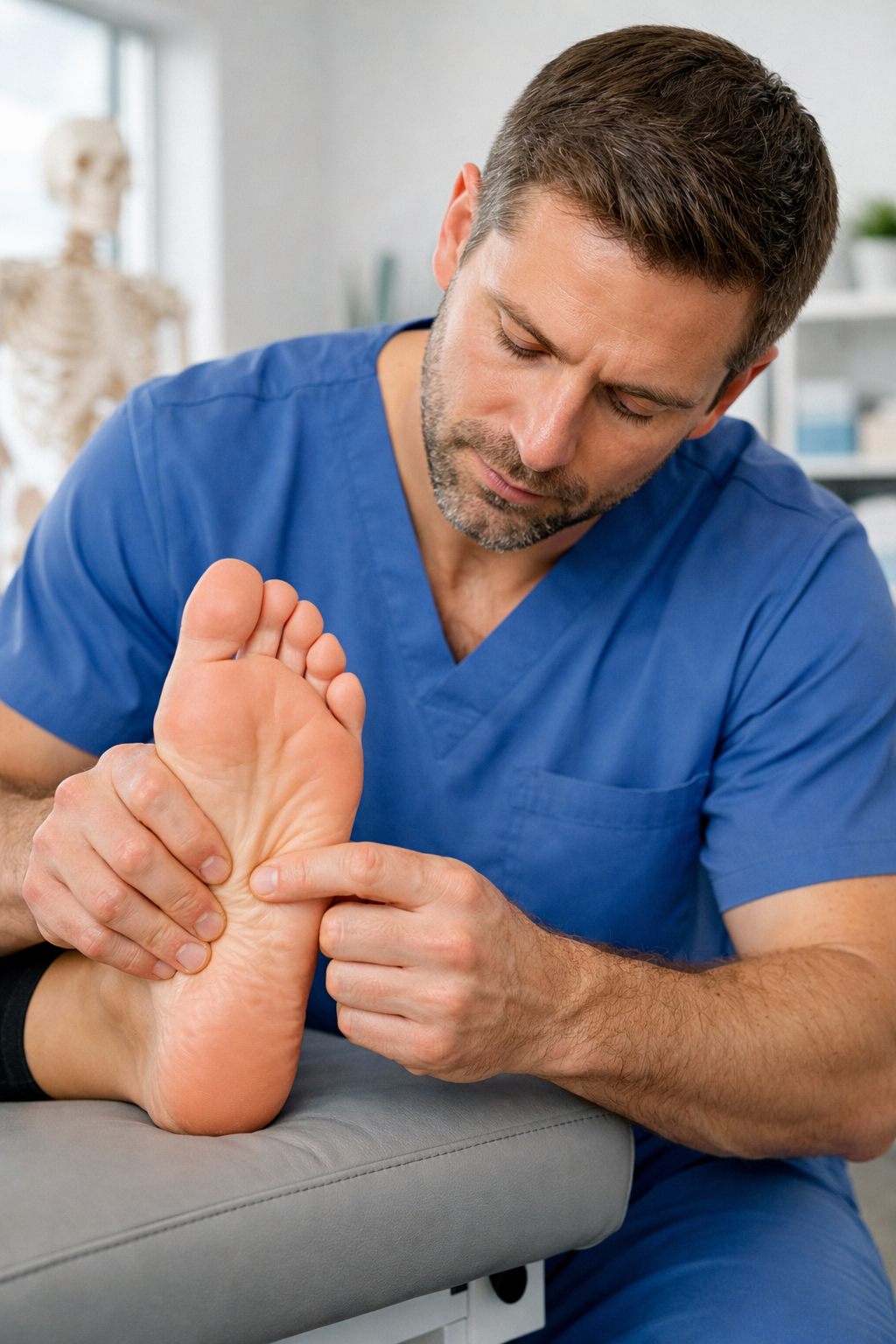
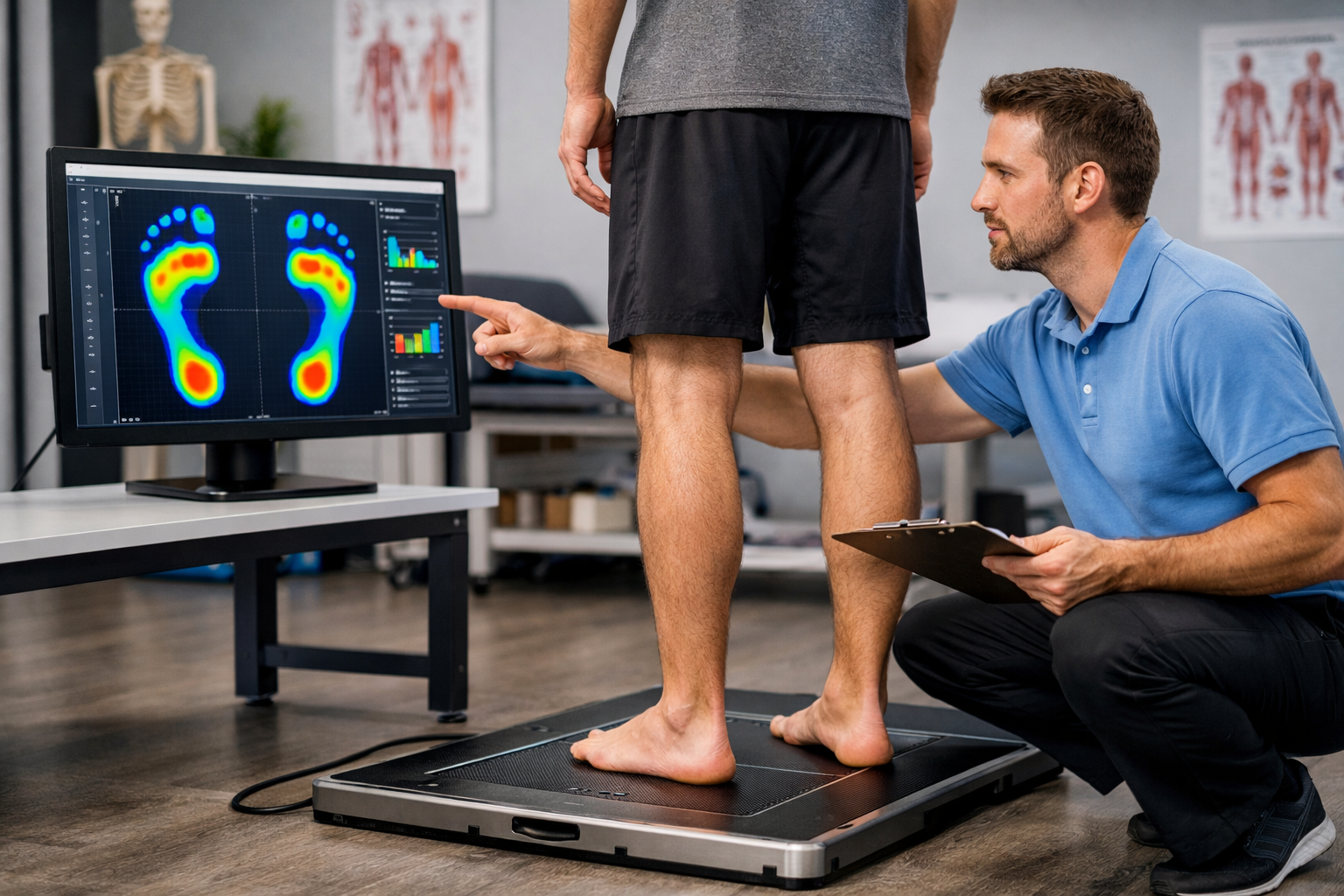
Your licensed physical therapist begins with a comprehensive biomechanical evaluation covering foot mechanics, ankle range of motion, calf muscle flexibility, gait pattern, footwear, and occupational demands. No two treatment plans at Trinity Rehab look exactly alike — because no two patients present with exactly the same combination of contributing factors. See our dedicated foot and ankle pain page and full conditions list.
MANUAL THERAPY
Hands-on manual therapy begins with the very first session. Your therapist applies:
- Ankle and subtalar joint mobilization — targeted, controlled joint movements that restore the range of motion consistently restricted in plantar fasciitis patients. A 2023 study in the Journal of Orthopaedic & Sports Physical Therapy confirmed that subtalar mobilization combined with stretching produces significantly better outcomes than stretching alone.
- Instrument-assisted soft tissue mobilization (IASTM) — specialized tools move systematically through adhesions along the plantar fascia, calf, and Achilles complex, stimulating healthy tissue remodeling.
- Myofascial release — sustained pressure techniques address trigger points in the foot intrinsics and gastrocnemius-soleus muscle group, reducing the chronic tension being transmitted down into the plantar fascia.
STRETCHING AND FLEXIBILITY
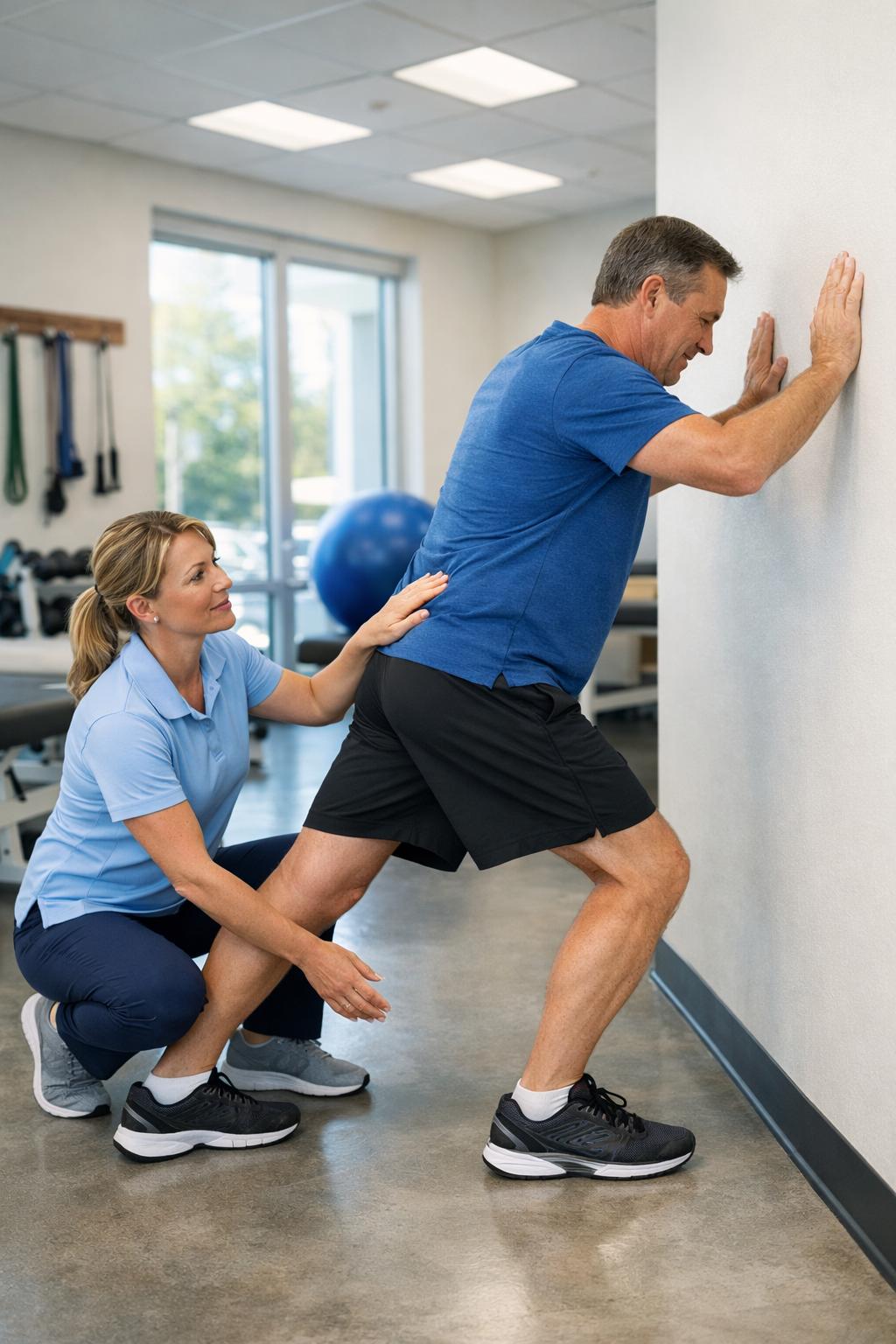
Restoring normal flexibility in the posterior lower leg chain is fundamental to reducing heel load:
- Plantar fascia-specific stretch — toe extension stretch performed before the first morning steps, supported by the strongest evidence base in plantar fasciitis clinical literature
- Gastrocnemius and soleus stretching — wall stretches and step drops targeting both calf layers, restoring ankle dorsiflexion and reducing fascial tension
- Achilles tendon mobilization and eccentric loading — eccentric heel raises off a step edge progressively build tendon and fascial load tolerance
STRENGTHENING
Intrinsic foot muscles are often severely undertrained in plantar fasciitis patients. Short-foot exercises, towel scrunches, and progressive single-leg balance training rebuild the muscular foundation that supports the arch from within — reducing the passive demand on the fascia itself. For workers returning to demanding shifts, conditioning the feet for the specific demands of their work environment is a targeted part of the program.
ADVANCED MODALITIES
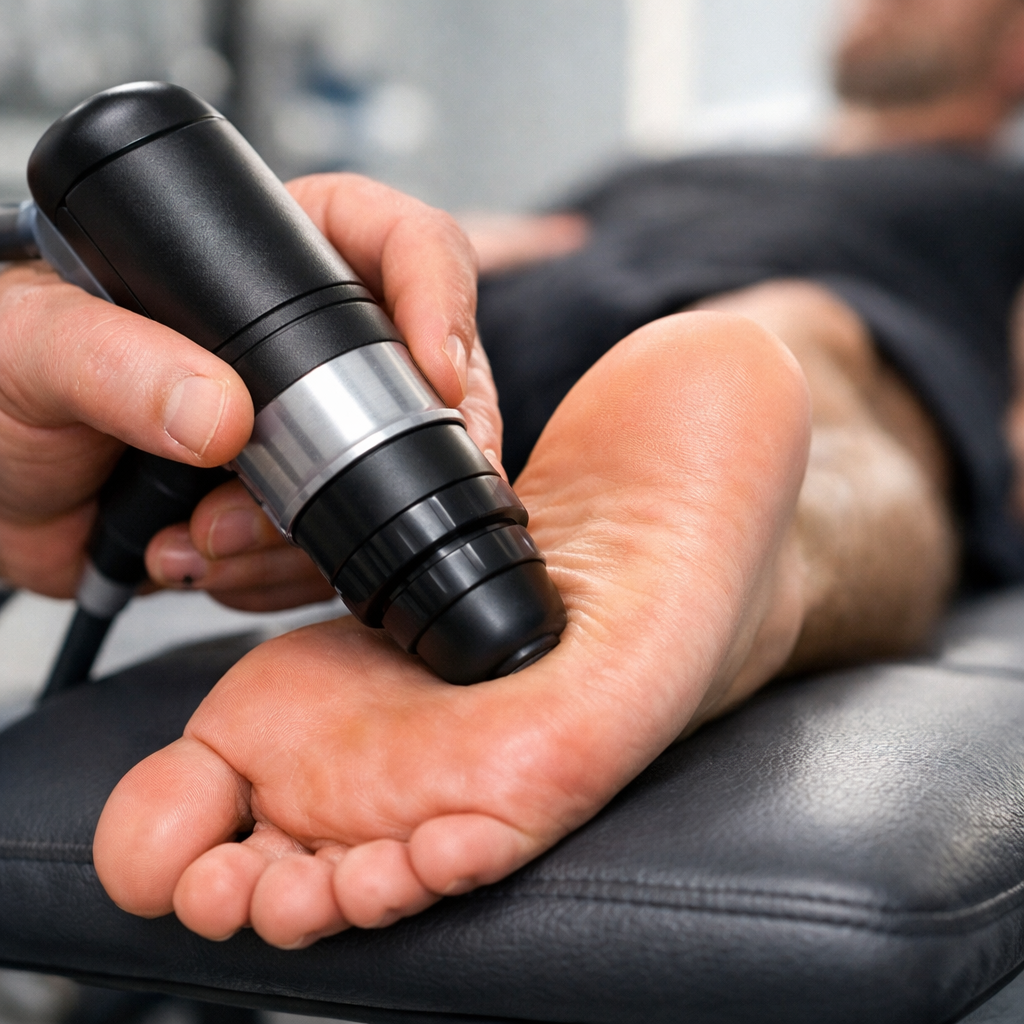
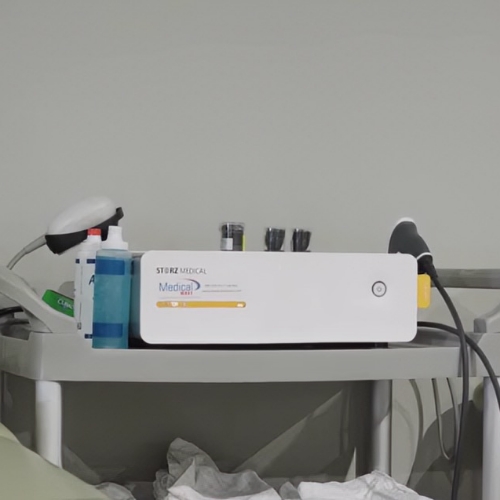
For persistent cases — particularly in workers who have been pushing through heel pain for months on the distribution floor — Trinity Rehab offers EPAT (Extracorporeal Pulse Activation Technology). EPAT delivers acoustic pressure waves into chronically damaged tissue, stimulating cellular repair mechanisms and blood flow that have stalled in longstanding degeneration. The Mayo Clinic identifies extracorporeal shockwave therapy as effective for chronic plantar fasciitis.
Dry needling uses thin filament needles to release deep trigger points in the calf and intrinsic foot muscles — a technique that produces results stretching and manual therapy alone often cannot achieve for deeply entrenched tension patterns.
FOOTWEAR AND ORTHOTIC GUIDANCE
Your therapist will review your current footwear and occupational environment. Workers standing on concrete for extended shifts benefit from both proper supportive shoes and custom orthotics to correct overpronation or flat arches. Recreational walkers and joggers using the Etra Lake and Bear Brook pathways need shoes with appropriate cushioning and support for their foot type. Night splints may be prescribed to prevent overnight fascial shortening.
PREVENTION ADVICE FOR EAST WINDSOR RESIDENTS
Before your next loop at Etra Lake: Do a brief plantar fascia stretch and calf warm-up before you start walking or jogging. This is especially important if you have been sitting in a car during a commute and are stepping straight onto a trail.
If you work on the LG Electronics or warehouse floor: Invest in quality anti-fatigue footwear rated for extended standing on concrete. Replace your work shoes on a schedule — every 6 months is reasonable for a full-time standing job. Speak with your therapist about whether custom orthotics are appropriate for your foot mechanics.
For Hightstown High School athletes: Dynamic warm-ups that include calf raises, ankle mobilization, and arch activation before practice are essential — not optional. Heel pain in adolescents is often dismissed as “growing pains” until it becomes a significant injury.
For everyone: Follow the 10% rule when increasing walking or jogging volume. The Bear Brook and Rocky Brook pathways are wonderful — but doubling your weekly steps overnight after a sedentary winter is a direct path to plantar fasciitis.
WHY EAST WINDSOR PATIENTS CHOOSE TRINITY REHAB
Trinity Rehab East Windsor delivers one-on-one physical therapy from a licensed therapist at every session — not an aide or assistant. That dedicated attention means your treatment plan adapts to your week-to-week progress, your response to specific interventions, and the specific demands of your work and activity level.
We accept most major insurance plans, offer flexible scheduling for shift workers and commuters, and our treatment protocols align with the American Physical Therapy Association’s clinical practice guidelines for plantar fasciitis.
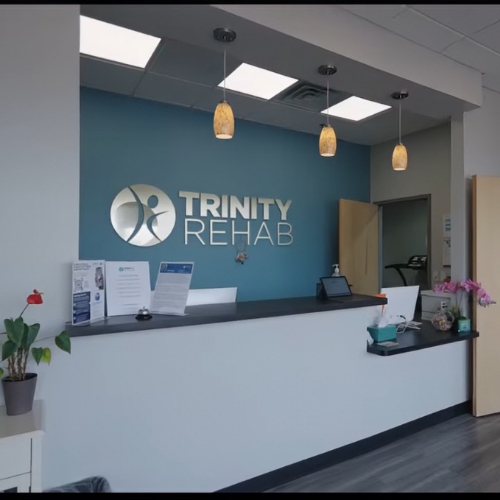
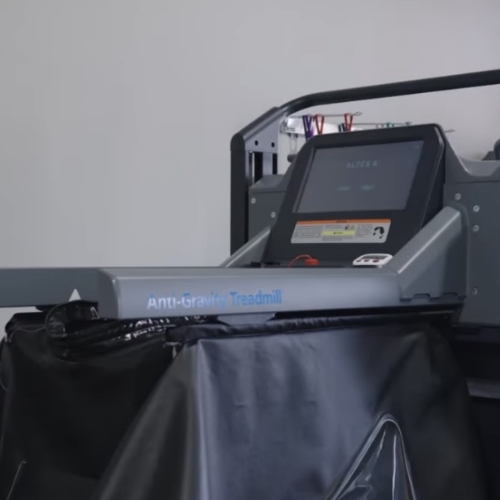
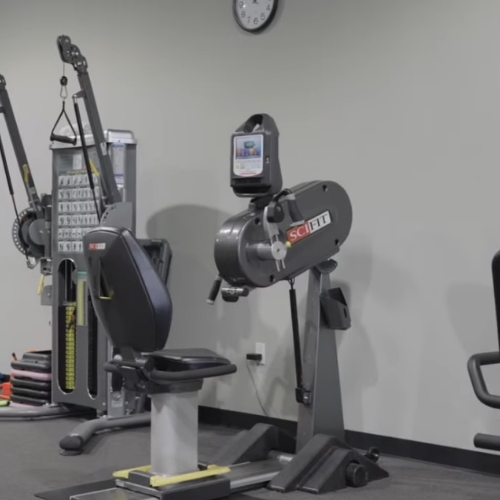
Inside Our East Windsor Clinic
FREQUENTLY ASKED QUESTIONS
Where can I get plantar fasciitis treatment in East Windsor, NJ?
I work a standing job on a hard floor. Will physical therapy actually help if I cannot rest my foot?
Do I need a physician referral to start?
How long will recovery take?
Can plantar fasciitis come back after treatment?
READY TO GET BACK ON THE PATHWAYS
Whether it is the Etra Lake morning loop, a full shift on the warehouse floor, or an East Windsor PAL game that you need to get back to — Trinity Rehab is here to build the treatment plan that gets you there. Plantar fasciitis is one of the most successfully treated conditions in physical therapy when it is addressed with the right combination of hands-on care and structured rehabilitation.
No referral required. Most insurance accepted.
Sources: Journal of Orthopaedic & Sports Physical Therapy — Heel Pain Clinical Practice Guidelines, 2023 | Mayo Clinic — Plantar Fasciitis | American Academy of Orthopaedic Surgeons — Plantar Fasciitis | APTA — Clinical Practice Guidelines for Heel Pain
What Our Patients Say